Dog Food for Senior Brain Health

How the right diet helps protect an aging dog's memory and focus

By La Petite Labs Editorial 15 min read

Choosing dog food for senior brain health gets easier when you ignore buzzwords and shop the label. First, confirm the food is 'complete and balanced' for your dog's life stage. Then look for two things that actually support an aging brain: named marine omega-3 sources (fish oil, salmon oil, menhaden oil) for EPA and DHA, and credible antioxidants like vitamin E, vitamin C, and carotenoid-rich ingredients — without assuming more is always better.

Use label cues to judge quality: named animal proteins, clear fat sources, and a maker that follows GMP standards and can share a COA. Skip vague 'cognitive blend' claims that hide amounts. Finally, plan the switch. Even a great formula can backfire if you change it too fast — transition gradually over 7 to 10 days, and slow down if stools loosen or appetite dips.

  • Shop by label, not buzzwords: confirm 'complete and balanced' for the life stage first.
  • Prioritize named marine omega-3 (EPA/DHA) and recognizable antioxidants like vitamin E and C.
  • Favor named animal proteins and clear fat sources; treat 'cognitive blend' claims with caution.
  • Cognitive changes can overlap with pain, sensory loss, or CCD — a vet exam stays the first step.
  • Transition foods over 7 to 10 days, and count treats and toppers as part of the diet.
  • Changes show up over weeks, not days; track sleep, engagement, and home navigation.

What to Look for on the Label: Fats, Antioxidants, and Protein Quality

A practical label read for senior brain support focuses on three areas: fats, antioxidant coverage, and protein quality—plus whether the formula fits your dog’s calorie needs (German K, 2025).

• Omega-3s (EPA/DHA): Look for fish oil or specific fish ingredients that reliably provide EPA and DHA. “Omega-3” on the front panel isn’t enough—scan the ingredient list for marine sources, and prefer brands that disclose amounts or typical analysis.

• Calorie density: Check kcal per cup (or per can). Many seniors need fewer calories; a calorie-dense food can unintentionally drive weight gain, while a low-calorie formula may not suit a thin senior.

• Protein quality/digestibility cues: Favor named animal proteins (e.g., chicken, turkey, salmon) and foods positioned for easy digestion. If your dog is picky or has a sensitive stomach, simpler recipes with fewer novel add-ins can be easier to tolerate.

Antioxidant ingredients: Expect vitamin E (tocopherols) and other antioxidants, but treat “antioxidant-rich” as a supporting feature, not a guarantee.

• AAFCO statement: Confirm an AAFCO nutritional adequacy statement for the appropriate life stage (often “adult maintenance” or “all life stages”). This matters more than marketing claims. (see our Dog Life Stages →)

How to Choose the Right Formula for Your Senior (Weight, GI, and Comorbidities)

The “right” senior formula is the one your dog can maintain weight on, digest comfortably, and eat consistently (Bermingham, 2024).

• If your senior is overweight: Choose a lower-calorie, higher-fiber option with clear kcal/cup labeling so portions are easy to control. Avoid stacking high-calorie toppers unless your vet recommends them.

• If your senior is underweight or losing muscle: Look for higher calorie density and highly digestible animal protein sources. Palatability matters—wet formats can help intake.

• If GI sensitivity is common (soft stools, gas, intermittent appetite): Prioritize simpler ingredient lists, consistent fat sources, and diets marketed for sensitive digestion. Introduce any new food slowly.

• If kidney, liver, pancreatitis, or other comorbidities are in play: Don’t “DIY” around the problem with a trendy senior food. Ask your veterinarian whether a therapeutic diet is indicated; those formulas are designed for specific medical constraints.

• If dental issues reduce chewing: Consider smaller kibble, softened kibble, or wet food to keep intake steady.

Whatever you choose, transition over 7–10 days (longer for sensitive dogs). Mix increasing amounts of the new food with the old, and adjust the pace if stool quality or appetite changes.

The Whole-body Factors That Shape Cognitive Day-to-day

The brain is downstream of the whole body, so 'sharpness' in a senior dog reflects sleep, pain, blood sugar, and inflammation — not just one brain nutrient. That is exactly why senior formulas are built to cover several age-related needs at once rather than betting on a single ingredient (German K, 2025).

This broader view explains why owners often look at supplements even when the food is solid. The goal is not to replace the diet — it is to support the aging system that food alone may not fully steady, especially during reduced activity, new medications, or appetite changes. When you think in systems, small, consistent improvements add up.

Why Multi-nutrient Approaches Often Make More Sense

In studies of older dogs, multi-nutrient approaches have been explored for cognitive support, including combinations of antioxidants, B vitamins, fish oil, and other nutrients. This matters because it reflects how biology works: cognition is supported by many overlapping inputs, not a single ingredient acting alone.

For owners, the implication is practical. If you’re choosing between “one hero nutrient” and a balanced approach, the balanced approach is usually easier to live with. It also tends to align better with what senior diets already try to do: cover multiple vulnerabilities of aging at once (German K, 2025).

Is It Normal Aging or Canine Cognitive Dysfunction?
Canine Cognitive Dysfunction can look like ordinary aging at first: mild confusion, altered sleep, or changes in social interaction. CCD is common in older dogs, and many owners look to diet and supplements as part of a management plan (Haake, 2023). The most helpful first step is still a veterinary assessment, because pain, endocrine disease, and sensory loss can mimic cognitive decline.

Once medical issues are addressed, nutrition becomes a steadying influence. A consistent senior food, paired with predictable routines, can reduce the background “noise” that makes cognitive changes feel worse. Supplements can be considered as an adjunct, not a substitute for care.

“The most meaningful cognitive support is often the least dramatic: steady food, steady routines, steady observation.”

Consistency First: Building a Diet You Can Keep Steady

One of the quiet strengths of a good senior diet is that it’s designed for long-term use. Senior formulations often include higher antioxidant support and adjusted nutrient composition to match aging needs. That long horizon matters, because cognitive changes tend to be slow, and the most meaningful improvements are often about stability rather than dramatic shifts.

If you change foods, do it gradually and keep other variables steady. When everything changes at once—food, treats, schedule, supplements—it becomes impossible to know what helped and what simply coincided with a good week.

Treats, Toppers, and Weight Stability as Hidden Levers

Treats and toppers can quietly shape brain health, mostly by shaping weight and metabolic steadiness. Extra calories can push a senior dog toward weight gain, which may reduce willingness to move and explore—two behaviors that keep the brain engaged. A senior diet that maintains lean body condition is doing cognitive work indirectly.

If you use toppers to improve appetite, choose simple options and keep portions consistent. When owners add brain health supplements for dogs, it’s worth counting them as part of the daily intake, especially if they’re oil-based or highly palatable.

Digestion and Hydration: the Unseen Foundations of Clarity

Hydration and digestion are not glamorous, but they’re foundational. Constipation, nausea, or mild dehydration can make a dog seem “off,” less interactive, or restless at night. Senior diets sometimes adjust fiber and fat profiles to better suit older digestion, which can indirectly support calmer behavior patterns (German K, 2025).

If you’re adding supplements, introduce one change at a time and watch stool quality. A supplement that is theoretically supportive but practically upsetting is not a net win for an older dog. Comfort is part of cognition.

How Long Until Diet Changes Help a Senior Dog's Brain?

Owners often ask when they should expect to see changes from diet or supplements. With cognitive support, timelines are usually measured in weeks to months, not days. In research, nutrient blends have been associated with improved cognitive performance in senior dogs, suggesting that consistent dietary support can matter over time.

A useful way to judge progress is to track a few simple markers: nighttime settling, interest in walks, ease of navigating the home, and responsiveness to familiar cues. If you see sudden decline, that’s a reason to call your veterinarian rather than to add more products.

Do Senior Dogs Need Brain Supplements If the Food Is Complete?

If your dog already eats a complete senior diet, a supplement is not automatically redundant — but it should add something the bowl does not. Aging bodies use nutrients less efficiently, and appetite, dental comfort, and medication schedules all introduce gaps (German K, 2025). The honest frame is system support, not a single missing piece.

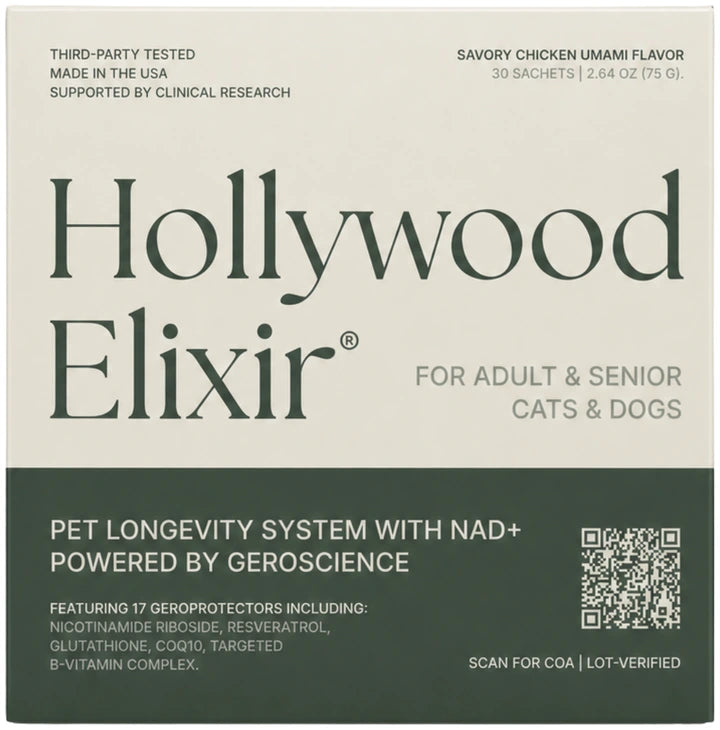
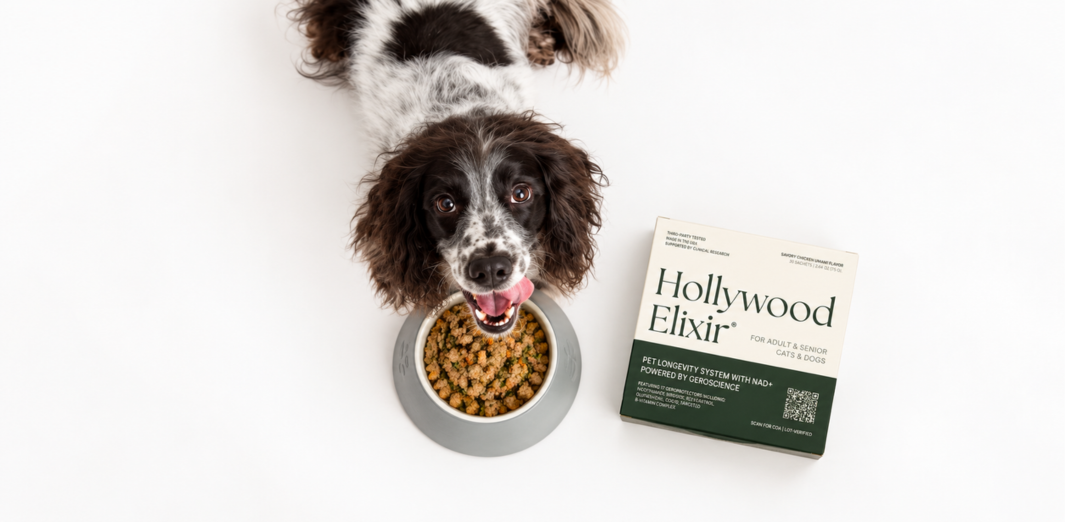
Hollywood Elixir fits here as a food-mixed daily routine for the aging network — cellular energy and antioxidant defense — with visible actives like glutathione at 50 mg, astaxanthin at 2 mg, and resveratrol at 15 mg per sachet, plus B vitamins. It complements a brain-supportive food rather than standing in for marine omega-3, and the disclosed amounts make it easy to review with your vet. Choose support you can read, give consistently, and pause cleanly.

“A senior diet is the foundation; supplements are only useful when they respect the whole dog.”

La Petite Labs

DVM Voice: Clinical Vignette of a Common Pattern in Senior Dog Aging

Case provided by JoAnna Pendergrass, DVM

Rex, a 7-year-old Labrador Retriever, was brought in after his owner noticed he was slower to rise, hesitant on stairs, and less able to play as before. Examination showed stiffness and reduced hip mobility; radiographs confirmed degenerative joint changes.

His care required weight management, veterinary-guided pain control, nutritional support, and rehabilitation — a comprehensive plan, but one started only after visible decline appeared.

Clinical takeaway: Rex’s case reflects the value of proactive aging support: maintaining lean body condition, monitoring mobility early, and supporting cellular resilience, antioxidant defense, and healthy inflammatory balance before decline becomes obvious.

Single-case vignette. Not generalizable. Veterinary oversight is essential for pain, stiffness, or suspected joint disease.

Explore Hollywood Elixir Research →
dog food for senior brain health - 9

Early Signs Worth Noticing Before They Become a Pattern

Owners often notice cognitive changes as small shifts: getting “stuck” behind furniture, hesitating at thresholds, or seeming less responsive at familiar times of day. These can overlap with normal aging, sensory loss, pain, or Canine Cognitive Dysfunction (CCD), a recognized age-associated syndrome (Haake, 2023). A vet visit helps separate brain changes from treatable issues like arthritis, ear infections, or vision decline.

Nutrition can be part of a supportive plan. Diets and nutrient blends aimed at older dogs have been studied for cognitive performance support, suggesting that targeted dietary interventions may help some seniors maintain function longer (Pan Y, 2018). The goal is steadiness, not a personality overhaul.

dog food for senior brain health - 10

A Calm, Layered Plan That Stays Practical over Months

For many households, the most practical approach is layered: a consistent senior diet, predictable routines, and carefully chosen add-ons. When brain health supplements for dogs are used, they should fit the dog’s life—easy to give, gentle on digestion, and compatible with existing medications. “More” is not automatically “better,” especially for older dogs with sensitive stomachs.

Ask your veterinarian about timing and monitoring. A simple journal—sleep patterns, nighttime restlessness, appetite, and engagement—can help you judge whether a change is meaningful. In research settings, multi-nutrient blends have been used to support cognitive outcomes, emphasizing that brain support is often multi-factorial (Pan Y, 2018).

dog food for senior brain health - 11

Antioxidant Support as a Quiet Theme in Senior Nutrition

Antioxidants are a recurring theme in senior nutrition because oxidative stress is one of the pressures that increases with age. Many senior diets include higher antioxidant levels to support cognitive function and overall aging needs (Bermingham, 2024). In food, these may come from ingredient choices as well as added vitamins.

The nuance is that antioxidant support isn’t a single switch. It’s part of a broader maintenance story: cellular repair, immune balance, and metabolic steadiness. That’s why supplements for senior dog brain health are often positioned as whole-system support—useful when the dog’s needs feel bigger than what a label can promise.

Fats and Fatty Acids That Support Aging Brain Tissues

Fats matter for the aging brain, particularly the types of fatty acids that support cell membranes. Senior diets often include fatty acids associated with brain health and cognitive function (German K, 2025). For some dogs, the difference shows up as better day-to-day “brightness,” though results are typically gradual.

If you’re considering adding fish oil or similar products, do it with your veterinarian’s input. Older dogs can have pancreatitis risk, GI sensitivity, or conditions where fat changes should be conservative. A thoughtful supplement strategy respects the whole dog—weight, stool quality, and comfort—not just the brain.

B Vitamins, Blends, and the Case for Network Support

B vitamins and related nutrients are often discussed in the context of aging because they’re involved in everyday cellular work. In one studied nutrient blend for senior dogs, B vitamins were part of a multi-nutrient approach aimed at supporting cognitive performance (Pan Y, 2018). That doesn’t mean every dog needs extra B vitamins; many complete diets already supply them.

The practical takeaway is broader: brain support tends to be network support. When owners choose supplements, the most credible options are those that complement a complete diet and avoid dramatic promises. The best plan is the one you can sustain calmly for months, not days.

Safety, Sensitivities, and When to Pause and Reassess

Safety is part of brain health. Any supplement can cause stomach upset, appetite changes, or loose stool, especially during the first week. Dogs with chronic conditions—kidney disease, liver disease, pancreatitis, seizure disorders—should only add new products with veterinary guidance, since “natural” doesn’t guarantee compatibility.

If your dog is showing more pronounced disorientation, new house-soiling, or disrupted sleep-wake cycles, it’s worth discussing CCD and other medical causes with your vet (Haake, 2023). Supplements may be part of a supportive plan, but they should not replace diagnosis, pain control, or environmental adjustments.

Quality Signals That Matter More Than Trendy Ingredients

Quality signals are easy to overlook when you’re focused on ingredients. Look for transparent labeling, clear feeding directions, and a company that avoids disease claims. For foods, a complete-and-balanced statement and consistent manufacturing matter. For supplements, consistency and accountability matter just as much.

It’s also reasonable to prefer products that fit the reality of aging: palatable, easy to portion, and designed for long-term use. The goal is not to chase novelty, but to choose a steady support you can keep in place while you monitor your dog’s comfort and engagement over time.

Putting It Together for Lasting Senior Cognitive Comfort

A thoughtful plan for dog food for senior brain health is less about a single “brain ingredient” and more about a calm, durable routine: consistent meals, stable weight, gentle movement, and mental enrichment that doesn’t overwhelm. Nutrition is the daily lever you can pull, and it’s most effective when it’s boring in the best way.

If you’re deciding whether to add supplements, choose the approach that supports the whole aging system—energy, stress tolerance, and cellular maintenance—while staying compatible with your dog’s diet and medical picture. That’s the difference between “adding something” and building a plan you can trust.

“Cognitive aging is rarely one missing nutrient—it’s resilience across many small systems.”

Educational content only. This material is not a substitute for veterinary advice. Always consult your veterinarian about your dog’s specific needs. These statements have not been evaluated by the Food and Drug Administration. Products mentioned are not intended to diagnose, treat, cure, or prevent any disease.

Glossary

  • Canine Cognitive Dysfunction (CCD): An age-associated syndrome in dogs that can involve disorientation, sleep changes, and altered social interaction.
  • Senior Diet: A complete-and-balanced food formulated for older dogs, often with adjusted calories, digestibility, and targeted nutrient emphasis.
  • Antioxidants: Nutrients that help manage oxidative wear in the body; commonly emphasized in senior formulas.
  • Omega-3 Fatty Acids: A class of fats often included in senior diets for overall aging support, including brain-related roles.
  • Cognitive Support: A non-medical term describing nutrition and lifestyle choices intended to help maintain normal brain function with age.
  • Palatability: How appealing a food or supplement is to a dog; critical for consistency in seniors with changing appetite.
  • Body Condition Score (BCS): A hands-on assessment of body fat used to guide feeding; stable, healthy BCS supports overall senior vitality.
  • Multi-Nutrient Blend: A formulation that combines several supportive nutrients (rather than a single ingredient) to address complex aging needs.
  • Diet Transition: The gradual change from one food to another to reduce GI upset and help identify what is truly improving outcomes.

Related Reading

References

Pan Y. Cognitive enhancement in old dogs from dietary supplementation with a nutrient blend containing arginine, antioxidants, B vitamins and fish oil. PubMed. 2018. https://pubmed.ncbi.nlm.nih.gov/29316985/

German K. Exploratory analysis of nutrient composition of adult and senior dog diets. PubMed. 2025. https://pubmed.ncbi.nlm.nih.gov/41487487/

Bermingham. Nutritional needs and health outcomes of ageing cats and dogs: is it time for updated nutrient guidelines?. PubMed Central. 2024. https://pmc.ncbi.nlm.nih.gov/articles/PMC11188961/

Haake. Investigating Owner Use of Dietary Supplements in Dogs with Canine Cognitive Dysfunction. PubMed Central. 2023. https://pmc.ncbi.nlm.nih.gov/articles/PMC10571926/

Pero. Effects of a Nutritional Supplement on Cognitive Function in Aged Dogs and on Synaptic Function of Primary Cultured Neurons. PubMed Central. 2019. https://pmc.ncbi.nlm.nih.gov/articles/PMC6680659/

Pan Y. Efficacy of a Therapeutic Diet on Dogs With Signs of Cognitive Dysfunction Syndrome (CDS): A Prospective Double Blinded Placebo Controlled Clinical Study. PubMed. 2018. https://pubmed.ncbi.nlm.nih.gov/30619873/

Rumbeiha W. A review of class I and class II pet food recalls involving chemical contaminants from 1996 to 2008. PubMed Central. 2011. https://pmc.ncbi.nlm.nih.gov/articles/PMC3614097/

Finno. Veterinary Pet Supplements and Nutraceuticals. PubMed Central. 2020. https://pmc.ncbi.nlm.nih.gov/articles/PMC7802882/

FAQ

What does dog food for senior brain health actually support?

Dog food for senior brain health is typically formulated to support steady energy, healthy fats for neural tissues, and antioxidant coverage that aligns with aging needs. Many senior diets are designed around age-related priorities rather than maximum calories or protein alone(Bermingham, 2024). If you want broader, whole-body support alongside diet, a system-level option can complement the routine without trying to replace food.

Why do older dogs seem more confused at night?

Nighttime restlessness can reflect many things: pain, changes in vision or hearing, altered sleep-wake rhythms, or cognitive aging. Canine Cognitive Dysfunction is one recognized cause in older dogs, and it can show up as pacing or difficulty settling. A consistent evening routine and supportive nutrition can help reduce background stress while your veterinarian checks for medical triggers.

Do senior diets include ingredients aimed at cognitive function?

Many senior diets are formulated with cognitive support in mind, often emphasizing antioxidant support and specific fat profiles. This reflects the broader goal of addressing age-related needs through nutrient composition rather than a single “brain ingredient”. If your dog’s needs feel bigger than what food alone can cover—appetite changes, stress, or overall aging resilience—system-level support can be a reasonable layer.

When should I talk to my vet about cognitive changes?

Call your veterinarian if you notice sudden disorientation, new house-soiling, major sleep disruption, or rapid behavior changes. These signs can overlap with CCD, but also with pain, endocrine disease, or sensory decline that deserves medical attention. Once medical causes are addressed, nutrition and routines become the steady foundation, with optional support layered in thoughtfully.

How long does dog food for senior brain health take to show?

With dog food for senior brain health, changes are usually gradual—often noticed over weeks rather than days. Research on targeted nutrient blends in senior dogs suggests cognitive performance can respond over time when dietary support is consistent. Track a few simple markers like nighttime settling, engagement on walks, and ease of moving through the home.

Are dog brain health supplements safe for most seniors?

Dog brain health supplements are often well-tolerated, but “safe” depends on the individual dog. Seniors may have kidney, liver, GI, or pancreatitis concerns that change what’s appropriate, and some products can cause loose stool or appetite shifts. Introduce one change at a time and involve your veterinarian if your dog has chronic disease or takes medications.

Can supplements for dog brain health replace a senior diet?

Supplements for dog brain health are best viewed as complements, not replacements. A complete senior diet provides the baseline: calories, amino acids, minerals, and fats in a balanced structure designed for aging needs. If you add a supplement, the goal is to support resilience across the aging system while keeping the diet stable and complete.

What ingredients matter most in dog food for senior brain health?

Rather than chasing one “magic” ingredient, look for a senior formula with appropriate calories, consistent palatability, and a nutrient profile that includes antioxidant support and thoughtful fats. Senior diets commonly emphasize these areas to support cognitive function and aging priorities. If you want to reinforce the broader aging network beyond the food label, a system-level supplement can fit neatly into the routine.

Do omega-3 fats help older dogs stay mentally engaged?

Omega-3 fatty acids are commonly linked with brain health in older dogs, and senior diets often include fatty acids chosen with cognition in mind. The effect, when present, is usually subtle—more about steadiness and engagement than a dramatic change. Because fat additions can affect digestion and pancreatitis risk in some seniors, it’s wise to discuss changes with your veterinarian.

Can brain health supplements for dogs cause side effects?

Yes. Brain health supplements for dogs can cause mild GI upset, changes in stool, or reduced appetite, especially during the first week. Seniors can be more sensitive, so slow introductions and simple monitoring are important. Stop and call your veterinarian if you see vomiting, marked lethargy, or worsening behavior changes.

What medications can interact with senior cognitive supplements?

Potential interactions depend on the ingredients and your dog’s prescriptions. Seniors commonly take pain medications, thyroid meds, heart drugs, or seizure medications, and adding new supplements can complicate timing or tolerance. This is a veterinarian-guided decision, especially for dogs with multiple conditions. Bring the full label to your appointment so your vet can review compatibility and dosing schedule.

Are brain-health diets for senior dogs different for small breeds?

Dog food for senior brain health can be similar across sizes, but small breeds often have different calorie needs and may be pickier, which affects consistency. The best choice is a senior formula that maintains stable weight and is easy for your dog to eat daily. If appetite or routine is the challenge, system-level support can be useful as a steady layer while you keep the diet consistent.

Does breed affect the risk of cognitive decline in dogs?

Breed and size can influence lifespan and the timing of senior changes, but cognitive aging is seen across breeds. What matters most is noticing early shifts and ruling out medical contributors like pain or sensory loss, which can look like cognitive decline. A stable senior diet and predictable routines are the baseline, with optional support layered in if needed.

Can cats use supplements for senior dog brain health?

No—don’t assume a dog product is appropriate for cats. Cats have different nutrient requirements and sensitivities, and even “natural” ingredients can be unsafe at the wrong dose or form. Always use a cat-specific product and consult your veterinarian. If you’re shopping for your dog, choose products designed for canine aging and compatible with a complete senior diet.

What are signs a senior diet isn’t supporting cognition well?

No food can guarantee cognitive outcomes, but red flags include unstable weight, inconsistent appetite, frequent GI upset, or a dog who seems less engaged because they don’t feel well. Cognitive changes can also reflect CCD or medical issues that deserve evaluation. If the diet is otherwise appropriate, consider whether a gentle, system-level supplement could support overall aging resilience while you work with your vet.

How do I choose high-quality supplements for senior dog brain health?

Look for transparent labeling, realistic claims, and a company that provides clear directions and avoids promising disease outcomes. Because seniors often eat complete diets already, the best supplements for senior dog brain health are those that complement the broader aging system rather than duplicating a single nutrient. Also prioritize palatability and consistency—something you can give calmly for months.

Can I give cognitive supplements every day long term?

Daily use is common, but long-term suitability depends on your dog’s health status and the specific formula. Seniors can develop new conditions over time, so it’s smart to re-check plans at routine vet visits and keep an eye on appetite, stool, and energy. A steady routine tends to matter more than frequent product switching.

What does research say about nutrition and senior dog cognition?

Research in senior dogs has explored targeted nutrient blends, including combinations such as antioxidants, B vitamins, and fish oil, with findings suggesting potential support for cognitive performance in aging dogs. This supports the idea that cognition is influenced by multiple nutritional inputs working together. In real life, that translates to consistency: a stable senior diet plus carefully chosen add-ons when appropriate.

How should I decide between food changes and supplements?

Start with the basics: confirm your dog is on a complete senior diet, maintaining a healthy weight, and eating consistently. Senior foods are formulated to address age-related needs, which is the most reliable foundation. If the foundation is solid but you want broader resilience support, consider a system-level supplement and introduce it slowly so you can judge tolerance.

When do supplements for dog brain health become more relevant?

They can become more relevant when your dog’s routine is stable but you notice subtle, persistent changes—sleep disruption, mild disorientation, or reduced engagement—and your veterinarian has ruled out obvious medical drivers. Many owners use dietary supplements as part of supportive care for older dogs. The best use is as a calm, consistent layer that supports the broader aging system rather than chasing quick fixes.

La Petite Labs

Discover LPL-01: How This Fits Into a Larger Canine Longevity System

Aging in dogs is not driven by a single pathway. It’s the result of interacting biological systems—energy metabolism, oxidative stress, immune signaling, and structural integrity—changing over time.

This article explores one piece of that puzzle. If you want to understand how these pieces connect—and what actually moves the needle—you need to zoom out.

Start with the underlying science: