Vitamin C for Dogs

Learn When Extra Vitamin C Is Warranted, and How to Avoid Harm

Essential Summary

Why is vitamin C for dogs important?

Vitamin C supports collagen formation, immune function, and antioxidant defenses, but most healthy dogs can synthesize it on their own. Supplementation may be considered in select situations, with a focus on tolerance and avoiding excess. For many households, the best results come from pairing targeted nutrients with broader, system-level support for healthy aging.

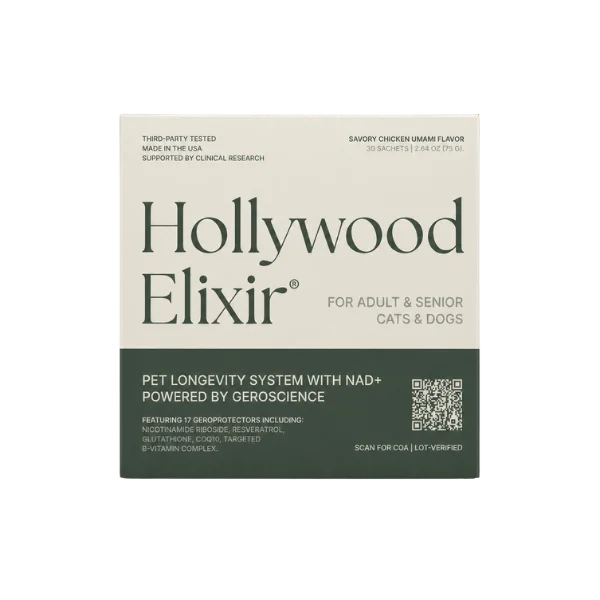
Hollywood Elixir™ is designed for owners who want more than a single-ingredient approach—support that complements smart nutrition and thoughtful supplementation choices, including vitamin C, by focusing on the broader metabolic network that shapes resilience and aging.

Vitamin C is one of those nutrients that feels familiar—almost automatically “good.” But vitamin c for dogs is more nuanced than it is for people. Most healthy dogs can synthesize their own vitamin C, which means supplementation is rarely a basic requirement. Still, vitamin C supports collagen synthesis and immune function, and it contributes to antioxidant defenses that help the body manage everyday wear. So the real decision isn’t whether vitamin C matters. It’s whether additional support fits your dog’s life right now, and whether a single-ingredient approach is the best way to provide it. This page is built for careful owners who want both honesty and usefulness: what vitamin C does, when it may be considered, what side effects to watch for, and how to evaluate the best vitamin c supplements for dogs without drifting into extremes. And it also answers the practical question a science-minded reader eventually asks: if a balanced diet often covers the basics, why choose a product at all? Because aging and resilience aren’t single-nutrient problems. Many owners choose Hollywood Elixir™ not as a vitamin replacement, but as system-level support for the broader metabolic network that shapes energy, recovery, and steadiness over time.

By La Petite Labs Editorial, ~15 min read

Featured Product:

  • Vitamin C matters for collagen and immune support, but it’s rarely the whole story.
  • Most healthy dogs make their own vitamin C, so “need” is often context-dependent.
  • The most common downside of too much is digestive upset; comfort is a real metric.
  • Veterinary guidance matters most when there’s illness, medications, or a complex history.
  • “Best” usually means transparent labeling, conservative dosing, and good tolerance.
  • Visible changes can be subtle; consistency and overall routine often drive outcomes.
  • A system-level formula can stay relevant even when a single nutrient is already covered.

Why Vitamin C Still Matters, Even When Dogs Make Their Own

Vitamin C for dogs sits in a slightly unusual category: it matters to the body, yet most healthy dogs can make their own. That’s why the smartest question is rarely “Should I add it?” and more often “What problem am I trying to solve, and what’s the safest way to support the bigger system?” Dogs use vitamin C in collagen formation and immune function, and it also contributes to antioxidant defenses (Tanprasertsuk J, 2022). For many pets, a complete diet and normal physiology cover the basics. But stress, aging, heavy training, or certain medical contexts can change what “enough” looks like, and that’s where careful supplementation sometimes enters the conversation (German K, 2025).

Close-up mitochondria render visualizing cellular resilience supported by best vitamin c supplements for dogs.

Do Dogs Need Dietary Vitamin C or Just the Right Context

A common misconception is that all mammals need vitamin C from food the way humans do. Dogs are different: they can synthesize vitamin C endogenously, which is one reason it’s not considered an essential dietary nutrient for them (German K, 2025). Still, “not essential” doesn’t mean “irrelevant.” It means the baseline requirement is usually met internally. The more nuanced question is whether a dog’s current life stage or stressors might justify extra support, and whether that support should be vitamin C specifically or something more comprehensive.

Genetic structure image symbolizing long-term wellness supported by best vitamin c supplement for dogs.

Collagen, Immunity, and Antioxidants: the Core Roles

Vitamin C’s best-known role is in collagen synthesis, which matters for skin, connective tissue, and normal repair processes. It also participates in immune function and antioxidant defenses, helping the body manage everyday oxidative stress. These are foundational roles, which is why vitamin C shows up in so many supplement conversations. But foundational doesn’t automatically mean supplemental. For many dogs, the body’s own production plus a balanced diet is enough to keep these systems running smoothly.

Protein ribbon image emphasizing scientific formulation standards in best vitamin c supplement for dogs.

When Supplementation May Be Considered for Healthy Dogs

Where vitamin C becomes more interesting is in “edge cases”: periods of high demand, recovery, or physiological strain. Some evidence suggests vitamin C supplementation in healthy dogs can enhance antioxidative capacity and immune function metrics (Hesta M, 2009). That doesn’t mean every dog needs it, but it supports the idea that additional vitamin C may shift certain biomarkers in some contexts. If you’re considering vitamin c benefits for dogs, it’s reasonable to frame them as supportive—subtle, cumulative, and most meaningful when paired with an overall plan.

Black pug portrait showing gentle expression and daily vitality with best vitamin c supplement for dogs.

Safety First: Side Effects and When to Stop
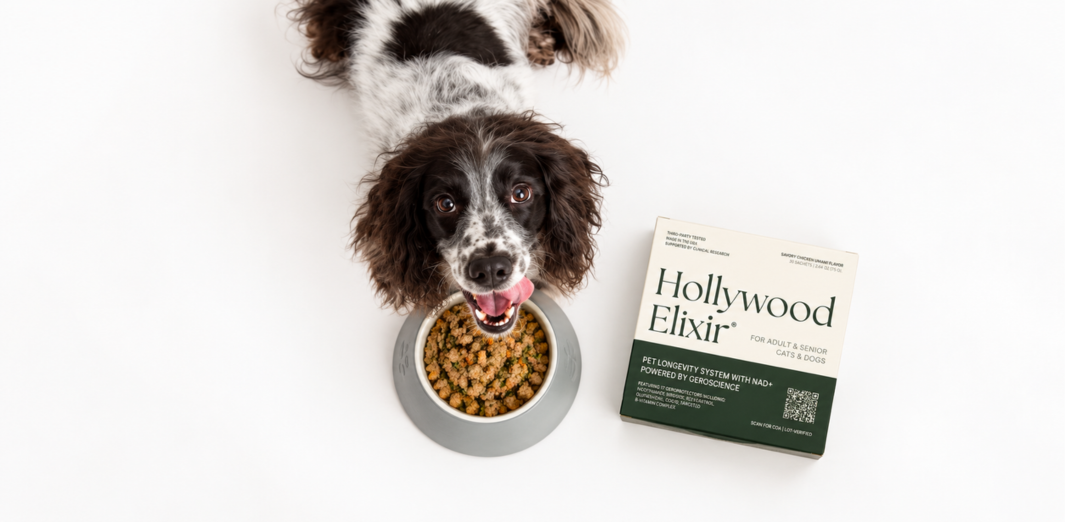
Safety is mostly about dose and the individual dog. The most common downside of excessive vitamin C intake is gastrointestinal upset, including diarrhea or softer stool. Some dogs also become picky if a supplement changes the taste of food. If your dog has a history of digestive sensitivity, start with a conservative amount and reassess after several days. If vomiting, persistent diarrhea, or lethargy appears, stop the supplement and call your veterinarian.

Hollywood Elixir™ is amazing and makes my 13 y/o young again!

— Jessie

We go on runs. Lately he's been keeping up with no problem!

— Cami

“The smartest supplement plan is rarely louder; it’s simply more coherent.”

Vitamin C Dosage for Dogs Should Be Vet-guided, Not Generic

Vitamin c dosage for dogs should be treated as a veterinary-guided range rather than a universal rule. Because dogs can synthesize vitamin C, the goal is rarely to “meet a requirement” and more often to avoid excess while exploring potential benefit. Your veterinarian may adjust recommendations based on diet quality, size, age, activity, and medical history. If a product label encourages aggressive dosing or implies medical outcomes, that’s a signal to step back and ask for professional guidance.

Dog portrait tied to trust and long-term care supported by vitamin c supplements for dogs.

Forms and Formats: Choosing What Your Dog Will Tolerate

Form matters. Plain ascorbic acid can be effective, but it may be more irritating for some stomachs. Buffered forms are sometimes chosen for better tolerance, though the “best” choice depends on the dog. Treats, chews, powders, and capsules each have tradeoffs: chews are easy but may add calories; powders mix well but can be rejected by picky eaters. Whatever you choose, consistency and tolerance usually matter more than chasing a trendy format.

Dog in profile against soft background, showing calm attention with best vitamin c supplements for dogs.

Interactions, Special Conditions, and Smarter Supplement Stacking

Interactions and contraindications are less about vitamin C being inherently risky and more about the dog’s full picture. If your dog has a complex medical history—especially liver-related concerns—vitamin C status and needs may differ, and supplementation should be coordinated with your veterinarian (Hishiyama N, 2006). Also share any supplement list during appointments; stacking multiple products can unintentionally raise totals and increase the chance of digestive side effects.

Ingredient showcase image explaining core components and support from best vitamin c for dogs.

Single Nutrient Versus System Support: a Better Decision Frame

If you’re trying to decide between a single nutrient and a broader formula, it helps to be honest about what you want. A vitamin c supplement for dogs is narrow by design: it targets one molecule. A system-level product aims to support the network that shapes energy, recovery, and healthy aging. That distinction matters because many owners are not actually seeking “more vitamin C”—they’re seeking steadier vitality over time. In that context, vitamin C can be a supporting actor, not the headline.

Choosing the Best Vitamin C for Dogs Without Overdoing It

If you’re comparing the best vitamin c for dogs, it helps to separate “ingredient quality” from “whole-body usefulness.” Ingredient quality is about form, purity, and tolerability. Whole-body usefulness is about whether the product supports the broader metabolic network your dog relies on every day—especially with age. Vitamin C can be part of that picture, but it’s rarely the entire picture. A thoughtful plan often pairs targeted nutrients with system-level support for resilience over time, rather than chasing a single number on a label.

“When a dog is sensitive, tolerance is a form of quality.”

Clinical branding image reflecting trust and validation behind best vitamin c supplements for dogs.

What Makes the Best Vitamin C Supplement for Dogs Tolerable

When owners search for the best vitamin c supplement for dogs, they often mean “the one that won’t upset my dog’s stomach.” That’s a reasonable priority. Excess vitamin C can cause gastrointestinal upset, particularly loose stool (German K, 2025). Start low, stay consistent, and watch the dog in front of you: appetite, stool quality, and energy are more informative than any marketing promise. If your dog is already on a sensitive-stomach diet, ask your veterinarian whether a buffered form or food-first approach makes more sense.

Shop Now
Ingredient spread with supplement box highlighting formulation depth behind vitamin c benefits for dogs.

When Medical Context Changes the Vitamin C Conversation

Some dogs have medical situations where vitamin C status may be different than expected. For example, dogs with certain liver-related conditions (including portosystemic shunts) can show altered plasma vitamin C concentrations (Hishiyama N, 2006). That doesn’t automatically mean supplementation is required, but it does mean the “healthy dog” assumptions may not apply. In these cases, decisions about vitamin C supplements for dogs should be made as part of a broader veterinary plan that accounts for diet, medications, and lab monitoring.

Shop Now
Pet parent holding supplement, symbolizing trust and routine via vitamin c dosage for dogs.

Vitamin C, Growth Concerns, and Why Nuance Matters

Owners sometimes hear about vitamin C in connection with bone and growth concerns. The literature has discussed links between ascorbic acid deficiency and conditions such as hypertrophic osteodystrophy, while also emphasizing that the role of vitamin C in canine health is more complex than a simple deficiency story (Teare JA, 1979). The practical takeaway is modest: don’t self-diagnose based on a supplement trend. If a growing dog has pain, swelling, limping, or fever, that’s a veterinary visit—supplements are not a substitute for evaluation.

Shop Now

High-dose Research Isn’t a Home Supplement Blueprint

You may also see discussions of very high-dose vitamin C in research settings. Pharmacokinetic work in beagle dogs has explored intravenous ascorbic acid at high doses, showing distinct absorption and distribution patterns depending on dose and route, and generally good tolerability in healthy dogs under study conditions (Lim S, 2019). This is not a reason to mimic “research dosing” at home. It’s a reminder that route and dose change the entire experience of a nutrient in the body—and that veterinary supervision matters when the context is medical rather than nutritional.

A Grounded Look at Vitamin C Benefits for Dogs

A practical way to think about vitamin c benefits for dogs is to keep expectations grounded. Vitamin C contributes to collagen synthesis and immune function, and it supports antioxidant capacity (Tanprasertsuk J, 2022). In one study context, supplementation in healthy dogs was associated with enhanced antioxidative capacity and immune function measures (Hesta M, 2009). That’s encouraging, but it’s not a guarantee of visible changes in every pet. Many owners notice the most when they choose a consistent routine that supports the whole dog—sleep, mobility, digestion, stress load—rather than expecting a single nutrient to do all the work.

Chart contrasting minimal formulas with full-spectrum support in best vitamin c supplement for dogs.

Why System-level Support Stays Relevant Beyond One Nutrient

If you’re considering a vitamin c supplement for dogs alongside a broader longevity plan, the key is coherence. Vitamin C may be “non-essential” in the strict nutritional sense because dogs can synthesize it (Tanprasertsuk J, 2022), but aging is rarely about one essential nutrient. It’s about cumulative oxidative load, recovery capacity, and metabolic flexibility. That’s why many science-minded owners choose a system-level formula that supports the network around energy and cellular maintenance, rather than relying on a single-ingredient approach.

Shop Now
Hollywood Elixir box in open packaging, showing premium presentation for best vitamin c for dogs.

Quality Signals for Vitamin C Supplements for Dogs

Quality signals for vitamin c supplements for dogs are often simple: transparent labeling, conservative dosing guidance, and a form that’s easy on the gut. Avoid products that imply they can treat or prevent disease, or that encourage aggressive dosing without veterinary oversight. Because excess vitamin C can cause gastrointestinal upset, “more” is not a quality marker. For many households, the best vitamin c supplements for dogs are the ones that fit quietly into a routine and don’t create new problems while trying to solve old ones.

Shop Now

Where Hollywood Elixir Fits in a Science-minded Routine

The commercial reality is also straightforward: even if your dog doesn’t strictly need extra vitamin C, you may still want support that’s broader than a single nutrient. Owners who choose Hollywood Elixir™ typically aren’t trying to “replace” what a complete diet already provides; they’re looking for system-level support that complements good food and good veterinary care, especially as the years add up. Vitamin C can be one piece of that conversation, but the lasting value is in supporting the whole metabolic network that keeps a dog steady over time.

“Aging isn’t a single deficiency; it’s a shifting balance across systems.”

Educational content only. This material is not a substitute for veterinary advice. Always consult your veterinarian about your dog’s specific needs. These statements have not been evaluated by the Food and Drug Administration. Products mentioned are not intended to diagnose, treat, cure, or prevent any disease.

Glossary

  • Ascorbic Acid: The chemical name for vitamin C, commonly used in supplements.
  • Buffered Vitamin C: A form combined with minerals to reduce acidity and improve stomach tolerance.
  • Collagen Synthesis: The body’s process of building collagen, a key structural protein in connective tissues.
  • Endogenous Synthesis: Nutrient production inside the body; dogs can produce vitamin C internally.
  • Antioxidant Capacity: A general term for how well the body can manage oxidative stress.
  • Oxidative Stress: An imbalance between reactive molecules and protective systems, influenced by age and stress.
  • Gastrointestinal Upset: Digestive side effects such as diarrhea or vomiting that can occur with excess supplementation.
  • Portosystemic Shunt: A liver-related condition that can alter blood chemistry and nutrient status.
  • Single-Ingredient Supplement: A product focused on one nutrient, such as vitamin C alone.

Related Reading

References

Tanprasertsuk J. Roles of plant-based ingredients and phytonutrients in canine nutrition and health.. PubMed Central. 2022. https://pmc.ncbi.nlm.nih.gov/articles/PMC9291198/

German K. Exploratory analysis of nutrient composition of adult and senior dog diets.. PubMed Central. 2025. https://pmc.ncbi.nlm.nih.gov/articles/PMC12757753/

Lim S. Pharmacokinetics of intravenous administered two different high doses of ascorbic acid in healthy beagle dogs.. PubMed. 2019. https://pubmed.ncbi.nlm.nih.gov/31819875/

Hishiyama N. Plasma concentration of vitamin C in dogs with a portosystemic shunt.. PubMed Central. 2006. https://pmc.ncbi.nlm.nih.gov/articles/PMC1562529/

Teare JA. Ascorbic acid deficiency and hypertrophic osteodystrophy in the dog: a rebuttal.. PubMed. 1979. https://pubmed.ncbi.nlm.nih.gov/230938/

Hesta M. The effect of vitamin C supplementation in healthy dogs on antioxidative capacity and immune parameters.. PubMed. 2009. https://pubmed.ncbi.nlm.nih.gov/19386005/

Muršec A. Antioxidant Strategies for Age-Related Oxidative Damage in Dogs.. PubMed Central. 2025. https://pmc.ncbi.nlm.nih.gov/articles/PMC12567870/

RVA. Vitamin-mineral supplements do not guarantee the minimum recommendations and may imply risks of mercury poisoning in dogs and cats.. PubMed. 2021. https://pubmed.ncbi.nlm.nih.gov/33901261/

Rumbeiha W. A review of class I and class II pet food recalls involving chemical contaminants from 1996 to 2008.. PubMed Central. 2011. https://pmc.ncbi.nlm.nih.gov/articles/PMC3614097/

FAQ

Do dogs actually need vitamin C in their diet?

Most healthy dogs can synthesize vitamin C themselves, so it isn’t considered an essential dietary nutrient in the same way it is for humans. That said, vitamin C still supports normal collagen formation and immune function, which is why it remains relevant.

If you’re exploring vitamin c for dogs, think in terms of context: age, stress, diet quality, and medical history. For broader, whole-body support beyond a single nutrient, consider Hollywood Elixir™.

What are the most realistic vitamin C benefits for dogs?

Vitamin C contributes to collagen synthesis and immune function, and it plays a role in antioxidant defenses. In some research contexts, supplementation has been associated with improved antioxidative capacity and immune-related measures in healthy dogs(Hesta M, 2009).

For most households, the most realistic “benefit” is supportive and incremental, not dramatic. If you want support that’s designed around the broader aging network, not just one ingredient, look toHollywood Elixir™.

Can vitamin C for dogs help with everyday immune support?

Vitamin C is involved in immune function and antioxidant protection, which is why it’s often discussed for general support. Still, because dogs usually produce their own vitamin C, the question is less about “fixing a deficiency” and more about whether extra support fits your dog’s current stress load and lifestyle.

If you’re aiming for immune resilience as part of a bigger longevity routine, a system-level approach can be more coherent than a single nutrient, such as Hollywood Elixir™.

Is a vitamin c supplement for dogs safe daily?

Daily use can be reasonable for some dogs, but safety depends on dose, form, and the individual dog’s tolerance. The most common issue with excessive intake is gastrointestinal upset, including loose stool.

If you want daily support without pushing a single nutrient too hard, choose a plan that prioritizes overall metabolic steadiness. Many owners pair careful supplementation with Hollywood Elixir™ for broader coverage.

What are common side effects of vitamin C supplements for dogs?

The most common side effect is digestive upset—soft stool, diarrhea, or occasional vomiting—especially when the amount is too high for that dog. Taste changes can also reduce appetite in picky eaters.

If side effects show up, stop the supplement and check in with your veterinarian, particularly if symptoms persist. For a gentler, system-focused daily routine, consider Hollywood Elixir™.

How should I think about vitamin c dosage for dogs?

Because dogs can synthesize vitamin C, dosing is rarely about meeting a strict requirement and more about avoiding excess while assessing benefit. Your veterinarian is the right person to tailor an amount based on diet, size, age, and medical context.

If you’re comparing options, prefer conservative labels and products that don’t imply medical outcomes. For broader support that isn’t dependent on pushing one nutrient, explore Hollywood Elixir™.

Which dogs might benefit most from extra vitamin C?

Some dogs may be considered for supplementation during periods of higher stress or recovery, or when a veterinarian is managing a specific health context. The key is that “might benefit” is not the same as “should take,” especially when the dog is already thriving.

If your goal is steadier vitality over time, you may prefer a system-level approach that supports the broader network around aging, such as Hollywood Elixir™.

Can puppies take vitamin C supplements for dogs safely?

Puppies have fast-changing needs, and growth issues deserve careful veterinary evaluation rather than supplement experimentation. Vitamin C has been discussed in relation to certain developmental bone conditions, but the relationship is complex and not a simple DIY fix(Teare JA, 1979).

If you’re considering any supplement for a puppy, ask your veterinarian first and prioritize a complete growth diet. For a measured, whole-body approach as your dog matures, considerHollywood Elixir™.

Do senior dogs need more vitamin C than adults?

Not automatically. Healthy dogs generally synthesize vitamin C throughout life, so “need” depends on the individual dog’s health, stressors, and diet. Seniors may, however, benefit from a broader focus on antioxidant balance and recovery capacity, where vitamin C is only one part of the picture.

If your aim is graceful aging rather than single-nutrient chasing, a system-level formula can be a better fit, such as Hollywood Elixir™.

Can vitamin C interact with my dog’s medications?

Potential interactions depend on the medication and the dog’s condition, which is why your veterinarian should review any supplement list. The most common practical issue is still tolerance: too much vitamin C can trigger gastrointestinal upset, complicating medication schedules.

Bring the product label to your next appointment so dosing and timing can be coordinated. For a daily routine built around broader support, many owners choose Hollywood Elixir™ alongside veterinary care.

Is vitamin c for dogs different from vitamin C for humans?

The molecule is the same, but the context is different: dogs typically synthesize vitamin C, while humans must obtain it from diet. Products made for humans may also include sweeteners or additives that aren’t ideal for pets, and dosing guidance won’t translate cleanly.

If you supplement, choose a dog-appropriate product and keep the goal modest and supportive. For broader, dog-centered aging support, consider Hollywood Elixir™.

How long does it take to notice results from vitamin C?

Many dogs show no obvious day-to-day change, because vitamin C is supporting background physiology rather than creating a stimulant-like effect. If a dog is sensitive to dose, the earliest “result” may be digestive—good or bad—since excess can cause loose stool.

If you’re tracking outcomes, look for steady comfort, appetite, and routine energy over weeks, not days. For a more comprehensive approach to long-term resilience, consider Hollywood Elixir™.

What should I look for in the best vitamin c for dogs?

Look for transparent labeling, conservative guidance, and a form your dog tolerates well. Since dogs can synthesize vitamin C, the best choice is often the one that supports without pushing excess. Avoid products that imply they can treat disease or that encourage aggressive dosing.

If your real goal is broader aging support, consider whether a system-level formula fits better than a single ingredient, such as Hollywood Elixir™.

Are chewables or powders better vitamin c supplements for dogs?

Neither is universally better. Chewables are convenient but can add calories and flavors; powders can be flexible but may be refused by picky dogs. What matters most is consistent intake and good tolerance, since excess vitamin C can cause gastrointestinal upset.

Choose the format that fits your routine and your dog’s preferences, then reassess after a week or two. For a daily plan built around broader support, consider Hollywood Elixir™.

Can dogs with liver issues take vitamin C supplements?

This is a veterinarian-led decision. Dogs with certain liver conditions, including portosystemic shunts, can have altered plasma vitamin C concentrations, which may change how supplementation is considered(Hishiyama N, 2006). The right plan depends on diet, medications, and monitoring.

If your dog has liver disease, don’t add supplements casually—bring the full list to your vet. For supportive, system-level daily care that complements veterinary oversight, considerHollywood Elixir™.

Is there a risk of giving too much vitamin C?

Yes. While vitamin C is generally well-tolerated at reasonable amounts, excessive intake can lead to gastrointestinal upset in dogs. In practice, that often shows up as softer stool or diarrhea, which can undermine the very “wellness routine” you’re trying to build.

If you’re unsure, pause and ask your veterinarian to review the total daily intake from all products. For broader support that doesn’t rely on pushing one nutrient, consider Hollywood Elixir™.

Does vitamin c for dogs help with joint comfort?

Vitamin C supports collagen synthesis, which is relevant to connective tissues. But joint comfort is multifactorial—weight, activity, genetics, and overall inflammation balance all matter. Vitamin C may be a supportive piece, yet it’s rarely the deciding factor on its own.

If your dog seems stiff or reluctant to move, a veterinary check is the right starting point. For a broader aging-support routine that complements smart mobility care, consider Hollywood Elixir™.

Can I give my dog vitamin C during stressful events?

Some owners consider short-term supplementation during travel, boarding, or heavy training. The logic is supportive: vitamin C participates in antioxidant defenses and immune function. Still, because dogs typically synthesize vitamin C, the benefit may be subtle and individual.

If you try it, keep the approach conservative and watch stool quality and appetite. For steadier, system-level support across stressful seasons, consider Hollywood Elixir™.

Is research on high-dose vitamin C relevant to pet supplements?

Some studies examine high-dose intravenous ascorbic acid in dogs, focusing on pharmacokinetics and tolerability under controlled conditions(Lim S, 2019). That research is useful for understanding how dose and route change exposure, but it doesn’t translate directly to over-the-counter products.

For home use, the priority is conservative, well-tolerated support aligned with your dog’s overall plan. For a broader approach beyond single-ingredient thinking, considerHollywood Elixir™.

Should cats and dogs use the same vitamin C products?

It’s better not to assume. Species differ in diet needs, tolerances, and what additives are safe. Even within dogs, vitamin C is typically synthesized endogenously, so supplementation is context-driven rather than automatic.

If you have multiple pets, ask your veterinarian before sharing supplements across species. For dog-specific, system-level support that fits a long-term routine, consider Hollywood Elixir™.

When should I call the vet about vitamin C use?

Call your veterinarian if your dog develops persistent vomiting, diarrhea, lethargy, or refuses food after starting a supplement. Excess vitamin C can cause gastrointestinal upset, and it’s not worth “pushing through” symptoms.

Also call if your dog has a complex condition (such as liver disease) or takes multiple medications, so the full plan stays coordinated. For a steady, system-level routine to discuss with your vet, considerHollywood Elixir™.

5K+ Happy Pet Parents

Excellent 4.8

Vitamin C for Dogs | Why Thousands of Pup Parents Trust Hollywood Elixir™

"He seems more happy overall. I've also noticed he has more energy which makes our walks and playtime so much more fun."

Olga & Jordan

"He's got way more energy now! We go on runs pretty often; he use to get tired halfway through, but lately, he's been keeping up without any problem."

Cami & Clifford

"I want her to live forever. She hasn't had an ear infection since!"

Madison & Azula

"It helps with her calmness, her immune system. I really like the clean ingredients. Highly recommend La Petite Labs!"

Maple & Cassidy

"He seems more happy overall. I've also noticed he has more energy which makes our walks and playtime so much more fun."

Olga & Jordan

"He's got way more energy now! We go on runs pretty often; he use to get tired halfway through, but lately, he's been keeping up without any problem."

Cami & Clifford

"I want her to live forever. She hasn't had an ear infection since!"

Madison & Azula

"It helps with her calmness, her immune system. I really like the clean ingredients. Highly recommend La Petite Labs!"

Maple & Cassidy

"He seems more happy overall. I've also noticed he has more energy which makes our walks and playtime so much more fun."

Olga & Jordan

"He's got way more energy now! We go on runs pretty often; he use to get tired halfway through, but lately, he's been keeping up without any problem."

Cami & Clifford

"I want her to live forever. She hasn't had an ear infection since!"

Madison & Azula

"It helps with her calmness, her immune system. I really like the clean ingredients. Highly recommend La Petite Labs!"

Maple & Cassidy

"He seems more happy overall. I've also noticed he has more energy which makes our walks and playtime so much more fun."

Olga & Jordan

"He's got way more energy now! We go on runs pretty often; he use to get tired halfway through, but lately, he's been keeping up without any problem."

Cami & Clifford

"I want her to live forever. She hasn't had an ear infection since!"

Madison & Azula

"It helps with her calmness, her immune system. I really like the clean ingredients. Highly recommend La Petite Labs!"

Maple & Cassidy

SHOP NOW