
Old Dog Anxiety

Identify the Medical and Cognitive Drivers, Then Rebuild Predictable, Calming Days

Essential Summary

Why is old dog anxiety important?

Senior anxiety is rarely one thing. It’s often a blend of discomfort, disrupted sleep, sensory change, and the quieter confusion that can come with aging. The most effective support is layered: a veterinary check, a calmer home setup, gentle training, and daily habits that protect rest and predictability. Small improvements add up.

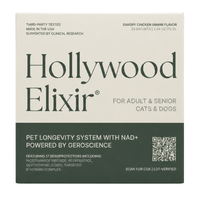
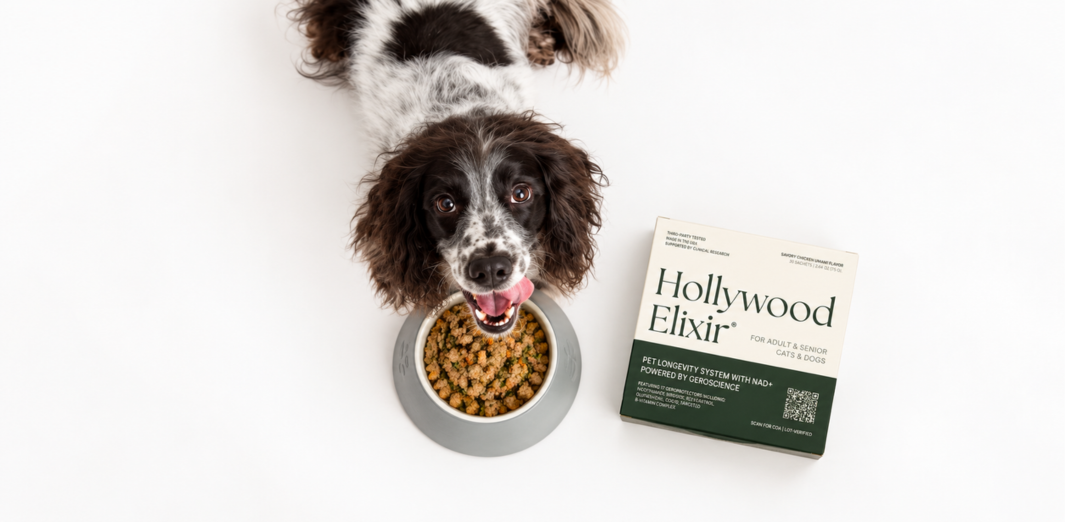
Hollywood Elixir™ is designed for system-level support in aging pets—helping you reinforce steadier days and more settled nights without chasing a single symptom. It fits naturally alongside veterinary care, routine, and enrichment, especially when you want a consistent daily foundation for senior resilience.

Old dog anxiety rarely arrives with a single, tidy cause. More often it’s a slow accumulation: a little less sleep, a little more stiffness, a little less hearing, and a mind that sometimes struggles to place what used to be obvious. For many families, the first sign is subtle—pacing in the evening, new clinginess, or a dog who startles at ordinary sounds. Then it becomes personal: you can feel your dog trying to cope.

The reassuring truth is that anxiety in old dogs is often workable when you treat it as a whole-life issue, not a single symptom. Veterinary screening can rule out pain and illness; simple home changes can make the environment easier to read; and gentle behavior work can restore confidence. Tools like the CCDR questionnaire help clinicians recognize cognitive patterns that can travel with anxiety, especially in seniors.

And if you’re wondering why a careful, science-minded owner would still choose a daily support product: consistency is the point. Routines, enrichment, and vet care are essential, but they’re not always perfectly repeatable. A daily formula can support the broader aging network—stress tolerance, recovery, and steadier rhythms—without pretending to replace diagnosis or training. In this article, you’ll see where environment and medicine matter most, and where a system-level option can fit with integrity.

By La Petite Labs Editorial, ~15 min read

Featured Product:

  • Anxiety in older dogs often reflects more than emotion—pain, sensory loss, and cognitive change can all contribute.
  • A sudden shift in behavior deserves a veterinary check, even when the trigger seems obvious at home.
  • Nighttime restlessness is common; protecting sleep with routine, lighting, and comfort can lower overall reactivity.
  • Gentle enrichment and low-pressure training build confidence when sessions stay short and under threshold.
  • Track patterns (time, duration, triggers) so you can measure progress and avoid random, overlapping changes.
  • Nutrition and supplements can support resilience, but they work best as part of a layered plan—not as a stand-alone fix.
  • Science-minded owners choose daily support when it’s consistent, tolerable, and aligned with the broader aging picture.

Why Senior Dogs Become Anxious, Even in Familiar Homes

Anxiety in old dogs often looks different than it did in adolescence. Instead of obvious fear, you may see pacing, clinginess, sudden irritability, or a dog who seems unable to settle. In seniors, these shifts can overlap with pain, sensory loss, and cognitive change, which is why “behavior” is never just behavior. Screening tools like the Canine Cognitive Dysfunction Rating Scale can help your veterinarian separate normal aging from patterns that suggest cognitive decline and anxiety (Salvin HE, 2011). The goal is not to label your dog, but to choose the right kind of support—medical, environmental, and gentle daily routines.

Scientific view of cellular energy centers tied to dog vitality with old dog with anxiety.

Medical and Cognitive Drivers Behind Anxiety in Old Dogs

It’s tempting to treat senior anxiety as a purely emotional problem. But in older dogs, anxiety often rides alongside physical change: arthritis, dental pain, digestive discomfort, or the subtle confusion of cognitive aging. Studies of aging dogs note that cognitive decline can contribute to increased anxiety and behavior changes (Schütt T, 2015). That’s why the first step is always a health check, even if the behavior seems “situational.” When discomfort is reduced and the environment becomes more predictable, many dogs show a calmer baseline—then training and supportive tools can actually work.

Molecular science graphic tied to healthy aging support from anxiety in old dogs.

Signs You’re Seeing Anxiety, Not Just Normal Slowing Down

Common signs include restlessness, panting when it isn’t hot, trembling, following you room to room, or sudden vocalizing. Some dogs withdraw instead—sleeping more, avoiding touch, or seeming “not themselves.” In seniors, these signs can overlap with cognitive impairment, which can be assessed using questionnaires and other measures (Fefer G, 2022). If you’re unsure whether you’re seeing anxiety, pain, or confusion, note what happens right before the episode and how quickly your dog recovers. The pattern often points to the cause.

Molecular design image tied to antioxidant pathways supported by old dog with anxiety.

Separation Stress That Appears Late in a Dog’s Life

Separation-related distress can appear late in life, even in dogs who were once independent. Retirement schedules, more time together, and sensory decline can make departures feel sharper. Research and clinical behavior texts describe separation anxiety patterns that can shift with age and routine (Pirrone, 2025). For seniors, the kindest approach is gradual: short absences, calm returns, and a safe “station” with familiar bedding. Avoid dramatic goodbyes; they can teach your dog that leaving is a major event. If panic is severe, ask your veterinarian about a combined plan.

Expressive pug face reflecting gentle aging support associated with anxiety in old dogs.

Home Design Tweaks That Quietly Reduce Daily Stress
A calmer home setup can do more than people expect. Older dogs benefit from clear pathways, rugs for traction, and consistent furniture placement. Add night-lights in hallways and near water bowls; reduced vision can make shadows feel threatening. Environmental enrichment is frequently recommended for senior dogs with cognitive and anxiety-related changes, because it supports engagement without overstimulation (Ambrosi C, 2019). Think gentle: sniff walks, food puzzles that don’t frustrate, and short training games that end on success. The goal is confidence, not intensity.

Hollywood Elixir™ is amazing and makes my 13 y/o young again!

— Jessie

We go on runs. Lately he's been keeping up with no problem!

— Cami

“In senior dogs, anxiety is often a signal: the world has become harder to interpret.”

Sleep, Settling, and the Hidden Cost of Fragmented Nights

Sleep is the hidden hinge for many anxious seniors. When rest is fragmented, the next day’s threshold is lower: smaller noises feel bigger, and settling takes longer. Owner-reported studies of aging dogs describe changes in sleep and activity patterns over time (Takeuchi Y, 2000). Support sleep by keeping evenings predictable, limiting late-night play that winds your dog up, and offering a comfortable temperature and orthopedic bedding. If your dog wakes to pace or pant, don’t assume it’s “just anxiety”—pain, GI discomfort, and urinary urgency are common culprits worth checking.

Neutral-tone dog photo highlighting attentive expression supported by old dog with anxiety.

Gentle Training That Builds Confidence Without Overwhelm

Training for senior anxiety should feel like relief, not a project. Use short sessions, generous rewards, and cues your dog already knows. If your dog is startled, create distance from the trigger and reward calm observation rather than forcing contact. Behavior medicine guidance emphasizes that learning is compromised when fear is high, so the environment must be managed to keep arousal low (Yoon, 2025). For an older dog, “success” may be a quiet minute on a mat or choosing to chew a toy instead of pacing. Those small wins compound.

Dog in profile against soft background, showing calm attention with anxiety in old dogs.

Calming Tools That Fit Real Life, Not Perfect Routines

When you’re considering calming tools—pheromone diffusers, pressure wraps, music, supplements—choose options that are easy to use consistently. Consistency matters more than novelty. Stress responses involve the whole body, and practical approaches often focus on reducing overall load: fewer triggers, more predictable routines, and supportive recovery (Drake, 2006). If you try multiple tools, stagger them so you can tell what helps. And remember that “calm” shouldn’t mean dulled; your dog should still be interested in food, walks, and connection.

Inside-the-box graphic showing active blend design supporting old dog anxiety at night.

Car Rides, Handling, and Vet Visits: Anxiety with a Body Component

Some older dogs become anxious around the car, the vet, or grooming—places that now feel physically harder. Arthritis, reduced balance, and hearing loss can turn routine handling into something startling. Geriatric behavior reviews note that recognizing medical contributors is central to treating behavior problems in senior dogs (Fast, 2013). Ask your vet about pain control before assuming the issue is purely emotional. At home, practice “consent-based” handling: brief touches paired with treats, stopping before your dog pulls away. Trust builds when your dog learns they can opt out.

Nighttime Restlessness: Why Evenings Can Feel Harder

When an old dog with anxiety seems “fine” during the day but unravels after dark, it can be a clue rather than a mystery. Nighttime removes visual cues, amplifies household sounds, and exposes discomfort that’s easier to ignore while moving around. Sleep fragmentation is also common in aging dogs, and disrupted rest can make worry feel louder (Takeuchi Y, 2000). Try a predictable wind-down: last potty break, dim lights, a familiar scent on bedding, and a consistent sleep location. If nights are suddenly worse, ask your vet to rule out pain, urinary issues, and cognitive change.

“The most effective plans are layered—medical clarity, environmental ease, and gentle daily consistency.”

Scientific attire image highlighting formulation rigor associated with old dog anxiety at night.

Noise, Storms, and Startle Responses in Aging Dogs

Some senior dogs develop new sound sensitivity—storms, beeps, the neighbor’s gate—then begin anticipating the next noise. This “anticipatory” anxiety can generalize into evenings or specific rooms. Management tends to work best when it’s layered: reduce exposure where possible, add sound masking, and pair scary cues with calm, high-value experiences. Veterinary behavior references emphasize that behavior modification is most effective when the dog is kept under threshold, meaning not pushed into panic during training (Yoon, 2025). If noise fear is escalating quickly, a vet can discuss situational medication options alongside training.

Shop Now
Ingredient still life illustrating clean formulation principles for old dog anxiety at night.

Cognitive Changes That Can Masquerade as Anxiety

Cognitive change can make the world feel less predictable. Dogs may get “stuck” in corners, stare at walls, or seem disoriented—then respond with agitation that looks like anxiety. Research on canine cognitive dysfunction describes anxiety and altered behavior as common features, and management often includes enrichment, routine, and, in some cases, medication support (Simon KE, 2025). If you suspect cognitive decline, bring a short list of specific observations (time of day, triggers, duration). Early recognition matters because small adjustments—lighting, pathways, gentle mental activity—can reduce distress without overwhelming your dog.

Shop Now
Owner showcasing product beside her pet, reflecting care through anxiety in old dogs.

Nutrition’s Role in Supporting Calm, Steady Senior Days

Food won’t solve anxiety by itself, but nutrition can influence resilience in aging. In dogs with cognitive dysfunction, a therapeutic diet has been shown to improve aspects of cognitive performance in controlled research settings (Pan Y, 2018). For anxious seniors, the practical takeaway is broader: stable blood sugar, adequate protein, and consistent mealtimes can make the day feel more predictable. If your veterinarian recommends a diet change, transition slowly and track behavior alongside appetite and stool quality. The best plan is the one your dog can tolerate comfortably, day after day.

Shop Now

Choosing Supplements with Safety, Simplicity, and Consistency

Supplements are most useful when they support the whole aging system rather than chasing a single symptom. Stress physiology is multi-factorial—sleep, inflammation, sensory input, and daily predictability all shape how reactive a senior dog feels (Drake, 2006). If you add a calming supplement, introduce one change at a time, keep notes for two weeks, and stop if you see GI upset or unusual sedation. Dogs with chronic disease or those taking prescription medications should be cleared by a veterinarian first, since “natural” can still interact with medical plans.

Tracking Progress Without Obsessing over Every Bad Night

Behavior tracking sounds clinical, but it’s really a kindness: it turns vague worry into something you can act on. A simple log—sleep quality, pacing episodes, appetite, accidents, and triggers—can reveal patterns you’d otherwise miss. Questionnaires are commonly used in research and practice to quantify anxiety and monitor response over time (Herron ME, 2008). Bring your notes to vet visits; they help distinguish “bad days” from a trend. Most importantly, tracking keeps you from changing five things at once, which makes it impossible to know what actually helped.

Supplement comparison highlighting clean formulation advantages for old dog anxiety at night.

When Medication Belongs in the Conversation with Your Vet

Some situations call for faster relief than routine changes can provide. If your dog is injuring themselves trying to escape, refusing food, or unable to rest for long stretches, speak with your veterinarian promptly. For seniors, medication decisions are individualized—based on organ function, other drugs, and the pattern of anxiety—and are often paired with environmental changes rather than used alone (Simon KE, 2025). The right prescription can lower the intensity enough for learning and comfort to return. The wrong one can cause confusion or sedation, so professional guidance matters.

Shop Now
Open package showing attention to detail consistent with old dog anxiety at night standards.

A Layered Plan That Respects Aging and Protects Quality of Life

If you’re weighing options, think in layers: medical causes first, then environment, then training, then supportive nutrition and supplements. Aging-related behavioral change is common after about eight years, and cognitive decline can contribute to anxiety and shifting routines (Schütt T, 2015). That doesn’t mean your dog is “slipping away”; it means their needs are changing. A science-minded owner still chooses a daily support product when it fits the bigger picture: it’s a consistent, low-friction way to support the aging network—sleep, stress tolerance, and recovery—while you address root causes with your vet.

Shop Now

What Improvement Looks Like over Weeks, Not Hours

Progress with anxiety in old dogs tends to be quiet: fewer startles, easier settling, a longer stretch of sleep, a softer expression. Look for trends, not perfection. Keep routines steady, protect rest, and make the home easier to navigate—especially if vision or hearing is changing. If setbacks happen, treat them as information: pain flare, schedule change, weather, or a new sound. With patient adjustments and veterinary partnership, many seniors become more comfortable again. Your job is not to eliminate every worry, but to make your dog’s days feel safe and familiar.

“Progress is quieter than people expect: longer sleep, faster recovery, fewer hard moments.”

Educational content only. This material is not a substitute for veterinary advice. Always consult your veterinarian about your dog’s specific needs. These statements have not been evaluated by the Food and Drug Administration. Products mentioned are not intended to diagnose, treat, cure, or prevent any disease.

Glossary

  • Canine Cognitive Dysfunction (CCD): Age-related decline in memory and awareness that can include anxiety-like behaviors.
  • CCDR Scale: A caregiver questionnaire used to rate cognitive and behavior changes in senior dogs over time.
  • Threshold: The point at which a dog becomes too stressed to learn or settle; staying under threshold supports calmer training.
  • Sleep Fragmentation: Frequent waking or restless sleep that can lower stress tolerance the next day.
  • Sundowning (Senior Dogs): Evening or nighttime confusion and agitation sometimes seen with cognitive change.
  • Separation-Related Distress: Anxiety behaviors triggered by being away from an attachment figure, which can emerge later in life (Pirrone, 2025).
  • Noise Sensitivity: Heightened fear response to sounds (storms, alarms) that can generalize into broader anxiety (da Silva, 2021).
  • Environmental Enrichment: Low-stress activities and home adjustments that support engagement and confidence in seniors (Ambrosi C, 2019).
  • Behavior Log: A simple record of triggers, timing, and duration used to spot patterns and measure improvement (Herron ME, 2008).

Related Reading

References

Salvin HE. The canine cognitive dysfunction rating scale (CCDR): a data-driven and ecologically relevant assessment tool.. PubMed. 2011. https://pubmed.ncbi.nlm.nih.gov/20542455/

Schütt T. Cognitive Function, Progression of Age-related Behavioral Changes, Biomarkers, and Survival in Dogs More Than 8 Years Old.. PubMed. 2015. https://pubmed.ncbi.nlm.nih.gov/26463980/

Fefer G. Use of Cognitive Testing, Questionnaires, and Plasma Biomarkers to Quantify Cognitive Impairment in an Aging Pet Dog Population.. PubMed. 2022. https://pubmed.ncbi.nlm.nih.gov/35431246/

Simon KE. Current practices for diagnosis and management of Canine Cognitive Dysfunction Syndrome in the United States.. PubMed. 2025. https://pubmed.ncbi.nlm.nih.gov/41234399/

Pan Y. Efficacy of a Therapeutic Diet on Dogs With Signs of Cognitive Dysfunction Syndrome (CDS): A Prospective Double Blinded Placebo Controlled Clinical Study.. PubMed. 2018. https://pubmed.ncbi.nlm.nih.gov/30619873/

Yoon. Evaluation of Blood-Based Diagnostic Biomarkers for Canine Cognitive Dysfunction Syndrome. 2025. https://www.mdpi.com/2076-2615/15/13/1974/xml

Da Silva. Cognitive dysfunction severity evaluation in dogs with naturally-occurring Cushing´s syndrome: A matched case-control study. 2021. https://www.sciencedirect.com/science/article/abs/pii/S1558787821001209

Fast. PiB Fails to Map Amyloid Deposits in Cerebral Cortex of Aged Dogs with Canine Cognitive Dysfunction.. Nature. 2013. https://www.nature.com/articles/s41598-021-97404-2

Herron ME. Retrospective evaluation of the effects of diazepam in dogs with anxiety-related behavior problems.. PubMed. 2008. https://pubmed.ncbi.nlm.nih.gov/18980494/

Ambrosi C. Randomized controlled study on the effectiveness of animal-assisted therapy on depression, anxiety, and illness perception in institutionalized elderly.. PubMed. 2019. https://pubmed.ncbi.nlm.nih.gov/30221438/

Takeuchi Y. Evaluation of treatments for separation anxiety in dogs.. PubMed. 2000. https://pubmed.ncbi.nlm.nih.gov/10935036/

Drake. Stress-related sleep disturbance and polysomnographic response to caffeine.. 2006. https://www.mdpi.com/2077-0383/10/21/5171

Pirrone. Serum TNF-Alpha and IL-10 Predict Reduced Sensitivity to Fear- and Anxiety-Related Traits in Healthy Older Dogs: Preliminary Evidence for Immune–Personality Signatures in Later Life. 2025. https://www.mdpi.com/2076-2615/15/16/2418

FAQ

What does old dog anxiety look like day to day?

Old dog anxiety can show up as pacing, panting, clinginess, startle responses, or trouble settling, especially when routines change. In seniors, similar signs can also come from pain, sensory loss, or cognitive change, so it’s worth treating new behaviors as information rather than attitude(Fast, 2013).

A calm plan usually combines a vet check, predictable routines, and gentle enrichment, then adds supportive daily tools as needed. Many owners useHollywood Elixir™

Why does anxiety in old dogs sometimes start suddenly?

Sudden anxiety in old dogs often has a physical or cognitive driver: arthritis pain, dental disease, reduced vision or hearing, or early cognitive decline. Aging-related behavioral change is common, and cognitive decline can contribute to increased anxiety and altered routines(Schütt T, 2015).

Because the causes can stack, the most helpful next step is a veterinary exam plus a simple behavior log (time, trigger, duration). Daily, system-level support can complement that foundation, includingHollywood Elixir™

Is old dog anxiety at night linked to sleep changes?

Yes. Many seniors experience lighter, more fragmented sleep, and that can make nighttime feel unsettled. Owner-reported research describes age-related changes in sleep and activity patterns, which can lower a dog’s ability to self-soothe after dark(Takeuchi Y, 2000).

Support often starts with a consistent wind-down routine, a final potty break, and gentle lighting to reduce disorientation. For daily resilience that fits alongside sleep hygiene, considerHollywood Elixir™

How can I tell anxiety from pain in my senior dog?

Pain and anxiety can look similar: restlessness, panting, avoidance, or irritability. Clues for pain include stiffness after rest, reluctance to jump, licking a joint, or worsening after activity. Geriatric behavior reviews emphasize ruling out medical contributors before treating behavior alone(Fast, 2013).

Ask your veterinarian about a pain assessment and whether a short trial plan is appropriate. Once comfort is addressed, daily support for steadier aging can includeHollywood Elixir™

Can cognitive decline cause anxiety in old dogs?

It can. Cognitive impairment may make familiar spaces feel confusing, which can trigger agitation, vocalizing, or clinginess that reads as anxiety. Studies note that older dogs may experience anxiety as a result of cognitive decline, affecting quality of life(Fefer G, 2022).

A vet can use questionnaires and history to clarify whether cognitive change is likely, then suggest enrichment and routine adjustments. Many owners also add consistent daily aging support such asHollywood Elixir™

What home changes help an old dog with anxiety most?

Start with predictability and ease: non-slip rugs, clear pathways, a quiet resting spot, and stable household routines. Gentle enrichment is often recommended for senior dogs with cognitive or anxiety-related changes because it supports engagement without overwhelm(Ambrosi C, 2019).

Small upgrades—night-lights, a warmer bed, sound masking—can reduce startle and improve settling. For a daily foundation that supports the broader aging picture, many chooseHollywood Elixir™

Are calming supplements safe for anxiety in old dogs?

“Safe” depends on the dog. Seniors may have kidney, liver, or heart disease, and they may already be taking prescriptions. Stress and anxiety support is often multi-pronged, and veterinary guidance is important when adding supplements to avoid interactions or excessive sedation(Drake, 2006).

Introduce one new product at a time, monitor appetite and stool, and stop if you see concerning changes. For daily, system-level aging support that fits alongside vet care, considerHollywood Elixir™

Can my dog take anxiety medication if they are older?

Many older dogs can, but the decision should be individualized. In senior dogs—especially those with cognitive dysfunction—veterinarians may recommend medications to help manage anxiety, often alongside environmental and behavior changes(Simon KE, 2025).

Your vet will consider other conditions, current drugs, and whether the goal is daily support or situational relief. A consistent wellness routine can still matter alongside prescriptions, includingHollywood Elixir™

What training approach works best for senior dog anxiety?

Look for low-pressure, short sessions that keep your dog under threshold. When fear is high, learning is limited, so management and gentle exposure are usually more effective than “pushing through”(Yoon, 2025).

Reward calm choices, build a reliable settle cue, and prioritize rest between sessions. To support steadier days while training takes hold, many owners pair routines withHollywood Elixir™

How long does it take to see improvement in old dog anxiety?

Timelines vary. If anxiety is driven by pain or sleep disruption, improvement can be noticeable soon after those are addressed. If cognitive change or learned fear is involved, progress is often gradual and measured in better recovery and fewer intense episodes(Fefer G, 2022).

Track a few simple metrics (sleep stretches, pacing minutes, appetite) so you can see trends. For consistent daily support while you evaluate changes, considerHollywood Elixir™

Does diet matter for anxiety in older dogs?

Diet can influence stability and cognitive support, which may indirectly affect anxiety. In dogs with cognitive dysfunction, a therapeutic diet has shown benefits in controlled research, suggesting nutrition can be part of a broader support plan(Pan Y, 2018).

For many seniors, consistency matters most: steady mealtimes, good digestion, and a diet your dog thrives on. To complement nutrition with daily aging support, many chooseHollywood Elixir™

What should I track to monitor anxiety in old dogs?

Track frequency, duration, and triggers: pacing, panting, vocalizing, accidents, appetite shifts, and sleep quality. Questionnaires are commonly used to quantify anxiety and monitor response over time, and a simple home log can serve the same purpose(Herron ME, 2008).

Bring your notes to vet visits; patterns often reveal whether pain, cognitive change, or environment is driving the behavior. For steady daily support alongside tracking, considerHollywood Elixir™

When should I call the vet about senior dog anxiety?

Call promptly if anxiety is sudden, severe, or paired with appetite loss, collapse, confusion, or new house-soiling. In older dogs, anxiety can overlap with cognitive dysfunction, and early evaluation helps clarify whether medical treatment, enrichment, or medication is appropriate.

If your dog can’t rest, is injuring themselves, or seems disoriented at night, don’t wait it out. For ongoing daily support that fits alongside veterinary care, considerHollywood Elixir™

Can noise sensitivity worsen anxiety in old dogs over time?

Yes. Noise fears can generalize, meaning a dog starts anticipating sounds and becomes anxious before anything happens. Management typically combines trigger reduction, sound masking, and careful behavior work that avoids flooding the dog with scary exposure(da Silva, 2021).

If storms or household beeps are a problem, ask your vet about situational options and create a quiet refuge space. Daily resilience support can also be part of the plan, includingHollywood Elixir™

Is it normal for an old dog with anxiety to cling?

Clinginess can be a normal response to aging changes, especially if vision or hearing is reduced, or if the dog feels less steady physically. It can also reflect separation-related distress that emerges later in life as routines shift(Pirrone, 2025).

Support independence gently: predictable departures, a comfortable “station,” and rewarding calm settling away from you. For daily support that complements training and routine, considerHollywood Elixir™

Do different breeds or sizes experience anxiety in old age differently?

They can. Larger dogs may show earlier mobility discomfort, while smaller dogs may be more affected by dental disease or handling sensitivity—either can feed anxiety. Across breeds, aging-related cognitive change is a recognized contributor to behavior shifts, so the pattern matters more than the label.

Focus on your dog’s specific triggers, sleep quality, and comfort, then tailor the environment and vet plan accordingly. Many owners add daily aging support such asHollywood Elixir™

Can cats use the same anxiety approach as senior dogs?

The principles overlap—rule out pain, protect sleep, reduce stressors—but cats and dogs differ in social needs, training style, and supplement safety. For dogs, behavior medicine emphasizes keeping fear low enough for learning and comfort to return, which is a useful framing across species.

If you have both, avoid sharing supplements without veterinary approval, since ingredients and dosing can differ by species. For dog-specific daily aging support, considerHollywood Elixir™

How do I choose a quality calming product for senior dogs?

Choose products with transparent labeling, consistent manufacturing, and a clear purpose within a broader plan. In seniors, “quality” also means tolerability: minimal GI upset, no excessive sedation, and compatibility with existing medications, which is why vet input is valuable.

Avoid stacking multiple new calming products at once; it makes side effects harder to interpret. For a daily option positioned as system-level aging support, considerHollywood Elixir™

What is a simple decision framework for old dog anxiety support?

Think in layers: (1) medical check for pain or illness, (2) environment and sleep protection, (3) gentle behavior work, (4) nutrition and supportive tools, and (5) medication when intensity blocks rest or learning. Management of cognitive-related anxiety often combines enrichment, behavior modification, and sometimes medication.

This approach keeps you from chasing symptoms and helps you measure what truly changes your dog’s baseline. For consistent daily support within that layered plan, considerHollywood Elixir™

What does research say about measuring anxiety in old dogs?

Research often relies on structured questionnaires and rating scales to capture behavior patterns consistently over time. Tools like the CCDR help identify age-related cognitive and behavior changes that can include anxiety, giving owners and veterinarians a shared language for what they’re seeing(Salvin HE, 2011).

At home, a simplified version—weekly notes on sleep, pacing, and triggers—can be surprisingly powerful for decision-making. Many owners pair tracking with daily support fromHollywood Elixir™

How should I give supplements to a picky senior dog?

Prioritize consistency over cleverness. Mix with a small amount of a familiar food, use a treat “chaser,” or offer at the same time each day so it becomes routine. If your dog has GI sensitivity, introduce slowly and watch stool quality and appetite.

Avoid hiding supplements in large meals if your dog sometimes leaves food; you want reliable intake. For a daily option designed to fit easily into routines, considerHollywood Elixir™

5K+ Happy Pet Parents

Excellent 4.8

Old Dog Anxiety | Why Thousands of Pup Parents Trust Hollywood Elixir™

"He seems more happy overall. I've also noticed he has more energy which makes our walks and playtime so much more fun."

Olga & Jordan

"He's got way more energy now! We go on runs pretty often; he use to get tired halfway through, but lately, he's been keeping up without any problem."

Cami & Clifford

"I want her to live forever. She hasn't had an ear infection since!"

Madison & Azula

"It helps with her calmness, her immune system. I really like the clean ingredients. Highly recommend La Petite Labs!"

Maple & Cassidy

"He seems more happy overall. I've also noticed he has more energy which makes our walks and playtime so much more fun."

Olga & Jordan

"He's got way more energy now! We go on runs pretty often; he use to get tired halfway through, but lately, he's been keeping up without any problem."

Cami & Clifford

"I want her to live forever. She hasn't had an ear infection since!"

Madison & Azula

"It helps with her calmness, her immune system. I really like the clean ingredients. Highly recommend La Petite Labs!"

Maple & Cassidy

"He seems more happy overall. I've also noticed he has more energy which makes our walks and playtime so much more fun."

Olga & Jordan

"He's got way more energy now! We go on runs pretty often; he use to get tired halfway through, but lately, he's been keeping up without any problem."

Cami & Clifford

"I want her to live forever. She hasn't had an ear infection since!"

Madison & Azula

"It helps with her calmness, her immune system. I really like the clean ingredients. Highly recommend La Petite Labs!"

Maple & Cassidy

"He seems more happy overall. I've also noticed he has more energy which makes our walks and playtime so much more fun."

Olga & Jordan

"He's got way more energy now! We go on runs pretty often; he use to get tired halfway through, but lately, he's been keeping up without any problem."

Cami & Clifford

"I want her to live forever. She hasn't had an ear infection since!"

Madison & Azula

"It helps with her calmness, her immune system. I really like the clean ingredients. Highly recommend La Petite Labs!"

Maple & Cassidy

SHOP NOW