
Clomipramine for Dogs: Separation Anxiety Treatment, Side Effects, and Safety

Understand Serotonin Signaling and Build Safer Departures with Heart and Behavior Checks

Essential Summary

Why is clomipramine for dog anxiety important?

Separation anxiety can escalate into self-injury, property damage, and chronic stress. clomipramine can lower panic enough for behavior work to take hold, but it requires careful screening for interactions and heart rhythm concerns, plus close tracking of side effects and progress.

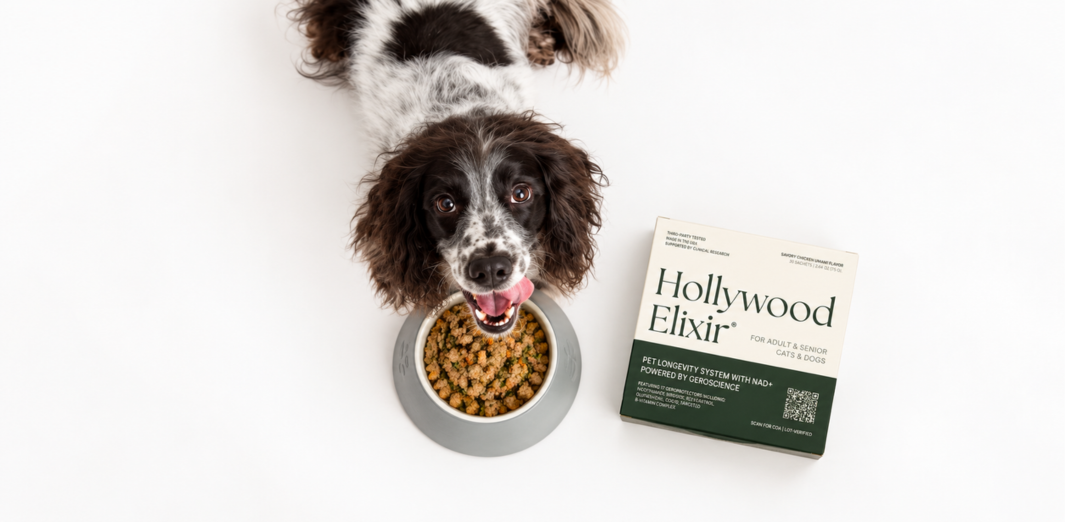
Hollywood Elixir™ supports normal aging functions as part of a veterinarian-guided wellness plan.

When a dog panics during alone time, the problem is often fear—not “bad behavior.” clomipramine for dog anxiety (sold as clomicalm for dogs) is one of the few medications specifically used for canine separation anxiety, and it works best when it is paired with a structured behavior plan rather than used as a stand-alone fix (Podberscek, 1999).

This medication is a tricyclic antidepressant (TCA). That category matters because TCAs can affect more than mood circuits: they can also influence heart rhythm and interact with other drugs that act on serotonin, which is why some veterinarians discuss an ECG and a careful medication history before starting (Marcia Wilson, 2024). Owners usually care about practical questions: what changes should show up at home, how long it takes, which clomipramine side effects dogs commonly show, and which warning signs mean the vet should be called the same day.

The goal is a dog who can learn new “alone-time” skills with less panic, so training becomes more reliable. Expect a gradual shift over weeks, not hours, and plan to track change signals in the first 4–6 weeks: departures, destruction, vocalization, appetite, sleepiness, and bathroom habits. This page explains what clomipramine is, why heart and interaction screening is part of safe use, and how to hand your veterinarian the right observations to guide adjustments.

  • Clomipramine for dog anxiety (clomicalm for dogs) is prescribed to reduce separation-anxiety panic so behavior training can “stick” more reliably (King, 2000).
  • It is a tricyclic antidepressant that changes serotonin and norepinephrine signaling; this is why it can calm fear responses but also cause dry-mouth/constipation-type effects (Marcia Wilson, 2024).
  • Owners often notice less frantic pacing, reduced destruction, and fewer distress vocalizations—paired with a dog who can practice short absences without escalating.
  • Timeline matters: early changes may appear in a few weeks, but a fair evaluation usually needs multiple weeks of consistent dosing plus training homework (King, 2000).
  • Common clomipramine side effects dogs show include sleepiness, stomach upset, constipation, and urinary retention; these should be reported, not “pushed through” (Marcia Wilson, 2024).
  • The standout safety issue for TCAs is cardiac rhythm risk and drug interactions; some dogs benefit from baseline heart screening and a careful review of all meds/supplements (Pouchelon, 2000).
  • If comparing clomipramine vs fluoxetine dogs, the “best” choice depends on the dog’s medical history, other medications, and how the household can commit to behavior modification.

What Clomipramine Is in Plain Owner Language

Clomipramine is a prescription medication in the tricyclic antidepressant (TCA) family. In dogs, it is used in behavior medicine because it can change how strongly the brain “rings the alarm bell” during fear and distress. Unlike quick-acting calming drugs, TCAs are taken consistently so the brain can adjust over time, which is why the effect is gradual rather than immediate.

At home, it helps to think of clomipramine as a tool that creates slack for learning. A dog still needs practice with safe departures, predictable routines, and rewards for calm behavior. Owners often do best when they treat the medication like part of a training schedule: same times daily, no skipped doses, and a written log of what changes and what stays the same.

Cellular powerhouse illustration symbolizing metabolic support via clomipramine for dog anxiety.

What Clomicalm Is Prescribed for in Dogs

Clomicalm for dogs is a brand form of clomipramine that veterinarians commonly prescribe for canine separation anxiety. Separation anxiety is not simply “missing you”; it is a panic response to being alone that can drive destruction, vocalization, house-soiling, and self-injury. In controlled clinical research, dogs receiving clomipramine showed improvement in separation-anxiety–related signs compared with placebo (King, 2000).

A useful household distinction is this: a bored dog tends to get into trouble when left with nothing to do, while a panicked dog looks frantic and cannot settle even with enrichment. Video from a phone or camera is often the clearest evidence. It also helps the veterinarian confirm that the pattern fits separation anxiety rather than noise phobia, barrier frustration, or a dog who simply needs more exercise.

Close-up DNA helix tied to cellular integrity and support from clomipramine vs fluoxetine dogs.

How Separation Anxiety Shows up in Real Homes

Separation anxiety usually clusters around departure cues and the first part of alone time. Many dogs escalate quickly: pacing, panting, drooling, scratching doors, or vocalizing in long bouts. Some dogs also show “pre-departure” distress—shadowing, trembling, or refusing food when keys or shoes appear—because the brain has learned to predict the scary event.

CASE VIGNETTE: A young mixed-breed dog is calm all evening, but the moment the owner picks up a bag, the dog starts whining and following tightly. Within five minutes of the door closing, the dog claws at the frame and howls, then urinates near the exit. That pattern—predictable, fast escalation tied to absence—often points to separation anxiety and helps explain why a medication plus training plan is discussed.

Protein visualization highlighting formulation depth and rigor in Clomicalm for dogs.

How Tcas Work: Serotonin and Norepinephrine Reuptake

Clomipramine works mainly by reducing reuptake of serotonin and norepinephrine, which leaves more of these signaling chemicals available between nerve cells. For owners, the practical takeaway is that the medication targets the “worry loop” and stress response, not obedience. Because the brain adapts gradually to these signaling changes, the effect builds over time rather than flipping on after a single dose.

This same mechanism also explains why side effects can involve multiple body systems. Serotonin and norepinephrine signaling connects to gut movement, sleepiness, and bladder function, so a dog’s appetite, stool quality, and urination pattern become important change signals. Owners can help by keeping routines stable while the dog adjusts, rather than changing food, supplements, and training rules all at once.

Dog portrait capturing warmth and companionship supported through clomipramine vs fluoxetine dogs.

What Owners Typically Notice When It Starts Helping
When clomipramine is a good fit, the first improvements are often about intensity rather than perfection. The dog may still notice the owner leaving, but the panic looks less extreme: shorter vocalization bouts, fewer frantic door scratches, and a greater ability to settle after a few minutes. In studies, clomipramine was associated with improvement in separation-anxiety signs, especially when paired with behavior guidance (Podberscek, 1999).

At home, progress can look “small” but meaningful: the dog chooses a bed instead of the doorway, eats a food toy after the door closes, or stops breaking teeth on a crate. Owners often miss these early wins if they only measure success as “no barking at all.” Video comparisons week to week are more reliable than memory, especially in stressful households.

“The goal is less panic so training becomes more reliable, not a sedated dog.”

Timeline: the First Month Versus a Full Trial

Most dogs do not show their best response in the first few days. A reasonable expectation is that early change signals may appear over the first few weeks, while a full assessment often requires a longer, consistent trial with training homework. This timeline is one reason clomipramine is treated as a serious behavior medication rather than an “as-needed” calming aid.

Owners can protect the trial by planning ahead: avoid major schedule changes, keep departures short and structured, and do not “test” the dog with a sudden long absence. If the household must travel or return to full-day work quickly, the veterinarian may discuss temporary management options while the longer-term plan builds. Consistency is what makes the results less variable.

Portrait of a dog showing thoughtful presence supported by Clomicalm for dogs.

Common Side Effects Owners Actually See at Home

Clomipramine side effects dogs commonly show include sleepiness, reduced appetite, vomiting or diarrhea, and anticholinergic effects such as dry mouth, constipation, and difficulty urinating. Some dogs seem “quieter” in a way that is helpful; others look overly sedated, wobbly, or uninterested in normal activities. Side effects are not a moral failing or a training issue—they are medical feedback.

OWNER CHECKLIST: Watch for (1) new constipation or straining, (2) longer gaps between urinations or repeated squatting with little output, (3) vomiting after dosing, (4) unusual sleepiness that interferes with walks, and (5) sudden refusal of food treats used for training. These details help the veterinarian decide whether timing, formulation, or the overall plan needs adjustment.

Side-profile dog portrait highlighting focus and alertness supported by clomipramine vs fluoxetine dogs.

Serious Red Flags: Heart Rhythm and Neurologic Concerns

TCAs deserve extra respect because they can affect the heart’s electrical system and, in some situations, raise concern for rhythm changes. In healthy dogs studied under controlled conditions, clomipramine had measurable effects on heart rate and rhythm, which is why veterinarians take cardiac history seriously (Pouchelon, 2000). Other urgent concerns include collapse, severe weakness, fainting, or new seizure activity—these are not “wait and see” signs.

At home, red flags often show up during normal routines: a dog that suddenly cannot finish a short walk, pants heavily at rest, or seems disoriented after standing up. If any collapse, repeated vomiting, or seizure-like episode occurs, the safest move is to contact an emergency clinic and report the medication name and last dose time. Bring the pill bottle to avoid confusion with look-alike drugs.

Ingredient overview graphic showing what's inside and how clomipramine side effects dogs supports dogs.

Why Some Vets Recommend an ECG Before Starting

An ECG is a quick test that records the heart’s electrical pattern. With a TCA like clomipramine, some veterinarians consider baseline screening—especially for dogs with a murmur, fainting history, very low resting heart rate, or breeds with known rhythm issues. This is not meant to scare owners; it is a practical way to reduce surprises when a medication can influence cardiac conduction (Pouchelon, 2000).

VET VISIT PREP: Bring (1) a list of all medications and supplements, (2) any history of collapse, coughing, or exercise intolerance, (3) a short video of alone-time behavior, and (4) the dog’s typical resting respiratory rate if it is known. Ask whether an ECG is recommended now or only if certain change signals appear during the first 4–6 weeks.

Drug Interactions That Matter with Clomipramine

Clomipramine can interact with other drugs that affect serotonin, raising concern for serotonin syndrome, and it has important cautions with MAOIs and other medications that change brain signaling. This is a major reason veterinarians ask about every product a dog receives, including “calming” chews, human antidepressants in the home, and flea/tick or pain medications. Interactions are not always obvious from the label.

WHAT NOT TO DO: (1) Do not combine clomipramine with another anxiety medication without veterinary direction, (2) do not use leftover human antidepressants “because it’s similar,” (3) do not add multiple calming supplements at once during the first month, and (4) do not stop and restart repeatedly after a rough day. A clean, trackable plan is safer and easier to adjust.

“For TCAs, the heart and the medication list deserve extra attention.”

Scientific attire image highlighting formulation rigor associated with Clomicalm dosage dogs.

Clomipramine Vs Fluoxetine in Dogs: Practical Differences

When owners compare clomipramine vs fluoxetine dogs, the key difference is drug class. Fluoxetine is an SSRI, while clomipramine is a TCA that affects both serotonin and norepinephrine signaling. That broader signaling footprint can be useful for some dogs, but it also comes with a different side-effect and interaction profile, including the cardiac screening conversation that is more typical with TCAs.

In real households, the “right” choice often depends on what else is going on: other medications, a history of constipation or urinary issues, and whether the family can commit to daily training sessions. It also depends on the dog’s pattern—panic at the door, distress vocalization, or self-injury risk. A veterinarian or veterinary behaviorist can explain why one option fits the dog’s ceiling and safety needs better.

Hollywood Elixir in food tableau emphasizing purity aligned with clomipramine vs fluoxetine dogs.

Why Behavior Modification Is Not Optional

Medication can lower panic, but it does not teach a dog what to do when alone. The strongest plans treat clomipramine as an adjunct to behavior modification: gradual departures, safe confinement choices, and rewards for calm. Research evaluating clomipramine alongside behavioral therapy highlights the combined-treatment approach rather than medication as a stand-alone solution (Podberscek, 1999).

Owners often see the biggest payoff when training is made easy to repeat: two to five short “practice absences” daily, a predictable pre-departure routine, and a camera check to avoid accidental long panic episodes. If a dog is still panicking daily, the brain keeps rehearsing fear, and progress becomes less reliable. A trainer experienced with separation anxiety can help structure steps that stay below the dog’s panic threshold.

Lifestyle image showing supplement use in real homes supported by clomipramine for dog anxiety.

What to Track in the First 4–6 Weeks

Progress with clomipramine is easiest to judge when it is measured the same way each week. Because day-to-day stress varies, single “good days” or “bad days” can mislead. Tracking also helps separate medication effects from training effects, and it gives the veterinarian concrete data if clomicalm dosage dogs questions come up during follow-ups.

WHAT TO TRACK RUBRIC: (1) minutes until the first bark/howl, (2) total vocalization time during a 30–60 minute absence, (3) destruction score (none / mild / severe), (4) ability to eat a food toy within 10 minutes, (5) accidents (urine/stool) and timing, and (6) side effects: sleepiness, constipation, or urinary straining. Bring graphs or notes to rechecks.

Administration Habits That Make Results Less Variable

Clomipramine is typically given on a consistent schedule so blood levels and brain effects can build. In dogs, repeated daily dosing produces measurable exposure to clomipramine and its active metabolite, which supports why consistency matters for evaluation (Hewson, 1998). Missed doses, frequent time changes, or “weekend-only” use can make the dog’s response harder to interpret and can complicate side-effect troubleshooting.

Household routines can support success: pair dosing with a daily anchor (breakfast, evening walk), set phone reminders, and use a pill organizer so multiple family members do not double-dose. If vomiting occurs after dosing, note whether it happens with or without food and how soon afterward. Those details help the veterinarian decide whether the plan needs a timing change rather than a complete medication switch.

A Common Misconception About Clomicalm for Dogs

UNIQUE MISCONCEPTION: clomicalm for dogs is sometimes described as a way to “sedate the dog so it doesn’t care.” That framing is risky. The goal is not a dulled personality; the goal is reduced panic so the dog can learn coping skills and rebound capacity during alone time. Excessive sedation is a side effect to report, not a sign the medication is “working better.”

Owners can sanity-check this at home by watching normal joys: interest in walks, greeting behavior, play, and appetite. A helpful response looks like calmer departures with the dog still acting like itself between training sessions. If the dog seems disconnected, uncoordinated, or unwilling to engage, that is a reason to call the clinic and describe exactly what changed and when.

Chart contrasting minimal formulas with full-spectrum support in clomipramine for dog anxiety.

When to Call the Vet the Same Day

Same-day contact is warranted for collapse, fainting, severe weakness, repeated vomiting, inability to urinate, or any seizure-like episode. These signs can indicate a serious adverse reaction or an interaction that needs immediate guidance. It is also reasonable to call if constipation becomes painful, if the dog stops eating for a full day, or if new agitation appears after adding another serotonergic product.

For the call, have the essentials ready: the exact medication name (clomipramine/clomicalm), tablet strength, last dose time, and any other products given in the last 72 hours. If possible, email a short video of the concerning behavior (tremors, pacing, collapse recovery). Clear information helps the veterinarian decide whether to stop the medication, adjust the plan, or go to emergency care.

Unboxing visual symbolizing thoughtful design aligned with clomipramine side effects dogs.

Long-term Management and Tapering Conversations

Separation anxiety is often managed over months, not days. Some dogs use clomipramine during an intensive training period and later transition to a lower-support plan; others need longer-term medication to keep panic low enough for life to be livable. Because this is a brain-acting drug, changes are typically planned and monitored rather than abrupt, especially if the dog has a history of severe distress.

Owners can prepare for follow-ups by noting what the dog can do now that it could not do before: longer calm alone time, fewer injuries, or the ability to settle after a trigger. If the household is considering tapering, it helps to schedule it during a stable season—no moves, travel, or new work hours. A slow, vet-guided approach protects the training gains that took weeks to build.

Putting It All Together with Your Vet Team

The safest, most effective use of clomipramine happens when the veterinarian, the household, and the training plan are aligned. That includes confirming the diagnosis, screening for medical risks, and setting a clear timeline for evaluating change signals. It also means being honest about constraints: how long the dog must be alone, whether a sitter is possible, and how consistent the family can be with practice absences.

A practical decision framework is to ask: Is the dog’s panic severe enough to risk injury or housing loss? Can the household prevent repeated long panic episodes while training builds? Are there medical factors—heart history, constipation, urinary issues, other medications—that change the safety picture? With those answers, the vet team can choose between options like clomipramine, fluoxetine, or situational aids such as trazodone, and then measure progress with the same yardstick each week.

“Video and simple tracking turn guesswork into usable follow-up data.”

Educational content only. This material is not a substitute for veterinary advice. Always consult your veterinarian about your dog’s specific needs. These statements have not been evaluated by the Food and Drug Administration. Products mentioned are not intended to diagnose, treat, cure, or prevent any disease.

Glossary

  • Tricyclic antidepressant (TCA) - A drug class that affects multiple nerve signaling pathways and can also influence heart rhythm.
  • Separation anxiety - A panic response to being alone that leads to distress behaviors like vocalizing, destruction, or house-soiling.
  • Serotonin - A brain and body signaling chemical involved in mood, stress response, and gut movement.
  • Norepinephrine - A signaling chemical involved in alertness and the body’s stress response.
  • Reuptake inhibition - Blocking the “recycling” of signaling chemicals so more remains available between nerve cells.
  • Anticholinergic effects - Side effects like dry mouth, constipation, and urinary retention caused by blocking certain nerve signals.
  • ECG (electrocardiogram) - A test that records the heart’s electrical activity to screen for rhythm problems.
  • Serotonin syndrome - A potentially dangerous reaction from too much serotonin signaling, often due to drug interactions.
  • Desmethylclomipramine - An active metabolite of clomipramine that contributes to the overall effect in the body.

Related Reading

References

King. Treatment of separation anxiety in dogs with clomipramine: results from a prospective, randomized, double-blind, placebo-controlled, parallel-group, multicenter clinical trial.. PubMed. 2000. https://pubmed.ncbi.nlm.nih.gov/10760607/

Podberscek. Evaluation of clomipramine as an adjunct to behavioural therapy in the treatment of separation-related problems in dogs.. PubMed. 1999. https://pubmed.ncbi.nlm.nih.gov/10573193/

Marcia Wilson. Clomipramine. 2024. https://www.ncbi.nlm.nih.gov/books/NBK541006

Hewson. The pharmacokinetics of clomipramine and desmethylclomipramine in dogs: parameter estimates following a single oral dose and 28 consecutive daily oral doses of clomipramine.. PubMed. 1998. https://pubmed.ncbi.nlm.nih.gov/9673963/

Pouchelon. Effects of clomipramine hydrochloride on heart rate and rhythm in healthy dogs.. PubMed. 2000. https://pubmed.ncbi.nlm.nih.gov/10951990/

FAQ

What is clomipramine used for in dogs?

clomipramine is prescribed most commonly for canine separation anxiety, where a dog panics when left alone. It is also used in some behavior cases under veterinary guidance, but separation-related distress is the best-known use in general practice.

At home, the target is a reduction in panic intensity so the dog can practice short absences and learn coping skills. Medication works best when paired with a structured behavior plan rather than used as a stand-alone solution.

Is clomicalm for dogs the same as clomipramine?

Yes. clomicalm for dogs is a brand name product that contains clomipramine. The active ingredient is what drives the effect, while the brand name helps identify a specific labeled product and formulation.

For safety, owners should use the exact product and strength prescribed and avoid swapping tablets without the veterinarian’s approval. That reduces confusion when side effects or interactions need to be evaluated.

How does clomipramine for dog anxiety work in the brain?

clomipramine is a tricyclic antidepressant that inhibits reuptake of serotonin and norepinephrine, leaving more of these signals available between nerve cells. Over time, that can lower the intensity of fear and distress responses.

In practical terms, it may create enough slack that a dog can settle and engage with training during short absences. It does not teach “being alone is safe” by itself—training provides that learning.

How long does clomipramine take to work for separation anxiety?

Owners often look for change signals over the first few weeks, but a fair trial usually takes longer because the effect builds gradually and training needs repetition. A single calm day is not enough to judge success.

Video comparisons help: measure minutes to first bark, total vocalization time, and whether the dog can eat a food toy after the door closes. Those markers are more reliable than memory when stress is high.

What are the most common clomipramine side effects dogs show?

Common clomipramine side effects dogs can show include sleepiness, stomach upset, and anticholinergic effects such as dry mouth, constipation, and urinary retention. Some dogs also seem less interested in food, which can interfere with reward-based training.

Track when the side effect happens relative to dosing and meals, and report it to the clinic. The goal is a dog who is calmer but still engaged with normal life and able to participate in behavior work.

Which side effects mean a same-day call to the vet?

Call the veterinarian or an emergency clinic the same day for collapse, fainting, severe weakness, repeated vomiting, inability to urinate, or any seizure-like episode. These signs can indicate a serious adverse reaction or a dangerous interaction.

Have the medication name, tablet strength, and last dose time ready. If possible, share a short video of the episode and list any other medications or supplements given in the last few days.

Can clomipramine affect a dog’s heart rhythm?

Yes, cardiac effects are a key safety conversation with tricyclic antidepressants. In healthy dogs, clomipramine has been studied for effects on heart rate and rhythm, supporting why veterinarians take cardiac history and monitoring seriously.

Owners should report any fainting, collapse, unusual exercise intolerance, or sudden weakness. Dogs with known heart disease or a history of rhythm problems may need additional screening before starting or adjusting therapy.

Does my dog need an ECG before starting clomipramine?

Some dogs do, and some do not. Because TCAs can influence cardiac conduction, veterinarians may recommend an ECG for dogs with a murmur, prior fainting/collapse, very low resting heart rate, or breed-related rhythm concerns.

A practical approach is to ask what risk factors apply to this specific dog and what change signals would trigger testing later. Bringing a clear medical history and a medication list makes that decision easier.

What medications should not be combined with clomipramine?

clomipramine has important interaction risks with other serotonergic drugs and with MAOIs, because combinations can raise concern for serotonin syndrome or other serious effects. This includes some prescription behavior medications and certain products owners may not think of as “psychiatric.”

Owners should provide a complete list of all medications, supplements, and preventives. Do not add new calming chews, CBD products, or leftover human antidepressants without veterinary direction.

What is serotonin syndrome in dogs, in simple terms?

Serotonin syndrome is a potentially dangerous reaction when serotonin signaling becomes too strong, often due to combining medications that act on serotonin pathways. It can look like agitation, tremors, abnormal temperature, diarrhea, or changes in heart rate.

Because the signs can worsen quickly, owners should treat it as urgent and contact a veterinarian immediately if a dog becomes suddenly restless, shaky, or uncoordinated after a medication change or new combination.

How is clomipramine different from trazodone for dogs?

clomipramine is a daily, longer-building medication intended to change baseline panic over time, while trazodone is often used as a situational aid for predictable stressful events. They can play very different roles in a separation anxiety plan.

Owners should not swap or combine these medications on their own. If a dog needs help during the “ramp-up” period, the veterinarian can explain whether a short-term situational option is appropriate and how to monitor for interactions and sedation.

Clomipramine vs fluoxetine dogs: which is safer?

Safety depends on the individual dog’s medical history and other medications. clomipramine is a TCA with notable interaction cautions and a cardiac rhythm conversation, while fluoxetine is an SSRI with a different side-effect profile.

The best question for the clinic is: which risks matter most for this dog—heart history, constipation/urinary issues, seizure history, or current medications? A tailored choice is usually safer than choosing based on online anecdotes.

Can clomipramine be used in puppies or senior dogs?

Age changes the risk-benefit discussion. Puppies may have rapidly changing routines and training needs, while senior dogs are more likely to have heart disease, constipation, or other conditions that affect medication choice and monitoring.

Owners can help by reporting baseline appetite, stool quality, urination frequency, and exercise tolerance before starting. That makes it easier to spot new side effects early and to decide whether screening tests (like an ECG) are appropriate.

Does dog size or breed change clomicalm dosage dogs receive?

Yes, veterinarians consider body size, overall health, and concurrent medications when selecting a plan, and they may adjust based on response and side effects. However, clomicalm dosage dogs receive should only be set by a veterinarian—online numbers can be unsafe.

Owners can contribute by tracking change signals and side effects with dates and videos. That information is often what guides safe adjustments more than a single “standard” dose ever could.

Should clomipramine be given with food?

Some dogs tolerate clomipramine better with food, especially if nausea or vomiting appears after dosing. The prescribing veterinarian’s instructions should be followed because timing can matter for consistency and side-effect management.

If stomach upset occurs, note whether it happens on an empty stomach or after meals, and how soon after the pill. That simple detail can help the clinic decide whether a timing change is enough or whether the plan needs a broader adjustment.

What if my dog misses a dose of clomipramine?

Follow the clinic’s guidance for missed doses, because the safest choice depends on timing and the dog’s medical context. In general, repeated missed doses can make results less reliable and can complicate side-effect interpretation.

Use a pill organizer and phone reminders to prevent double-dosing by different family members. If a double dose is suspected or the dog shows collapse, severe sedation, or vomiting, contact a veterinarian or poison hotline promptly.

Can clomipramine be stopped suddenly?

Stopping any brain-acting medication should be a veterinary decision. Abrupt changes can lead to a return of panic behaviors or other problems, and they make it hard to understand what is happening if the dog worsens.

If side effects are concerning, the safest move is to call the clinic and describe the change signals clearly. The veterinarian can advise whether to taper, switch medications, or address an interaction—especially if other serotonergic products are involved.

Is clomipramine safe to use with training and daycare?

Training is not only safe—it is essential. Daycare can be helpful for preventing long alone-time episodes, but it does not replace separation anxiety training because the core fear is about being alone, not about being bored.

Owners should tell trainers and daycare staff that the dog is on a behavior medication and share any sedation or stomach upset. If the dog seems unusually tired, overheated, or unwilling to drink, that information should be relayed to the veterinarian.

Can cats take clomipramine prescribed for dogs?

No. Cats should not be given a dog’s prescription medication unless a veterinarian has specifically prescribed it for that cat. Species differences in dosing, metabolism, and side-effect risk can make “just a small piece” unsafe.

If a cat has anxiety or inappropriate elimination, it needs its own diagnosis and plan. Keep all pet medications stored separately to prevent accidental mix-ups, especially in multi-pet households.

What questions should I ask my vet at a clomipramine recheck?

Bring your tracking log and ask focused questions: Are the current change signals enough to continue the trial? Are side effects acceptable or do they suggest a plan change? Should an ECG or other screening be added based on what has been observed?

Also ask how to structure the next two weeks of training: maximum absence length, how many practice departures per day, and what to do if an unavoidable long absence occurs. Clear homework makes progress more reliable.

Can supplements replace clomipramine for separation anxiety?

Supplements may support normal function for some dogs, but they are not a replacement for prescription medication when a dog has true panic-level separation anxiety. The bigger risk is delaying effective treatment while the dog continues rehearsing fear during long absences.

If a veterinarian recommends a supplement alongside a behavior plan, add only one new product at a time and track change signals. For general wellness support, Hollywood Elixir™ supports normal aging functions as part of a broader, vet-guided plan.