
Cerenia for Dogs: Vomiting Control, Side Effects, and When to Escalate

Learn How Maropitant Controls Vomiting and When Liver, Heart, or Gut Risks Escalate

Essential Summary

Why is Cerenia use in dogs important?

Maropitant can stop vomiting, but it does not tell why a dog is vomiting. Use the relief it provides to reassess hydration, belly comfort, and energy, and escalate quickly for unproductive retching, abdominal swelling, collapse, or suspected obstruction.

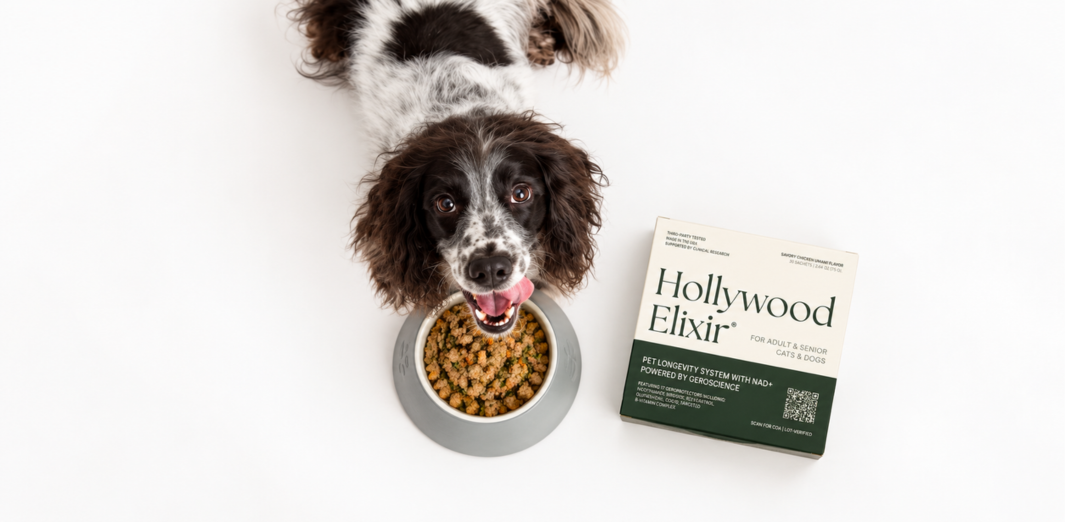
Hollywood Elixir™ supports normal wellness routines that can complement a veterinarian-guided plan.

When a dog can’t stop vomiting, the urgent question is whether it’s a short-lived stomach upset or a problem that needs immediate hands-on care. Cerenia (maropitant) can be very good at stopping vomiting, but that relief does not confirm the cause—and that is where owners can get unintentionally trapped. A dog can look calmer while dehydration, obstruction, pancreatitis, or even bloat continues to develop.

This page focuses on two things owners need most: what maropitant for dogs is doing in the body, and when to escalate even if vomiting seems controlled. The practical goal is safer decision-making at home: recognizing red flags like unproductive retching, a tight or enlarging abdomen, collapse, blood in vomit, or a “missing toy” history. It also explains common cerenia side effects dogs may show—sleepiness, drooling, and injection-site pain—so normal reactions are not confused with emergencies.

Owners will also see how cerenia for dog motion sickness differs from treating active vomiting, why “cerenia dosage dogs” questions must be answered by the prescribing veterinarian, and what to document for the vet to speed up the right next step. Vomiting is a symptom; the safest plan is to use symptom control as a window to evaluate the whole dog.

  • Cerenia (maropitant) can control vomiting in many dogs, but it does not fix the underlying cause.
  • It blocks NK1 receptors involved in the vomiting reflex, which is why it can work when older anti-emetics don’t.
  • Owners often notice fewer vomits, less retching, and sometimes appetite returning—yet serious disease can still be present.
  • Common cerenia side effects dogs may show include sleepiness, drooling, and injection-site discomfort.
  • Escalate urgently for unproductive retching, a swollen/tight abdomen, collapse, pale gums, blood in vomit, or suspected foreign-body ingestion.
  • For cerenia for dog motion sickness, prevention timing matters; follow the veterinarian’s instructions rather than guessing.
  • The best handoff to the clinic is a timeline: vomiting frequency, water/food kept down, urination, stool changes, belly pain, and possible toxin or object exposure.

What Cerenia Is and Why Vets Use It

Cerenia is the brand name for maropitant for dogs, a prescription anti-nausea medication used to control vomiting. It works by blocking a key “vomit signal” in the nervous system, so the body is less able to trigger the vomiting reflex (Benchaoui, 2007). That makes it different from many older anti-emetics that mainly target stomach movement or certain brain chemicals. Because vomiting can come from many causes, this medication is best thought of as symptom control, not a diagnosis.

At home, this usually shows up as fewer episodes of retching, less drooling, and a dog that can rest instead of repeatedly trying to vomit. Some dogs look “better” quickly, which can be reassuring—but it can also hide a serious problem that still needs a vet visit. If vomiting stops but the dog remains painful, weak, or bloated, the situation is not resolved.

Scientific mitochondria render emphasizing oxidative balance supported by Cerenia side effects dogs.

What Problems Cerenia Is Prescribed for in Dogs

Veterinarians commonly prescribe cerenia for dog vomiting from many underlying causes, including stomach upset, medication-related nausea, and vomiting associated with other illnesses. In clinical canine patients with ongoing vomiting from varied causes, maropitant reduced continued emesis, supporting its role as a broad anti-emetic rather than a single-disease drug (de la Puente-Redondo, 2007). It is also used in hospital settings to prevent vomiting linked to certain procedures or medications, including opioids given before anesthesia (Hay Kraus, 2013).

Owners often encounter it after a sudden “can’t keep water down” day, after a surgery estimate, or when a dog is starting a new medication that upsets the stomach. The key practical point: the prescription choice depends on what the veterinarian suspects is driving the nausea. A dog that vomits once after eating grass is a different situation than repeated vomiting with belly pain or collapse.

DNA strand illustration representing antioxidant support pathways in Cerenia side effects dogs.

Motion Sickness and the Inner-ear Vomiting Trigger

Cerenia for dog motion sickness is a separate, common use. Motion sickness is not just “a nervous dog”—it involves a mismatch between inner-ear balance signals and what the eyes and body feel, which can trigger nausea and vomiting. Maropitant blocks neurokinin-1 (NK1) receptors involved in that vomiting pathway, so it can help prevent the vomiting reflex from starting (Benchaoui, 2007). Prevention is the goal here; once a dog is already nauseated in the car, it can be harder to turn off.

In the household routine, motion sickness usually looks like early drooling, lip-licking, yawning, whining, or refusing treats before the first vomit happens. Planning matters: a calmer car setup, cooler air, and fewer sharp turns can reduce triggers, while the veterinarian decides if medication is appropriate. If the dog vomits only in the car but is normal at home, that pattern is useful to document for the vet.

Protein fold visualization tied to cellular support mechanisms in maropitant for dogs.

How NK1 Blocking Interrupts the Vomiting Reflex

To understand why maropitant for dogs can be so effective, it helps to know there are multiple “routes” to vomiting. Some signals start in the gut (irritation, stretch, toxins), while others start in the brain (motion, certain drugs, severe pain). NK1 receptor antagonism targets a final common messaging system that helps coordinate the vomiting reflex, so blocking it can quiet the whole cascade (Benchaoui, 2007). That’s why it may work even when diet changes alone do not.

At home, owners sometimes interpret this as “the stomach is fixed.” A more accurate way to think about it: the alarm is muted, but the smoke might still be there. If a dog stops vomiting but still won’t drink, keeps swallowing hard, or seems painful when picked up, those are clues the underlying problem may still be active.

Close-up dog photo reflecting peaceful vitality supported by Cerenia for dog vomiting.

What Owners Typically Notice When It Starts Working
What owners typically notice first is simple: vomiting stops or becomes less frequent, and the dog may look less frantic. Some dogs regain interest in water or food once the nausea settles, and the household feels more balanced. In hospital studies, maropitant has been effective at preventing vomiting triggered by strong nausea stimuli, including chemotherapy-associated emesis in veterinary patient dogs (Vail, 2007). That doesn’t mean every dog will respond the same way, but it explains why veterinarians reach for it when vomiting is persistent.

A practical home cue is whether the dog can rest between episodes instead of repeatedly retching. Another cue is the “drool line”: some dogs stop drooling once nausea eases, while others still drool even if they don’t vomit. If the dog seems calmer but remains tucked up, trembling, or guarding the belly, that pattern should be reported—comfort and safety are not the same thing.

“Stopping vomiting is helpful, but it is not the same as solving the cause.”

Vomiting Control Versus Finding the Real Cause

A key safety message is symptom control versus cause. Cerenia can control vomiting, but it does not remove a foreign object, untwist a stomach, treat pancreatitis, or correct dehydration. In other words, a dog can look improved while the underlying disease continues to progress. This is why veterinarians often pair anti-nausea medication with an exam, hydration support, and sometimes imaging or lab work, especially if vomiting was frequent or the dog is painful.

A common household trap is assuming “no vomit” means “safe to wait.” If the dog is still not keeping water down, is urinating less, or has a tight, swollen abdomen, waiting can be risky. Owners comparing notes with the digestive-health-for-dogs topic often find the most useful question is: what changed besides the vomiting—energy, thirst, belly comfort, and stool quality.

Elegant dog portrait reflecting alertness and natural vitality supported by Cerenia side effects dogs.

Common Side Effects Owners See at Home

Common cerenia side effects dogs may show include sleepiness, quieter behavior, and drooling. With the injectable form, discomfort at the injection site is a frequent owner observation—some dogs yelp, lick the area, or act sore for a short time. Side-effect monitoring is especially important when maropitant is used alongside other medications, because nausea control can mask how sick a dog feels. In small-breed dogs receiving maropitant with doxorubicin, adverse events were specifically tracked, underscoring the importance of watching the whole dog, not just vomiting frequency (Matsuyama, 2022).

At home, “sleepy” should be described clearly: is the dog simply resting, or hard to wake, wobbly, or refusing to stand? Also note whether drooling is new or worsening, since drool can be nausea, stress, or mouth discomfort. If a dog seems painful at the injection spot, avoid rubbing it; instead, document the location, timing, and whether there is swelling or heat.

Profile shot of a dog showing attentive expression supported by maropitant for dogs.

When Vomiting Despite Cerenia Means Escalate Now

Serious situations are defined by the pattern around vomiting, not just the vomit itself. Vomiting that continues despite cerenia for dog vomiting is a strong reason to escalate, because it suggests either a severe trigger or a different problem that needs hands-on care. Deep-chested breeds are at particular risk for gastric dilatation-volvulus (bloat), where retching can be unproductive and the abdomen can enlarge quickly. Pancreatitis is another concern when vomiting comes with belly pain, a hunched posture, or refusal to eat.

CASE VIGNETTE: A Great Dane vomits once after dinner, then starts dry-heaving every few minutes and pacing. After a dose of anti-nausea medication, the vomiting slows, but the belly looks bigger and the dog can’t get comfortable. That combination—restlessness, unproductive retching, and abdominal enlargement—should be treated as an emergency, even if vomiting seems “controlled.”

Supplement breakdown graphic emphasizing no fillers approach within Cerenia dosage dogs.

Emergency Red Flags That Override Home Monitoring

Some red flags mean emergency care regardless of whether an anti-nausea medication was given. These include repeated unproductive retching, a suddenly distended abdomen, collapse, pale gums, or severe weakness. Vomiting with blood, black tarry stool, or a painful, tight belly also deserves urgent evaluation. If a dog may have eaten a toy, corn cob, bones, or fabric, obstruction stays on the list even if vomiting pauses.

OWNER CHECKLIST: check gum color and capillary refill (press and release), count vomiting/retching episodes per hour, look for belly enlargement compared with earlier photos, confirm urination frequency, and note whether the dog can keep down small sips of water. If any item looks abnormal, contact an emergency clinic. Bringing a short phone video of the retching or posture can speed triage.

Motion Sickness: Prevention Timing Versus Treating Active Vomiting

Motion sickness prevention is different from treating an already vomiting dog. For car rides, the veterinarian may plan dosing timing so the medication is on board before the inner-ear trigger starts; this is where owners often ask about cerenia dosage dogs. Exact dosing and timing should come from the prescribing veterinarian, because it depends on the dog’s weight, age, health history, and whether the goal is motion sickness prevention or treatment of active vomiting. Pharmacokinetic studies show maropitant’s behavior in the body changes with dose and repeated daily use, which is one reason individualized instructions matter (Lesman, 2013).

For households, the most useful routine is to reduce triggers: avoid a full meal right before travel, keep the car cool, and position the dog to face forward with good airflow. If the dog still drools and swallows repeatedly before the trip even starts, that anticipatory nausea should be mentioned to the vet—it can change the plan. The motion-sickness-in-dogs topic can help owners separate anxiety signs from true nausea signs.

“Unproductive retching and a swelling abdomen should be treated as time-sensitive.”

Scientific attire image highlighting formulation rigor associated with Cerenia side effects dogs.

Interactions and Life-stage Cautions Owners Should Mention

Drug interactions and life-stage limits are part of safe use. Veterinarians consider other medications that can cause sleepiness, affect the liver, or change how drugs are processed, because stacking effects can make a dog look unusually quiet. Maropitant is processed by the body in ways that can vary between dogs, and repeated dosing has been studied to understand exposure over time (Lesman, 2013). Puppies, seniors, and dogs with significant illness may need extra caution and closer follow-up, even when the medication is commonly used.

At home, it helps to keep a written medication list with exact names and times given, including preventives, supplements, and any human medications the dog could have accessed. If a dog becomes wobbly, unusually slow, or seems “not themselves,” that observation should be reported along with the full list. Never combine leftover anti-nausea meds with new prescriptions without checking first.

Supplement with whole-food visuals emphasizing quality sourcing for Cerenia dosage dogs.

When Veterinarians Continue, Adjust, or Stop Maropitant

Veterinarians decide whether to continue or stop maropitant based on the whole clinical picture: hydration, belly comfort, appetite, stool, and whether vomiting returns when food is reintroduced. If vomiting stops quickly and the dog resumes normal drinking and urination, the plan may be short and focused. If vomiting returns as soon as the medication wears off, that often signals the need for diagnostics rather than simply extending symptom control. In some settings, maropitant is also used around procedures to reduce vomiting risk from opioid premedication (Hay Kraus, 2013).

WHAT TO TRACK: time of each vomit/retch, whether anything stays down (water, bland food), energy level compared with normal, belly tenderness when lifted, stool frequency/appearance, and urination count. These outcome cues help the vet decide if the dog is stabilizing or just temporarily quieter. A simple phone note with timestamps is often more useful than memory under stress.

Woman holding Hollywood Elixir box with her dog, showing daily maropitant for dogs routine.

What Else Is Done Alongside Vomiting Control

Cerenia is often only one piece of the plan. Dogs with repeated vomiting may need fluids to correct dehydration, stomach protectants in select cases, and a careful re-feeding approach once nausea is controlled. If pancreatitis is suspected, the plan may shift toward pain control, hydration, and targeted testing, because appetite and comfort can lag behind vomiting control. When obstruction is possible, imaging and a hands-on abdominal exam matter more than any anti-nausea medication.

At home, “bland diet” should be treated as a temporary tool, not a cure. If the dog cannot keep down small, frequent portions, or if diarrhea becomes watery, the vet should be updated promptly. Owners reading pancreatitis-in-dogs often notice the overlap: belly pain, a hunched stance, and refusal to eat can be bigger clues than the number of vomits.

A Common Misconception That Can Delay Needed Care

UNIQUE MISCONCEPTION: “If cerenia works, it proves it was just a mild stomach bug.” In reality, many serious problems can have vomiting early on, and maropitant can still quiet the vomiting reflex while the cause remains. Another misconception is that drooling means the medication failed; drooling can be nausea, stress, or mouth irritation, and it may linger even when vomiting stops. The right takeaway is to judge the whole dog—hydration, comfort, and energy—rather than using vomiting alone as the scorecard.

In a household, this means looking for “quietly worse” signs: hiding, refusing to lie on one side, panting at rest, or guarding the belly. If a dog is not drinking but also not vomiting, dehydration can still progress. When in doubt, a quick call to the clinic with specific observations is safer than waiting for vomiting to return.

How to Prepare for the Vet Visit After Vomiting

VET VISIT PREP: bring the timeline. Useful questions include: “What causes are most likely for this vomiting pattern?”, “Do you suspect pancreatitis, obstruction, or bloat based on the exam?”, “What signs mean emergency care tonight?”, and “When should food and water be offered again, and how much?” Also report possible exposures—trash, compost, new chews, human medications, or a missing toy—because that changes the diagnostic path.

Owners can also bring photos of the vomit (color, foam, foreign material) and a short video of retching or pacing. If asking about cerenia dosage dogs, request the exact written instructions for the specific formulation and the “what if they vomit after a dose?” plan. Clear handoff reduces repeat calls and helps the dog get the right next step faster.

Supplement comparison highlighting clean formulation advantages for maropitant for dogs.

What Not to Do When Using Anti-nausea Medication

WHAT NOT TO DO: do not give a second dose because the dog “still looks nauseated” without veterinary direction, and do not combine multiple anti-nausea drugs from old prescriptions unless the vet approves. Do not force large bowls of water after repeated vomiting; rapid drinking can trigger another episode and worsen discomfort. Do not delay emergency care for unproductive retching or a swelling abdomen, even if the dog received maropitant. And do not assume a normal appetite means the risk is gone—some dogs will eat despite serious disease.

At home, the safer approach is small, measured sips of water if the vet has advised oral intake, and a calm, low-activity environment while monitoring. If the dog cannot settle, keeps changing positions, or repeatedly tries to vomit without producing anything, treat that as a time-sensitive change. The goal is not to “manage around” vomiting; it is to prevent a missed emergency.

Hollywood Elixir box in open packaging, showing premium presentation for Cerenia side effects dogs.

Why the Injection Can Hurt and What to Watch For

Owners sometimes worry about the injection experience. Subcutaneous maropitant can sting, and veterinary teams may use handling techniques or dilution strategies to reduce discomfort. Research has shown that diluting maropitant in lactated Ringer solution can change absorption and lower peak concentration after subcutaneous administration, which is relevant to how clinics think about comfort and drug levels (Yee, 2023). This is a clinic-level decision, but it explains why one dog’s injection may feel different from another’s.

At home after an injection, mild soreness can look like flinching when touched, turning the head toward the site, or reluctance to lie on that side. A small, temporary lump can happen, but heat, spreading swelling, hives, or facial swelling should be reported urgently. If the dog seems suddenly very itchy or develops trouble breathing, that is an emergency.

Putting It Together: Relief Is a Window, Not a Diagnosis

The bottom line is that cerenia for dog vomiting is often effective at stopping the act of vomiting, but it cannot confirm the cause. In studies across varied clinical settings, maropitant has shown meaningful anti-emetic effects, which is why it is widely used when vomiting is active or expected (de la Puente-Redondo, 2007). The safest owner mindset is to treat vomiting control as a window of time to assess hydration, comfort, and risk—especially for bloat, obstruction, and pancreatitis.

If the dog is improving in multiple ways—drinking, urinating, resting comfortably, and returning to normal behavior—that supports a gentler course. If the dog is only “not vomiting” but still looks unwell, escalate. When owners document outcome cues and share them clearly, the veterinarian can decide faster whether home care is reasonable or diagnostics are needed.

“The best update to a clinic is a timeline, not a guess.”

Educational content only. This material is not a substitute for veterinary advice. Always consult your veterinarian about your dog’s specific needs. These statements have not been evaluated by the Food and Drug Administration. Products mentioned are not intended to diagnose, treat, cure, or prevent any disease.

Glossary

  • Maropitant - The generic drug name for cerenia; a prescription anti-nausea medication.
  • NK1 receptor - A receptor involved in the vomiting reflex; blocking it can reduce vomiting signals.
  • Substance P - A signaling molecule that can participate in nausea/vomiting pathways.
  • Emesis - The medical term for vomiting.
  • Unproductive retching - Repeated attempts to vomit with little or no material produced; a bloat red flag.
  • Gastric dilatation-volvulus (bloat) - A life-threatening condition where the stomach enlarges and may twist, often with retching and a swollen abdomen.
  • Foreign-body obstruction - A blockage in the stomach or intestines from swallowed objects like toys, socks, or corn cobs.
  • Pancreatitis - Inflammation of the pancreas that can cause vomiting, belly pain, and poor appetite.
  • Dehydration - Loss of body water that can worsen quickly with vomiting and reduced drinking.

Related Reading

References

De la Puente-Redondo. The anti-emetic efficacy of maropitant (Cerenia) in the treatment of ongoing emesis caused by a wide range of underlying clinical aetiologies in canine patients in Europe.. PubMed. 2007. https://pubmed.ncbi.nlm.nih.gov/17286662/

Vail. Efficacy of injectable maropitant (Cerenia) in a randomized clinical trial for prevention and treatment of cisplatin-induced emesis in dogs presented as veterinary patients.. PubMed. 2007. https://pubmed.ncbi.nlm.nih.gov/19754800/

Matsuyama. Evaluation of adverse events in small-breed dogs treated with maropitant and a single dose of doxorubicin.. PubMed Central. 2022. https://pmc.ncbi.nlm.nih.gov/articles/PMC9308424/

Hay Kraus. Efficacy of maropitant in preventing vomiting in dogs premedicated with hydromorphone.. PubMed. 2013. https://pubmed.ncbi.nlm.nih.gov/23082784/

Benchaoui. The pharmacokinetics of maropitant, a novel neurokinin type-1 receptor antagonist, in dogs.. PubMed. 2007. https://pubmed.ncbi.nlm.nih.gov/17610407/

Lesman. The pharmacokinetics of maropitant citrate dosed orally to dogs at 2 mg/kg and 8 mg/kg once daily for 14 days consecutive days.. PubMed. 2013. https://pubmed.ncbi.nlm.nih.gov/23167698/

Yee. Dilution of maropitant (Cerenia) in lactated Ringer solution prolongs subcutaneous drug absorption and reduces maximum plasma concentration.. PubMed. 2023. https://pubmed.ncbi.nlm.nih.gov/36884379/

FAQ

What is cerenia, and what does it do?

Cerenia is a prescription anti-nausea medication; the generic name is maropitant. It helps control vomiting by blocking NK1 receptors involved in the vomiting reflex, which can quiet the “vomit signal” coming from the gut or the brain.

At home, this often looks like fewer vomiting episodes and less frantic retching. It is still important to watch hydration, belly comfort, and energy, because stopping vomiting does not confirm the cause.

How fast should vomiting improve after maropitant?

Many dogs have fewer vomiting episodes within hours, but the timeline depends on the cause and the formulation your veterinarian used. A dog can stop vomiting and still be sick, especially with obstruction, pancreatitis, or severe dehydration.

If vomiting continues, returns quickly, or the dog cannot keep down water, contact the clinic. Also escalate if the dog becomes weak, painful, bloated, or starts dry-heaving without producing vomit.

Is cerenia used for motion sickness in dogs?

Yes—cerenia for dog motion sickness is a common use. Motion sickness involves inner-ear balance signals that can trigger nausea and vomiting, and maropitant can help prevent the vomiting reflex when given on the schedule your veterinarian prescribes.

Owners can also reduce triggers by avoiding a big meal before travel, keeping the car cool, and limiting sharp turns. Document early signs like drooling, lip-licking, yawning, or refusing treats before the first vomit.

What are the most common cerenia side effects dogs show?

Common cerenia side effects dogs may show include sleepiness, quieter behavior, drooling, and—when injected—temporary pain at the injection site. Some dogs act sore, lick the area, or flinch when touched.

Call the veterinarian if the dog seems hard to wake, very wobbly, or unusually weak. Seek urgent care for facial swelling, hives, repeated vomiting despite medication, or any breathing difficulty.

Can cerenia hide a serious problem like obstruction?

Yes. Cerenia can stop the act of vomiting without removing the cause. A foreign body, bloat, pancreatitis, or toxin exposure can still be present even if vomiting slows down.

Escalate if there is unproductive retching, a swollen/tight abdomen, belly pain, collapse, pale gums, or a known “missing item” (toy, sock, corn cob). Symptom control should be treated as time to reassess, not proof of safety.

When is vomiting an emergency even after cerenia?

Emergency signs include repeated unproductive retching, sudden abdominal enlargement, collapse, pale or gray gums, severe weakness, or vomiting blood. Black tarry stool or a painful, tight belly also warrants urgent care.

Deep-chested breeds are at higher risk for bloat, where vomiting may not produce anything. If a dog cannot settle, paces, or keeps trying to vomit without results, treat it as time-sensitive regardless of medication.

Should cerenia be given with food or on empty stomach?

Follow the prescribing veterinarian’s directions, because the best approach depends on why it is being used (active vomiting versus travel prevention) and what else is happening with the stomach. If a dog is actively vomiting, forcing food can backfire.

A practical rule is to avoid large meals during nausea. If the vet approves oral intake, offer small sips of water first, then small bland portions later. Report any vomiting that occurs soon after giving a dose.

What if my dog vomits right after a dose?

Do not automatically repeat the dose. Contact the clinic for guidance, because repeating medication can increase side effects and may not solve the underlying problem. The veterinarian may adjust the plan or recommend an exam.

Write down the time the dose was given, the time of vomiting, and what the vomit looked like (food, foam, bile, foreign material). Also note whether the dog can keep down water and whether urination has decreased.

Is it safe to use cerenia multiple days in a row?

Some dogs are prescribed maropitant for more than one day, but the decision should be veterinarian-guided. Repeated dosing changes the exposure pattern in the body, and the right duration depends on the dog’s diagnosis and response.

If vomiting returns when the medication wears off, that often signals a need for diagnostics rather than simply extending symptom control. Track appetite, water intake, urination, stool, and belly comfort—not just vomiting frequency.

Can puppies or senior dogs take maropitant?

Age matters because very young puppies and frail seniors can dehydrate faster and may have less overhead when vomiting. Veterinarians weigh age, weight, hydration, and any liver or other health concerns before prescribing.

For older dogs, vomiting can also be tied to chronic disease, so stopping vomiting is only the first step. If a senior dog is weak, painful, or not drinking, an exam is safer than home monitoring alone.

Are there drug interactions to mention to the vet?

Yes. Share every medication and supplement, including flea/tick products and any recent pain medications. Interactions are not always dramatic, but stacking sedating effects can make a dog look unusually quiet or wobbly.

Also report any chance of human medication exposure (ibuprofen, antidepressants, ADHD meds). If vomiting is paired with tremors, agitation, or collapse, treat it as urgent and bring the medication bottles if possible.

Why does the cerenia injection sometimes sting?

Some dogs experience injection-site discomfort with subcutaneous maropitant. Clinics may use technique choices to reduce pain, and some research has explored dilution approaches that change absorption characteristics.

At home, mild soreness can be normal, but swelling that spreads, heat, hives, or facial swelling should be reported promptly. If the dog seems very itchy or has any breathing trouble, seek emergency care.

How is cerenia different from ondansetron or metoclopramide?

These medications target different nausea pathways. Maropitant blocks NK1 receptors involved in the vomiting reflex, while ondansetron targets serotonin signaling and metoclopramide affects gut movement and certain brain receptors.

Because the pathways differ, veterinarians choose based on the suspected trigger, the dog’s other conditions, and side-effect risk. Owners should avoid mixing leftover anti-nausea prescriptions without explicit veterinary direction.

What does “cerenia dosage dogs” mean for owners?

It usually refers to the veterinarian’s weight-based prescription and the schedule for a specific goal (active vomiting versus motion sickness prevention). Because the correct plan depends on the dog and the formulation, dosing should never be guessed or copied from another pet.

Ask for written instructions, what to do if a dose is missed or vomited up, and which red flags override home care. Keeping the medication packaging and label helps prevent mix-ups between tablets and injectable records.

Can my dog drink water after vomiting stops?

Often yes, but the safest approach is gradual. A large bowl can trigger gulping and another vomiting episode, especially after repeated nausea. Follow the veterinarian’s guidance for reintroducing water and food.

If approved, offer small measured sips and watch for immediate lip-licking, swallowing, or retching afterward. If the dog cannot keep down even small sips, is urinating less, or seems weak, contact the clinic promptly.

What should be documented for the vet after cerenia?

Document a timeline: when vomiting started, how many episodes per hour, and whether it was food, foam, bile, or foreign material. Add water intake, urination frequency, stool changes, and any belly pain or restlessness.

Also note possible exposures (trash, compost, new chews, missing socks/toys, human medications). Photos and short videos can be helpful, especially for unproductive retching or a hunched posture that suggests pain.

Does cerenia treat nausea or only vomiting?

Owners usually see the biggest change in vomiting, but nausea signs can also ease in some dogs. Nausea can look like drooling, lip-licking, swallowing, turning away from food, or eating grass.

If vomiting stops but nausea signs continue, that information still matters. Persistent nausea can point to ongoing pain, pancreatitis, or another trigger that needs evaluation, even if the dog is no longer actively vomiting.

Can cerenia be used with a bland diet plan?

Often, yes—veterinarians may pair nausea control with a short bland-diet approach while the gut settles. The diet is meant to be easy to digest and offered in small portions, not as a long-term solution.

If the dog refuses food, vomits after bland meals, or develops watery diarrhea, update the clinic. A bland diet should not delay diagnostics when obstruction, bloat, or pancreatitis is on the list.

How do owners decide between monitoring and escalating care?

Escalate if there are red flags: unproductive retching, belly swelling, collapse, pale gums, severe weakness, blood in vomit, black stool, or suspected foreign-body ingestion. Also escalate if the dog cannot keep down water or is urinating much less.

Monitoring is more reasonable when the dog is improving in multiple ways—resting comfortably, drinking small amounts, urinating normally, and regaining normal behavior. If only vomiting improves but the dog still looks unwell, choose the safer path and call.

Can Hollywood Elixir™ replace nausea medication or vet care?

No. Vomiting can signal emergencies like obstruction or bloat, and those require veterinary evaluation. A supplement should not be used as a substitute for diagnosis, fluids, imaging, or prescription medication when a veterinarian recommends them.

If a dog is otherwise stable and a veterinarian is building a broader wellness plan, Hollywood Elixir™ may help support normal routines. Any new supplement should be shared with the clinic to avoid confusion during an illness.

What’s a safe next step after a vomiting episode ends?

Start by reassessing the whole dog: hydration, urination, belly comfort, and energy. If the veterinarian approves oral intake, offer small measured sips of water first, then small bland portions later, and keep activity low.

If you’re also working on long-term wellness with your veterinarian, Hollywood Elixir™ can be discussed as something that supports normal routines—not as a response to acute vomiting. Any return of vomiting plus pain, bloating, or weakness should trigger a call.