Ondansetron for Dogs: Nausea Control, Side Effects, and Safety

Recognize Nausea Signals and Support Appetite Across Gut, Brain, and Recovery

Essential Summary

Why is ondansetron use in dogs important?

Nausea quietly erodes hydration, appetite, and recovery, even when a dog never vomits. ondansetron for dogs can reduce nausea signaling so daily routines become more manageable, but it works best when owners track symptoms and the veterinarian addresses the underlying trigger.

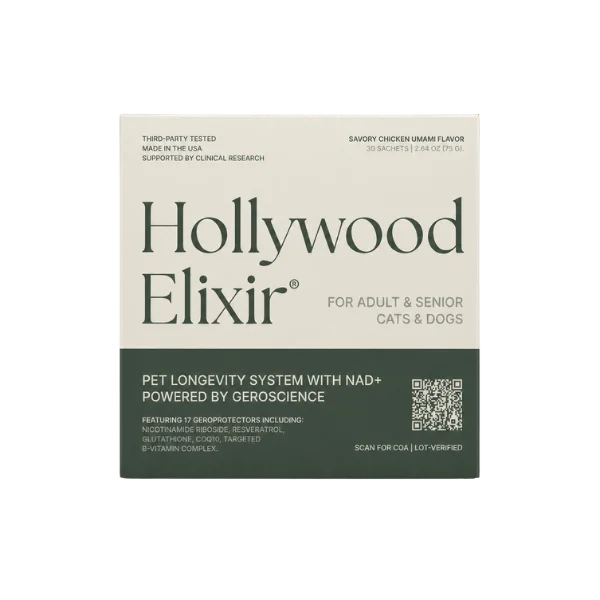
Hollywood Elixir™ is designed to support normal aging resilience as part of a veterinarian-guided wellness plan.

A dog can feel nauseated for hours without vomiting, and that silent misery often shows up as “won’t eat,” hiding, or constant lip-licking. ondansetron for dogs (often known as zofran for dogs) is one of the veterinarian tools used to calm nausea signals so a dog can rest, drink, and sometimes regain interest in food. It is commonly used in more medically intense situations—like chemotherapy-related nausea, post-anesthetic nausea, or severe gastrointestinal episodes—so it tends to show up when the stakes already feel high.

This page focuses on what nausea looks like at home, what ondansetron is doing in the body, and how to think about safety. It also explains why “anti-nausea” is not the same as “treating the cause,” and why a dog that seems picky may actually be queasy. Because ondansetron dosage dogs varies widely by medical context, size, and other medications, dosing decisions belong with a veterinarian, not a chart. The goal here is to help owners notice the right signals, avoid common mistakes, and arrive at the clinic with clear observations that speed up care.

  • Ondansetron for dogs is a prescription anti nausea medication dogs use when a veterinarian wants to quiet nausea signaling so the dog can drink, rest, and sometimes eat.
  • Nausea and vomiting are different problems; a dog may stop eating, drool, or swallow repeatedly without ever throwing up.
  • Veterinarians often reach for ondansetron in higher-concern contexts (chemotherapy, perioperative nausea, severe GI disease, vestibular nausea) rather than everyday tummy upset (Acevedo, 2024).
  • It works by blocking 5-HT3 (serotonin) receptors involved in nausea messaging from the gut and the brain’s chemoreceptor trigger zone.
  • What owners often notice is less drooling, fewer “gulping” swallows, less frantic pacing, and a smoother return to normal routines over a day or two.
  • Ondansetron side effects dogs may show include constipation, sleepiness, or behavior that suggests a headache; rare rhythm concerns are part of why vets screen heart risk and drug interactions (Finn, 1992).
  • Track appetite, water intake, vomiting/retching, stool output, and energy; bring a short timeline to the vet so nausea control doesn’t delay diagnosing the underlying cause.

What Ondansetron Is and Why Vets Use It

Ondansetron is a prescription anti-nausea medication that blocks a specific serotonin receptor called 5-HT3. When those receptors are activated, the body is more likely to send “something is wrong” signals that lead to nausea and vomiting. In veterinary medicine, ondansetron for dogs is often chosen when nausea is significant, persistent, or tied to higher-risk situations where comfort and hydration matter for recovery (Sotelo, 2022).

At home, it helps to think of nausea as a whole-body feeling, not just a stomach issue. A dog may look miserable, refuse treats, or avoid the food bowl even when the belly isn’t visibly swollen. Some owners hear “zofran for dogs” and assume it is a mild, routine fix; in practice, it is usually part of a bigger plan that includes finding the cause and protecting quality of life.

Mitochondria illustration showing cellular energy support linked to anti nausea medication dogs.

Nausea Versus Vomiting: Why Dogs Fool Their Families

Vomiting is obvious; nausea is not. Nausea is the brain’s warning state—often driven by gut irritation, toxins, motion/vestibular input, or medication effects—while vomiting is the final muscle action. A dog can be nauseated without producing anything, especially if the stomach is empty or the dog is swallowing back reflux. That difference matters because treating nausea can make a dog look “better” while the underlying trigger is still active.

In the kitchen, nausea often masquerades as picky eating. A dog may approach the bowl, sniff, then back away, or take one bite and stop. Some dogs seek grass, lick cool floors, or wake at night to pace and swallow. When these patterns show up, it is reasonable to discuss anti nausea medication dogs can use with a veterinarian—especially if the dog is also dehydrated, painful, or unusually quiet.

DNA structure visual linked to antioxidant protection mechanisms in Zofran for dogs.

When Veterinarians Commonly Prescribe Ondansetron

Veterinarians tend to use ondansetron when nausea control is important for maintaining hydration, nutrition, and comfort during a serious illness or recovery. Examples include chemotherapy-induced nausea, nausea after anesthesia, severe gastroenteritis, and nausea associated with vestibular disease (the “spins” feeling) (Henze, 2022). In dogs hospitalized for nausea, ondansetron has been studied for both how it moves through the body and how it affects nausea signs (Sotelo, 2022).

Case vignette: A senior dog with sudden head tilt and stumbling may refuse food and drool, even without vomiting. The family may think the dog is “shutting down,” when the main problem is intense nausea from vestibular dysfunction. In that scenario, a veterinarian may choose ondansetron to make the next 24 hours more manageable while other supportive care is started.

Molecular ribbon graphic highlighting formulation science reflected in ondansetron dosage dogs.

How 5-HT3 Blocking Calms the Chemoreceptor Trigger Zone

Nausea messaging travels along two main routes: signals coming up from the gut and signals generated in the brain. The chemoreceptor trigger zone is a brain area that “samples” the blood for chemicals that should not be there, including some drugs and toxins. Ondansetron blocks 5-HT3 receptors involved in this pathway, which is one reason it is used in chemotherapy-related nausea and other medication-associated nausea states.

This mechanism explains a common household surprise: a dog may stop drooling and stop acting panicky, yet still have diarrhea or abdominal tenderness. The nausea alarm can quiet down even while the gut is still inflamed. That is why vets often pair nausea control with diagnostics, fluids, diet changes, or other medications—so comfort improves without losing sight of what started the problem.

Close-up dog photo reflecting peaceful vitality supported by ondansetron side effects dogs.

What Improvement Can Look Like at Home
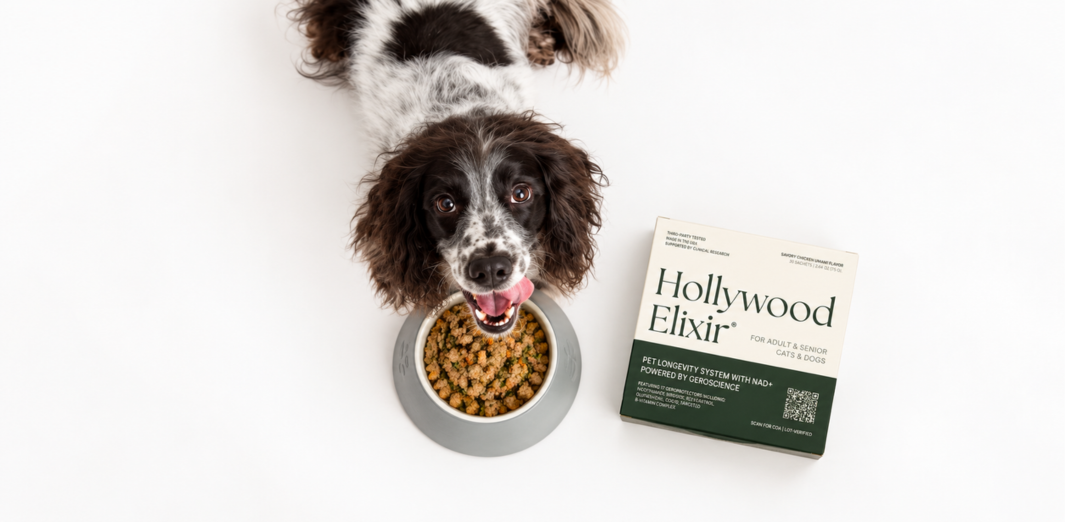
Owners often expect anti-nausea medication to stop vomiting, but the first changes may be quieter. A dog may stop lip-licking, stop gulping swallows, and settle into sleep instead of pacing. In vestibular disease, ondansetron has been used specifically to treat nausea signs, not just vomiting, which matches what families see day to day (Foth, 2021).

Food interest may return in small steps: sniffing without retreating, taking a few bites, then coming back later. Water intake may become more consistent, and the dog may tolerate short leash walks without immediately eating grass. If a dog looks calmer but still refuses all water, vomits repeatedly, or seems painful, nausea control alone is not enough—those are reasons to call the clinic promptly.

“Nausea often looks like refusal, not vomiting—and dogs can’t explain it.”

Why Nausea Often Gets Misread as “Picky Eating”

A common misconception is that a dog who turns down breakfast is being stubborn or manipulating for better food. In reality, nausea can create a strong learned aversion: if a dog feels sick after eating, the smell of that food can become a cue for discomfort. That is why a dog may beg for table scraps but refuse the normal diet—the dog is chasing novelty, not trying to be difficult.

When ondansetron for dogs is prescribed, it can be tempting to “test” appetite by offering rich foods. That can backfire by worsening reflux or diarrhea, and it can also create long-term pickiness if the dog learns that refusing kibble leads to chicken and cheese. A better home approach is to keep meals bland and predictable unless the veterinarian gives a specific feeding plan.

Elegant dog portrait reflecting alertness and natural vitality supported by ondansetron for dogs.

Ondansetron Side Effects Dogs May Show at Home

Most dogs tolerate ondansetron well, but side effects are possible. Constipation can happen because nausea control and reduced gut movement sometimes travel together, especially if the dog is also dehydrated. Some dogs seem sleepier than expected, and a few may act like they have a headache—quiet, squinting, or avoiding bright rooms—based on how this drug class is known to affect people (Finn, 1992).

Owners can watch for practical red flags: no stool for longer than usual, straining, a tight belly, or sudden agitation after a dose. If the dog has fainting, collapse, or extreme weakness, that is an emergency regardless of the suspected cause. Any new medication should be reported to the veterinarian, including over-the-counter products, because side effects can look like “the illness is getting worse” when it is actually a medication response.

Dog in profile against soft background, showing calm attention with Zofran for dogs.

Ondansetron Versus Cerenia: Different Tools, Different Targets

Owners often compare ondansetron to Cerenia (maropitant), but they work on different receptors and are chosen for different reasons. Cerenia blocks substance P at NK1 receptors, while ondansetron blocks serotonin at 5-HT3 receptors. In dogs with parvoviral enteritis, ondansetron has been compared with maropitant as part of antiemetic care, highlighting that veterinarians may select one or the other based on the clinical picture (Sullivan, 2018).

At home, the key takeaway is not “which is stronger,” but “which problem is being targeted.” Some dogs mainly need vomiting control; others are nauseated, drooling, and refusing water even without vomiting. A veterinarian may also use both at different times, or switch if one option is not giving enough headroom for eating and hydration. This is part of why self-medicating with leftover pills is risky.

Visual ingredient map showing formulation transparency connected to anti nausea medication dogs.

Drug Interactions and Heart Rhythm Safety Considerations

Ondansetron can affect electrical timing in the heart (QT interval) in some situations, which is why veterinarians pay attention to other risk factors and medications. The best-studied QT concerns are in people, especially those with heart disease or multiple risk factors, but the safety concept still guides veterinary screening: avoid stacking QT-prolonging drugs and correct dehydration or electrolyte problems when possible (Hafermann, 2011).

This is where a complete medication list matters. Owners should mention heart disease history, fainting episodes, and any drugs for anxiety, pain, or infection. It also matters if the dog is vomiting and cannot keep water down, because dehydration can make rhythm issues more likely. If a veterinarian recommends monitoring, it is not alarmist—it is a way to keep a wider margin of safety while controlling nausea.

Why Nausea Control Is Not the Same as Treating the Cause

Stopping nausea can protect quality of life, but it does not diagnose the problem. A dog can be nauseated from pancreatitis, intestinal blockage, kidney disease, toxin exposure, vestibular disease, or medication side effects, and those causes require different next steps. Ondansetron may make a dog look more comfortable while the underlying condition continues, so it should be used as part of a plan, not as the finish line.

A practical rule at home: if nausea returns as soon as a dose wears off, or if the dog cannot maintain hydration, the situation is bigger than “an upset stomach.” Repeated vomiting, a painful belly, black/tarry stool, or a swollen abdomen should not be masked with anti nausea medication dogs happen to have on hand. Those signs call for veterinary evaluation, sometimes urgently.

“Comfort matters, but nausea control should never replace finding the cause.”

Lab coat visual symbolizing disciplined formulation supporting ondansetron for dogs.

Owner Checklist: Quick Home Signals That Point to Nausea

Owner checklist (home signals): (1) repeated lip-licking or “air licking,” (2) drooling that is new for that dog, (3) frequent swallowing or gulping, especially at night, (4) walking to the bowl then backing away, and (5) eating grass followed by smacking lips. These are nausea-forward behaviors that can show up even when there is no vomiting. In hospitalized dogs, nausea scoring focuses on these kinds of observable signs rather than waiting for vomit (Sotelo, 2022).

If these signs are present, note what changed in the last 48 hours: new treats, scavenging, car rides, anesthesia, antibiotics, pain medications, or a stressful event. Also check the basics—gum moisture, urination frequency, and whether the dog can keep water down. This kind of simple timeline helps a veterinarian decide whether ondansetron, Cerenia, fluids, or diagnostics should come first.

Supplement box with ingredient spread showing care behind ondansetron side effects dogs.

What to Track over Days and Weeks While Using Ondansetron

What to track rubric: (1) appetite interest (sniffs only vs eats a portion), (2) water intake and ability to keep it down, (3) nausea behaviors (lip-licking, drooling, gulping), (4) vomiting/retching episodes with times, (5) stool frequency and firmness, and (6) energy and willingness to walk. These markers show whether nausea control is creating enough headroom for recovery or whether the pattern is still volatile.

Tracking also protects against missing side effects. Constipation can sneak up when a dog eats less and drinks less, and it can look like “still nauseated” because the dog stays uncomfortable. If ondansetron dosage dogs is adjusted by the veterinarian, these notes help the clinic make safer, more targeted changes. A short video of lip-licking or drooling can be surprisingly useful during follow-up.

Owner showcasing product beside her pet, reflecting care through Zofran for dogs.

Vet Visit Prep: the Details That Speed up Better Decisions

Vet visit prep: bring (1) a list of all medications and supplements, (2) the exact time nausea behaviors started, (3) whether the dog is vomiting, retching, or only nauseated, and (4) whether stool and urination are normal. Helpful questions include: “Is this more consistent with nausea from the gut or vestibular nausea?” and “Do electrolytes or dehydration change the safety plan for ondansetron?”

Also ask what the clinic wants to happen at home: when to offer food, what diet to use, and what would trigger an urgent recheck. If the dog has cancer or is recovering from surgery, ask how nausea control fits into quality of life goals and whether appetite changes should prompt a medication adjustment. Postoperative nausea has been specifically studied in healthy dogs given ondansetron around surgery, which is why some surgeons include it in recovery planning (Acevedo, 2024).

What Not to Do When a Dog Seems Nauseated

What not to do: (1) do not give leftover zofran for dogs from a previous pet or human prescription, (2) do not combine multiple anti-nausea drugs without veterinary direction, (3) do not “push food” with rich meals to prove appetite is back, and (4) do not ignore dehydration because vomiting has stopped. These mistakes can hide worsening disease, trigger diarrhea, or create avoidable drug interaction risks.

Another common misstep is assuming that no vomiting means no emergency. A dog with a foreign body can be nauseated, drooling, and refusing water long before repeated vomiting starts. If the belly is painful, the dog cannot settle, or the dog is repeatedly trying to vomit without producing anything, that is a same-day veterinary problem. Comfort matters, but safety comes first.

Ondansetron Dosage Dogs: Why There Is No Safe At-home Chart

Owners often search for ondansetron dosage dogs, but a single number is not safe or accurate. Dose and schedule depend on why it is being used (vestibular nausea vs chemotherapy vs severe GI disease), the dog’s size and liver function, and what other medications are on board. Even the route matters: hospitalized dogs may receive intravenous dosing, while stable dogs may be prescribed oral tablets or compounded forms (Zersen, 2024).

The safest home role is administration accuracy, not dose selection. Give it exactly as prescribed, avoid doubling a missed dose unless the clinic instructs it, and report if the dog vomits soon after receiving it. If nausea is breaking through, the answer is not to “top up” at home; it is to call the veterinarian so the plan can be adjusted with the dog’s full medical context in mind.

Visual breakdown contrasting competitors and quality standards in ondansetron side effects dogs.

Special Situations: Puppies, Seniors, and Dogs with Other Illnesses

Life stage changes the risk picture. Puppies can dehydrate quickly, so nausea that limits drinking becomes urgent sooner, and parvovirus is one reason antiemetic choices are studied carefully in young dogs (Sullivan, 2018). Seniors may have less physiologic headroom if kidney, liver, or heart disease is present, and that can influence which anti nausea medication dogs receive and how closely they are monitored.

Owners can help by sharing the “whole dog” context: new coughing, exercise intolerance, fainting episodes, or a recent change in thirst and urination. Those details can shift the plan from “treat nausea and watch” to “treat nausea and run labs today.” If a dog is on multiple medications, bring photos of labels; interaction screening is only as good as the information provided.

Product reveal shot showing premium feel consistent with ondansetron for dogs.

Supporting Digestive Comfort Alongside Prescription Nausea Control

Nausea control works best when the home environment reduces triggers. Keep the dog in a quiet, dimmer space if light and motion seem to worsen symptoms, especially with vestibular disease. Offer small, frequent opportunities to drink rather than a large bowl that feels overwhelming. If the veterinarian recommends food, bland and low-fat options are often chosen because they are less likely to provoke reflux or pancreatitis flares.

Routine matters: consistent meal timing, short leash walks, and avoiding car rides can make nausea less volatile while the underlying cause is being addressed. If constipation is developing, ask the clinic before adding fiber or stool softeners, because the right choice depends on hydration status and the primary diagnosis. For broader digestive support, related reading on digestive health for dogs and nausea management can help owners build a calmer plan.

When to Recheck: Knowing If the Plan Needs More Than Ondansetron

A recheck is warranted when nausea relief is incomplete, short-lived, or paired with worsening overall signs. If the dog cannot keep water down, becomes weak, develops belly pain, or has repeated retching, the underlying cause may require imaging, bloodwork, or hospitalization. In dogs with vestibular-associated nausea, controlled studies have evaluated ondansetron’s effect on nausea behaviors, but even in that setting, supportive care and reassessment remain important when signs persist (Henze, 2022).

Owners can also recheck for “quiet” problems: no stool output, dark urine, or a dog that seems calmer but still refuses all food and water. Those patterns suggest the body is not bouncing back and needs more support. If the dog is on cancer therapy, report appetite changes early; nausea control is a quality-of-life tool, and timely adjustments can prevent a spiral into dehydration and food aversion.

“Track small signals: drool, gulping, stool output, and water intake.”

Educational content only. This material is not a substitute for veterinary advice. Always consult your veterinarian about your dog’s specific needs. These statements have not been evaluated by the Food and Drug Administration. Products mentioned are not intended to diagnose, treat, cure, or prevent any disease.

Glossary

  • 5-HT3 receptor - A serotonin receptor involved in nausea signaling from the gut and brain.
  • Antiemetic - A medication used to prevent or reduce nausea and vomiting.
  • Chemoreceptor trigger zone - Brain area that detects nausea-provoking chemicals in the blood.
  • Vestibular disease - Inner ear/brain balance disorder that can cause dizziness and intense nausea.
  • Nausea behaviors - Observable signs like lip-licking, drooling, gulping swallows, and food avoidance.
  • QT interval - A measurement on an ECG related to heart rhythm timing and safety screening.
  • Food aversion - Learned avoidance of a food after feeling sick around eating it.
  • Perioperative nausea - Nausea occurring around anesthesia and surgery, affecting recovery and appetite.

Related Reading

References

Sullivan. Assessing the Efficacy of Maropitant Versus Ondansetron in the Treatment of Dogs with Parvoviral Enteritis.. PubMed. 2018. https://pubmed.ncbi.nlm.nih.gov/30272481/

Acevedo. Effect of preoperative ondansetron on postoperative nausea in healthy dogs undergoing laparoscopic gastropexy and castration.. PubMed. 2024. https://pubmed.ncbi.nlm.nih.gov/38413340/

Foth. The use of ondansetron for the treatment of nausea in dogs with vestibular syndrome.. PubMed Central. 2021. https://pmc.ncbi.nlm.nih.gov/articles/PMC8218477/

Henze. Ondansetron in dogs with nausea associated with vestibular disease: A double-blinded, randomized placebo-controlled crossover study.. PubMed Central. 2022. https://pmc.ncbi.nlm.nih.gov/articles/PMC9511069/

Sotelo. Pharmacokinetics and anti-nausea effects of intravenous ondansetron in hospitalized dogs exhibiting clinical signs of nausea.. PubMed Central. 2022. https://pmc.ncbi.nlm.nih.gov/articles/PMC9796123/

Finn. Toxicity and side effects of ondansetron.. PubMed. 1992. https://pubmed.ncbi.nlm.nih.gov/1387251/

Zersen. Plasma Concentrations of Oral Ondansetron in Hospitalized Dogs Exhibiting Clinical Signs of Nausea.. PubMed Central. 2024. https://pmc.ncbi.nlm.nih.gov/articles/PMC10975877/

Hafermann. Effect of intravenous ondansetron on QT interval prolongation in patients with cardiovascular disease and additional risk factors for torsades: a prospective, observational study.. PubMed Central. 2011. https://pmc.ncbi.nlm.nih.gov/articles/PMC3202761/

FAQ

What is ondansetron used for in dogs?

Ondansetron is a prescription anti-nausea medication that veterinarians use when a dog’s nausea is significant or persistent. It is often considered in higher-concern situations such as chemotherapy-related nausea, nausea after anesthesia, severe gastrointestinal illness, or vestibular disease (a spinning sensation).

At home, the goal is usually comfort and function: drinking, resting, and sometimes eating. It is not a substitute for diagnosing the cause of nausea, especially if dehydration, pain, or repeated retching is present.

How does ondansetron work to control nausea?

Ondansetron blocks 5-HT3 (serotonin) receptors involved in nausea messaging. Those receptors are part of the communication between the irritated gut and the brain, and they also play a role in the brain’s chemoreceptor trigger zone, which helps detect nausea-provoking chemicals in the bloodstream.

This is why a dog may look calmer and stop drooling even if the underlying stomach or intestinal problem still needs treatment. Nausea control can create headroom for hydration and recovery while the veterinarian works on the root cause.

Is nausea the same thing as vomiting in dogs?

No. Vomiting is an action (abdominal contractions and expelling stomach contents). Nausea is a feeling state that can last for hours and may never end in vomit, especially if the stomach is empty or the dog is swallowing back reflux.

That difference matters because a dog can be suffering even when there is no mess on the floor. Nausea often looks like lip-licking, drooling, gulping swallows, hiding, or walking away from food after sniffing it.

What are common ondansetron side effects dogs can have?

ondansetron side effects dogs may show include constipation, mild sleepiness, and behavior changes that can be hard to interpret (some dogs seem “off” or unusually quiet). Because dogs cannot describe sensations like headache, owners may only notice squinting, hiding, or less interest in interaction.

Call the veterinarian if constipation becomes significant, if vomiting continues, or if weakness is worsening. Collapse, fainting, or extreme lethargy should be treated as an emergency, regardless of the suspected cause.

Can ondansetron cause heart rhythm problems in dogs?

Ondansetron can affect the QT interval (the heart’s electrical “reset” time) in some situations, which is why veterinarians screen for risk factors and review other medications. The strongest QT data is in people, but the safety principle still applies: avoid risky combinations and correct dehydration or electrolyte issues when possible.

Owners should mention any history of fainting, known heart disease, or multiple medications. If a veterinarian recommends monitoring or an ECG, it is a precaution to keep a wider margin of safety while controlling nausea.

What is the difference between Cerenia and ondansetron?

They target different nausea pathways. Cerenia (maropitant) blocks NK1 receptors (substance P), while ondansetron blocks 5-HT3 receptors (serotonin). Because nausea can be driven by different triggers, veterinarians choose based on the dog’s situation rather than a simple “stronger vs weaker” comparison.

Some dogs mainly need vomiting control; others are nauseated without vomiting and refuse water or food. A veterinarian may use one, switch, or occasionally combine therapies with careful oversight.

Can owners give zofran for dogs from a human prescription?

No. Even though the active ingredient may be the same, using a human prescription at home is risky. The dose, formulation, and safety screening (other drugs, heart risk, dehydration) are individualized, and a dog’s nausea may be a sign of an emergency like obstruction or toxin exposure.

If a veterinarian has prescribed ondansetron for that specific dog, follow the directions exactly. If nausea breaks through, the safest next step is a call to the clinic, not an extra dose.

What should be tracked after starting ondansetron for dogs?

Track practical, observable markers: appetite interest, water intake, vomiting or retching episodes, drooling/lip-licking, stool output, and energy. Include times, because patterns (worse at night, worse after meals, worse in the car) can point toward the cause.

Also watch for constipation and reduced urination, which can signal dehydration. These notes help the veterinarian decide whether nausea control is adequate or whether diagnostics, fluids, or a different medication approach is needed.

How quickly does ondansetron start working in dogs?

Timing depends on the route (injection vs oral), the dog’s condition, and the cause of nausea. Some dogs show a smoother ability to rest and less drooling within hours, while appetite may take longer to return, especially if the stomach or intestines are still inflamed.

If there is no meaningful change in comfort, drinking, or nausea behaviors within the timeframe the veterinarian expected, call the clinic. Persistent nausea can be a clue that the underlying problem needs more than symptom control.

Does ondansetron stop vomiting or just nausea?

It can help with both, but many owners notice nausea relief first. A dog may stop lip-licking, gulping, and drooling even if vomiting was never present. In some illnesses, vomiting decreases as nausea signaling calms, but vomiting can still occur if the gut is severely irritated or obstructed.

If vomiting continues, especially with weakness, belly pain, or inability to keep water down, that is a reason to recheck. Anti-nausea medication should not delay evaluation for serious causes.

Is ondansetron safe for puppies or small dogs?

It can be used in small dogs and puppies when a veterinarian decides it is appropriate, but the safety margin depends on the whole situation: hydration status, other medications, and the suspected cause. Puppies can dehydrate quickly, so nausea that limits drinking becomes urgent sooner.

Owners should avoid guessing ondansetron dosage dogs based on size alone. If a puppy is vomiting, has diarrhea, or seems weak, prompt veterinary care matters more than trying to manage symptoms at home.

Can ondansetron be used long term in dogs?

Longer use sometimes happens in chronic conditions (for example, ongoing nausea during cancer therapy), but it should be veterinarian-guided. The plan usually includes periodic reassessment to ensure nausea control is still needed and that side effects like constipation are not accumulating.

If nausea returns whenever a dose wears off, that is information, not failure. It may mean the underlying trigger is still active and needs a different approach, additional diagnostics, or a medication adjustment.

What medications can interact with ondansetron in dogs?

Interactions depend on the dog’s full medication list. Veterinarians pay special attention to drugs that can affect heart rhythm (QT interval) and to combinations that may increase the chance of side effects. Dehydration and electrolyte imbalances can also change risk.

Bring every label—prescriptions, flea/tick products, supplements, and any recent human medications the dog could have accessed. If something was started right before nausea began, mention it; that timing can be a major clue.

What if my dog still won’t eat after ondansetron?

A dog may feel less nauseated yet still avoid food if the gut is painful, inflamed, or if a food aversion has formed. Appetite can also lag behind nausea relief, especially after repeated vomiting or during vestibular episodes when motion worsens symptoms.

Call the veterinarian if the dog refuses water, cannot keep water down, or has belly pain. Avoid “testing” appetite with rich foods; that can worsen diarrhea or reflux and can create long-term pickiness.

What are signs my dog needs urgent care, not home monitoring?

Urgent signs include repeated vomiting, unproductive retching, collapse or fainting, severe weakness, a swollen or painful abdomen, black/tarry stool, or inability to keep water down. These can indicate dehydration, obstruction, bleeding, toxin exposure, or other emergencies.

Even if nausea seems improved, worsening lethargy or dehydration should not wait. Anti nausea medication dogs take should support stabilization, not delay evaluation when red flags are present.

How should ondansetron be given to reduce stomach upset?

Follow the veterinarian’s directions for timing with food. Some dogs do better with a small bite of bland food, while others are instructed to take it on an empty stomach depending on the situation and the likelihood of vomiting.

If the dog vomits soon after a dose, do not automatically repeat it. Note the time and call the clinic for guidance. Accurate administration and good notes are more helpful than trying to troubleshoot dosing at home.

Is ondansetron the same as metoclopramide for dogs?

No. They are different medications with different targets. Ondansetron blocks 5-HT3 receptors involved in nausea signaling, while metoclopramide is more focused on gut movement and dopamine-related pathways. A veterinarian chooses based on whether the main problem is nausea signaling, delayed stomach emptying, reflux, or another pattern.

Because the “right” choice depends on the cause, it is not a good idea to swap one for the other at home. If a dog is not responding, the safest step is a recheck and a plan adjustment.

Can ondansetron be used with chemotherapy in dogs?

Yes, veterinarians may use it as part of nausea control during cancer therapy, because chemotherapy can strongly activate nausea pathways. In oncology, nausea management is closely tied to quality of life: a dog that can drink, rest, and accept food has a better chance of maintaining weight and resilience through treatment.

Owners should report appetite changes early rather than waiting for vomiting. The oncology team may adjust anti-nausea medications, feeding strategies, or treatment timing to keep the dog more comfortable.

How do vets decide between ondansetron and other anti nausea medication dogs use?

The choice depends on the suspected cause (gut inflammation, vestibular nausea, medication-related nausea), severity, and what else is happening (dehydration, pain, diarrhea, fever). Vets also consider what the dog has already tried and whether vomiting, nausea behaviors, or both are present.

A clear home timeline helps: when the signs started, what changed recently, and whether the dog can keep water down. That information can be more valuable than any single symptom when choosing the next step.

Do certain breeds have higher risk from ondansetron?

There is no simple breed list that predicts ondansetron risk for every dog. Risk is more about the individual: heart disease history, fainting episodes, dehydration, electrolyte imbalance, and the other medications being taken.

Small dogs can be more sensitive to dosing errors simply because tiny measurement mistakes matter more. That is another reason ondansetron dosage dogs should be determined and dispensed by a veterinarian, with clear instructions.

Can supplements replace ondansetron for dogs with nausea?

Supplements cannot replace prescription nausea control when a dog is significantly nauseated, dehydrated, or dealing with a serious diagnosis. Nausea can be a sign of conditions that need diagnostics and targeted treatment, and delaying care can make recovery harder.

That said, some families use wellness products to support normal resilience during aging. Hollywood Elixir™ is designed to support normal aging resilience as part of a veterinarian-guided plan, not as a nausea treatment.