Galliprant for Dogs: a Safer NSAID Strategy — or Just Different?

Compare Grapiprant with Traditional NSAIDs for Arthritis Relief, Gut Safety, and Kidney Support

Essential Summary

Why is grapiprant for dogs important?

Grapiprant (Galliprant) is “targeted” because it blocks the EP4 pain receptor, not because it is risk-free. For many dogs with osteoarthritis, the best question is which option delivers reliable comfort with side effects the household can spot early.

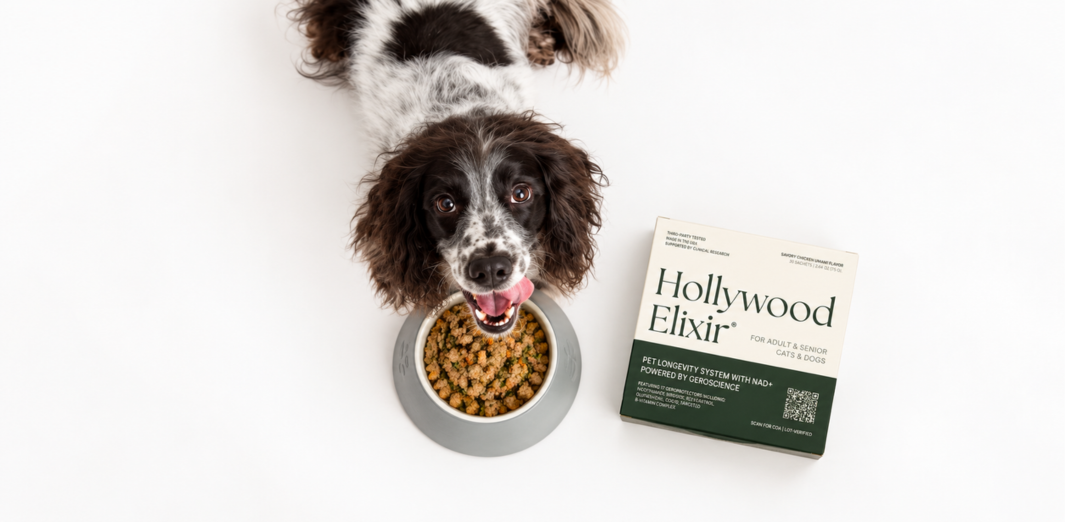
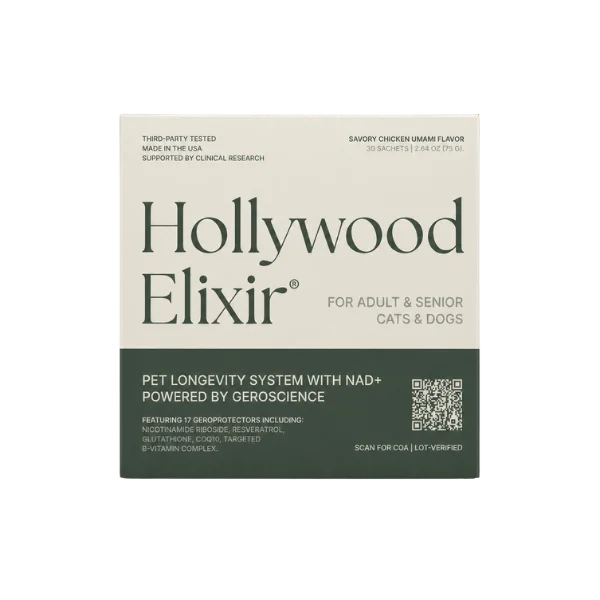
Hollywood Elixir™ supports normal aging-related mobility, comfort, and daily vitality as part of a veterinarian-guided plan.

When a dog is stiff, limping, or slowing down on walks, the real question is often whether a pain medication can help without creating new problems. Galliprant is not automatically “safer” than older NSAIDs—it is different, because it targets the EP4 receptor involved in pain signaling rather than broadly inhibiting COX enzymes. That difference can matter for some dogs, especially those with a history of stomach upset or long-term arthritis needs, but it still requires the same respect and monitoring as any prescription anti-inflammatory plan.

Owners usually compare galliprant vs rimadyl (carprofen) because both are used for osteoarthritis comfort, yet they work through different pathways. The most helpful way to think about it is “which risk matters most for this dog, and which plan will be more reliable in this household?” This page focuses on what grapiprant for dogs does, what owners tend to notice, which galliprant side effects dogs commonly show, and which change signals should trigger a call to the veterinarian. It also places galliprant alongside other arthritis tools—like librela-for-dogs, gabapentin-for-dogs, and joint-health-for-dogs—so the decision is about a whole comfort plan, not a single pill.

By La Petite Labs Editorial, ~15 min read

Featured Product:

  • Galliprant (grapiprant) can be a good osteoarthritis option, but “safer” depends on the dog’s risks and monitoring.
  • It blocks the EP4 receptor involved in pain signaling, rather than broadly inhibiting COX enzymes.
  • Many dogs show practical gains: easier rising, longer walks, and less next-morning stiffness.
  • Common galliprant side effects dogs show are vomiting, soft stool/diarrhea, and reduced appetite.
  • Serious red flags (black stool, repeated vomiting, marked lethargy, drinking/urination changes) need prompt veterinary guidance.
  • Galliprant vs rimadyl is a tradeoff discussion: different mechanism, different side-effect patterns, and variable pain relief.
  • The most reliable outcomes come from a multimodal plan: weight control, traction/ramps, rehab, and scheduled rechecks.

What Galliprant Is, in Plain Owner Language

Galliprant is the brand name for grapiprant for dogs, a prescription pain medication used most often for osteoarthritis. Instead of blocking the COX enzymes like many traditional NSAIDs, it blocks a specific prostaglandin receptor called EP4, which is involved in pain signaling and inflammation (Kirkby Shaw, 2016). That “targeted” design is why many owners hear it described as a different kind of NSAID strategy, not simply a stronger version of older drugs.

At home, this matters because expectations should be realistic: the goal is usually easier movement, not a dramatic personality change overnight. Many dogs still have arthritis, they just have more slack for normal activities like getting up, climbing a step, or finishing a walk. If a dog seems painful but also tired, nauseated, or “off,” that can be a medication signal rather than the arthritis itself.

Cellular powerhouse illustration symbolizing metabolic support via galliprant side effects dogs.

EP4 Blockade Vs COX Inhibition: What “Targeted” Means

EP4 blockade is different from COX inhibition in a practical way: COX enzymes help make several prostaglandins that protect the stomach lining, support kidney blood flow, and participate in inflammation. Grapiprant focuses on the EP4 receptor, aiming at one of the main “receivers” for prostaglandin E2 pain messages (Nagahisa, 2017). That narrower target can change the side-effect profile, but it does not make the drug harmless or “non-NSAID.”

Owners often translate “targeted” into “no monitoring needed,” and that is the wrong takeaway. A dog can still get stomach upset, appetite changes, or more serious problems, especially if dehydrated or already medically fragile. The safest plan is the one that matches the dog’s health history and includes clear rules for what to do if vomiting, diarrhea, or lethargy shows up.

Genetic structure image symbolizing long-term wellness supported by grapiprant for dogs.

What Vets Prescribe It for in Osteoarthritis

Veterinarians most commonly prescribe galliprant for dog arthritis, especially osteoarthritis that causes stiffness, limping, or reluctance to exercise. In a randomized, masked, placebo-controlled field study, grapiprant improved clinical signs of osteoarthritis in dogs, supporting that it can meaningfully reduce pain-related impairment for some patients (Rausch-Derra, 2016). It is often considered when a dog needs long-term pain control and the family wants an option with a different mechanism than COX-focused NSAIDs.

In daily life, osteoarthritis pain looks like small decisions: choosing the carpet over the tile, hesitating at the car door, or circling before lying down. A prescription choice is usually made alongside lifestyle changesweight management, traction rugs, ramps, and a walking routine that avoids weekend “overdoing it.” Medication is one tool, not the whole plan.

Bioactive protein structure illustrating synergy in wellness supported by galliprant side effects dogs.

Why It’s Considered for Some Younger Dogs

Galliprant is also discussed for younger dogs with orthopedic problems that create early joint wear, because the goal is to protect quality of life over years, not weeks. “Younger” does not mean “low risk,” though—dogs can have hidden kidney or liver vulnerabilities, and some have sensitive stomachs. A targeted EP4 approach may be appealing when a veterinarian is balancing pain control against a dog’s individual ceiling for side effects.

Case vignette: a 3-year-old Labrador with elbow dysplasia starts skipping evening walks and avoids playing tug, but still eats well. After starting grapiprant for dogs, the family notices he stands up more reliably and settles faster after activity, yet he has one episode of soft stool that resolves with a vet-approved plan. The “win” is more reliable comfort, not a completely normal joint.

Pug image representing loving care routines supported by galliprant for dog arthritis.

What Owners Typically Notice When It’s Working

What owners typically notice first is not a perfect gait—it is willingness. Dogs may rise with less hesitation, take longer walks before slowing, or stop “bunny hopping” on stairs. In controlled studies of osteoarthritis, grapiprant has shown improvement in clinical signs compared with placebo, which fits the real-world pattern of gradual functional gains rather than instant transformation (Rausch-Derra, 2016).

The first 1–2 weeks are often about observing patterns: does the dog warm up faster, need fewer breaks, or recover by the next morning? Video clips taken in the same hallway can be more convincing than memory. If the dog becomes quieter, hides, or seems nauseated, that is not “just getting older”—it is a reason to contact the prescribing clinic and reassess.

Hollywood Elixir™ is amazing and makes my 13 y/o young again!

— Jessie

We go on runs. Lately he's been keeping up with no problem!

— Cami

“Targeted changes the tradeoffs; it does not remove the need to monitor.”

Common Side Effects Owners See at Home

The most common galliprant side effects dogs experience are gastrointestinal: soft stool, diarrhea, vomiting, and decreased appetite. These are the same household problems that often show up with many pain medications, and they can appear early or after a routine change like a new treat or a stressful trip. Even though grapiprant targets EP4, it still interacts with inflammatory signaling, so stomach tolerance is not guaranteed (Kirkby Shaw, 2016).

Owner checklist: check stool consistency each day, watch for lip-licking or gulping (nausea), note skipped meals, and look for new grass-eating or swallowing. Also check water intake and urination, because dehydration makes many drug side effects harder to recover from. If vomiting repeats, diarrhea becomes watery, or the dog refuses food, the safest move is to pause and call the veterinarian for instructions rather than “waiting it out.”

Portrait of a dog showing thoughtful presence supported by is galliprant safer than carprofen.

Serious Red Flags That Need a Call

More serious red flags are uncommon but important because they can be easy to misread as “arthritis fatigue.” Any NSAID-like strategy can be associated with gastrointestinal ulceration or organ stress in susceptible dogs, especially if the dog is dehydrated, has pre-existing disease, or is taking interacting medications. The key point is not that EP4 drugs are risk-free; it is that the risk pattern may be different, so the monitoring plan matters.

What not to do: do not combine galliprant with another NSAID (like carprofen/rimadyl) “for extra relief,” do not add human ibuprofen or naproxen, and do not keep dosing through vomiting or black/tarry stool. Do not “save up” doses for big activity days. Pain control works best when the veterinarian sets a consistent plan and adjusts based on change signals.

Close-up profile of a dog symbolizing awareness and vitality via is galliprant safer than carprofen.

Monitoring: Bloodwork, Rechecks, and Home Tracking

Monitoring is where “is galliprant safer than carprofen” becomes a real-world question rather than a slogan. Many veterinarians recommend baseline bloodwork and periodic rechecks for dogs on long-term pain control, because kidney and liver stress can be silent until it is advanced. A targeted EP4 approach may offer a different safety tradeoff, but it still deserves the same seriousness as other prescription anti-inflammatory strategies.

What to track in the first 4–6 weeks: appetite, vomiting/diarrhea episodes, energy level, water intake, urination frequency, and “next-morning stiffness” after activity. Track function too—time to stand, willingness to jump, and walk duration before slowing. Bring this log to rechecks; it gives the veterinarian a more reliable picture than a single good or bad day.

Supplement overview graphic emphasizing quality ingredients aligned with galliprant side effects dogs.

Who Benefits Most: History, Lifestyle, and Breed Context

Some dogs are considered better candidates because of their history: prior stomach upset on COX-focused NSAIDs, a need for long-term control, or a lifestyle where consistent daily comfort matters. Breed and genetics can also shape decisions; for example, Collies with the MDR1-1Δ mutation have been specifically studied for tolerance and pharmacokinetics of Galliprant, adding useful breed-context for risk discussions (Heit, 2021). That does not mean other breeds are “unsafe,” only that individual factors are worth naming.

Owners can help by sharing details that change prescribing choices: past reactions to rimadyl/carprofen, a history of pancreatitis-like episodes, chronic diarrhea, or a tendency to stop drinking after long hikes. Also mention supplements, flea/tick products, and any recent anesthesia. The best match is the drug plan that fits the dog’s durability and the household’s ability to monitor.

Galliprant Vs Rimadyl: Different Targets, Different Tradeoffs

Galliprant vs rimadyl is often framed as “newer equals safer,” but the more accurate frame is “different target, different tradeoffs.” Rimadyl (carprofen) works through COX inhibition, while grapiprant works through EP4 receptor antagonism (Kirkby Shaw, 2016). That difference can matter for a dog with a particular risk history, yet it does not guarantee better pain control or fewer side effects for every individual.

A useful misconception to correct: galliprant is not a supplement-like option that can be mixed freely with other anti-inflammatories. It is still a serious prescription pain medication, and “stacking” drugs without a plan is a common path to emergency visits. If pain is not controlled, the safer next step is a recheck and a multimodal plan, not a home experiment.

“The best arthritis plan is the one a dog can stay on reliably.”

Branded lab coat reflecting precision and trust supporting grapiprant for dogs.

How Strong Is It Compared with Other Options?

When owners ask whether grapiprant for dogs is “as strong as” other NSAIDs, the honest answer is that response varies by dog and by pain source. In a randomized clinical trial comparing grapiprant and meloxicam for postoperative joint pain, the study design highlights that EP4 antagonism can be used in real surgical pain contexts, but it does not make the drugs interchangeable for every patient (Cassemiche, 2024). Osteoarthritis pain is chronic and layered, so the best choice is often the one a dog can stay on reliably.

At home, “working” looks like fewer micro-struggles: less shifting at night, fewer pauses on slick floors, and a more normal tail carriage on walks. If the dog is still limping hard after a reasonable trial, that is useful information—not failure. It may mean the joint disease is advanced, the pain is coming from a different source, or another tool (like rehab or a different medication class) needs to be added.

Shop Now
Supplement box with ingredient spread showing care behind grapiprant for dogs.

Interactions, Steroids, and Combination Pain Plans

Drug interactions and combination therapy are where safety can change quickly. Veterinarians are cautious about combining anti-inflammatory drugs, and they may choose gastroprotection strategies for certain dogs based on history rather than “routine for everyone.” Grapiprant’s EP4 targeting does not automatically make it compatible with other NSAIDs or steroids; the risk is less about the label and more about what the dog’s stomach, kidneys, and hydration status can handle.

Vet visit prep: bring a list of every medication and chewable given in the last month, including itch meds, calming meds, and any gabapentin for dogs that was tried for pain layering. Ask: “What should trigger an immediate stop and call?” and “Do you want baseline bloodwork before we continue long term?” Also ask whether librela-for-dogs (bedinvetmab) is a reasonable alternative if daily pills are hard or side effects appear.

Shop Now
Home scene with woman and dog featuring Hollywood Elixir and galliprant side effects dogs.

When Veterinarians Switch Medications and Why

Switching from one pain plan to another is common in arthritis care, and it is usually driven by either side effects or incomplete comfort. Some dogs start on carprofen/rimadyl and move to galliprant after stomach upset; others start on grapiprant and later transition if pain progresses. In a force-plate gait analysis noninferiority trial, grapiprant served as a comparator against bedinvetmab, reflecting how clinics weigh multiple osteoarthritis options rather than treating one drug as the default (Enomoto, 2026).

Owners can make switching safer by reporting specifics: how many vomiting episodes, what the stool looked like, whether appetite dropped, and whether the dog drank normally. Also report function changes with dates—“could do 20 minutes, now slows at 10.” That detail helps the veterinarian choose the next step and decide whether a washout period, bloodwork, or a different class (like an anti-nerve growth factor injection) fits better.

Shop Now

Building a Multimodal Arthritis Plan Around Any Drug

Multimodal pain management means using more than one lever, each with a smaller job, to improve comfort without pushing one drug to the dog’s ceiling. For osteoarthritis, that often includes controlled exercise, physical therapy, weight reduction, and sometimes adjunct medications for nerve-related pain. The goal is not to chase a pain-free day at any cost; it is to build durability so the dog can move, rest, and recover with fewer setbacks.

In the home, the “other levers” are surprisingly concrete: a runner rug in the hallway, a ramp to the couch, a raised water bowl, and shorter walks that happen more often. Many families also explore joint-health-for-dogs guidance so treats and calories do not quietly erase progress. When these changes are paired with a prescription plan, improvements tend to be more reliable and less variable week to week.

Gastroprotection and Feeding Routines That Reduce Upset

NSAID gastroprotection is not one-size-fits-all, and it should be veterinarian-directed. Some dogs need added stomach protection because of prior ulcers, chronic vomiting, or concurrent medications; others do well without extra drugs. The important concept is that stomach risk is shaped by the whole picture—hydration, diet changes, stress, and what else is in the medicine cabinet—more than by any single marketing phrase about being “gentler.”

Practical routine: keep meals consistent, avoid sudden new chews during the first month, and do not use rich table scraps as “pill helpers.” If a dog needs a pill pocket, keep it boring and repeatable. If diarrhea starts, note timing relative to dosing and food; that pattern helps the clinic decide whether the issue is the medication, the delivery method, or an unrelated stomach bug.

Visual breakdown contrasting competitors and quality standards in grapiprant for dogs.

A Decision Framework for “Safer” That Actually Helps

A balanced decision framework for “is galliprant safer than carprofen” starts with defining “safer for what.” A dog with a history of stomach upset may do better on an EP4-focused approach, while another dog may get stronger pain relief on a COX-2 selective NSAID and tolerate it well. Safety is also about the household: a family that can monitor closely and return for rechecks can catch problems earlier and preserve rebound capacity if a change is needed.

This is where clear communication prevents regret. If a dog is drinking less after daycare, that is a safety detail. If a dog is on a new itch medication, that is a safety detail. The best plan is the one that matches the dog’s medical risks and the owner’s ability to notice change signals quickly, not the one that sounds “newest.”

Shop Now
Hollywood Elixir box in open packaging, showing premium presentation for grapiprant for dogs.

When Pain Isn’t Arthritis: Rechecking the Diagnosis

When pain control is not enough, it is tempting to keep adding. A safer approach is to step back and ask what kind of pain is present: joint inflammation, muscle weakness, nerve pain, or a mechanical problem like a torn cruciate ligament. That distinction changes the plan—sometimes the next step is imaging, rehab, or a surgical consult rather than a stronger anti-inflammatory. EP4 antagonism is one tool, and it works best when the diagnosis is solid.

Owners can help by separating “activity pain” from “rest pain.” Note whether limping appears only after play, whether the dog wakes at night, and whether stairs are worse going up or down. Also note if gabapentin-for-dogs made the dog sleepy without improving movement; that suggests the pain driver may not be primarily nerve-based. These details guide the veterinarian toward a more reliable plan.

Shop Now

Putting It All Together for Long-term Comfort

The most useful takeaway is that “different” is not the same as “safe for every dog.” Galliprant can be a thoughtful choice for osteoarthritis when the goal is long-term comfort with a mechanism that avoids broad COX inhibition, but it still requires respect, monitoring, and a plan for side effects. The evidence base supports benefit in osteoarthritis, while comparisons across drugs and patients continue to evolve (Rausch-Derra, 2016).

A good long-term plan usually includes: a clear mobility goal, a recheck schedule, and home modifications that reduce daily strain. Keep a short log, take monthly videos, and treat appetite and stool changes as meaningful signals. If something feels off, the safest move is to call the prescribing clinic early—small course corrections protect the dog’s comfort and durability over time.

“Track change signals early, before small problems become big ones.”

Educational content only. This material is not a substitute for veterinary advice. Always consult your veterinarian about your dog’s specific needs. These statements have not been evaluated by the Food and Drug Administration. Products mentioned are not intended to diagnose, treat, cure, or prevent any disease.

Glossary

  • Grapiprant - The generic drug in Galliprant; an EP4 receptor antagonist used for canine osteoarthritis pain.
  • EP4 receptor - A prostaglandin E2 receptor involved in pain signaling and inflammation; grapiprant blocks this receptor.
  • Prostaglandin E2 (PGE2) - A signaling molecule that can contribute to pain and inflammation in joints.
  • COX enzymes (COX-1/COX-2) - Enzymes involved in prostaglandin production; many traditional NSAIDs inhibit them.
  • COX-2 selectivity - A property of some NSAIDs that preferentially inhibit COX-2, aiming to reduce inflammation with fewer stomach effects in some dogs.
  • Osteoarthritis - Chronic joint degeneration and inflammation that causes stiffness, pain, and reduced mobility.
  • Gastroprotection - Vet-directed strategies to reduce stomach irritation/ulcer risk when a dog needs anti-inflammatory medication.
  • Multimodal pain management - Using multiple tools (medication, rehab, weight control, home changes) so no single tool carries the entire burden.
  • Change signals - Observable shifts (appetite, stool, energy, drinking, mobility) that can indicate benefit or side effects during the first 4–6 weeks.

Related Reading

References

Enomoto. A noninferiority trial evaluating the efficacy of bedinvetmab compared to grapiprant for osteoarthritis-pain in dogs using force plate gait analysis.. PubMed. 2026. https://pubmed.ncbi.nlm.nih.gov/41667566/

Nagahisa. Pharmacology of grapiprant, a novel EP4 antagonist: receptor binding, efficacy in a rodent postoperative pain model, and a dose estimation for controlling pain in dogs.. PubMed. 2017. https://pubmed.ncbi.nlm.nih.gov/27597397/

Rausch-Derra. A Prospective, Randomized, Masked, Placebo-Controlled Multisite Clinical Study of Grapiprant, an EP4 Prostaglandin Receptor Antagonist (PRA), in Dogs with Osteoarthritis.. PubMed Central. 2016. https://pmc.ncbi.nlm.nih.gov/articles/PMC4913586/

Cassemiche. Comparison of grapiprant and meloxicam for management of postoperative joint pain in dogs: A randomized, double-blinded, prospective clinical trial.. PubMed. 2024. https://pubmed.ncbi.nlm.nih.gov/38944675/

Heit. Tolerance and Pharmacokinetics of Galliprant™ Administered Orally to Collies Homozygous for MDR1-1Δ.. PubMed Central. 2021. https://pmc.ncbi.nlm.nih.gov/articles/PMC9292342/

Kirkby Shaw. Grapiprant: an EP4 prostaglandin receptor antagonist and novel therapy for pain and inflammation.. PubMed Central. 2016. https://pmc.ncbi.nlm.nih.gov/articles/PMC5645826/

FAQ

What is galliprant, and what does it treat in dogs?

Galliprant is a brand name for grapiprant for dogs, a prescription medication most commonly used for osteoarthritis pain. It is designed to reduce pain signaling linked to inflammation so dogs can move more comfortably.

At home, “working” often looks like easier rising, more willingness to walk, and less hesitation on stairs. It is not expected to rebuild cartilage or make an arthritic joint normal, so tracking function over a few weeks is more informative than judging a single day.

How does grapiprant work differently from traditional NSAIDs?

Traditional NSAIDs mainly work by inhibiting COX enzymes, which affects multiple prostaglandins. Grapiprant works by blocking the EP4 receptor, one of the key “receivers” for prostaglandin E2 pain messages(Nagahisa, 2017).

That targeted approach can change which side effects show up in a given dog, but it does not remove risk. Owners should still treat vomiting, diarrhea, appetite loss, or unusual tiredness as meaningful change signals and contact the prescribing veterinarian.

Is galliprant safer than carprofen for most dogs?

There is no single “safer for everyone” answer. The better question is: safer for what risk—stomach upset, kidney stress, liver concerns, or medication interactions? Galliprant’s EP4 targeting is different from carprofen’s COX-based approach, so the tradeoffs can differ by dog.

A veterinarian’s recommendation usually depends on health history, hydration habits, age, and how well pain is controlled. Baseline bloodwork and planned rechecks are often part of making any long-term pain strategy more reliable.

What are the most common galliprant side effects dogs show?

The most common galliprant side effects dogs show are gastrointestinal: soft stool or diarrhea, vomiting, and decreased appetite. Some dogs also seem quieter or less interested in food for a short period.

Track timing: did signs start within a day or two of starting, after a new treat, or after a stressful event? If vomiting repeats, diarrhea becomes watery, or the dog refuses meals, contact the prescribing clinic promptly for next steps rather than trying home fixes.

Which symptoms mean galliprant could be an emergency?

Seek urgent veterinary guidance for repeated vomiting, collapse, severe weakness, pale gums, or signs of significant belly pain. Black, tarry stool or vomit that looks like coffee grounds can signal gastrointestinal bleeding and should be treated as urgent.

Also take drinking and urination changes seriously, especially if the dog seems dehydrated. When in doubt, call—early action can prevent a small problem from becoming a bigger one.

How fast should galliprant help a dog with arthritis?

Some dogs show improvement within days, but many changes are gradual and easiest to see over 2–4 weeks. In osteoarthritis studies, grapiprant improved clinical signs compared with placebo, which fits the real-world pattern of steady functional gains rather than instant transformation.

Use simple measures: time to stand, willingness to go for a walk, and next-morning stiffness after activity. Short videos taken in the same spot at home can make progress (or lack of progress) clearer for the whole family and the veterinarian.

Can galliprant be used in younger dogs with joint disease?

Yes, it may be discussed for younger dogs with orthopedic conditions that lead to early osteoarthritis, such as dysplasia. The goal is often long-term comfort and maintaining activity while other supports—weight control, rehab, and home setup—are put in place.

Younger does not mean low risk, so the veterinarian may still recommend baseline bloodwork and a clear plan for what to watch for. Owners should report any history of sensitive stomach, dehydration after exercise, or prior reactions to NSAIDs.

Is galliprant an NSAID or something else entirely?

It is often described as an NSAID strategy, but it works differently than classic COX-inhibiting NSAIDs. Grapiprant is an EP4 prostaglandin receptor antagonist, meaning it blocks a specific receptor involved in pain and inflammation signaling.

The practical takeaway is that it is still a serious prescription pain medication. It should not be mixed casually with other anti-inflammatories, and side effects should be treated as real signals, not as something to “push through.”

Can galliprant be given with rimadyl or other NSAIDs?

This is a veterinarian-only decision. Combining anti-inflammatory drugs can raise the risk of stomach and organ complications, even when the mechanisms differ. Owners should not give galliprant alongside rimadyl/carprofen, meloxicam, or aspirin unless the prescribing veterinarian has provided a specific plan.

If pain control is incomplete, the safer next step is a recheck to discuss multimodal options (rehab, weight changes, or a different medication class). “Stacking” medications at home is a common cause of preventable emergencies.

Can galliprant be used with steroids like prednisone?

Steroids and anti-inflammatory pain medications are a high-risk combination unless a veterinarian is directing the plan. The concern is increased gastrointestinal irritation and ulcer risk when these drug types overlap.

If a dog is already on prednisone for allergies or immune disease, the veterinarian may choose a different pain approach or set strict monitoring rules. Always disclose every medication, including recent ear/skin steroid products, because they can change the safety picture.

What should owners track during the first 4–6 weeks?

Track both comfort and side effects. Useful markers include: appetite, vomiting/diarrhea episodes, energy level, water intake, urination frequency, and next-morning stiffness after activity.

Also track function: time to stand, willingness to jump, and walk duration before slowing. Bring notes and short videos to rechecks; this makes the veterinarian’s adjustments more reliable and less variable than relying on memory.

What questions should be brought to the vet about galliprant?

Ask targeted, safety-focused questions: “What side effects mean stop and call right away?” “Do you want baseline bloodwork before long-term use?” and “What is our plan if pain relief is partial?” These questions keep the conversation practical.

Also bring observations that change decisions: stool quality, any vomiting, changes in drinking, and whether the dog seems painful at rest or only after activity. If comparing galliprant vs rimadyl, ask which risk matters most for this specific dog.

Does galliprant require bloodwork monitoring like other NSAIDs?

Many veterinarians recommend baseline bloodwork and periodic rechecks for dogs on long-term pain medications, including targeted options. Kidney and liver stress can be silent early, so monitoring is a way to catch problems while there is still slack to adjust the plan.

Owners can support monitoring by keeping hydration steady, avoiding sudden diet changes, and reporting any appetite or stool changes promptly. The goal is not to expect trouble, but to make the plan more reliable over months and years.

Are there breed-specific concerns with galliprant in dogs?

Breed is not the main driver, but genetics can matter in special cases. Galliprant has been studied in Collies homozygous for the MDR1-1Δ mutation to evaluate tolerance and pharmacokinetics, which provides useful context for risk discussions in that population(Heit, 2021).

For any breed, the bigger factors are the dog’s hydration habits, stomach sensitivity, and other medications. Owners should mention if the dog is a poor drinker after exercise, has chronic loose stool, or has reacted to other pain medications in the past.

Can galliprant be used in cats or other pets?

Galliprant is labeled for dogs, and cats metabolize many drugs differently, so owners should not assume cross-species safety. Even when a drug’s mechanism sounds similar across mammals, dosing, side effects, and risk can change dramatically.

If a household has both dogs and cats, store medications separately and never “share” prescriptions. If a cat accidentally ingests a dog medication, contact a veterinarian or poison control immediately.

What if a dog vomits after taking galliprant?

Vomiting can be a medication side effect or an unrelated stomach upset, but it should be taken seriously. Do not automatically give another dose. Instead, note the timing (how long after dosing), whether food was given, and whether the dog seems painful or lethargic.

Call the prescribing veterinarian for instructions, especially if vomiting repeats, the dog refuses food, or stool becomes black/tarry. Early guidance is safer than trying to manage nausea at home while continuing the medication.

What if galliprant doesn’t seem to help enough?

Partial response is common in osteoarthritis because pain has multiple layers: joint inflammation, muscle weakness, and sometimes nerve pain. If grapiprant for dogs is not providing enough comfort after a veterinarian-defined trial, that information helps refine the diagnosis and plan.

The next step is usually a recheck, not adding another anti-inflammatory at home. The veterinarian may discuss rehab, weight changes, gabapentin-for-dogs for nerve pain layering, or alternatives like librela-for-dogs depending on the dog’s needs and side-effect history.

How does galliprant compare with librela for arthritis pain?

They work in different ways. Galliprant (grapiprant) targets EP4 pain signaling, while librela (bedinvetmab) targets nerve growth factor, a different pain pathway. Studies comparing options reflect that clinics often weigh multiple mechanisms to find the best fit for a dog’s comfort and side-effect risks(Enomoto, 2026).

The practical comparison includes lifestyle: daily pill versus injection schedule, how quickly change signals appear, and what monitoring is recommended. A veterinarian can help decide which option better matches the dog’s medical history and the household routine.

What are common mistakes owners make with arthritis medications?

Common mistakes include combining medications without approval, using human pain relievers, and continuing dosing through vomiting or diarrhea. Another frequent issue is “activity stacking”: letting a dog overdo it on a good day, then assuming the medication failed when the next day is worse.

A safer approach is consistency: controlled exercise, stable diet, and a clear plan for what to watch for in the first 4–6 weeks. If side effects appear, the right move is to contact the veterinarian early rather than trying to push through.

Can supplements replace galliprant for dog arthritis?

Supplements and prescription pain medications play different roles. A supplement may support normal joint function, but it should not be treated as a substitute for a veterinarian-prescribed medication when a dog is painful. Replacing a prescription without guidance can leave pain uncontrolled and reduce mobility.

If a family wants to add a supportive product, discuss it with the veterinarian to avoid interactions and to set realistic goals. For example, Hollywood Elixir™ supports normal mobility and daily vitality as part of a broader, veterinarian-guided arthritis plan.

What’s a practical way to decide between galliprant and rimadyl?

A practical decision uses three buckets: pain control needed, side-effect history, and monitoring capacity. Galliprant vs rimadyl is not a popularity contest; it is a match between mechanism and the dog’s risk profile. Grapiprant targets EP4 signaling, while carprofen targets COX pathways.

Bring a short log to the veterinarian: stool quality, appetite, drinking, and mobility goals (walk length, stairs, jumping). The “best” option is the one that provides reliable comfort with manageable change signals and a clear recheck plan.

5K+ Happy Pet Parents

Excellent 4.8

Galliprant for Dogs: a Safer NSAID Strategy — or Just Different? | Why Thousands of Pup Parents Trust Hollywood Elixir™

"He seems more happy overall. I've also noticed he has more energy which makes our walks and playtime so much more fun."

Olga & Jordan

"He's got way more energy now! We go on runs pretty often; he use to get tired halfway through, but lately, he's been keeping up without any problem."

Cami & Clifford

"I want her to live forever. She hasn't had an ear infection since!"

Madison & Azula

"It helps with her calmness, her immune system. I really like the clean ingredients. Highly recommend La Petite Labs!"

Maple & Cassidy

"He seems more happy overall. I've also noticed he has more energy which makes our walks and playtime so much more fun."

Olga & Jordan

"He's got way more energy now! We go on runs pretty often; he use to get tired halfway through, but lately, he's been keeping up without any problem."

Cami & Clifford

"I want her to live forever. She hasn't had an ear infection since!"

Madison & Azula

"It helps with her calmness, her immune system. I really like the clean ingredients. Highly recommend La Petite Labs!"

Maple & Cassidy

"He seems more happy overall. I've also noticed he has more energy which makes our walks and playtime so much more fun."

Olga & Jordan

"He's got way more energy now! We go on runs pretty often; he use to get tired halfway through, but lately, he's been keeping up without any problem."

Cami & Clifford

"I want her to live forever. She hasn't had an ear infection since!"

Madison & Azula

"It helps with her calmness, her immune system. I really like the clean ingredients. Highly recommend La Petite Labs!"

Maple & Cassidy

"He seems more happy overall. I've also noticed he has more energy which makes our walks and playtime so much more fun."

Olga & Jordan

"He's got way more energy now! We go on runs pretty often; he use to get tired halfway through, but lately, he's been keeping up without any problem."

Cami & Clifford

"I want her to live forever. She hasn't had an ear infection since!"

Madison & Azula

"It helps with her calmness, her immune system. I really like the clean ingredients. Highly recommend La Petite Labs!"

Maple & Cassidy

SHOP NOW