Pain, Inflammation, and Arthritis: the Three Things Owners Blur (and How Vets Separate Them)

Recognize Inflammatory, Degenerative, and Neuropathic Patterns Affecting Joints, Skin, Gut, and Mobility

Essential Summary

Why Is Separating Pain, Inflammation, And Arthritis Important?

Separating pain (a sensation), inflammation (a body process), and arthritis (joint change) helps owners describe clearer clues and helps vets choose more targeted, safer next steps.

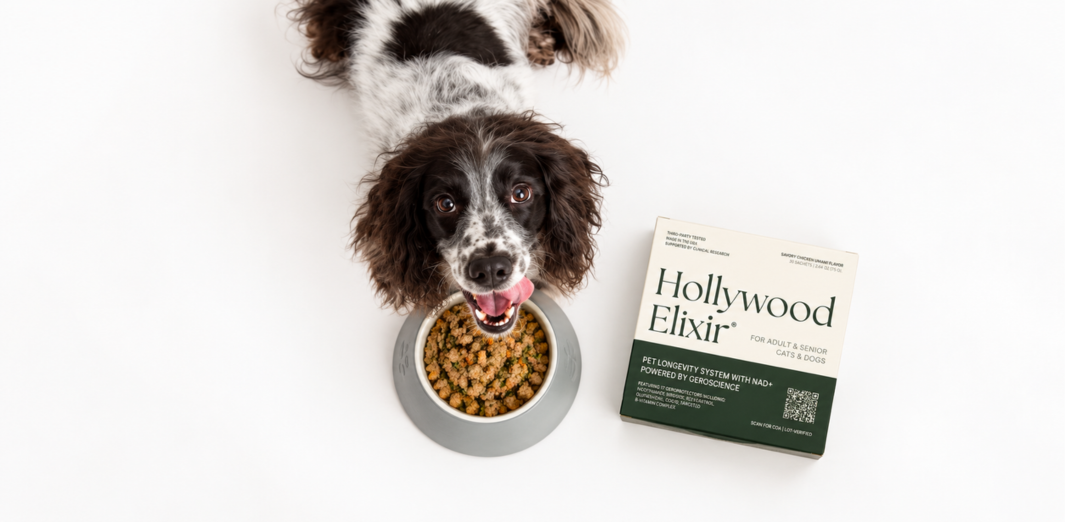
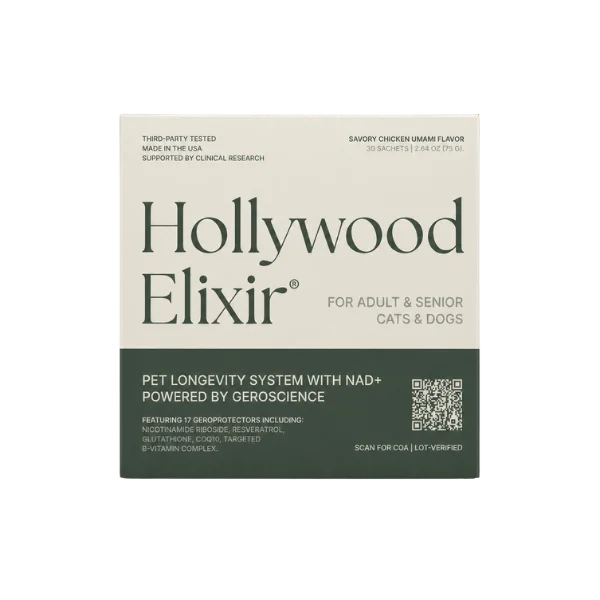
Hollywood Elixir™ is designed to support normal mobility and healthy aging as part of a broader vet-guided plan.

A dog can be hurting without obvious swelling, and a dog can have joint inflammation without acting dramatically painful. That is why the “what is it?” question gets messy: pain is a sensation, inflammation is a body process, and arthritis is long-term joint change. When those layers are separated, the next step becomes clearer—what to track at home, what to ask the vet, and what kind of help is most likely to matter.

This page focuses on two primary clinical areas: chronic joint discomfort (especially osteoarthritis) and inflammatory flares that make mobility feel worse. Other causes of pain—like dental disease, ear infections, belly pain, or cancer—can also exist, but they are secondary context here. The goal is diagnostic clarity: owners do not need to “pick the right word” before seeing the vet, but they do need to describe the right clues.

The most useful shift is to stop asking, “Is it pain or inflammation or arthritis?” and start asking, “Which layer is loudest today?” A flare pattern points toward inflammation-linked pain. A slow, steady shrink in activity points toward arthritis mechanics and conditioning. A sudden refusal to bear weight points toward injury or another urgent problem. With a few simple observation signals and a short tracking routine, the vet visit becomes more efficient—and the plan becomes smoother and more consistent over time.

By La Petite Labs Editorial, ~15 min read

Featured Product:

  • Pain, Inflammation, and Arthritis: The Three Things Owners Blur (and How Vets Separate Them) comes down to layers: pain is what the brain feels, inflammation is a chemical process, and arthritis is joint change.
  • Pain can be strong even when arthritis looks mild, because pain is a nervous-system output, not a diagnosis.
  • Inflammation can exist without obvious swelling, and it can amplify nociception without being the only cause of pain.
  • Arthritis is long-term structure; it can flare with inflammation, but it also has “quiet” phases between flares.
  • Different layers respond to different tools, which is why “arthritis vs inflammation dogs” is not an either/or question.
  • Owners help most by tracking patterns (triggers, recovery time, gait videos) instead of choosing a label too early.
  • A good vet visit focuses on what changed, when it changed, and what makes it better or worse—key to understanding pet pain inflammation.

Why These Three Words Get Blended Together

Owners often use “pain,” “inflammation,” and “arthritis” as if they mean the same thing, because they can show up together in the same dog. But they are different layers: pain is what the brain feels, inflammation is a chemical and cellular response, and arthritis is a long-term change in joint structure. Vets separate the layers because each one changes what tests matter and which treatments are safest and most likely to help. This is the heart of understanding pet pain inflammation: the label should match the layer.

At home, the blur usually starts with a simple observation: a dog slows down, hesitates on stairs, or seems “stiff.” Those are real clues, but they do not automatically mean “arthritis,” and they do not prove “inflammation.” The most useful next step is to notice patterns—when it happens, what triggers it, and what makes it better or worse—so the vet can sort symptom from process from joint change.

Pain: a Perception, Not a Diagnosis

Pain is a perception created by the nervous system. Nociception is the body’s “alarm wiring”—signals from tissues that something might be wrong—while pain is the lived experience after the brain interprets those signals. That is why two dogs with similar X-rays can act very differently, and why “pet pain vs arthritis” is not a one-to-one match. Pain can be intense without major joint damage, and joint damage can exist with surprisingly little obvious pain.

In the house, pain often looks like avoidance: a dog stops jumping into the car, turns down play, or snaps when a sore area is touched. Some dogs get quieter; others pace or cannot settle. A helpful routine is to note what movement starts the problem (standing up, turning, climbing) and what the dog does right after (licking, shifting weight, holding a limb up). Those details help the vet decide whether the main issue is pain signaling, inflammation, arthritis, or a mix.

NAD for dogs DNA double helix

Inflammation: a Process That May Be Quiet

Inflammation is a body process, not a feeling. It is the coordinated release of chemical messengers that change blood flow, recruit immune cells, and alter tissue chemistry. In joints, inflammatory mediators can shift over time and influence how tissues behave, which is part of why osteoarthritis is not “just wear and tear” (Maccoux, 2007). Importantly, inflammation can be present without dramatic pain, and pain can persist even when inflammation is not the main driver—this is a key part of the difference between pain and inflammation pets.

At home, inflammation is easy to over-assume because it sounds like it should always mean heat and swelling. In reality, many joint problems in dogs do not show obvious redness or puffiness. Owners can still look for indirect hints: a limb that seems “tucked,” a dog that warms up after a few minutes of walking, or a pattern where symptoms flare after a big day. Those patterns suggest the body’s response is changing, even when the joint looks normal from the outside.

Arthritis: Structural Joint Change over Time

Arthritis, most commonly osteoarthritis, is a structural condition: cartilage changes, bone remodeling, and joint capsule thickening that develop over time. Inflammation can be part of osteoarthritis biology, including inflammation-responsive gene activity inside joint tissues (Ray, 2008). That means “arthritis vs inflammation dogs” is not an either/or argument—arthritis can include inflammation, but arthritis also includes lasting mechanical changes that do not disappear when a flare settles.

In daily life, arthritis often shows as consistency problems: the dog is fine on some days and noticeably limited on others, especially after rest or heavy activity. Owners may notice shorter strides, a “bunny hop” run, or a slower sit-to-stand. These are movement clues, not a diagnosis. The practical takeaway is to treat “arthritis” as a long-term joint story that needs a plan, not a single moment of soreness that should vanish overnight.

How Inflammation Can Amplify Pain Signals

Inflammation can create pain by sensitizing nerve endings and amplifying nociception. Chemical messengers such as prostaglandins are part of this cascade, which is why medications that affect cyclooxygenase (COX) pathways can change pain experience in inflammatory conditions (Doig, 2000). But this is still a separation: inflammation is the process, pain is the output. A dog can have an inflammatory flare that makes movement painful today, and still have a different baseline pain picture next week.

A common home pattern is “starts stiff, then loosens up,” especially in the morning or after naps. That warm-up effect often points to joints and surrounding tissues responding to movement and circulation. Owners can test this gently by comparing a short, calm leash walk to a longer, more exciting outing. If the dog looks smoother after a few minutes but worse after overdoing it, that swing can fit an inflammation-linked pain flare rather than a single injury.

Hollywood Elixir™ is amazing and makes my 13 y/o young again!

— Jessie

We go on runs. Lately he's been keeping up with no problem!

— Cami

“Pain is what the dog feels; inflammation is what tissues do.”

How Arthritis Can Trigger Inflammation Flares

Arthritis can create inflammation because abnormal joint mechanics irritate tissues, and damaged cartilage changes how the joint environment behaves. Over time, osteoarthritis management is usually multi-modal—weight, movement, pain control, and sometimes joint-support strategies—because no single lever addresses every layer (Sanderson, 2009). This is another “light-bulb” distinction: arthritis is the stage, inflammation is one of the actors on that stage, and pain is what the dog experiences.

Owners often notice that a dog can have a “good week” and then a sudden setback after a slippery floor moment, a long hike, or a cold snap. That does not mean the arthritis suddenly appeared; it often means the joint’s baseline changes met a temporary inflammatory surge. Keeping rugs on slick surfaces, using ramps, and controlling weekend “overactivity” can make symptoms less volatile even before any medication changes.

nad plus for dogs

Why Treatment Choices Differ by Layer

Because the layers differ, treatment goals differ. Pain-focused care aims to change the dog’s comfort and function; inflammation-focused care aims to calm an active cascade; arthritis-focused care aims to protect joint use and slow the cycle of flare-and-guarding. In dogs with osteoarthritis, studies often measure pain outcomes separately from structural change, reinforcing that pain can improve even when arthritis remains (Verrico, 2020). Vets build plans that target the dominant layer first, then add support for the others.

At home, this explains why one dog does best with a daily routine and another needs “as-needed” flare planning. It also explains why rest alone can backfire: too much inactivity can reduce muscle support and make joints feel worse when movement resumes. Owners can ask the vet which layer is being targeted by each recommendation—comfort, inflammation control, or joint mechanics—so expectations stay realistic and progress is easier to notice.

NAD+ for dogs portrait good boy

The Venn Diagram Owners Actually Live With

The pain–inflammation–arthritis Venn diagram has a big overlap, but the circles are not identical. A dog can have pain without much inflammation (for example, nerve sensitization after a long-standing problem), inflammation without obvious pain (early or low-grade changes), or arthritis with a quiet phase between flares. COX-2 activity is one example of an inflammation-linked pathway that shows up in multiple disease contexts, which is why vets treat “inflammation” as a mechanism rather than a diagnosis (Szweda, 2020).

A useful household exercise is to separate “what the dog feels” from “what the joint is.” If the dog refuses stairs but still wants to play tug, that can suggest movement-specific discomfort rather than global illness. If the dog is reluctant to be touched anywhere and seems restless, pain signaling may be more widespread. This kind of sorting helps owners describe the problem without forcing it into the wrong label.

Hollywood Elixir contains 16 longevity actives including NAD for dogs

What This Means for Drugs Versus Supplements

This is where supplement and drug choices can get confusing. Some options mainly support comfort signaling, some mainly target inflammatory chemistry, and some support joint tissues or mobility habits. Nutrition is a real part of the conversation because fatty acid balance can influence inflammatory mediator production, which may matter for dogs with chronic joint issues (Burron, 2024). Still, supplements should be framed as support, not as a replacement for diagnosing the dominant layer driving the dog’s day-to-day limitations.

Owners can reduce trial-and-error by matching the tool to the problem they actually see. If the main issue is “can’t settle at night,” the plan may need a comfort focus. If the issue is “fine until a big day, then limps,” flare planning matters. If the issue is “gradually shrinking walks over months,” joint mechanics, weight, and a long-term arthritis plan matter. This is the practical side of understanding pet pain inflammation.

Why Vets Assess Each Layer Separately

Vets assess pain, inflammation, and arthritis separately because each has different clues on exam and different risks with treatment. Pain is assessed through posture, muscle tension, range of motion, and behavior changes; inflammation is inferred from heat, swelling, and the pattern of flares; arthritis is assessed through joint feel and imaging when needed. This layered approach is why “difference between pain and inflammation pets” matters in the clinic: it changes what gets ruled out and what gets prioritized.

Owners can help by bringing short videos: walking toward and away from the camera, sitting and standing, and climbing one step if safe. A written timeline is even better than memory, especially when symptoms are less consistent. If the dog is on any pain or anti-inflammatory medication, note the exact days it was given and what changed. That makes the vet’s “separate the layers” job much faster.

“Arthritis is the background story, not the whole plot.”

nad+ for dogs La petite labs scientist lab coat

A Real-life Example: One Dog, Two Different Problems

CASE VIGNETTE: A 9-year-old Labrador starts hesitating at the back steps and occasionally yelps when turning. The owner assumes “arthritis inflammation,” but the pattern is mostly after fetch days, and the dog is normal on slow-walk days. On exam, the vet finds mild hip arthritis but more pain on lower-back extension, shifting the plan toward targeted pain control and activity changes rather than treating every day like an inflammatory flare.

At home, this kind of story is common: one label gets applied to every bad day. The better approach is to describe the trigger (turning, jumping, slipping), the duration (minutes, hours, days), and the recovery (does the dog bounce-back after rest, or does it stay limited?). Those details help separate joint arthritis from soft-tissue strain, spine pain, or a flare pattern that needs a different kind of headroom in the plan.

Shop Now
nad for dogs hollywood elixir ingredient breakdown marketing

Owner Checklist: Quick Clues That Change the Story

OWNER CHECKLIST: At home, check (1) which leg or side the dog unloads when standing, (2) whether stiffness is worse after rest or after activity, (3) whether touch sensitivity is localized to one joint or more general, (4) whether the dog’s gait changes more on turns than on straight lines, and (5) whether appetite and sleep change on “bad” days. These observations help separate pain behavior from inflammation patterns and from long-term arthritis mechanics.

Do the checklist over several days, not just once. A single snapshot can be misleading if the dog is excited, anxious, or masking discomfort. Keep the environment consistent: same flooring, same leash route, same time of day. If the dog is reluctant to show the problem at the vet, these home observations become the most honest data. They also prevent the common mistake of calling every stiffness episode “arthritis” without evidence.

Shop Now
NAD+ for dogs hollywood elixir with dog product campaign shot

What to Track so Progress Is Visible

WHAT TO TRACK: Track (1) minutes of comfortable walking before slowing, (2) sit-to-stand ease on video, (3) stair willingness (up vs down), (4) post-exercise recovery time, (5) number of slip events on floors, and (6) nighttime restlessness. These markers show whether the dog is becoming smoother and more consistent over days and weeks, which is more meaningful than a single “pain score.”

Use simple notes: “2 blocks, then lagged,” “needed help into car,” “no limping but avoided sit.” If medication is started or changed, track the same markers at the same time each day for two weeks. This helps the vet see whether the plan is improving comfort, reducing flare volatility, or increasing functional headroom. It also helps separate true improvement from a temporary good day.

Shop Now

A Common Misunderstanding That Derails Decisions

UNIQUE MISCONCEPTION: “If there’s no swelling, there’s no inflammation.” Joint inflammation in dogs is often internal and subtle, and it can change without obvious external puffiness. Another misconception is the reverse: “If it hurts, it must be inflammation.” Pain can persist because nerves become sensitized, because mechanics are poor, or because the dog is guarding a joint even after a flare settles. This is why the difference between pain and inflammation pets matters.

Correcting the misconception changes what owners do next. Instead of hunting for a swollen joint, focus on movement patterns and triggers. Instead of assuming every painful day needs an “anti-inflammatory fix,” focus on the full plan: safe activity, traction, weight management, and vet-guided medication choices. This mindset also makes it easier to understand related pages on chronic inflammation in dogs and mobility support, because it keeps mechanisms and symptoms in the right boxes.

How to Prepare for a More Useful Vet Visit

VET VISIT PREP: Bring (1) a two-week symptom timeline, (2) videos of gait on straight lines and turns, (3) a list of flare triggers (fetch, stairs, cold mornings, slippery floors), and (4) a list of all medications and supplements currently used. Ask: “Which layer seems dominant—pain signaling, inflammation flares, or arthritis mechanics?” and “What change should be noticeable first if the plan is working?”

Also ask what would change the plan: “If this doesn’t improve in two weeks, what is the next step—imaging, rehab, or a different medication class?” This keeps expectations grounded and prevents drifting into random add-ons. If monoclonal antibody options like Librela (dogs) are being considered, ask how the vet decides when pain control should be separated from anti-inflammatory strategies, because the layers can be treated differently.

NAD+ for dogs

What Not to Do While Waiting for Answers

WHAT NOT TO DO: Do not give human pain relievers unless a veterinarian explicitly instructs it. Do not assume “arthritis” means exercise should stop; complete rest often shrinks muscle support and makes movement feel worse later. Do not chase a new supplement every week, because it blurs what is actually changing. And do not ignore sudden, severe pain, a non-weight-bearing limp, or a painful swollen joint—those are not typical “just arthritis” days.

Another common mistake is forcing activity to “work out the stiffness” when the dog is clearly guarding a limb. Gentle, controlled movement is different from high-impact play. If the dog’s symptoms are becoming more volatile—more frequent bad days, longer recovery, or new yelps—pause the usual routine and call the vet. That shift often signals the dominant layer has changed, and the plan needs to change with it.

Shop Now
nad supplements for dogs nad+ for dogs

Pain, Inflammation, and Arthritis in One Practical Framework

When owners say “arthritis,” vets still ask pain questions because pain is what limits life today. When owners say “inflammation,” vets still look for arthritis because structure predicts future flare patterns and mobility headroom. And when owners say “pain,” vets still ask about inflammation because inflammatory chemistry can be a major amplifier. This is the practical framework behind Pain, Inflammation, and Arthritis: The Three Things Owners Blur (and How Vets Separate Them): the right label leads to the right next step.

In the bigger ecosystem of care, this framework connects naturally to pages on chronic inflammation in dogs, mobility planning, and vet-guided options like Librela. Those topics can feel disconnected until the layers are separated. Once the layers are clear, owners can make calmer decisions: what can be managed at home with routine changes, what needs a medication discussion, and what needs a deeper workup.

Shop Now

Turning Observations into a Clear Vet Handoff

The most helpful owner-to-vet handoff is specific, not dramatic. Instead of “He’s inflamed,” describe what is seen: “He lags after 8 minutes,” “turns right are worse,” “he pants at night after long walks,” or “he avoids sitting square.” Those details let the vet map symptoms onto the pain–inflammation–arthritis layers and choose a plan that is safer and more targeted. This is the real-world value of arthritis vs inflammation dogs discussions.

If the goal is a smoother, more consistent week, focus on what can be controlled: traction, predictable exercise, weight, and a tracking routine. Then let the vet decide which layer needs the most help right now. Over time, the best plans create bounce-back after activity and fewer “mystery bad days,” even when arthritis remains part of the dog’s long-term story.

“Better labels come from better patterns, not stronger opinions.”

Educational content only. This material is not a substitute for veterinary advice. Always consult your veterinarian about your dog’s specific needs. These statements have not been evaluated by the Food and Drug Administration. Products mentioned are not intended to diagnose, treat, cure, or prevent any disease.

Glossary

  • Pain - The brain’s perception of discomfort; an experience, not a diagnosis.
  • Nociception - Nerve signaling that detects potential tissue harm and sends “alarm” messages.
  • Inflammation - A chemical and cellular response that changes blood flow and tissue behavior.
  • Inflammatory Cascade - The chain of messengers (like prostaglandins and cytokines) that can amplify tissue sensitivity.
  • Arthritis (Osteoarthritis) - Long-term joint structure change involving cartilage, bone, and the joint capsule.
  • Flare - A temporary worsening of signs, often after a trigger like overactivity or slipping.
  • Guarding - Protective behavior (stiff posture, avoiding touch) that signals discomfort.
  • Mechanical Limitation - Reduced movement due to joint structure or muscle weakness rather than active inflammation.
  • COX Pathway - A pathway involved in prostaglandin production; often discussed in relation to anti-inflammatory pain control.

Related Reading

References

Verrico. A randomized, double-blind, placebo-controlled study of daily cannabidiol for the treatment of canine osteoarthritis pain.. PubMed. 2020. https://pubmed.ncbi.nlm.nih.gov/32345916/

Sanderson. Systematic review of the management of canine osteoarthritis.. PubMed. 2009. https://pubmed.ncbi.nlm.nih.gov/19346540/

Ray. An inflammation-responsive transcription factor in the pathophysiology of osteoarthritis. 2008. https://www.mdpi.com/2076-2615/16/4/541

Maccoux. Expression profiling of select cytokines in canine osteoarthritis tissues.. PubMed. 2007. https://pubmed.ncbi.nlm.nih.gov/17524496/

Szweda. Cyclooxygenase-2 as a Biomarker with Diagnostic, Therapeutic, Prognostic, and Predictive Relevance in Small Animal Oncology.. PubMed Central. 2020. https://pmc.ncbi.nlm.nih.gov/articles/PMC7105978/

Doig. Clinical efficacy and tolerance of meloxicam in dogs with chronic osteoarthritis.. Springer. 2000. https://link.springer.com/article/10.1186/s12917-019-2110-7

Burron. The balance of n-6 and n-3 fatty acids in canine, feline, and equine nutrition: exploring sources and the significance of alpha-linolenic acid.. PubMed Central. 2024. https://pmc.ncbi.nlm.nih.gov/articles/PMC11161904/

FAQ

What is the simplest difference between pain and inflammation?

Pain is what the nervous system perceives; inflammation is what tissues and immune signals do. Pain can happen without much inflammation, and inflammation can be present without obvious pain.

For owners, this means “seems sore” is a useful observation, but “must be inflamed” is a guess. Describing triggers, timing, and recovery helps a vet decide which layer is driving the problem.

Is arthritis the same thing as inflammation in dogs?

No. Arthritis (usually osteoarthritis) means long-term joint structure change. Inflammation can be part of arthritis biology, but arthritis also includes mechanical changes that persist even when a flare calms down.

This is why “arthritis vs inflammation dogs” is best treated as a layering question: which part is active today, and which part is the long-term background that needs a plan.

Why do owners blur these three terms so often?

Because the same home signs—slowing down, stiffness, reluctance on stairs—can come from pain signaling, an inflammatory flare, or arthritis mechanics. The dog cannot label the layer, so owners reach for the most familiar word.

Pain, Inflammation, and Arthritis: The Three Things Owners Blur (and How Vets Separate Them) is useful because it turns one vague label into three clearer questions a vet can answer.

Can a dog have inflammation without obvious pain?

Yes. Low-grade or internal inflammation may not create dramatic limping or yelping, especially early on. Some dogs also mask discomfort until the problem is advanced.

Owners may instead notice subtle changes: shorter walks, slower sit-to-stand, or needing more warm-up time. These are good reasons to track patterns and discuss them, even if the dog is not “crying in pain.”

Can a dog have arthritis without daily pain?

Yes. Arthritis is structural, so it can be present even when symptoms are mild or intermittent. Many dogs have “quiet” stretches between flares, especially when routines are predictable.

That does not mean it should be ignored. It means the plan may focus on keeping weeks smoother and more consistent—traction, controlled exercise, and vet-guided comfort strategies—rather than reacting only on the worst days.

What home signs suggest pain rather than inflammation?

Pain often shows as avoidance and guarding: refusing stairs, snapping when touched, licking one area, or struggling to settle. These signs can happen even when there is no visible swelling.

Inflammation patterns more often look like flares tied to activity or time (worse after a big day, better after controlled movement). Both can overlap, so the most helpful step is to record what triggers the change and how long it lasts.

What home signs suggest an inflammatory flare in joints?

A flare often follows a trigger: long play, slippery footing, cold mornings, or a sudden twist. Owners may notice stiffness after rest, then a brief warm-up that looks smoother, followed by worsening if the dog overdoes it.

Not every flare comes with obvious heat or swelling. Tracking recovery time—hours versus days—helps a vet decide whether the main issue is inflammation, pain sensitization, arthritis mechanics, or another problem entirely.

How do vets separate pain from arthritis on exam?

Vets look at posture, gait, muscle symmetry, and how joints move through range of motion. Pain may show as guarding, tension, or withdrawal, while arthritis may show as reduced range, crepitus, thickening, or consistent mechanical limitation.

Imaging can help confirm arthritis, but the exam and history often reveal where pain is coming from (joint, spine, soft tissue). Clear owner observations make this separation faster and more accurate.

Do X-rays show pain, inflammation, or arthritis best?

X-rays show structure best, so they are most helpful for arthritis changes (bone remodeling, joint space changes). They do not directly measure pain, and they may not show early inflammation inside the joint.

That is why a dog can have significant pain with mild X-ray changes, or notable X-ray arthritis with mild symptoms. Vets combine imaging with exam findings and the home timeline to interpret what the pictures mean.

Why can two dogs with arthritis act so differently?

Because pain perception varies, inflammation activity varies, and coping mechanics vary (muscle strength, weight, traction at home). Arthritis is the background structure, but the day-to-day experience depends on the other layers.

This is a core point in Pain, Inflammation, and Arthritis: The Three Things Owners Blur (and How Vets Separate Them). The “same diagnosis” does not guarantee the same comfort level or the same best plan.

What should be tracked over days and weeks for clarity?

Track functional markers: minutes of comfortable walking, sit-to-stand ease on video, stair willingness (up vs down), recovery time after activity, and nighttime restlessness. These show trends better than a single “good” or “bad” day.

Also track triggers (fetch, cold mornings, slippery floors) and what helped (short walk, rest, medication timing). This supports better decision-making about whether the dominant issue is pain, inflammation, arthritis mechanics, or a mix.

What questions should be brought to the vet visit?

Ask which layer seems most active: pain signaling, inflammation flares, or arthritis mechanics. Ask what change should be noticeable first if the plan is working, and what would trigger a recheck sooner.

Bring videos and a two-week timeline. If the dog is already on medications or supplements, ask which ones target comfort versus inflammation, and how to avoid overlapping products that make side effects harder to spot.

What not to do when a dog seems arthritic?

Do not give human pain relievers unless a veterinarian directs it. Do not stop all activity; complete rest can reduce muscle support and make movement feel worse later. Do not assume every setback is “just arthritis,” especially if the dog cannot bear weight.

Avoid changing multiple things at once (new supplement, new exercise, new medication timing), because it becomes unclear what caused improvement or problems. A calmer, stepwise plan creates clearer signals.

How quickly should pain relief show compared with arthritis change?

Comfort changes can sometimes be noticed sooner than structural arthritis change, because pain is a nervous-system output. Arthritis structure does not “flip” quickly, but the dog’s day-to-day function can become smoother with the right plan.

Owners should track the same markers for at least two weeks after a plan change unless the vet advises otherwise. The goal is usually a more consistent baseline and better bounce-back after activity, not perfection overnight.

Are anti-inflammatory drugs the same as pain medications?

Some medications affect both layers, but the concepts are different. NSAIDs are often used because they can reduce inflammatory mediator effects and change pain experience, but “pain control” can also involve other approaches depending on the cause.

This is why the difference between pain and inflammation pets matters: a dog with mainly mechanical arthritis limitation may need a different emphasis than a dog with frequent inflammatory flares. Medication choices should be vet-guided for safety.

How do diet and fatty acids relate to inflammation in dogs?

Diet influences the building blocks used to make some inflammatory mediators. The balance of n-6 and n-3 fatty acids is one reason nutrition is discussed in chronic joint plans(Burron, 2024).

For owners, the practical move is not guessing at oils, but asking the vet whether a joint-focused diet or a specific nutrition adjustment fits the dog’s overall health (weight, stomach sensitivity, other conditions). Nutrition is support, not a stand-alone treatment.

Can supplements replace arthritis medications for pain control?

Supplements should not be treated as replacements for diagnosing and managing pain or arthritis. They may support normal joint and mobility function, but they do not substitute for a vet-guided plan when a dog is clearly limited or worsening.

A safer framework is to decide which layer is dominant first (pain, inflammation flare, arthritis mechanics), then discuss what supportive options fit alongside weight, exercise, and any needed medications.

Where does Hollywood Elixir™ fit in a joint plan?

In a layered plan, Hollywood Elixir™ can be discussed as a supportive option designed to support normal mobility and healthy aging. It should not be used to “test” whether a dog has pain, inflammation, or arthritis.

The most useful approach is to track clear home markers (walk time, stairs, recovery) and review them with the veterinarian. If a supplement is added, keep other variables stable so changes are easier to interpret.

How should Hollywood Elixir™ be introduced without confusing results?

If a veterinarian agrees it fits, introduce one change at a time and track the same observation signals for several weeks. Avoid starting a new supplement during an obvious flare, because the flare’s natural rise-and-fall can look like a supplement effect.

Use a simple tracking list (walk minutes, sit-to-stand video, stairs, nighttime rest). That keeps the focus on whether the dog is becoming smoother and more consistent, rather than on guessing which layer is changing.

Does age change whether this is pain, inflammation, or arthritis?

Age increases the odds of arthritis, but it does not rule out other causes of pain (soft-tissue injury, spine issues) or other sources of inflammation. Older dogs also tend to have less muscle headroom, so small setbacks can look bigger.

That is why the same home sign—slowing down—needs a layered look. A vet exam is especially important when a change is sudden, severe, or paired with appetite, breathing, or behavior changes.

When should a vet be called urgently for these signs?

Call urgently if a dog cannot bear weight, has a painful swollen joint, cries out repeatedly, seems weak or collapses, or has sudden behavior change with pain. Those signs can signal injury, infection, or other problems beyond typical arthritis patterns.

Also call if pain seems to escalate quickly over 24–48 hours, or if vomiting, black stools, or extreme lethargy occur—especially if any pain medication was given. Safety matters as much as comfort.

5K+ Happy Pet Parents

Excellent 4.8

Pain, Inflammation, and Arthritis: the Three Things Owners Blur (and How Vets Separate Them) | Why Thousands of Pup Parents Trust Hollywood Elixir™

"He seems more happy overall. I've also noticed he has more energy which makes our walks and playtime so much more fun."

Olga & Jordan

"He's got way more energy now! We go on runs pretty often; he use to get tired halfway through, but lately, he's been keeping up without any problem."

Cami & Clifford

"I want her to live forever. She hasn't had an ear infection since!"

Madison & Azula

"It helps with her calmness, her immune system. I really like the clean ingredients. Highly recommend La Petite Labs!"

Maple & Cassidy

"He seems more happy overall. I've also noticed he has more energy which makes our walks and playtime so much more fun."

Olga & Jordan

"He's got way more energy now! We go on runs pretty often; he use to get tired halfway through, but lately, he's been keeping up without any problem."

Cami & Clifford

"I want her to live forever. She hasn't had an ear infection since!"

Madison & Azula

"It helps with her calmness, her immune system. I really like the clean ingredients. Highly recommend La Petite Labs!"

Maple & Cassidy

"He seems more happy overall. I've also noticed he has more energy which makes our walks and playtime so much more fun."

Olga & Jordan

"He's got way more energy now! We go on runs pretty often; he use to get tired halfway through, but lately, he's been keeping up without any problem."

Cami & Clifford

"I want her to live forever. She hasn't had an ear infection since!"

Madison & Azula

"It helps with her calmness, her immune system. I really like the clean ingredients. Highly recommend La Petite Labs!"

Maple & Cassidy

"He seems more happy overall. I've also noticed he has more energy which makes our walks and playtime so much more fun."

Olga & Jordan

"He's got way more energy now! We go on runs pretty often; he use to get tired halfway through, but lately, he's been keeping up without any problem."

Cami & Clifford

"I want her to live forever. She hasn't had an ear infection since!"

Madison & Azula

"It helps with her calmness, her immune system. I really like the clean ingredients. Highly recommend La Petite Labs!"

Maple & Cassidy

SHOP NOW