
Neuroinflammation in Aging Pets: the Quiet Driver of Sleep Changes, Anxiety, and Confusion

Recognize Brain-immune Crosstalk, Sleep Disruption, Anxiety, Confusion, Gut, Joint, Kidney Stress

Essential Summary

Why Is Neuroinflammation In Aging Pets So Important?

Neuroinflammation senior pets experience can be the bridge between “body inflammation” and behavior—especially sleep disruption, anxiety, and confusion. Recognizing that bridge early helps owners track meaningful shift indicators and helps veterinarians rule out pain, endocrine disease, and sensory loss before labeling a pet as “just old.”

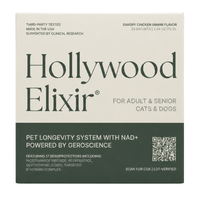
Hollywood Elixir™ is designed to support normal aging functions as part of a veterinarian-guided plan.

When an older pet starts pacing at night, startling easily, or seeming “lost” in familiar rooms, it can look like separate problems—but one shared driver is often brain inflammation. In senior pets, the brain’s own immune cells can stay switched on longer than they should, creating a low, persistent “irritation” that changes sleep, emotional reactivity, and attention (Kang, 2025). This is why the first signs are frequently choppy sleep and new anxiety, not just memory lapses.

This page connects the dots between immunity and behavior: how microglial activation pets experience with age can shift the brain’s threshold for noise, change the restoration pace after stress, and make routines feel harder to follow. It also explains why brain inflammation in old dogs and brain inflammation aging cats can flare after “body” problems like dental disease, arthritis pain, or gut upset, and why the blood-brain barrier matters when inflammation is happening elsewhere. The goal is practical: help owners recognize patterns early, track shift indicators between vet visits, and arrive at appointments with observations that speed up answers and safer choices.

By La Petite Labs Editorial, ~15 min read

Featured Product:

  • Neuroinflammation in Aging Pets: The Quiet Driver of Sleep Changes, Anxiety, and Confusion describes how ongoing brain immune activity can quietly reshape sleep, mood, and orientation in senior dogs and cats.
  • Microglia and astrocytes act like the brain’s resident “cleanup crew,” but aging can keep them activated longer, changing how the brain filters noise and stress.
  • Inflammaging (whole-body low-grade inflammation) can spill into the brain through signaling chemicals and a more permeable blood-brain barrier, especially during illness or pain.
  • Owners often notice choppy sleep, nighttime pacing, new clinginess or irritability, and brief “stuck” moments in familiar spaces before obvious memory loss.
  • Neuroinflammation and neurodegeneration overlap, but they are not identical; inflammation can fluctuate, which is why good tracking matters.
  • Best-supported steps are foundational: senior screening, pain control, predictable routines, enrichment, and vet-guided nutrition—rather than chasing a single “brain supplement.”
  • Bring a short log, videos, and a medication/supplement list to help the veterinarian separate cognitive change from pain, sensory loss, endocrine disease, or medication effects.

What Brain Inflammation Means in Senior Pets

Neuroinflammation is the brain’s version of an immune response: protective in short bursts, disruptive when it lingers. In older dogs and cats, immune signaling chemicals can stay elevated and keep brain support cells “on duty” longer than needed, changing how the brain handles noise, novelty, and stress (Kang, 2025). This is not the same as infection; it is more like a smoldering alarm that never fully shuts off.

At home, brain inflammation in old dogs or brain inflammation aging cats may show up as choppy sleep, nighttime wandering, sudden startle responses, or a pet that seems less fluid with routine transitions. A dog may pace after everyone goes to bed, then nap hard all morning. A cat may yowl at 3 a.m., then act normal at breakfast. These patterns matter because they often fluctuate—good days and rough nights—rather than progressing in a straight line.

The Brain’s Immune Team: Microglia and Astrocytes

Microglia are the brain’s resident immune cells, built to patrol, clean up debris, and coordinate repair after stress or injury (Ginhoux, 2013). Astrocytes are support cells that help manage brain chemistry and protect neurons. When microglial activation pets experience becomes prolonged, these cells can shift from “cleanup and repair” toward signaling that keeps nearby circuits irritated, lowering the brain’s threshold for overstimulation.

In a household, this can look like a pet that suddenly cannot settle when the dishwasher runs, or a dog that becomes clingy during normal routines. Cats may hide more, then emerge restless at night. These are not “bad behavior” choices; they are often signs the brain is processing ordinary input as if it is more intense. Owners can help by keeping evenings predictable and reducing sudden sensory surprises while the veterinarian looks for medical triggers.

NAD for dogs DNA double helix

How Aging Keeps Microglia Switched on Longer

Aging changes how quickly the brain returns to baseline after stress. Even in healthy aging, imaging research in mammals supports that neuroinflammation can rise with age, reflecting more ongoing immune activity in the brain (Suridjan, 2014). This matters because repeated small stressors—pain, poor sleep, infection, or even a big schedule change—can stack up, leaving microglia and astrocytes activated longer and making behavior feel “off” for days.

Owners often describe a pattern: a senior pet does fine for weeks, then a minor upset (a stomach bug, a loud holiday, a new medication) is followed by several nights of pacing or vocalizing. That “hangover” effect is a useful clue. It suggests the restoration pace is slower, not that the pet is being stubborn. Writing down what happened in the 48 hours before a rough night can reveal repeatable triggers.

Inflammaging: When Whole-body Inflammation Primes the Brain

Inflammaging is the term for low-grade, age-associated inflammation throughout the body. It can come from many sources—arthritis, dental disease, chronic gut irritation, or endocrine shifts—and it can “prime” the brain’s immune cells to react more strongly to the next stressor. This is one reason neuroinflammation senior pets experience is often tied to overall health, not just the brain.

A practical way to think about it: when the body is inflamed, the brain may behave as if it has less endurance for change. A dog with sore hips may sleep lightly and startle more. A cat with dental pain may seem irritable, then confused when approached. This is why “brain” signs should prompt a whole-pet check, including pain assessment and oral health, rather than focusing only on memory games.

Gut-brain-immune Links That Affect Sleep and Mood
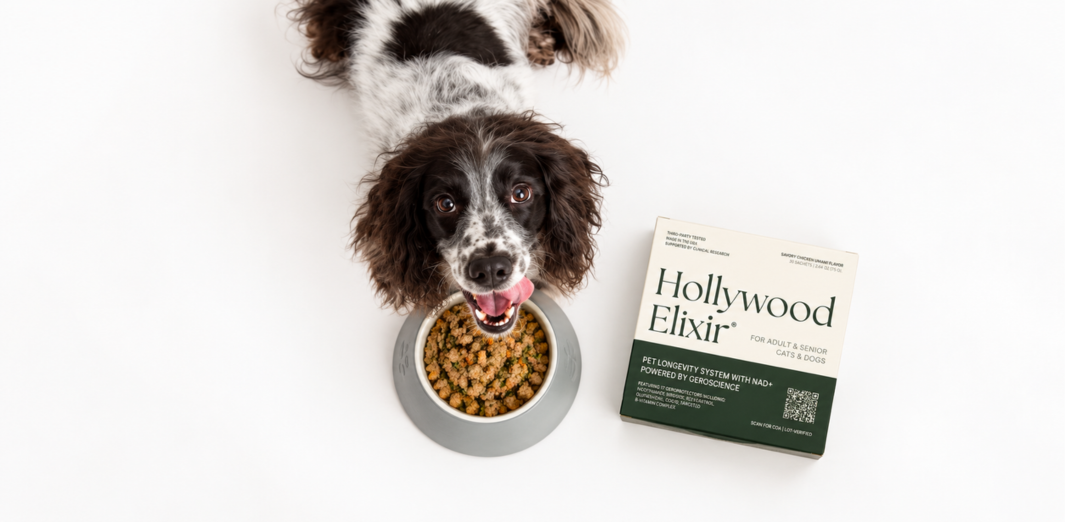
The gut-brain axis is a two-way conversation: gut irritation can release immune signals that influence the brain, and stress can change gut movement and appetite. In older pets, this link can become more noticeable because the brain’s immune cells are already closer to their activation threshold. The result can be a loop: a few days of loose stool or reduced appetite, followed by restless nights and a pet that seems more anxious.

At home, it helps to connect behavior notes with stool quality, appetite, and water intake. A cat that yowls at night after a diet change may not be “acting out”—the gut may be part of the story. A dog that pants and cannot settle after a rich treat may be uncomfortable and more reactive. These links are also why pages on chronic inflammation in dogs and chronic inflammation in cats often overlap with brain-focused concerns.

Hollywood Elixir™ is amazing and makes my 13 y/o young again!

— Jessie

We go on runs. Lately he's been keeping up with no problem!

— Cami

“Sleep changes are often the first household clue, not the last.”

Blood-brain Barrier: Why Body Problems Can Become Brain Problems

The blood-brain barrier is a protective filter that helps keep the brain’s environment stable. With age and inflammation, that barrier can become less selective, allowing more immune signals from the body to influence brain cells. This does not mean “toxins are flooding the brain,” but it does help explain why a flare of arthritis or an infection can be followed by a few days of confusion or disrupted sleep in a senior pet.

Owners may notice a pet seems mentally sharper on calm, comfortable days and more disoriented when pain is worse. A dog might get stuck behind furniture only on nights when limping is obvious. A cat may miss the litter box during a bout of constipation. These are important shift indicators to report, because they suggest the brain is being affected by body inflammation and discomfort—not just “forgetting” where things are.

nad plus for dogs

What Owners Notice First: Sleep, Anxiety, and Confusion

Neuroinflammation can change how the brain regulates sleep cycles and emotional reactivity, which is why the earliest signs are often nighttime wakefulness, pacing, vocalizing, or new separation distress. Veterinary reviews of cognitive dysfunction in aging dogs and cats include neuroinflammation among the brain changes associated with these signs (Kang, 2025). The key is that these behaviors can look like “anxiety,” “stubbornness,” or “attention-seeking,” when they are actually a brain-body communication problem.

CASE VIGNETTE: A 13-year-old dog begins waking at 2 a.m., panting and wandering, then stands in the hallway as if waiting for instructions. During the day, the dog seems mostly normal but startles at small sounds and follows family members from room to room. After a week, the pattern eases—then returns after a flare of limping. That on-and-off rhythm is a clue worth documenting.

NAD+ for dogs portrait good boy

Owner Checklist: Home Signs That Point Toward Brain Inflammation

Because neuroinflammation is not visible, the best clues are consistent, observable patterns. OWNER CHECKLIST: (1) sleep becomes more choppy with frequent night waking; (2) new pacing, circling, or “can’t settle” episodes in the evening; (3) increased startle or sound sensitivity; (4) brief confusion in familiar spaces (staring at walls, getting stuck behind furniture); (5) new clinginess or irritability during routine handling. These signs are especially meaningful when they cluster together rather than appearing alone.

To make the checklist useful, tie each sign to a time and context: after meals, after walks, after medications, or after a stressful event. For cats, note nighttime vocalizing, changes in litter box accuracy, and whether the cat seems disoriented when lights are off. For dogs, note whether pacing happens after activity (possible pain) or even on quiet days (possible sleep-cycle disruption). This helps a veterinarian separate brain-driven signs from discomfort or sensory loss.

Hollywood Elixir contains 16 longevity actives including NAD for dogs

What to Track Between Vet Visits: a Simple Rubric

Neuroinflammation-related signs often fluctuate, so tracking is more informative than memory. WHAT TO TRACK: (1) bedtime-to-sleep time and number of night wake-ups; (2) minutes of pacing/vocalizing; (3) startle episodes (what triggered them); (4) “lost” moments and how long they last; (5) appetite and stool quality; (6) pain clues (limping, reluctance to jump, grooming changes); (7) response to routine calming steps (dim lights, white noise, late potty break). This creates a baseline to compare between vet visits.

A phone note or calendar works well if it stays simple. Short videos are especially helpful: a 20-second clip of pacing, staring, or nighttime vocalizing can communicate more than a long description. Track “best day” and “worst day” each week, because the spread between them can shrink as the brain’s endurance changes. This rubric also supports conversations on neuroprotection-for-dogs and neuroprotection-for-cats without assuming a single cause.

Neuroinflammation and Cognitive Decline: the Overlap

Cognitive dysfunction is not just “forgetting.” In dogs, research on aging brains describes activated gliosis (a marker of glial activation) alongside protein changes associated with cognitive decline, supporting that inflammation and degeneration can travel together (Hines, 2023). That overlap helps explain why sleep disruption and anxiety can sit next to learning changes, house-soiling, or altered social interactions. It also explains why a pet can look mentally “better” on some days: inflammation can wax and wane.

At home, cognitive signs often show up as reduced flexibility: a dog that used to adapt to visitors now paces for an hour, or a cat that once tolerated a carrier now panics. These are not personality flips; they can reflect a brain that has less reserve depth for processing change. Owners can help by keeping routines predictable and avoiding sudden environmental overhauls while medical causes—pain, thyroid disease, kidney disease, hypertension—are evaluated.

“Inflammation can make the brain feel noisier to an aging pet.”

nad+ for dogs La petite labs scientist lab coat

Pain Amplification: When Inflammation Raises Sensitivity

Neuroinflammation can make pain feel louder to the brain. When glial cells are activated, they can influence how strongly pain signals are processed, which can lower the threshold for discomfort and make sleep lighter. This is a common reason “brain” symptoms and arthritis symptoms rise together in older pets: pain disrupts sleep, poor sleep increases irritability, and the brain stays more reactive the next day.

Owners can look for paired patterns: pacing plus licking a joint, nighttime restlessness plus reluctance to climb stairs, or a cat that yowls then avoids jumping. If pain control improves sleep and reduces confusion, that is valuable information for the veterinarian. This is also why immunomodulation-for-dogs and immunomodulation-for-cats discussions should include pain management and mobility support, not only “brain supplements.”

Shop Now
nad for dogs hollywood elixir ingredient breakdown marketing

Neuroinflammation Versus Neurodegeneration: a Key Distinction

Neurodegeneration refers to loss or dysfunction of neurons over time; neuroinflammation refers to immune activity in the brain. They can occur together, but they are not interchangeable. In aging cats, research describes a tauopathy that can develop without amyloid deposits, showing that different aging pathways can dominate in different species and individuals (Poncelet, 2019). That matters because inflammation-driven signs may fluctuate more, while degeneration-driven losses may be more persistent.

UNIQUE MISCONCEPTION: “If the pet has good days, it can’t be a brain problem.” In reality, brain inflammation can produce variable days, especially when it is being pushed by pain, gut upset, or stress. Owners can use variability as a clue rather than reassurance: note what changed before the good day (better sleep, less pain) and before the rough day (visitors, missed medication, storm). This improves the handoff to the veterinary team.

Shop Now
NAD+ for dogs hollywood elixir with dog product campaign shot

What Veterinary Evaluation Focuses on First

Because many medical problems can mimic “brain” signs, veterinarians often start by ruling out common drivers: pain, sensory loss, endocrine disease, kidney disease, hypertension, and medication side effects. Senior care guidelines emphasize routine screening and monitoring in aging dogs and cats, including behavior and cognitive changes as part of whole-pet assessment (Dhaliwal, 2023). This approach prevents missed diagnoses and avoids labeling treatable discomfort as “just aging.”

VET VISIT PREP: bring (1) a two-week sleep/behavior log; (2) videos of pacing, vocalizing, or confusion; (3) a complete list of foods, treats, and supplements; (4) notes on pain clues and bathroom changes. Ask: “Which medical causes best match this pattern?” “Could pain or hearing/vision loss be driving the night waking?” “Which changes should be tracked to judge whether the plan is working?” These questions keep the visit focused and actionable.

Shop Now

What Not to Do When Night Waking and Confusion Start

When sleep and anxiety shift, it is tempting to try many fixes at once. WHAT NOT TO DO: (1) do not add multiple new supplements simultaneously—changes become impossible to interpret; (2) do not use human sleep aids or pain medications without veterinary direction; (3) do not punish nighttime pacing or accidents, which can increase stress and worsen the cycle; (4) do not drastically change diet during an already unstable week unless a veterinarian recommends it. These missteps can make patterns harder to read and can create safety risks.

Instead, make the environment easier to navigate: night lights for hallways, blocked access to stairs, and a predictable bedtime routine. For cats, add an extra litter box with low sides and keep it in a well-lit, quiet spot. For dogs, a late potty break and a comfortable, supportive bed can reduce pacing driven by discomfort. Then change one variable at a time so the effect is clear.

What Research Suggests About Helpful Interventions

Intervention research is active, but it is not a single “anti-neuroinflammation” switch. One consistent theme across species is that oxidative stress and inflammatory signaling are linked, and protective pathways like Nrf2 help regulate antioxidant and cytoprotective responses that can limit neuroinflammation (Ferreira, 2024). In practical terms, veterinarians often build plans around sleep hygiene, pain control, predictable routines, and nutrition that supports normal aging rather than chasing a dramatic, immediate change.

Owners can look for changes that are more controlled rather than “miraculous”: fewer night wake-ups, shorter pacing episodes, and a pet that settles more fluidly after visitors. If a plan is working, the worst nights become less frequent and recovery is faster. If nothing changes after a reasonable trial, that is also useful information—especially if the log shows the problem is tied to pain flares, gut upset, or environmental stress.

NAD+ for dogs

Enrichment and Routine: Non-drug Tools with Real Value

Behavioral enrichment is not “just for boredom”—it can support brain function by giving the aging brain structured, manageable challenges. In beagles, behavioral/environmental enrichment has been reported to have positive effects in middle-aged dogs, supporting the idea that daily engagement can matter as brains age (Noche, 2024). For neuroinflammation senior pets, enrichment works best when it is predictable and not overstimulating: short sessions, familiar rewards, and clear endpoints.

At home, aim for gentle, repeatable activities: sniff walks for dogs, food puzzles that do not frustrate, and simple cue games that end on success. For cats, use short wand-toy sessions earlier in the day and a small evening meal to support a calmer night cycle. Avoid late-night high-arousal play that can backfire. The goal is a brain that feels organized, not flooded.

Shop Now
nad supplements for dogs nad+ for dogs

Why This Matters for Healthspan, Not Just Memory

Neuroinflammation is a bridge concept because it connects sleep, mood, pain sensitivity, and learning into one story. When sleep becomes choppy, the next day’s appetite, mobility, and social behavior often follow. When anxiety rises, grooming, litter box habits, and willingness to move can change. Thinking in “connected systems” helps owners and veterinarians build plans that support endurance and restoration pace across the whole pet, not only cognition.

This is also why routine senior screening matters even when a pet “seems fine” most days. Small medical shifts can push the brain over its activation threshold, and the first visible sign may be nighttime behavior. Owners who track sleep and confusion alongside pain and digestion often reach answers faster. That approach aligns with broader guidance to monitor aging pets proactively rather than waiting for a crisis.

Shop Now

Where to Go Next in the Inflammation Ecosystem

If the pattern looks like brain inflammation in old dogs or brain inflammation aging cats, the next step is usually to zoom out. Many pets benefit from reading about chronic inflammation in dogs or chronic inflammation in cats to understand common body triggers, then exploring immunomodulation-for-dogs or immunomodulation-for-cats for how veterinarians think about calming inappropriate immune signaling. For brain-specific support, neuroprotection-for-dogs and neuroprotection-for-cats can help owners compare options without expecting a single fix.

The most useful mindset is layered: stabilize pain and sleep first, reduce avoidable stressors, then add one supportive change at a time. Keep using the “what to track” rubric so improvements are visible and setbacks have context. When owners can say, “Night waking dropped from five times to two, but only when arthritis is controlled,” the veterinary team can make more precise adjustments.

“Tracking patterns beats guessing when signs come and go.”

Educational content only. This material is not a substitute for veterinary advice. Always consult your veterinarian about your dog’s specific needs. These statements have not been evaluated by the Food and Drug Administration. Products mentioned are not intended to diagnose, treat, cure, or prevent any disease.

Glossary

  • Neuroinflammation - Ongoing immune activity within the brain and spinal cord.
  • Microglia - Resident immune cells of the brain that monitor and respond to damage or stress.
  • Microglial Activation - A state where microglia shift into an alert, signaling, and cleanup mode.
  • Astrocytes - Brain support cells that help regulate brain chemistry and protect neurons.
  • Cytokines - Immune signaling chemicals that can influence brain function and behavior.
  • Blood-Brain Barrier - A protective filter that limits what moves from blood into brain tissue.
  • Inflammaging - Age-associated, low-grade inflammation throughout the body.
  • Gut-Brain Axis - Two-way communication between digestion, immune signaling, and the brain.
  • Sleep Fragmentation - Repeated waking that breaks sleep into shorter, less restorative blocks.
  • Shift Indicators - Trackable changes (sleep, pacing, confusion episodes) used to compare between vet visits.

Related Reading

References

Noche. Age-Related Brain Atrophy and the Positive Effects of Behavioral Enrichment in Middle-Aged Beagles.. PubMed. 2024. https://pubmed.ncbi.nlm.nih.gov/38561226/

Ferreira. Nrf2 protects from neuroinflammation. Nature. 2024. https://www.nature.com/articles/s41684-024-01380-9

Poncelet. A 4R tauopathy develops without amyloid deposits in aged cat brains. 2019. https://www.sciencedirect.com/science/article/abs/pii/S0197458019301800

Dhaliwal. 2023 AAHA Senior Care Guidelines for Dogs and Cats. 2023. https://www.mdpi.com/2076-2615/14/12/1753

Kang. Cognitive dysfunction in aging dogs and cats: diagnosis and management perspectives. PubMed Central. 2025. https://pmc.ncbi.nlm.nih.gov/articles/PMC12520861/

Hines. Activated gliosis, accumulation of amyloid β, and hyperphosphorylation of tau in aging canines with and without cognitive decline.. PubMed. 2023. https://pubmed.ncbi.nlm.nih.gov/37304080/

Ginhoux. Origin and differentiation of microglia.. Nature. 2013. https://www.nature.com/articles/s41467-023-44556-6

Suridjan. Neuroinflammation in healthy aging: A PET study using a novel Translocator Protein 18kDa (TSPO) radioligand, [18F]-FEPPA. 2014. https://www.sciencedirect.com/science/article/pii/S1053811913009579

FAQ

What is Neuroinflammation in Aging Pets: The Quiet Driver of Sleep Changes, Anxiety, and Confusion?

Neuroinflammation in Aging Pets: The Quiet Driver of Sleep Changes, Anxiety, and Confusion refers to ongoing immune activity inside the brain that can alter sleep cycles, emotional reactivity, and attention. It often involves microglia and astrocytes staying activated longer than they should, even without infection.

At home, it can look like nighttime pacing, vocalizing, new clinginess, or brief confusion in familiar spaces. Because these signs overlap with pain and medical illness, a veterinary evaluation is important before assuming it is “just aging.”

Why do sleep changes show up before memory problems?

Sleep is one of the first functions to become less controlled when the aging brain is under immune stress. A brain that is more reactive may wake more easily, struggle to settle, or switch day-night patterns, even if daytime routines still look mostly normal.

Owners can help by tracking bedtime, number of wake-ups, and what happens right before pacing starts. That log helps a veterinarian separate sleep-cycle disruption from pain, urinary urgency, digestive discomfort, or medication effects.

Is brain inflammation in old dogs the same as dementia?

Brain inflammation in old dogs can be part of canine cognitive dysfunction, but it is not identical to “dementia.” Inflammation describes immune activity; cognitive dysfunction describes a pattern of behavior changes and brain aging processes that can include inflammation.

A useful clue is variability: inflammation-driven signs may come and go with pain flares, illness, or stress. Persistent losses in learned behaviors can suggest broader brain aging, but a veterinarian should rule out medical causes first.

Does brain inflammation aging cats look different than dogs?

Brain inflammation aging cats can look more like nighttime vocalizing, hiding, irritability with handling, or litter box mistakes—sometimes with fewer obvious “memory” clues than dogs. Cats also mask pain well, so arthritis or dental disease can be a major hidden driver of restless nights.

For cats, track whether signs worsen in dim light, whether jumping decreases, and whether appetite or grooming changes. Those details help the veterinarian decide whether confusion is primary or secondary to discomfort or sensory loss.

What is microglial activation pets experience with age?

Microglial activation pets experience means the brain’s resident immune cells are in an “alert and responding” state. That can be helpful after injury, but when activation is prolonged in senior pets, it can change how brain circuits handle stress, sound, and sleep transitions.

Owners cannot see microglia directly, so the practical focus is pattern recognition: choppy sleep, startle responses, and confusion that clusters around pain flares or illness. Those patterns are worth documenting and sharing with the veterinary team.

Can pain alone cause confusion and nighttime pacing?

Yes. Pain can fragment sleep and make a pet more reactive, which can resemble anxiety or cognitive change. In older pets, pain and neuroinflammation can also reinforce each other: discomfort disrupts sleep, and poor sleep lowers the threshold for irritability the next day.

If pacing improves after pain is better controlled, that is a strong clue to report. Note mobility changes, reluctance to jump or climb stairs, and whether pacing happens after activity versus on quiet days.

How does the blood-brain barrier matter for senior pets?

The blood-brain barrier helps keep the brain’s environment stable. With age and inflammation, it may become less selective, allowing more immune signals from the body to influence brain cells. That can make behavior change after a body problem like infection, dental pain, or arthritis flare.

At home, this often looks like “brain” symptoms that track with physical discomfort. Sharing that connection helps the veterinarian prioritize pain control, dental care, or chronic disease management as part of the brain plan.

Could gut upset trigger anxiety or sleep disruption?

It can. The gut-brain axis links digestion, immune signaling, and stress hormones. In senior pets, a few days of loose stool, constipation, or appetite change can be followed by restless nights or increased clinginess, especially if the pet already has reduced endurance for change.

Track stool quality and appetite alongside sleep notes. If behavior shifts after diet changes or rich treats, bring that timeline to the veterinarian so the plan can address both comfort and brain reactivity.

What home signs most strongly suggest neuroinflammation senior pets?

Clusters of signs are more meaningful than any single behavior. Common patterns include choppy sleep with repeated waking, nighttime pacing or vocalizing, increased startle responses, brief confusion in familiar spaces, and new irritability or clinginess—especially when these rise after pain flares or illness.

Video clips and a two-week log make these signs easier to evaluate. The goal is not self-diagnosis; it is giving the veterinarian clear shift indicators to guide testing and safer next steps.

What should be tracked to compare between vet visits?

Track a few concrete markers: number of night wake-ups, minutes of pacing/vocalizing, startle episodes and triggers, “lost” moments and duration, appetite, stool quality, and pain clues like limping or reduced jumping. Also note what helped (night light, late potty break, quiet room).

This creates a baseline and shows whether changes are becoming more controlled over time. It also helps identify whether setbacks follow specific triggers like visitors, storms, medication changes, or digestive upset.

When should a veterinarian be contacted urgently?

Urgent contact is warranted if confusion is sudden and severe, if there are seizures, collapse, uncontrolled vomiting/diarrhea, inability to urinate, extreme pain, or rapid behavior change over hours to a day. Those patterns can signal problems beyond age-related brain change.

For slower changes, schedule a senior evaluation and bring a log and videos. Mention any new medications, supplements, toxin exposures, or recent illness, because these can shift sleep and behavior quickly in older pets.

What tests might a vet recommend for these signs?

Testing often starts with a physical and neurologic exam, pain assessment, and baseline labs (bloodwork and urinalysis). Depending on the pet, the veterinarian may add blood pressure, thyroid testing, imaging, or targeted screening for vision/hearing changes.

The purpose is to rule out common medical drivers that mimic cognitive change, then build a plan that addresses sleep, comfort, and predictable routines. Bringing a supplement list is important because some products can affect appetite, sleep, or interactions.

Is Neuroinflammation in Aging Pets: The Quiet Driver of Sleep Changes, Anxiety, and Confusion reversible?

Neuroinflammation in Aging Pets: The Quiet Driver of Sleep Changes, Anxiety, and Confusion is best viewed as a fluctuating process rather than a simple on/off condition. Some triggers—pain, infection, medication effects, digestive upset—can be addressed, and signs may become more controlled when those drivers are managed.

However, aging brains also undergo structural and chemical changes, so expectations should focus on comfort, sleep quality, and daily function. Tracking outcomes helps determine whether the plan is improving the pet’s day-to-day experience.

What is the biggest misconception owners have about this?

A common misconception is that nighttime pacing or vocalizing is “attention-seeking” and should be ignored or corrected. In senior pets, these behaviors often reflect discomfort, sleep-cycle disruption, or confusion, and punishment can increase stress and worsen the pattern.

Another misconception is that good days rule out brain involvement. Variability can actually be a clue that inflammation and triggers are interacting. The most helpful step is documenting patterns and bringing them to a veterinarian.

What not to do when trying supplements for brain aging?

Avoid starting multiple supplements at once, because it becomes impossible to tell what helped or caused side effects. Avoid products with unclear labeling, and avoid combining sedating products with prescription medications without veterinary guidance.

Also avoid expecting a supplement to “target neuroinflammation” directly; that claim is usually ahead of the evidence. A safer approach is one change at a time, with a tracking rubric and a clear stop point if appetite, stool, or sleep worsens.

How long does it take to see changes in sleep?

Timeline depends on the driver. If pain or a medication side effect is the main trigger, sleep may become less choppy within days of an appropriate adjustment. If the pattern is tied to broader brain aging, changes are often gradual and best judged by weekly trends rather than single nights.

Use a two-week baseline, then compare the next two weeks after one planned change. Look for fewer wake-ups, shorter pacing episodes, and faster settling after normal household noises.

Are certain breeds or sizes more at risk?

Risk is influenced more by age, overall health, and individual medical history than by a single breed rule. Larger dogs may show age-related changes earlier because their “senior” stage starts sooner, while cats often show subtler signs that are easy to miss until sleep and vocalizing change.

Regardless of breed, the most helpful approach is proactive senior screening and tracking shift indicators at home. Early recognition gives more options for comfort, routine support, and medical management.

Can younger pets have neuroinflammation, or only seniors?

Younger pets can have brain inflammation from infections, immune-mediated disease, toxins, or injury, but the pattern discussed here is age-associated, low-grade activation that becomes more likely as pets enter their senior years. The signs in seniors are often subtle and intermittent at first.

If a young pet has sudden confusion, seizures, or severe behavior change, that should be treated as urgent and evaluated promptly. Age-related patterns usually develop gradually and often track with other senior health changes.

How does this relate to anxiety medications or calming aids?

Some pets benefit from veterinarian-prescribed medications that support sleep or reduce distress, but these choices work best when pain and medical triggers are addressed at the same time. If neuroinflammation is part of the picture, calming the environment alone may not be enough.

Owners should avoid using human anxiety or sleep products without veterinary direction. Share the sleep log and any side effects (wobbliness, appetite change, daytime sedation) so the plan can be adjusted safely.

How can owners prepare for a cognitive health appointment?

Bring a concise timeline: when sleep became choppy, when anxiety-like behavior started, and whether confusion appears in specific contexts (dim light, after activity, after meals). Bring videos and a complete list of foods, treats, and supplements.

Ask targeted questions: “What medical causes should be ruled out first?” “How will pain be assessed?” and “What should be tracked to judge response?” This keeps the visit focused on decisions that change the pet’s daily comfort.

Does Hollywood Elixir™ treat neuroinflammation or dementia?

No. Hollywood Elixir™ should not be viewed as a treatment, cure, or replacement for veterinary care. Neuroinflammation and cognitive change have multiple drivers, and a supplement cannot diagnose or correct those causes.

If a veterinarian agrees a supplement fits the plan, it should be framed as supporting normal aging functions alongside pain control, sleep hygiene, and senior screening. Use one change at a time and track outcomes so decisions stay clear.

How to decide if a supplement is worth trying?

Start with a decision framework: confirm a veterinary exam is scheduled, define the top two goals (for example, fewer night wake-ups and less pacing), and set a tracking window. Choose products with clear labeling and avoid stacking multiple new items.

Discuss the plan with the veterinarian, especially if the pet has kidney disease, liver disease, is on seizure medications, or has appetite issues. A supplement is most useful when it fits into a broader plan and has measurable outcomes.

How often should Neuroinflammation in Aging Pets: The Quiet Driver of Sleep Changes, Anxiety, and Confusion be reassessed?

Neuroinflammation in Aging Pets: The Quiet Driver of Sleep Changes, Anxiety, and Confusion should be reassessed whenever patterns shift—especially after new medications, illness, or a noticeable change in sleep. Many senior pets benefit from scheduled rechecks where logs are reviewed and the plan is adjusted.

Between visits, compare weekly trends rather than single nights. If the spread between “best” and “worst” days is widening, or recovery after stress is slower, that is a strong reason to update the veterinarian sooner.

5K+ Happy Pet Parents

Excellent 4.8

Neuroinflammation in Aging Pets: the Quiet Driver of Sleep Changes, Anxiety, and Confusion | Why Thousands of Pup Parents Trust Hollywood Elixir™

"He seems more happy overall. I've also noticed he has more energy which makes our walks and playtime so much more fun."

Olga & Jordan

"He's got way more energy now! We go on runs pretty often; he use to get tired halfway through, but lately, he's been keeping up without any problem."

Cami & Clifford

"I want her to live forever. She hasn't had an ear infection since!"

Madison & Azula

"It helps with her calmness, her immune system. I really like the clean ingredients. Highly recommend La Petite Labs!"

Maple & Cassidy

"He seems more happy overall. I've also noticed he has more energy which makes our walks and playtime so much more fun."

Olga & Jordan

"He's got way more energy now! We go on runs pretty often; he use to get tired halfway through, but lately, he's been keeping up without any problem."

Cami & Clifford

"I want her to live forever. She hasn't had an ear infection since!"

Madison & Azula

"It helps with her calmness, her immune system. I really like the clean ingredients. Highly recommend La Petite Labs!"

Maple & Cassidy

"He seems more happy overall. I've also noticed he has more energy which makes our walks and playtime so much more fun."

Olga & Jordan

"He's got way more energy now! We go on runs pretty often; he use to get tired halfway through, but lately, he's been keeping up without any problem."

Cami & Clifford

"I want her to live forever. She hasn't had an ear infection since!"

Madison & Azula

"It helps with her calmness, her immune system. I really like the clean ingredients. Highly recommend La Petite Labs!"

Maple & Cassidy

"He seems more happy overall. I've also noticed he has more energy which makes our walks and playtime so much more fun."

Olga & Jordan

"He's got way more energy now! We go on runs pretty often; he use to get tired halfway through, but lately, he's been keeping up without any problem."

Cami & Clifford

"I want her to live forever. She hasn't had an ear infection since!"

Madison & Azula

"It helps with her calmness, her immune system. I really like the clean ingredients. Highly recommend La Petite Labs!"

Maple & Cassidy

SHOP NOW