Immunomodulation for Dogs

Learn What Drives Immune Overreaction and Which Interventions Can Rebalance It

Essential Summary

Why is immunomodulation for dogs important?

Immunomodulation for dogs is about supporting balance—encouraging appropriate immune responses while helping the body return to baseline. Diet quality, stress, and age all shape immune tone over time. The most useful support is gentle, consistent, and chosen with your veterinarian when medications or chronic disease are involved.

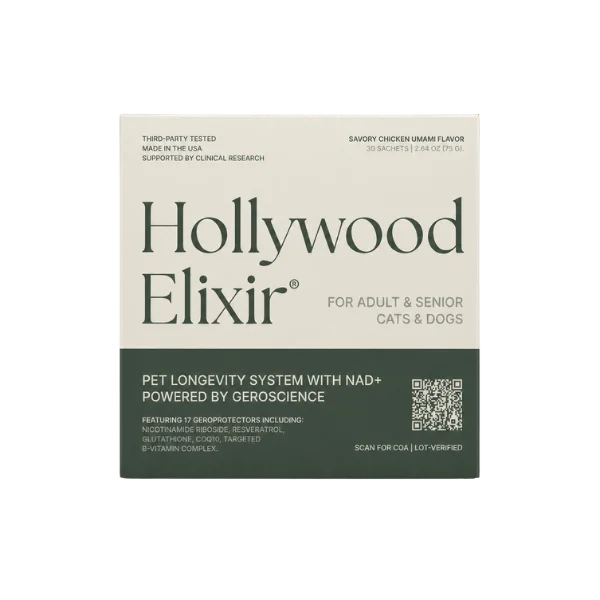
Hollywood Elixir™ is designed as system-level daily support for aging dogs—helping the broader resilience network that immune balance depends on, rather than acting like a single-ingredient immune fix. It fits owners who want a steady, long-horizon approach to comfort, recovery, and overall vitality.

Most owners don’t start searching for immunomodulation for dogs because they want a trend. They start because they want steadiness: fewer flare-ups, fewer “mystery” off days, and a dog who seems comfortable in their own skin. The immune system sits behind all of that, quietly deciding what to react to, how intensely, and when to stop.

Immunomodulation is the more honest word for what many families are trying to do. It doesn’t imply pushing the immune system higher. It implies supporting balance—helping the body respond appropriately and then resolve. Nutrition is one of the most practical levers: dietary strategies can influence immune responses in dogs, and the relationship is meaningful even if it’s complex. In healthy dogs, diet pattern alone has been associated with changes in inflammatory phenotype, suggesting immune tone is responsive to what’s in the bowl.

Still, a careful owner may wonder: if a good diet and good routines matter so much, why consider a supplement? Because real life is uneven—stress, travel, picky eating, and aging can raise the demand for resilience. A well-designed product can support the broader system that immune balance depends on, beyond any single nutrient checkbox. That’s the role of Hollywood Elixir™: system-level daily support that fits long horizons, not short-lived experiments.

By La Petite Labs Editorial, ~15 min read

Featured Product:

  • Immunomodulation for dogs focuses on balance, not “boosting,” aiming for appropriate response and calm resolution.
  • Food quality and consistency can shift immune tone; whole-food patterns have been linked to changes in inflammatory phenotype in healthy dogs.
  • Vitamins, minerals, and phytonutrients may modulate immune responses, but safety and suitability vary by dog and formula.
  • When prescription immunomodulation therapy for dogs is involved, supplement choices should be veterinarian-led due to monitoring and toxicity considerations.
  • Senior dogs often benefit from resilience support—energy, recovery, and oxidative balance—because demands rise with age.
  • “Best immunomodulation supplements for dogs” are usually the ones you can use consistently: transparent sourcing, sensible dosing, and clear purpose (Poirier M, 2022).
  • A system-level product can make sense even with a good diet, because it supports the broader network that helps immune balance hold steady over time.

A Calm, Balanced Immune System Is the Real Goal

Immunomodulation for dogs is less about “boosting” and more about shaping balance: helping the immune system respond strongly when it should, and stand down when it shouldn’t. That distinction matters because many day-to-day concerns—seasonal itchiness, stress, travel, aging—are not simply “low immunity,” but immune tone that has drifted off-center.

For owners, the practical question is which levers are gentle, sustainable, and compatible with real life. Food quality, sleep, stress load, oral health, and gut comfort all influence immune readiness over time (Bobeck, 2020). When people search for immunomodulation therapy for dogs, they’re often looking for that steadying effect—support that respects the body’s own intelligence rather than trying to overpower it.

This page covers what immunomodulation can mean in everyday canine health, what “natural immunomodulation for dogs” can realistically do, and how to evaluate immunomodulation products for dogs without getting pulled into hype.

Scientific view of cellular energy centers tied to dog vitality with natural immunomodulation for dogs.

Immunomodulation, in Plain Terms, for Real Dogs and Real Homes

The immune system is not a single switch. It’s a set of coordinated decisions—when to react, how strongly, and when to resolve. Immunomodulation for dogs refers to influences that help keep those decisions appropriately calibrated, especially when life nudges the system toward overreaction or sluggishness.

In everyday terms, immunomodulation can show up as steadier recovery after stress, fewer “off” days after travel or boarding, or a more even response during seasonal changes. Nutrition is one of the most practical levers: functional nutrition can influence immune response in companion animals, including dogs (Bobeck, 2020).

Because immune balance is context-dependent, the most responsible approach is to match support to the dog in front of you—age, diet, medications, and history—rather than chasing a universal formula.

DNA structure visual linked to antioxidant protection mechanisms in natural immunomodulation for dogs.

Why “Boosting” Can Be the Wrong Frame for Many Dogs

It’s tempting to treat immunity as a scoreboard: higher is better. But immune health is often about proportion. A dog can have plenty of immune activity and still be uncomfortable if that activity is misdirected or slow to resolve. That’s why the language of “immune boosting” can be misleading when what many dogs need is modulation—supporting balance and recovery.

Certain vitamins, minerals, and phytonutrients can enhance immune function by modulating immune responses, but they also vary in safety and suitability across dogs. The right target is steadiness: fewer extremes, better tolerance of normal challenges, and a body that returns to baseline without drama.

If you’re comparing immunomodulation products for dogs, prioritize those that speak in terms of support and resilience, not guaranteed outcomes.

Structural biology image symbolizing ingredient integrity supported by immunomodulation supplement for dogs.

Common Reasons Owners Explore Immune Balance Support

Owners usually arrive at immunomodulation for dogs through a feeling: something is a little off, a little too often. Common prompts include frequent stress, aging-related slowing, seasonal sensitivities, or a dog who takes longer to bounce back after routine disruptions.

Sometimes the first step is not adding anything, but removing friction: improving sleep routines, reducing environmental irritants, and tightening up diet consistency. In healthy dogs, a whole food diet has been associated with changes in inflammatory phenotype, suggesting that food pattern alone can shift immune tone (Jaffey JA, 2022).

When those basics are in place, an immunomodulation supplement for dogs can be a reasonable next layer—especially if it’s designed for daily, long-horizon support rather than short-term intensity.

Black pug portrait showing gentle expression and daily vitality with immunomodulation products for dogs.

Lifestyle Support Versus Medical Therapy: a Useful Distinction
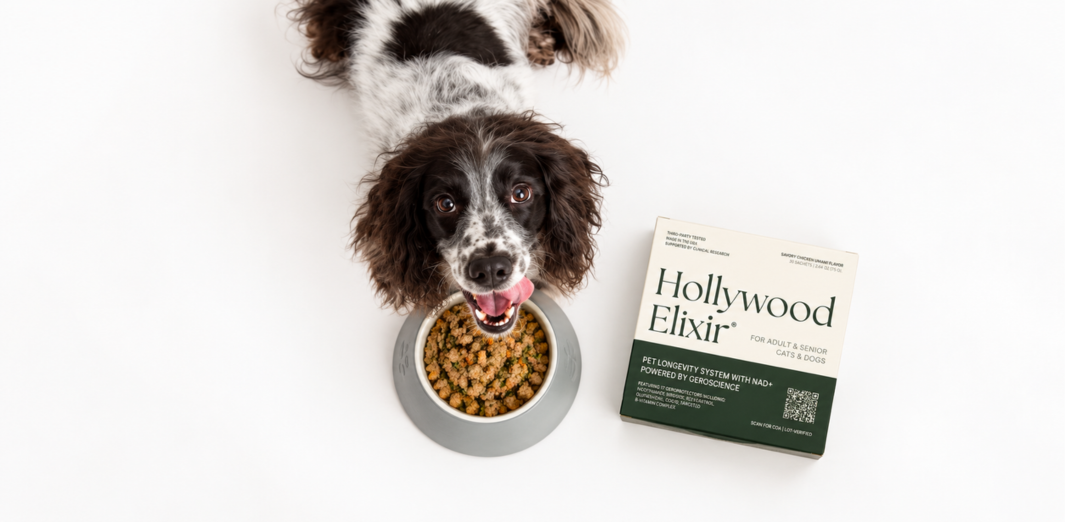
A practical way to think about immunomodulation therapy for dogs is to separate medical therapy from lifestyle support. Medical therapy is veterinarian-directed and may be necessary for immune-mediated disease. Lifestyle support is what you can do every day to make immune balance easier to maintain: diet quality, stress reduction, and consistent routines.

Functional nutrition approaches recognize that dietary components can be tailored to enhance immune function and overall health. This is not a promise of outcomes; it’s a recognition that the immune system is responsive to inputs you control.

The best plans are boring in the best way: stable, repeatable, and gentle enough to keep going when life gets busy.

Hollywood Elixir™ is amazing and makes my 13 y/o young again!

— Jessie

We go on runs. Lately he's been keeping up with no problem!

— Cami

“The immune goal is not louder. It’s steadier.”

How to Evaluate Immunomodulation Supplements Without the Hype

When people search for the best immunomodulation supplements for dogs, they’re often trying to avoid two extremes: doing nothing, or doing too much. A good supplement strategy is conservative and specific. It should fit your dog’s age and sensitivities, and it should be easy to stop if tolerance isn’t perfect.

Because supplement safety varies, choose products that are transparent about ingredients and cautious in their claims. Avoid formulas that combine many strong botanicals without clear rationale, especially if your dog is already on medications.

If you want a single decision rule: pick one foundation product, use it consistently for a defined period, and track changes in energy, stool quality, skin comfort, and recovery after exercise.

Portrait of a dog showing thoughtful presence supported by immunomodulation for dogs.

What to Expect over Time: Subtle Changes That Matter

Timeline matters. Many owners expect immediate changes from immunomodulation for dogs, but immune balance is often slow to reveal itself. You’re looking for fewer “bad days,” smoother transitions through stress, and steadier appetite and energy—not a dramatic overnight shift.

Nutrition-driven changes can take weeks because the body is adapting to a new pattern of inputs. Research in healthy dogs suggests diet can shift inflammatory phenotype, reinforcing that immune tone is responsive but not instantaneous (Jaffey JA, 2022).

If you’re trialing immunomodulation products for dogs, keep other variables stable: don’t change food, treats, and grooming products at the same time, or you won’t know what helped.

Dog portrait from the side highlighting a thoughtful gaze supported by immunomodulation supplement for dogs.

Age and Resilience: Why Seniors Often Need a Different Approach

Age changes the immune conversation. Senior dogs may not need “more immunity” so much as better resilience: the ability to respond appropriately and recover efficiently. As dogs age, oxidative stress and metabolic demands can rise, which can indirectly shape immune steadiness over time (Voss A, 2023).

This is where a system-level approach becomes persuasive. Even if a complete diet covers baseline vitamins and minerals, older dogs can benefit from support that’s designed around the broader network—energy, recovery, and cellular maintenance—rather than a single nutrient checkbox.

For puppies, the posture is different: keep it simple, avoid aggressive formulas, and involve your veterinarian before adding anything beyond a high-quality diet.

Ingredient showcase image explaining core components and support from immunomodulation therapy for dogs.

Medication Interactions and Monitoring: Keep the Story Clean

If your dog takes medications, immunomodulation supplements for dogs deserve extra scrutiny. Some prescription drugs used in immune-mediated conditions can have immunotoxic effects, and dosing must be carefully managed by a veterinarian. Adding supplements without coordination can complicate monitoring or muddy the picture if side effects appear.

Bring your veterinarian a complete list: the supplement label, the feeding amount, and any other products (including dental chews and calming treats). This is especially important for dogs with chronic disease, dogs on chemotherapy protocols, or dogs with a history of pancreatitis.

A careful plan can still include supportive products, but it should be built around safety, consistency, and clear observation—not wishful stacking.

When Prescription Immunomodulation Therapy Is Part of the Picture

If your dog is already under veterinary care for immune-mediated disease, immunomodulation therapy for dogs may include prescription drugs that intentionally dial immune activity down or redirect it. These medications can be life-changing, but they also come with tradeoffs that require monitoring and individualized dosing decisions (Legrand, 2012).

From a supplement perspective, the goal is not to “stack” products on top of immunosuppressants without a plan. Some ingredients can be inappropriate in certain autoimmune contexts, while others may be reasonable as supportive care depending on the case. Because responses vary, your veterinarian should be the decision-maker when prescription immunomodulators are involved (Legrand, 2012).

A thoughtful immunomodulation supplement for dogs is best viewed as system support—helping the dog maintain resilience, appetite, and recovery capacity—rather than attempting to replace medical management.

“Quality and consistency usually matter more than novelty.”

Professional uniform showing commitment to quality in support of natural immunomodulation for dogs.

What “Best” Means When Choosing Immune Support Products

Owners often ask whether “best immunomodulation for dogs” means a single hero ingredient. In practice, immune balance is networked: antioxidant status, micronutrient sufficiency, gut comfort, and stress physiology all shape immune behavior (Barroso C, 2024). That’s why many of the best immunomodulation supplements for dogs are formulated to support multiple, related systems rather than chasing one marker.

Quality matters as much as the label. Look for clear ingredient identities, sensible serving guidance, and manufacturing standards that reduce the risk of contamination or inconsistent potency (Poirier M, 2022). If a brand won’t explain sourcing or testing, it’s hard to trust it with an immune-sensitive animal.

Finally, align the product with your dog’s actual need: seasonal support, senior resilience, recovery after stress, or a veterinarian-directed plan. “Best” is often the one you can use consistently, safely, and with a clear purpose.

Shop Now
Supplement box with ingredient spread showing care behind immunomodulation therapy for dogs.

Diet as Daily Immunomodulation: the Quiet Power of Consistency

Diet is one of the most underappreciated forms of immunomodulation for dogs. In healthy dogs, shifting to a whole-food style diet has been associated with changes in inflammatory phenotype, suggesting the immune system responds to food quality, not just calories (Jaffey JA, 2022).

That doesn’t mean every dog needs a dramatic overhaul, or that diet alone answers every immune concern. It does mean that before adding immunomodulation supplements for dogs, it’s worth checking the basics: consistent protein source, digestibility, appropriate fat balance, and a plan that keeps stools stable. A calm gut is often a calmer immune system.

If you’re already feeding well, system-level support can still be relevant—especially with aging, where oxidative load and recovery demands can rise even when the bowl looks perfect (Voss A, 2023).

Shop Now
Lifestyle image showing supplement use in real homes supported by best immunomodulation supplements for dogs.

Vitamins and Minerals: Useful Tools, Not Unlimited Levers

Micronutrients are small, but their influence is not. Certain vitamins and minerals are known to modulate immune responses in dogs, supporting normal immune cell function and signaling (Barroso C, 2024). The nuance is that “more” is not automatically “better,” and some nutrients have narrow safety margins when over-supplemented.

A common reason owners reach for an immunomodulation supplement for dogs is the sense that modern life creates gaps: picky eating, appetite changes in seniors, stress, or recovery after illness. In those contexts, a balanced formula can be more sensible than single-ingredient megadoses.

If your dog is on a complete and balanced diet, supplementation should be targeted and conservative. When in doubt, ask your veterinarian to review the full ingredient panel alongside your dog’s diet and medications.

Shop Now

Plant Compounds and Immune Tone: Benefits with Practical Caution

Phytonutrients—bioactive compounds from plants—are often discussed in natural immunomodulation for dogs. Some have been shown to influence immune health in canines, potentially supporting overall resistance and recovery capacity (Barroso C, 2024). The key is to treat them as gentle signals, not pharmaceutical substitutes.

Because plant compounds vary widely by source and processing, quality control becomes central. Two products can share a label claim yet differ meaningfully in what the dog actually receives. This is one reason “immunomodulation products for dogs” should be evaluated like you would evaluate food: traceability, consistency, and transparency.

If your dog has allergies, a sensitive stomach, or a history of reactions, introduce any plant-forward supplement slowly and with your veterinarian’s awareness.

Gut Comfort and Immune Balance: Why the Two Travel Together

The gut is not just a digestion story; it’s an immune story. Functional nutrition approaches emphasize that dietary components can be tailored to influence immune response and overall health in dogs (Bobeck, 2020). When stools are inconsistent, appetite is variable, or stress is high, immune balance can feel harder to maintain.

In practical terms, gut-supportive immunomodulation for dogs often starts with consistency: stable feeding times, gradual transitions, and avoiding a rotating cast of treats that keeps the GI tract guessing. From there, targeted support can be considered if your veterinarian agrees it fits your dog’s history.

If your dog has chronic vomiting, diarrhea, blood in stool, or weight loss, treat that as a medical issue first. Supplements should follow diagnosis, not replace it.

Side-by-side supplement comparison designed around natural immunomodulation for dogs expectations.

Cancer Care Context: Supportive Nutrition Without Overpromising

In canine oncology, nutrition is sometimes discussed as a way to influence immune responses and potentially support the broader treatment plan (Amaral AR, 2024). This is a sensitive area: owners want hope, but the right posture is careful support, not promises. If your dog is undergoing cancer care, every supplement should be cleared by the oncology team.

Some dietary components may enhance the efficacy of immunomodulatory therapies in certain contexts, but the relationship between nutrition and immune function is complex and still being investigated (Amaral AR, 2024). That uncertainty is not a reason to do nothing; it’s a reason to choose low-risk, high-quality support that doesn’t interfere.

A well-designed daily formula can serve as a steady backdrop—supporting appetite, energy, and resilience—while medical decisions remain firmly with your veterinarian.

Shop Now
Supplement box revealed in soft light, reflecting premium immunomodulation for dogs positioning.

Safety, Contraindications, and When to Pause or Call Your Vet

Safety is the quiet center of any conversation about immunomodulation supplements for dogs. The safety profile of dietary supplements for immune modulation varies, and it depends on the ingredient, the dose, the dog’s health status, and product quality. That’s why “natural” should never be treated as a synonym for “risk-free.”

Be especially cautious if your dog is pregnant, very young, has liver or kidney disease, has a history of pancreatitis, or is taking prescription immunomodulators. Drug-supplement combinations can be unpredictable, and immunotoxic effects are a known concern with certain immunosuppressive medications in dogs (Legrand, 2012).

If you notice vomiting, diarrhea, appetite change, agitation, or unusual lethargy after starting a new product, stop and contact your veterinarian. The right plan is the one your dog tolerates well over time.

Shop Now

Choosing a System-level Daily Support You Can Sustain

A science-minded owner often faces a reasonable tension: if diet and basics matter so much, why add a supplement at all? The answer is that aging and modern stressors can increase the demand for system-level resilience—energy metabolism, oxidative balance, and recovery capacity—beyond what a “good diet” reliably covers every day (Voss A, 2023).

That’s where a thoughtfully formulated daily product can fit: not as a single-nutrient fix, but as a consistent way to support the broader network that immune balance depends on. When evaluating the best immunomodulation for dogs, look for a product that respects complexity, avoids extreme dosing, and is easy to use long-term.

If your dog’s needs are changing with age, season, or stress, consider choosing one high-quality foundation product and using it consistently, rather than cycling through a cabinet of short-lived experiments.

“When medications are involved, immune support should be coordinated, not improvised.”

Educational content only. This material is not a substitute for veterinary advice. Always consult your veterinarian about your dog’s specific needs. These statements have not been evaluated by the Food and Drug Administration. Products mentioned are not intended to diagnose, treat, cure, or prevent any disease.

Glossary

  • Immunomodulation: Support that helps the immune system respond appropriately and return to baseline, rather than simply increasing activity.
  • Immune Tone: The day-to-day “set point” of immune readiness and reactivity, influenced by diet, stress, sleep, and age.
  • Inflammatory Phenotype: A pattern of inflammatory signals and behaviors in the body that can shift with diet and environment.
  • Functional Nutrition: Using dietary patterns and ingredients to support normal physiology, including immune response.
  • Phytonutrients: Plant-derived compounds that can influence immune health and resilience; quality and tolerance vary.
  • Micronutrients: Vitamins and minerals needed in small amounts that help maintain normal immune function; excess can be harmful.
  • Immunosuppressant: A prescription medication that reduces immune activity; requires veterinary monitoring due to potential toxic effects.
  • Tolerance: How well a dog handles a product over time, often reflected in stool quality, appetite, and behavior.
  • System-Level Support: A formulation approach that supports multiple connected functions (energy, recovery, oxidative balance) rather than a single nutrient target.

Related Reading

References

Jaffey JA. Effects of a whole food diet on immune function and inflammatory phenotype in healthy dogs: A randomized, open-labeled, cross-over clinical trial.. PubMed. 2022. https://pubmed.ncbi.nlm.nih.gov/36082214/

Amaral AR. Connection between nutrition and oncology in dogs and cats: perspectives, evidence, and implications-a comprehensive review.. PubMed Central. 2024. https://pmc.ncbi.nlm.nih.gov/articles/PMC11881598/

Barroso C. Vitamins, Minerals and Phytonutrients as Modulators of Canine Immune Function: A Literature Review.. PubMed. 2024. https://pubmed.ncbi.nlm.nih.gov/39728995/

Bobeck. NUTRITION AND HEALTH: COMPANION ANIMAL APPLICATIONS: Functional nutrition in livestock and companion animals to modulate the immune response.. PubMed. 2020. https://pubmed.ncbi.nlm.nih.gov/32026938/

Legrand. Immunotoxic effects of cyclophosphamide and cyclosporine in the dog. PubMed. 2012. https://pubmed.ncbi.nlm.nih.gov/23030398/

Mealey KL. Increased toxicity of P-glycoprotein-substrate chemotherapeutic agents in a dog with the MDR1 deletion mutation associated with ivermectin sensitivity.. PubMed. 2003. https://pubmed.ncbi.nlm.nih.gov/14627096/

Poirier M. Successful management and recovery of a dog with immune-mediated thrombocytopenia following vincristine overdose.. PubMed. 2022. https://pubmed.ncbi.nlm.nih.gov/35129277/

Voss A. Intravenous lipid emulsion therapy in 2 dogs and 2 cats with vitamin D toxicosis.. PubMed. 2023. https://pubmed.ncbi.nlm.nih.gov/38046423/

Lebrec H. Survey: immune function and immunotoxicity assessment in dogs.. PubMed. 2012. https://pubmed.ncbi.nlm.nih.gov/22059464/

Robinson. A Pilot Study on the Safety of a Novel Antioxidant Nanoparticle Delivery System and Its Indirect Effects on Cytokine Levels in Four Dogs. 2020. https://www.frontiersin.org/journals/veterinary-science/articles/10.3389/fvets.2020.00447/full

Richard B Ford. Charts and Tables. PubMed Central. 2006. https://pmc.ncbi.nlm.nih.gov/articles/PMC7158574/

Finno CJ. Veterinary Pet Supplements and Nutraceuticals.. PubMed Central. 2020. https://pmc.ncbi.nlm.nih.gov/articles/PMC7802882/

FAQ

What does immunomodulation for dogs actually mean day to day?

Immunomodulation for dogs refers to supporting immune balance—helping responses be appropriate, then settle back down. In daily life, that can look like steadier recovery after stress, travel, or seasonal shifts, rather than a dramatic “boost.”

Because diet and routine shape immune tone over time, many owners start with consistency, then add gentle system support if needed. A daily formula likeHollywood Elixir™

Why do owners look into immunomodulation for dogs in seniors?

With age, many dogs don’t need “more immunity” as much as better resilience—recovering smoothly from normal challenges. Aging can increase oxidative and recovery demands, which can indirectly affect how steady the immune system feels over time.

That’s why owners often prefer system-level support that’s easy to use consistently, rather than aggressive, single-ingredient approaches. Many families choose Hollywood Elixir™

How is immunomodulation different from immune boosting in dogs?

“Boosting” implies pushing immune activity higher. Immunomodulation is about shaping balance—supporting appropriate response and appropriate resolution. That distinction matters because some dogs struggle with overreaction, not weakness.

Many nutrients and plant compounds can modulate immune responses, but suitability and safety vary. For a measured, daily approach, consider a system-support formula such asHollywood Elixir™

Is an immunomodulation supplement for dogs safe for daily use?

It depends on the ingredients, your dog’s health status, and product quality. The safety profile of immune-focused supplements varies, so “natural” isn’t a guarantee. Dogs with chronic disease, very young dogs, and dogs on medications deserve extra caution.

Your veterinarian can help you choose a conservative option and monitor tolerance over time. For owners who want steady, system-level support, Hollywood Elixir™

When should I avoid immunomodulation supplements for dogs?

Avoid starting new immune-active supplements without veterinary guidance if your dog is pregnant, has significant liver or kidney disease, has a history of severe reactions, or is being treated for immune-mediated disease. Prescription immunomodulators can have immunotoxic effects and require careful management.

In those cases, your vet may still approve supportive options, but the plan should be coordinated. If you’re looking for gentle daily resilience support to discuss with your vet, consider Hollywood Elixir™

Can immunomodulation therapy for dogs include prescription medications?

Yes. Immunomodulation therapy for dogs can include veterinarian-prescribed drugs that reduce or redirect immune activity in immune-mediated conditions. These can be essential, but they also require monitoring and individualized dosing to minimize toxic effects.

If your dog is on these medications, any supplement should be cleared by your veterinarian to avoid confounding side effects or interactions. For system-level daily support to discuss as part of a plan, consider Hollywood Elixir™

How long does immunomodulation for dogs take to show changes?

Most owners should think in weeks, not days. Immune tone often shifts gradually, and the most meaningful signs are subtle: steadier energy, smoother recovery after stress, and fewer “off” days. Diet changes can also take time to reflect in inflammatory patterns.

Keep other variables stable while you evaluate. For a consistent daily foundation that supports resilience over time, consider Hollywood Elixir™

What are common side effects of immune supplements in dogs?

Side effects vary by ingredient, but GI upset (soft stool, gas, vomiting) is a common early signal that a product doesn’t agree with your dog. Because supplement safety profiles differ, start conservatively and stop if you see persistent changes.

If lethargy, agitation, or appetite loss appears, contact your veterinarian. For a gentle, system-support approach many owners use consistently, consider Hollywood Elixir™

Can immune supplements interact with cyclosporine or cyclophosphamide?

They can. Dogs taking immunosuppressive drugs should not add new supplements casually, because side effects, monitoring, and immune effects can become harder to interpret. These medications can have immunotoxic effects, and dosing decisions are carefully managed by veterinarians.

Bring your vet the full label and serving amount before starting anything. If you want a system-level option to discuss for daily support, consider Hollywood Elixir™

Do probiotics count as natural immunomodulation for dogs?

They can be part of it, because gut comfort and diet are closely tied to immune tone. Functional nutrition perspectives emphasize that dietary components can influence immune responses in dogs. Still, not every dog tolerates every probiotic, and strain choice matters.

If your dog is sensitive, introduce changes slowly and track stool quality. For broader daily resilience support that complements a stable routine, consider Hollywood Elixir™

What quality signs matter for immunomodulation products for dogs?

Look for clear ingredient identities, transparent sourcing, and manufacturing practices that reduce contamination risk and batch variability. Quality control is especially important when products are used daily and when dogs have sensitive systems(Poirier M, 2022).

Also avoid labels that promise guaranteed outcomes. For owners seeking a consistent, system-level daily option, considerHollywood Elixir™

How do I choose the best immunomodulation for dogs?

Start with the reason you’re choosing support: seasonal discomfort, stress recovery, senior resilience, or a veterinarian-directed plan. Then choose a conservative formula that you can use consistently, with transparent quality standards.

Avoid stacking multiple immune products at once; it makes tolerance and results harder to read. For a steady foundation that supports the broader resilience network, consider Hollywood Elixir™

Are immunomodulation supplements for dogs the same as allergy supplements?

They can overlap, but they’re not identical. Allergy-focused products often emphasize skin barrier and comfort, while immunomodulation supplements for dogs aim more broadly at immune balance and resilience. Some nutrients and phytonutrients can modulate immune responses, but effects and safety vary.

If itchiness is persistent, confirm the cause with your veterinarian before changing multiple products. For daily system support that fits a broader plan, consider Hollywood Elixir™

Does diet count as immunomodulation for dogs?

Yes. Diet is one of the most practical ways to influence immune tone. In healthy dogs, a whole-food diet pattern has been associated with changes in inflammatory phenotype, suggesting immune responsiveness to food quality.

Even with a strong diet, some owners still choose system-level daily support for aging and recovery demands. A consistent option to consider is Hollywood Elixir™

Can puppies use an immunomodulation supplement for dogs?

Puppies usually do best with simplicity: a complete and balanced diet, appropriate vaccines, and stable routines. Because supplement safety and dosing needs vary by age and size, add-ons should be discussed with your veterinarian first.

If your vet recommends supportive nutrition, choose a conservative, well-made product and monitor tolerance closely. For a system-support option often used in adult and senior dogs, consider Hollywood Elixir™

Is immunomodulation for dogs different for small versus large breeds?

The concept is the same, but practical choices differ. Size affects serving amounts, and breed tendencies can influence what “resilience” looks like—skin sensitivity, GI sensitivity, or stress reactivity. Because supplement safety varies by formula, choose products with clear guidance and conservative positioning.

If your dog is between sizes or has medical conditions, your veterinarian can help tailor the plan. For steady daily system support, consider Hollywood Elixir™

Can cats use immunomodulation supplements for dogs?

Don’t assume cross-species safety. Cats metabolize certain ingredients differently, and products formulated for dogs may not be appropriate. Because supplement safety profiles vary and depend on species, use a cat-specific product and consult your veterinarian.

If you’re supporting a multi-pet household, keep products separated and labeled to avoid accidental sharing. For dog-specific system support, consider Hollywood Elixir™

What does research say about nutrition and immune balance in dogs?

Research suggests diet can influence immune tone. In healthy dogs, a whole-food dietary pattern has been associated with changes in inflammatory phenotype. In more complex settings like oncology, nutrition may influence immune responses, but the relationship is still being investigated(Amaral AR, 2024).

The practical takeaway is to choose low-risk, consistent support rather than chasing dramatic claims. For a daily system-level option, considerHollywood Elixir™

When should I call my vet about immunomodulation for dogs?

Call your veterinarian if your dog has persistent vomiting or diarrhea, unexplained weight loss, fever, sudden lethargy, or worsening skin or ear issues. Also call before adding supplements if your dog is on immunosuppressive medications, since monitoring and toxicity considerations are real.

A vet-guided plan can still include supportive nutrition, but it should be coordinated and trackable. For a system-support product to discuss with your vet, consider Hollywood Elixir™

How do I give an immunomodulation supplement for dogs consistently?

Consistency usually matters more than intensity. Pair the supplement with an existing habit—breakfast, evening meal, or post-walk routine—so it becomes automatic. Keep other changes stable while you evaluate tolerance and day-to-day steadiness.

If your dog has a sensitive stomach, introduce slowly and watch stool quality. For a daily system-level approach designed to fit routines, consider Hollywood Elixir™

What’s a simple framework for choosing immune support products?

Use three filters: purpose, safety, and consistency. Purpose means you can name the reason (senior resilience, stress recovery, seasonal support). Safety means conservative formulas and transparent quality practices. Consistency means you can use it daily without complicated stacking.

If your dog is on medications or has chronic disease, add a fourth filter: veterinarian coordination. For a system-level daily option that fits this framework, consider Hollywood Elixir™

5K+ Happy Pet Parents

Excellent 4.8

Immunomodulation for Dogs | Why Thousands of Pup Parents Trust Hollywood Elixir™

"He seems more happy overall. I've also noticed he has more energy which makes our walks and playtime so much more fun."

Olga & Jordan

"He's got way more energy now! We go on runs pretty often; he use to get tired halfway through, but lately, he's been keeping up without any problem."

Cami & Clifford

"I want her to live forever. She hasn't had an ear infection since!"

Madison & Azula

"It helps with her calmness, her immune system. I really like the clean ingredients. Highly recommend La Petite Labs!"

Maple & Cassidy

"He seems more happy overall. I've also noticed he has more energy which makes our walks and playtime so much more fun."

Olga & Jordan

"He's got way more energy now! We go on runs pretty often; he use to get tired halfway through, but lately, he's been keeping up without any problem."

Cami & Clifford

"I want her to live forever. She hasn't had an ear infection since!"

Madison & Azula

"It helps with her calmness, her immune system. I really like the clean ingredients. Highly recommend La Petite Labs!"

Maple & Cassidy

"He seems more happy overall. I've also noticed he has more energy which makes our walks and playtime so much more fun."

Olga & Jordan

"He's got way more energy now! We go on runs pretty often; he use to get tired halfway through, but lately, he's been keeping up without any problem."

Cami & Clifford

"I want her to live forever. She hasn't had an ear infection since!"

Madison & Azula

"It helps with her calmness, her immune system. I really like the clean ingredients. Highly recommend La Petite Labs!"

Maple & Cassidy

"He seems more happy overall. I've also noticed he has more energy which makes our walks and playtime so much more fun."

Olga & Jordan

"He's got way more energy now! We go on runs pretty often; he use to get tired halfway through, but lately, he's been keeping up without any problem."

Cami & Clifford

"I want her to live forever. She hasn't had an ear infection since!"

Madison & Azula

"It helps with her calmness, her immune system. I really like the clean ingredients. Highly recommend La Petite Labs!"

Maple & Cassidy

SHOP NOW