Proprietary Blends in Pet Supplements: What They Conceal and How to Evaluate Quality

Compare Label Transparency and Pick Formulas Supporting Joints, Gut, Skin, and Heart

Essential Summary

Why Are Proprietary Blends In Pet Supplements Important?

Proprietary blends can hide individual ingredient amounts, making it harder to judge dose, safety, and value. The most protective approach is to prioritize clear per-ingredient labeling, lot-linked testing documents, and straightforward answers from the manufacturer before starting a new supplement.

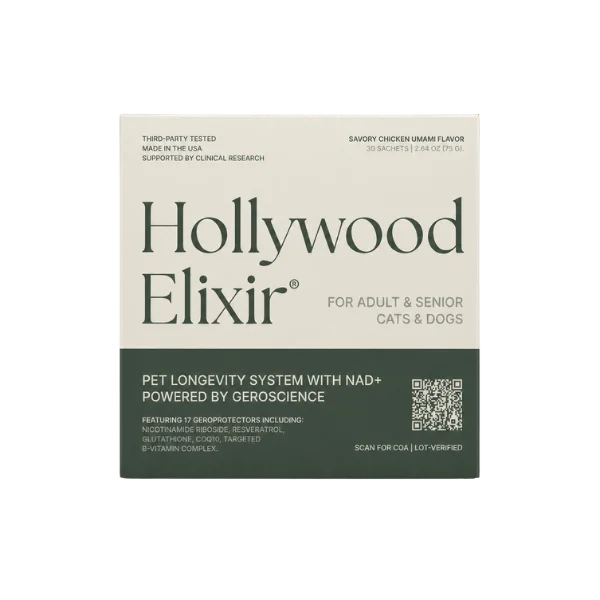
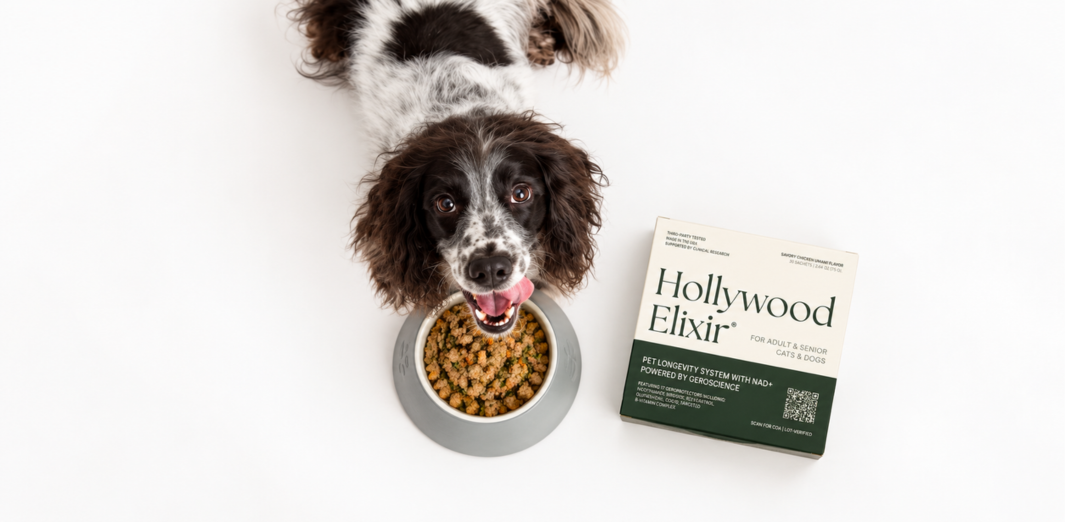
Hollywood Elixir™ is designed to support healthy aging with a transparency-forward approach to labeling.

Proprietary Blends in Pet Supplements: What They Conceal and How to Evaluate Quality is mainly about one missing detail: the dose of each ingredient. A proprietary blend can list a long set of actives while showing only a single total weight, which makes it hard to judge whether the formula is meaningful, safe for a sensitive pet, or simply hard to compare. This is why pet supplement label transparency is a consumer-protection issue, not a niche labeling debate.

Many families start supplements to support joints, skin, or digestion, then get stuck in a loop of switching products because results feel unclear. When individual amounts are hidden, it becomes difficult to know what is being tried, what to change, or what to stop. This page breaks down the proprietary blend pet supplement meaning in plain language, shows what hidden ingredients pet supplements often really means (hidden quantities), and offers a practical way to evaluate labels using ingredient order, total blend weight, and verification tools like lot numbers and COAs. The goal is a more reliable routine: fewer surprises, clearer tracking in the first 4–6 weeks, and a better handoff to a veterinarian when questions come up.

By La Petite Labs Editorial, ~15 min read

Featured Product:

  • Proprietary Blends in Pet Supplements: What They Conceal and How to Evaluate Quality comes down to this: blends can list ingredients while hiding the dose of each one, so quality must be judged by disclosure and verification.
  • A proprietary blend is a grouped list with one total weight, not individual amounts; this limits meaningful comparison shopping.
  • The biggest risk is “pixie dusting,” where many ingredients appear on the label but may be present in tiny quantities.
  • Use the total blend weight and ingredient order as clues, but treat them as incomplete information, not proof of potency.
  • Ask for lot-linked COAs and finished-product testing details; some testing confirms identity or purity without confirming every active amount.
  • Track change signals for 4–6 weeks (stool, appetite, mobility behaviors, itch) and avoid stacking multiple blend products.
  • For cats, protect appetite routines: introduce slowly, test in small portions, and stop promptly if eating changes.

What a Proprietary Blend Really Is

A proprietary blend is a labeling format where several ingredients are grouped under one blend name, and only the total weight of the group is listed. The proprietary blend pet supplement meaning is simple: the label may show what is included, but not how much of each item is present. That makes it harder to compare products or judge whether an ingredient is present at a meaningful dose for a dog’s size and needs (Saldanha, 2023).

At home, this shows up as confusion rather than a visible symptom: two chews can look identical, yet one may contain far less of the ingredient a family is trying to use. When a label says “Joint Support Blend 1,000 mg” without breaking it down, the owner is being asked to trust the manufacturer’s choices. That trust should be earned with clear supplement blend disclosure pets can verify.

What Blends Hide: Individual Ingredient Doses

The main thing proprietary blends conceal is the individual dose of each ingredient. Without those numbers, it is impossible to tell whether a formula is built around a few well-dosed actives or “pixie dusting,” where many ingredients are sprinkled in at tiny amounts that look impressive on a label. This is a core pet supplement label transparency problem because dosing is where safety, value, and expected effect all live (Saldanha, 2023).

Owners often notice this when trying to match what a veterinarian recommended: the vet says “use a product that clearly lists amounts,” but the jar only lists a blend. If a dog is sensitive to certain botanicals or has had stomach upset with supplements before, hidden amounts also make it harder to troubleshoot. Hidden ingredients pet supplements are not always secret substances; they are often secret quantities.

NAD for dogs DNA double helix

Why Companies Choose Blend Labeling

Brands use proprietary blends for a few predictable reasons: to protect a formula from being copied, to hide cost structure, and to make a panel look “busy” without committing to specific doses. This is not automatically unethical, but it shifts power away from the buyer. In human supplements, proprietary blends are widely discussed as a transparency issue because they limit meaningful comparisons and independent evaluation (Saldanha, 2023).

A realistic pattern is the “long list, short results” experience: a dog starts a new chew with 20 ingredients, and nothing changes except softer stool. That does not prove the product is bad, but it does show why dose matters more than ingredient count. When a company will not disclose amounts, the household is left guessing whether the formula has slack for real-world variability like picky eating or missed days.

How to Read a Blend Label Like Evidence

Evaluating a proprietary blend label starts with separating three things: the active ingredients, the “other ingredients” (flavors, binders, oils), and the feeding directions. A blend can be listed on the Supplement Facts panel, but the most important question is whether the label provides enough detail to judge fit for a specific dog. If the product makes a targeted claim like joint comfort, the lack of per-ingredient amounts makes it harder to connect the claim to a plausible dosing strategy.

A quick home routine helps: take a photo of the full label, then circle every ingredient the dog has reacted to before (for example, certain herbs or fish oils). Next, underline any blend name that replaces amounts with a single total. This simple step turns “mystery chew” into a structured question list for the next purchase, and it improves supplement blend disclosure pets can demand.

What Total Blend Weight Can and Cannot Prove
The “total blend weight” tells only one fact: the combined amount of everything in that blend per serving. It does not reveal whether the first ingredient takes up 90% of the blend while the rest are trace amounts. This matters because many ingredients have dose-dependent effects and dose-dependent side effects, and the label is the only place an owner can check the math. When a blend is used, the buyer cannot tell whether the product is designed to be more reliable or simply more marketable.

Owners can still use the total weight as a reality check. If a chew is small but claims a very large blend weight, the product may be using dense powders or compressing heavily, which can affect palatability and stomach comfort. If the feeding directions require many chews per day for a large dog, the total daily “extras” can also creep up and matter for weight management plans (Príncipe, 2025).

Hollywood Elixir™ is amazing and makes my 13 y/o young again!

— Jessie

We go on runs. Lately he's been keeping up with no problem!

— Cami

“If the dose is hidden, comparison shopping becomes guesswork.”

Ingredient Order: the Quiet Clue Inside Blends

Ingredient order inside a proprietary blend follows the same basic rule as other labels: items are typically listed from highest to lowest by weight within that blend. That means the first one or two ingredients may dominate the formula, while the last several may be present in very small amounts. This is why “long blend lists” can be misleading; the last few ingredients may be there for label appeal rather than biological impact.

A practical household check is to look at the last three ingredients in the blend and ask: are these the ones the family is actually buying the product for? If yes, the label is asking for blind trust. If no, it may still be fine, but it should change expectations. This is also where hidden ingredients pet supplements become a day-to-day problem: the “headline” ingredient might be listed, yet effectively absent in dose.

nad plus for dogs

Coas and Third-party Testing: the Real Limits

Certificates of Analysis (COAs) and third-party testing can close some gaps, but they do not automatically solve proprietary blend opacity. Many COAs focus on identity, purity, or contaminants, and may not confirm the exact amount of every active in a multi-ingredient blend. Even in research settings, multicomponent products are often evaluated as a combined formula, which limits what can be concluded about any single ingredient’s dose-response (Martinez, 2017).

Owners can treat a COA like a receipt with missing line items: it is valuable, but it must match the question being asked. If the concern is “does this contain what it says,” identity testing helps. If the concern is “is the dose meaningful,” the label still needs per-ingredient amounts or a brand willing to disclose them. This is why pet supplement label transparency includes both paperwork and plain-English answers.

NAD+ for dogs portrait good boy

Red Flags That Signal Low Disclosure

Some label red flags are not about the blend itself, but about how the product is positioned. Watch for dramatic claims paired with vague dosing, or for a “kitchen sink” blend that targets joints, skin, gut, calm, and immunity all at once. When a product tries to cover everything, it often spreads its dosing ceiling thin. Research on blends can show outcomes for the product as a whole, but it still does not reveal which ingredient carried the effect or at what dose (Cardeccia, 2022).

CASE VIGNETTE: A senior dog with stiffness starts a “complete mobility blend” chew. After three weeks, the dog’s stool is looser and the family cannot tell whether the joint ingredients are present in meaningful amounts because the label lists only a total blend weight. The next step is not to keep switching products weekly; it is to gather label photos, note changes, and ask targeted questions before buying again.

Hollywood Elixir contains 16 longevity actives including NAD for dogs

Owner Checklist for Label Transparency

A good evaluation tool is a short, repeatable owner checklist that focuses on disclosure rather than hype. OWNER CHECKLIST: (1) Is every active ingredient listed with an amount, not just a blend total? (2) Are “other ingredients” clearly separated and readable? (3) Is there a lot number and best-by date printed on the container? (4) Does the company offer a COA or third-party testing summary that matches that lot? (5) Are feeding directions specific for weight ranges?

This checklist matters because it predicts how easy it will be to troubleshoot if a dog gets itchy, gassy, or refuses the chew. It also helps families avoid “label drift,” where a product quietly changes formulas over time. A dog’s routine is already full of variables—treats, table scraps, seasonal allergies—so supplement choices should be less variable, not more.

Questions to Ask Before Buying Any Blend

When contacting a company, the goal is to turn marketing language into verifiable facts. VET VISIT PREP can start at home: bring the jar, the full ingredient panel photo, and a short list of questions. Ask: “Can you provide per-ingredient amounts for the blend?” “What testing is done on the finished product, not just raw ingredients?” “Is the COA tied to the lot number on this container?” These questions align with the transparency concerns raised about proprietary blends as a consumer-evaluation barrier.

For the veterinary appointment, add observations that help interpret risk: any history of pancreatitis, food sensitivities, or medication use. Also note how the supplement is given—on an empty stomach, with a meal, or crumbled into food—because that can change stomach comfort. A prepared handoff saves time and helps the veterinarian assess whether the product’s hidden dosing could conflict with the dog’s plan.

“A COA is useful, but it must match the question asked.”

nad+ for dogs La petite labs scientist lab coat

What Transparent Labeling Looks Like in Practice

Transparent labeling is boring in the best way: each active ingredient is listed with its amount per serving, the serving size is clear, and the directions scale sensibly by weight. It also avoids “fairy tale math,” where a tiny chew claims a huge list of actives without showing quantities. In studies where multiple actives were administered together, results apply to the combination and do not isolate which ingredient mattered most, which is a reminder to value clarity when choosing products (Comblain, 2017).

At home, transparent labels make routines easier. If a dog is already on a veterinary diet or a weight plan, the family can account for the supplement’s calories and extras more accurately. That matters because “small add-ons” can meaningfully change a pet’s overall intake, especially when treats and supplements stack up across the day (Príncipe, 2025).

Shop Now
nad for dogs hollywood elixir ingredient breakdown marketing

NASC and Standards: Helpful, Not Sufficient

Industry signals like NASC participation can be a useful filter, but they are not a substitute for label clarity. A quality program may indicate that a company has certain manufacturing and reporting practices, yet a proprietary blend can still hide the per-ingredient amounts an owner needs to evaluate fit. The best approach is layered: look for credible standards, then confirm the product still meets basic disclosure expectations.

UNIQUE MISCONCEPTION: “If it’s proprietary, it must be higher quality.” Proprietary can simply mean the recipe is being kept private, not that it is better dosed or better tested. A household should not have to trade away understanding to buy a supplement. If the label blocks comparison shopping, that is a design choice, and it should trigger more questions, not fewer.

Shop Now
NAD+ for dogs hollywood elixir with dog product campaign shot

What Not to Do When Doses Are Hidden

“What not to do” with proprietary blends starts with avoiding panic-driven switching. WHAT NOT TO DO: (1) Do not stack multiple blend products that target the same goal; hidden overlap can raise the chance of stomach upset. (2) Do not assume “natural” means low-risk when amounts are undisclosed. (3) Do not double the serving because results are slow; the label may already be near the dog’s comfort limit. (4) Do not ignore new vomiting, diarrhea, or itch—stop and call the veterinarian.

These mistakes are common because owners are trying to help, and the label is not giving enough usable information. A more reliable plan is to introduce one product at a time, keep the rest of the diet stable, and watch for change signals in the first 4–6 weeks. That approach creates a clearer cause-and-effect picture even when supplement blend disclosure pets is incomplete.

Shop Now

What to Track in the First 4–6 Weeks

A tracking rubric turns “maybe it’s helping?” into observations a veterinarian can use. WHAT TO TRACK (first 4–6 weeks): stool consistency and frequency, appetite and water intake, willingness to climb stairs or jump into the car, post-walk stiffness the next morning, scratching/ear debris changes, and any new sleepiness or restlessness. These markers are practical because they reflect comfort and digestion, the two most common areas owners notice first when adding supplements.

Write the baseline down before starting, then check in twice weekly rather than obsessing daily. If the dog is also on a weight plan, track body weight or body condition monthly, because “extras” can quietly add up. Veterinary nutrition literature emphasizes that small dietary additions can influence overall intake, especially in pets already prone to weight gain (Keller, 2020).

Cats: Appetite and Routine Come First

Cats deserve special caution with proprietary blends because cats are often more sensitive to taste changes and may refuse food if a supplement alters smell or texture. Cats also have less room for trial-and-error when appetite drops, because missed meals can become a medical concern. For cat households, pet supplement label transparency is not just about value; it is about minimizing disruptions to eating routines and avoiding unnecessary ingredient exposure.

A practical cat routine is to test any new supplement by scent first, then mix a tiny amount into a small “test portion” of food rather than the whole meal. If stool changes or appetite dips, stop and return to the previous diet immediately. In controlled research, even beneficial gut products are evaluated carefully for how they shift stool and microbiome markers, underscoring why slow, observable changes matter in cats (Whittemore, 2019).

NAD+ for dogs

How to Interpret Research on Blend Products

Evidence for blends often answers a different question than owners think it does. A study may show that a combined product was associated with a performance or comfort outcome, but it typically cannot identify which ingredient mattered most or whether the same result would occur at different doses. For example, canine studies have evaluated supplements as a combined formula, which is useful for product-level insight but limited for ingredient-level decision-making (Huntingford, 2014).

This is where the consumer-protection lens matters: a proprietary blend can lean on “studied ingredients” language while keeping the actual amounts hidden. Owners can respond by asking for the exact formula disclosure or by choosing products that publish per-ingredient amounts. When the label is transparent, a veterinarian can better judge whether the plan has enough durability to handle real life, like missed doses or picky days.

Shop Now
nad supplements for dogs nad+ for dogs

A Simple Decision Framework for Safer Shopping

A practical decision framework is to rank supplements by how easy they are to verify. First choice: full per-ingredient amounts, lot number, and accessible testing documentation. Second choice: a blend product where the company will disclose amounts on request and provides finished-product testing. Last choice: a blend with no disclosure, no lot-linked testing, and broad claims. This approach keeps the household focused on controllable quality signals rather than label aesthetics.

Families already use this logic in other areas—choosing foods with clear nutrition panels or medications with clear dosing instructions. Supplements deserve the same standard because they are given repeatedly and can interact with appetite, stool, and daily comfort. For readers exploring related pages on COA testing and ingredient class walkthroughs, this framework helps connect those tools back to a single question: can the product be checked, not just trusted?

Shop Now

Putting It Together Without Guesswork

Proprietary blends are not automatically unsafe, but they are automatically harder to evaluate. The safest path is to treat hidden dosing as a reason to slow down and gather information, especially for pets with chronic conditions, medication use, or a history of stomach sensitivity. When a label is clear, a veterinarian can help select a plan that is less variable and easier to adjust over time.

If a supplement is being used to support joints, skin, or digestion, set a simple review date at 4–6 weeks. Bring the tracking notes, the label photo, and any COA the company provided. If the product cannot be explained in plain language—what is in it, how much, and why—then the household is being asked to accept hidden ingredients pet supplements risk without a clear benefit. That is the moment to choose transparency.

“Transparent labels make troubleshooting faster when a pet reacts.”

Educational content only. This material is not a substitute for veterinary advice. Always consult your veterinarian about your dog’s specific needs. These statements have not been evaluated by the Food and Drug Administration. Products mentioned are not intended to diagnose, treat, cure, or prevent any disease.

Glossary

  • Proprietary Blend - A grouped set of ingredients listed with one total weight instead of individual amounts.
  • Blend Total Weight - The combined amount of all ingredients inside a proprietary blend per serving.
  • Per-Ingredient Disclosure - Listing the exact amount of each active ingredient on the label.
  • Pixie Dusting - Including many ingredients at very small amounts mainly for label appeal.
  • Supplement Facts Panel - The section of the label that lists actives, amounts, and serving size.
  • Other Ingredients - Non-active components such as flavors, binders, oils, and coatings.
  • COA (Certificate of Analysis) - A document reporting specific test results for a batch or lot.
  • Lot Number - A batch identifier printed on packaging that links a product to manufacturing records and testing.
  • Finished-Product Testing - Testing performed on the final chew/powder/liquid rather than only on raw ingredients.
  • NASC - A quality program signal some pet supplement companies use to show manufacturing and labeling practices.

Related Reading

References

Keller. Use of reduced-energy content maintenance diets for modest weight reduction in overweight cats and dogs. 2020. https://www.sciencedirect.com/science/article/abs/pii/S0034528820300692

Príncipe. Assessment of the Nutritional Impact of the 10% Snack Recommendation in Pet Diets. 2025. https://www.mdpi.com/2306-7381/12/3/282

Comblain. A randomized, double-blind, prospective, placebo-controlled study of the efficacy of a diet supplemented with curcuminoids extract, hydrolyzed collagen and green tea extract in owner's dogs with osteoarthritis.. PubMed. 2017. https://pubmed.ncbi.nlm.nih.gov/29262825/

Saldanha. Perspectives on the Use of Proprietary Blends in Dietary Supplements. 2023. https://www.sciencedirect.com/science/article/pii/S0022316623355081

Huntingford. Evaluation of a performance enhancing supplement in American Foxhounds during eventing.. PubMed Central. 2014. https://pmc.ncbi.nlm.nih.gov/articles/PMC4473135/

Cardeccia. A pilot study examining a proprietary herbal blend for the treatment of canine osteoarthritis pain.. PubMed Central. 2022. https://pmc.ncbi.nlm.nih.gov/articles/PMC8682926/

Martinez. Pharmacokinetic Analysis of an Oral Multicomponent Joint Dietary Supplement (Phycox(®)) in Dogs.. PubMed Central. 2017. https://pmc.ncbi.nlm.nih.gov/articles/PMC5620571/

Whittemore. Effects of a synbiotic on the fecal microbiome and metabolomic profiles of healthy research cats administered clindamycin: a randomized, controlled trial.. PubMed Central. 2019. https://pmc.ncbi.nlm.nih.gov/articles/PMC6748608/

FAQ

What does a proprietary blend mean on pet supplements?

A proprietary blend means multiple ingredients are grouped under one blend name, and the label lists only the total weight of that group. The proprietary blend pet supplement meaning is not that ingredients are “fake,” but that the amount of each ingredient is not shown.

That missing detail matters because dose is what helps predict usefulness, side effects, and whether two products are truly comparable. It is a pet supplement label transparency issue, not automatically a safety verdict.

Why do proprietary blends matter for safety decisions?

Proprietary Blends in Pet Supplements: What They Conceal and How to Evaluate Quality matters for safety because undisclosed amounts make it harder to judge how “strong” a serving really is. If a dog has a sensitive stomach or is on medications, hidden dosing complicates risk assessment.

If vomiting, diarrhea, itch, or appetite changes appear after starting a blend product, stop the supplement and contact a veterinarian. Clear labels make troubleshooting faster because they reduce hidden ingredients pet supplements uncertainty.

Are proprietary blends always low quality or deceptive?

No. A proprietary blend can be used to protect a formula from being copied, and some companies still manufacture carefully. The problem is that the label design prevents independent evaluation of dose, which is why proprietary blends are widely discussed as a transparency concern.

The most protective stance is neutral but firm: treat undisclosed amounts as a reason to ask more questions and prefer products with clearer supplement blend disclosure pets can verify.

What are “hidden ingredients” in pet supplements, really?

In many cases, “hidden ingredients pet supplements” refers to hidden quantities, not secret substances. The ingredient names may be listed, but the label does not show how much of each one is present inside the blend.

That makes it hard to know whether a “headline” ingredient is a major part of the formula or a trace addition. It also makes it harder to compare two products that look similar on the front label.

How can owners evaluate a proprietary blend label quickly?

Start with three checks: (1) Is there a total blend weight but no per-ingredient amounts? (2) Are feeding directions clear for weight ranges? (3) Is there a lot number and best-by date printed on the container?

Then look at ingredient order within the blend: the first items likely make up most of the weight. If the ingredients the family cares about are near the end, expectations should be cautious until the company provides disclosure.

Does total blend weight tell the real dose?

Total blend weight tells only the combined amount of everything in the blend per serving. It does not tell how that weight is divided among ingredients, which is the key missing piece in proprietary blends.

It can still be a clue: if the serving is tiny but the blend weight is large, the product may be very dense and could be harder on some stomachs. But it cannot confirm whether any single ingredient is meaningfully dosed.

What is pixie dusting in pet supplement blends?

Pixie dusting is when a product lists many attractive ingredients but includes some of them in very small amounts. Proprietary blends make this easier because the label can look impressive while hiding the per-ingredient quantities.

A practical clue is a long list of actives paired with a modest total blend weight and no breakdown. When dose is hidden, the safest assumption is that not every listed ingredient is present at a meaningful level.

How does ingredient order work inside a proprietary blend?

Within a proprietary blend, ingredients are typically listed from highest to lowest by weight. That means the first one or two items may dominate the blend, while later items may be present in small amounts.

Owners can use this to sanity-check marketing claims. If the ingredient the family is buying the product for is listed near the end, it is reasonable to ask the company for the exact amount before committing.

What questions should be asked before buying a blend supplement?

Ask questions that force clear answers: “Will you disclose per-ingredient amounts?” “Do you test the finished product or only raw ingredients?” “Can you share a COA tied to the lot number on the container?”

Also ask what changes trigger a reformulation and how customers are notified. These questions directly address supplement blend disclosure pets and reduce surprises if a dog reacts to a new batch.

Do COAs solve proprietary blend transparency problems?

COAs help, but they do not automatically solve proprietary blend opacity. Many COAs focus on identity, purity, or contaminants and may not confirm the exact amount of every active in a multi-ingredient product(Martinez, 2017).

The most useful COA is lot-linked and paired with a label that lists per-ingredient amounts. If the label hides dosing, owners should ask what the COA actually measures and whether it matches the household’s main concern.

What are common red flags on pet supplement labels?

Red flags include: broad claims that target many body systems at once, a proprietary blend with no per-ingredient amounts, missing lot numbers, and unclear feeding directions. Another red flag is a “kitchen sink” ingredient list that reads like a shopping catalog.

These patterns do not prove a product is unsafe, but they do predict a harder time troubleshooting if appetite, stool, or skin changes occur. Better pet supplement label transparency makes the next step clearer if something goes wrong.

How should results be tracked in the first 4–6 weeks?

Track change signals that owners can see: stool consistency, appetite, water intake, willingness to jump or climb stairs, post-walk stiffness the next morning, and scratching or ear debris changes. Write down a baseline before starting.

Check in twice weekly rather than daily. If multiple diet changes happen at once, it becomes impossible to know what caused what. This tracking approach makes Proprietary Blends in Pet Supplements: What They Conceal and How to Evaluate Quality actionable, not just theoretical.

Can proprietary blends affect weight management plans?

Yes, because supplements can add calories and “extras” that are easy to overlook, especially when chews are given like treats. Even small daily additions can shift overall intake, which is why treat-style items are often discussed in the context of diet planning(Príncipe, 2025).

If a dog is on a weight plan, ask for calorie information and keep the rest of the routine stable. Weight trends should be checked monthly, since slow gain is easy to miss until it becomes harder to reverse(Keller, 2020).

Are proprietary blends handled differently for cats than dogs?

Cats often need a more cautious approach because appetite disruption can become a medical concern. A supplement that changes food smell or texture may lead to refusal, even if the ingredients are otherwise reasonable.

Introduce any new product slowly and test it in a small portion first. If eating changes or stool becomes abnormal, stop and return to the prior diet. Controlled cat research often monitors stool and gut changes closely, reflecting how sensitive routines can be(Whittemore, 2019).

What should owners avoid doing with blend supplements?

Avoid stacking multiple proprietary blend products aimed at the same goal, because overlap is hard to detect when amounts are hidden. Avoid doubling the serving when results feel slow, and avoid changing food, treats, and supplements all at once.

Also avoid ignoring new vomiting, diarrhea, itch, or appetite changes. Stop the supplement and contact a veterinarian, bringing the label photo and lot number. This reduces the risk that hidden ingredients pet supplements will complicate the investigation.

How should a vet visit be prepared for supplement questions?

Bring the container, a clear photo of the full label, the lot number, and a short timeline of when the supplement started. Note any changes in stool, appetite, itch, or mobility behaviors, and list all medications and preventives.

Ask the veterinarian to help interpret risk: whether any ingredients are a poor fit for the pet’s history, and whether the lack of per-ingredient dosing changes the recommendation. This is a practical way to address pet supplement label transparency in real life.

What does transparent labeling look like on a supplement?

Transparent labeling lists each active ingredient with an amount per serving, clearly states serving size, and provides weight-based directions that make sense. It also separates “other ingredients” so flavors and binders are not mixed into the active list.

This format supports better decision-making because it allows comparison across products and helps a veterinarian judge fit. It also makes it easier to stop and troubleshoot if side effects appear, because fewer details are hidden.

How should research on multi-ingredient blends be interpreted?

Blend research usually tests the combination as a single product, not each ingredient separately. That means a positive result cannot identify which ingredient mattered most or what the minimum effective dose was for each component.

For example, when multiple actives are given together, the study design does not isolate the effect of any single ingredient(Comblain, 2017). This is why supplement blend disclosure pets is still important even when “studies exist.”

How long should a supplement trial last before judging it?

A reasonable trial window for many non-prescription supplements is 4–6 weeks, unless side effects appear sooner. That window is long enough to notice change signals like stool stability, appetite, and day-to-day mobility behaviors.

During the trial, keep other variables steady: do not change food, add new treats, and start a second supplement at the same time. This makes the outcome more interpretable, especially when proprietary blends hide per-ingredient dosing.

When should a veterinarian be called about supplement side effects?

Call promptly if there is repeated vomiting, diarrhea lasting more than a day, refusal to eat, facial swelling, hives, collapse, or sudden behavior change. Stop the supplement while waiting for guidance, and keep the container and lot number available.

For milder signs like gassiness or softer stool, contact the clinic if signs persist or if the pet has a history of pancreatitis, chronic GI disease, or is on multiple medications. Hidden ingredients pet supplements make early communication more important.

How does Hollywood Elixir™ fit into transparency-focused shopping?

For owners prioritizing pet supplement label transparency, the most important features are per-ingredient amounts, lot identification, and accessible testing documentation. Those features make it easier to compare products and to troubleshoot if a pet reacts.

If a household is considering a product like Hollywood Elixir™, the best next step is to review the full label and confirm it supports a clear, vet-friendly disclosure standard rather than relying on a proprietary blend.

5K+ Happy Pet Parents

Excellent 4.8

Proprietary Blends in Pet Supplements: What They Conceal and How to Evaluate Quality | Why Thousands of Pup Parents Trust Hollywood Elixir™

"He seems more happy overall. I've also noticed he has more energy which makes our walks and playtime so much more fun."

Olga & Jordan

"He's got way more energy now! We go on runs pretty often; he use to get tired halfway through, but lately, he's been keeping up without any problem."

Cami & Clifford

"I want her to live forever. She hasn't had an ear infection since!"

Madison & Azula

"It helps with her calmness, her immune system. I really like the clean ingredients. Highly recommend La Petite Labs!"

Maple & Cassidy

"He seems more happy overall. I've also noticed he has more energy which makes our walks and playtime so much more fun."

Olga & Jordan

"He's got way more energy now! We go on runs pretty often; he use to get tired halfway through, but lately, he's been keeping up without any problem."

Cami & Clifford

"I want her to live forever. She hasn't had an ear infection since!"

Madison & Azula

"It helps with her calmness, her immune system. I really like the clean ingredients. Highly recommend La Petite Labs!"

Maple & Cassidy

"He seems more happy overall. I've also noticed he has more energy which makes our walks and playtime so much more fun."

Olga & Jordan

"He's got way more energy now! We go on runs pretty often; he use to get tired halfway through, but lately, he's been keeping up without any problem."

Cami & Clifford

"I want her to live forever. She hasn't had an ear infection since!"

Madison & Azula

"It helps with her calmness, her immune system. I really like the clean ingredients. Highly recommend La Petite Labs!"

Maple & Cassidy

"He seems more happy overall. I've also noticed he has more energy which makes our walks and playtime so much more fun."

Olga & Jordan

"He's got way more energy now! We go on runs pretty often; he use to get tired halfway through, but lately, he's been keeping up without any problem."

Cami & Clifford

"I want her to live forever. She hasn't had an ear infection since!"

Madison & Azula

"It helps with her calmness, her immune system. I really like the clean ingredients. Highly recommend La Petite Labs!"

Maple & Cassidy

SHOP NOW