The Senior Pet Baseline Tracker: Appetite, Water, Sleep, Grooming, Play (What to Log and Why)

Identify Appetite, Thirst, Sleep, Grooming, Play Shifts Signaling Kidney, Joint, Brain Issues

Essential Summary

Why Is The Senior Pet Baseline Tracker Important?

A baseline tracker turns daily observations into a timeline, making it easier to spot meaningful trends and share them clearly with a veterinary team. In senior pets, appetite, water, sleep, grooming, and play often shift before obvious illness, so logging supports earlier, calmer decisions.

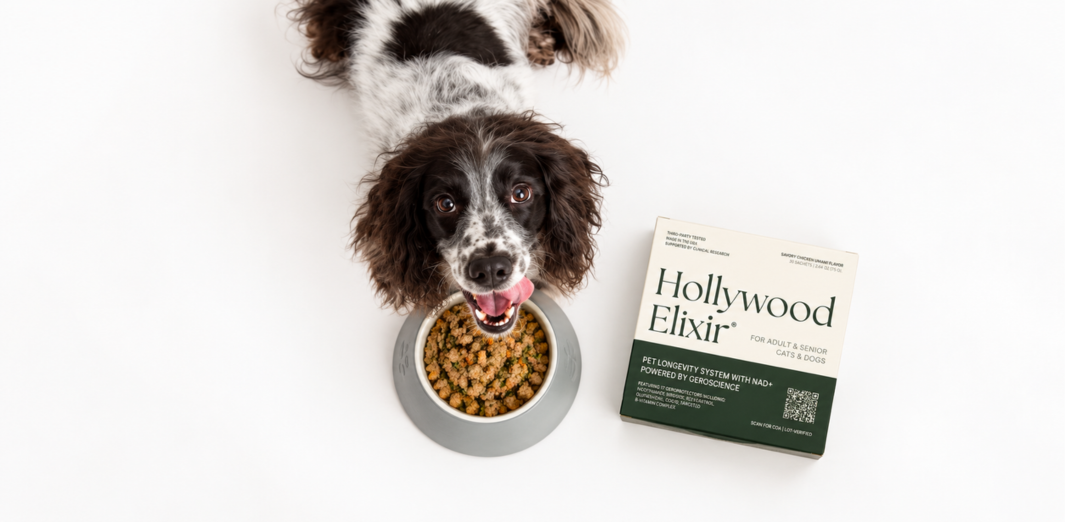
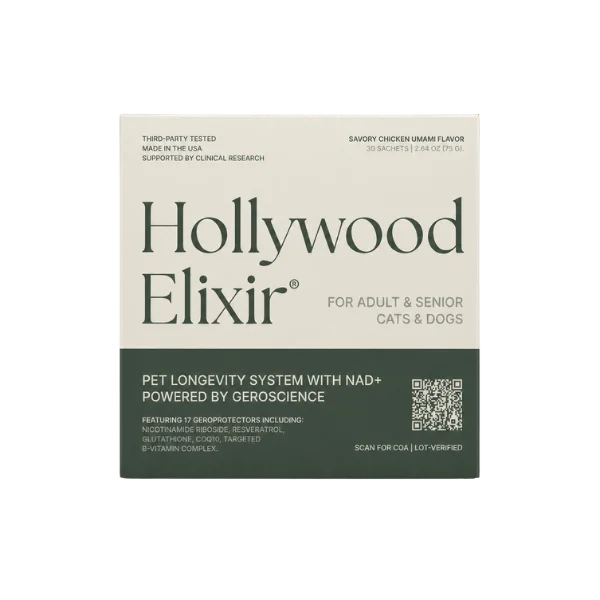
Hollywood Elixir™ is designed to support normal aging functions as part of a broader wellness plan.

Small changes are often the first sign a senior pet is crossing a new threshold—eating a little slower, drinking a little more, sleeping in a new spot, grooming less, or skipping play. The problem is that memory turns those changes into a vague feeling, and vague concerns are hard for a veterinary team to act on. A baseline log turns worry into a comparison between vet visits: what was normal for this pet, and what is different now.

This page gives a printable, low-effort pet wellness tracker approach focused on five daily dimensions—appetite, water, sleep, grooming, and play—because they reflect hydration, comfort, brain function, and routine. The goal is not perfect numbers. The goal is a more controlled picture of patterns: a three-day dip, a two-week drift, or a sudden jump that deserves a call. Owners who use a pet health tracking template often find vet communication becomes less choppy, because the story is anchored to dates, amounts, and examples instead of guesses.

Use the sections below to build a senior dog health log or senior cat monitoring checklist that fits real life: one minute a day, plus a weekly check-in. The payoff is earlier disease detection, fewer “wait and see” loops, and a clearer plan when something truly changes.

By La Petite Labs Editorial, ~15 min read

Featured Product:

  • The Senior Pet Baseline Tracker: Appetite, Water, Sleep, Grooming, Play (What to Log and Why) helps owners capture daily shift indicators so trends are clear between vet visits.
  • Baselines matter most in seniors because small drifts can signal crossing a new health threshold before obvious illness.
  • Track appetite as portion offered vs eaten, speed, and enthusiasm—treat interest can hide nausea or pain.
  • Track water with one consistent method; compare the pet to its own normal, especially in multi-pet homes.
  • Track sleep quality (wake-ups, restlessness, new locations) because pain and cognitive changes often show up there.
  • Track grooming misses and play initiation; both reflect comfort, mobility, and brain engagement.
  • Use a simple template, set trend triggers (48–72 hours), and bring patterns plus dates to the veterinarian.

Why Baselines Matter More in Senior Pets

Aging changes how much “wiggle room” the body has when something is off. Kidneys concentrate urine less efficiently, joints recover more slowly after activity, and the brain can become less flexible about routine. Because of that, the earliest clues are often behavior-level shift indicators rather than dramatic symptoms. Tracking creates a reference point, so a veterinarian can tell whether a change is a normal day-to-day wobble or a meaningful trend.

At home, the most useful baseline health data is the kind that can be repeated the same way each day. A pet wellness tracker works best when it captures “usual” in plain language: how fast meals disappear, how often the water bowl is refilled, where naps happen, and whether grooming looks complete. Those notes become a timeline that supports pet health monitoring and makes decisions feel less like guesswork.

The Five Daily Dimensions Worth Logging

Appetite, water intake, sleep, grooming, and play are tightly linked to core body functions. Appetite reflects nausea, pain, dental comfort, and smell. Water intake and urine output often shift early in kidney disease, diabetes, or hyperthyroidism. Sleep and play can change with pain, anxiety, or cognitive decline. Grooming is a window into skin comfort, arthritis, and how “together” a pet feels day to day.

These five categories also work because they are observable without special equipment. A senior dog health log can be as simple as a few checkboxes and one short note. A senior cat monitoring checklist can focus on bowl levels, litter box patterns, coat condition, and whether play is initiated or avoided. The point is to keep tracking more fluid than choppy, so it survives busy weeks.

NAD for dogs DNA double helix

Appetite: Measure More Than “Ate or Didn’t”

Appetite is not a single switch; it has parts. Interest in food, speed of eating, chewing comfort, and willingness to finish a usual portion can each change for different reasons. Nausea may show up as walking away and returning repeatedly. Dental pain may show up as dropping kibble or favoring one side. Smell loss or congestion may show up as sniffing and leaving unless food is warmed.

For a pet health tracking template, log the portion offered, portion eaten, and “enthusiasm” (for example: eager, hesitant, grazed). Note any new food rules the pet seems to invent, like only eating from a flat plate or only accepting hand-feeding. If a diet change is being considered, keep the log steady for a week first; otherwise it becomes hard to tell whether the pet changed or the routine changed.

Food Preferences and Treat Drift Can Mislead

A common misconception is that a senior pet who “still begs for treats” cannot be nauseated or painful. Many pets will accept high-value foods even when their normal meal feels hard to face. Another trap is treat drift: small extras accumulate until the main diet is no longer the main diet, and appetite looks “picky” when it is actually full or mildly unwell.

In a senior dog health log or senior cat monitoring checklist, track treats as a category, not as an afterthought. Write down what counts as “high value” that day (cheese, freeze-dried, broth) and whether it replaced a meal. If fish-based treats are used heavily, keep them consistent and moderate; fish can carry environmental contaminants that bioaccumulate up the food chain (Ahmed, 2019). The goal is a clean signal, not a perfect diet.

Water Intake: the Quiet Early Clue

Water intake often changes before a pet “looks sick.” When kidneys lose concentrating ability, the body may ask for more water to keep blood chemistry stable. Hormone conditions can also drive thirst. Even pain can increase drinking if a pet is panting more or sleeping less. Because thirst is influenced by temperature, diet moisture, and activity, the most useful insight comes from comparing the pet to its own baseline.

At home, pick one method and stick to it. Some owners measure what goes into the bowl each morning and what remains at night; others count refills. Multi-pet homes can use separate bowls for a week to establish a starting point. In a pet wellness tracker, note “more than usual,” “about usual,” or “less than usual,” plus a short detail like “refilled twice by 3 pm.”

Hollywood Elixir™ is amazing and makes my 13 y/o young again!

— Jessie

We go on runs. Lately he's been keeping up with no problem!

— Cami

“A baseline turns something feels off into a pattern with dates.”

Water Tracking in Multi-pet Homes

Shared bowls blur the story, especially when one pet is quietly drinking more. Cats may also prefer running water, and a new preference can look like increased thirst when it is really a change in behavior. Some senior pets drink more because dry mouth or dental disease makes water feel soothing. Others drink less because arthritis makes the bowl location uncomfortable.

A practical compromise is a “tracking week” every month: separate bowls, same locations, and a quick note each evening. For cats, include whether the fountain was used more than the bowl, and whether the cat visited the water area repeatedly without drinking. That pattern can matter as much as volume. This kind of pet health monitoring is designed to fit real households, not laboratory conditions.

nad plus for dogs

Sleep: Quality, Fragmentation, and New Locations

Senior pets often sleep more, but the quality of sleep matters. Pain can cause frequent repositioning and short naps. Cognitive changes can flip day-night rhythm, leading to nighttime pacing or vocalizing. Breathing issues can make a pet choose cooler floors or upright positions. Sleep is a useful “whole-body” marker because it reflects comfort, brain regulation, and how hard the body is working to stay settled.

In a pet health tracking template, log bedtime, wake-ups, and any new sleep locations. A note like “moved beds three times” is more actionable than “restless.” Also record what helped: a ramp to the couch, a warmer room, or a different bed height. Over time, the goal is to see whether sleep becomes more controlled or more choppy, and whether changes line up with appetite or play shifts.

NAD+ for dogs portrait good boy

Grooming: a Window into Comfort and Mobility

Grooming is both hygiene and self-check. Cats, especially, use grooming to regulate stress and keep the coat functional. When grooming drops, it can signal arthritis (hard to reach the back), dental pain (less face washing), obesity (reduced flexibility), or a pet that simply feels unwell. Overgrooming can point to itch, pain, or anxiety. Either direction is meaningful when compared to baseline.

Owners can track grooming by looking for missed zones: dandruff along the back, mats near the hips, or a greasy coat. For cats, note whether claws seem sharper (less scratching/maintenance) and whether litter sticks to the feet or rear. For dogs, note whether the pet avoids being brushed in a new area. These observations fit naturally into a senior cat monitoring checklist and support earlier disease detection.

Hollywood Elixir contains 16 longevity actives including NAD for dogs

Play and Activity: Motivation Matters as Much as Steps

Play is a blend of energy, comfort, and curiosity. A senior pet may still move around the house but stop initiating play because joints hurt, vision is changing, or the brain is less interested in novelty. Dogs may shorten walks or lag behind; cats may stop jumping to favorite perches. Tracking play helps separate “slowing down” from a meaningful drop in endurance or restoration pace after activity.

Log the type of play (fetch, tug, wand toy, chasing), the duration, and the “start signal” (did the pet initiate or only participate when prompted). Note any new reluctance: hesitating before stairs, avoiding slick floors, or stopping after one sprint. These details help a veterinarian think about pain control, vision, or cognitive support rather than assuming laziness.

Add Two Bonus Tracks: Weight and Elimination

The five core dimensions work best when paired with two quick “reality checks”: weight trend and elimination. Weight loss with normal appetite can suggest hormone disease or malabsorption; weight gain with lower activity can worsen arthritis and sleep. Urination and stool patterns connect directly to hydration, kidney function, gut comfort, and stress. These are secondary context markers—useful, but they should not crowd out the daily five.

At home, weigh weekly if possible, using the same scale and time of day. For cats, litter box notes can be simple: “clumps bigger,” “more trips,” “outside box,” or “straining.” For dogs, note accidents, urgency, or nighttime requests. When these notes line up with increased drinking or appetite changes, the pattern becomes easier to act on at the clinic.

“Consistency beats precision when the goal is trend detection.”

nad+ for dogs La petite labs scientist lab coat

Social Interaction and Mood as Shift Indicators

Mood and social behavior are often the first things owners feel but struggle to describe. A pet may become clingier, more withdrawn, or more irritable when touched. These changes can reflect pain, sensory decline, or cognitive changes. They can also be a response to household stress. Tracking gives these observations a shape: when it started, how often it happens, and what seems to trigger it.

Add one line to the pet wellness tracker for “social notes.” Examples include: avoided being picked up, followed room-to-room, startled awake, or hid during normal noises. Keep it descriptive rather than interpretive. Over time, this helps vet communication because it separates “personality change” from a specific pattern that can be evaluated alongside sleep, grooming, and appetite.

Shop Now
nad for dogs hollywood elixir ingredient breakdown marketing

Make the Log Sustainable: Simple Beats Perfect

The best tracker is the one that gets used. A complicated spreadsheet often collapses after a busy week, and then the baseline disappears. A sustainable format uses the same prompts daily and leaves room for one short note. Think of it as capturing “what to compare between vet visits,” not building a medical record. Consistency creates a clearer signal than precision.

Choose a format that matches the household: a printed page on the fridge, a notes app, or a shared calendar. Pick a daily time anchor, like after breakfast or before bed. If multiple people care for the pet, agree on the same words for appetite and play so the log stays more controlled. This is where a pet health tracking template earns its keep.

Shop Now
NAD+ for dogs hollywood elixir with dog product campaign shot

Owner Checklist: a One-minute Daily Scan

A quick daily scan keeps tracking from feeling like homework. The goal is to notice what changed, not to hunt for problems. This checklist works because it ties directly to the five dimensions and produces repeatable observations. When a box is checked two or three days in a row, it becomes a trend worth watching rather than a one-off.

Owner checklist (pick 3–5): finished usual portion; asked for food at usual times; water bowl refilled more/less than usual; woke at night or changed sleep location; coat looks normal with no new mats/grease; initiated play or accepted a short session; avoided stairs/jumping; had normal urine/stool routine. Add one sentence only if something is clearly different. That is enough for effective health tracking.

Shop Now

What to Track Rubric: Markers That Age Well

Some markers stay useful for years because they are stable and easy to repeat. A good rubric avoids vague labels like “fine” and instead uses concrete anchors. It also avoids mixing too many changes at once, because that makes it hard to identify what actually moved the needle. The goal is a small set of markers that reveal drift.

What to track rubric (choose 3–7): portion offered vs eaten; time to finish meal; treat count or type; number of water refills or measured volume; nighttime wake-ups; nap location changes; grooming misses (mats, dandruff, greasy areas); play minutes and whether the pet initiated; weekly weight; litter box clump size or dog nighttime potty requests. These markers create a baseline health map that stays practical.

Case Vignette: When a “Normal” Week Isn’t Normal

A 12-year-old cat seemed “a little off” but still ate treats and greeted family at the door. Over two weeks, the log showed a slow drift: the water fountain needed topping off daily instead of every other day, naps moved from the sunny perch to the bathroom floor, and grooming missed the lower back. That pattern pointed the veterinary visit toward hydration and comfort questions rather than a vague “slowing down.”

At home, the owner did not need perfect measurements—just consistent notes. The clinic could compare those shift indicators to exam findings and lab work, and the owner could later see whether the plan made sleep and grooming more controlled. This is the practical value of a senior cat monitoring checklist: it turns a hunch into a timeline.

NAD+ for dogs

When Trends Should Trigger a Vet Visit

Tracking is most powerful when it defines “when to call.” In general, sudden changes (hours to a day) deserve faster attention than slow drift, but both can matter in seniors. Repeated vomiting, refusal of food, collapse, trouble breathing, or inability to urinate are urgent regardless of the log. For the five daily dimensions, the trigger is usually a consistent change lasting 48–72 hours or a clear step-change from baseline.

Examples of trend triggers: drinking noticeably more for three days; appetite dropping to half for two days; new nighttime waking most nights; grooming decline with mats or dandruff appearing; play stopping entirely or a new reluctance to jump. The tracker does not diagnose, but it supports earlier disease detection by showing that the change is real and sustained.

Shop Now
nad supplements for dogs nad+ for dogs

Vet Visit Prep: Bring Patterns, Not Just Concerns

A log becomes most useful when it helps the veterinary team choose the right questions and tests. Instead of “she’s drinking a lot,” the clinic can hear “the bowl is refilled twice daily now, started 10 days ago, and sleep moved to cool floors.” That level of detail supports faster, more targeted care. It also helps track whether a plan is working by comparing the next two weeks to the baseline.

Vet visit prep questions/observations to bring: When did the change start, and was it sudden or gradual? What is the most consistent shift indicator (water, sleep, grooming, appetite, play)? Any diet changes, new treats, or new supplements? Any changes in litter box/urination? Any pain clues like hesitation on stairs or sensitivity to brushing? These prompts make vet communication more fluid and actionable.

Shop Now

What Not to Do When Tracking Senior Pets

Tracking can backfire when it becomes frantic or when it replaces medical care. The goal is calm consistency, not constant checking. Another common mistake is changing three things at once—new food, new bowl, new schedule—then trying to interpret the results. A final pitfall is assuming “picky” or “lazy” explains a pattern that is actually pain, nausea, or thirst.

What not to do: do not restrict water to “test” thirst; do not force exercise to “build endurance” when play reluctance is new; do not mask appetite changes with unlimited treats; do not punish litter box accidents; do not wait weeks with a clear trend hoping it resolves. If a diet is being adjusted, remember that nutrient and trace element levels can vary across commercial cat foods, so changes should be discussed with a veterinarian when health is fragile (Bilgiç, 2025).

“Track what changes action: appetite, water, sleep, grooming, and play.”

Educational content only. This material is not a substitute for veterinary advice. Always consult your veterinarian about your dog’s specific needs. These statements have not been evaluated by the Food and Drug Administration. Products mentioned are not intended to diagnose, treat, cure, or prevent any disease.

Glossary

  • Baseline health - A pet’s usual pattern when things are stable.
  • Shift indicators - Small, repeatable changes that suggest a meaningful trend.
  • Trend trigger - A predefined point (often 48–72 hours) when a pattern should prompt a vet call.
  • Portion offered vs eaten - A simple appetite measure that separates “served” from “consumed.”
  • Treat drift - Gradual increase in snacks that changes appetite signals and diet balance.
  • Sleep fragmentation - Frequent waking or repositioning that can reflect discomfort or anxiety.
  • Grooming misses - Areas of coat that become matted, greasy, or flaky due to reduced grooming.
  • Play initiation - Whether the pet starts play on its own, a sensitive marker of motivation and comfort.
  • Tracking week - A short period of more structured logging (like separate bowls) to clarify a pattern.

Related Reading

References

Ahmed. Bioaccumulation of heavy metals in some commercially important fishes from a tropical river estuary suggests higher potential health risk in children than adults.. Nature. 2019. https://www.nature.com/articles/s41598-021-00467-4

Bilgiç. Investigation of Trace and Macro Element Contents in Commercial Cat Foods.. PubMed Central. 2025. https://pmc.ncbi.nlm.nih.gov/articles/PMC11633335/

FAQ

What is a senior pet baseline tracker, really?

A senior pet baseline tracker is a simple way to record what is normal for one pet, then notice when that normal shifts. It focuses on repeatable daily observations rather than medical guesses.

The Senior Pet Baseline Tracker: Appetite, Water, Sleep, Grooming, Play (What to Log and Why) uses five categories because they reflect hydration, comfort, brain function, and routine. The tracker’s job is to make trends easier to see and easier to explain at the clinic.

Why do baselines matter more for senior pets?

Senior bodies often have less “wiggle room” when something changes, so early clues can be subtle. A small drift in thirst, sleep, or play can appear before obvious illness.

A baseline health log helps separate a one-day wobble from a real trend. That supports earlier disease detection and more targeted vet communication, because the story includes dates, examples, and what changed compared to the pet’s usual routine.

How often should tracking be updated each day?

Most households do best with once daily, at a consistent time anchor such as after breakfast or before bed. The goal is sustainability, not perfect data.

If something is actively changing, a second quick note can help (for example, a midday water refill). Otherwise, a one-minute daily entry plus a weekly review keeps the pet wellness tracker more controlled and less choppy.

What appetite details are most useful to log?

Log portion offered, portion eaten, and how the pet approached the meal (eager, hesitant, grazed). Also note time to finish and any chewing changes like dropping kibble or favoring one side.

Treats should be tracked too, because high-value snacks can hide nausea or pain. A senior dog health log or senior cat monitoring checklist becomes much more useful when it shows whether treats replaced meals or were truly “extra.”

How can water intake be tracked without measuring cups?

Counting refills is often enough. Write down how many times the bowl or fountain needed topping off, and roughly when it happened.

In multi-pet homes, a short “separate bowls” week can establish a starting point. The most important comparison is the pet to its own baseline, not a universal number, which is why a pet health tracking template is so helpful.

What sleep changes should raise concern in seniors?

New nighttime wake-ups, frequent repositioning, pacing, or a sudden change in sleep location can be meaningful. These patterns can reflect pain, anxiety, breathing discomfort, or cognitive changes.

Sleep tracking works best when it is descriptive: “woke three times and changed beds” is more actionable than “restless.” Pair sleep notes with appetite and play notes to see whether multiple categories drift together.

How do grooming notes help with early detection?

Grooming reflects comfort, mobility, and how well a pet can keep up with routine self-care. In cats, missed grooming often shows up as dandruff along the back, mats near the hips, or a greasy coat.

Overgrooming can also be a clue, especially when paired with sleep disruption. Logging which body areas look different helps a veterinarian consider arthritis, itch, or stress rather than treating it as a purely cosmetic issue.

What counts as “play” for an older cat or dog?

Play includes any voluntary, curious engagement: a short wand-toy session, a brief chase, gentle tug, or choosing a walk. For seniors, initiation matters as much as duration.

Log whether the pet started the activity or only participated when prompted. A drop in initiation can be an early comfort or brain-function clue, even if the pet still moves around the house normally.

How long should a baseline be collected before judging trends?

A useful baseline often forms within 7–14 days of consistent logging. That window captures weekday/weekend rhythm and helps smooth out one-off changes.

After that, the tracker becomes a comparison tool between vet visits. If a pet is already changing quickly, start logging immediately and contact the clinic based on symptoms rather than waiting for a “perfect” baseline.

When should tracking trigger a call to the vet?

Urgent signs (trouble breathing, collapse, repeated vomiting, inability to urinate) should trigger immediate care regardless of the log. For the daily categories, a consistent change lasting 48–72 hours is a practical trigger.

Examples include drinking noticeably more for several days, eating half portions for two days, new nightly wake-ups most nights, or stopping play entirely. The log helps the clinic triage because it shows the change is sustained, not just a bad day.

How should tracking data be shared with the veterinarian?

Bring a one-page summary: start date, the biggest shift indicator, and 3–5 example entries. A photo of the log is fine if it is readable.

Include context that changes interpretation, such as diet changes, new treats, heat waves, travel, or a new pet in the home. This turns the senior dog health log or senior cat monitoring checklist into a tool the clinic can act on quickly.

Is it okay to change food while starting a tracker?

If possible, keep diet steady for the first week of tracking so the baseline reflects the pet, not the transition. Food changes can temporarily affect appetite, stool, and water intake.

If a change is necessary, log the exact date and what changed. For cats, commercial diets can vary in mineral and trace element content, so diet decisions in fragile seniors should be discussed with a veterinarian(Bilgiç, 2025).

What not to do when a pet drinks more water?

Do not restrict water to “see what happens.” Increased thirst can be a compensation for a real body need, and limiting access can create risk.

Instead, keep access consistent and start logging refills, urination changes, and appetite. Call the clinic if the increase is sustained for a few days, or sooner if there are accidents, lethargy, vomiting, or weight loss.

Can tracking replace lab work or vet exams?

Tracking cannot diagnose disease and should not replace veterinary care. It is a decision-support tool that helps determine when a change is real and what direction to investigate.

The best use is partnership: the tracker shows patterns at home, and the clinic confirms causes with an exam and appropriate testing. Together, they make follow-up comparisons between vet visits clearer and less choppy.

How is The Senior Pet Baseline Tracker used for cats versus dogs?

The categories are the same, but the observations differ. Cats often show change through grooming, litter box patterns, and reduced jumping or play initiation. Dogs often show change through walk endurance, stair hesitation, and nighttime potty requests.

A senior cat monitoring checklist should emphasize coat condition, sleep location, and water source preference (bowl vs fountain). A senior dog health log can emphasize meal speed, walk distance, and recovery after activity.

What if multiple family members feed and care daily?

Shared care can make tracking stronger if everyone uses the same prompts. Agree on simple labels for appetite (finished, half, refused) and play (initiated, prompted, avoided).

Use one shared location for the log, like the fridge or a shared phone note. Also track treats centrally to prevent “double treating,” which can blur appetite signals and make the baseline harder to interpret.

What’s the simplest pet health tracking template format?

A single page with five daily rows (appetite, water, sleep, grooming, play) and three columns (less than usual, usual, more than usual) is often enough. Add one small notes box for anything clearly different.

This format stays usable during busy weeks and still creates a timeline. It also makes it easy to circle a trend and show it to the clinic without rewriting the whole story.

How quickly can tracking show meaningful results?

Meaningful patterns can appear within a week, especially for appetite and water. Sleep and play trends may take two weeks to interpret because they vary with routine and weather.

The biggest “result” is clarity: knowing whether a change is stable, drifting, or sudden. That clarity supports earlier calls to the clinic and better follow-up, because the next plan can be compared to a known baseline.

Are there supplements that support senior wellness alongside tracking?

Some owners choose supplements as part of a broader plan, but they should be discussed with a veterinarian—especially for seniors with kidney, liver, or heart concerns. The tracker can help show whether a change in routine coincides with a change in appetite, sleep, or play.

If considering a product, focus on safety, ingredient transparency, and whether it supports normal function rather than promising disease outcomes. For example, Hollywood Elixir™ is positioned to support normal aging functions as one part of a wellness routine.

What side effects should be watched when routines change?

Any new routine change—diet, treats, supplements, exercise, or medications—can shift appetite, stool, water intake, and sleep. Watch for vomiting, diarrhea, constipation, refusal of food, new restlessness, or sudden lethargy.

The value of tracking is that it captures timing. If a change starts within a day or two of a new routine, write that clearly and contact the clinic for guidance rather than continuing the change and hoping it settles.

How many times should the keyword appear in the FAQ?

It does not need to appear often to be useful. The goal of the FAQ is clarity: what to log, why it matters, and how to use the information.

When it is referenced, The Senior Pet Baseline Tracker: Appetite, Water, Sleep, Grooming, Play (What to Log and Why) should point owners back to the five daily dimensions and the idea of comparing patterns between vet visits, not to a complicated system.

What should be brought to the vet from the tracker?

Bring the dates the change started, the strongest shift indicator, and a few representative entries. If possible, include a short weekly summary like “water refills doubled” or “play initiation stopped.”

Also bring context: diet changes, new treats, travel, heat, new pets, or household stressors. This is where The Senior Pet Baseline Tracker: Appetite, Water, Sleep, Grooming, Play (What to Log and Why) becomes a practical handoff tool for vet communication.

5K+ Happy Pet Parents

Excellent 4.8

The Senior Pet Baseline Tracker: Appetite, Water, Sleep, Grooming, Play (What to Log and Why) | Why Thousands of Pup Parents Trust Hollywood Elixir™

"He seems more happy overall. I've also noticed he has more energy which makes our walks and playtime so much more fun."

Olga & Jordan

"He's got way more energy now! We go on runs pretty often; he use to get tired halfway through, but lately, he's been keeping up without any problem."

Cami & Clifford

"I want her to live forever. She hasn't had an ear infection since!"

Madison & Azula

"It helps with her calmness, her immune system. I really like the clean ingredients. Highly recommend La Petite Labs!"

Maple & Cassidy

"He seems more happy overall. I've also noticed he has more energy which makes our walks and playtime so much more fun."

Olga & Jordan

"He's got way more energy now! We go on runs pretty often; he use to get tired halfway through, but lately, he's been keeping up without any problem."

Cami & Clifford

"I want her to live forever. She hasn't had an ear infection since!"

Madison & Azula

"It helps with her calmness, her immune system. I really like the clean ingredients. Highly recommend La Petite Labs!"

Maple & Cassidy

"He seems more happy overall. I've also noticed he has more energy which makes our walks and playtime so much more fun."

Olga & Jordan

"He's got way more energy now! We go on runs pretty often; he use to get tired halfway through, but lately, he's been keeping up without any problem."

Cami & Clifford

"I want her to live forever. She hasn't had an ear infection since!"

Madison & Azula

"It helps with her calmness, her immune system. I really like the clean ingredients. Highly recommend La Petite Labs!"

Maple & Cassidy

"He seems more happy overall. I've also noticed he has more energy which makes our walks and playtime so much more fun."

Olga & Jordan

"He's got way more energy now! We go on runs pretty often; he use to get tired halfway through, but lately, he's been keeping up without any problem."

Cami & Clifford

"I want her to live forever. She hasn't had an ear infection since!"

Madison & Azula

"It helps with her calmness, her immune system. I really like the clean ingredients. Highly recommend La Petite Labs!"

Maple & Cassidy

SHOP NOW