
Quercetin for Dogs

Spot histamine-driven flares and use quercetin to ease the itch

By La Petite Labs Editorial 15 min read

Quercetin for Dogs: Calm Allergy Itch & Histamine

Most owners come to quercetin because their dog is uncomfortable — scratching at night, licking paws raw, shaking an itchy ear, cycling through flare-ups. Quercetin is a plant-derived flavonoid that may help calm that reaction by tempering histamine release and inflammatory signaling, which is why it is a popular gentle option during seasonal allergy seasons. It is not a cure, and it does not replace flea control, a stable diet, or a vet visit when symptoms are intense — and it is not absorbed equally in every dog, which is part of why results vary.

The more useful question than "Does it work?" is: what would "working" look like, and what else needs to be true for your dog to feel better? Quercetin fits best as one piece of a broader plan — supporting your dog's ability to stay steady across stressors, recover faster, and feel comfortable more days than not. This page covers when it helps, how to dose and combine it safely, and what results to watch for.

  • Quercetin is a plant flavonoid owners use for comfort during seasonal flare periods — itchy skin, red skin, recurrent ears.
  • It may calm reactions by tempering histamine release and inflammatory signaling; it is support, not a cure.
  • Is quercetin safe for dogs? Generally used cautiously and vet-guided — safety and ideal dosing are not fully established (Jobe MT, 2025).
  • How long to work? Think weeks of consistent use, not days; track itch, paw redness, and ear debris.
  • Absorption varies with diet and form, so the same label dose can feel different across dogs (Reinboth M, 2010).
  • Strongest results come from pairing it with basics — parasite control and skin-barrier care.
  • For owners who want more than one ingredient, a system-level formula supports the broader aging-and-resilience network.

Quercetin’s Quiet Role in Comfort, Skin Calm, and Daily Resilience

Quercetin is a plant flavonoid found in everyday foods, but in pet wellness it is discussed for a specific reason: it may help steady the body's response to seasonal triggers and low-grade inflammation. In dogs, it is described as an antioxidant with anti-inflammatory potential and has been explored for immune support in allergy-prone pets (Tanprasertsuk J, 2022).

Hold two ideas at once. It is not a magic fix — and it can be a meaningful piece of a broader plan, especially when you are supporting comfort, skin, and resilience over weeks rather than chasing one flare. The most useful approach looks past a single ingredient and asks whether your dog's whole system is supported day after day.

Woman sitting poolside with a black-and-white dog and a Hollywood Elixir box on a page about quercetin for dogs

Why Owners Reach for Plant Compounds When Seasons Turn Unpredictable

Most interest in quercetin for dogs starts with allergies: itchy paws, recurrent ear irritation, watery eyes, or a dog who seems uncomfortable every time the environment changes. Quercetin is often described as a natural option because it’s found in plants, and it has been studied for antioxidant and anti-inflammatory properties that may be relevant to these patterns.

But allergy season is only one lens. Many owners also look at quercetin as part of an aging-support strategy, where the goal is not to “fix” a diagnosis but to support the body’s ability to recover, stay comfortable, and remain steady across small stressors—weather, travel, new foods, or routine disruptions.

Man running on grass beside a golden retriever during discussion of Benefits People Hope for, and What’s Reasonable to Expect

Benefits People Hope for, and What’s Reasonable to Expect

When people talk about quercetin for dogs benefits, they usually mean three themes: antioxidant support, inflammatory balance, and immune steadiness. In dogs, quercetin is described as a flavonoid with potential antioxidant and anti-inflammatory effects, and it has been explored for supporting immune function and allergy symptoms.

It’s important to keep expectations realistic. Supplements can support normal physiology, but they don’t replace diagnosis, parasite control, or targeted therapies when those are needed. Think of quercetin as a supportive ingredient that may help some dogs feel more comfortable when used consistently and thoughtfully.

Person running beside a black-and-white dog in the section about Absorption Matters More Than Most Labels Admit

Absorption Matters More Than Most Labels Admit

Absorption is the quiet detail that often determines whether a supplement feels “worth it.” Quercetin’s bioavailability in dogs can be influenced by food composition and other factors, which means two dogs can have very different experiences with the same product.

This is one reason owners go looking for the best quercetin supplement for dogs rather than the cheapest. Formulation, consistency, and how the product fits into a daily routine can matter as much as the ingredient itself. If you’re trying to support comfort over a long season, predictability becomes part of the benefit.

Dog jumping to catch a green flying disc alongside guidance on Forms of Quercetin and Why They Don’t All Behave the Same

Forms of Quercetin and Why They Don’t All Behave the Same

Different forms of quercetin exist, including glycosides, and they may not behave identically in dogs. Research in canine subjects suggests quercetin glycosides can have varying oral bioavailability, which can affect absorption and overall exposure (Reinboth M, 2010).

For owners, the practical takeaway is simple: the label form matters, and so does the manufacturer’s clarity. If a product doesn’t specify what form it uses, or if the ingredient list is vague, it’s harder to predict how it will perform. Transparency is a quality signal, not a luxury.

“The best supplement routines feel boring: consistent, tolerable, and easy to keep.”

Dosing Conversations: Personalization over Internet Numbers

Quercetin dosage for dogs is one of the most-searched questions and one of the easiest to get wrong. Recommendations vary, and veterinary guidance is the safe route because ideal dosing and safety have not been well established in dogs (Jobe MT, 2025).

Instead of chasing a universal number, use a decision framework: your dog's size, age, medical history, current medications, and the specific goal — seasonal itching versus general resilience. Your veterinarian can set a conservative starting point and a plan to monitor tolerance, which beats copying a dose off the internet.

Runner's shoes and dog paws beside a Hollywood Elixir box within an explanation of Side Effects and Tolerance: a Calm, Watchful Approach

Side Effects and Tolerance: a Calm, Watchful Approach

Side effects are not guaranteed, but they’re possible—especially when multiple supplements overlap. The safety of quercetin in dogs has not been extensively studied, and potential adverse effects should be considered as part of any plan (Jobe MT, 2025).

If you notice digestive upset, changes in appetite, unusual lethargy, or anything that feels “off,” pause and check in with your veterinarian. A good supplement strategy is calm and reversible: introduce one change at a time, keep notes, and prioritize your dog’s comfort over sticking to a schedule.

Woman running outdoors with two dogs on a page section about Allergy Season Support Works Best with Strong Basics in Place

Allergy Season Support Works Best with Strong Basics in Place

A quercetin supplement for dogs is often used as part of an allergy-season routine, but it shouldn’t replace the basics. Flea control, bathing strategies, ear hygiene, and environmental cleanup often do more than any single capsule. Quercetin may offer antioxidant and anti-inflammatory support, which can complement these fundamentals rather than compete with them.

If your dog’s itching is severe, sudden, or paired with hair loss, odor, or skin sores, that’s a sign to seek veterinary care. Supplements are best used when the underlying problem is understood and the plan is built around it.

Two women running outdoors with their dogs during a closer look at Aging, Resilience, and the Broader Context Beyond Itchy Skin

Aging, Resilience, and the Broader Context Beyond Itchy Skin

Owners sometimes ask whether quercetin is “just for allergies.” The answer is broader. Quercetin has been evaluated in dogs in the context of diet and metabolic balance, using metabolomics to assess changes associated with supplementation under specific conditions (Liu XW, 2025).

That doesn’t mean it’s a cure for anything. It means quercetin may be relevant to whole-body resilience, which is why it’s often discussed alongside longevity-minded routines: steady movement, weight maintenance, dental care, and a supplement strategy that supports the body’s long game.

When to Avoid It, Pause It, or Ask Your Veterinarian First

Not every dog is a good candidate for a quercetin supplement for dogs. If your dog is pregnant, nursing, scheduled for surgery, or managing a complex medical condition, your veterinarian should weigh in before you add anything new. Safety data in dogs is not extensive, and side effects are possible, which is why a cautious, individualized plan matters (Jobe MT, 2025).

The same caution applies if your dog is already taking prescription medications or multiple supplements. Interactions are not always obvious, and “natural” does not automatically mean neutral. If you’re building a stack for allergies, joints, or aging, it’s worth choosing fewer, better-supported additions—and making sure the foundation (diet, weight, skin barrier care) is doing most of the work.

“If symptoms are severe or sudden, supplements should follow diagnosis—not replace it.”

Black dog resting its chin in a person's hand beside a senior-dog clinical vignette

DVM Voice: Clinical Vignette of a Common Pattern in Senior Dog Aging

Case provided by JoAnna Pendergrass, DVM

Rex, a 7-year-old Labrador Retriever, was brought in after his owner noticed he was slower to rise, hesitant on stairs, and less able to play as before. Examination showed stiffness and reduced hip mobility; radiographs confirmed degenerative joint changes.

His care required weight management, veterinary-guided pain control, nutritional support, and rehabilitation — a comprehensive plan, but one started only after visible decline appeared.

Clinical takeaway: Rex’s case reflects the value of proactive aging support: maintaining lean body condition, monitoring mobility early, and supporting cellular resilience, antioxidant defense, and healthy inflammatory balance before decline becomes obvious.

Single-case vignette. Not generalizable. Veterinary oversight is essential for pain, stiffness, or suspected joint disease.

Explore Hollywood Elixir Research →
Woman walking with a brown-and-white dog on grass while the page explores “How Long Quercetin Takes to Work in Dogs”

How Long Quercetin Takes to Work in Dogs

Owners often ask how quickly quercetin for dogs benefits might show up. With supplements that aim to support inflammatory balance, the timeline is usually measured in weeks, not days. Some dogs seem more comfortable during peak seasons after consistent use, while others show subtle changes—less licking, calmer skin, or fewer flare days—rather than a dramatic shift.

A practical way to evaluate is to pick two or three observable markers (scratching frequency, paw redness, ear debris, stool consistency) and track them. If nothing changes after a reasonable trial, it may be the wrong tool—or the right tool without the right context, such as environmental control or a diet adjustment.

Man playing with a tan dog beside the water in the context of Smart Pairings Without Overloading Your Dog’s Daily Supplement Routine

Smart Pairings Without Overloading Your Dog’s Daily Supplement Routine

Quercetin is often paired with other ingredients that support seasonal comfort, because they address different parts of one story: oxidative stress, immune signaling, and skin-barrier integrity. The most common pairing owners ask about is quercetin with bromelain — an enzyme from pineapple thought to aid quercetin absorption and add its own anti-inflammatory effect, which is why the two are frequently combined in canine formulas. In dogs, quercetin's absorption varies with food composition and other factors, so the surrounding formula and routine can matter as much as the label dose (Tanprasertsuk J, 2022).

Still, "more" is not automatically "better." If you are combining products, get clear on what each ingredient is there to do and how you will know it is helping. A veterinarian can help you avoid redundancy and keep the plan gentle enough for long-term use.

Two dogs looking at a La Petite Labs delivery box on grass

Quality Signals That Matter When Choosing a Quercetin Product

If you’re searching for the best quercetin for dogs, quality signals matter. Look for clear labeling (form, amount per serving, other active ingredients), third-party testing when available, and a company that can answer basic questions about sourcing and manufacturing. Because different forms of quercetin can behave differently in the body, the “type” on the label isn’t trivia—it can influence how the supplement performs (Reinboth M, 2010).

Also consider practicality. A supplement that your dog refuses is not a supplement you’re actually using. Palatability, simplicity, and a routine you can keep during busy weeks are part of what makes a product “best” in real life.

Powders, Chews, and Capsules: Picking the Format You’ll Actually Use

Quercetin powder for dogs is popular because it’s easy to mix into food and can be adjusted under veterinary guidance. The downside is that powders can be messy, less consistent if not measured carefully, and sometimes bitter. If your dog is picky, a flavored chew or a blended formula may be easier to maintain.

If you do use a powder, mix it into a small portion of food first to ensure it’s fully eaten, then offer the rest of the meal. Consistency matters more than perfection; the goal is a calm, repeatable routine that supports your dog’s comfort without turning meals into a negotiation.

Beyond One Ingredient: Supporting the Whole System Behind Comfort

It’s easy to treat quercetin as a single-ingredient solution, but most dogs do better when the plan supports the whole terrain: skin barrier, gut tolerance, weight, and daily stress. Research in dogs has explored quercetin’s relationship to broader metabolic balance under specific dietary conditions, suggesting it may have system-level effects rather than a narrow, one-symptom role (Liu XW, 2025).

This is also why a “stack” can be sensible when it’s designed thoughtfully. Instead of chasing one compound at a time, many owners prefer a formula that supports multiple aging-related pressuresoxidative load, cellular wear, and day-to-day resilience—without requiring a cabinet full of separate products.

Woman running on a beach with two dogs

Comparing Quercetin Supplements with an Eye for Consistency and Fit

When owners compare quercetin supplements for dogs, they often focus on the headline number on the front label. A better comparison includes the form of quercetin, the presence of complementary ingredients, and whether the product is designed for steady daily use. Different quercetin forms can lead to different pharmacokinetic profiles in dogs, which can affect how predictable the experience feels (Reinboth M, 2010).

If your goal is seasonal comfort, you may prioritize simplicity and tolerability. If your goal is graceful aging, you may prioritize broader support that still plays well with other fundamentals like joint care, dental hygiene, and a stable routine.

Woman hugging a gray dog outdoors

How Vets Think About It: Goals, Tradeoffs, and Clear Monitoring

A veterinarian’s role here isn’t just to “approve” a supplement. It’s to help you decide what problem you’re actually solving. Is it seasonal itching, recurrent ear inflammation, or a dog whose skin seems to overreact to everything? Quercetin has been discussed for immune support and allergy-related comfort in dogs, but it’s best used as part of a wider plan rather than a stand-alone fix (Tanprasertsuk J, 2022).

Bring specifics to the appointment: photos of flare-ups, a list of foods and treats, and any supplements already in rotation. The more concrete the picture, the easier it is to choose an approach that is both cautious and effective.

Why System-level Support Still Matters When You Like Quercetin

If you are a science-minded owner, the fair question is: if quercetin is just one compound, why choose a broader product? Because most real goals — comfort through allergy season, steadier energy in later years, fewer "off" days — rarely hinge on a single nutrient. They hinge on your dog's capacity to handle everyday stressors over time.

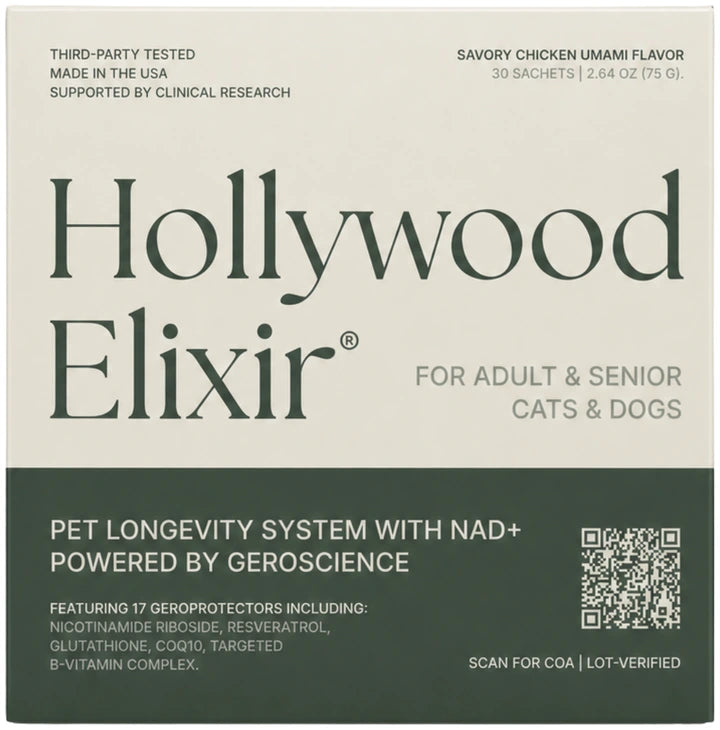
That is the gap Hollywood Elixir is built to fill: it includes quercetin at a disclosed 25 mg per sachet within a daily routine that also supports antioxidant defenses and cellular maintenance — quercetin alongside beta glucans, reishi, and a full antioxidant complex, rather than one ingredient in isolation. It is a food-mixed powder with readable actives you can explain to your vet. Quercetin can be a useful tool; it works best when the rest of the system is supported too.

“Quality is not just purity; it’s clarity about form, fit, and consistency.”

Educational content only. This material is not a substitute for veterinary advice. Always consult your veterinarian about your dog’s specific needs. These statements have not been evaluated by the Food and Drug Administration. Products mentioned are not intended to diagnose, treat, cure, or prevent any disease.

Glossary

  • Flavonoid: A class of plant compounds often discussed for antioxidant activity; quercetin is one example.
  • Antioxidant Support: A general term for helping the body manage oxidative stress from normal metabolism and environmental factors.
  • Inflammatory Balance: Supporting normal inflammatory signaling so the body can respond without staying “stuck” in irritation.
  • Bioavailability: How much of a compound is absorbed and becomes available for the body to use after oral intake.
  • Quercetin Glycosides: Forms of quercetin bound to sugars; different forms may absorb differently in dogs.
  • Pharmacokinetics: How the body absorbs, distributes, and clears a compound over time.
  • Seasonal Pruritus: Itching that tends to flare during certain times of year, often linked to environmental triggers.
  • Skin Barrier: The outer protective layer of skin that helps retain moisture and reduce reactivity to irritants.
  • Supplement Stack: Using multiple supplements at once; can increase complexity and make it harder to identify what helps.

Related Reading

References

Mansilla WD. Adult dogs of different breed sizes have similar threonine requirements as determined by the indicator amino acid oxidation technique. PubMed Central. 2020. https://pmc.ncbi.nlm.nih.gov/articles/PMC7085255/

Tanprasertsuk J. Roles of plant-based ingredients and phytonutrients in canine nutrition and health. PubMed Central. 2022. https://pmc.ncbi.nlm.nih.gov/articles/PMC9291198/

Reinboth M. Oral bioavailability of quercetin from different quercetin glycosides in dogs. PubMed. 2010. https://pubmed.ncbi.nlm.nih.gov/20230651/

Liu XW. Exploring the effects of quercetin-added pancreatic diet on metabolic homeostasis in dogs via metabolomics. PubMed. 2025. https://pubmed.ncbi.nlm.nih.gov/39946409/

Jobe MT. Systematic Review and Meta-Analysis of Quality Claims Associated with Fresh Pet Food: Evaluating Scientific Evidence for Additives, Ingredient Quality, and Effects of Processing in Pet Nutrition. PubMed Central. 2025. https://pmc.ncbi.nlm.nih.gov/articles/PMC12784728/

Bilgiç B. Investigation of Trace and Macro Element Contents in Commercial Cat Foods. PubMed Central. 2025. https://pmc.ncbi.nlm.nih.gov/articles/PMC11633335/

FAQ

What is quercetin, and why do dog owners use it?

Quercetin is a plant flavonoid found in many fruits and vegetables. In dogs, it's commonly discussed for antioxidant and anti-inflammatory support, especially when seasonal triggers make skin and ears feel reactive.

It's best viewed as a supportive ingredient, not a stand-alone solution, and it works best alongside strong fundamentals like parasite control and diet consistency.

What are the most talked-about quercetin for dogs benefits?

Owners usually look to quercetin for antioxidant support, inflammatory balance, and steadier immune responses during allergy seasons. In dogs, quercetin is described as having antioxidant and anti-inflammatory potential and has been explored for immune support related to allergy symptoms.

Results can be subtle and gradual, so tracking a few markers (scratching, paw licking, ear debris) helps.

How does quercetin support dogs during seasonal allergy periods?

During high-trigger months, some dogs benefit from added antioxidant and anti-inflammatory support. Quercetin has been studied in dogs for potential immune support and reduction of allergy-related discomfort, though responses vary by individual.

It tends to work best when paired with basics like bathing routines, ear care, and environmental cleanup.

Is quercetin for dogs safe for long-term daily use?

Safety is a reasonable question because quercetin's safety in dogs has not been extensively studied, and potential side effects should be considered. Many owners use it seasonally or in cycles, but the right approach depends on your dog's history and other products in the mix.

If you're aiming for daily use, prioritize tolerability, simplicity, and veterinary oversight.

What side effects might a quercetin supplement for dogs cause?

Possible side effects can include digestive upset or changes in appetite, and caution is warranted because canine safety data is limited. If your dog seems unusually tired, vomits, or develops diarrhea after starting a new supplement, pause and contact your veterinarian.

Introduce only one new product at a time so you can interpret what you're seeing.

What should I look for in the best quercetin for dogs?

Look for transparent labeling (the form of quercetin, amount per serving, and full ingredient list), plus manufacturing quality signals like third-party testing when available. Different quercetin forms can produce different pharmacokinetic profiles in dogs, so clarity matters.

Also consider palatability and how easily you can keep the routine. If you prefer a system-level approach rather than single-ingredient shopping, Hollywood Elixir™ supports broader resilience goals in one daily step.

Does dog size or breed change how quercetin is used?

Size, breed tendencies, and individual sensitivity can all influence how a dog responds to supplements. Because quercetin dosing recommendations vary and should be guided by veterinary advice, your vet is the right person to tailor a plan to your dog's body and history.

If your dog is prone to skin issues, ear problems, or digestive sensitivity, introduce changes slowly and track outcomes.

What’s the difference between quercetin and other allergy supplements?

Quercetin is typically chosen for antioxidant and anti-inflammatory support, while other allergy-oriented supplements may focus on skin lipids, gut tolerance, or targeted botanicals. In dogs, quercetin is discussed for immune support and allergy-related comfort, but it's rarely the only piece that matters.

A good plan matches the tool to the pattern: skin barrier issues, recurrent ear trouble, or seasonal flare cycles.

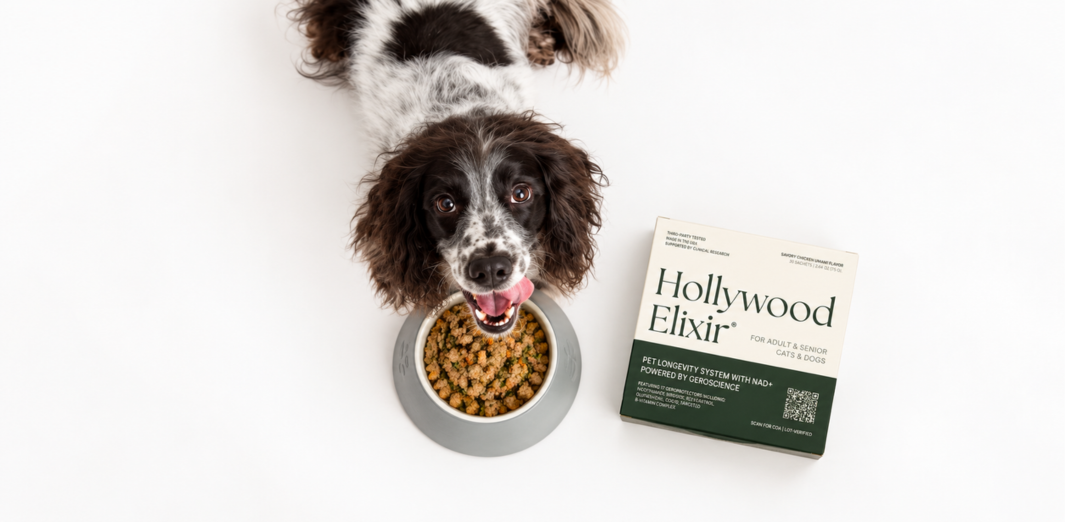
Hollywood Elixir box behind a spotted dog in the canine longevity-system framework section

Discover LPL-01: How This Fits Into a Larger Canine Longevity System

Aging in dogs is not driven by a single pathway. It’s the result of interacting biological systems—energy metabolism, oxidative stress, immune signaling, and structural integrity—changing over time.

This article explores one piece of that puzzle. If you want to understand how these pieces connect—and what actually moves the needle—you need to zoom out.

Start with the underlying science: