
Corgis, Explained: Obesity Pressure, Joint Load, and Seasonal Coat Blowouts

Identify Weight Drivers, Reduce Joint Strain, and Manage Seasonal Coat Blowouts Safely

Essential Summary

Why Is Corgi Weight, Joints, And Coat Seasonality Important?

Because corgis carry a long back on short legs, even small weight gain can concentrate joint and spine load while seasonal coat blowouts add grooming and skin stress. The most helpful approach is measured weight control, low-impact movement, and consistent undercoat removal—tracked week over week.

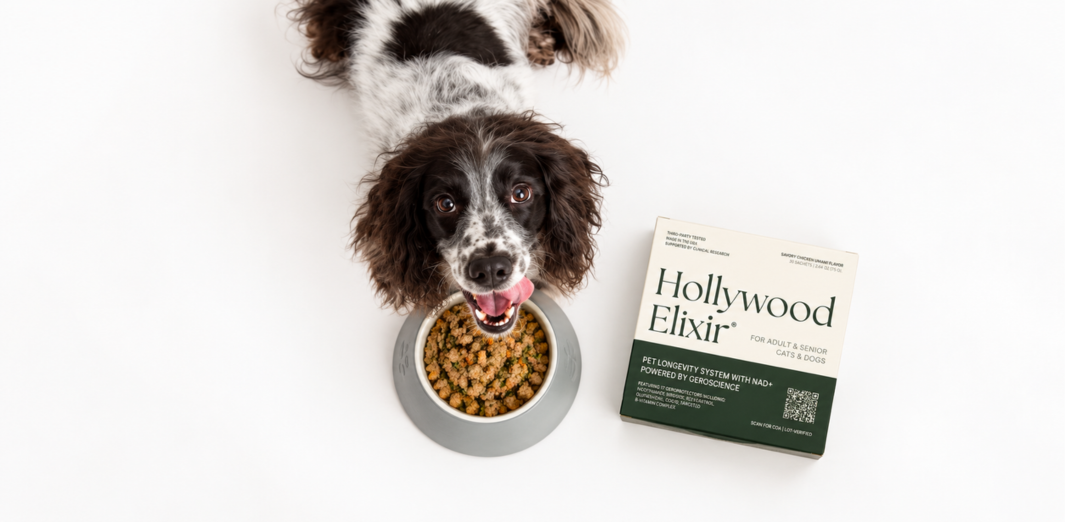
Hollywood Elixir™ supports normal joint and whole-body wellness as part of a veterinarian-guided plan.

When a corgi gains even a little weight, the body often shows it through movement and grooming before it shows on the scale. The short legs and long back concentrate everyday forces, so extra pounds can turn normal stairs, couch jumps, and tight turns into higher-pressure moments. At the same time, the double coat can “blow” seasonally in dramatic clumps, and trapped undercoat can make skin feel itchy or musty even when the dog is otherwise healthy.

This page ties those realities together in a way that helps owners make decisions: how to spot early load changes, how to set up the home to reduce IVDD risk, and how to manage corgi shedding without irritating the skin. The goal is not perfection; it is a more measured routine that is easy to repeat and easy to track week over week. That approach also makes veterinary visits more productive, because “he seems off” becomes a clear timeline, a treat count, and a short walking video.

For owners researching corgi health problems, the most useful mindset is connection: weight affects joint load, joint comfort affects activity, and activity affects coat and skin care. With a few household changes—measured portions, controlled low-impact movement, and consistent undercoat removal—many corgis keep their joyful, busy personality while staying safer in their bodies.

By La Petite Labs Editorial, ~15 min read

Featured Product:

  • Corgis, Explained: Obesity Pressure, Joint Load, and Seasonal Coat Blowouts connects weight gain, mobility strain, IVDD risk, and double-coat shedding into one practical home plan.
  • A corgi’s long back and short legs leave less leeway for extra pounds, so small gains can change movement choices quickly.
  • Obesity can measurably alter canine gait and loading patterns, which helps explain early “hesitation” before clear limping (Patoz, 2023).
  • IVDD risk means jump control, slip prevention, and fast response to back pain signs are essential household habits.
  • Seasonal coat blowouts are normal double-coat cycling, but trapped undercoat can worsen odor, flaking, and itch-like behavior.
  • Track weight, treat count, walk minutes, next-day stiffness, and shedding start weeks to spot response patterns early.
  • Use linked resources for deeper dives: corgi-hair-shedding, corgi-itchy-skin, pembroke-welsh-corgi-obesity-support, weight-management-for-dogs, and inflammation-resolution-in-dogs.

The Corgi Body Plan and Everyday Force Pathways

Corgis are built low to the ground with a long spine and short legs, and that geometry changes how everyday forces travel through the body. Each step sends impact up through compact joints, while the long back has to manage bending and twisting during turns, stairs, and jumping. This body plan is part of why corgi health problems often cluster around mobility and back comfort rather than just “getting older.” When weight creeps up, the same structure has less leeway to absorb it.

At home, this can look like a dog that still acts cheerful but starts choosing the easier route: pausing before stairs, hopping both back feet together, or taking wider turns on slick floors. A helpful routine is to watch the first five minutes of movement after rest—getting up from a nap, walking to the door, and turning in the hallway. Those small moments often show the earliest “load management” changes before obvious limping appears.

Mitochondria detail showing cellular defense mechanisms supported by corgi health problems.

Why Weight Creeps up on a Small, Efficient Frame

Many corgis gain weight easily because a small, efficient body can maintain itself on fewer calories than owners expect, especially after neutering or with indoor lifestyles. A few extra pounds are not “just cosmetic” on a short-legged frame; they change how the dog moves and how joints are loaded during walking and trotting (Brady, 2013). This is why corgi weight management is not about vanity—it is about keeping movement more measured and less turbulent over months and years.

Portion drift is the usual culprit: a slightly heaped scoop, training treats that are not counted, and shared snacks that feel small. A practical reset is to measure food for two weeks with a real measuring cup, then write down every “extra” that goes into the mouth. If the dog is constantly “hungry,” that is often a schedule and fiber issue, not a willpower issue.

DNA close-up symbolizing resilience at the cellular level via pembroke welsh corgi health.

How Extra Pounds Amplify Joint Stress

Extra weight changes gait mechanics in dogs in ways that can be measured, including altered loading patterns during walking (Patoz, 2023). For a corgi, that matters because the limbs are short and the joints are close to the ground, so small changes in stride can translate into bigger changes in joint stress. Over time, that can contribute to a cycle: discomfort leads to less activity, less activity makes weight gain easier, and the load becomes more concentrated.

Owners often notice “soft signs” first: nails scuffing more, a louder footfall on hard floors, or a dog that sits down sooner during a walk. Video from the side—10 seconds of walking away and back—can be surprisingly useful. It gives a baseline to compare week over week, especially when the dog is having a good day and problems are easy to dismiss.

Molecular structure graphic reflecting research-driven design behind corgi health problems.

IVDD Risk and the Long-back Connection

Intervertebral disc disease (IVDD) is a serious concern for long-backed, short-legged breeds, and corgis are often discussed in that context. Chondrodystrophy—an inherited body style that creates shorter limbs—can also be associated with earlier disc changes, which is why back safety is not optional. Excess body weight adds pressure to the spine during jumping, twisting, and quick stops, narrowing the dog’s clearance for everyday mistakes.

At home, the safest default is “four feet on the floor” living: block furniture jumping, use ramps for beds and couches, and carry the dog up steep stairs when possible. Watch for red flags that should trigger a same-day veterinary call: yelping when picked up, a hunched back, dragging toes, or suddenly refusing to walk. Those are not “stubborn days” in a corgi.

Dog portrait symbolizing calm and wellness supported by pembroke welsh corgi health.

The Weight–inflammation–mobility Cascade
Weight is not only a mechanical issue; it is also tied to inflammation signals that can make joints feel more reactive. In obese dogs, structured weight loss plans can shift body composition and activity patterns, showing that the body can move toward a more orderly state when the plan is consistent (Oba, 2023). This helps explain why mobility sometimes improves before a dog looks dramatically slimmer. For pembroke welsh corgi health, that “feel better first” pattern can be a useful motivator to stay the course.

A helpful home approach is to pick one change, keep it for 14 days, and then reassess: slightly smaller meals, fewer calorie-dense treats, or a longer sniff walk. Sniffing is not “wasted time”—it can keep a dog moving at a comfortable pace without frantic sprinting. The goal is not exhaustion; it is repeatable movement that the dog can recover from by the next day.

Hollywood Elixir™ is amazing and makes my 13 y/o young again!

— Jessie

We go on runs. Lately he's been keeping up with no problem!

— Cami

“Small weight changes can matter more on a short-legged frame.”

Seasonal Coat Blowouts in a True Double Coat

Corgi shedding can feel sudden and dramatic because the breed carries a true double coat: a soft insulating undercoat plus a longer topcoat. Seasonal “coat blowouts” are driven by day length and temperature shifts, and the undercoat releases in clumps when follicles switch phases. When a corgi is overweight or less active, owners may notice more matting and slower drying after baths, which can make shedding look worse even if the biology is normal.

In the house, coat blowouts often show up as tumbleweeds along baseboards, hair that sticks to blankets after one nap, and a gritty feel when petting “against the grain.” A simple routine is to brush in short sessions—5 to 8 minutes—more often during peak shed weeks. Long brushing marathons can irritate skin and make a dog dread grooming, which then reduces consistency.

Elegant dog portrait reflecting alertness and natural vitality supported by corgi shedding.

Undercoat Management That Protects Skin Comfort

Undercoat management is really skin management. When loose undercoat stays trapped, it holds moisture and dander close to the skin, which can make odor, flaking, and itchiness more noticeable. That does not automatically mean allergy disease, but it does mean the skin barrier is working harder. Many corgi health problems that owners label as “shedding” are actually grooming bottlenecks: compact bodies, thick coat, and busy households that miss the narrow seasonal window.

A practical setup is a non-slip mat, a slicker brush for surface hair, and an undercoat rake used gently in the direction of hair growth. Check the “hot spots” where coat packs down: behind ears, armpits, and the pants area. If the skin looks pink, smells yeasty, or the dog is licking paws more, it may be time to review corgi-itchy-skin and talk with the veterinarian about skin infection versus seasonal shedding.

Dog profile photo emphasizing steady vitality supported by corgi health problems.

Exercise That Respects Short Legs and a Long Spine

Exercise for corgis is a balancing act: they are athletic and eager, but their structure rewards controlled movement over repetitive impact. Short bursts of sprinting, hard frisbee stops, and frequent jumping can load the back and joints in a way that feels fine in the moment and then shows up as soreness later. For dogs carrying extra weight, gait changes can be measurable, which supports choosing lower-impact activity while weight is addressed (Brady, 2013).

At home, aim for “more measured” movement: leash walks with sniff breaks, gentle hill walking, and controlled tug with rules that prevent twisting. On slick floors, add runners so the dog can push off without splaying. If the dog is panting hard after a short walk or is stiff the next morning, that is feedback to shorten sessions and increase frequency rather than pushing through.

Ingredient explainer image showing clean formulation principles for pembroke welsh corgi health.

Breed-specific Monitoring Priorities That Actually Help

A Real-world Pattern Owners Recognize Quickly

CASE VIGNETTE: A 6-year-old Pembroke starts “bunny hopping” up the last two porch steps and sheds in heavy clumps every spring. The family assumes it is normal aging and a normal coat blow, but they also notice the dog avoids tight turns during fetch and asks to be carried after longer walks. A weigh-in shows a small gain that looks minor on a fluffy frame, yet it changes joint load and recovery patterns in a short-legged dog.

In real homes, this is where corgi weight management becomes concrete: food is measured, treats are swapped for lower-calorie options, and exercise becomes more controlled. Grooming is also adjusted—short, frequent brushing during the blowout window—so skin stays drier and less irritated. Within a month, owners often report the dog seems more willing before the scale shows dramatic change, which helps keep the plan consistent.

“A coat blowout is normal; trapped undercoat is the troublemaker.”

Branded lab coat reflecting precision and trust supporting corgi shedding.

At-home Checklist for Weight, Movement, and Coat

OWNER CHECKLIST: A few at-home checks can clarify whether a corgi’s “normal quirks” are becoming a pattern. Look for: ribs that are hard to feel under a thick coat, a waist that disappears when viewed from above, and a belly line that hangs rather than tucks. Watch movement for: hesitation before stairs, bunny hopping, toe scuffing, or sitting down quickly on walks. During coat blowouts, note: dandruff, musty odor, or skin redness under packed undercoat.

These checks work best when repeated the same way each week. Use the same lighting for photos, the same short hallway for a walking video, and the same day for a weigh-in if a home scale is available. If several items on the checklist are “yes,” it is reasonable to plan a veterinary visit rather than waiting for a clear limp or a painful back episode.

Shop Now
Supplement with whole-food visuals emphasizing quality sourcing for pembroke welsh corgi health.

What to Track Week over Week

WHAT TO TRACK: Corgis do best when owners track a few simple markers week over week instead of relying on memory. Useful markers include: body weight (or monthly clinic weigh-ins), a 1–9 body condition score estimate, daily treat count, minutes walked, and “next-day stiffness” after activity. For coat cycles, track the start week of heavy shedding, brushing frequency, and whether the skin looks dry or greasy.

Tracking is also a better handoff to the veterinarian than a general description like “he seems off.” Bring two short videos: a straight walk and a sit-to-stand. If the dog is on a treadmill at daycare or rehab, note that gait can differ between treadmill and overground walking, so home videos still matter for context (Drüen, 2010). The goal is a clearer picture of response patterns over time.

Shop Now
Lifestyle image showing supplement use in real homes supported by corgi shedding.

The Misconception That Hides Early Weight Gain

UNIQUE MISCONCEPTION: “It’s just fur—corgis are supposed to look round.” A thick double coat can hide fat gain, and a round silhouette is often coat plus weight, not breed standard. Another common misunderstanding is that seasonal shedding means the skin is automatically healthy; in reality, packed undercoat can trap moisture and make the skin more reactive. Correcting these misconceptions matters because early weight gain is easier to reverse than long-term joint strain.

A simple reality check is the “wet coat reveal”: after a bath and full dry, reassess the waist and rib feel. If ribs cannot be felt without pressing, the dog is likely carrying extra. For owners exploring corgi health problems online, this is a good moment to compare notes with the pembroke-welsh-corgi-obesity-support page and decide on one manageable change rather than trying five new strategies at once.

Shop Now

How to Prepare for a Focused Vet Visit

VET VISIT PREP: A focused appointment goes better when the veterinarian gets specifics instead of a long list of worries. Bring: the dog’s current food brand and exact daily amount, treat types and counts, and any supplements. Ask targeted questions: “Is this body condition score too high for his frame?”, “Do you see early arthritis changes or back pain on exam?”, and “What activity is safest while weight is coming down?” If shedding is a concern, ask whether the skin shows infection, allergy patterns, or simple grooming overload.

Also note any “episode details” that matter for IVDD risk: sudden yelps, reluctance to jump, or wobbliness. If possible, bring a timeline: when weight started creeping up, when coat blowouts became harder to manage, and when mobility choices changed. That timeline helps the clinic separate primary drivers (weight and load) from secondary issues (skin irritation from trapped undercoat).

Common Mistakes That Make Problems More Turbulent

WHAT NOT TO DO: Common well-meant mistakes can backfire in corgis because the body plan is unforgiving. Avoid “weekend warrior” exercise—one huge hike after five quiet days—because soreness can reduce activity for the rest of the week. Avoid crash dieting or skipping meals; it often leads to begging, treat overcompensation, and a less orderly routine. Avoid shaving the double coat to “fix shedding,” which can disrupt coat regrowth and does not address undercoat release.

Also avoid letting a dog with back sensitivity jump on and off furniture “because he loves it.” Love and safety can coexist with ramps, gates, and training. If a corgi is itchy during coat blowouts, avoid frequent harsh shampoos; over-washing can dry skin and increase flaking. When in doubt, choose the gentler, repeatable option and reassess response patterns.

Visual comparison highlighting no fillers advantage aligned with corgi weight management.

Diet Consistency, Labels, and Practical Safety

Food choices matter for weight plans, but labels can be confusing. Studies of commercial diets show there can be meaningful variability in nutrient composition across products, which is one reason veterinarians may recommend specific weight-loss or life-stage formulas rather than guessing (German, 2025). For corgis, the practical goal is a diet that supports satiety and lean mass while calories are controlled. That is a corgi weight management issue first, and a supplement issue second.

At home, pick one primary diet and run it consistently for several weeks before judging results. Measure portions, limit “free pours,” and use part of the meal as training rewards. If changing foods, transition slowly to avoid stomach upset that can derail the plan. Owners who worry about diet safety can also keep an eye on recall notices; chemical contaminants have been a documented reason for some pet food recalls (Rumbeiha, 2011).

Shop Now
Product reveal shot showing premium feel consistent with pembroke welsh corgi health.

Connecting the Dots Across Your Corgi Care Plan

Many corgi owners end up juggling multiple goals at once: weight, mobility, and coat management. It helps to treat them as connected rather than separate projects. When weight comes down, movement often becomes more comfortable, which makes exercise more consistent, which can make coat care easier because the dog tolerates grooming and baths better. This “cascade” is why education pages like weight-management-for-dogs and inflammation-resolution-in-dogs can be useful companions to breed-specific guidance.

A workable weekly rhythm is simple: two longer sniff walks, three shorter controlled walks, and scheduled brushing sessions during shedding season. Add one “floor safety” check—runners, trimmed nails, and a ramp check—because slips and jumps are common triggers for back strain. If the plan feels too big, reduce it to one measurable change and keep it steady for two weeks.

Shop Now

Where to Go Next in the Corgi Content Ecosystem

Corgi owners often search for one explanation that ties everything together: the weight gain, the slower walks, and the sudden coat blowouts. The most useful frame is mechanical load plus skin-and-coat cycles, with IVDD risk always in the background. That is why corgi shedding content (corgi-hair-shedding) and itch content (corgi-itchy-skin) should be read alongside mobility and weight guidance, not instead of it.

If a corgi is already showing movement changes, the next step is not to wait for a crisis. Set a weigh-in date, start tracking week over week, and schedule a veterinary exam to discuss joint comfort and back safety. For pembroke welsh corgi health, early course-correction is the difference between a dog that stays happily busy and one that starts opting out of normal life.

“Track recovery, not just distance, to protect a long back.”

Educational content only. This material is not a substitute for veterinary advice. Always consult your veterinarian about your dog’s specific needs. These statements have not been evaluated by the Food and Drug Administration. Products mentioned are not intended to diagnose, treat, cure, or prevent any disease.

Glossary

  • Double coat - Two-layer coat with an insulating undercoat and longer topcoat.
  • Coat blowout - Seasonal undercoat release that comes out in heavy clumps.
  • Undercoat packing - Loose undercoat trapped near skin, holding moisture and dander.
  • Body Condition Score (BCS) - 1–9 scale estimating body fat by feel and shape.
  • Joint load - The force a joint must absorb during standing, walking, and turning.
  • IVDD - Intervertebral disc disease; disc material affects the spinal cord and nerves.
  • Chondrodystrophy - Inherited short-limb body style linked with earlier disc changes.
  • Bunny hopping - Moving both hind legs together, often to avoid joint or back discomfort.
  • Next-day stiffness - Reduced ease of movement the morning after activity.

Related Reading

References

Drüen. [Ground reaction forces of the canine hindlimb: are there differences between gait on treadmill and force plate?].. PubMed. 2010. https://pubmed.ncbi.nlm.nih.gov/20690546/

Oba. Effects of weight loss and feeding specially formulated diets on the body composition, blood metabolite profiles, voluntary physical activity, and fecal metabolites and microbiota of obese dogs.. PubMed. 2023. https://pubmed.ncbi.nlm.nih.gov/36879442/

Patoz. The effect of severe obesity on three-dimensional ground reaction force signals during walking. 2023. https://www.sciencedirect.com/science/article/pii/S0268003323001730

Brady. Evaluation of gait-related variables in lean and obese dogs at a trot.. PubMed. 2013. https://pubmed.ncbi.nlm.nih.gov/23627389/

Rumbeiha. A review of class I and class II pet food recalls involving chemical contaminants from 1996 to 2008.. PubMed Central. 2011. https://pmc.ncbi.nlm.nih.gov/articles/PMC3614097/

German. Exploratory analysis of nutrient composition of adult and senior dog diets.. PubMed Central. 2025. https://pmc.ncbi.nlm.nih.gov/articles/PMC12757753/

FAQ

What does Corgis, Explained: Obesity Pressure, Joint Load, and Seasonal Coat Blowouts mean?

It means three common corgi realities are connected: weight gain is easier than it looks, extra pounds concentrate force through short legs and a long back, and the double coat releases heavily in seasonal waves. Together, they shape what owners notice at home—hesitation, slower recovery after activity, and “sudden” shedding.

The practical takeaway is to manage load and coat cycles at the same time: measured portions, low-impact movement, and consistent undercoat removal. That combination often creates a more orderly routine and clearer week-over-week tracking.

Why do corgis gain weight so easily?

Many corgis are calorie-efficient: a compact body can maintain itself on fewer calories than expected, and treats add up quickly. A thick coat can also hide early fat gain, so the scale and rib feel matter more than “looks fine.”

Common household drivers include free-pouring kibble, frequent training treats, and reduced activity after neutering or during hot weather. For corgi weight management, consistency beats intensity: measure food, count treats, and reassess every two weeks.

How does extra weight affect corgi joints and gait?

Extra weight changes how dogs move and how forces travel through the limbs. Research in dogs shows obesity is associated with measurable differences in gait-related variables, supporting the idea that “a few pounds” can still matter mechanically(Brady, 2013).

At home, owners often see earlier signs than a limp: toe scuffing, louder footfalls on hard floors, sitting down sooner on walks, or bunny hopping up steps. These patterns are common corgi health problems because the frame has less leeway for added load.

Is IVDD part of Corgis, Explained: Obesity Pressure, Joint Load, and Seasonal Coat Blowouts?

Yes. IVDD is a major “background risk” for long-backed, short-legged dogs, and extra weight can add pressure during jumping, twisting, and quick stops. That is why back safety is part of the same conversation as weight and mobility.

Owners should treat sudden yelping, a hunched back, wobbliness, or dragging toes as urgent signs. Household prevention is simple but strict: ramps, gates, non-slip runners, and fewer high-impact games—especially if the dog is overweight.

What does seasonal coat blowout look like in corgis?

A coat blowout is a heavy undercoat release that often comes in spring and fall. Owners see clumps of soft hair, “tumbleweeds” along baseboards, and hair that seems to appear right after brushing. This is typical for double-coated breeds.

It becomes a problem when loose undercoat stays trapped: the coat feels packed, the dog smells musty, or the skin looks pink and flaky. That is when corgi shedding overlaps with skin comfort and may need a vet check for infection or allergy patterns.

Should a corgi be shaved to reduce shedding?

Usually no. Shaving does not stop the undercoat cycle and can disrupt how the double coat regrows, sometimes leading to uneven texture and ongoing grooming challenges. It also removes some natural insulation and sun protection.

A better plan is consistent undercoat removal with short sessions, plus bathing and thorough drying when needed. If mats, odor, or skin redness keep returning, the issue may be trapped moisture or skin disease rather than “too much hair.”

How can owners check body condition under a thick coat?

Hands beat eyes for corgis. Ribs should be easy to feel with light pressure, and there should be a visible waist from above even with fluff. If the belly line hangs instead of tucking up, weight is likely creeping up.

A practical trick is to reassess after a bath and full dry, when the coat lies flatter. Monthly weigh-ins (home or clinic) add clarity. This is a core part of corgi weight management because early changes are easier to correct.

What is the safest exercise style for overweight corgis?

Choose low-impact, repeatable movement: leash walks with sniff breaks, gentle hills, and controlled play that avoids twisting and hard stops. This protects joints and the back while calories are being controlled.

Avoid “weekend warrior” bursts that cause next-day stiffness and reduce activity for the rest of the week. Track recovery: if the dog is stiff the next morning, shorten sessions and increase frequency. That pattern is common in corgi health problems tied to load.

How quickly can weight loss change a corgi’s mobility?

Some dogs seem more willing to move before they look dramatically slimmer. In obese dogs, structured weight-loss plans can shift body composition and activity patterns, supporting the idea that the body can move toward a more orderly state with consistency(Oba, 2023).

Owners should still think in months, not days. The best marker is week-over-week recovery: easier sit-to-stand, less hesitation at steps, and fewer “opt out” moments on walks. Those are meaningful corgi weight management wins.

What should be tracked week over week for corgi health?

Track a small set of markers: weight (or monthly clinic weigh-ins), estimated body condition score, daily treat count, walk minutes, and next-day stiffness after activity. For coat cycles, track the week heavy shedding starts and brushing frequency.

Short videos help: a straight walk and a sit-to-stand. Treadmill movement can look different from overground walking, so home video adds context for the veterinarian(Drüen, 2010). This tracking makes corgi health problems easier to discuss with specifics.

What questions should be asked at the vet visit?

Ask focused questions: “What body condition score is healthiest for this frame?”, “Do you see back pain or early arthritis on exam?”, and “What activity is safest while weight is coming down?” Bring the exact food amount, treat list, and any supplements.

If shedding is a concern, ask whether the skin suggests infection, allergy patterns, or grooming overload. For pembroke welsh corgi health, it also helps to ask what IVDD warning signs should trigger an urgent call for this specific dog.

What not to do when managing corgi weight and joints?

Avoid crash dieting, skipping meals, or adding intense exercise suddenly. Those approaches often lead to begging, treat “makeups,” and soreness that reduces activity. Also avoid letting an at-risk dog jump on and off furniture because it “seems fine.”

For coat blowouts, avoid shaving the double coat and avoid harsh, frequent shampoos that dry skin. The safer pattern is measured portions, controlled movement, and short, consistent grooming sessions—then reassess response patterns week over week.

Are these issues different in Pembroke versus Cardigan corgis?

Both varieties share a low, long body plan and a double coat, so the same themes apply: weight concentrates load, back safety matters, and seasonal shedding can be intense. Individual build, lifestyle, and genetics still make a big difference.

For pembroke welsh corgi health, owners often underestimate weight because the coat hides it. Regardless of type, the most useful approach is to measure food, track movement choices, and set up the home to reduce slips and jumping.

Can diet quality affect shedding and skin comfort?

Diet quality can influence skin and coat, but the biggest “shedding driver” in corgis is still the normal double-coat cycle. That said, commercial diets vary in nutrient composition, which is one reason veterinarians may recommend specific formulas for weight or life stage(German, 2025).

If coat feels dull or skin seems flaky, discuss diet choice and calories with the veterinarian rather than adding many supplements at once. For corgi shedding, grooming consistency and thorough drying after baths often make the most visible difference.

How can owners choose a safe dog food during weight loss?

Start with a veterinarian-recommended plan and choose a food that fits the dog’s goals (weight control, satiety, joint comfort). Measure portions precisely and avoid frequent brand hopping, which makes results harder to interpret.

Owners can also monitor recall notices as part of basic safety awareness; chemical contaminants have been documented causes of some pet food recalls(Rumbeiha, 2011). If a dog develops vomiting, diarrhea, or sudden refusal to eat after a food change, contact the veterinarian.

Is Corgis, Explained: Obesity Pressure, Joint Load, and Seasonal Coat Blowouts only about obesity?

No. Obesity is a major driver because it concentrates load and can change movement patterns, but the page also connects back safety (IVDD risk) and seasonal double-coat shedding. These issues often show up together in real households.

The goal is a single, practical framework: reduce unnecessary load, keep movement more measured, and manage undercoat release so skin stays comfortable. That approach helps owners interpret corgi health problems without chasing one-off explanations.

Can supplements replace diet and exercise for corgi weight management?

No. Supplements cannot replace calorie control, measured activity, and home setup changes that reduce jumping and slipping. For most corgis, the biggest gains come from consistent portions, treat accounting, and low-impact movement that the dog can recover from.

Some owners choose wellness products as part of a broader plan. For example, Hollywood Elixir™ supports normal joint and whole-body wellness, but it should be discussed with a veterinarian and paired with the basics.

Is Hollywood Elixir™ safe for dogs with joint concerns?

Safety depends on the individual dog’s health history and current medications. Any supplement should be cleared with the veterinarian, especially for dogs with liver disease, kidney disease, clotting concerns, or those on long-term prescriptions.

If a veterinarian agrees it fits the plan, Hollywood Elixir™ can be used as a product that supports normal joint and whole-body wellness. Stop and contact the clinic if vomiting, diarrhea, or unusual tiredness appears after starting any new product.

What age do corgis start showing joint load problems?

There is no single age. Some dogs show early signs in young adulthood if weight rises quickly or if high-impact play is frequent. Others stay comfortable for years and then show changes after a period of reduced activity or a back strain event.

Owners should watch for patterns rather than birthdays: hesitation before stairs, shorter walks by choice, or stiffness the next day. These are common corgi health problems because the body plan concentrates load when weight creeps up.

How is this topic different for cats versus dogs?

This topic is dog-specific. Corgis have a distinct long-back, short-leg structure and a double coat that sheds seasonally in heavy waves. Cats can have obesity and shedding issues too, but the biomechanics, grooming needs, and IVDD framing are different.

For dogs, the household plan often includes ramps, non-slip flooring, controlled walks, and undercoat removal. For cats, the plan usually centers on calorie control, enrichment, and hairball management rather than spine-load strategies.

When should a vet be called about shedding or mobility?

Call promptly for mobility red flags: yelping, a hunched back, wobbliness, dragging toes, or sudden refusal to walk. Those signs can suggest back pain or IVDD and should not be watched at home.

For shedding, call if there are bald patches, oozing sores, strong odor, or persistent redness—especially if the dog is licking paws or scratching at night. Corgis, Explained: Obesity Pressure, Joint Load, and Seasonal Coat Blowouts is meant to help owners decide when “normal” has shifted.

5K+ Happy Pet Parents

Excellent 4.8

Corgis, Explained: Obesity Pressure, Joint Load, and Seasonal Coat Blowouts | Why Thousands of Pup Parents Trust Hollywood Elixir™

"He seems more happy overall. I've also noticed he has more energy which makes our walks and playtime so much more fun."

Olga & Jordan

"He's got way more energy now! We go on runs pretty often; he use to get tired halfway through, but lately, he's been keeping up without any problem."

Cami & Clifford

"I want her to live forever. She hasn't had an ear infection since!"

Madison & Azula

"It helps with her calmness, her immune system. I really like the clean ingredients. Highly recommend La Petite Labs!"

Maple & Cassidy

"He seems more happy overall. I've also noticed he has more energy which makes our walks and playtime so much more fun."

Olga & Jordan

"He's got way more energy now! We go on runs pretty often; he use to get tired halfway through, but lately, he's been keeping up without any problem."

Cami & Clifford

"I want her to live forever. She hasn't had an ear infection since!"

Madison & Azula

"It helps with her calmness, her immune system. I really like the clean ingredients. Highly recommend La Petite Labs!"

Maple & Cassidy

"He seems more happy overall. I've also noticed he has more energy which makes our walks and playtime so much more fun."

Olga & Jordan

"He's got way more energy now! We go on runs pretty often; he use to get tired halfway through, but lately, he's been keeping up without any problem."

Cami & Clifford

"I want her to live forever. She hasn't had an ear infection since!"

Madison & Azula

"It helps with her calmness, her immune system. I really like the clean ingredients. Highly recommend La Petite Labs!"

Maple & Cassidy

"He seems more happy overall. I've also noticed he has more energy which makes our walks and playtime so much more fun."

Olga & Jordan

"He's got way more energy now! We go on runs pretty often; he use to get tired halfway through, but lately, he's been keeping up without any problem."

Cami & Clifford

"I want her to live forever. She hasn't had an ear infection since!"

Madison & Azula

"It helps with her calmness, her immune system. I really like the clean ingredients. Highly recommend La Petite Labs!"

Maple & Cassidy

SHOP NOW