Lab Noise Vs Real Disease: When to Repeat, When to Escalate, What to Ask Your Vet

Sort Normal Variation from Illness and Plan Next Steps for Liver, Kidneys, and Hormones

Essential Summary

Why Is Lab Noise Versus Real Disease Important?

Knowing how to separate lab noise from real disease helps owners avoid panic, avoid missed illness, and choose the right timing for repeat tests. The best decisions come from trends, sample quality, and what the dog is doing at home—not from one number alone.

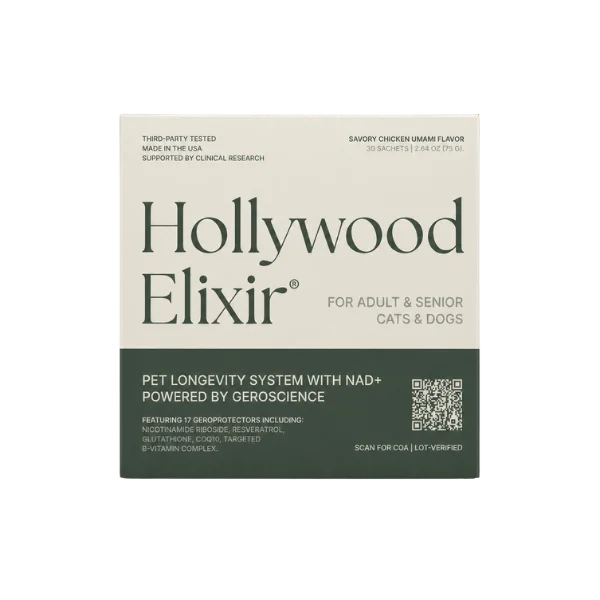
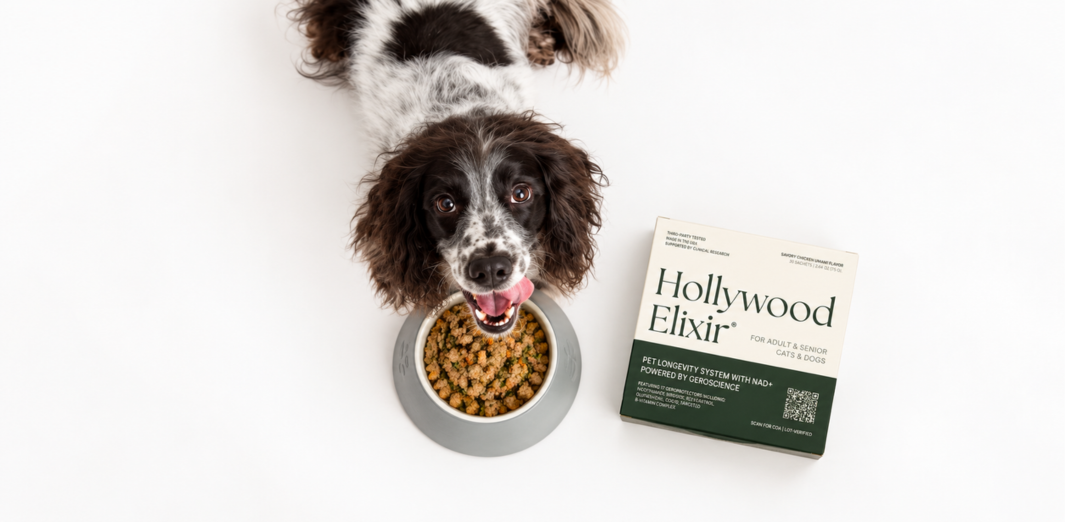
Hollywood Elixir™ is designed to support normal aging-related function as part of a broader, vet-guided wellness plan.

An abnormal blood test in a dog can be scary, but a single “off” number often needs context before it means disease. Many results drift a little from day to day because bodies are living systems, and labs also have small measurement wiggles. The practical question is not “Is this bad?” but “Is this a one-time blip, a sample problem, or a real trend that needs action?”

This page lays out a calm decision path: how reference ranges work, what mild elevation blood test meaning usually looks like, and why “false positive blood test pets” happens more often than most owners expect. It also explains when to repeat bloodwork pets (and why timing matters), and when to escalate quickly because the pattern or symptoms suggest the body is losing room to recover. The goal is informed follow-up, not false reassurance.

Owners do not need to memorize lab medicine to be helpful. What matters is bringing the right home observations, knowing what to track between visits, and asking the vet targeted questions about sample quality, medications, fasting, and whether the change is big enough to be meaningful. Used that way, labwork becomes a map—especially when it is repeated in a consistent, more uniform way over time.

By La Petite Labs Editorial, ~15 min read

Featured Product:

  • Most unexpected lab abnormalities in dogs should trigger a calm check for sample issues, normal variation, and trends—then a repeat or escalation plan based on symptoms.
  • Reference ranges are population guides; a healthy dog can land slightly outside them without disease.
  • Biological variation means values drift day to day, so a mild elevation blood test meaning often depends on the dog’s baseline.
  • Pre-analytical factors (fasting, delay, hemolysis/lipemia) can create false positive blood test pets scenarios.
  • When to repeat bloodwork pets: commonly a short-interval recheck (often ~2 weeks) under consistent conditions, unless the dog is ill.
  • When to escalate: persistent or worsening trends, multiple related markers shifting together, or red-flag symptoms like vomiting, collapse, or jaundice.
  • Best vet handoff: bring prior labs, a medication list, and daily readouts (water, appetite, weight, stool, energy) plus targeted questions about significance and next tests.

What “Lab Noise” Means in Real Life

“Lab noise” is the combination of normal day-to-day body variation and small measurement variation from the testing process. A dog’s blood values can shift with hydration, stress hormones, exercise, and even the time of day, without any disease being present. On top of that, every analyzer has a tiny amount of imprecision, so a borderline value can land just inside or just outside the printed range. This is why one mildly abnormal result is often a prompt to look closer, not a verdict (Coskun, 2019).

At home, “lab noise” often matches a dog that looks normal: steady appetite, usual energy, normal drinking, and typical bathroom habits. It can also show up after a stressful car ride, a long wait in the lobby, or a hard play session the day before bloodwork. When an abnormal blood test dog should I worry question comes up, the first step is to compare the number with how the dog is acting and whether anything about the test day was unusual.

Visualization of mitochondria illustrating cellular support pathways for when to repeat bloodwork pets.

Biological Variation: Why Numbers Drift

Biological variation means the same healthy dog can have slightly different results on different days. Some markers naturally swing more than others, so a small bump may be within that dog’s normal “latitude,” even if it crosses the lab’s line. This is one reason veterinarians focus on change over time rather than a single snapshot. When a recheck is done under similar conditions, it helps separate a real shift in the body from ordinary drift (Coskun, 2019).

Owners can support more uniform results by keeping the routine consistent before repeat testing: similar meal timing, similar exercise, and similar stress level if possible. If the dog was panting, trembling, or had diarrhea the morning of the test, that detail matters. Writing down the last meal, last big run, and any vomiting or skipped breakfast gives the vet a clearer picture of whether the number likely reflects the dog’s baseline or a temporary wobble.

DNA close-up symbolizing resilience at the cellular level via mild elevation blood test meaning.

Analytical Variation: the Lab Is Not a Robot

Even high-quality labs have small analytical variation: the same sample run twice can produce slightly different values. Differences can also appear between in-clinic machines and reference laboratories, or when a sample sits before processing. This does not mean the lab is “wrong”; it means the measurement has a normal margin of error. Understanding that margin helps explain why a mild elevation blood test meaning may be “watch and repeat” rather than immediate treatment (Schultze, 2017).

A practical tip is to repeat follow-up tests at the same clinic or the same reference lab when possible, so the comparison is apples-to-apples. If a dog’s result is surprising, owners can ask whether the sample was run right away or after a delay, and whether the lab flagged any quality issues. Consistency in where and how testing is done makes trends easier to trust when deciding whether to repeat or escalate.

Protein visualization highlighting formulation depth and rigor in when to repeat bloodwork pets.

Reference Ranges: What “Normal” Really Means

A reference range is built from a group of healthy animals, and it is not a perfect fence between “healthy” and “sick.” By design, some healthy dogs will fall slightly outside the range on one test, especially near the edges. That is why a single borderline high or low value can be a false positive blood test pets situation—real data, but not necessarily a real problem. The next step is to ask whether the change is small, isolated, and explainable (Richard B Ford, 2011).

At home, this means avoiding “one-number panic.” If the dog is bright, eating, and acting normal, a mild out-of-range value often becomes a plan: repeat under controlled conditions and look for a pattern. Owners can help by gathering the previous lab reports, even from other clinics, because a dog’s personal baseline sometimes sits near the high or low end. That history can turn a confusing result into a more uniform story.

Black pug portrait showing gentle expression and daily vitality with when to repeat bloodwork pets.

Why “20% Outside Normal” Can Still Be Benign
A common misunderstanding is that any value outside the reference range automatically signals disease. In reality, the size of the change and the surrounding pattern matter more than the fact that it crossed a line. Some analytes have wider natural swing, and a small step outside the range may not exceed what is meaningful for that dog. This is where the vet’s interpretation—paired with the physical exam—keeps a mild elevation blood test meaning from being overread.

Owners can think of the range as a speed limit sign, not a crash report. A brief “speeding” moment may call for attention, but it does not prove damage. The helpful home role is to check whether anything else looks off: drinking more, peeing more, appetite changes, weight loss, vomiting, diarrhea, coughing, or exercise intolerance. When those signs are absent, the plan often leans toward repeat testing rather than immediate escalation.

Hollywood Elixir™ is amazing and makes my 13 y/o young again!

— Jessie

We go on runs. Lately he's been keeping up with no problem!

— Cami

“One odd number is a clue; a pattern is a diagnosis.”

Single Abnormal Results: When They Mislead

A single abnormal result can mislead when it is disconnected from the rest of the panel and from the dog’s story. One isolated liver enzyme bump, one slightly high glucose, or one borderline kidney marker may reflect stress, fasting differences, or sample handling rather than organ damage. This is why veterinarians often recommend confirmation: repeat the same test, add a related marker, or run a different method that answers the question more directly. The goal is to avoid treating a number instead of a dog (Richard B Ford, 2011).

A case vignette helps: a 7-year-old Labrador has routine bloodwork before a dental and shows a mild ALT elevation, but he is eating well and has normal stools. The sample was drawn after a long, anxious wait, and the dog had a fatty treat that morning. The vet schedules a fasting recheck in two weeks and the value returns to baseline, turning a scary report into a clear “lab noise” moment.

Elegant dog portrait reflecting alertness and natural vitality supported by mild elevation blood test meaning.

Mild Versus Significant Elevations: a Practical Lens

Owners often ask about mild elevation blood test meaning, and the most useful lens is “magnitude plus match.” Magnitude is how far from baseline the value moved; match is whether other related markers and symptoms point in the same direction. Significant elevations are more concerning when multiple connected values shift together, or when the change is large enough that normal variation cannot explain it. That is when repeating quickly, adding imaging, or doing confirmatory tests becomes more urgent.

At home, “match” looks like a cluster: increased thirst with kidney markers, vomiting with pancreas markers, yellow gums with bilirubin, or weakness with anemia. If the dog feels normal, the vet may choose a measured recheck plan; if the dog is clearly unwell, escalation is appropriate even if the lab change seems modest. The dog’s behavior is not “extra information”—it is part of the test interpretation.

Profile shot of a dog showing attentive expression supported by when to repeat bloodwork pets.

Trend Analysis: Why Three Data Points Change Everything

Trend analysis is the antidote to overreacting to one report. Two tests can still be confusing if the first was a fluke, but three data points—collected under similar conditions—often reveal whether the body is stable, mending, or drifting in the wrong direction. A more uniform upward creep in kidney values, or a repeated drop in red blood cells, carries more weight than a single outlier. This is the core logic behind when to repeat bloodwork pets rather than jumping straight to advanced workups.

Owners can help by keeping a simple “daily readouts” log between tests: appetite, water intake, urination frequency, stool quality, energy, and weight. Bringing that record to the recheck makes the lab trend easier to interpret. If the dog’s daily readouts are unchanged while the lab value normalizes, that supports lab noise. If daily readouts worsen while the lab drifts further, that supports escalation.

Supplement breakdown graphic emphasizing no fillers approach within abnormal blood test dog should I worry.

Sample Quality Flags: Hemolysis, Lipemia, Icterus

Sometimes the “abnormal” result is created by the sample, not the dog. Hemolysis (red cells breaking), lipemia (fatty serum), and icterus (yellow pigment) can interfere with certain measurements and can trigger misleading highs or lows. These flags may happen from a difficult blood draw, a non-fasting sample, or true underlying illness, so they are not automatically harmless. Still, they are a major reason a false positive blood test pets scenario occurs and why repeating with a cleaner sample can change the story (Perez-Montero, 2023).

Owners can reduce avoidable interference by following fasting instructions closely and avoiding high-fat treats before testing. It also helps to mention if the dog struggled during the draw or if the appointment ran long in a warm car, because handling and delay can matter. If a report lists hemolysis or lipemia, asking whether the lab recommends a redraw is reasonable. A repeat done calmly and quickly can make results more trustworthy.

Time, Storage, and Shipping: Why Delays Matter

Blood is a living mixture, and some values shift as time passes after collection. Delays, temperature swings, and storage conditions can change certain measurements, especially when samples are run on point-of-care machines versus shipped to a reference lab. This is not about blaming a clinic; it is about understanding that pre-analytical steps can shape the final number. When an abnormal result is unexpected, asking how long the sample sat and how it was stored can be a key part of deciding whether to repeat (Rincon, 2023).

At home, this translates to scheduling: early-day appointments can reduce “sitting time,” and fasting is easier overnight than all day. If a dog is hard to draw from, a calm plan—short wait, quiet room, skilled phlebotomy—can prevent a messy sample. Owners can also request that follow-up tests be done in a similar way each time. Consistency makes trends clearer and reduces the chance that the lab process, not the dog, drives the change.

“Repeat testing is not delay—it is confirmation under better conditions.”

Branded lab coat reflecting precision and trust supporting mild elevation blood test meaning.

Medication Effects That Mimic Disease

Many common medications can shift lab values without meaning an organ is failing. Steroids can raise liver enzymes and glucose; some seizure medications can affect liver markers; NSAIDs can influence kidney-related values in certain situations. This is why the medication list is not a formality—it is part of interpretation. When an abnormal blood test dog should I worry question arises, the vet often asks, “Is this drug-related, dose-related, or timing-related?” before labeling it disease.

Owners can help by bringing the actual bottles or a phone list that includes doses, start dates, and any recent changes. Include preventives, supplements, and “as needed” meds like anti-nausea pills. Also note if the dog missed doses or got extra doses, because that can create irregular lab patterns. If a medication might be involved, the plan may be a timed recheck, a different test, or a safer monitoring schedule rather than abrupt stopping.

Shop Now
Hollywood Elixir with foods symbolizing nutrient synergy aligned with abnormal blood test dog should I worry.

Diet, Fasting, and Treats: Hidden Lab Influencers

Food affects bloodwork more than most people realize. A non-fasting sample can look lipemic and can nudge triglycerides, glucose, and sometimes pancreas-related testing in confusing directions. High-protein meals, dehydration from skipped water, or a sudden diet change can also shift certain values enough to look “abnormal” on paper. This is a frequent source of mild elevation blood test meaning that resolves once testing is repeated under consistent conditions.

The home routine piece is straightforward: follow fasting instructions exactly, and avoid “just one little treat” on the way to the clinic. If the dog must eat because of a medical condition, tell the clinic so the vet can interpret results appropriately or choose different tests. Keep notes on any recent diet switch, new chews, or table scraps. Those details can explain a surprising lab change and prevent unnecessary escalation.

Shop Now
Pet parent holding supplement, symbolizing trust and routine via mild elevation blood test meaning.

When to Repeat Bloodwork: the Two-week Recheck Rule

When to repeat bloodwork pets often comes down to whether the result is mild, unexpected, and unaccompanied by symptoms. A common approach is a short-interval recheck—often around two weeks—because it allows temporary influences to wash out while still catching early disease if the trend persists. The exact timing depends on the marker and the dog’s risk factors, but the principle is the same: confirm before concluding. This is especially important when the first result could be affected by sample quality or a one-off stress response (Richard B Ford, 2011).

Owners can make the repeat more meaningful by recreating the conditions: same fasting window, similar appointment time, and similar activity the day before. Bring the prior report and ask the clinic to compare the numbers side-by-side rather than reading the new report alone. If the dog’s daily readouts change during the waiting period—new vomiting, reduced appetite, increased thirst—call sooner. A planned recheck is not “doing nothing”; it is structured observation.

Shop Now

Owner Checklist for the Waiting Period

Between an unexpected lab report and the recheck, the most useful work happens at home. This owner checklist keeps the focus on changes that pair with meaningful lab shifts: (1) measure water intake for two days, (2) note urination frequency and any accidents, (3) track appetite and skipped meals, (4) watch for vomiting/diarrhea and stool color, and (5) check gum color and energy on walks. These observations help the vet decide whether the abnormality is likely lab noise or a real loss of hardiness that needs faster action.

Make the checklist practical: use a measuring cup for water, take a quick photo of unusual stool, and weigh the dog weekly on the same scale. If the dog is on a new medication, note the day it started and any behavior change. When owners ask “abnormal blood test dog should I worry,” these home signals often answer the question more clearly than another internet search. They also make the recheck visit more efficient and less stressful.

What to Track: a Simple Rubric for Trends

A “what to track” rubric turns worry into useful data. Record 5–7 markers that connect directly to common lab concerns: body weight, daily water intake, appetite (percent of normal), urination pattern, stool quality, exercise tolerance, and any new coughing or panting at rest. Pair those daily readouts with the exact lab value(s) that were abnormal and the date/time of collection. This makes it easier to see whether the dog is stable, mending, or drifting toward a pattern that deserves escalation.

Keep the rubric in one place—notes app, calendar, or a paper on the fridge—so it stays more uniform. Avoid adding too many metrics; the goal is consistency, not perfection. Bring the log to the vet and point out any “start dates” (new food, boarding, new meds, heat wave). When the vet sees a clean timeline, it becomes much easier to interpret mild elevation blood test meaning and decide whether to repeat, add tests, or escalate.

Side-by-side supplement comparison designed around abnormal blood test dog should I worry expectations.

When to Escalate: Persistent, Worsening, or Symptomatic

Escalation is appropriate when abnormalities persist on repeat testing, worsen over time, or match clear symptoms. A more uniform upward trend, multiple connected markers shifting together, or a dog that looks ill changes the risk calculation. Escalation can mean confirmatory testing, imaging, or referral—not because the first lab was “bad,” but because the pattern suggests the body has less room to recover. This is the point where “false positive blood test pets” becomes less likely and “real disease” becomes more likely.

Call the clinic promptly if any red flags appear: repeated vomiting, refusal to eat, collapse, labored breathing, black/tarry stool, yellow gums/eyes, or sudden intense thirst with lethargy. Also escalate sooner for puppies, seniors, and dogs with known chronic disease, because their latitude can be smaller. If the vet recommends same-day recheck or emergency evaluation, that recommendation is based on risk, not on trying to “do more tests.”

Shop Now
Unboxed supplement reflecting refined experience and trust in when to repeat bloodwork pets.

Vet Visit Prep: Questions That Clarify Unexpected Results

A productive follow-up visit focuses on interpretation, not just repeating numbers. Vet visit prep questions that often change the plan include: “Was the sample hemolyzed, lipemic, or icteric, and could that affect this specific test?” “Is this change big enough to matter for this dog, or within expected variation?” “If repeating, what timing and fasting instructions make the result more uniform?” and “What confirmatory test would best answer the question if it stays abnormal?” These questions keep the discussion grounded in decision-making (Schultze, 2017).

Bring a short packet: the full lab report (not just the summary), the medication/supplement list, and the daily readouts log. Also mention any recent preventives or infectious disease screening, because some tests can be negative even when disease is present depending on timing and biology. For example, certain heartworm antigen tests can be falsely negative in some situations, which is why vets sometimes add a second method when suspicion is high (Drake, 2015). Good handoff information helps the vet choose the right next step.

Shop Now

Test-specific Pitfalls: Antibodies, Screening, and “False Positives”

Not all “abnormal” results are chemistry numbers; some are screening tests that require careful interpretation. Antibody tests can reflect exposure or vaccination rather than active illness, and positive results may vary by region and test method. That is a classic setup for a false positive blood test pets worry: the test is detecting immune memory, not necessarily current disease. The right response is usually targeted follow-up—confirmatory testing, repeat timing, and matching the result to symptoms and risk factors (Ricardo, 2024).

At home, risk context matters: wildlife exposure, standing water, travel, boarding, and rodent contact can change how a screening result is weighed. Owners can write down where the dog hikes, swims, or hunts, and whether vaccines were given recently. This information helps the vet decide whether to repeat, treat, or simply monitor. The calm goal is precision: avoid dismissing a meaningful result, but also avoid escalating based on a test that is known to be context-dependent.

“Home observations often explain lab surprises better than guesswork.”

Educational content only. This material is not a substitute for veterinary advice. Always consult your veterinarian about your dog’s specific needs. These statements have not been evaluated by the Food and Drug Administration. Products mentioned are not intended to diagnose, treat, cure, or prevent any disease.

Glossary

  • Reference range - The span of results expected in a group of healthy dogs; not a hard line between healthy and sick.
  • Biological variation - Normal day-to-day drifting of lab values within the same dog.
  • Analytical variation - Small measurement wiggle from the testing method or analyzer.
  • Pre-analytical error - Changes introduced before the sample is analyzed (collection, storage, delay, shipping).
  • Hemolysis - Red blood cells breaking in the sample, which can interfere with certain tests.
  • Lipemia - Fatty, cloudy serum often linked to a non-fasting sample or high-fat intake.
  • Icterus - Yellow pigment in serum, often associated with bilirubin and liver/bile issues.
  • Trend analysis - Interpreting results across repeated tests to see direction and persistence.
  • Confirmatory test - A follow-up test chosen to verify or clarify an unexpected screening result.

Related Reading

References

Drake. False negative antigen tests in dogs infected with heartworm and placed on macrocyclic lactone preventives.. PubMed. 2015. https://pubmed.ncbi.nlm.nih.gov/25648086/

Ricardo. Seroprevalence of pathogenic Leptospira serogroups in asymptomatic domestic dogs and cats: systematic review and meta-analysis. 2024. https://www.frontiersin.org/journals/veterinary-science/articles/10.3389/fvets.2024.1301959/full

Coskun. Systematic review and meta-analysis of within-subject and between-subject biological variation estimates of 20 haematological parameters.. PubMed. 2019. https://pubmed.ncbi.nlm.nih.gov/31503541/

Perez-Montero. Hemolysis, icterus and lipemia interfere with the determination of two oxidative stress biomarkers in canine serum.. PubMed Central. 2023. https://pmc.ncbi.nlm.nih.gov/articles/PMC10517482/

Rincon. Effects of time delay and blood storage methods on analysis of canine venous blood samples with an Element point-of-care analyzer.. PubMed. 2023. https://pubmed.ncbi.nlm.nih.gov/36573472/

Richard B Ford. Laboratory Diagnosis and Test Protocols. PubMed Central. 2011. https://pmc.ncbi.nlm.nih.gov/articles/PMC7158162/

Schultze. Recognizing and Reducing Analytical Errors and Sources of Variation in Clinical Pathology Data in Safety Assessment Studies.. PubMed. 2017. https://pubmed.ncbi.nlm.nih.gov/28178899/

FAQ

What does “lab noise” mean on dog bloodwork?

“Lab noise” means small changes caused by normal day-to-day body variation plus minor measurement variation. A value can drift because of stress, hydration, or timing, and the analyzer itself has a small margin of error.

This is why Lab Noise vs Real Disease: When to Repeat, When to Escalate, What to Ask Your Vet focuses on patterns and repeat conditions, not one report. The dog’s behavior at home is part of the interpretation.

Abnormal blood test dog should I worry right away?

Worry is appropriate when the dog is acting sick (vomiting, not eating, collapse, breathing trouble, yellow gums/eyes) or when multiple related values are abnormal. Those situations deserve prompt veterinary guidance.

If the dog feels normal and the change is mild and isolated, the next step is often confirmation: review sample quality, check medications and fasting, and plan a repeat. That approach reduces overreaction without minimizing risk.

How can a healthy dog fall outside reference ranges?

Reference ranges come from groups of healthy animals, so a small percentage of healthy dogs will naturally land slightly high or low on any given day. The printed range is a guide, not a diagnosis.

A dog’s personal baseline may sit near an edge of the range. That is why prior lab history and repeat testing under similar conditions are so helpful when deciding whether a result is noise or a meaningful change.

What is mild elevation blood test meaning in dogs?

A mild elevation often means the value is only slightly above the lab’s cutoff. By itself, it may reflect normal variation, stress, a non-fasting sample, or a temporary body response rather than organ damage.

It becomes more concerning when it repeats, rises over time, or matches symptoms and other related lab changes. The most useful question is whether the change is big enough and consistent enough to be meaningful for that dog.

When to repeat bloodwork pets after a surprise result?

Many mild, unexpected abnormalities are rechecked after a short interval, often around two weeks, so temporary influences can settle while early disease is still caught. The exact timing depends on the marker and the dog’s risk.

Repeat testing is most useful when conditions are consistent: fasting as directed, similar appointment time, and similar activity the day before. If the dog becomes ill, the recheck should happen sooner.

What makes a false positive blood test pets situation?

A “false positive” can mean the test is technically correct but misleading for the question being asked. Sample interference (hemolysis, lipemia), non-fasting status, or normal biological variation can push a value outside the range.

Some screening tests detect antibodies or exposure rather than active illness, which can also confuse interpretation. Follow-up testing and matching results to symptoms and risk factors usually clarifies what is real.

Can stress at the vet change blood test results?

Yes. Stress hormones can shift glucose and white blood cell patterns, and heavy panting or struggling can make a blood draw more difficult. Those factors can create results that look abnormal without reflecting chronic disease.

If a result is unexpected, it helps to tell the vet whether the dog was anxious, overheated, or had a long wait. A calmer, more uniform recheck visit can produce a clearer baseline for comparison.

Do hemolysis and lipemia really change lab numbers?

They can. Hemolysis (broken red cells) and lipemia (fatty serum) may interfere with certain assays and can lead to misleading highs or lows. Labs often flag these issues on the report.

Sometimes the flag reflects a difficult draw or non-fasting status; sometimes it reflects true illness. Asking whether the interference affects the specific abnormal value helps decide whether a redraw is the best next step.

Should bloodwork be repeated at the same lab?

Often, yes. Different analyzers and reference labs can have small method differences, which can make comparisons harder. Using the same lab supports more uniform trend interpretation over time.

If a different lab must be used, ask the vet to interpret the change cautiously and focus on the overall pattern and the dog’s symptoms. Bringing the full prior report helps the vet compare methods and context.

What home signs matter most while waiting to recheck?

The most helpful daily readouts are appetite, water intake, urination pattern, stool quality, energy on walks, and body weight. These connect directly to many common lab concerns.

Also watch gum color and breathing effort. If vomiting, collapse, black stool, or yellow gums appear, contact the vet promptly rather than waiting for the scheduled recheck.

When should an abnormal result be escalated immediately?

Escalate when the dog is clearly unwell, when the abnormality is large, or when multiple related markers are abnormal together. Red-flag symptoms include repeated vomiting, refusal to eat, collapse, breathing difficulty, and jaundice.

Escalation can mean same-day repeat testing, confirmatory tests, imaging, or emergency evaluation. The decision is based on risk and pattern, not on a desire to “do more” without reason.

What questions should be asked about unexpected lab results?

Ask whether the sample had quality flags (hemolysis, lipemia, icterus) and whether those flags affect the specific test. Ask if the change is meaningful for this dog or within expected variation.

Also ask what repeat timing and fasting instructions would make the recheck more uniform, and what confirmatory test would be used if the value stays abnormal. These questions keep the plan focused and practical.

Can medications cause abnormal blood tests without disease?

Yes. Some medications can shift liver enzymes, glucose, or kidney-related values without permanent organ injury. Timing, dose changes, and recent starts can all matter for interpretation.

Bring a complete list of prescriptions, preventives, supplements, and “as needed” meds. Do not stop a medication without veterinary guidance; the safer approach is usually a planned recheck or an alternative test.

Does fasting really matter before routine bloodwork?

Fasting can matter a lot for certain values. A recent meal—especially fatty treats—can make serum lipemic and can nudge some results enough to look abnormal on paper.

If fasting is recommended, follow the clinic’s instructions closely and mention any accidental treats. If the dog cannot fast for medical reasons, tell the vet so the plan can be adjusted rather than misinterpreting the results.

How many tests are needed to see a real trend?

Three data points often clarify the story: the first shows the surprise, the second confirms whether it repeats, and the third shows direction. Two tests can still be confusing if the first was a one-off.

Trend quality improves when repeat tests are done under similar conditions and paired with home daily readouts. If the dog is symptomatic, fewer data points may be needed because the clinical picture already supports escalation.

Can screening tests be positive without active illness?

Yes. Some tests detect antibodies, which can reflect past exposure, vaccination, or regional background risk rather than current disease. That can feel like a false positive blood test pets situation to owners.

The next step is usually targeted follow-up: confirmatory testing, repeat timing, and matching results to symptoms and exposure history. Sharing travel, hiking, swimming, and wildlife contact helps the vet interpret the result correctly.

Can tests be negative even when disease is present?

Yes. Some tests can be falsely negative depending on timing, immune complexes, or low levels of what the test detects. This is why vets sometimes add a second method when suspicion remains high.

If a dog has strong symptoms but a screening test is negative, ask what follow-up test would better answer the question. Lab Noise vs Real Disease: When to Repeat, When to Escalate, What to Ask Your Vet is about matching tests to the real-world picture.

Is Lab Noise vs Real Disease: When to Repeat, When to Escalate, What to Ask Your Vet relevant for seniors?

Yes. Senior dogs often benefit most from trend-based monitoring because early changes can be subtle and because their room to recover can be smaller if a problem develops.

For seniors, ask the vet which markers should be tracked over time and what repeat interval makes sense. Pair labs with home daily readouts like weight, thirst, appetite, and stamina so small shifts are noticed sooner.

How long should changes be tracked before judging improvement?

For many mild abnormalities, the first goal is confirmation on a short recheck. After that, trend interpretation works best when changes are given time to become more uniform—often several weeks—unless symptoms demand faster action.

If diet, routine, or supplements are adjusted, discuss a realistic timeline with the vet and avoid changing multiple variables at once. Consistency makes it easier to tell whether the dog is mending or whether escalation is needed.

Can supplements replace repeat testing after abnormal labs?

No. Supplements cannot replace repeat testing when a lab value is unexpected or potentially meaningful. Repeat testing is how the vet confirms whether the change persists and whether it matches the dog’s clinical picture.

If a supportive supplement is being considered, it should be discussed as part of a layered plan over time, not as a shortcut. For example, Hollywood Elixir™ is positioned to support normal function while monitoring continues with a veterinarian.

What should be brought to the vet for follow-up?

Bring the full lab report, any older lab reports, a complete medication and supplement list with start dates, and a short log of daily readouts (water, appetite, stool, energy, weight).

Also bring context: fasting status, recent treats, recent travel/boarding, and whether the dog was stressed during the draw. These details help the vet decide whether the result fits lab noise, needs a repeat, or warrants escalation.

5K+ Happy Pet Parents

Excellent 4.8

Lab Noise Vs Real Disease: When to Repeat, When to Escalate, What to Ask Your Vet | Why Thousands of Pup Parents Trust Hollywood Elixir™

"He seems more happy overall. I've also noticed he has more energy which makes our walks and playtime so much more fun."

Olga & Jordan

"He's got way more energy now! We go on runs pretty often; he use to get tired halfway through, but lately, he's been keeping up without any problem."

Cami & Clifford

"I want her to live forever. She hasn't had an ear infection since!"

Madison & Azula

"It helps with her calmness, her immune system. I really like the clean ingredients. Highly recommend La Petite Labs!"

Maple & Cassidy

"He seems more happy overall. I've also noticed he has more energy which makes our walks and playtime so much more fun."

Olga & Jordan

"He's got way more energy now! We go on runs pretty often; he use to get tired halfway through, but lately, he's been keeping up without any problem."

Cami & Clifford

"I want her to live forever. She hasn't had an ear infection since!"

Madison & Azula

"It helps with her calmness, her immune system. I really like the clean ingredients. Highly recommend La Petite Labs!"

Maple & Cassidy

"He seems more happy overall. I've also noticed he has more energy which makes our walks and playtime so much more fun."

Olga & Jordan

"He's got way more energy now! We go on runs pretty often; he use to get tired halfway through, but lately, he's been keeping up without any problem."

Cami & Clifford

"I want her to live forever. She hasn't had an ear infection since!"

Madison & Azula

"It helps with her calmness, her immune system. I really like the clean ingredients. Highly recommend La Petite Labs!"

Maple & Cassidy

"He seems more happy overall. I've also noticed he has more energy which makes our walks and playtime so much more fun."

Olga & Jordan

"He's got way more energy now! We go on runs pretty often; he use to get tired halfway through, but lately, he's been keeping up without any problem."

Cami & Clifford

"I want her to live forever. She hasn't had an ear infection since!"

Madison & Azula

"It helps with her calmness, her immune system. I really like the clean ingredients. Highly recommend La Petite Labs!"

Maple & Cassidy

SHOP NOW