Senior Dog Bloodwork, Explained: What Each Marker Screens for and Why Trends Matter

Compare Blood, Liver, and Kidney Signals to Protect Daily Comfort

Essential Summary

Why Is Senior Dog Bloodwork Trend Tracking Important?

Older dogs can look fine while lab markers slowly drift. Comparing CBC, chemistry, and urine results to a baseline helps the veterinary team spot meaningful change early and choose safer next steps.

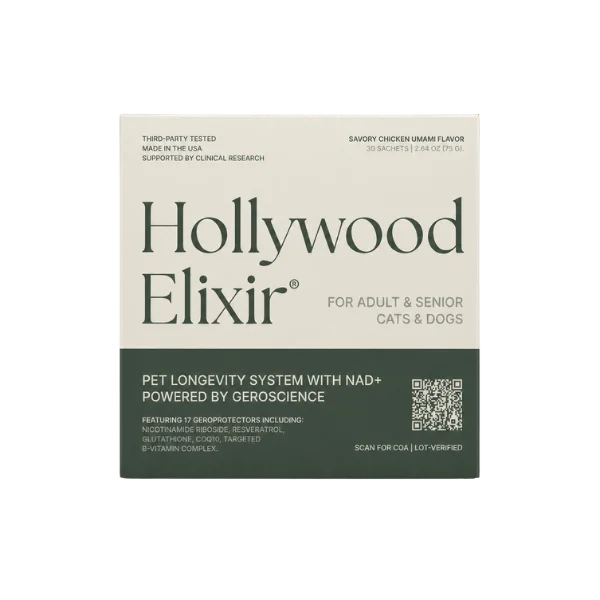
Hollywood Elixir™ is designed to support normal aging functions as part of a veterinarian-guided wellness plan.

A single lab value rarely tells the whole story, especially in older dogs. What does dog bloodwork show? It screens for hidden shifts in hydration, organ workload, inflammation, anemia, blood sugar control, and electrolyte balance—often before a dog “acts sick.” The most useful part is not a scary flagged number; it is whether a marker is drifting over time compared with that dog’s own baseline.

For many families, the confusing part is dog blood test results meaning: why one enzyme is high, why another is low, and why the veterinarian recommends a recheck instead of an immediate diagnosis. A senior dog blood panel interpretation is a pattern-reading exercise. The CBC looks at red and white blood cells and platelets. The chemistry panel looks at liver and kidney markers, proteins, glucose, and salts. A urinalysis adds context that blood alone cannot provide.

Routine bloodwork senior dogs also helps the veterinary team choose safer medications, plan dental or surgical procedures, and decide when “watchful waiting” is appropriate. This page breaks down what each common marker screens for, what changes can look like at home, and how trend logic makes results more reliable for real-life decisions.

By La Petite Labs Editorial, ~15 min read

Featured Product:

  • Senior Dog Bloodwork, Explained: What Each Marker Screens For and Why Trends Matter: it shows organ workload, hydration, inflammation, anemia, glucose control, and electrolyte balance, and trends over time are often more reliable than one result.
  • A “senior panel” usually combines CBC, chemistry, and urinalysis to create a fuller picture than blood alone.
  • CBC markers screen for anemia, inflammation patterns, and platelet/clotting concerns that can affect procedure safety.
  • Liver markers (ALT/ALP and proteins) often need context from medications, diet, and repeat testing.
  • Kidney screening is strongest when blood markers are paired with urine concentration and protein checks.
  • Persistent urine protein can change the plan; a UPC trend may prompt blood pressure checks and kidney-protection steps.
  • Bring home observations (thirst, appetite, weight, urine accidents) so the veterinarian can connect numbers to real change signals.

Why Routine Screening Matters More in Older Dogs

Aging changes how much slack the body has when something goes off-balance. Routine bloodwork senior dogs is designed to catch small shifts—like early anemia, rising kidney workload, or liver enzyme leakage—before they become a crisis. In first-opinion practice, geriatric screening programs have found clinically relevant abnormalities even when dogs seemed outwardly well, which is why veterinarians often pair history and exam with lab testing (Davies, 2012). At home, the earliest change signals are usually subtle: a dog that naps more, drinks a little more, or takes longer to bounce back after a long walk. Those signs are easy to dismiss as “just age,” but they are also the exact reasons baseline testing matters. When a dog has prior results on file, the next panel can show whether the body is staying more stable or losing rebound capacity.

Mitochondria illustration showing cellular energy support linked to what does dog bloodwork show.

What a “Senior Panel” Usually Includes

Most senior screening starts with three pieces: a CBC, a serum chemistry panel, and a urinalysis. Senior-care guidance emphasizes routine laboratory screening to detect common age-related problems early, and it also stresses that serial results are often more reliable than one-time values (Practitioners, 2005). Even when different clinics label panels differently, these core tests are the backbone of senior dog blood panel interpretation. For owners, it helps to think of the panel as a “map,” not a verdict. The CBC answers “how is the blood itself doing?” The chemistry answers “how are organs and salts coping today?” The urinalysis answers “what is the body choosing to keep or lose?” Bringing a fresh urine sample when requested and sharing medication and supplement lists makes the report far easier to interpret.

Molecular artwork representing healthy aging foundations supported by senior dog blood panel interpretation.

CBC Basics: Red Blood Cells and Anemia Signals

Red blood cell markers (RBC count, hematocrit/PCV, hemoglobin) screen for anemia and dehydration. Low values can reflect blood loss, reduced production, or chronic illness; high values often point to dehydration or, less commonly, overproduction. Indices like MCV and MCHC help the veterinarian describe the “shape” of anemia, which guides next steps such as checking iron status, inflammation, or internal bleeding. At home, anemia rarely looks like “pale gums only.” More often it shows up as slower walks, heavier panting with mild activity, or a dog that prefers lying down after meals. Dehydration can look like tacky gums, smaller urine clumps, or a dog that seems hungry but leaves water untouched. These observations help connect dog blood test results meaning to daily life without guessing at a diagnosis.

Molecular design image tied to antioxidant pathways supported by dog blood test results meaning.

CBC Basics: White Blood Cells and Inflammation

White blood cell markers (total WBC and the differential: neutrophils, lymphocytes, monocytes, eosinophils, basophils) screen for inflammation, infection patterns, stress responses, and some immune conditions. A high neutrophil count may fit with bacterial infection or inflammation; high eosinophils can fit with allergies or parasites. The key is that the pattern matters more than any single number, and it must be interpreted alongside the physical exam. Owners can help by describing what inflammation looks like at home: new coughing, a sore tooth smell, itchy skin flare-ups, diarrhea, or a wound that is slow to settle. Timing matters—“started after boarding” or “worse after a new treat” can be as useful as the lab value. This is where what does dog bloodwork show becomes practical: it narrows the list of likely body systems to investigate.

Pug looking up, symbolizing trust and attentive care supported by senior dog blood panel interpretation.

CBC Basics: Platelets and Clotting Clues
Platelets help blood clot, so platelet count and smear comments screen for bleeding risk and some inflammatory or immune problems. A low platelet count can be true thrombocytopenia, but it can also be a lab artifact if platelets clump in the tube. That is why veterinarians often confirm with a blood smear review before making big decisions. At home, clotting concerns look like pinpoint bruises on the belly or gums, nosebleeds, blood in urine, or bleeding that seems “too much” after nail trims. These are reasons to call the clinic promptly rather than waiting for the next routine visit. For senior dog blood panel interpretation, platelet trends are especially useful before dental work or surgery, when the team needs the most reliable safety picture.

Hollywood Elixir™ is amazing and makes my 13 y/o young again!

— Jessie

We go on runs. Lately he's been keeping up with no problem!

— Cami

“A flagged number is a clue; a trend is a story.”

Liver Enzymes: ALT, ALP, and What They Suggest

ALT and ALP are often the first “flagged” liver-related numbers owners notice. ALT is more associated with liver cell leakage, while ALP can rise with bile flow changes, certain medications (including steroids), and some endocrine patterns. A mild rise does not automatically mean liver failure; it means the veterinarian is deciding whether to recheck, add bile acids testing, or look for a medication or hormone explanation. At home, liver-related change signals can include reduced appetite, nausea (lip smacking, grass eating), or a dog that seems uncomfortable after fatty meals. Some dogs show no signs at all, which is why routine bloodwork senior dogs is valuable. If a dog is on long-term medications, bringing exact doses and start dates helps the clinic interpret whether an enzyme change is expected or surprising.

Weimaraner image reflecting strength and companionship supported by senior dog blood panel interpretation.

Bilirubin, Albumin, and Liver “Function” Markers

Beyond enzymes, the chemistry panel includes markers that hint at liver function and whole-body protein handling. Bilirubin can rise with bile flow problems or red blood cell breakdown, and it sometimes shows up as yellowing of the whites of the eyes or gums. Albumin is a major blood protein made by the liver and also affected by gut loss, kidney loss, and inflammation; low albumin changes how the body holds fluid and can affect medication handling. Owners can watch for belly swelling, new ankle/leg puffiness, or diarrhea that does not settle—signs that can fit with low protein states. Stool color changes (very pale) or dark orange urine can also be useful details. This is a good moment to connect with related preventive-care topics: dental disease, chronic gut irritation, and long-term medication plans can all influence these markers over time.

Dog looking ahead, capturing presence and calm energy supported by dog blood test results meaning.

Kidney Markers: BUN, Creatinine, and SDMA

BUN and creatinine rise when the kidneys are filtering less efficiently, but they are also influenced by hydration and muscle mass. Many senior dogs lose muscle with age, which can make creatinine look “better” than the kidneys truly are. SDMA is another marker used to screen kidney filtration changes and can add context when muscle loss is part of the picture. At home, kidney strain often looks like increased thirst, larger urine puddles, waking at night to urinate, or a dog that seems picky with food. These signs overlap with other conditions, so they are not diagnostic on their own. Still, writing down water intake changes and accident frequency makes senior dog blood panel interpretation more reliable when the veterinarian compares blood results with urine concentration.

Product overview visual highlighting formulation integrity aligned with what does dog bloodwork show.

Urinalysis: the Missing Half of Kidney Screening

A urinalysis shows how well the kidneys concentrate urine and whether there is inflammation, crystals, blood, or protein loss. Protein in urine has multiple causes—transient (fever/exercise), post-renal (bladder inflammation/bleeding), or renal (kidney filtering damage)—so the “why” matters (Harley, 2012). Dipsticks can disagree with quantitative methods, which is why veterinarians often confirm with a urine protein-to-creatinine ratio (UPC) when protein is suspected (Lyon, 2010). At home, urinary change signals include straining, frequent small pees, licking the vulva/penis, or urine that smells unusually strong. A single “trace protein” on a stressed day is not the same as persistent protein loss across visits. If the clinic requests a first-morning urine sample, that timing can make results less variable and easier to trend.

Proteinuria: Why a UPC Trend Can Change the Plan

Persistent proteinuria is not just a lab curiosity; it can be a treatment target because ongoing protein loss is linked to kidney disease progression and overall health risk (Vaden, 2016). The UPC helps quantify how much protein is being lost, and repeating it helps confirm whether the finding is real or a one-off. When proteinuria is persistent, veterinarians may discuss blood pressure checks, diet adjustments, and medications that modulate the renin-angiotensin-aldosterone system (RAAS) as part of a kidney-protection plan (Vaden, 2016). Owners can support this work by keeping urine collection supplies ready and noting anything that could temporarily skew results, like a recent fever, intense exercise, or a urinary tract flare. This is also a place where “dog blood test results meaning” can be misunderstood: normal BUN/creatinine does not rule out early kidney stress if urine findings are changing.

“Urine results often explain what blood values cannot.”

Professional uniform showing commitment to quality in support of dog blood test results meaning.

Glucose and Diabetes Screening in Senior Dogs

Glucose on the chemistry panel screens for diabetes and stress-related elevations. A single mildly high glucose can happen with anxiety at the clinic, but persistent elevation—especially with glucose in the urine—raises concern for diabetes. Veterinarians also look at related markers like cholesterol, triglycerides, and sometimes fructosamine to understand whether blood sugar has been high over time. At home, the classic change signals are increased thirst, increased urination, weight loss despite a good appetite, and recurrent infections (ear or urinary). These signs should prompt a timely call rather than waiting for the next routine visit. When families ask what does dog bloodwork show, glucose is one of the clearest examples of a number that becomes meaningful only when paired with urine results and home observations.

Shop Now
Hollywood Elixir surrounded by ingredients, showing antioxidant diversity in dog blood test results meaning.

Electrolytes: Sodium, Potassium, and Hydration Balance

Electrolytes (sodium, potassium, chloride) are the body’s salts, and they influence nerve function, muscle contraction, hydration, and acid-base balance. Abnormal electrolytes can reflect vomiting/diarrhea, kidney handling problems, certain hormone disorders, or medication effects. Because these values can shift quickly, veterinarians interpret them with the dog’s current symptoms and may recommend rechecks sooner than other markers. At home, electrolyte problems often look like weakness, wobbliness, poor appetite, vomiting, or diarrhea that causes a dog to “fade” over a day. Owners can help by noting how many times vomiting or diarrhea occurred, whether water is staying down, and whether urination has changed. This information helps the clinic decide whether a flagged electrolyte is a mild, watch-and-recheck issue or an urgent stability concern.

Shop Now
Lifestyle image showing supplement use in real homes supported by senior dog blood panel interpretation.

Thyroid Screening: Total T4 and Free T4

Thyroid screening in dogs commonly starts with total T4, sometimes paired with free T4, to look for hypothyroidism patterns. Thyroid values are sensitive to “non-thyroid illness,” meaning many unrelated problems can push T4 lower without true thyroid disease. That is why veterinarians interpret thyroid tests in context and may use standardized endocrine terminology and follow-up testing when results are borderline or conflicting (SJM, 2026). At home, thyroid-related change signals can include weight gain without diet change, low energy, hair thinning, recurrent ear/skin issues, and seeking warm spots. Those signs overlap with normal aging and other diseases, so they should not trigger DIY thyroid supplements. A better approach is to bring a timeline of weight, appetite, skin changes, and medications so the veterinarian can decide whether thyroid testing should be repeated when the dog is otherwise more stable.

Shop Now

Why Trends Beat One-time Numbers in Older Dogs

Trends matter because older bodies can look “normal” right up until their ceiling is reached. Senior-care guidance highlights that serial results are often more reliable than single values, because each pet has a personal baseline and normal day-to-day variation (Practitioners, 2005). A slow drift—like creatinine inching up, albumin inching down, or liver enzymes rising across three visits—can be more meaningful than one dramatic spike that returns to normal. A simple what-to-track rubric makes follow-ups less stressful: track body weight, water intake, appetite, urine volume/accidents, energy on walks, and any recurring vomiting/diarrhea. Add the lab markers your veterinarian flags for trending (for example: ALT, ALP, BUN/creatinine/SDMA, hematocrit, and UPC). This turns senior dog blood panel interpretation into a practical monitoring plan instead of a one-time scare.

Age, Breed, and Medications That Shift Lab Values

Some “abnormal” results are predictable once age, breed, and medication history are considered. Lean senior dogs may have lower creatinine because of muscle loss, while certain breeds have naturally higher or lower reference tendencies for specific markers. Medications can also move numbers: steroids can raise ALP, some seizure medications can affect liver enzymes, and dehydration from diuretics can concentrate blood values. A unique misconception is that any flagged value means an organ is failing. In reality, many flags are mild and reflect a temporary shift or a medication effect, which is why rechecks are common. Owners can help by bringing a complete list of prescriptions, preventives, supplements, and recent changes in diet or treats. That context makes dog blood test results meaning far clearer and prevents unnecessary panic.

Comparison graphic showing routine bloodwork senior dogs benefits versus typical supplement formulas.

How Often Senior Dogs Typically Need Bloodwork

Testing cadence depends on the dog’s baseline, current findings, and any chronic conditions. Many clinics start with annual screening in healthy seniors, then move to every 6 months when trends begin to drift or when medications require monitoring. In a geriatric screening program, routine testing alongside history and exam helped identify issues that warranted follow-up, supporting the idea that scheduled screening can catch problems earlier (Davies, 2012). A brief case vignette: a 10-year-old mixed-breed seems “slower” but still eats well. The first panel shows mildly increased ALP and slightly dilute urine; a 3-month recheck shows ALP stable but urine protein rising, prompting a UPC and blood pressure check. That sequence shows why routine bloodwork senior dogs is often about timing and trend confirmation, not instant labels.

Shop Now
Product reveal shot showing premium feel consistent with senior dog blood panel interpretation.

How to Read the Lab Report Your Vet Hands You

Most reports list the result, a reference interval, and a flag (H/L). Reference intervals are population ranges, not a personal “safe zone,” so a value can be technically normal but still concerning if it has moved a lot for that dog. Conversely, a mild flag can be less important if it is stable and explained by diet, hydration, or medication. This is the heart of senior dog blood panel interpretation: comparing today’s pattern to prior patterns. An owner checklist can make the conversation efficient: bring photos of gum color if pale, note water intake and urine accidents, list appetite changes, record weight from home scales, and write down any new meds or supplements started in the last month. These concrete details help the veterinarian translate dog blood test results meaning into next steps like “recheck in 8 weeks,” “add urinalysis,” or “do imaging.”

Shop Now

What to Ask Next and What Not to Do

Vet-visit prep works best when questions are specific. Useful questions include: Which 2–3 markers matter most to trend for this dog? What change would trigger action versus a simple recheck? Should a urinalysis or UPC be added to interpret kidney markers? Could any current medications explain the liver enzyme pattern? These questions keep the focus on decisions, not just numbers. What not to do: do not start or stop prescription meds based on a flagged value, do not switch to a “kidney” or “liver” diet without veterinary guidance, do not add multiple supplements at once (it makes trends less variable to interpret), and do not assume a normal panel rules out disease if symptoms are progressing. When fatigue, appetite shifts, or drinking changes persist, pairing lab trends with a focused exam is the safest path.

“Baseline labs make future decisions faster and less stressful.”

Educational content only. This material is not a substitute for veterinary advice. Always consult your veterinarian about your dog’s specific needs. These statements have not been evaluated by the Food and Drug Administration. Products mentioned are not intended to diagnose, treat, cure, or prevent any disease.

Glossary

  • CBC - Complete blood count; measures red cells, white cells, and platelets.
  • Hematocrit (PCV) - Percentage of blood made up of red blood cells; screens for anemia or dehydration.
  • Differential - Breakdown of white blood cell types; helps interpret inflammation patterns.
  • ALT - Liver enzyme that can rise with liver cell leakage.
  • ALP - Enzyme that can rise with bile flow changes, some medications, and some hormone patterns.
  • BUN - Blood urea nitrogen; influenced by kidney filtration and hydration.
  • Creatinine - Waste marker affected by kidney filtration and muscle mass.
  • SDMA - Marker used to add context to kidney filtration, especially when muscle loss is present.
  • Urine Specific Gravity (USG) - Measure of urine concentration; shows how well kidneys conserve water.
  • Proteinuria - Protein loss in urine; may be transient, bladder-related, or kidney-related.
  • UPC - Urine protein-to-creatinine ratio; quantifies urine protein loss for trending.

Related Reading

References

Davies. Geriatric screening in first opinion practice - results from 45 dogs.. PubMed Central. 2012. https://pmc.ncbi.nlm.nih.gov/articles/PMC3494986/

Vaden. Management of Proteinuria in Dogs and Cats with Chronic Kidney Disease.. PubMed. 2016. https://pubmed.ncbi.nlm.nih.gov/27485278/

Harley. Proteinuria in dogs and cats.. PubMed Central. 2012. https://pmc.ncbi.nlm.nih.gov/articles/PMC3354822/

Lyon. Comparison of urine dipstick, sulfosalicylic acid, urine protein-to-creatinine ratio, and species-specific ELISA methods for detection of albumin in urine samples of cats and dogs. 2010. https://www.mdpi.com/2076-2615/12/12/1575

Practitioners. American Association of Feline Practitioners/Academy of Feline Medicine Panel Report on Feline Senior Care.. PubMed Central. 2005. https://pmc.ncbi.nlm.nih.gov/articles/PMC10911558/

SJM. Agreeing Language in Veterinary Endocrinology (ALIVE): Hypothyroidism, Hyperthyroidism, (Euglycaemic) Diabetic Ketosis/Ketoacidosis, and Diabetic Remission-A Modified Delphi-Method-Based System to Create Consensus Definitions.. PubMed Central. 2026. https://pmc.ncbi.nlm.nih.gov/articles/PMC12846567/

FAQ

What does Senior Dog Bloodwork, Explained: What Each Marker Screens For and Why Trends Matter mean?

It means bloodwork is most useful when each marker is tied to what it is screening for (anemia, inflammation, liver workload, kidney filtration, glucose control, salts) and then compared over time. A single “high” or “low” value can be temporary, but a consistent drift can signal a real change.

This approach makes senior dog blood panel interpretation less scary: the goal is earlier detection and safer decisions, not labeling a dog based on one report.

What does dog bloodwork show in a healthy senior?

In a healthy senior, bloodwork often shows small, explainable variations rather than dramatic disease signals. The CBC can confirm red cells and platelets are adequate, while the chemistry panel checks liver enzymes, kidney markers, proteins, glucose, and electrolytes.

The most valuable outcome is a baseline. Future tests can then show whether the dog is staying more stable or slowly drifting, which is the core of routine bloodwork senior dogs.

Why do vets recommend routine bloodwork senior dogs?

Veterinarians recommend it because older dogs have less slack when illness starts, and lab changes can appear before obvious symptoms. Screening can also make anesthesia and medication choices safer by revealing hidden anemia, dehydration, kidney strain, or electrolyte issues.

It also supports better follow-up: if a dog later develops fatigue or appetite changes, the clinic can compare new results to the earlier baseline instead of starting from zero.

How should owners think about dog blood test results meaning?

Think of results as clues that need context: the dog’s symptoms, hydration, medications, and prior lab history. A flagged value can be mild and temporary, or it can be the first sign of a trend that deserves a recheck.

The best next step is usually a focused question for the veterinarian: “Which 2–3 markers matter most to trend for this dog, and when should they be repeated?”

Which CBC markers matter most for senior dogs?

The biggest CBC categories are red blood cells (anemia or dehydration signals), white blood cells (inflammation patterns), and platelets (clotting safety). Indices and the white cell differential help the veterinarian interpret what type of change is most likely.

Owners can add value by noting pale gums, easy bruising, new coughing, itchy skin flares, or slow recovery after walks—details that help connect numbers to real change signals.

What do ALT and ALP mean on chemistry panels?

ALT and ALP are common liver-related markers. ALT often rises with liver cell leakage, while ALP can rise with bile flow changes and can also be influenced by certain medications and hormone patterns.

Mild elevations are often handled with repeat testing and context rather than instant conclusions. Bringing a medication list and noting appetite, vomiting, or stool changes helps the veterinarian interpret the pattern.

What do BUN and creatinine tell you about kidneys?

BUN and creatinine are influenced by kidney filtration and hydration. They can rise with dehydration or reduced kidney filtering, and creatinine can look lower in seniors who have lost muscle.

That is why urinalysis matters: urine concentration and urine protein findings can show kidney stress even when blood markers are only mildly changed. This is central to senior dog blood panel interpretation.

Why is a urinalysis recommended with senior bloodwork?

Urinalysis shows how well the kidneys concentrate urine and whether there is blood, inflammation, crystals, or protein loss. Bloodwork alone cannot show whether a dog is losing protein through the kidneys or whether urine is appropriately concentrated.

For owners, it also explains confusing situations, like a dog drinking more with “normal” kidney blood markers. The urine results often provide the missing context.

What is UPC, and when is it needed?

UPC is the urine protein-to-creatinine ratio. It quantifies how much protein is being lost in urine, which is more reliable than a dipstick alone when protein is suspected.

It is often recommended when urine protein is present on screening, when kidney disease is suspected, or when trends need confirmation. Repeating UPC helps determine whether protein loss is persistent or temporary.

Can stress at the vet change bloodwork results?

Yes. Stress can affect glucose and some white blood cell patterns, and panting can shift hydration status. That does not make the test useless—it means the veterinarian interprets results with the visit context in mind.

If a value is borderline and the dog was very anxious, the plan may be a calmer recheck, a home-collected urine sample, or repeating only the key markers to see if the pattern persists.

How often should a senior dog get bloodwork repeated?

Many healthy seniors start with yearly screening, then move to every 6 months when trends begin to drift or when long-term medications require monitoring. Some findings (electrolytes, significant kidney changes) may need earlier rechecks.

The best schedule is individualized. Ask the clinic which markers are being trended and what change would trigger action versus a simple repeat test.

What questions should be asked after abnormal results?

Ask decision-focused questions: Which results are most important today? Which ones need trending? Could hydration, diet, or medications explain the change? Should urine testing, blood pressure, or imaging be added to clarify the cause?

This keeps the conversation practical and reduces overwhelm. It also helps translate dog blood test results meaning into a clear plan with a timeline.

When should additional tests be requested beyond a panel?

Additional tests are usually requested when a pattern needs confirmation or localization. Examples include a UPC for urine protein, bile acids for certain liver patterns, blood pressure checks with kidney concerns, or imaging when labs and symptoms point to a specific organ.

A good rule is to ask what the next test will change. If it will not change the plan, a recheck trend may be the more reliable next step.

Is Senior Dog Bloodwork, Explained: What Each Marker Screens For and Why Trends Matter useful before dental work?

Yes. Pre-anesthetic screening often includes CBC and chemistry to look for anemia, platelet concerns, kidney and liver workload, and electrolyte balance. Even mild changes can influence fluid plans, drug choices, and monitoring.

Trend history is especially helpful: a stable mild enzyme elevation may be handled differently than a new, fast-rising change. Share any recent vomiting, diarrhea, or appetite shifts before the procedure.

Do supplements affect lab results in senior dogs?

They can, depending on ingredients and dosing, and they can also complicate interpretation by adding multiple variables at once. The safest approach is to tell the veterinarian exactly what is being given and when it was started.

If a supplement is added, introduce one change at a time and keep the rest of the routine consistent. That makes trends more reliable and helps the clinic judge whether a lab shift is meaningful.

Can Hollywood Elixir™ replace routine bloodwork for seniors?

No. Supplements cannot replace screening tests that detect anemia, kidney strain, electrolyte problems, or diabetes patterns. Bloodwork and urinalysis are measurement tools used to guide medical decisions.

If a veterinarian agrees a supplement could be part of a wellness plan, Hollywood Elixir™ can be discussed as something that supports normal aging functions while labs continue to be trended.

How long until trend changes show up on repeat labs?

It depends on the marker and the suspected cause. Some changes (hydration, electrolytes) can shift within days, while others (protein trends, slow kidney drift) may require weeks to months to interpret confidently.

A practical approach is to ask for the clinic’s recheck window and what to watch for at home in the first 4–6 weeks, so symptoms and labs can be matched to the same timeline.

Are bloodwork reference ranges different for small vs large dogs?

Some values can vary with size, breed tendencies, and muscle mass, even when the printed reference interval is the same. That is one reason trends within the same dog are so valuable.

If a dog is very lean, very muscular, or from a breed with known lab quirks, ask the veterinarian whether the clinic uses breed-aware interpretation and whether a personal baseline changes how results are read.

Is this information the same for cats and dogs?

No. While the general idea of CBC/chemistry/urinalysis applies across species, cats and dogs differ in common diseases, typical thyroid patterns, and how stress affects certain values. Reference intervals and follow-up testing choices are species-specific.

For a dog, focus on dog-specific senior screening and ask the clinic to explain results using canine reference ranges and the dog’s own prior trends.

What should owners avoid doing after seeing flagged values?

Avoid making big changes based on one report: do not stop prescriptions, do not start multiple supplements at once, and do not switch to a disease-labeled diet without veterinary guidance. These steps can hide the real pattern and make follow-up less reliable.

Instead, gather useful context: note thirst, appetite, weight, vomiting/diarrhea frequency, and urine accidents. Then ask which markers need a recheck and when.

How can Hollywood Elixir™ fit into a trend-based plan?

A trend-based plan works best when changes are introduced slowly and tracked. If a veterinarian agrees a supplement is appropriate, Hollywood Elixir™ can be considered as something that supports normal aging functions alongside routine monitoring.

Keep the rest of the routine consistent and track change signals for the first 4–6 weeks (energy on walks, appetite, stool quality, thirst). That makes it easier for the clinic to interpret any lab or behavior shifts.

5K+ Happy Pet Parents

Excellent 4.8

Senior Dog Bloodwork, Explained: What Each Marker Screens for and Why Trends Matter | Why Thousands of Pup Parents Trust Hollywood Elixir™

"He seems more happy overall. I've also noticed he has more energy which makes our walks and playtime so much more fun."

Olga & Jordan

"He's got way more energy now! We go on runs pretty often; he use to get tired halfway through, but lately, he's been keeping up without any problem."

Cami & Clifford

"I want her to live forever. She hasn't had an ear infection since!"

Madison & Azula

"It helps with her calmness, her immune system. I really like the clean ingredients. Highly recommend La Petite Labs!"

Maple & Cassidy

"He seems more happy overall. I've also noticed he has more energy which makes our walks and playtime so much more fun."

Olga & Jordan

"He's got way more energy now! We go on runs pretty often; he use to get tired halfway through, but lately, he's been keeping up without any problem."

Cami & Clifford

"I want her to live forever. She hasn't had an ear infection since!"

Madison & Azula

"It helps with her calmness, her immune system. I really like the clean ingredients. Highly recommend La Petite Labs!"

Maple & Cassidy

"He seems more happy overall. I've also noticed he has more energy which makes our walks and playtime so much more fun."

Olga & Jordan

"He's got way more energy now! We go on runs pretty often; he use to get tired halfway through, but lately, he's been keeping up without any problem."

Cami & Clifford

"I want her to live forever. She hasn't had an ear infection since!"

Madison & Azula

"It helps with her calmness, her immune system. I really like the clean ingredients. Highly recommend La Petite Labs!"

Maple & Cassidy

"He seems more happy overall. I've also noticed he has more energy which makes our walks and playtime so much more fun."

Olga & Jordan

"He's got way more energy now! We go on runs pretty often; he use to get tired halfway through, but lately, he's been keeping up without any problem."

Cami & Clifford

"I want her to live forever. She hasn't had an ear infection since!"

Madison & Azula

"It helps with her calmness, her immune system. I really like the clean ingredients. Highly recommend La Petite Labs!"

Maple & Cassidy

SHOP NOW