Thyroid Testing in Dogs: T4, Free T4, TSH — a Clear Owner Guide

Compare T4, Free T4, TSH Results to Spot Skin, Weight, Heart Issues

Essential Summary

Why Is Thyroid Testing in Dogs So Important?

Thyroid panels can look straightforward, but total T4, Free T4, and TSH each have blind spots. Illness, medications, and breed differences can shift numbers without true hypothyroidism. The most reliable decisions come from matching the panel pattern to symptoms, timing, and consistent lab methods.

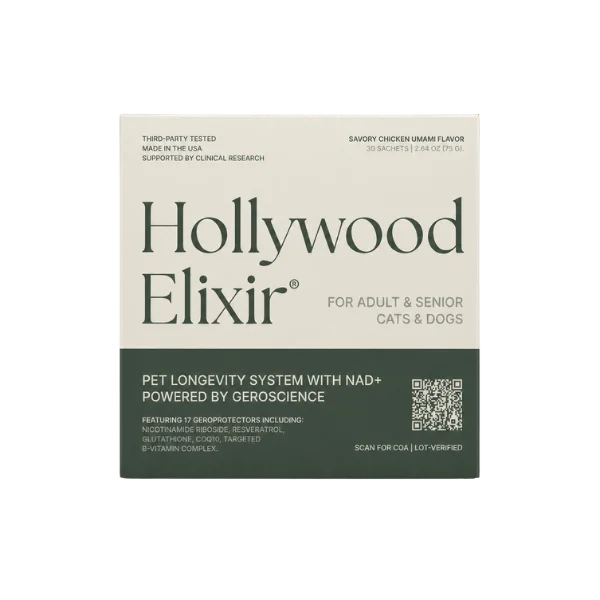
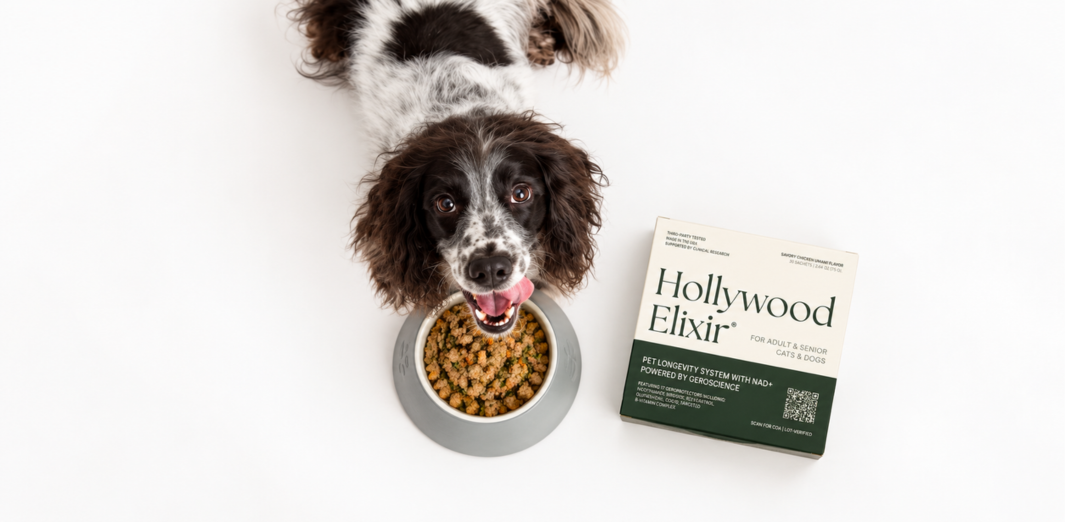
Hollywood Elixir™ supports normal aging-related vitality as part of a veterinarian-guided wellness plan.

A thyroid report can look alarming because it turns a dog’s everyday changes—sleeping more, gaining weight, a dull coat—into a single “low” number. The key point is simple: thyroid tests do not diagnose hypothyroidism by themselves; they only become meaningful when the numbers match the dog’s signs, timing, and breed. Many dogs show a low total T4 during another illness or while taking certain medications, and that can mimic hypothyroidism on paper.

This page decodes the three tests owners see most often—total T4, Free T4, and TSH—and explains how veterinarians read them as a pattern. It also explains why Free T4 vs total T4 dogs is not a “which is best” debate, but a question of what problem is being solved: screening, confirmation, or sorting out confusing results. Breed differences (especially sighthounds), non-thyroidal illness (euthyroid sick syndrome), and lab method differences can all shift dog thyroid test results without true thyroid failure.

Most importantly, no home interpretation should lead to starting, stopping, or changing thyroid medication. The safest path is a veterinarian-guided plan that uses the panel, a symptom timeline, and sometimes a retest when the dog is stable. That approach reduces false alarms and helps families focus on what will actually help their dog feel more sustained over time.

By La Petite Labs Editorial, ~15 min read

Featured Product:

  • Thyroid Testing in Dogs: T4, Free T4, TSH — A Clear Owner Guide is best understood as pattern-reading: the three tests plus symptoms and timing.
  • Total T4 is a useful screening number, but it can drop during other illnesses or with certain medications, so a low result is not a diagnosis.
  • Free T4 (especially by equilibrium dialysis) can add clarity when total T4 is low or the clinical picture is complicated.
  • TSH is a feedback signal; a high TSH with low T4 supports hypothyroidism, but it can still be misleading in some non-thyroid conditions.
  • Euthyroid sick syndrome can mimic hypothyroidism on labs, especially during hospitalization or significant inflammation.
  • Breed matters: sighthounds can have different “normal” thyroid baselines, so generic reference ranges can overcall disease.
  • Owners help most by bringing a symptom timeline, full medication list, and a short tracking log for weight, energy, coat, and stools.

Why Thyroid Testing Matters in Senior Dogs

Thyroid testing matters most when a dog’s “slowing down” could be normal aging, another illness, or true hypothyroidism. Thyroid hormones influence how cells use energy, so low readings can look like many other problems, from arthritis fatigue to recovery that feels less uniform after exercise. That is why veterinarians often order a panel—total T4, Free T4, and TSH—rather than relying on a single number (Ford, 2006). The goal is not to label a dog quickly, but to decide whether the thyroid is truly underperforming or simply reacting to stress elsewhere in the body.

At home, the most helpful starting point is a simple timeline. Note when changes began and whether they are steady or come and go: longer naps, slower walks, weight gain despite the same food, or a coat that feels dry and thin. Also record anything that could “muddy” labs—recent vomiting/diarrhea, a new medication, or a stressful boarding stay. Bringing that context to the appointment helps the veterinarian interpret dog thyroid test results with more latitude and fewer false alarms.

Cellular energy graphic representing oxidative balance supported by Free T4 vs total T4 dogs.

Total T4: a Useful Screen with Common Pitfalls

Total T4 is the most common first look because it is widely available and can flag obvious hypothyroidism. The catch is that total T4 is “sticky”: most of it rides on blood proteins, and many non-thyroid influences can pull the number down without the thyroid being the real problem (Ford, 2006). This is why low T4 in dogs meaning “hypothyroid” is not automatic. A low total T4 is best treated as a prompt to ask, “What else is going on?” rather than a diagnosis by itself.

Owners often notice the confusion when a dog feels a little off, the total T4 comes back low, and the next step is unclear. Before assuming lifelong medication, gather practical details: appetite changes, stool quality, recent infections, and whether the dog has been hospitalized or is recovering from surgery. Those everyday clues help explain why a screening test can look abnormal during a rough week, then normalize when the dog’s mending speed improves.

Genetic structure image symbolizing long-term wellness supported by low T4 in dogs meaning.

Free T4 by Equilibrium Dialysis: Why It Helps

Free T4 aims to estimate the tiny fraction of hormone not bound to proteins—the portion more available to tissues. When measured by equilibrium dialysis (or closely related approaches), Free T4 is often used to clarify borderline cases because it is less affected by protein shifts than total T4 (Ford, 2006). This is the heart of the Free T4 vs total T4 dogs question: total T4 is a useful screen, while Free T4 can add clarity when the screen is low or the clinical picture is messy.

A household way to think about it is “signal vs noise.” If a dog has skin changes and weight gain but also had a recent stomach bug, the total T4 may be noisy. Free T4 can be a cleaner signal, but it still needs context. Owners can help by scheduling bloodwork when the dog is back to normal eating and energy, and by using the same lab when retesting so numbers are more comparable over time.

Protein model representing bioactive synergy and support found in dog thyroid test results.

Free T4 Methods: Why Lab Choice Can Shift Results

Even with Free T4, the testing method matters. Free T4 measured by tandem mass spectrometry and by immunoassay can correlate overall, but they are not interchangeable near decision limits, meaning one method may classify a borderline dog differently than another (Sasso, 2025). This does not mean one clinic is “wrong”; it means consistency is important when monitoring a single dog. When owners compare dog thyroid test results from two different labs, small method differences can look like big health changes.

A practical routine is to keep a folder with the lab name, test method (if listed), and reference interval printed on the report. If a retest is planned, ask whether the same Free T4 method will be used. That simple step prevents a common spiral: a dog seems stable at home, but a method change makes the numbers look less uniform, triggering worry and unnecessary medication discussions.

Dog portrait symbolizing calm and wellness supported by dog thyroid test results.

TSH: the Feedback Signal That Adds Context
TSH is the brain’s “thermostat signal” to the thyroid. When thyroid hormone is truly low for long enough, TSH often rises as the body asks for more production. That is why a panel approach—total T4, Free T4, and canine TSH—tends to outperform any single test for hypothyroid test interpretation dogs. Still, TSH is not perfect: some hypothyroid dogs have normal TSH, and some non-thyroid problems can push TSH up.

Owners can use TSH as a “context clue,” not a verdict. If a dog has classic signs (weight gain, dull coat, low drive) and TSH is high, that supports a thyroid conversation. If the dog is recovering from illness and TSH is mildly high, it may be a temporary stress response. The most helpful home contribution is a clear symptom log: what changed, how fast, and whether the dog’s daily readouts are trending toward room to recover.

Hollywood Elixir™ is amazing and makes my 13 y/o young again!

— Jessie

We go on runs. Lately he's been keeping up with no problem!

— Cami

“A single low T4 is a clue, not a diagnosis.”

Euthyroid Sick Syndrome: When Illness Mimics Hypothyroidism

Non-thyroidal illness syndrome (often called euthyroid sick syndrome) is a major reason thyroid panels confuse owners. In dogs with other diseases, low T4 and even high TSH can occur, so that pattern is not automatically specific for hypothyroidism (Nishii, 2019). The body can temporarily shift thyroid hormone handling during inflammation, pain, infection, or hospitalization. The thyroid gland may be normal, but the blood numbers look “hypothyroid-like” while the dog is sick.

This is where timing matters. If a dog had pancreatitis, a dental infection, or a bad gastrointestinal week, thyroid testing during that window can produce a scary report. Owners can help by asking whether it is better to retest after the primary problem settles. A good rule of thumb is to prioritize the illness that is obvious at home—appetite, vomiting, pain—then circle back to thyroid once the dog’s routine is more uniform.

Dog portrait symbolizing confidence and healthy aging support from low T4 in dogs meaning.

Hospital Stays and Severe Infection: Expect Thyroid “False Lows”

Hospitalized dogs are especially prone to thyroid “false lows.” In severe infections like parvoviral enteritis, thyroid hormone patterns consistent with non-thyroidal illness are common and can be associated with overall illness severity (Oikonomidis, 2021). That does not mean the dog suddenly developed hypothyroidism; it means the body is under heavy stress. In these situations, thyroid numbers are best viewed as part of the bigger picture, not a new lifelong diagnosis.

A realistic scenario: a young adult dog is hospitalized for severe diarrhea and dehydration, then a “low T4” appears on a broad panel. The dog comes home, appetite returns, and energy improves over two weeks, yet the lab report still worries the family. The most useful next step is often a planned retest later, when the dog is eating normally and daily readouts—stool, energy, hydration—show room to recover.

Canine side view symbolizing quiet confidence supported through low T4 in dogs meaning.

Medication Effects That Can Lower T4 Without Thyroid Disease

Medications can change thyroid values without changing true thyroid function. Some drugs alter protein binding, liver handling of hormones, or the body’s feedback signals, which can lower total T4 and sometimes Free T4. This is one of the most common reasons dog thyroid test results look “off” when the dog is being treated for a different condition. It is also why starting or stopping thyroid medication based on labs alone is risky.

Owners can make interpretation easier by bringing a complete medication list, including flea/tick preventives, supplements, and any recent steroid use. Write down the last dose time for daily medicines and whether anything was missed. If the dog is on long-term anti-itch or anti-inflammatory therapy, ask the veterinarian whether thyroid testing should be timed around that plan. Clear medication history often explains “low T4 in dogs meaning what, exactly?” better than another blood draw.

Ingredient showcase image explaining core components and support from low T4 in dogs meaning.

Breed-specific Normals: Sighthounds Need Different Context

Breed matters, especially for sighthounds. Some breeds naturally run different baseline thyroid hormone and TSH concentrations, and breed-specific reference intervals can change what “normal” means (Hegstad-Davies, 2015). A Greyhound with a low-normal or even below-average total T4 may be perfectly healthy for that breed. This is a classic trap in hypothyroid test interpretation dogs: using a single generic reference range can overcall disease in dogs whose normal is simply different.

At home, the key is to match the lab report to the dog in front of the family. If a sighthound is lean, bright, and has a shiny coat, a low total T4 should trigger a breed-aware conversation, not panic. Owners should tell the clinic the exact breed mix and ask whether the lab uses breed-adjusted intervals. This is one place where “normal” has real latitude.

Tgaa Testing for Autoimmune Thyroiditis

Autoimmune thyroiditis is a common underlying cause of hypothyroidism in dogs, and TgAA (thyroglobulin autoantibodies) testing can add context. A positive TgAA suggests immune activity directed at thyroid tissue, which can precede clear hormone changes. It does not automatically mean a dog needs treatment today; it means the thyroid may be on a path where monitoring matters. This is especially useful when symptoms are mild but persistent and the family wants a clearer “why.”

Owners can support this decision by documenting slow, specific changes: thinning hair on the tail or trunk, recurrent ear infections, or a coat that mats easily despite normal grooming. Those details help the veterinarian decide whether TgAA adds value or whether retesting hormones later is enough. If the dog also has another immune condition, mention it; immune patterns can cluster, and that history can shape how closely thyroid trends are watched.

“The best thyroid interpretation matches labs to the dog’s real life.”

Lab coat with La Petite Labs logo symbolizing science-backed standards for Free T4 vs total T4 dogs.

When to Test and When to Retest

Knowing when to test—and when to retest—often matters more than the first number. Because illness and medications can temporarily shift thyroid values, a veterinarian may recommend repeating the panel after the dog is stable, using the same lab and method for better comparison (Sasso, 2025). Retesting is not “stalling”; it is a way to avoid labeling a dog based on a transient dip. The goal is a pattern that matches the dog’s real-life signs.

A useful home plan is to pick a two-week window when routines are predictable: normal appetite, normal stools, no new drugs, and typical activity. During that window, record daily readouts—walk stamina, interest in play, and whether the dog seeks warmth more than usual. Bring those notes to the retest appointment. When lab trends and home trends line up, decisions feel less irregular and more grounded.

Shop Now
Premium ingredient tableau framing Hollywood Elixir aligned with low T4 in dogs meaning.

Reading Patterns: Low T4 with Normal or High TSH

Interpreting combinations is where most owners get stuck. A low total T4 with a normal TSH often points toward non-thyroidal illness, medication effects, or breed-related baselines rather than straightforward hypothyroidism. A low T4 with a high TSH is more supportive of primary hypothyroidism, but it still needs the dog’s symptoms and history to match. In other words, the panel is a set of clues that must agree with the story.

This is a good place for an owner checklist to bring to the visit: (1) weight trend over 2–3 months, (2) coat changes and shedding pattern, (3) heat-seeking behavior, (4) activity tolerance on the same route, and (5) any recent illness or steroid use. These specifics help the veterinarian decide whether the next step is Free T4 confirmation, TgAA testing, or simply waiting and retesting. It also prevents “treating the paper.”

Shop Now
Woman holding Hollywood Elixir box with her dog, showing daily dog thyroid test results routine.

Correcting a Common Misconception About Low T4

A unique misconception is that a single low total T4 proves hypothyroidism and should trigger immediate lifelong medication. In reality, low T4 in dogs meaning “thyroid failure” is only one possibility, and non-thyroidal illness can mimic the same pattern (Nishii, 2019). Another misconception is that Free T4 is always definitive; Free T4 can still be influenced by the testing method and the dog’s overall health status. The most accurate interpretation comes from matching labs to symptoms and timing.

What not to do: do not start leftover thyroid pills from another pet, do not change doses based on internet charts, and do not chase tiny fluctuations by switching labs each time. Also avoid testing during an obvious flare of another problem (vomiting, painful skin infection) unless the veterinarian specifically needs it. These mistakes create less uniform data and can delay the real diagnosis—whether that is hypothyroidism, another endocrine issue, or a non-thyroid illness.

Shop Now

Other Endocrine Problems That Confuse Thyroid Panels

Some dogs have overlapping endocrine stories, and that can distort thyroid labs. Dogs with hypoadrenocorticism (Addison’s disease) can show altered thyroid test results over time, and thyroid values may shift after Addison’s treatment begins (Sieber-Ruckstuhl, 2025). This matters because a dog can look “hypothyroid” on paper while the primary problem is adrenal hormone deficiency. It is a reminder that thyroid testing is part of a broader endocrine-system-and-aging-in-dogs picture, not a standalone label.

At home, mixed endocrine problems often look like a dog who has good days and bad days without a clear trigger: appetite swings, intermittent vomiting/diarrhea, and energy that drops suddenly. If those patterns exist, bring them up even if the appointment was “just for thyroid.” Owners can also mention any episodes of collapse, shaking, or unusual stress sensitivity. Those details help the veterinarian decide whether additional endocrine testing is needed before concluding hypothyroidism.

Hair Loss Workups: Thyroid Is One Piece, Not Everything

When the main concern is hair loss or recurrent skin infections, thyroid testing is often part of the workup—but it should not crowd out basic dermatology steps. Hypothyroidism can contribute to thin hair, dull coat, and slow regrowth, yet allergies, parasites, and bacterial or yeast overgrowth are often more common causes. This is where an internal link to hypothyroidism-hair-loss-in-dogs fits naturally: thyroid is one piece of the coat puzzle, not the whole picture.

Owners can help by separating “itch” from “hair loss.” Record whether the dog is actually itchy, where hair is thinning, and whether there is odor, redness, or greasy scaling. Take monthly photos in the same lighting. If thyroid medication is eventually prescribed by the veterinarian, those photos become a practical way to judge whether coat changes are becoming more sustained over weeks, rather than relying on memory during a stressful follow-up visit.

Comparison layout showing ingredient quality differences relevant to low T4 in dogs meaning.

Vet Visit Prep for Clearer Thyroid Conversations

Vet visit preparation makes thyroid conversations far more productive. The most useful questions are specific: “Which test was low—total T4 or Free T4?”, “Was Free T4 measured by equilibrium dialysis or another method?”, and “Does my dog’s breed have a different normal range?” (Hegstad-Davies, 2015). Also ask, “Could illness or medications explain this pattern?” and “What would make you confident enough to treat versus retest?” These questions keep the focus on interpretation, not just numbers.

Bring a one-page summary: current diet, treats, supplements, medication names and last dose times, and a short symptom timeline. Add a “what to record and bring to the vet” section for the next month: weight every two weeks, daily walk stamina, coat shedding notes, and any gastrointestinal upsets. This kind of organized handoff helps the veterinarian decide whether the thyroid story is primary or whether the dog needs room to recover from another issue first.

Shop Now
Open box with Hollywood Elixir inside, reinforcing dog thyroid test results premium cues.

What to Track: Daily Readouts That Match Thyroid Function

A “what to track” rubric turns worry into useful data. Track 4–6 markers that reflect thyroid-related function without overinterpreting daily noise: body weight trend, resting energy (morning willingness to get up), exercise tolerance on the same route, coat texture/shedding, skin or ear infection frequency, and stool consistency. These are the daily readouts that often change before owners feel confident describing a pattern. They also help separate thyroid concerns from pain, diet issues, or seasonal allergies.

Use a simple calendar or notes app and aim for consistency rather than perfection. If the veterinarian recommends retesting, bring the tracking summary alongside the lab report so the conversation stays anchored to the dog’s real life. This approach is especially helpful for senior dogs, where multiple conditions can overlap and improvements may be gradual. The goal is more uniform information, not constant testing.

Shop Now

Putting It Together: a Calm Way to Use the Panel

Putting it all together: dog thyroid test results are most reliable when the panel, the dog’s symptoms, and the timing all agree. Total T4 is a helpful screen, Free T4 adds clarity (especially by equilibrium dialysis), and TSH provides a feedback clue, but none should be used in isolation. Non-thyroidal illness, medications, and breed baselines—especially in sighthounds—can create confusing patterns that look like hypothyroidism when they are not (Hegstad-Davies, 2015).

If the family is researching Thyroid Testing in Dogs: T4, Free T4, TSH — A Clear Owner Guide because a report looks scary, the safest next step is a calm, structured follow-up with the veterinarian. Bring the symptom timeline, medication list, and tracking rubric, and ask whether retesting after recovery is appropriate. Avoid making medication decisions at home based on a single lab page. Clear interpretation protects dogs from both missed diagnoses and unnecessary lifelong treatment.

“Consistency in timing and lab method makes trends easier to trust.”

Educational content only. This material is not a substitute for veterinary advice. Always consult your veterinarian about your dog’s specific needs. These statements have not been evaluated by the Food and Drug Administration. Products mentioned are not intended to diagnose, treat, cure, or prevent any disease.

Glossary

  • Total T4 - The total amount of thyroxine in blood, mostly protein-bound.
  • Free T4 - The small fraction of thyroxine not bound to proteins, estimated to reflect biologically available hormone.
  • Equilibrium Dialysis - A laboratory method commonly used to measure Free T4 with reduced interference.
  • TSH (Thyroid-Stimulating Hormone) - A pituitary hormone that signals the thyroid gland to produce thyroid hormones.
  • Reference Interval - The lab’s expected range for healthy dogs; may vary by breed and method.
  • Euthyroid Sick Syndrome (Non-Thyroidal Illness) - Illness-related changes that can lower T4 (and sometimes alter TSH) without true hypothyroidism.
  • Autoimmune Thyroiditis - Immune-mediated inflammation of the thyroid that can lead to hypothyroidism over time.
  • TgAA (Thyroglobulin Autoantibodies) - Antibodies that suggest immune activity directed at thyroid tissue.
  • Sighthound Thyroid Baseline - Breed-related tendency for different thyroid hormone ranges in breeds like Greyhounds.

Related Reading

References

Sasso. Correlations of Free Thyroid Hormones Measured by Tandem Mass Spectrometry and Immunoassay in Dogs.. PubMed Central. 2025. https://pmc.ncbi.nlm.nih.gov/articles/PMC11899353/

Hegstad-Davies. Breed-specific reference intervals for assessing thyroid function in seven dog breeds.. PubMed. 2015. https://pubmed.ncbi.nlm.nih.gov/26472744/

Sieber-Ruckstuhl. Longitudinal assessment of thyroid function in dogs with hypoadrenocorticism: Clinical outcomes and prevalence of autoantibodies.. PubMed Central. 2025. https://pmc.ncbi.nlm.nih.gov/articles/PMC11627518/

Nishii. Risk factors for low plasma thyroxine and high plasma thyroid-stimulating hormone concentrations in dogs with non-thyroidal diseases.. PubMed Central. 2019. https://pmc.ncbi.nlm.nih.gov/articles/PMC6715931/

Ford. Laboratory Diagnosis and Test Protocols. PubMed Central. 2006. https://pmc.ncbi.nlm.nih.gov/articles/PMC7182103/

Oikonomidis. Serial measurement of thyroid hormones in hospitalised dogs with canine parvoviral enteritis: Incidence of non-thyroidal illness syndrome and its association with outcome and systemic inflammatory response syndrome.. PubMed. 2021. https://pubmed.ncbi.nlm.nih.gov/34252549/

FAQ

What does a dog thyroid panel actually measure?

A typical panel measures total T4, Free T4, and TSH. Total T4 is the overall hormone in blood, mostly attached to proteins. Free T4 estimates the small portion more available to tissues, often measured with methods designed to reduce interference.

TSH is the brain’s signal telling the thyroid to make more hormone. The three values together help a veterinarian decide whether the thyroid itself is failing or whether another problem is temporarily shifting the numbers.

Why do vets test thyroid levels in older dogs?

In senior dogs, weight gain, low drive, and coat changes can come from hypothyroidism, but they can also come from pain, chronic inflammation, or normal aging. Thyroid testing helps sort out which direction to investigate so time and money go to the right next step.

Thyroid Testing in Dogs: T4, Free T4, TSH — A Clear Owner Guide is most useful when results are paired with a symptom timeline and medication list, because those details often explain confusing “borderline” reports.

What is low T4 in dogs meaning, in plain language?

A low total T4 means the screening number is below the lab’s reference interval. It can happen with true hypothyroidism, but it can also happen when a dog is sick with something else, stressed, or affected by certain medications.

That is why low T4 in dogs meaning “needs thyroid pills now” is a common misunderstanding. The next step is usually looking at Free T4 and TSH, plus the dog’s real-life signs, before any treatment decisions.

Free T4 vs total T4 dogs: which matters more?

They answer different questions. Total T4 is a practical first screen. Free T4 is often used to clarify borderline or confusing cases because it is less influenced by protein changes than total T4 when measured by equilibrium dialysis-type methods.

Neither is “better” in every dog. The most accurate approach is reading the pattern across total T4, Free T4, and TSH, then matching it to symptoms and timing.

Can different labs give different Free T4 results?

Yes, especially when results are near the decision line. Free T4 measured by mass spectrometry and by immunoassay can correlate overall, but they are not interchangeable for every dog(Sasso, 2025).

For owners, the practical takeaway is consistency: if retesting is planned, using the same lab and method helps make trends easier to interpret. Always compare results to that lab’s reference interval.

What does a high TSH mean in dog thyroid tests?

A high TSH suggests the body is asking the thyroid to produce more hormone. When T4 is low and TSH is high, that combination can support primary hypothyroidism, especially if symptoms match.

However, TSH is not perfect. Some dogs with other illnesses can show high TSH patterns too, so the veterinarian still needs the full context and often a panel approach rather than a single value.

Can illness cause abnormal dog thyroid test results?

Yes. Non-thyroidal illness (euthyroid sick syndrome) can lower T4, and in some dogs it can also raise TSH, meaning the pattern can mimic hypothyroidism(Nishii, 2019).

This is why testing during a major infection, hospitalization, or severe gastrointestinal upset can be misleading. Many dogs need a retest after recovery to understand what the thyroid is doing under normal conditions.

Should thyroid testing wait until my dog feels better?

Often, yes—unless the veterinarian has a specific reason to test immediately. When a dog is clearly ill, thyroid numbers can reflect the illness rather than true thyroid function.

Owners can ask whether it is reasonable to treat the obvious problem first, then retest thyroid values once appetite, stools, and energy are back to baseline. That timing can make results easier to trust.

Can medications change T4, Free T4, or TSH readings?

Yes. Some medications can lower total T4 and sometimes Free T4, and they can also affect feedback signals that influence TSH. This does not always mean the thyroid gland is failing.

Bring a complete list of prescriptions, preventives, and supplements, plus the last dose time. That information can be the difference between “abnormal labs” and a clear explanation.

Do sighthounds have different normal thyroid ranges?

They can. Research supports measurable breed differences in baseline thyroid hormone and TSH concentrations, and breed-specific reference intervals may be more appropriate than a single generic range.

For owners of Greyhounds and other sighthounds, a “low” total T4 on a standard report should trigger a breed-aware discussion, not an automatic hypothyroidism label.

What is TgAA testing for autoimmune thyroiditis?

TgAA tests look for antibodies against thyroglobulin, a thyroid-related protein. A positive result suggests immune activity that can be associated with autoimmune thyroiditis, a common cause of hypothyroidism in dogs.

It is not a stand-alone “treat now” result. It is most helpful when paired with symptoms and hormone trends, especially if the family is trying to understand why results keep hovering in a gray zone.

How do vets interpret low T4 with normal TSH?

Low T4 with normal TSH often suggests something other than straightforward primary hypothyroidism, such as non-thyroidal illness, medication effects, or breed-related baselines.

The next step may be checking Free T4 (ideally with a method designed to reduce interference), reviewing medications, and deciding whether a retest after recovery is the safest way to clarify the pattern.

How do vets interpret low T4 with high TSH?

Low T4 with high TSH can support primary hypothyroidism, particularly when the dog’s signs match the lab pattern. It suggests the body is asking for more thyroid hormone but not getting enough.

Even so, non-thyroidal illness can sometimes produce similar patterns, so the veterinarian still considers timing, other diseases, and medications before making a long-term treatment plan.

What should be tracked at home before retesting thyroid?

Track a few concrete daily readouts: weight trend, walk stamina on the same route, willingness to play, coat shedding/texture, and stool consistency. Add notes about heat-seeking and sleep changes if they are new.

Bring the log to the appointment along with the lab report. This helps the veterinarian decide whether a number is clinically meaningful or just a temporary shift that does not match the dog’s day-to-day function.

What questions should owners ask about thyroid test methods?

Ask which Free T4 method was used and whether the same method will be used for retesting. Method choice can change classification near decision limits, so consistency matters when monitoring one dog.

Also ask whether the reference interval is breed-aware and whether recent illness or medications could be affecting the results. These questions often clarify confusing dog thyroid test results more than repeating the same test immediately.

Can Addison’s disease affect thyroid test interpretation in dogs?

Yes. Dogs with hypoadrenocorticism can have altered thyroid test results over time, and values may change after Addison’s treatment begins(Sieber-Ruckstuhl, 2025). This can create a misleading “hypothyroid-like” picture early on.

If a dog has intermittent vomiting/diarrhea, sudden weakness, or stress sensitivity along with abnormal thyroid labs, mention it. The veterinarian may need to rule out adrenal disease before concluding the thyroid is the primary issue.

How soon do thyroid numbers change after illness or hospitalization?

During significant illness, thyroid hormone patterns can shift and may reflect how sick the dog is rather than true thyroid failure. This has been documented in hospitalized dogs with severe infections such as parvoviral enteritis(Oikonomidis, 2021).

The exact timeline back to baseline varies. Owners can ask the veterinarian when the dog is stable enough for a meaningful retest, then aim to test during a period of normal appetite, stools, and routine activity.

Is it safe to start thyroid medication based on labs alone?

No. Thyroid medication decisions should be veterinarian-guided and based on the full picture: symptoms, exam findings, and a panel pattern that makes sense. Illness and medications can lower T4 without true hypothyroidism.

Starting treatment “just to see” can complicate future interpretation and may distract from the real cause of a dog’s fatigue or skin issues. If results are borderline, retesting under stable conditions is often safer.

When should owners call the vet urgently about thyroid concerns?

Most thyroid concerns are not urgent. Urgent contact is more about the signs around the test: collapse, severe weakness, repeated vomiting/diarrhea, refusal to eat, or trouble breathing. Those signs suggest an acute illness that can also distort thyroid labs.

For non-urgent concerns—weight gain, coat thinning, low energy—schedule a visit and bring a symptom timeline. Thyroid Testing in Dogs: T4, Free T4, TSH — A Clear Owner Guide is most helpful when the dog is stable enough for meaningful interpretation.

Can supplements replace thyroid testing or thyroid medication?

No. Supplements cannot diagnose hypothyroidism, and they should not replace veterinarian-prescribed medication when a dog truly needs it. Thyroid hormone is a specific replacement therapy, and the decision to use it depends on correct interpretation of labs and symptoms.

Some families use wellness products to support normal aging alongside veterinary care. For example, Hollywood Elixir™ supports normal vitality, but it is not a substitute for thyroid diagnostics or treatment decisions.

How should owners use this guide with their vet visit?

Use Thyroid Testing in Dogs: T4, Free T4, TSH — A Clear Owner Guide as a checklist for the conversation: which values are abnormal, what method was used for Free T4, whether breed-specific ranges apply, and whether illness or medications could explain the pattern.

Bring a one-page summary of symptoms, weight trend, and medications. That handoff helps the veterinarian interpret results with fewer assumptions and decide whether the next step is retesting, additional endocrine workup, or treatment.

5K+ Happy Pet Parents

Excellent 4.8

Thyroid Testing in Dogs: T4, Free T4, TSH — a Clear Owner Guide | Why Thousands of Pup Parents Trust Hollywood Elixir™

"He seems more happy overall. I've also noticed he has more energy which makes our walks and playtime so much more fun."

Olga & Jordan

"He's got way more energy now! We go on runs pretty often; he use to get tired halfway through, but lately, he's been keeping up without any problem."

Cami & Clifford

"I want her to live forever. She hasn't had an ear infection since!"

Madison & Azula

"It helps with her calmness, her immune system. I really like the clean ingredients. Highly recommend La Petite Labs!"

Maple & Cassidy

"He seems more happy overall. I've also noticed he has more energy which makes our walks and playtime so much more fun."

Olga & Jordan

"He's got way more energy now! We go on runs pretty often; he use to get tired halfway through, but lately, he's been keeping up without any problem."

Cami & Clifford

"I want her to live forever. She hasn't had an ear infection since!"

Madison & Azula

"It helps with her calmness, her immune system. I really like the clean ingredients. Highly recommend La Petite Labs!"

Maple & Cassidy

"He seems more happy overall. I've also noticed he has more energy which makes our walks and playtime so much more fun."

Olga & Jordan

"He's got way more energy now! We go on runs pretty often; he use to get tired halfway through, but lately, he's been keeping up without any problem."

Cami & Clifford

"I want her to live forever. She hasn't had an ear infection since!"

Madison & Azula

"It helps with her calmness, her immune system. I really like the clean ingredients. Highly recommend La Petite Labs!"

Maple & Cassidy

"He seems more happy overall. I've also noticed he has more energy which makes our walks and playtime so much more fun."

Olga & Jordan

"He's got way more energy now! We go on runs pretty often; he use to get tired halfway through, but lately, he's been keeping up without any problem."

Cami & Clifford

"I want her to live forever. She hasn't had an ear infection since!"

Madison & Azula

"It helps with her calmness, her immune system. I really like the clean ingredients. Highly recommend La Petite Labs!"

Maple & Cassidy

SHOP NOW