Dog Staring at Wall

Identify Triggers, Danger Signs, and Next Steps When Your Dog Fixates on Walls

Essential Summary

Why is it important to understand why a dog is staring at the wall?

Wall-staring can be harmless curiosity, but it can also signal discomfort, sensory change, anxiety, or neurologic events. Track when it happens, whether your dog can be redirected, and any changes in appetite, sleep, or coordination. If episodes are new, persistent, or paired with other signs, a veterinary exam helps clarify next steps.

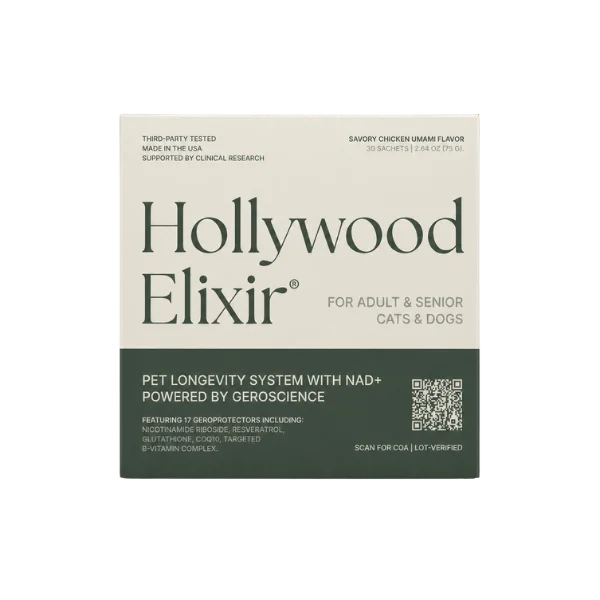
For dogs whose behavior shifts with age or stress, Hollywood Elixir™ is designed as system-level support for graceful aging—helping sustain everyday energy, resilience, and recovery without pretending to replace diagnosis or veterinary care.

Few things unsettle a home faster than a dog staring at wall with total concentration, as if something is there that you can’t see. The mind goes to dark places: neurological disease, pain, a sudden decline. Sometimes those fears are justified. Often, they’re not—but the behavior still deserves a careful look.

If you’ve found yourself asking, why is my dog staring at the wall, you’re already doing the right first thing: noticing a pattern. Wall-staring can be driven by ordinary triggers (sound, scent, light), by stress and learned habits, or by medical issues that change perception, comfort, or awareness. The difference is usually in the details: how long it lasts, whether your dog can be redirected, and what else has changed—sleep, appetite, coordination, mood.

This page is designed to help you sort the plausible from the urgent, without forcing a single explanation. It also answers a practical question many careful owners ask: if the best move is a veterinary evaluation, why consider a daily aging-support product at all? Because even when you find the cause, your dog’s long-term comfort depends on the broader baseline—energy, recovery, stress tolerance, and the slow wear of time. That’s where system-level support, including Hollywood Elixir™, can complement good veterinary care rather than compete with it.

By La Petite Labs Editorial, ~15 min read

Featured Product:

  • Wall-staring can be ordinary: reflections, sounds in drywall, or a learned “treat spot.”
  • New, prolonged, or trance-like episodes deserve closer attention than brief curiosity.
  • Discomfort—including gastrointestinal upset—can show up as unusual stillness or fixation.
  • Neurologic events may look subtle; video and timing details can help your veterinarian.
  • Vision changes and cognitive aging can make familiar rooms harder to interpret.
  • A short log—when, where, duration, redirectability—often speeds up diagnosis.
  • After urgent causes are ruled out, system-level aging support can complement routine and training.

When Stillness Feels Strange: Reading a Wall-fixated Moment Carefully

A dog staring at wall can look eerie, but it’s often a clue rather than a mystery. Sometimes it’s simple: a sound behind drywall, a shifting reflection, a scent trail you can’t detect. Other times, the stillness is a behavior worth taking seriously—especially if it’s new, frequent, or paired with pacing, confusion, or changes in appetite.

Because wall-staring can sit at the intersection of behavior, neurology, vision, and discomfort, it helps to think in patterns: When does it happen? How long does it last? Can you interrupt it? Does your dog seem “present,” or distant? Those details are often more useful than the behavior itself.

Cellular powerhouse illustration symbolizing metabolic support via my dog is staring at the wall.

Everyday Triggers That Can Look Like Something More

If you’re thinking, why is my dog staring at the wall, start by ruling in the ordinary. Dogs notice tiny movements—light flicker from a window, a ceiling fan’s shadow, a bug near the baseboard, or a mouse in the wall. Some dogs fixate on a particular spot because it reliably predicts something: the closet where the leash lives, the cabinet where treats appear, the hallway where a family member returns.

Context matters. If the behavior is brief, playful, and your dog is otherwise normal, it may be harmless curiosity. If it’s prolonged, trance-like, or escalating over days, treat it as a signal to look deeper—especially in seniors, or dogs with recent stress, illness, or medication changes.

Close-up DNA helix tied to cellular integrity and support from why is my dog staring at walls.

Discomfort and the Gut: When Behavior Becomes a Symptom

When my dog is staring at the wall and seems “stuck,” discomfort is a quiet possibility. Dogs don’t always show pain in obvious ways; they may withdraw, become still, or fixate. Gastrointestinal upset is one medical thread that has been associated with unusual behaviors, including wall-staring, and it’s a reason to consider a veterinary check when the behavior is out of character (Poirier-Guay MP, 2014).

Look for supporting clues: lip-licking, swallowing, grass-eating, restlessness at night, a “praying” posture, changes in stool, or reduced appetite. None of these prove a cause, but together they help your veterinarian decide whether to evaluate the gut, pain, or other internal stressors.

Protein structure illustration showing biological precision behind my dog is staring at the wall.

Neurologic Possibilities: Subtle Episodes That Deserve Attention

Neurologic causes are less common than everyday explanations, but they deserve respect—particularly if the staring episodes are sudden, repetitive, or paired with odd movements. Some focal seizures can look like a dog freezing, staring, smacking lips, or acting briefly “absent,” then returning to normal. Other neurologic issues can also change awareness, navigation, and responsiveness.

A practical test: call your dog’s name, clap softly, or offer a familiar cue. If your dog can’t be redirected, or seems disoriented afterward, document the episode (video helps) and speak with your veterinarian promptly. New neurologic signs should be treated as time-sensitive, even when they’re subtle.

Pug looking up, symbolizing trust and attentive care supported by why is my dog staring at the wall.

Vision and Perception: Light, Shadows, and a Changing Room
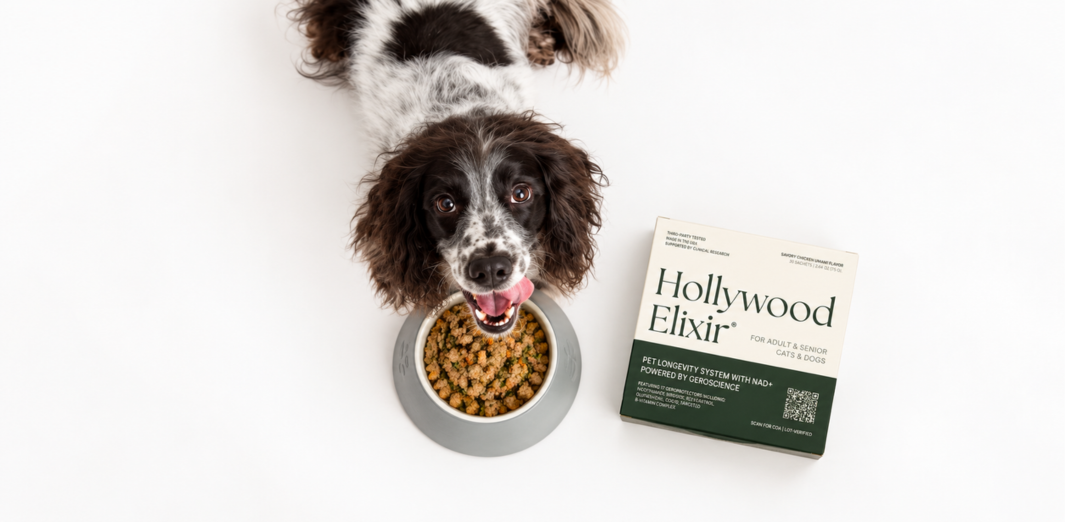
Vision changes can make walls strangely compelling. A dog with declining eyesight may track floaters, chase light patterns, or stare toward high-contrast edges. Cataracts, retinal disease, and age-related changes can alter how a room “reads,” especially in low light. Some dogs also develop anxiety when their visual world becomes less reliable, and stillness becomes a coping strategy.

Notice whether the behavior clusters at dusk, in bright sunbeams, or near reflective surfaces. Also watch for bumping into furniture, hesitating at stairs, or startling when approached. A veterinary eye exam can be surprisingly clarifying—and can prevent you from mislabeling a sensory problem as a behavioral one.

Hollywood Elixir™ is amazing and makes my 13 y/o young again!

— Jessie

We go on runs. Lately he's been keeping up with no problem!

— Cami

“The most useful question isn’t Is this weird? It’s Is this new, and is it changing.”

Senior Dogs and Cognitive Shifts: Patterns That Build over Time

In older dogs, wall-staring sometimes appears alongside broader cognitive shifts: altered sleep, getting “stuck” in corners, pacing, or seeming lost in familiar rooms. Cognitive change is not a moral failing or stubbornness; it’s a brain aging story that can be managed with routine, environmental support, and veterinary guidance.

If the behavior is new in a senior dog, don’t assume it’s “just age.” Many medical problems—pain, endocrine disease, hypertension, sensory loss—can mimic cognitive decline. A thoughtful workup helps separate what’s treatable now from what needs longer-term support and adaptation at home.

Portrait of a dog showing thoughtful presence supported by why is my dog staring at walls.

Stress, Routine, and Compulsion: the Behavioral Side of Fixation

Compulsive or stress-linked behaviors can also present as staring. After a move, a new baby, schedule changes, or conflict with another pet, some dogs develop repetitive patterns that soothe them in the moment but become sticky over time. The wall becomes a neutral “anchor” when the rest of life feels unpredictable.

The tell is consistency: the same location, the same time of day, the same prelude (panting, pacing, whining). Behavior support works best when it’s gentle and structured—more predictable walks, richer sniff time, and a calmer home rhythm—while your veterinarian rules out pain or neurologic triggers that can masquerade as anxiety.

Dog looking ahead, capturing presence and calm energy supported by why is my dog staring at the wall.

Toxins, Medications, and Sudden Changes in Awareness

Toxins and medications can change perception and behavior, sometimes quickly. Household exposures (certain pest products, human edibles, some plants) and medication side effects may cause agitation, confusion, tremors, or unusual fixations. If wall-staring arrives abruptly with vomiting, wobbliness, drooling, or dilated pupils, treat it as urgent.

Bring your veterinarian a list of everything your dog could have accessed: prescriptions, supplements, chews, trash, and recent topical products. Timing matters; even “safe” items can be unsafe at the wrong dose or in the wrong dog. When in doubt, call your vet or a poison hotline immediately rather than waiting for the behavior to pass.

Ingredient showcase image explaining core components and support from my dog is staring at the wall.

What to Observe: the Details Your Veterinarian Can Use

A useful middle ground is observation with intention. Keep a short log for a week: time, duration, location, what happened right before, whether you could interrupt it, and any changes in eating, stool, sleep, or thirst. If you can safely capture a video, do—many conditions look similar in description but different on screen.

This isn’t about turning your home into a clinic. It’s about giving your veterinarian a clean narrative. Wall-staring is a symptom, not a diagnosis; the fastest path to clarity is often a few well-chosen details rather than a long list of worries.

When to Call the Vet: Red Flags and Urgency Signals

Call your veterinarian sooner rather than later if the staring is new and persistent, if your dog seems unaware, or if you notice stumbling, head tilt, circling, weakness, collapse, or sudden behavior change. If gastrointestinal signs accompany it—vomiting, diarrhea, abdominal tension, or refusal of food—an exam is also wise, since atypical behaviors can be linked to underlying GI distress (Poirier-Guay MP, 2014).

Emergency care is appropriate if there are seizures, repeated vomiting, suspected toxin exposure, severe lethargy, or trouble breathing. Trust the pattern you know: if your dog looks unlike themselves, you don’t need to wait for a “perfect” symptom list.

“Video and a short log often do more than a long description.”

Research-style uniform highlighting scientific integrity aligned with why is my dog staring at the wall.

What the Appointment May Include: from Basics to Next Steps

At the appointment, your veterinarian may focus on three buckets: medical causes (pain, GI upset, endocrine disease), neurologic causes (seizure activity, brain disease), and sensory/behavioral causes (vision loss, anxiety, compulsive patterns). The workup can be as light as a physical exam and basic labs, or more advanced if red flags appear.

Bring your notes and video, plus a list of diet, treats, supplements, and medications. If your dog is older, ask whether blood pressure, thyroid testing, or cognitive screening is appropriate. Good medicine here is often about ruling out the dangerous and treatable first, then refining the picture.

Shop Now
Curated ingredient scene highlighting bioactive blend supporting why is my dog staring at the wall.

Support at Home While You Investigate the Cause

Home support should be calm, not confrontational. If your dog is staring, avoid startling them; instead, offer a gentle cue, a soft touch if they like it, or a quiet redirect to a familiar activity. If they can’t disengage, don’t escalate—note it, time it, and consider it a data point.

Make the environment easier to interpret: consistent lighting, fewer sharp reflections, and clear pathways. For seniors, add night-lights and rugs for traction. For anxious dogs, predictability helps more than novelty. These changes don’t replace veterinary care, but they reduce strain while you investigate the cause.

Shop Now
Pet owner presenting supplement, highlighting home wellness supported by my dog is staring at the wall.

Nutrition as Foundation: Supporting Resilience Without Overpromising

Nutrition and supplementation won’t “diagnose” wall-staring, but they can support the broader systems that influence resilience: brain aging, oxidative balance, mitochondrial function, and stress recovery. That matters because many dogs don’t have a single neat cause—especially seniors, where small stresses add up over time.

A science-minded owner can hold two truths at once: you still pursue a medical explanation, and you also support the body’s capacity to cope. The goal is not to mask symptoms; it’s to strengthen the baseline so that training, routine, and veterinary treatment have a steadier foundation.

Shop Now

Why System-level Aging Support Still Matters for Science-minded Owners

This is where a system-level product can stay relevant without pretending to be a cure. Hollywood Elixir™ is positioned for graceful aging support—helping maintain the metabolic network that underpins energy, cellular repair, and stress tolerance. Even when a dog’s diet is “complete,” aging can change absorption, demand, and recovery speed, and the practical question becomes: how do you support the whole organism, not just one nutrient?

If your dog’s wall-staring is ultimately behavioral or age-linked, supporting overall vitality can make routines easier to sustain and changes easier to tolerate. If it’s medical, foundational support can still be complementary to veterinary care—without competing with it.

Timeline Clues: Sudden, Gradual, or Episodic Wall-staring Patterns

If you keep thinking, why is my dog staring at walls, consider the timeline. Sudden onset points you toward toxins, acute pain, vestibular events, or seizure activity. Gradual onset suggests sensory decline, cognitive change, or a learned pattern that has quietly grown. Episodic behavior—brief spells separated by normalcy—often calls for video documentation and a neurologic conversation.

Also consider location: one specific wall can mean sound or scent; multiple walls can suggest a broader perceptual or neurologic issue. The most useful question isn’t “Is this weird?” It’s “Is this new for my dog, and is it changing?”

Chart contrasting minimal formulas with full-spectrum support in why is my dog staring at the wall.

A Calm Decision Framework for Concerned Pet Parents

A gentle decision framework can reduce panic. If your dog is bright, eating, and easily redirected, you can observe briefly while you remove obvious triggers (reflections, noises, access to the spot). If your dog seems distressed, can’t be interrupted, or shows any neurologic or GI signs, move from observation to veterinary assessment. Atypical behaviors like wall-staring can be a reason to rule out health problems rather than waiting it out (Poirier-Guay MP, 2014).

You’re not overreacting by asking early. You’re simply choosing the version of the story where you get answers sooner, and your dog spends less time in an unexplained state.

Shop Now
Unboxed supplement reflecting refined experience and trust in why is my dog staring at the wall.

If Nothing Urgent Is Found: Building a Layered Support Plan

If your veterinarian rules out urgent causes, the next step is often a layered plan: environmental tweaks, predictable enrichment, and targeted support for aging or anxiety. Progress is measured in small things—shorter episodes, easier redirection, better sleep, steadier appetite. Those are meaningful outcomes even when the original behavior doesn’t vanish overnight.

Consistency is the quiet lever. Dogs do better when their days are legible: similar meal times, familiar walking routes, and fewer abrupt changes. If you add supplements or diet adjustments, change one variable at a time so you can tell what’s helping.

Shop Now

Closing Perspective: a Symptom Worth Respect, Not Fear

Wall-staring is one of those behaviors that can be nothing—or a first whisper. The responsible stance is balanced: notice it, document it, and escalate care when the pattern asks you to. Most importantly, don’t let the internet force a single explanation onto a complex signal. Your dog’s full context—age, health history, environment, and temperament—is the real diagnostic landscape.

With veterinary guidance and thoughtful support at home, many dogs settle. And for dogs moving through the long arc of aging, system-level support can be part of keeping life comfortable, coherent, and steady.

“Support the diagnosis process—and support the dog who has to live through it.”

Educational content only. This material is not a substitute for veterinary advice. Always consult your veterinarian about your dog’s specific needs. These statements have not been evaluated by the Food and Drug Administration. Products mentioned are not intended to diagnose, treat, cure, or prevent any disease.

Glossary

  • Focal Seizure: A seizure affecting a specific brain region that may look like staring, lip-smacking, or brief unresponsiveness.
  • Canine Cognitive Dysfunction (CCD): Age-associated changes in memory, sleep-wake cycles, and orientation that can alter behavior.
  • Redirectability: Whether a dog can be gently interrupted and reoriented during an episode; a useful clinical clue.
  • Compulsive Behavior: Repetitive behavior that may start from stress or conflict and becomes habitual over time.
  • Vestibular Signs: Balance-related symptoms such as head tilt, stumbling, or circling that can accompany neurologic or inner-ear issues.
  • Sensory Decline: Reduced vision or hearing that changes how a dog interprets the environment, sometimes leading to fixation.
  • GI Discomfort: Nausea, reflux, or abdominal pain that may present as restlessness, withdrawal, or unusual behaviors.
  • Trigger: A specific cue (sound, reflection, time of day, location) that reliably precedes a behavior.
  • Episode Log: A brief record of timing, duration, context, and associated signs used to support veterinary assessment.

Related Reading

References

Poirier-Guay MP. Star gazing in a dog: atypical manifestation of upper gastrointestinal disease.. PubMed Central. 2014. https://pmc.ncbi.nlm.nih.gov/articles/PMC4204840/

FAQ

Is dog staring at wall always a serious medical problem?

Not always. Some dogs fixate on reflections, tiny sounds, or a spot associated with treats or routines. Brief episodes with normal appetite, sleep, and responsiveness are often benign.

It becomes more concerning when it’s new, frequent, hard to interrupt, or paired with confusion, vomiting, wobbliness, or behavior change. For broader resilience—especially in seniors—Hollywood Elixir™

Why is my dog staring at the wall at night?

Nighttime can amplify shadows, reflections, and outside noises, and low light can make vision changes more obvious. Some dogs also show anxiety or restlessness more at night, especially with disrupted sleep.

If it’s new or paired with pacing, accidents, or disorientation, ask your veterinarian about pain, sensory decline, or cognitive changes. Support for steady aging routines can pair well with Hollywood Elixir™

Can gastrointestinal discomfort cause my dog to stare at walls?

It can. Unusual behaviors, including wall-staring, have been linked to underlying gastrointestinal issues in some dogs. Dogs may respond to nausea or abdominal discomfort with stillness, withdrawal, or odd fixations.

Look for lip-licking, swallowing, grass-eating, appetite changes, or stool changes, and discuss them with your veterinarian. For whole-body resilience while you sort out causes, consider Hollywood Elixir™

Could dog staring at wall be a type of seizure?

Yes, some focal seizures can appear as freezing, staring, lip-smacking, or brief unresponsiveness. Episodes may be short and followed by a moment of confusion or fatigue.

If you suspect seizures, record a video and contact your veterinarian promptly, especially if episodes cluster or your dog can’t be redirected. For supportive aging care alongside veterinary plans, Hollywood Elixir™

What signs mean dog staring at wall is an emergency?

Seek urgent care if wall-staring comes with collapse, repeated vomiting, severe lethargy, trouble breathing, uncontrolled shaking, or suspected toxin exposure. Also treat it as urgent if your dog seems unaware and cannot be interrupted.

When in doubt, call your veterinarian or an emergency clinic; timing can matter. After the acute situation is addressed, longer-term resilience support can include Hollywood Elixir™

How can I tell if my dog is staring at the wall?

Look for a fixed gaze at a surface with minimal blinking, reduced responsiveness to your voice, and a “stuck” posture. Note whether the episode ends quickly or lingers.

Try a gentle interrupt: say their name, offer a cue, or move quietly into their line of sight. If they can’t reorient, document it and call your veterinarian. For ongoing aging support, Hollywood Elixir™

Can vision problems make a dog stare at walls?

They can. Dogs with vision changes may track light patterns, shadows, or high-contrast edges, and they may hesitate in dim rooms. Wall-staring can be a byproduct of a world that’s harder to interpret.

Watch for bumping into objects, reluctance on stairs, or startling when approached. A veterinary eye exam is often straightforward and informative. For broader support as dogs age, Hollywood Elixir™

Is dog staring at wall linked to canine cognitive dysfunction?

It can be. In some senior dogs, wall-staring appears with pacing, getting stuck in corners, altered sleep, or seeming lost in familiar spaces. These patterns can fit cognitive change, but they can also mimic pain or sensory loss.

A veterinary evaluation helps separate treatable medical issues from longer-term brain aging support. For system-level support that complements routine and care plans, Hollywood Elixir™

My dog is staring at the wall and whining—why?

Whining adds a layer of distress. It may reflect anxiety, pain, nausea, or a sensory trigger your dog can’t resolve. It can also happen when a dog anticipates something—like a person arriving—yet can’t make it happen.

If the whining is new, persistent, or paired with appetite changes, vomiting, or unsteadiness, contact your veterinarian. For supportive daily resilience while you investigate, Hollywood Elixir™

What should I track before calling the veterinarian?

Track time of day, duration, location, what happened right before, and whether you could gently redirect your dog. Note appetite, stool, sleep, thirst, and any wobbliness or pacing.

A short video is often more useful than a long description. This information helps your veterinarian decide whether to focus on GI, neurologic, sensory, or behavioral causes. For ongoing aging support, Hollywood Elixir™

Why is my dog staring at walls after a move?

After a move, dogs often scan and fixate because the sensory map has changed—new echoes, new smells, new light angles. Some dogs also develop repetitive behaviors when they’re trying to self-soothe in an unfamiliar environment.

Keep routines steady, add calm enrichment, and rule out medical issues if the behavior is intense or persistent. For gentle, system-level support during transitions, Hollywood Elixir™

Can certain breeds be more prone to wall-staring behaviors?

Some breeds are more prone to anxiety patterns, compulsive tendencies, or age-related cognitive changes, which can make repetitive behaviors more likely. But breed alone rarely explains a new behavior in an individual dog.

Focus on your dog’s baseline and what has changed: health, environment, schedule, or medications. If it’s new or escalating, a veterinary check is still the right first step. For aging resilience support, Hollywood Elixir™

Does dog staring at wall happen more in older dogs?

It can. Aging increases the odds of vision changes, cognitive shifts, chronic pain, and medical conditions that subtly affect behavior. That doesn’t mean wall-staring is “normal,” but it does mean the differential list gets broader with age.

If your senior dog develops this behavior, consider a veterinary visit to rule out treatable issues first. For long-arc support of vitality and resilience, Hollywood Elixir™

Can anxiety or compulsive behavior cause a dog to stare?

Yes. Some dogs develop repetitive behaviors—staring, licking, pacing—when stressed or under-stimulated. The behavior can start as a coping strategy and become a habit, especially if the environment stays unpredictable.

Because pain and neurologic issues can look similar, it’s still wise to rule out medical causes before labeling it “behavioral.” For steady daily support alongside training and routine, Hollywood Elixir™

Should I try to interrupt dog staring at wall episodes?

Use gentle interruption, not startling. Say your dog’s name softly, offer a familiar cue, or redirect with a calm activity. If your dog reorients easily, that’s a reassuring sign.

If your dog cannot disengage, seems unaware, or appears confused afterward, document the episode and contact your veterinarian. For supportive aging care that complements a plan, Hollywood Elixir™

How long should dog staring at wall last before concern?

Seconds of curiosity are common. Minutes of fixed staring—especially if repeated daily—deserve attention, particularly if your dog seems “absent” or you can’t redirect them.

Any episode paired with neurologic signs (stumbling, circling, head tilt) or GI signs should prompt a call to your veterinarian. For broader resilience as you monitor patterns, Hollywood Elixir™

Can supplements replace a veterinary workup for wall-staring?

No. Wall-staring is a symptom with many possible causes, including neurologic events and internal discomfort. Supplements can support general resilience, but they can’t tell you whether something urgent is being missed.

The best approach is complementary: rule out medical problems first, then use nutrition and lifestyle support to strengthen baseline comfort and coping. A system-level option to consider is Hollywood Elixir™

Is Hollywood Elixir™ safe to use daily for aging dogs?

Daily use depends on your dog’s health history, current medications, and sensitivities. The safest path is to share the label and ingredient list with your veterinarian, especially for seniors, dogs with chronic disease, or dogs on prescription therapies.

Introduce any new supplement gradually and monitor stool, appetite, and energy. For a system-level approach to graceful aging support, explore Hollywood Elixir™

What side effects should I watch for with new supplements?

The most common early issues with many supplements are digestive: softer stool, gas, or reduced appetite. Less commonly, you might see itchiness or restlessness, depending on the dog and the formula.

If you notice vomiting, hives, marked lethargy, or behavior that feels abruptly “off,” stop the product and call your veterinarian. For a vetted, system-level aging support option, consider Hollywood Elixir™

Can Hollywood Elixir™ interact with my dog’s medications?

Potential interactions depend on the specific medication and your dog’s liver, kidney, and GI status. That’s why it’s smart to treat supplements like any other health input: disclose them to your veterinarian and ask about timing and compatibility.

This is especially important for seizure medications, sedatives, anticoagulants, and endocrine therapies. For product details you can share with your clinic, see Hollywood Elixir™

How soon might I notice changes after starting Hollywood Elixir™?

With system-level support, changes are often subtle and gradual—more stable energy, easier recovery after activity, or a steadier day-to-day rhythm. Timelines vary by age, baseline health, and whether other issues are being treated at the same time.

Track a few simple markers weekly (sleep quality, appetite, willingness to move, overall demeanor) rather than looking for a dramatic overnight shift. For a graceful-aging support option, Hollywood Elixir™

5K+ Happy Pet Parents

Excellent 4.8

Dog Staring at Wall | Why Thousands of Pup Parents Trust Hollywood Elixir™

"He seems more happy overall. I've also noticed he has more energy which makes our walks and playtime so much more fun."

Olga & Jordan

"He's got way more energy now! We go on runs pretty often; he use to get tired halfway through, but lately, he's been keeping up without any problem."

Cami & Clifford

"I want her to live forever. She hasn't had an ear infection since!"

Madison & Azula

"It helps with her calmness, her immune system. I really like the clean ingredients. Highly recommend La Petite Labs!"

Maple & Cassidy

"He seems more happy overall. I've also noticed he has more energy which makes our walks and playtime so much more fun."

Olga & Jordan

"He's got way more energy now! We go on runs pretty often; he use to get tired halfway through, but lately, he's been keeping up without any problem."

Cami & Clifford

"I want her to live forever. She hasn't had an ear infection since!"

Madison & Azula

"It helps with her calmness, her immune system. I really like the clean ingredients. Highly recommend La Petite Labs!"

Maple & Cassidy

"He seems more happy overall. I've also noticed he has more energy which makes our walks and playtime so much more fun."

Olga & Jordan

"He's got way more energy now! We go on runs pretty often; he use to get tired halfway through, but lately, he's been keeping up without any problem."

Cami & Clifford

"I want her to live forever. She hasn't had an ear infection since!"

Madison & Azula

"It helps with her calmness, her immune system. I really like the clean ingredients. Highly recommend La Petite Labs!"

Maple & Cassidy

"He seems more happy overall. I've also noticed he has more energy which makes our walks and playtime so much more fun."

Olga & Jordan

"He's got way more energy now! We go on runs pretty often; he use to get tired halfway through, but lately, he's been keeping up without any problem."

Cami & Clifford

"I want her to live forever. She hasn't had an ear infection since!"

Madison & Azula

"It helps with her calmness, her immune system. I really like the clean ingredients. Highly recommend La Petite Labs!"

Maple & Cassidy

SHOP NOW