
Is My Dog Depressed — or Slowing down? a High-trust Guide to Mood, Illness, and Understimulation

Sort Mood from Pain, Gut Illness, and Aging for Clearer Next Steps

Essential Summary

Why Is My Dog Depressed Or Slowing Down Important?

Depression-like behavior is a high-stakes signal because it can be the first visible sign of pain, illness, or a shrinking daily world. Treating it as a sorting problem—medical first, then routine and enrichment—protects dogs from missed diagnoses and helps families make changes that actually match what the dog needs.

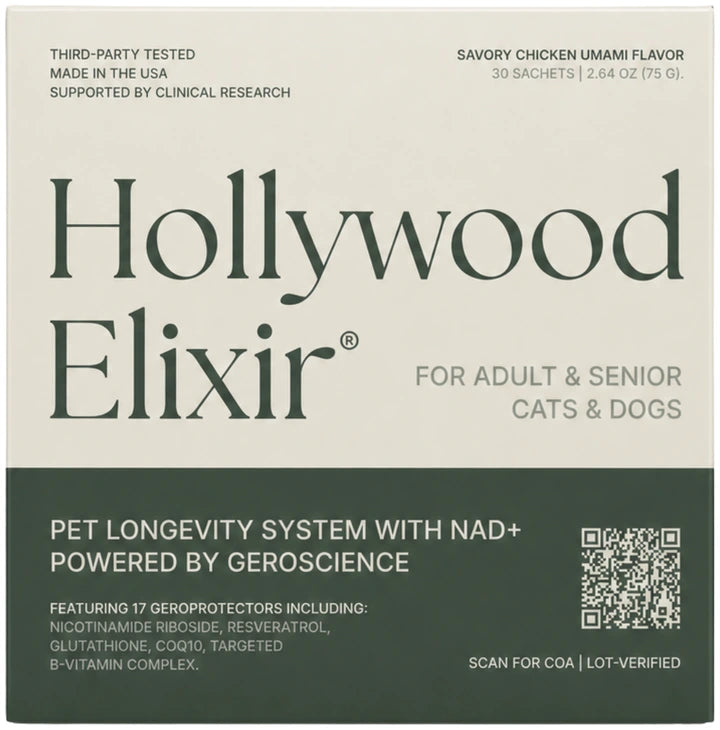
Hollywood Elixir™ is designed to support normal aging functions as part of a veterinarian-guided plan.

When a dog seems withdrawn, sleeps more, or stops enjoying favorite things, it can look like sadness—but the safest first assumption is that something has changed in the body, the routine, or both. Many “signs of depression in dogs” overlap with pain, stomach upset, hormone shifts, medication effects, and simple understimulation. That overlap is why a “lethargic dog or depressed” question is really a sorting problem: what changed, how fast, and what else is different?

This page treats “old dog seems sad” as a real, meaningful observation—without jumping to a human label. Dogs can show depression-like behavior, but there is no single home test that proves a mood disorder. Instead, the most high-trust path is to (1) rule out medical causes that commonly masquerade as low mood, (2) check whether the dog’s daily life still matches their needs, and (3) track a few simple trend points over a 30-day window so a veterinarian can interpret the pattern. Along the way, the most useful question becomes: what are the dog behavioral changes causes that fit this dog’s age, history, and environment right now?

By La Petite Labs Editorial, ~15 min read

Featured Product:

  • A dog can look “depressed,” but the same signs often come from pain, illness, medication effects, grief, or boredom—so medical rule-out comes first.
  • Common depression-like behaviors include less play, more sleep, avoiding family spaces, slower walks, and changes in appetite or grooming.
  • Pain is a frequent hidden driver: dogs may stop jumping, hesitate on stairs, or seem “stubborn” rather than obviously limping.
  • Gut problems can mimic low mood because nausea and diarrhea reduce appetite and activity, even when the dog is still socially attached (Suchodolski, 2012).
  • Understimulation is real: when the day becomes too predictable, many dogs show a flatter, less rhythmic engagement that looks like sadness.
  • Tracking a few trend points (sleep, appetite, mobility, interest, accidents, and “spark”) over 30 days makes the vet visit more productive.
  • If there is sudden collapse, trouble breathing, repeated vomiting, black stools, or refusal to eat for a day, treat it as urgent—not “mood.”

What Owners Usually Mean by “Depressed”

When people ask about signs of depression in dogs, they are usually describing a cluster: lower energy, less curiosity, and less social “reach.” In dogs, those changes can come from mood, but they can also come from discomfort, nausea, poor sleep, or a shrinking ability to recover after normal activity. The key idea is that behavior is an output of the brain and body together, so a change in either can look like “sadness.”

At home, this often shows up as a dog who stays in the back room, doesn’t greet at the door, or stops bringing toys. Some dogs still eat but do it slowly, or they follow family members without the usual bright engagement. Noting what the dog still enjoys (food, sniffing, cuddling, car rides) helps separate “less energy” from “less interest,” which matters for next steps.

Scientific mitochondria render emphasizing oxidative balance supported by old dog seems sad.

Depression-like Behavior: the Household Picture

A lethargic dog or depressed dog can look the same on the surface: more sleep, fewer invitations to play, and a quieter response to normal cues. Dogs also show depression-like behavior through “friction” with movement—slower transitions from lying to standing, or choosing the easiest path through the house. Appetite changes can go either direction, because stress and illness can both shift eating patterns.

Owners often notice small routine breaks first: the dog stops waiting by the leash, doesn’t patrol the yard, or ignores the doorbell. Some dogs become clingier and shadow a person, while others isolate. A useful home question is, “Is the dog avoiding effort, avoiding people, or avoiding both?” That simple split can point toward pain, nausea, anxiety, or understimulation.

DNA structure visual linked to antioxidant protection mechanisms in lethargic dog or depressed.

Pain: the Most Common “Sad Dog” Imposter

Pain is one of the most common dog behavioral changes causes that gets mislabeled as mood. Chronic pain changes sleep quality, reduces play, and makes the world feel “smaller,” especially in older dogs. Dogs are also skilled at masking pain until the effort cost is too high, so the first visible sign may be withdrawal rather than limping. Quality-of-life tools used in painful conditions emphasize everyday function—appetite, mobility, and interaction—because those are the first domains to shift (Yazbek, 2005).

At home, pain often looks like: hesitation on stairs, avoiding slippery floors, sitting down on walks, or choosing a new sleeping spot that requires fewer steps. Some dogs lick a joint, yelp when bumped, or become irritable when touched in one area. If an old dog seems sad and also avoids jumping onto a couch they used to love, pain deserves to be treated as a front-runner.

Structural biology image symbolizing ingredient integrity supported by old dog seems sad.

Illness That Mimics Low Mood: Gut and Metabolic Clues

Illness can create a “flat” dog long before dramatic symptoms appear. Nausea, diarrhea, and inflammatory bowel problems can reduce appetite and activity, which owners may interpret as depression-like behavior (Suchodolski, 2012). Endocrine and metabolic issues can also shift energy and sleep, but the most actionable point at home is to look for small body clues that travel with the mood change: thirst, weight drift, panting, or new accidents.

A practical check is to scan the last two weeks for “quiet” physical changes: softer stools, lip-licking, grass-eating, skipping breakfast, or a new reluctance to take treats. Note whether the dog perks up after eating or seems worse after meals. If the dog is less engaged and also has GI changes, it is safer to treat it as a body problem first, not a personality shift.

Pug portrait highlighting companionship and steady support from signs of depression in dogs.

Case Vignette: When “Sad” Was Actually Discomfort
A 9-year-old Labrador stops greeting visitors and begins sleeping behind the sofa, and the family worries the old dog seems sad. Over three weeks, walks become shorter and the dog no longer jumps into the car, but there is no obvious limp. At the veterinary visit, a pain-focused exam and history reveal arthritis flare patterns and a sore back, explaining the withdrawal more cleanly than a mood label.

The home “tell” in scenarios like this is often a change in transitions: slower to stand, careful turning, or choosing rugs over tile. Owners can help by filming a 20-second clip of the dog rising, walking away, and sitting again on two different days. That short video often communicates more than a long description, and it helps the vet match behavior to body mechanics.

Hollywood Elixir™ is amazing and makes my 13 y/o young again!

— Jessie

We go on runs. Lately he's been keeping up with no problem!

— Cami

“Withdrawal is often a comfort problem before it is a mood problem.”

Understimulation: Boredom Can Look Like Depression

Understimulation is a real contributor to depression-like behavior, especially in smart, social dogs whose days become repetitive. When the brain gets fewer chances to sniff, solve, and interact, engagement can become less rhythmic and more jagged—short bursts of interest followed by long stretches of inactivity. This is one reason “dog sleeps all day” and “bored dog” concerns often overlap with questions about signs of depression in dogs.

A home clue is timing: the dog perks up briefly when something novel happens (a delivery, a visitor, a food puzzle) and then fades again. Another clue is “defaulting” to the same spot and the same view, even when the family is home. If energy improves noticeably with new sniff routes, short training games, or supervised chew time, understimulation may be a major piece of the puzzle.

Elegant canine photo emphasizing gentle vitality supported through dog behavioral changes causes.

Grief, Social Loss, and Household Stress

Dogs can show grief-like behavior after the loss of a person or another pet, and it can resemble a lethargic dog or depressed presentation. The biology is not “human sadness,” but a disruption in predictability, social cues, and daily reinforcement. Appetite, sleep, and attachment behaviors can shift because the dog’s expectations no longer match what happens in the home.

At home, grief-like patterns often include searching, waiting by a door, carrying a toy, or following the remaining caregiver more closely. Some dogs stop eating well if meals were a social event with the missing person or pet. The most helpful response is gentle structure: consistent walk times, short “success” training sessions, and a predictable bedtime routine—while still watching for medical red flags that could be hiding underneath.

Side-profile dog portrait highlighting focus and alertness supported by signs of depression in dogs.

Medication Side Effects That Flatten Personality

Some medications can cause sedation, stomach upset, or a “dulled” response that owners interpret as depression-like behavior. Pain medications, allergy medications, and certain neurologic drugs can change sleep patterns or appetite, especially during the first days of a new dose. Even when a drug is appropriate, the goal is a cleaner daily function, not a dog who seems disconnected from the household.

A practical step is to write down exactly what changed and when: the medication name, start date, and the first day the dog seemed different. If the dog became quieter within 24–72 hours of a new medication, that timing matters. Never stop prescription meds abruptly without veterinary guidance; instead, call and describe the change in sleep, appetite, coordination, and social interest so the plan can be adjusted.

Product overview visual highlighting formulation integrity aligned with old dog seems sad.

Seasonal and Environmental Shifts That Change Energy

Season and environment can change a dog’s activity without any disease. Heat and humidity reduce willingness to move; cold weather can make stiff joints more obvious; shorter daylight can shrink outdoor time and enrichment. These factors can create dog behavioral changes causes that look like mood, especially when they stack with aging or a busy household schedule.

At home, look for patterns: does the dog brighten on cooler mornings, or after a short car ride to a new sniff spot? Does the dog avoid the yard only when it’s wet, windy, or noisy? Small environmental edits can matter—non-slip runners, a ramp for the car, shaded walk routes, or indoor scent games—because they reduce effort cost and bring back engagement without forcing long exercise.

Aging: Normal Slowing Versus Concerning Decline

Aging changes a dog’s regeneration rate after activity, so longer naps and shorter play sessions can be normal. The concern is not “slower,” but “shrinking”: fewer good moments, less adaptability to routine changes, and a narrower span of activities the dog can enjoy. When an old dog seems sad, it is often because the dog is protecting themselves from discomfort or confusion, not because they have chosen to disengage.

A helpful home comparison is last month versus this month, not puppyhood versus now. Is the dog still excited for one or two things each day, or is everything muted? If the dog’s world has become “bed, bowl, bathroom,” that is a signal to look for pain, sensory loss, or cognitive change—and to rebuild daily enrichment in smaller, more frequent pieces.

“Track trend points, not feelings, and the pattern becomes clearer.”

Professional uniform showing commitment to quality in support of dog behavioral changes causes.

The Differential Mindset: Rule out Medical First

The most reliable approach to “Is My Dog Depressed — or Slowing Down? A High-Trust Guide to Mood, Illness, and Understimulation” is a differential mindset: assume there may be a body driver until proven otherwise. That does not dismiss mood; it protects the dog from missed pain, infection, or organ stress. Veterinary teams often use structured quality-of-life thinking because it captures function and comfort in a way owners can observe day to day (Sinha, 2026).

At home, start with a simple timeline: “What was normal, what changed, and what else changed at the same time?” Include diet shifts, new treats, boarding, visitors, construction noise, and schedule changes. This timeline also creates natural cross-links with related concerns like lethargy causes dogs, appetite changes in dogs, and dog sleeps all day—because those are often the same story told from different angles.

Shop Now
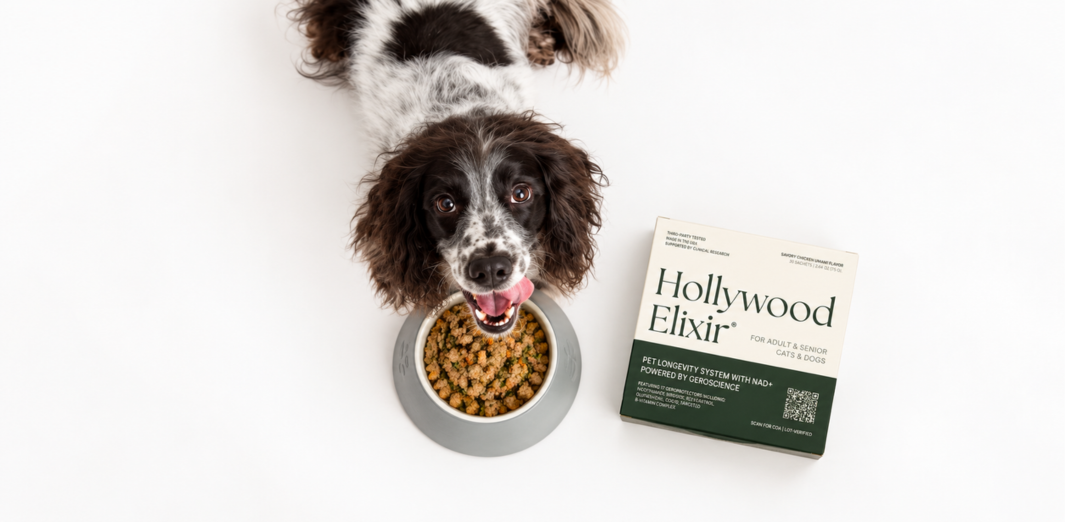
Hollywood Elixir in food tableau emphasizing purity aligned with lethargic dog or depressed.

Owner Checklist: Quick Home Observations That Matter

Owner checklist for depression-like behavior works best when it stays observable and specific. Check: (1) greeting behavior at the door, (2) willingness to rise and follow from room to room, (3) interest in sniffing on walks versus just “going through the motions,” (4) appetite speed and treat interest, and (5) any new avoidance of touch, stairs, or jumping. These items help separate “less energy” from “less comfort” and “less stimulation.”

Do the checklist at the same times for three days, because one off-day can mislead. If the dog is bright for food but flat for movement, pain or deconditioning rises on the list. If the dog is flat for food and play, nausea or illness becomes more likely. If the dog brightens with novelty, understimulation may be a major contributor.

Shop Now
Pet owner presenting supplement, highlighting home wellness supported by old dog seems sad.

Enrichment Assessment: Matching the Day to the Dog

An enrichment assessment asks whether the dog’s day still offers enough choices, problem-solving, and social contact for that individual. Many dogs lose enrichment as they age: walks get shorter, visitors decrease, and play becomes less frequent. The result can be a dog who appears “down,” when the real issue is that the environment no longer invites engagement in a way the dog can comfortably access.

At home, aim for small, repeatable “wins”: two five-minute sniff walks, a food puzzle at lunch, and a short training session that ends before fatigue. Rotate novelty without overwhelming the dog—new scents, a different sidewalk, or a cardboard box “find it” game. If the dog’s mood looks cleaner within a week of these changes, that is useful information to share with the veterinarian.

Shop Now

Unique Misconception: “If They Eat, It’s Not Medical”

A common misunderstanding is that if a dog still eats, the problem must be emotional. In reality, many painful or nauseated dogs keep eating because hunger is strong, routines are learned, or food is one of the only remaining pleasures. That misconception delays care and can turn a fixable problem into a longer, more jagged recovery.

A better home test is function, not appetite alone: does the dog move freely, seek contact, and recover after normal activity? Watch for “micro-avoidance,” like choosing a closer potty spot, skipping the last step into the car, or lying down immediately after eating. Those small choices often point to discomfort, even when the bowl is still being emptied.

When to See the Vet (and When It’s Urgent)

A veterinary visit is warranted when low energy lasts more than a week, when there is a clear downward trend, or when depression-like behavior comes with appetite change, vomiting, diarrhea, coughing, limping, or weight loss. Urgent care is appropriate for collapse, trouble breathing, repeated vomiting, black/tarry stool, severe belly pain, or a dog who will not eat for a full day. These are body alarms, not mood problems.

For a slower change, schedule a visit and bring a short written timeline plus two videos: walking and rising from rest. If the dog is on medications, bring the full list including supplements and flea/tick preventives. This preparation helps the vet quickly sort lethargy causes dogs from understimulation, and it reduces the chance that a subtle pain pattern gets missed.

Visual comparison highlighting no fillers advantage aligned with dog behavioral changes causes.

Vet Visit Prep: What to Bring and Ask

Vet visit prep questions that move the case forward include: “What medical problems most often mimic depression-like behavior in this age and breed?” “Where did the exam suggest pain, and what home signs should confirm it?” “Could any current medication be flattening energy or appetite?” and “What basic tests make sense before assuming a behavior-only cause?” This keeps the conversation grounded and efficient.

Bring concrete observations rather than labels: how many minutes the dog walks before slowing, how many hours they sleep, and whether they still seek touch. If the dog’s quality of life feels changed, say what is missing (play, greeting, exploring) rather than “seems depressed.” Structured owner input is known to help tailor plans in chronic conditions, because it captures what matters in the home (Sinha, 2026).

Shop Now
Open package showing attention to detail consistent with old dog seems sad standards.

What to Track over a 30-Day Window

What to track rubric: choose trend points that reflect comfort, interest, and body function. Track (1) appetite and treat interest, (2) sleep hours and nighttime restlessness, (3) walk duration and recovery time, (4) willingness to jump/climb, (5) stool quality and vomiting, and (6) social engagement—greeting, following, and play. These markers create a clearer pattern than a single daily “mood score.”

Use the same measurement style each day: minutes, counts, or yes/no. Aim for two check-ins daily and look for direction over a 30-day window, not perfection. If a change is tied to a new pain plan, diet change, or enrichment plan, note the start date so the trend points can be interpreted. This is the cleanest way to answer “lethargic dog or depressed” with evidence from the home.

Shop Now

What Not to Do While Sorting Mood from Illness

What not to do: do not force long exercise to “cheer them up,” because pain or heart/respiratory issues can worsen with overexertion. Do not punish withdrawal or accidents, since discomfort and confusion commonly drive them. Do not add multiple new supplements at once; it muddies the timeline and can upset the stomach. And do not share human antidepressants or pain pills—many are dangerous to dogs.

Also avoid assuming the dog is being “lazy” or “stubborn.” If the dog’s behavior changed, something changed in their capacity or comfort. If pain medication is prescribed, follow veterinary directions closely; drug handling and absorption can vary by route and formulation, which is one reason vets choose specific products and schedules (Schmitt, 1990). The goal is a safer, cleaner plan built on clear observations.

“Novelty in small doses can reveal understimulation quickly.”

Educational content only. This material is not a substitute for veterinary advice. Always consult your veterinarian about your dog’s specific needs. These statements have not been evaluated by the Food and Drug Administration. Products mentioned are not intended to diagnose, treat, cure, or prevent any disease.

Glossary

  • Depression-like behavior - A pattern of low interest, low activity, and withdrawal that can have medical or environmental causes.
  • Understimulation - Too little daily novelty, problem-solving, and sensory input for a dog’s needs.
  • Enrichment - Activities that allow sniffing, chewing, exploring, training, and choice-based engagement.
  • Differential approach - Listing plausible causes first, then ruling them in or out with history, exam, and tests.
  • Quality of life - A practical view of comfort and function, including appetite, mobility, sleep, and social behavior.
  • Trend points - Simple daily markers (minutes walked, appetite, sleep) tracked over time to reveal direction.
  • Regeneration rate - How quickly a dog recovers after normal activity; it often slows with age or illness.
  • Micro-avoidance - Small choices that reduce effort (skipping stairs, choosing rugs) that can signal pain or fatigue.

Related Reading

References

Suchodolski. The fecal microbiome in dogs with acute diarrhea and idiopathic inflammatory bowel disease.. Nature. 2012. https://www.nature.com/articles/s41598-024-66652-3

Sinha. Owner-perceived assessment of quality-of-life factors for dogs with megaesophagus may help veterinarians better tailor treatment plans.. PubMed. 2026. https://pubmed.ncbi.nlm.nih.gov/41160986/

Yazbek. Validity of a health-related quality-of-life scale for dogs with signs of pain secondary to cancer.. PubMed. 2005. https://pubmed.ncbi.nlm.nih.gov/15844428/

Schmitt. Biopharmaceutical evaluation of carprofen following single intravenous, oral, and rectal doses in dogs.. PubMed. 1990. https://pubmed.ncbi.nlm.nih.gov/2265238/

FAQ

Can dogs really get depressed like people do?

Dogs can show depression-like behavior—less play, more sleep, and withdrawal—but that does not automatically mean a human-style depressive disorder. In practice, the safest approach is to treat it as a sign that something changed in comfort, health, routine, or stimulation.

That framing keeps owners from missing pain, nausea, or medication effects while still taking the dog’s behavior seriously. If the change is new or worsening, a veterinary check is the right next step.

What are the most common signs of depression in dogs?

Common signs of depression in dogs include reduced interest in play, fewer greetings, more time spent alone, and a “flatter” response to normal cues. Some dogs sleep more, move more slowly, or stop seeking affection the way they used to.

Because these signs also occur with pain and illness, look for paired clues: appetite change, stool change, stiffness, panting, new accidents, or reluctance on stairs. Those extra details help sort mood from medical causes.

How do I tell a lethargic dog or depressed dog apart?

A lethargic dog or depressed-looking dog can be hard to separate without a medical exam, so focus on patterns. Illness-related lethargy often comes with appetite changes, GI signs, thirst changes, or a steady downward trend.

Understimulation often looks different: the dog brightens with novelty (new sniff route, food puzzle, short training) and then fades when the day becomes repetitive again. Either way, if the change lasts more than a week, schedule a vet visit.

Why does my old dog seems sad all of a sudden?

When an old dog seems sad suddenly, pain and illness rise to the top of the list. Arthritis flares, dental pain, nausea, and infections can all cause withdrawal before obvious symptoms appear. Aging also lowers regeneration rate after activity, so a small stressor can have a bigger impact.

Look for small movement changes (hesitation, slower rising), sleep disruption, or appetite drift. Sudden changes deserve prompt veterinary attention, especially if paired with vomiting, diarrhea, coughing, collapse, or refusal to eat.

What dog behavioral changes causes should I rule out first?

Rule out pain, GI upset, and medication side effects first because they commonly mimic depression-like behavior and are often treatable. Pain can show up as avoidance of stairs or jumping, not just limping. GI issues can flatten energy and appetite even when the dog still wants to be near family.

Bring a timeline to the vet: what changed, when it started, and what else changed at the same time (diet, schedule, new meds). That history helps the veterinarian choose the most useful exam focus and tests.

Can boredom really cause depression-like behavior in dogs?

Yes—understimulation can look like “sadness,” especially in dogs who used to get more sniffing, training, social contact, or outdoor time. When the day becomes too predictable, many dogs show less curiosity and fewer self-started behaviors.

A useful clue is responsiveness to novelty: if the dog perks up for a new sniff route or food puzzle, the brain is still interested. That does not rule out pain, but it suggests enrichment should be part of the plan.

How long should I wait before calling the vet?

Call the vet promptly if low energy is paired with vomiting, diarrhea, coughing, limping, weight loss, or a clear downward trend. If the dog is refusing food for a full day, has black stools, trouble breathing, or collapses, treat it as urgent.

For milder changes, a one-week window is a reasonable threshold: if the dog is still “off” after seven days, schedule an exam. Bring videos of walking and rising from rest to make the visit more efficient.

What tests might a vet run for low mood signs?

Veterinarians often start with a full physical exam and a pain-focused mobility check, then choose tests based on the history. Common first steps can include bloodwork and urine testing to screen for organ stress, infection, or endocrine patterns, plus fecal testing if stools changed.

If pain is suspected, the vet may discuss a trial plan or imaging. The goal is not to “prove depression,” but to find (or rule out) body causes that can masquerade as mood.

Can stomach problems make my dog seem depressed?

Yes. Nausea and intestinal inflammation can reduce appetite, play, and willingness to move, which can look like depression-like behavior at home. Studies of dogs with diarrhea and inflammatory bowel disease highlight measurable gut changes that go along with clinical illness(Suchodolski, 2012).

Home clues include lip-licking, grass-eating, softer stools, or “picky” eating that is new. If mood changes travel with stool or appetite changes, treat it as a medical lead worth checking.

Could my dog be grieving a person or pet?

Dogs can show grief-like behavior after a loss: searching, waiting by a door, reduced appetite, or less play. The driver is often disrupted routine and missing social cues, not a choice to “be sad.”

Support comes from gentle structure—predictable walk times, short training games, and consistent sleep routines—while still watching for medical signs. If the dog’s decline is steep or includes GI signs, pain, or weight loss, schedule a veterinary exam.

Can medications cause my dog to act depressed?

Yes. Some medications can cause sleepiness, nausea, or a quieter response to normal cues, especially right after starting or changing a dose. That can be mistaken for mood change.

Do not stop prescription medications abruptly. Call the veterinarian with specifics: when the medication started, when the behavior changed, and what you see (sleep hours, appetite, coordination, interest). That timeline helps the vet decide whether an adjustment is needed.

Is it normal if my dog sleeps all day now?

More sleep can be normal with age, but “all day” sleep paired with less interest in food, walks, or family time deserves a closer look. The concern is a shrinking day—fewer bright moments and less adaptability—rather than simply longer naps.

Track sleep plus one or two engagement markers (greeting, sniffing, play). If sleep increases alongside stiffness, panting, accidents, or appetite drift, schedule a veterinary visit to rule out pain or illness.

What should I track for Is My Dog Depressed — or Slowing Down? A High-Trust Guide to Mood, Illness, and Understimulation

For Is My Dog Depressed — or Slowing Down? A High-Trust Guide to Mood, Illness, and Understimulation, track trend points that reflect comfort and interest: appetite speed, sleep hours, walk minutes, recovery time after activity, stool quality, and social engagement (greeting, following, play).

Use the same check-in times daily and look for direction over a 30-day window. Bring the notes and two short videos (walking and rising) to the vet so the pattern is easy to interpret.

What not to do when my dog seems depressed?

Do not force long exercise to “snap them out of it,” because pain or illness can worsen with overexertion. Do not punish withdrawal, growling, or accidents—those can be discomfort signals. Do not start several new supplements at once, which can upset the stomach and confuse the timeline.

Also avoid sharing human medications; many are unsafe for dogs. If the dog’s behavior changed quickly, call the veterinarian and describe the exact changes rather than assuming it is purely emotional.

Are there safe at-home ways to lift my dog’s mood?

Safe at-home steps focus on comfort and gentle novelty: short sniff walks, food puzzles, and brief training sessions that end before fatigue. Add traction (rugs) and easy access (ramps/steps) if movement seems stiff, so the dog can choose engagement without pain.

If the dog brightens with these changes, understimulation may be part of the picture. If the dog stays flat or worsens, schedule a veterinary exam to look for pain, GI issues, or other medical causes.

How quickly should enrichment changes show results?

With understimulation, small improvements can appear within days: more sniffing, more following, or a brief return of play. The goal is not nonstop excitement; it is a cleaner, more rhythmic engagement across the day.

If nothing changes after 1–2 weeks of consistent enrichment, that is useful information—it suggests pain, illness, or medication effects may be dominating. Keep notes so the veterinarian can interpret the pattern.

Is Hollywood Elixir™ a treatment for dog depression?

No. Hollywood Elixir™ is not a treatment for depression-like behavior, and it should not replace a veterinary exam when a dog’s behavior changes.

If a veterinarian has ruled out urgent medical causes and is building an aging-support plan, a supplement may help support normal function. The most important step remains identifying the driver—pain, illness, understimulation, grief, or medication effects—so the plan matches the cause.

Can I give my dog human antidepressants or pain pills?

No. Human antidepressants and pain medications can be dangerous to dogs, even at small amounts, and they can interact with veterinary prescriptions. If a dog seems withdrawn or painful, the safest move is to call a veterinarian for guidance.

Veterinary pain medications are chosen and dosed carefully, and even the same drug can behave differently depending on formulation and route(Schmitt, 1990). Never “trial” a human medication at home.

Does diet quality affect mood and energy in dogs?

Diet can affect energy and comfort indirectly—through digestion, appetite, and weight. Sudden diet changes can trigger GI upset that looks like low mood. Consistent, appropriate nutrition supports predictable routines, which many dogs rely on for stable behavior.

Choose reputable foods and store them properly; contamination and recalls are real risks in the pet food world(Rumbeiha, 2011). If appetite changes are part of the picture, discuss diet history with the veterinarian rather than making multiple rapid switches.

How do I decide if this is aging or illness?

Aging usually looks gradual and still includes daily bright moments—interest in food, a favorite walk, or seeking affection. Illness or pain often shows a clearer downward trend, new avoidance behaviors, or additional body clues like stool changes, panting, coughing, or weight drift.

If the change is sudden, or if the dog’s world is shrinking quickly, schedule an exam. Tracking trend points over a 30-day window makes it easier to see whether the pattern is stable, improving, or becoming more jagged.

What’s the simplest decision framework from Is My Dog Depressed — or Slowing Down? A High-Trust Guide to Mood, Illness, and Understimulation?

From Is My Dog Depressed — or Slowing Down? A High-Trust Guide to Mood, Illness, and Understimulation, the simplest framework is: (1) look for medical red flags and call the vet if present, (2) check for pain and GI clues, (3) review recent medication or routine changes, and (4) add small enrichment while tracking trend points.

This order protects dogs from missed illness while still addressing understimulation and grief. It also creates a clear handoff to the veterinarian with a timeline and measurable observations.

5K+ Happy Pet Parents

Excellent 4.8

Is My Dog Depressed — or Slowing down? a High-trust Guide to Mood, Illness, and Understimulation | Why Thousands of Pup Parents Trust Hollywood Elixir™

"He seems more happy overall. I've also noticed he has more energy which makes our walks and playtime so much more fun."

Olga & Jordan

"He's got way more energy now! We go on runs pretty often; he use to get tired halfway through, but lately, he's been keeping up without any problem."

Cami & Clifford

"I want her to live forever. She hasn't had an ear infection since!"

Madison & Azula

"It helps with her calmness, her immune system. I really like the clean ingredients. Highly recommend La Petite Labs!"

Maple & Cassidy

"He seems more happy overall. I've also noticed he has more energy which makes our walks and playtime so much more fun."

Olga & Jordan

"He's got way more energy now! We go on runs pretty often; he use to get tired halfway through, but lately, he's been keeping up without any problem."

Cami & Clifford

"I want her to live forever. She hasn't had an ear infection since!"

Madison & Azula

"It helps with her calmness, her immune system. I really like the clean ingredients. Highly recommend La Petite Labs!"

Maple & Cassidy

"He seems more happy overall. I've also noticed he has more energy which makes our walks and playtime so much more fun."

Olga & Jordan

"He's got way more energy now! We go on runs pretty often; he use to get tired halfway through, but lately, he's been keeping up without any problem."

Cami & Clifford

"I want her to live forever. She hasn't had an ear infection since!"

Madison & Azula

"It helps with her calmness, her immune system. I really like the clean ingredients. Highly recommend La Petite Labs!"

Maple & Cassidy

"He seems more happy overall. I've also noticed he has more energy which makes our walks and playtime so much more fun."

Olga & Jordan

"He's got way more energy now! We go on runs pretty often; he use to get tired halfway through, but lately, he's been keeping up without any problem."

Cami & Clifford

"I want her to live forever. She hasn't had an ear infection since!"

Madison & Azula

"It helps with her calmness, her immune system. I really like the clean ingredients. Highly recommend La Petite Labs!"

Maple & Cassidy

SHOP NOW