Dog Fatigue Causes

Identify the Biological Drivers of Tiredness and the Safest Next Steps

Essential Summary

Why is it important to understand the causes of dog fatigue?

Dog fatigue is often a pattern, not a single problem: sleep disruption, pain, heat, deconditioning, illness, and age-related decline can overlap. Sudden severe tiredness, breathing changes, or collapse should be treated urgently. For longer, quieter fatigue, a structured vet workup plus whole-body resilience support can help restore steadier energy.

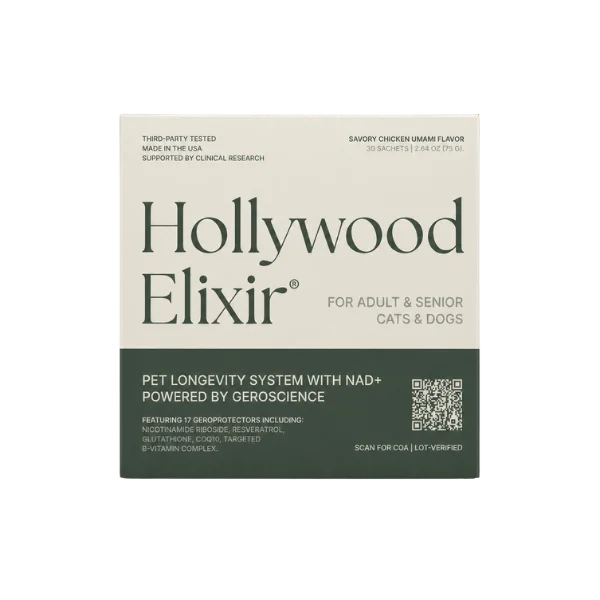
Hollywood Elixir™ fits this conversation because fatigue is often layered—sleep, comfort, recovery, and aging resilience. It’s designed as system-level support for healthy aging, complementing veterinary care and good nutrition without acting like a stimulant or a diagnosis.

Dog fatigue causes range from normal, short-lived tiredness to medical problems that reduce a dog’s capacity to feel and act energetic. In this guide, “fatigue” means a noticeable drop in stamina, enthusiasm, or recovery compared with your dog’s usual baseline—not simply a quiet afternoon. A key first distinction is acute vs chronic fatigue: acute fatigue comes on suddenly or after a clear trigger (like heat or an unusually active day), while chronic fatigue persists, recurs, or gradually worsens over time.

To keep the topic practical, this hub is organized as a taxonomy. We’ll start with normal tiredness and common, benign explanations, then move through lifestyle vs medical categories. Lifestyle factors include exercise patterns, diet and hydration, and stress or routine changes that can drain energy without an underlying disease. Environmental factors—temperature, poor air quality, seasonal allergens, and disrupted sleep settings—can also blunt stamina. Finally, we’ll outline broad medical buckets (such as pain, infection/inflammation, anemia, heart/lung limitations, and thyroid/adrenal imbalance) and explain why they can look similar from the outside. Use this map to orient what’s most likely for your dog and what deserves a veterinary conversation.

By La Petite Labs Editorial, ~15 min read

Featured Product:

  • Fatigue is a change in capacity; the pattern matters more than the label.
  • Sleep disruption can quietly drain energy, especially when discomfort or anxiety fragments rest.
  • Pain often shows up as “slowing down” before it shows up as obvious limping.
  • Exercise intolerance, fainting, or collapse should be treated as urgent signals, not quirks.
  • Systemic and endocrine issues can mimic normal aging, especially when changes are gradual.
  • Weight, conditioning, and heat tolerance can limit stamina even in otherwise healthy dogs.
  • A layered plan—medical clarity plus resilience support—often restores the most vitality.

Dog Fatigue Causes: A Practical Map of the Main Categories

Start by separating normal tiredness vs fatigue. Normal tiredness is proportional to a recent demand (a long hike, a hot afternoon, a busy weekend) and improves with rest and routine. Fatigue is more about reduced capacity—your dog seems “spent” sooner than expected, recovers slowly, or shows a sustained drop from their usual energy.

Here are the main categories of dog fatigue causes, with brief examples:

• Normal/benign: sleep debt, temporary heat stress, overexertion, travel or schedule disruption.
• Lifestyle factors: under-conditioning (weekend-warrior activity patterns), boredom/low enrichment, diet quality and meal timing, inadequate hydration, and stress from changes at home or in routine.
• Environmental factors: high temperatures or humidity, poor ventilation or smoke exposure, seasonal allergens that increase inflammation or discomfort, and noisy or unstable sleep environments.
• Medical causes: pain (orthopedic or dental), infection or inflammation, anemia (reduced oxygen-carrying capacity), heart/lung limitations that reduce exercise tolerance, and endocrine imbalance involving thyroid/adrenal hormones.

This hub stays high-level by design: each bucket points to a different “why,” and the most useful next step is often clarifying which category best fits your dog’s pattern and context rather than trying to self-diagnose from a single sign (Barnett L, 2011).

Mitochondria artwork highlighting longevity science connected to causes of fatigue in dogs.

Sleep and Recovery: When Rest Isn’t Restorative (and Why It Matters)

Sleep disruption is one of the most common, overlooked contributors within the broader map of dog fatigue causes. Dogs can log plenty of hours and still wake up under-recovered if sleep is fragmented or shallow. That can show up as daytime lethargy, irritability, or reduced interest in play (Mondino A, 2021).

Rest becomes less restorative when something repeatedly interrupts it, including:
• Pain (stiff joints, sore muscles, dental discomfort)
• Itching/skin irritation (often worse at night)
• Anxiety or hypervigilance (new home sounds, separation stress)
• Environmental noise/light or frequent household activity
GI upset (nausea, reflux, gas) that makes settling difficult
• Age-related changes that alter sleep depth and nighttime waking

Recovery after exercise is a useful lens here: a well-recovered dog typically “bounces back” after normal activity, while a dog with poor sleep may seem drained the next day even after modest exertion.

What to observe (without turning it into a test): nighttime pacing or frequent position changes, startling awake, moving to cooler/warmer spots repeatedly, increased scratching/licking at night, or a noticeable mismatch between time spent resting and daytime energy.

DNA close-up symbolizing resilience at the cellular level via causes of fatigue in dogs.

Pain That Hides in Plain Sight and Steals Stamina

Pain is one of the most commonly missed causes of fatigue in dogs because it doesn’t always look dramatic. Many dogs respond to chronic discomfort by moving less, sleeping more, and opting out of stairs, jumping, or longer walks. That can read as “lazy,” when it’s actually energy conservation (RVA, 2021).

Watch for small tells: slower sit-to-stand, stiffness after rest, licking at joints, or a shortened stride. Pain-related fatigue often fluctuates with weather, flooring, and activity spikes. The key is that the dog’s willingness changes before their ability does—an early hint that comfort, not motivation, is the limiting factor.

Protein fold visualization tied to cellular support mechanisms in what causes extreme fatigue in dogs.

Exercise Intolerance, Collapse Risk, and the Heart–brain Question

When owners ask what causes extreme fatigue in dogs, veterinarians take exercise intolerance seriously. A dog who tires quickly, sits down mid-walk, or seems unable to recover normally may be signaling a heart rhythm problem, reduced cardiac output, or neurologic events that can progress to collapse (Barnett L, 2011).

Breathing effort is a practical divider. If fatigue comes with coughing, faster breathing at rest, or reluctance to lie on one side, cardiopulmonary causes rise on the list (Rumbeiha W, 2011). Any episode of fainting, sudden weakness, or collapse warrants urgent veterinary assessment, even if your dog seems fine afterward.

Black pug portrait showing gentle expression and daily vitality with what causes extreme fatigue in dogs.

Endocrine and Systemic Illnesses That Quietly Flatten Vitality
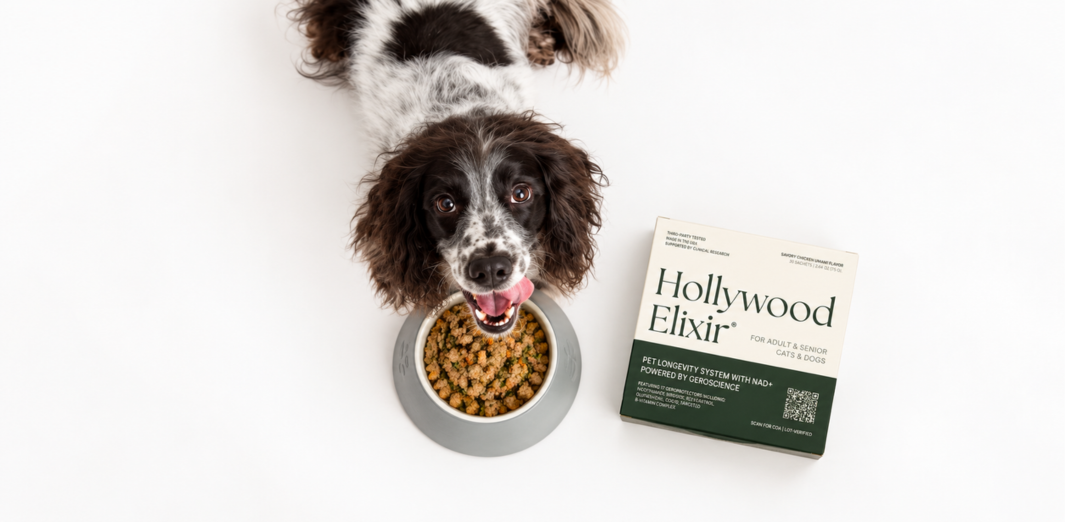
Endocrine and systemic illnesses can create a quieter, slower fatigue that builds over weeks. Thyroid disease, adrenal disorders, and chronic inflammatory conditions can all shift energy, mood, coat quality, and tolerance for normal routines (Bilgiç B, 2025). The fatigue may be paired with weight change, heat-seeking behavior, panting, or changes in thirst and urination.

Because these conditions can mimic “just aging,” it helps to note what else changed besides naps. A dog who is sleeping more but also losing muscle, gaining fat, or becoming less engaged is giving you a more specific story than fatigue alone.

Hollywood Elixir™ is amazing and makes my 13 y/o young again!

— Jessie

We go on runs. Lately he's been keeping up with no problem!

— Cami

“Fatigue is often a pattern: when it appears, what triggers it, and how quickly your dog recovers.”

Diet, Weight, and the Daily Cost of Movement

Nutrition and body composition influence stamina in ways that are easy to underestimate. Overweight dogs often fatigue earlier because movement costs more, heat dissipates less efficiently, and joints carry higher loads (Ahmed, 2019). Underfed dogs, picky eaters, or dogs on unbalanced homemade diets may also show low energy, poor recovery, or diminished muscle tone.

Even when a diet is “complete,” the broader question is resilience: how well the body handles stress, activity, and time. That’s why system-level support can matter alongside good food—supporting the networks that keep energy steady, rather than chasing a single nutrient as the answer.

Elegant dog portrait reflecting alertness and natural vitality supported by causes of fatigue in dogs.

Heat, Humidity, and Conditioning: the Environmental Layer

Heat, humidity, and poor conditioning can look like medical fatigue, especially in brachycephalic breeds and heavy-coated dogs. A dog may slow down because cooling is the limiting factor, not motivation. If fatigue reliably appears on warm days, after car rides, or in crowded indoor spaces, environment is part of the picture (Rumbeiha W, 2011).

Deconditioning is subtler: after injury, winter inactivity, or a schedule change, a dog’s “normal” walk may become a workout. The difference is that conditioning improves gradually with consistent, comfortable activity, while illness-related fatigue tends to persist or worsen despite gentle routines.

Dog portrait from the side highlighting a thoughtful gaze supported by causes of fatigue in dogs.

Infection, Inflammation, and the Early Signal of Low Energy

Infections and inflammation can drain energy before other signs become obvious. Low-grade fever, dental disease, skin infections, or gastrointestinal upset may present first as a dog who seems unusually tired and less social. Because dogs can hide discomfort, fatigue may be the earliest outward change (Fahey, 2024).

If fatigue is paired with appetite loss, vomiting, diarrhea, limping, or a new odor from the mouth, ears, or skin, it’s reasonable to suspect an inflammatory load. Early evaluation can prevent a small issue from becoming a longer recovery.

Ingredient explainer image showing clean formulation principles for what causes extreme fatigue in dogs.

Neurologic Events That Masquerade as Simple Tiredness

Neurologic causes can be confusing because they don’t always look like seizures. Some dogs experience brief episodes of weakness, disorientation, or “checking out,” followed by fatigue. In the context of undiagnosed collapse, neurologic and cardiovascular causes are common considerations (Barnett L, 2011).

Keep notes on timing and triggers: excitement, exercise, standing up quickly, or coughing. Video can be invaluable. Even if the episode is short, the pattern helps your veterinarian decide whether the problem is primarily neurologic, cardiac, or something else entirely.

Stress, Routine Shifts, and the Nervous System’s Energy Tax

Behavior and emotional load can also shape energy. Anxiety, chronic stress, and changes at home may lead to hypervigilance at night and “flat” behavior during the day. Sleep disruption is a common bridge between emotional strain and fatigue (Mondino A, 2021).

Look for context: a move, a new pet, a schedule shift, construction noise, or less predictable walks. Fatigue that improves with routine, enrichment, and calmer evenings suggests the nervous system is part of the story. Fatigue that persists regardless of environment deserves a medical workup.

“A dog who slows down may be conserving energy, not losing interest.”

Scientific attire image highlighting formulation rigor associated with causes of fatigue in dogs.

Aging Without Shrugging: Separating Time from Treatable Causes

Aging changes the baseline. Older dogs often have less physiologic “buffer,” so small stressors—missed sleep, mild pain, a warm day—can create outsized tiredness. That doesn’t mean fatigue should be dismissed as inevitable. It means the causes of fatigue in dogs can stack, and the sum matters more than any single factor.

A useful mindset is to separate normal slowing from loss of joy. Many senior dogs still show bright interest in food, family, and short adventures. When that spark dims, it’s worth looking for treatable contributors, from pain to sleep quality to heart and lung capacity (Rumbeiha W, 2011).

Shop Now
Premium ingredient tableau framing Hollywood Elixir aligned with what causes extreme fatigue in dogs.

When Fatigue Is Persistent and Multi-factorial

There are also less common, more complex fatigue syndromes described in companion animals. Reports of chronic fatigue–like presentations in dogs and cats suggest that, in some cases, fatigue may involve multiple biological systems rather than a single organ problem (Tarello W, 2001).

For owners, the practical takeaway is not to self-diagnose a rare condition, but to recognize when fatigue is persistent, disproportionate, and hard to explain. Those are the cases where a structured veterinary workup—and a plan that supports whole-body resilience—tends to be more satisfying than chasing one quick fix.

Shop Now
Woman with Hollywood Elixir box in cozy setting aligned with what causes extreme fatigue in dogs.

Preparing for the Vet Visit with the Details That Matter

A clear veterinary visit starts with a clean timeline. Write down when fatigue began, whether it’s worse morning or evening, and what reliably triggers it. Include diet, treats, new supplements, recent travel, and any medications. This helps your veterinarian prioritize the safest differentials first, especially when collapse or near-collapse is part of the picture.

Basic diagnostics often include a physical exam, weight and body condition, and targeted lab work. Depending on signs, your veterinarian may recommend imaging or heart evaluation. The goal is not to “test everything,” but to match testing to the pattern your dog is showing.

Shop Now

Red Flags That Should Change Your Timeline Immediately

Red flags should be treated as time-sensitive. Seek urgent care if fatigue is sudden and severe, if your dog collapses, has pale gums, struggles to breathe, can’t stand, or seems confused. Exercise intolerance that progresses to fainting or collapse is a classic reason to escalate quickly.

More moderate fatigue still deserves attention when it lasts more than a few days, worsens steadily, or comes with appetite loss, vomiting, diarrhea, coughing, or pain. Owners often wait because the change is gradual; writing down what you see makes the trend harder to ignore.

Support at Home While You Seek Clarity

At home, the most useful support is gentle consistency. Keep activity within your dog’s comfort zone, avoid heat stress, and protect sleep. If pain is suspected, don’t add over-the-counter human medications—many are unsafe for dogs. Instead, ask your veterinarian about a comfort plan and whether sleep disruption could be part of the fatigue picture (Mondino A, 2021).

Nutrition matters, but so does the broader system that turns nutrition into usable energy. Even with a high-quality diet, aging and stress can reduce resilience. That’s where a thoughtfully designed, system-level approach can complement medical care without pretending to replace it.

Visual breakdown contrasting competitors and quality standards in what causes extreme fatigue in dogs.

Household Rhythms That Quietly Shape a Dog’s Energy

Some fatigue is “secondary fatigue”: the dog is tired because the household is tired. Owners’ sleep can be affected by dog care routines, nighttime wake-ups, or anxiety about symptoms, and that can subtly change the dog’s schedule and stress level (Bolstad CJ, 2025). When everyone’s rhythm is off, dogs often mirror it.

This isn’t about blame; it’s about feedback loops. A calmer evening routine, predictable potty breaks, and a quieter sleep environment can help both sides. If your dog’s fatigue remains pronounced even after routines stabilize, that points back toward medical contributors rather than lifestyle alone.

Shop Now
Open box with Hollywood Elixir inside, reinforcing what causes extreme fatigue in dogs premium cues.

Why System-level Resilience Support Still Makes Sense

Why consider a longevity-focused supplement when the question is dog fatigue causes? Because many real-world cases aren’t one cause; they’re layered. Mild pain plus fragmented sleep plus age-related decline can produce a dog who feels “less like themselves,” even when tests are reassuring. Supporting the body’s ability to adapt—day after day—can be meaningful alongside veterinary care.

Hollywood Elixir™ is positioned as system-level support for healthy aging: not a stimulant, not a replacement for diagnosis, and not a single-nutrient fix. The point is steadier resilience—supporting the broader network that underpins energy, recovery, and comfort over time.

Shop Now

A Calm Summary for Getting Your Dog Back to Themselves

Fatigue becomes easier to solve when it’s described precisely: when it happens, what worsens it, and what else changed. Many causes of fatigue in dogs are manageable once identified—especially when you catch them early and support the whole dog, not just one symptom. If you’re seeing extreme tiredness, collapse, breathing changes, or a sudden drop in engagement, treat it as a medical question first.

After the essentials—safety, diagnosis, comfort—think in layers: sleep, pain, conditioning, environment, and aging resilience. That layered view is often what brings a dog’s vitality back into reach.

“When fatigue is layered, resilience support can matter as much as any single fix.”

Educational content only. This material is not a substitute for veterinary advice. Always consult your veterinarian about your dog’s specific needs. These statements have not been evaluated by the Food and Drug Administration. Products mentioned are not intended to diagnose, treat, cure, or prevent any disease.

Glossary

  • Exercise Intolerance: Reduced ability to sustain normal activity, sometimes preceding collapse.
  • Lethargy: Abnormally low responsiveness or interest, beyond ordinary tiredness.
  • Syncope: Brief loss of consciousness (fainting), often related to heart rhythm or blood flow issues.
  • Collapse Episode: Sudden inability to stand or coordinate movement, with many possible causes.
  • Resting Respiratory Rate: Breaths per minute at rest; increases can hint at heart or lung strain.
  • Sleep Fragmentation: Frequent waking that reduces restorative sleep, contributing to daytime fatigue.
  • Deconditioning: Loss of fitness from reduced activity, making normal exercise feel harder.
  • Body Condition Score: A veterinary scale estimating fat stores to guide healthy weight targets.
  • Baseline: Your dog’s usual energy, stamina, and behavior when well; the best comparison point.

Related Reading

References

Barnett L. A retrospective study of 153 cases of undiagnosed collapse, syncope or exercise intolerance: the outcomes.. PubMed. 2011. https://pubmed.ncbi.nlm.nih.gov/21175622/

Bolstad CJ. Dog Tired: A Cross-Sectional Examination of the Relation Between Dog and/or Cat Ownership and Owners' Sleep.. PubMed. 2025. https://pubmed.ncbi.nlm.nih.gov/40921730/

Canales Núñez A. High prevalence of compassion fatigue reported by Chilean small animal veterinarians during 2022.. PubMed. 2025. https://pubmed.ncbi.nlm.nih.gov/41135561/

Tarello W. Chronic Fatigue Syndrome (CFS) in 15 dogs and cats with specific biochemical and microbiological anomalies.. PubMed. 2001. https://pubmed.ncbi.nlm.nih.gov/11440190/

Mondino A. Sleep Disorders in dogs: A Pathophysiological and Clinical Review.. PubMed. 2021. https://pubmed.ncbi.nlm.nih.gov/33556640/

Fahey. The art of establishing mineral tolerances of dogs and cats.. PubMed Central. 2024. https://pmc.ncbi.nlm.nih.gov/articles/PMC11161897/

Bilgiç B. Investigation of Trace and Macro Element Contents in Commercial Cat Foods.. PubMed Central. 2025. https://pmc.ncbi.nlm.nih.gov/articles/PMC11633335/

RVA. Toxic element levels in ingredients and commercial pet foods.. PubMed Central. 2021. https://pmc.ncbi.nlm.nih.gov/articles/PMC8546090/

Rumbeiha W. A review of class I and class II pet food recalls involving chemical contaminants from 1996 to 2008.. PubMed Central. 2011. https://pmc.ncbi.nlm.nih.gov/articles/PMC3614097/

Ahmed. Bioaccumulation of heavy metals in some commercially important fishes from a tropical river estuary suggests higher potential health risk in children than adults.. Nature. 2019. https://www.nature.com/articles/s41598-021-00467-4

FAQ

What are the most common dog fatigue causes day-to-day?

Many everyday cases come down to sleep quality, mild pain, heat, deconditioning, or stress. The key is whether your dog still has normal interest in food, family, and short play, or whether their baseline personality has dulled.

If fatigue is new, disproportionate, or paired with other changes, it’s worth a veterinary check while you also support overall resilience with Hollywood Elixir™.

When is fatigue a normal sign of aging?

Some slowing is expected with age, but “normal” still includes curiosity, appetite, and enjoyment of smaller adventures. Concerning fatigue looks like a noticeable drop in engagement, stamina that falls off quickly, or recovery that takes much longer than it used to.

A vet can help separate aging from treatable contributors, and many owners pair that clarity with system-level support for healthy aging using Hollywood Elixir™.

What causes extreme fatigue in dogs after mild exercise?

Extreme tiredness after minimal exertion can reflect exercise intolerance, which may be linked to heart rhythm problems, reduced heart function, or neurologic events. Episodes that include wobbliness, fainting, or collapse should be treated as urgent concerns.

After medical causes are addressed, supporting recovery and resilience can be part of the long view with Hollywood Elixir™.

How can I tell tiredness from true lethargy?

Tiredness usually has a clear reason and a clear reset: a long day, a hot afternoon, a busy weekend. True lethargy is more like a dimmed responsiveness—less interest in food, walks, or social contact—and it doesn’t lift with rest.

If the change is persistent or paired with other symptoms, get veterinary input and consider steady, whole-body support alongside daily care with Hollywood Elixir™.

Can poor sleep really create dog fatigue causes?

Yes. Fragmented sleep can show up as daytime sluggishness, irritability, and reduced play. Dogs may sleep “enough hours” but still not sleep well if pain, itching, coughing, anxiety, or nighttime noise keeps waking them.

Improving comfort and routine is foundational, and many owners also support long-term resilience and recovery rhythms with Hollywood Elixir™.

Could pain be the hidden reason my dog naps more?

Chronic pain often looks like avoidance: fewer stairs, less jumping, shorter walks, and more resting. Many dogs don’t cry or limp; they simply conserve energy and become less spontaneous(RVA, 2021).

A veterinarian can assess mobility and comfort options, and you can complement that plan with system-level aging support usingHollywood Elixir™.

Which symptoms mean fatigue needs urgent veterinary attention?

Urgent signs include collapse, fainting, severe weakness, pale gums, labored breathing, or sudden inability to stand. Exercise intolerance that progresses to collapse can indicate serious underlying issues and should be evaluated promptly.

Once safety and diagnosis are addressed, many owners focus on supporting steadier recovery and vitality over time with Hollywood Elixir™.

Can heart or lung problems look like simple tiredness?

They can. Dogs may slow down first, then show coughing, faster breathing at rest, or reluctance to exercise. Because cardiopulmonary limits can be subtle early on, a change in stamina is worth mentioning even if your dog still eats well.

Veterinary evaluation is essential, and supportive daily routines plus whole-body aging support can fit alongside treatment with Hollywood Elixir™.

Do endocrine issues belong on a dog fatigue causes list?

Yes. Hormone-related conditions can shift energy, mood, coat quality, and weight over time. The fatigue is often gradual, which is why it’s mistaken for “just getting older.” A veterinarian can decide which labs fit your dog’s full picture(Bilgiç B, 2025).

Alongside medical care, some owners choose system-level support that’s designed for healthy aging and resilience, such asHollywood Elixir™.

Can diet or weight be causes of fatigue in dogs?

Absolutely. Excess weight can reduce stamina and make movement more costly, while inadequate or unbalanced nutrition can affect muscle tone and recovery. Even with a complete diet, body composition and daily energy demands still shape how your dog feels(Ahmed, 2019).

A vet can help you set a safe plan, and many owners add system-level support for long-term vitality withHollywood Elixir™.

Could heat or humidity be behind my dog’s fatigue?

Yes, especially for brachycephalic breeds, seniors, and overweight dogs. When cooling is the limiting factor, dogs may stop, lie down, or refuse to continue even on familiar routes. Watch for heavy panting, glazed focus, or slow recovery after coming indoors.

Environmental management is primary, and broader resilience support can complement seasonal adjustments with Hollywood Elixir™.

How long should I wait before calling the vet?

Call promptly if fatigue is sudden, severe, or paired with breathing changes, collapse, vomiting, diarrhea, or pain. For milder fatigue, a good rule is to call if it persists beyond a few days or steadily worsens, because gradual trends are easy to normalize.

While you arrange care, keep notes on triggers and recovery, and consider supportive daily routines plus Hollywood Elixir™ for healthy aging support.

What tests might a vet run for persistent fatigue?

Testing depends on the pattern. Many veterinarians start with an exam, weight and body condition, and baseline lab work, then add targeted steps such as heart evaluation or imaging if exercise intolerance, coughing, or collapse risk is present(Fahey, 2024).

A clear timeline from you helps keep testing focused, and long-term resilience support can be layered in thoughtfully withHollywood Elixir™.

Can anxiety or stress be part of dog fatigue causes?

Yes. Stress can reduce deep rest, increase vigilance, and leave dogs looking “flat” during the day. The fatigue may track household changes, noise, separation, or unpredictable routines, and it often overlaps with sleep disruption.

Behavior support and predictable evenings can help, and many owners also choose whole-body support for steadier resilience with Hollywood Elixir™.

Are some breeds more prone to fatigue and exercise intolerance?

Breed traits can shape stamina. Flat-faced breeds may struggle more in heat, and large breeds may show earlier joint-related slowing. Individual conditioning and weight often matter as much as breed, so it’s best to compare your dog to their own baseline, not a stereotype.

For dogs with naturally narrower margins, supporting long-term resilience can be a sensible layer with Hollywood Elixir™.

Is fatigue different in puppies compared with senior dogs?

Puppies often swing between intense activity and deep sleep, so fatigue can be normal after stimulation. In seniors, fatigue is more concerning when it reflects reduced recovery, pain, or cardiopulmonary limits. In any age, sudden severe lethargy or collapse is never “just a phase.”

Age-appropriate veterinary guidance plus steady support for healthy aging can fit into a long-term plan with Hollywood Elixir™.

Can cats have similar fatigue issues as dogs do?

Cats can show fatigue-like patterns too, though they often present as hiding, reduced play, or less jumping. Some research discussions describe chronic fatigue–like syndromes in both dogs and cats, suggesting multi-system contributors in certain cases(Tarello W, 2001).

For dogs specifically, a layered approach—medical clarity plus resilience support—can be complemented withHollywood Elixir™.

How soon should I expect improvement once causes are addressed?

Timelines depend on the driver. Sleep and routine changes may show shifts within days, while weight, conditioning, and chronic pain plans can take weeks. Heart, lung, or endocrine issues vary widely and should be monitored with your veterinarian.

Many owners track energy in small, specific ways (walk length, recovery time) and support steadier resilience over time with Hollywood Elixir™.

Is it safe to give supplements when my dog is fatigued?

Safety depends on your dog’s health conditions and current medications. Fatigue can be a sign of serious disease, so supplements should not delay evaluation. Share the full ingredient list with your veterinarian, especially if your dog has heart disease, endocrine disease, or is on prescription drugs.

For owners seeking system-level healthy aging support that fits alongside veterinary care, consider Hollywood Elixir™.

Can supplements interact with medications used for fatigue-related conditions?

They can. Even gentle products may be inappropriate in certain contexts, such as complex heart regimens or endocrine therapies. The safest approach is to treat supplements like part of the medical record: bring the label, note the dose you’re using, and ask your veterinarian to review it.

If you want a system-level option designed for healthy aging support, discuss adding Hollywood Elixir™ to your dog’s routine.

How do I choose a quality supplement for energy support?

Look for clear labeling, consistent manufacturing standards, and a purpose that matches your goal. Avoid products that promise to “fix” fatigue overnight or imply they replace diagnosis. The best fit is usually one that supports overall resilience, recovery, and healthy aging rather than acting like a stimulant.

If that’s the approach you prefer, Hollywood Elixir™ is designed as system-level support for healthy aging.

What’s a simple decision framework for dog fatigue causes?

Start with safety: sudden severe lethargy, breathing effort, or collapse means urgent care. Next, look for pattern: exertional versus at rest, sudden versus gradual, and whether appetite, sleep, or mobility changed. Then address the “layered” contributors—comfort, sleep, weight, heat, and routine—while your veterinarian rules out medical drivers.

To support the long view once the basics are covered, many owners add system-level healthy aging support with Hollywood Elixir™.

5K+ Happy Pet Parents

Excellent 4.8

Dog Fatigue Causes | Why Thousands of Pup Parents Trust Hollywood Elixir™

"He seems more happy overall. I've also noticed he has more energy which makes our walks and playtime so much more fun."

Olga & Jordan

"He's got way more energy now! We go on runs pretty often; he use to get tired halfway through, but lately, he's been keeping up without any problem."

Cami & Clifford

"I want her to live forever. She hasn't had an ear infection since!"

Madison & Azula

"It helps with her calmness, her immune system. I really like the clean ingredients. Highly recommend La Petite Labs!"

Maple & Cassidy

"He seems more happy overall. I've also noticed he has more energy which makes our walks and playtime so much more fun."

Olga & Jordan

"He's got way more energy now! We go on runs pretty often; he use to get tired halfway through, but lately, he's been keeping up without any problem."

Cami & Clifford

"I want her to live forever. She hasn't had an ear infection since!"

Madison & Azula

"It helps with her calmness, her immune system. I really like the clean ingredients. Highly recommend La Petite Labs!"

Maple & Cassidy

"He seems more happy overall. I've also noticed he has more energy which makes our walks and playtime so much more fun."

Olga & Jordan

"He's got way more energy now! We go on runs pretty often; he use to get tired halfway through, but lately, he's been keeping up without any problem."

Cami & Clifford

"I want her to live forever. She hasn't had an ear infection since!"

Madison & Azula

"It helps with her calmness, her immune system. I really like the clean ingredients. Highly recommend La Petite Labs!"

Maple & Cassidy

"He seems more happy overall. I've also noticed he has more energy which makes our walks and playtime so much more fun."

Olga & Jordan

"He's got way more energy now! We go on runs pretty often; he use to get tired halfway through, but lately, he's been keeping up without any problem."

Cami & Clifford

"I want her to live forever. She hasn't had an ear infection since!"

Madison & Azula

"It helps with her calmness, her immune system. I really like the clean ingredients. Highly recommend La Petite Labs!"

Maple & Cassidy

SHOP NOW