Antioxidant Foods for Dogs

Identify Oxidative-Stress Signs and Choose Foods That Help Limit Cellular Damage

Essential Summary

Why are antioxidant foods for dogs important?

Antioxidant foods for dogs work best as a steady pattern: small portions of colorful produce, a high-quality base diet, and thoughtful consistency. Antioxidant support is a network, not a single ingredient, and needs can shift with age, activity, and health status. When you want reliability beyond meal-to-meal variability, a system-level supplement can help.

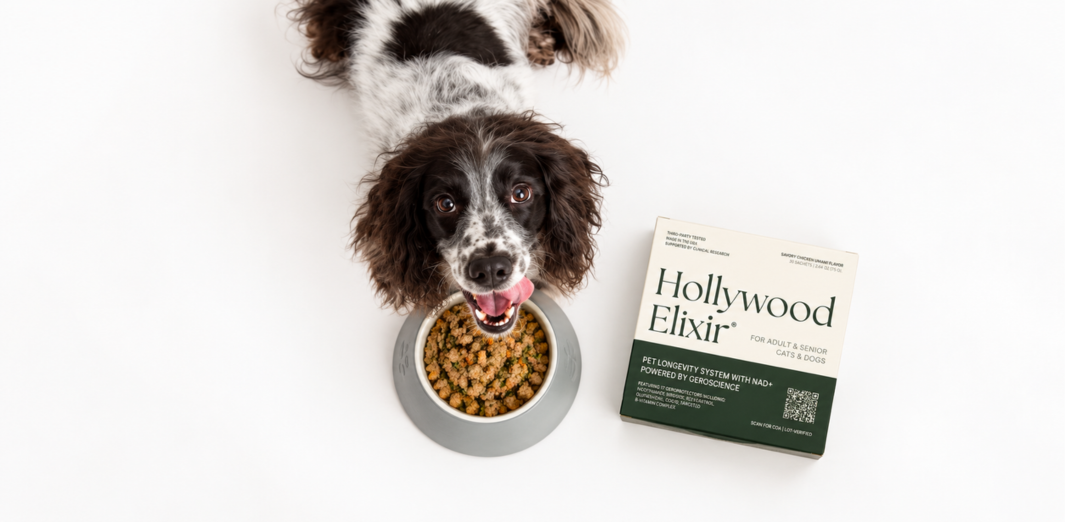
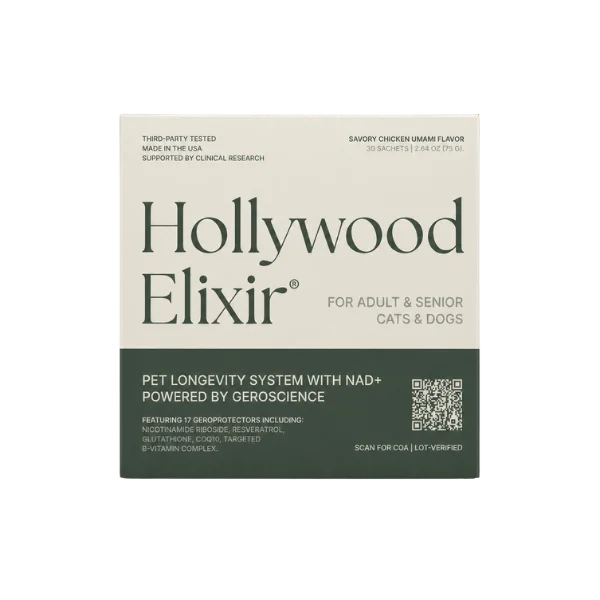
Food can supply many antioxidants, but it can’t always deliver the same support every day—especially with picky appetites, travel, or aging. Hollywood Elixir™ is designed as system-level support for healthy aging, complementing antioxidant rich foods for dogs by supporting the broader metabolic network that helps dogs stay resilient over time.

Most dogs don’t need a dramatic reinvention of their bowl. They need the quiet kind of support that holds up across seasons: a dependable base diet, a few smart additions, and a plan you can repeat without turning meals into a project. That’s the real appeal behind antioxidant rich foods for dogs—small, steady inputs that help the body manage everyday oxidative wear created by normal metabolism, activity, and inflammation.

Antioxidants aren’t a single substance. They’re a network: vitamins, plant compounds, and mineral-supported enzymes that work together, sometimes recycling one another, sometimes covering different tissues. Because the network is broad, the best food strategy is broad too—colorful, dog-safe produce in modest portions, rotated over time, layered on top of complete and balanced nutrition.

A careful, science-minded owner might reasonably ask: if I’m already feeding well, why add anything else? The honest answer is consistency. Real life is variable—picky phases, travel, appetite shifts with age, and the simple fact that food intake changes day to day. A system-level supplement can provide a steadier baseline that complements antioxidant foods for dogs rather than trying to replace them, supporting the broader resilience network that food alone may not deliver consistently.

By La Petite Labs Editorial, ~15 min read

Featured Product:

  • Antioxidant foods for dogs are most effective as a pattern, not a single “superfood.”
  • Colorful produce (berries, pumpkin, carrots, greens) offers different antioxidant families.
  • Older and highly active dogs may benefit from steadier antioxidant support over time.
  • Keep portions modest so toppers don’t displace essential nutrients from the main diet.
  • Avoid unsafe “antioxidant” foods like grapes/raisins, onions/garlic, and chocolate.
  • If your dog is ill or on medications, coordinate changes with your veterinarian.
  • A system-level supplement can add consistency when real-life feeding is variable.

Antioxidant Foods That Quietly Support Your Dog’s Everyday Resilience

“Antioxidant foods for dogs” can sound like a trend, but the underlying idea is simple: everyday metabolism and normal life exposures create oxidative byproducts, and the body uses a network of nutrients and enzymes to keep that load in check (Jewell DE, 2024). Food matters because it supplies the raw materials—vitamins, carotenoids, polyphenols, and trace minerals—that help maintain that balance.

The most useful mindset is variety, not hero ingredients. Different antioxidants work in different places (fat-soluble vs. Water-soluble), and they often “hand off” work to each other. A rotation of antioxidant rich foods for dogs—within a complete and balanced diet—tends to be more realistic than chasing a single superfood (Jewell DE, 2024).

Energy production graphic tied to antioxidant protection supported by antioxidant rich foods for dogs.

What Antioxidants Are, and Why Variety Beats a Single Ingredient

Antioxidants are compounds that help neutralize reactive molecules produced during normal metabolism and inflammation. In dogs, that protective work is shared across vitamins (like E and C), carotenoids (like beta-carotene), plant polyphenols, and mineral-dependent enzymes.

That’s why “antioxidant foods for dogs” is best understood as a pattern: colorful, minimally processed ingredients that contribute to the body’s own defenses. It’s also why a single ingredient rarely changes everything—support tends to come from layering small advantages over time.

DNA structure visual linked to antioxidant protection mechanisms in antioxidant rich foods for dogs.

Aging Dogs and the Value of Small Advantages over Time

Aging is one of the clearest reasons owners look for antioxidant rich foods for dogs. As dogs get older, oxidative stress can increase, and antioxidant support has been discussed as one way to help maintain overall vitality (Muršec A, 2025). This isn’t about stopping time; it’s about supporting the body’s ability to handle ordinary wear.

In practical terms, that means choosing foods that are easy to digest, gentle on the gut, and consistently offered. Seniors often do better with cooked vegetables, soft berries, and stable routines—small additions that don’t disrupt the base diet.

Protein structure illustration showing biological precision behind antioxidant rich foods for dogs.

Reading the Rainbow: Choosing Foods by Color and Tolerance

Color is a useful shortcut when you’re choosing antioxidant foods for dogs. Deep blues and purples often signal anthocyanins (berries), orange suggests carotenoids (pumpkin, carrots), and dark greens can contribute a mix of plant compounds. You don’t need all of them daily; you want them across the week.

The other shortcut is “whole, plain, and small.” A spoonful of cooked pumpkin is more predictable than a complex stew. A few blueberries are easier to tolerate than a large fruit salad. The quieter the change, the more likely it is to stick.

Close-up dog photo reflecting peaceful vitality supported by antioxidant rich foods for dogs.

Berries for Dogs: Easy Portions, Gentle Variety, Quiet Consistency

Berries are a classic entry point because they’re palatable, portionable, and naturally rich in plant antioxidants. Blueberries, blackberries, and raspberries are common favorites. For many dogs, frozen berries thawed to room temperature are easier to chew and less messy.

Keep portions modest, especially for small dogs, because fruit adds sugar and fiber. If your dog has diabetes or needs strict weight control, ask your veterinarian how to fit berries into the plan. The goal is a gentle nudge toward antioxidant variety, not a new daily dessert.

Hollywood Elixir™ is amazing and makes my 13 y/o young again!

— Jessie

We go on runs. Lately he's been keeping up with no problem!

— Cami

“The best antioxidant plan is the one your dog tolerates—and you can keep steady.”

Vegetables That Work: Cooked Options, Fiber, and Digestive Comfort

Vegetables can be excellent antioxidant rich foods for dogs when they’re prepared simply. Cooked pumpkin and sweet potato are widely tolerated and bring carotenoids plus soluble fiber. Carrots add crunch and color, while lightly steamed broccoli can work well for dogs who handle cruciferous vegetables.

For leafy greens like spinach, think “accent,” not “base.” A small amount mixed into food is plenty. Too much plant matter can crowd out essential nutrients from the main diet, and some dogs simply don’t digest large servings comfortably.

Portrait of a dog showing thoughtful presence supported by antioxidant rich foods for dogs.

Beyond Plants: Nutrients and Minerals That Support Antioxidant Defenses

Not all antioxidants come from plants. Foods that support antioxidant defenses also include certain animal-based ingredients, especially those that contribute vitamin E, selenium, and omega-3 fats. Oily fish (like sardines) can complement a diet, though portion size and overall fat intake still matter.

Trace minerals are part of the antioxidant story because key protective enzymes depend on them. Zinc, for example, supports immune function and skin health, but it’s also a nutrient where excess can be harmful, so it’s best obtained through balanced diets or vet-guided supplementation (Pereira AM, 2021).

Side-profile dog portrait highlighting focus and alertness supported by antioxidant rich foods for dogs.

Active Dogs: Recovery Support When the Workload Goes Up

Exercise changes the oxidative equation. During prolonged or intense activity, dogs can generate more oxidative byproducts, and studies in sled dogs suggest dietary antioxidant support may reduce oxidative damage associated with heavy exertion (Baskin CR, 2000). That doesn’t mean every weekend hiker needs a complicated regimen; it means active dogs may benefit from steadier nutritional support.

For athletic dogs, consistency matters more than novelty. Choose a few well-tolerated antioxidant foods for dogs and keep them in rotation. If you add a supplement, look for one designed to support whole-body resilience rather than a single high-dose ingredient.

Ingredient showcase image explaining core components and support from antioxidant rich foods for dogs.

During Illness: Supportive Nutrition Without Overpromising Outcomes

When dogs are unwell, owners often want to “do something” nutritionally. Oxidative stress is linked to many disease states, and antioxidant supplementation has been explored as supportive care in dogs during illness (Hagen DM, 2019). The key word is supportive: it’s not a substitute for diagnosis, treatment, or a therapeutic diet.

If your dog is on medications or has chronic disease, keep changes conservative and coordinated with your veterinarian. Even safe foods can be inappropriate in certain contexts (for example, calorie-dense toppers in pancreatitis-prone dogs). A stable, well-formulated product can be easier to manage than frequent dietary experiments.

A Simple Rotation Plan That Fits Real Life, Not Perfection

If your dog eats a complete and balanced diet, antioxidant support is usually about refinement, not rescue. The goal is to add small, consistent amounts of antioxidant rich foods for dogs without displacing essential calories, protein, and minerals. Think “toppers,” not “diet replacement.”

A practical approach: choose one colorful plant food at a time (blueberries, cooked pumpkin, steamed broccoli), keep portions modest, and watch stool quality and appetite for a week before changing anything. Dogs with sensitive digestion often do best with cooked options and simple ingredient lists. If you’re also using a system-level aging formula, it can sit alongside food choices rather than compete with them.

“Think rotation, not obsession: different colors, small portions, calm consistency.”

Research-style uniform highlighting scientific integrity aligned with antioxidant rich foods for dogs.

When Activity Level Changes the Conversation Around Oxidative Wear

Some dogs benefit from extra care around oxidative load: highly active dogs, seniors, and dogs recovering from illness. Research in working dogs suggests antioxidant support can reduce markers of oxidative damage during prolonged exertion, which helps explain why activity level changes the conversation (Baskin CR, 2000).

For older dogs, the question is rarely “one more blueberry.” It’s whether the broader resilience system—energy production, cellular repair, and recovery—has enough support to keep pace over time (Muršec A, 2025). Food can contribute, but it’s not always consistent day to day, which is why some owners choose a steady, measured supplement alongside a high-quality diet.

Shop Now
Supplement with whole-food visuals emphasizing quality sourcing for antioxidant rich foods for dogs.

Safety First: Foods to Avoid and Nutrients Not to Overdo

Safety is mostly about knowing what not to share. Grapes and raisins are unsafe for dogs, and onions/garlic can damage red blood cells—both are sometimes mistakenly framed as “healthy” human antioxidants. Chocolate and macadamia nuts also don’t belong in the antioxidant conversation for dogs.

Even with safe foods, more is not automatically better. Over-supplementing certain nutrients can backfire; for example, zinc is essential for immune and skin function, but excessive amounts can be toxic, so supplementation should be cautious and vet-guided (Pereira AM, 2021). When in doubt, prioritize food-based variety and ask your veterinarian before adding concentrated products.

Shop Now
Home scene with woman and dog featuring Hollywood Elixir and antioxidant rich foods for dogs.

Special Cases: Illness, Prescription Diets, and Vet-coordinated Choices

If your dog has a medical condition, “antioxidant rich foods for dogs” should be discussed in context. During illness, oxidative stress can rise, and antioxidant support has been explored as part of broader care—not as a stand-alone solution (Hagen DM, 2019). That distinction matters: supportive nutrition is different from making disease promises.

For dogs on prescription diets, the safest move is to keep additions small and consistent, then confirm with your vet that you’re not undermining the therapeutic goal (for example, calorie control, kidney support, or allergy management). A system-level supplement can be easier to keep consistent than rotating many new foods.

Shop Now

Kibble, Fresh Additions, and Why Formulation Still Matters

Owners often ask whether kibble “has antioxidants.” Many diets include added vitamin E and other stabilizers, but the overall oxidative/antioxidant balance can still vary by formulation and processing (Usuga A, 2023). That’s one reason two foods with similar labels can feel different in real life.

If you’re choosing a base diet, look for a reputable manufacturer, clear quality control, and an appropriate life-stage formula. Then treat antioxidant foods for dogs as a gentle layer on top—small amounts of colorful produce, occasional oily fish, and consistency over time rather than dramatic changes.

A Practical Yes-list of Dog-safe, Colorful Whole Foods

A short “yes list” of antioxidant rich foods for dogs includes blueberries, strawberries, raspberries, cooked pumpkin, sweet potato, carrots, spinach (small amounts), and steamed broccoli. These foods bring different antioxidant families, which is the point: diversity tends to cover more ground than repetition.

Preparation matters. Light cooking can improve digestibility for some vegetables, while berries are often easiest raw. Avoid heavy seasoning, oils, and salt. If your dog is new to produce, start with a teaspoon-sized portion and build slowly to keep the gut calm.

Visual comparison highlighting no fillers advantage aligned with antioxidant rich foods for dogs.

Why a System-level Supplement Can Complement Even Great Diets

Supplements can be useful when they’re treated as a steady background, not a replacement for food. Research suggests dietary antioxidants can help mitigate free radical damage, but outcomes depend on the type and dose, and not every dog responds the same way (Jewell DE, 2024). That variability is exactly why a measured, well-formulated product matters.

A science-minded reason to consider a product even with a careful diet: food intake fluctuates, picky phases happen, and some nutrients are hard to deliver consistently without excess calories. A system-level formula can support the broader resilience network—energy, recovery, and healthy aging—without asking you to micromanage every meal.

Shop Now
Supplement box revealed in soft light, reflecting premium antioxidant rich foods for dogs positioning.

What to Watch for When You Add Antioxidant Support

What should you watch for once you add antioxidant foods for dogs? The most honest signals are ordinary: stable stool, steady appetite, comfortable energy, and a coat that looks quietly well-kept. Changes, when they happen, tend to be gradual rather than dramatic.

If you’re tracking outcomes, keep notes for four to eight weeks and change only one variable at a time. That makes it easier to tell whether a new topper agrees with your dog. If anything seems off—itching, vomiting, diarrhea, or unusual lethargy—pause the new addition and check in with your veterinarian.

Shop Now

Putting It Together: a Calm, Sustainable Plan for Long-term Vitality

The most sustainable plan is calm and repeatable: a high-quality base diet, a small rotation of antioxidant rich foods for dogs, and a supplement that supports the larger system rather than chasing single nutrients. That combination respects both biology and real life.

If you want one takeaway, it’s this: antioxidants are a network, not a checkbox. Food can supply many of the pieces, while a thoughtfully designed formula can help keep the whole picture steady—especially across aging, stress, travel, and changing appetites.

“Food supplies pieces of the network; system-level support helps keep the whole picture steady.”

Educational content only. This material is not a substitute for veterinary advice. Always consult your veterinarian about your dog’s specific needs. These statements have not been evaluated by the Food and Drug Administration. Products mentioned are not intended to diagnose, treat, cure, or prevent any disease.

Glossary

  • Antioxidant: A compound that helps neutralize reactive molecules and supports cellular protection.
  • Oxidative Stress: An imbalance where reactive molecules outpace the body’s protective defenses.
  • Free Radicals: Highly reactive molecules that can contribute to cellular wear over time.
  • Polyphenols: Plant compounds (common in berries) often associated with antioxidant activity.
  • Carotenoids: Pigments in orange/red foods (like pumpkin and carrots) that can act as antioxidants.
  • Vitamin E: A fat-soluble antioxidant nutrient that supports cell membrane stability.
  • Trace Minerals: Minerals needed in small amounts (like zinc and selenium) that support protective enzymes.
  • Complete and Balanced: A pet food standard indicating the diet meets nutrient requirements for a life stage.
  • Toppers: Small additions to a main diet, used for variety or palatability without replacing the meal.

Related Reading

References

Jewell DE. Effect of dietary antioxidants on free radical damage in dogs and cats.. PubMed. 2024. https://pubmed.ncbi.nlm.nih.gov/38828917/

Usuga A. Dry food affects the oxidative/antioxidant profile of dogs.. PubMed. 2023. https://pubmed.ncbi.nlm.nih.gov/36634249/

Hagen DM. Antioxidant supplementation during illness in dogs: effect on oxidative stress and outcome, an exploratory study.. PubMed. 2019. https://pubmed.ncbi.nlm.nih.gov/31292973/

Pereira AM. Zinc in Dog Nutrition, Health and Disease: A Review.. PubMed. 2021. https://pubmed.ncbi.nlm.nih.gov/33915721/

Baskin CR. Effects of dietary antioxidant supplementation on oxidative damage and resistance to oxidative damage during prolonged exercise in sled dogs.. PubMed. 2000. https://pubmed.ncbi.nlm.nih.gov/10951977/

Muršec A. Antioxidant Strategies for Age-Related Oxidative Damage in Dogs.. PubMed Central. 2025. https://pmc.ncbi.nlm.nih.gov/articles/PMC12567870/

Barroso. Vitamins, Minerals and Phytonutrients as Modulators of Canine Immune Function: A Literature Review. 2024. https://www.mdpi.com/2306-7381/11/12/655

Mota-Rojas. Anthropomorphism and Its Adverse Effects on the Distress and Welfare of Companion Animals.. Nature. 2021. https://www.nature.com/articles/s41598-025-27388-w

Kovalkovičová N. Some food toxic for pets.. PubMed Central. 2009. https://pmc.ncbi.nlm.nih.gov/articles/PMC2984110/

Sechi S. Effects of Commercially Available Antioxidant-Enriched Fish- and Chicken-Based Diets on Biochemical Parameters and Blood Fatty Acid Profile of Old Dogs.. PubMed Central. 2022. https://pmc.ncbi.nlm.nih.gov/articles/PMC9137470/

RVA. Toxic element levels in ingredients and commercial pet foods.. PubMed. 2021. https://pubmed.ncbi.nlm.nih.gov/34697366/

Bilgiç B. Investigation of Trace and Macro Element Contents in Commercial Cat Foods.. PubMed Central. 2025. https://pmc.ncbi.nlm.nih.gov/articles/PMC11633335/

Cortinovis. Household Food Items Toxic to Dogs and Cats. 2016. https://www.frontiersin.org/journals/veterinary-science/articles/10.3389/fvets.2016.00026/full

FAQ

What are antioxidant foods for dogs, in plain terms?

Antioxidant foods for dogs are ingredients that contribute compounds helping the body manage everyday oxidative wear. In practice, that usually means colorful fruits and vegetables, plus certain nutrients in balanced diets that support the body’s own protective enzymes.

They’re most useful as small, consistent additions rather than a dramatic diet overhaul. For steady, system-level support that complements food choices, consider Hollywood Elixir™.

Why do antioxidant rich foods for dogs matter daily?

Oxidative byproducts are part of normal metabolism, and the body relies on a network of nutrients to keep that load balanced. Over time, diet quality can influence how well that network is supported, especially in older dogs(Muršec A, 2025).

Daily matters less as “perfect” and more as “consistent.” A measured supplement can help smooth out the days when meals are less ideal, such as Hollywood Elixir™.

How do antioxidants work inside a dog’s body?

Antioxidants can help neutralize reactive molecules and support the body’s own enzyme systems that manage oxidative stress. Different antioxidants tend to work in different “zones,” which is why variety in food sources is often more sensible than relying on one ingredient.

If you want support that’s broader than any single nutrient, a system-focused formula can pair well with food variety, such as Hollywood Elixir™.

Which antioxidant foods for dogs are safest to start with?

For many dogs, the easiest starters are a few blueberries, a spoonful of cooked pumpkin, or small amounts of cooked carrot or sweet potato. These are generally gentle, easy to portion, and simple to remove if they don’t agree with your dog.

Start small, keep seasonings out, and change one thing at a time. For consistent support alongside these foods, many owners use Hollywood Elixir™.

Can antioxidant foods for dogs upset the stomach?

Yes. Even healthy foods can cause gas or loose stool if introduced quickly or fed in large portions. Fiber and natural sugars are common culprits, especially with fruit. The fix is usually smaller servings and slower changes, not abandoning the idea entirely.

If your dog is sensitive, cooked vegetables and a steady routine often work better than frequent new additions. For a consistent, measured option that doesn’t rely on constant food rotation, consider Hollywood Elixir™.

Are there antioxidant foods dogs should never eat?

Yes. Grapes and raisins are unsafe, and onions and garlic can harm red blood cells. Chocolate is also dangerous, even though it contains plant compounds people sometimes associate with “antioxidants.” These don’t become safe because they sound healthy.

When you want antioxidant support without risky human foods, choose dog-safe produce and a reputable supplement designed for dogs, such as Hollywood Elixir™.

Do senior dogs need more antioxidant rich foods for dogs?

Many seniors benefit from steadier support because oxidative stress can increase with age, and antioxidant support is often discussed as part of maintaining overall vitality. That said, “more” isn’t always the answer—digestibility and calorie control matter just as much.

A small rotation of gentle foods plus a consistent, system-level formula can be easier than constantly changing meals. One option is Hollywood Elixir™.

What about puppies and antioxidant foods for dogs?

Puppies should get most of their nutrition from a complete and balanced puppy diet. Small tastes of dog-safe produce can be fine, but the priority is growth-appropriate calories, calcium/phosphorus balance, and predictable digestion.

If you want to add “extras,” keep them tiny and infrequent, and ask your veterinarian if your puppy has any special needs. For a measured approach to long-term wellness as your dog matures, consider Hollywood Elixir™.

Can large breeds benefit differently from antioxidant foods for dogs?

Large breeds often have different calorie needs and joint/weight considerations, so “healthy toppers” can accidentally add too many calories. The antioxidant idea still applies, but portions should be scaled and kept from displacing balanced meals.

If you want consistency without adding much food volume, a system-level supplement can be a tidy solution alongside a stable diet, such as Hollywood Elixir™.

Are antioxidant foods for dogs different than for cats?

Yes. Cats have different nutritional requirements and tend to be less tolerant of plant-heavy additions. Many dog-safe fruits and vegetables aren’t appropriate “toppers” for cats in the same way, and cats generally need a more strictly animal-protein-focused diet.

If you’re feeding both species, avoid assuming the same antioxidant plan fits both bowls. For dog-specific, system-level support that complements a balanced diet, consider Hollywood Elixir™.

How fast will I see results from antioxidant foods for dogs?

Most changes are subtle and gradual. You might notice digestive tolerance within days, but coat and overall “vitality” signals often take weeks. Because antioxidant support is part of a broader network, it’s rarely an overnight story.

If you want to evaluate fairly, keep a simple log for four to eight weeks and avoid changing multiple variables at once. For consistent daily support while you observe, consider Hollywood Elixir™.

Can exercise increase a dog’s need for antioxidants?

Intense or prolonged exercise can increase oxidative stress, and research in working dogs suggests dietary antioxidant supplementation may reduce oxidative damage during heavy exertion(Baskin CR, 2000). That doesn’t mean every active dog needs high-dose products; it means recovery support can matter more when workload rises.

A steady baseline—quality diet, modest antioxidant-rich toppers, and consistent support—often beats sporadic “loading.” For system-level daily support, consider Hollywood Elixir™.

Is it safe to combine supplements with antioxidant foods?

Often, yes—but it depends on what’s in the supplement and what else your dog eats. Some nutrients have narrow safety margins when concentrated; zinc, for example, is essential yet excessive intake can be toxic, so stacking products should be vet-guided(Pereira AM, 2021).

Bring labels to your veterinarian if you’re combining multiple products. If you prefer a single, measured formula designed for broad support, consider Hollywood Elixir™.

Do certain kibbles already include antioxidants for dogs?

Many complete diets include added antioxidants (often to support nutrient stability), but overall antioxidant status can still vary by formulation and processing. Studies suggest dry food type can influence oxidative and antioxidant balance in dogs(Usuga A, 2023).

That’s why some owners add small amounts of fresh, dog-safe produce for variety, while keeping the base diet stable. For consistent system support beyond meal variability, consider Hollywood Elixir™.

What’s a simple daily routine for antioxidant rich foods for dogs?

Pick one small topper and keep it steady for a week: a few blueberries, a spoon of cooked pumpkin, or a small portion of cooked sweet potato. Then rotate to a different color the next week. This keeps variety without constantly challenging digestion.

If your schedule is unpredictable, a consistent supplement can provide continuity on the days food variety doesn’t happen. One option is Hollywood Elixir™.

What quality signals should I look for in antioxidant supplements?

Look for transparent labeling, clear serving guidance, and a formulation philosophy that avoids megadosing. Because antioxidant effects can vary by type and dose, thoughtful formulation matters more than hype. Also consider whether the product is meant to support a broader system rather than a single nutrient.

If you want a product positioned as whole-body aging support that complements food choices, consider Hollywood Elixir™.

Can antioxidant foods for dogs interact with medications?

They can, depending on the medication and the food. The bigger risk is usually concentrated supplements or major diet changes during treatment. During illness, antioxidant support has been explored as part of broader care, but it should be coordinated with your veterinarian(Hagen DM, 2019).

If your dog takes prescriptions, bring your full list of foods and supplements to your vet before adding new items. For a consistent, dog-specific option to discuss with your veterinarian, consider Hollywood Elixir™.

How much antioxidant food is too much for dogs?

Too much usually shows up as practical problems: weight gain, picky eating around the main meal, or loose stool from excess fiber and sugar. A good rule is to keep toppers small enough that the balanced diet remains the nutritional foundation.

If you want antioxidant support without adding much food volume, a measured supplement can be easier to keep consistent than large servings of produce. One option is Hollywood Elixir™.

When should I call my vet about antioxidant changes?

Call your vet if your dog has vomiting, diarrhea lasting more than a day, facial swelling, hives, sudden itching, or unusual lethargy after a new food or supplement. Also check in if your dog has a chronic condition or is on medications before making changes.

A veterinarian can help you choose safe portions and avoid stacking nutrients in risky ways. If you’re considering a consistent, system-level option to discuss, consider Hollywood Elixir™.

What does research say about antioxidants for dogs overall?

Overall, research supports the idea that dietary antioxidants can help mitigate oxidative damage, but results depend on the type, dose, and the dog’s context. Studies also discuss antioxidant support in aging and in demanding conditions like prolonged exercise.

For owners, the practical takeaway is consistency and moderation—use food variety, and choose supplements that are formulated thoughtfully rather than aggressively. A system-level option to consider is Hollywood Elixir™.

5K+ Happy Pet Parents

Excellent 4.8

Antioxidant Foods for Dogs | Why Thousands of Pup Parents Trust Hollywood Elixir™

"He seems more happy overall. I've also noticed he has more energy which makes our walks and playtime so much more fun."

Olga & Jordan

"He's got way more energy now! We go on runs pretty often; he use to get tired halfway through, but lately, he's been keeping up without any problem."

Cami & Clifford

"I want her to live forever. She hasn't had an ear infection since!"

Madison & Azula

"It helps with her calmness, her immune system. I really like the clean ingredients. Highly recommend La Petite Labs!"

Maple & Cassidy

"He seems more happy overall. I've also noticed he has more energy which makes our walks and playtime so much more fun."

Olga & Jordan

"He's got way more energy now! We go on runs pretty often; he use to get tired halfway through, but lately, he's been keeping up without any problem."

Cami & Clifford

"I want her to live forever. She hasn't had an ear infection since!"

Madison & Azula

"It helps with her calmness, her immune system. I really like the clean ingredients. Highly recommend La Petite Labs!"

Maple & Cassidy

"He seems more happy overall. I've also noticed he has more energy which makes our walks and playtime so much more fun."

Olga & Jordan

"He's got way more energy now! We go on runs pretty often; he use to get tired halfway through, but lately, he's been keeping up without any problem."

Cami & Clifford

"I want her to live forever. She hasn't had an ear infection since!"

Madison & Azula

"It helps with her calmness, her immune system. I really like the clean ingredients. Highly recommend La Petite Labs!"

Maple & Cassidy

"He seems more happy overall. I've also noticed he has more energy which makes our walks and playtime so much more fun."

Olga & Jordan

"He's got way more energy now! We go on runs pretty often; he use to get tired halfway through, but lately, he's been keeping up without any problem."

Cami & Clifford

"I want her to live forever. She hasn't had an ear infection since!"

Madison & Azula

"It helps with her calmness, her immune system. I really like the clean ingredients. Highly recommend La Petite Labs!"

Maple & Cassidy

SHOP NOW