Free Radicals in Pets: the Cellular Spark Behind Aging, Inflammation, and Decline

Recognize Oxidative Stress Effects Across Brain, Heart, Skin, Eyes, Joints, Kidneys, Immunity

Essential Summary

Why Is Free Radicals in Pets Important?

Free radicals are reactive molecules that can help with normal signaling but can also leave damage when production outpaces defenses. In pets, the goal is not to erase oxidants—it is to protect redox balance so aging, inflammation, and recovery stay cleaner and more rhythmic.

Hollywood Elixir™ is designed to support normal aging processes as part of a veterinarian-guided wellness plan.

Free Radicals in Pets: The Cellular Spark Behind Aging, Inflammation, and Decline is about a simple question with a surprisingly practical answer: free radicals are reactive molecules made during normal life, and problems start when their “spark” spreads faster than the body can contain it. In pets, that mismatch is called oxidative stress, and it can shape how quickly an animal recovers from illness, handles inflammation, and shows visible aging.

This page explains what free radicals are, how ROS and RNS fit into the picture, and what “redox balance” means in everyday terms. It also translates the biology into household-relevant observations: what owners might notice, what to track over a 30-day window, and how to bring clearer information to a veterinary visit. The goal is not to turn families into biochemists or to push a single product. The goal is to make the chemistry understandable enough that decisions become cleaner—less guesswork, fewer random supplement stacks, and faster recognition of when a change is a normal blip versus a true decline.

By La Petite Labs Editorial, ~15 min read

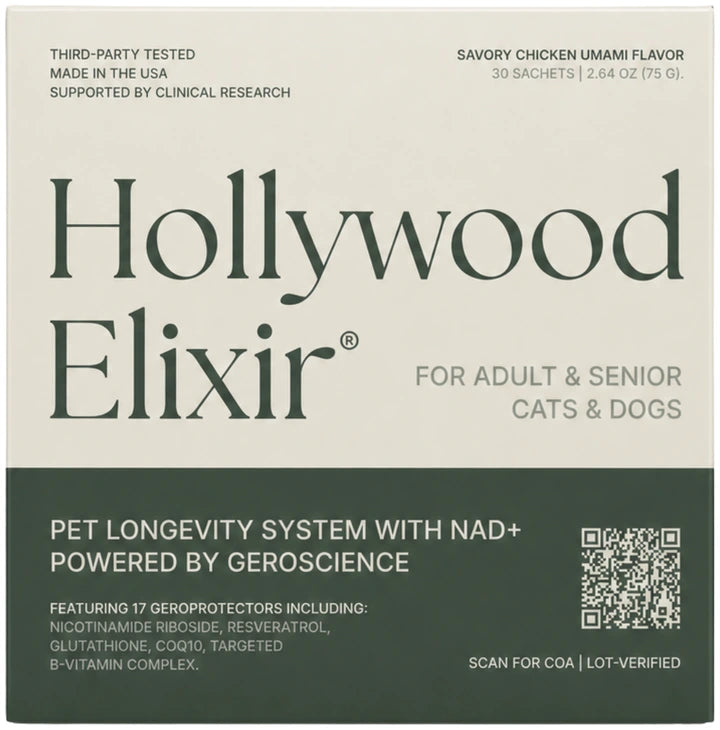
Featured Product:

  • Free Radicals in Pets: The Cellular Spark Behind Aging, Inflammation, and Decline describes reactive molecules (ROS/RNS) and why they can accumulate damage when defenses fall behind.
  • Free radicals are normal byproducts of energy production and immune activity; problems arise when oxidant “load” exceeds antioxidant cleanup.
  • ROS include superoxide and hydroxyl radicals, plus hydrogen peroxide, which can act as a messenger or a troublemaker depending on context.
  • RNS include nitric oxide and peroxynitrite, linking inflammation chemistry to oxidative stress and slower recovery.
  • Aging often narrows surplus by increasing oxidant leakage and slowing antioxidant recycling, making stressors hit harder.
  • Owners can track trend points—recovery time, appetite score, stool consistency, coat changes—over a 30-day window to support better vet decisions.
  • The safest next step is addressing root causes (pain, dental disease, organ function, routine disruption) rather than stacking supplements.

What Free Radicals Really Are

When people ask “what are free radicals in pets,” the simplest answer is: they are highly reactive molecules with an unpaired electron, looking to “borrow” one from nearby molecules. That electron-grabbing behavior is why free radicals can start chain reactions inside cells. In dogs and cats, these reactions are part of normal biology—especially in energy-making tissues like muscle and liver—but they become a problem when they happen faster than the body can contain them (Jewell, 2024).

At home, free radicals are never seen directly; owners notice the downstream effects when cellular wear starts to show. A pet may seem less adaptable after a long walk, recover more slowly after a busy weekend, or look “older” sooner than expected. These changes are not proof of oxidative stress by themselves, but they are common reasons families start reading about oxidative damage pets can accumulate over time.

ROS Basics: the Main Oxygen-side Players

Many free radicals in the body fall under the umbrella of reactive oxygen species (ROS). In plain terms, “ROS in dogs” often refers to a mix of molecules such as superoxide and the hydroxyl radical, plus related oxidants like hydrogen peroxide. Some are extremely short-lived and damaging, while others act more like messengers that cells use to coordinate repair and adaptation. This is why biology talks about redox signals, not just “good” or “bad” molecules (Powers, 2024).

Owners often connect ROS to exercise because that is when changes are easiest to observe. A dog that is normally rhythmic in movement may look a bit more jagged in gait after intense play, or may need longer naps the next day. Those observations can reflect many things—fitness, joints, sleep, heat—but they also fit the idea that oxygen use and recovery are times when ROS signaling and cleanup matter.

NAD for dogs DNA double helix

Hydrogen Peroxide: Messenger or Troublemaker

Hydrogen peroxide deserves special mention because it is not a radical, yet it sits at the center of oxidative chemistry. Cells can generate it from superoxide, and then convert it to water when defenses are working well. If it accumulates in the wrong place, it can feed the creation of more reactive species that damage membranes and proteins. Thinking of hydrogen peroxide as a “spark carrier” helps: it can be handled safely, or it can spread trouble depending on the cell’s antioxidant capacity (Jewell, 2024).

In daily life, this shows up as context-dependent vulnerability. A pet might do fine on ordinary days but struggle during a stressful week—boarding, a new baby, travel, or a heat wave—when appetite and sleep shift. Those stressors do not automatically mean oxidative stress, but they can narrow the body’s surplus for cleanup and repair. That is why routines that protect rest, hydration, and steady feeding patterns matter for aging pets.

RNS Basics: Nitric Oxide and Peroxynitrite

Reactive nitrogen species (RNS) are the nitrogen-side cousins of ROS. Nitric oxide is a key example: it is produced on purpose and helps regulate blood flow and immune signaling. The trouble starts when nitric oxide meets certain ROS and forms peroxynitrite, a more aggressive oxidant that can modify proteins and disrupt normal cell messaging. This is one reason inflammation and oxidative stress often travel together—immune activity can shift the chemistry toward more reactive combinations (Jewell, 2024).

Owners tend to notice this connection during flare-ups: a pet with itchy skin, a painful mouth, or a sore joint may also seem more tired and less interested in play. Those outward signs are driven by many pathways, but the “inflammation chemistry” idea helps explain why a single bad week can make an older pet look like they aged a month. It also explains why calming the underlying trigger matters more than chasing a single supplement.

Oxidative Stress: When Load Exceeds Cleanup
Oxidative stress is not the presence of free radicals; it is the mismatch between production and defense. Cells constantly generate oxidants, and they also constantly neutralize them. When the balance tips—because production rises, defenses drop, or both—oxidative damage pets experience can accumulate in lipids, proteins, and DNA. In veterinary research, oxidative stress markers are often discussed as measurable signals that this mismatch may be happening, especially during illness (Hagen, 2019).

A useful home lens is “load versus cleanup.” Big loads include infection, uncontrolled dental disease, obesity, smoke exposure, and repeated overheating. Cleanup is supported by sleep, consistent nutrition, and managing chronic inflammation with a veterinarian. When a pet’s day-to-day span shrinks—less play, more stiffness, more “off days”—it can be a sign that load is winning, even if the exact chemistry is not measured at home.

Hollywood Elixir™ is amazing and makes my 13 y/o young again!

— Jessie

We go on runs. Lately he's been keeping up with no problem!

— Cami

“Oxidative stress is a mismatch, not a molecule.”

Redox Balance: a Moving Target

Redox balance is the living, moving equilibrium between oxidants and antioxidants. It is not a fixed “perfect” state; it shifts by tissue, by time of day, and by what the body is doing. A small burst of oxidants can be useful for signaling—telling cells to build stronger mitochondria or to activate repair programs—while a prolonged surge can overwhelm defenses. This is why the goal is not to erase oxidants, but to keep the chemistry cleaner and more rhythmic over time (Powers, 2024).

Owners can think of redox balance like kitchen ventilation. Some smoke while cooking is normal and even expected; the problem is when the fan is broken and smoke lingers. Pets with disrupted routines—poor sleep, irregular meals, chronic pain—often have less adaptability when something stressful happens. That “less bounce-back” is a practical clue that the body’s regeneration rate may be slipping.

nad plus for dogs

Why Oxidative Damage Builds with Age

Why does free radical damage aging pets become more noticeable with time? Aging changes both sides of the equation: mitochondria may leak more oxidants, and antioxidant systems may respond more slowly. Meanwhile, older tissues often carry more “background inflammation,” so oxidant production is nudged upward even on ordinary days. Research in dogs and cats with chronic kidney disease highlights how oxidative stress is commonly discussed alongside age-linked disease processes, even though it is not the only driver (Chen, 2024).

At home, aging-related oxidative strain can look like smaller margins. A senior pet may handle a skipped nap, a long car ride, or a new food less gracefully than before. Appetite may become pickier, stools may be less predictable, and recovery after exercise may take longer. These are not “just old age” details to ignore; they are trend points that help a veterinarian understand how quickly a pet’s span is changing.

NAD+ for dogs portrait good boy

What Oxidative Damage Looks Like in Cells

Oxidative damage is the physical footprint left behind when oxidants react with cell parts. Lipid peroxidation is damage to fats in cell membranes; protein oxidation can change the shape and function of enzymes; DNA oxidation can create errors that cells must repair. Veterinary medicine sometimes measures byproducts of these processes in blood, such as malondialdehyde (MDA) and 8-hydroxy-2'-deoxyguanosine (8-OHdG), to create reference intervals and interpret trends (Perez-Montero, 2025).

Owners do not need to memorize biomarker names to use the concept. The practical takeaway is that damage can be tracked indirectly through patterns: coat quality, stamina, appetite consistency, and how often a pet has “bad days.” If a veterinarian recommends lab work, asking which markers are being followed and what change would matter can make results feel less mysterious. The goal is to connect numbers to daily function.

Hollywood Elixir contains 16 longevity actives including NAD for dogs

Where Free Radicals Come from in Real Life

Free radicals come from inside the body and from the environment. Inside, mitochondria generate ROS as they make energy, and immune cells generate oxidants to help control microbes. Outside, smoke, some pollutants, repeated sun exposure, and certain toxins can add oxidant pressure. During acute illness, oxidative stress markers can shift, which is why researchers explore whether antioxidant support changes measurable signals during canine disease episodes (Chethan, 2023).

CASE VIGNETTE: A young dog recovers from a stomach virus but stays unusually tired for a week, with a duller coat and less interest in play. The household assumes it is “just deconditioning,” yet the veterinarian finds dehydration and gut irritation that likely increased oxidant load during recovery. The lesson is not that every tired week is oxidative stress, but that illness can temporarily narrow surplus and change how a pet looks at home.

Built-in Antioxidant Defenses: SOD, Catalase, Glutathione

The body’s main defenses are built-in enzymes and small molecules that neutralize oxidants before they spread. Superoxide dismutase (SOD) converts superoxide into hydrogen peroxide; catalase and glutathione systems then help convert hydrogen peroxide into water. These defenses are constantly recycled, which is why nutrition, liver function, and overall health influence antioxidant capacity. Reviews of antioxidant biology in dogs and cats emphasize that defenses work as a team, not as a single “magic” nutrient.

At home, the most helpful mindset is “support the team.” Consistent meals, dental care, weight management, and avoiding smoke exposure are all ways to reduce oxidant load so defenses are not always playing catch-up. Over a 30-day window, owners can watch whether a pet’s energy and digestion look more rhythmic when routines are protected. If routines are chaotic, it becomes harder to tell whether changes are aging, stress, or early disease.

“Aging often looks like shrinking surplus for recovery.”

nad+ for dogs La petite labs scientist lab coat

Misconception: All Oxidants Are Bad

UNIQUE MISCONCEPTION: “All free radicals are bad, so more antioxidants must always be better.” In reality, some oxidants are necessary signals for normal adaptation, including muscle remodeling after activity. Over-suppressing signals is not the goal; the goal is to prevent prolonged, uncontained chemistry that leads to oxidative damage pets cannot easily clean up. This is why discussions of ROS in dogs often include both harm and normal function in the same breath (Powers, 2024).

WHAT NOT TO DO: Do not stack multiple high-dose antioxidant products without veterinary guidance, especially if a pet has liver, kidney, or endocrine disease. Do not assume that “natural” equals safe, or that human supplements translate cleanly to pets. Do not use antioxidants to delay evaluation of weight loss, persistent vomiting, or new exercise intolerance. Those signs need diagnosis first; chemistry support comes after the cause is understood.

Shop Now
nad for dogs hollywood elixir ingredient breakdown marketing

Why Redox Chemistry Shapes Healthspan

Why does this matter for healthspan—the years a pet feels good, not just the years lived? Oxidative stress can make inflammation feel louder, recovery feel slower, and tissues feel less adaptable. In studies of ill dogs, oxidative stress markers have been explored alongside clinical outcomes, reinforcing that redox balance is part of the broader picture during disease stress (Hagen, 2019). The key point is not a single lab value; it is how well the body maintains cleaner, more rhythmic function under pressure.

OWNER CHECKLIST: Watch for (1) longer recovery after normal exercise, (2) a coat that becomes dull or greasy despite the same grooming, (3) more frequent “off” days after stress, (4) appetite that swings from picky to ravenous, and (5) stools that become less predictable. These are not diagnostic, but they are actionable observations to record. They help a veterinarian decide whether to look for pain, infection, organ strain, or diet mismatch.

Shop Now
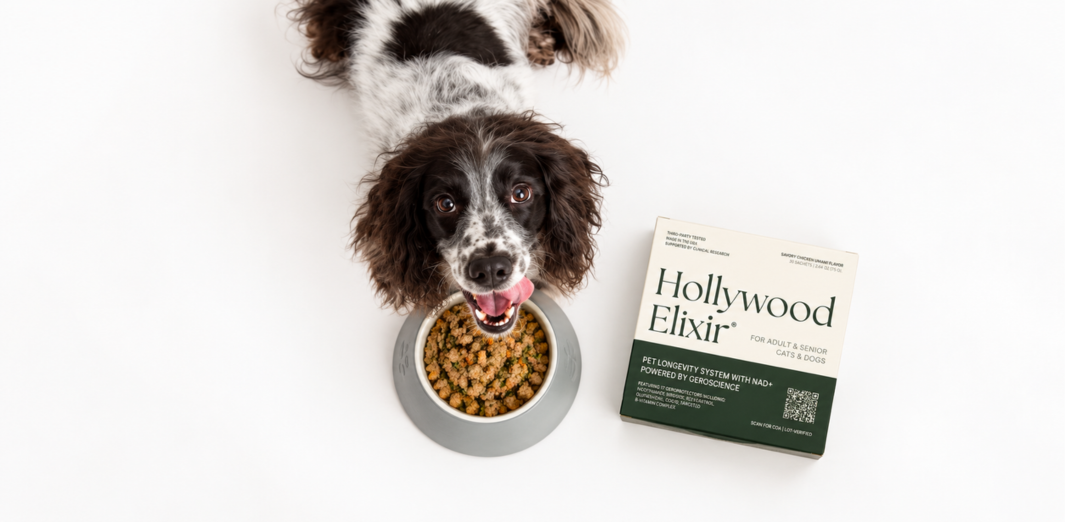
NAD+ for dogs hollywood elixir with dog product campaign shot

What to Track over a 30-Day Window

“What to track” works best when it is concrete and repeatable, not based on memory. WHAT TO TRACK (30-day window): resting respiratory rate during sleep, daily appetite score (0–3), stool consistency notes, willingness to jump/climb stairs, and post-walk recovery time back to normal behavior. Add one skin/coat marker, such as dandruff frequency or how quickly the coat looks oily after bathing. These trend points help connect oxidative stress concepts to real-life function without pretending to measure free radicals directly.

Tracking also prevents false alarms. A pet that looks “older” for three days after visitors may simply be overstimulated and under-rested. A pet that trends downward for three weeks deserves a different response. If lab work is done, owners can ask whether oxidative damage pets markers are being used for context, and how those results fit with kidney values, inflammation markers, and nutrition history.

Shop Now

How to Prepare for a Vet Visit

VET VISIT PREP: Bring (1) a timeline of when stamina or appetite changed, (2) a list of all supplements and treats, (3) notes on heat exposure, smoke exposure, or recent illness, and (4) any videos showing gait changes or collapse episodes. Ask: “Could pain or dental disease be driving inflammation load?” “Do kidney or liver values suggest reduced cleanup capacity?” “Would repeat labs in a month help confirm a trend?” These questions keep the visit focused on causes, not just chemistry labels.

Owners sometimes request antioxidant testing immediately, but most clinics start with the basics: exam, weight trend, dental status, and core blood and urine screening. That approach is practical because oxidative stress is often secondary to something else. If a veterinarian does discuss oxidative markers, it is usually to add context—how hard the body has been working—not to replace diagnosis.

Cats Versus Dogs: Same Chemistry, Different Responses

Cats and dogs share the same core redox chemistry, but they do not always respond the same way to interventions. For example, in cats with chronic kidney disease, vitamin E supplementation did not significantly change measured oxidative stress markers in a controlled study (Timmons, 2016). That does not mean oxidative stress is irrelevant in cats; it means that a single nutrient is not guaranteed to shift complex biology. It also reinforces why supplement decisions should be individualized and guided by a veterinarian.

At home, cat owners often see oxidative strain as “quiet” changes: less grooming, more hiding, smaller play bursts, or constipation that becomes more frequent. Dog owners may notice it as exercise intolerance or slower recovery. The shared action step is the same: record trend points, protect routine, and address pain, dental disease, and hydration early. Species differences matter most when choosing interventions, not when learning the basic concept.

NAD+ for dogs

How This Page Connects to Related Redox Topics

Owners often look for “the best antioxidant,” but foundational pages like Free Radicals in Pets: The Cellular Spark Behind Aging, Inflammation, and Decline are meant to clarify the map before choosing a route. Related deep-dives can help: oxidative stress in dogs versus cats, cellular redox balance, the Nrf2 pathway, enzymatic antioxidants, endogenous antioxidants, polyphenols, vitamin-based antioxidants, and carotenoids. Each topic answers a different question—what the chemistry is, where it happens, and what influences it—without turning education into a shopping list.

A practical way to use those pages is to match them to a real concern. If the issue is kidney values drifting, the oxidative-stress-in-cats or oxidative-stress-in-dogs page is more relevant than a general antioxidant overview. If the issue is aging stamina, cellular-redox pages and mitochondrial function explanations tend to fit better. This reduces random supplement stacking and keeps decisions tied to a pet’s actual pattern.

Shop Now
nad supplements for dogs nad+ for dogs

Why “Best Antioxidant” Thinking Backfires

Food and supplements are often discussed in the same sentence as oxidative stress, but the evidence is mixed and context-dependent. Some studies in dogs explore specific antioxidant nutrients for tolerability and biological effects in healthy adults, which is useful for safety framing but not a promise of outcomes in every pet (Anthony, 2021). The most reliable “first layer” remains basics: complete nutrition, appropriate calories, and addressing inflammation sources like dental disease or untreated pain.

When owners want to act immediately, the safest action is usually not a new pill—it is reducing oxidant load. Avoid secondhand smoke, prevent overheating, keep vaccines and parasite control current, and schedule dental care when recommended. If a supplement is being considered, it should be added one at a time with a clear reason and a plan to assess over a 30-day window. If nothing measurable changes, the plan should be revisited rather than expanded.

Shop Now

Using the Free Radical Lens Without Missing Disease

The most useful takeaway is that free radicals are not a diagnosis; they are a lens. That lens helps explain why aging can feel like a gradual loss of surplus, why inflammation can accelerate decline, and why recovery after stress becomes less predictable. It also explains why veterinary care focuses on root causes—pain, infection, organ function, nutrition—because those are the levers that change oxidant load and antioxidant capacity. Education about oxidative damage pets experience should lead to better questions, not quick fixes.

If a pet’s trend points are worsening—especially weight loss, persistent vomiting/diarrhea, collapse, or marked exercise intolerance—waiting for “antioxidant support” is the wrong move. Those signs need an exam and baseline labs. For stable pets, the best use of this page is to build a shared vocabulary with the veterinary team: ROS, RNS, redox balance, and oxidative stress. Clear language makes care decisions cleaner and less jagged.

“Track trend points; don’t chase a single lab number.”

Educational content only. This material is not a substitute for veterinary advice. Always consult your veterinarian about your dog’s specific needs. These statements have not been evaluated by the Food and Drug Administration. Products mentioned are not intended to diagnose, treat, cure, or prevent any disease.

Glossary

  • Free radical - A molecule with an unpaired electron that reacts quickly with nearby molecules.
  • ROS (Reactive Oxygen Species) - A group of oxygen-related oxidants including radicals like superoxide and non-radicals like hydrogen peroxide.
  • RNS (Reactive Nitrogen Species) - Nitrogen-related oxidants formed from nitric oxide chemistry, including peroxynitrite.
  • Oxidative stress - A state where oxidant production exceeds antioxidant defenses, increasing the chance of cellular damage.
  • Redox balance - The shifting equilibrium between oxidants and antioxidants that allows normal signaling without runaway damage.
  • Lipid peroxidation - Oxidative damage to fats in cell membranes that can weaken barrier function and cell signaling.
  • Protein oxidation - Oxidative changes that can alter enzyme shape and function, slowing normal cellular work.
  • DNA oxidation - Oxidative lesions in DNA that require repair and can accumulate with age.
  • Mitochondria - Cell structures that produce energy and are a major internal source of ROS.
  • Glutathione - A key antioxidant molecule used to neutralize oxidants and support detox and repair chemistry.
  • SOD (Superoxide dismutase) - An enzyme that converts superoxide into hydrogen peroxide as a first cleanup step.
  • Catalase - An enzyme that helps convert hydrogen peroxide into water, limiting spread of oxidative reactions.

Related Reading

References

Anthony. Alpha-Lipoic Acid Is an Effective Nutritive Antioxidant for Healthy Adult Dogs. 2021. https://www.mdpi.com/2076-2615/11/2/274

Chen. Evaluation of oxidative stress in dogs and cats with chronic kidney disease.. PubMed. 2024. https://pubmed.ncbi.nlm.nih.gov/39474931/

Hagen. Antioxidant supplementation during illness in dogs: effect on oxidative stress and outcome, an exploratory study.. PubMed. 2019. https://pubmed.ncbi.nlm.nih.gov/31292973/

Chethan. Antioxidant supplementation during treatment of outpatient dogs with parvovirus enteritis ameliorates oxidative stress and attenuates intestinal injury: A randomized controlled trial.. PubMed Central. 2023. https://pmc.ncbi.nlm.nih.gov/articles/PMC10276178/

Timmons. Vitamin E supplementation fails to impact measures of oxidative stress or the anaemia of feline chronic kidney disease: a randomised, double-blinded placebo control study.. PubMed. 2016. https://pubmed.ncbi.nlm.nih.gov/29067185/

Perez-Montero. Malondialdehyde (MDA) and 8-hydroxy-2'-deoxyguanosine (8-OHdG) levels in canine serum: establishing reference intervals and influencing factors.. PubMed. 2025. https://pubmed.ncbi.nlm.nih.gov/40069799/

Powers. Reactive oxygen species promote endurance exercise-induced adaptations in skeletal muscles.. Nature. 2024. https://www.nature.com/articles/s41598-025-97101-4

Jewell. Effect of dietary antioxidants on free radical damage in dogs and cats.. PubMed Central. 2024. https://pmc.ncbi.nlm.nih.gov/articles/PMC11185959/

FAQ

What are free radicals in pets, in plain language?

Free radicals are unstable molecules with an unpaired electron, so they react quickly with nearby fats, proteins, or DNA. Pets make them every day during normal energy production and immune activity.

Free Radicals in Pets: The Cellular Spark Behind Aging, Inflammation, and Decline focuses on when this normal chemistry becomes a problem—when reactions spread faster than the body can contain them. That mismatch is what people mean by oxidative stress.

Are ROS in dogs always harmful?

No. ROS in dogs can be part of normal signaling, including the body’s response to exercise and routine tissue upkeep. A small, brief burst can help cells adapt.

Harm is more likely when oxidant production is high for too long or when antioxidant defenses are depleted. That is why the goal is redox balance—cleaner, more rhythmic chemistry—rather than trying to eliminate oxidants completely.

What is oxidative stress, and how is it different?

Oxidative stress is the situation where oxidants are being made faster than the body can neutralize them. Free radicals can be present without oxidative stress if defenses keep up.

This difference matters for owners because it shifts the focus from “free radicals exist” to “what is driving load or weakening cleanup.” Pain, infection, obesity, smoke exposure, and poor sleep can all push the balance in the wrong direction.

What is redox balance in a dog or cat?

Redox balance is the ongoing push-and-pull between oxidants (like ROS/RNS) and antioxidants (enzymes and molecules that neutralize them). It changes by tissue and by what the body is doing.

A pet can have healthy redox signaling during activity and still avoid oxidative damage. Problems show up when the balance stays tipped for weeks—often alongside chronic inflammation, organ strain, or repeated stressors.

Why does free radical damage aging pets matter so much?

As pets age, mitochondria may leak more oxidants and antioxidant recycling can slow. That combination can narrow surplus, so the same stressor (heat, travel, a minor illness) causes a bigger dip in function.

Owners often notice slower recovery, more “off days,” and a coat that looks dull sooner. Those signs are not proof of oxidative stress, but they are useful trend points to bring to a veterinarian when planning senior care.

What does oxidative damage look like inside cells?

Oxidative damage can affect fats in membranes (lipid peroxidation), proteins (changing how enzymes work), and DNA (creating lesions that must be repaired). The result is slower, less efficient cell function over time.

In veterinary settings, some byproducts can be measured as biomarkers, but owners mainly see the functional side: stamina changes, skin/coat shifts, or slower bounce-back after stress. Those observations help decide what testing is appropriate.

Where do free radicals come from in everyday pet life?

Most free radicals come from normal processes: mitochondria making energy and immune cells responding to microbes. These sources are unavoidable and usually well-managed.

Extra load can come from smoke exposure, repeated overheating, obesity, chronic dental disease, or ongoing inflammation. The practical goal is to reduce avoidable load so the body’s defenses can keep chemistry cleaner during aging.

Can a vet test my pet for oxidative stress?

Sometimes, but it depends on the clinic and the reason for testing. Oxidative stress biomarkers exist, yet they are usually interpreted as context rather than as a standalone diagnosis.

Most veterinarians start with an exam, weight trend, dental assessment, and core blood/urine screening to look for root causes. If oxidative markers are discussed, asking what change would be meaningful can help owners connect lab results to daily function.

What home signs suggest oxidative load might be rising?

No home sign proves oxidative stress, but patterns can suggest a shrinking span. Common clues include longer recovery after normal exercise, more frequent “off days,” a dull or greasy coat, and appetite that becomes less predictable.

Stool consistency changes and sleep disruption also matter because they often track with inflammation and stress. Recording these as trend points over a 30-day window gives a veterinarian better information than memory alone.

How are inflammation and free radicals connected?

Inflammation can raise oxidant production because immune cells generate ROS/RNS as part of their work. Those oxidants can help control microbes, but they can also spill into surrounding tissue if the response is prolonged.

This is why chronic dental disease, untreated skin inflammation, or painful joints can make an older pet look like they are declining faster. Addressing the trigger often does more for redox balance than adding a new supplement.

Is Free Radicals in Pets: The Cellular Spark Behind Aging, Inflammation, and Decline about treatment?

No. Free Radicals in Pets: The Cellular Spark Behind Aging, Inflammation, and Decline is a definition and decision-support page. It explains ROS, RNS, oxidative stress, and redox balance in a way that connects to what owners can observe.

Treatment decisions depend on the underlying cause—pain, infection, organ disease, diet mismatch, or toxin exposure. The most useful outcome of this page is better questions for the veterinary team and better tracking at home.

Do cats and dogs respond the same to antioxidants?

Not always. Cats and dogs share core redox chemistry, but studies show that a single nutrient does not reliably shift oxidative markers in every situation. Species, disease stage, and diet context all matter.

This is why supplement choices should be individualized and veterinarian-guided, especially for cats with kidney disease or pets on multiple medications. The safest first step is reducing avoidable oxidant load and addressing inflammation sources.

Can too many antioxidants be a problem for pets?

Yes. Stacking multiple antioxidant products can create imbalances, unexpected ingredient overlaps, and unnecessary risk—especially in pets with kidney or liver disease. More is not automatically safer.

It can also distract from diagnosing the real driver of decline, such as pain, dental infection, or endocrine disease. A cleaner approach is one change at a time, with a reason, and a plan to assess trend points over a 30-day window.

How long does it take to see changes in aging trend points?

Meaningful changes usually show up as patterns, not overnight transformations. For many households, a 30-day window is long enough to see whether sleep, appetite, stool consistency, and recovery time are becoming more rhythmic.

If the trend is worsening week by week, that is a signal to schedule a veterinary visit rather than waiting. If the trend is stable but “narrow,” it is a good time to review pain control, dental health, weight, and diet quality.

What should owners track to discuss oxidative stress intelligently?

Track repeatable markers: appetite score, stool notes, willingness to jump or climb stairs, post-walk recovery time, and coat changes. Add resting respiratory rate during sleep if it can be measured calmly.

These trend points help a veterinarian decide whether the issue is pain, heart/lung limitation, digestive disease, or an age-related shift in adaptability. They also prevent overreacting to a single bad day after visitors, travel, or heat.

What questions should be asked at the vet about oxidative load?

Ask questions that point to causes: “Could dental disease or pain be driving inflammation?” “Do kidney or liver values suggest reduced cleanup capacity?” “Is weight or diet contributing to load?”

Also ask how progress will be assessed: “Which trend points should be watched at home?” and “Would repeat labs in a month clarify whether this is a temporary dip or a real decline?” This keeps the plan practical and measurable.

What should not be done when worried about oxidative damage pets?

Do not delay evaluation of weight loss, persistent vomiting/diarrhea, collapse, or marked exercise intolerance. Those signs need diagnosis, not guesswork about free radicals.

Do not assume human supplements are safe for pets, and do not combine multiple antioxidant products “just in case.” A cleaner plan is to reduce avoidable load (smoke, overheating), protect routine, and add any supplement only with veterinary guidance.

How does mitochondrial function relate to free radicals?

Mitochondria make energy, and a small amount of ROS is a normal byproduct of that process. Those ROS can act as signals that help cells adapt and maintain repair programs.

With aging or disease stress, mitochondria may leak more oxidants and the cleanup pace may slow, which can contribute to a less adaptable pet. This is why discussions of redox balance often sit alongside mitochondrial function and cellular aging.

Are there quality signals for antioxidant supplements for pets?

Quality signals include clear ingredient lists, species-appropriate formulations, batch testing or third-party verification, and conservative claims. Products should not promise to treat or prevent disease.

Owners should also look for a plan to assess results: which trend points should change, and when. If a supplement is added, it should be the only new variable for several weeks so the household can tell what is actually happening.

How should Hollywood Elixir™ fit into an aging plan?

If a family is researching Free Radicals in Pets: The Cellular Spark Behind Aging, Inflammation, and Decline, the first step is still basics: exam, weight trend, dental status, and a stable diet routine. Supplements come after the main drivers of inflammation and stress are addressed.

If a veterinarian agrees a supplement is reasonable, Hollywood Elixir™ may help support normal aging processes as part of a broader plan. Add one change at a time and assess trend points over a 30-day window.

When should a pet owner call the vet urgently?

Urgent signs include collapse, trouble breathing, repeated vomiting, black/tarry stool, inability to keep water down, sudden weakness, or a painful, swollen abdomen. These are not “oxidative stress” problems to manage at home.

For slower changes—gradual weight loss, increasing thirst/urination, or steadily shrinking stamina—schedule a prompt visit and bring a short log of trend points. Early evaluation often protects healthspan more than any single antioxidant strategy.

5K+ Happy Pet Parents

Excellent 4.8

Free Radicals in Pets: the Cellular Spark Behind Aging, Inflammation, and Decline | Why Thousands of Pup Parents Trust Hollywood Elixir™

"He seems more happy overall. I've also noticed he has more energy which makes our walks and playtime so much more fun."

Olga & Jordan

"He's got way more energy now! We go on runs pretty often; he use to get tired halfway through, but lately, he's been keeping up without any problem."

Cami & Clifford

"I want her to live forever. She hasn't had an ear infection since!"

Madison & Azula

"It helps with her calmness, her immune system. I really like the clean ingredients. Highly recommend La Petite Labs!"

Maple & Cassidy

"He seems more happy overall. I've also noticed he has more energy which makes our walks and playtime so much more fun."

Olga & Jordan

"He's got way more energy now! We go on runs pretty often; he use to get tired halfway through, but lately, he's been keeping up without any problem."

Cami & Clifford

"I want her to live forever. She hasn't had an ear infection since!"

Madison & Azula

"It helps with her calmness, her immune system. I really like the clean ingredients. Highly recommend La Petite Labs!"

Maple & Cassidy

"He seems more happy overall. I've also noticed he has more energy which makes our walks and playtime so much more fun."

Olga & Jordan

"He's got way more energy now! We go on runs pretty often; he use to get tired halfway through, but lately, he's been keeping up without any problem."

Cami & Clifford

"I want her to live forever. She hasn't had an ear infection since!"

Madison & Azula

"It helps with her calmness, her immune system. I really like the clean ingredients. Highly recommend La Petite Labs!"

Maple & Cassidy

"He seems more happy overall. I've also noticed he has more energy which makes our walks and playtime so much more fun."

Olga & Jordan

"He's got way more energy now! We go on runs pretty often; he use to get tired halfway through, but lately, he's been keeping up without any problem."

Cami & Clifford

"I want her to live forever. She hasn't had an ear infection since!"

Madison & Azula

"It helps with her calmness, her immune system. I really like the clean ingredients. Highly recommend La Petite Labs!"

Maple & Cassidy

SHOP NOW