ROS, RNS, and Oxidative Stress: a Clear Glossary for Pet Parents (Without the Jargon)

Identify Redox Terms, Link Oxidative Damage to Brain, Heart, Kidneys, Joints

Essential Summary

Why Is ROS, RNS, And Oxidative Stress Glossary Important?

These terms show up in lab notes, nutrition discussions, and chronic disease monitoring, but they are easy to misread as diagnoses. Knowing what ROS, RNS, and oxidative stress mean helps owners ask clearer questions, track the right progress indicators, and avoid overreacting to a single acronym.

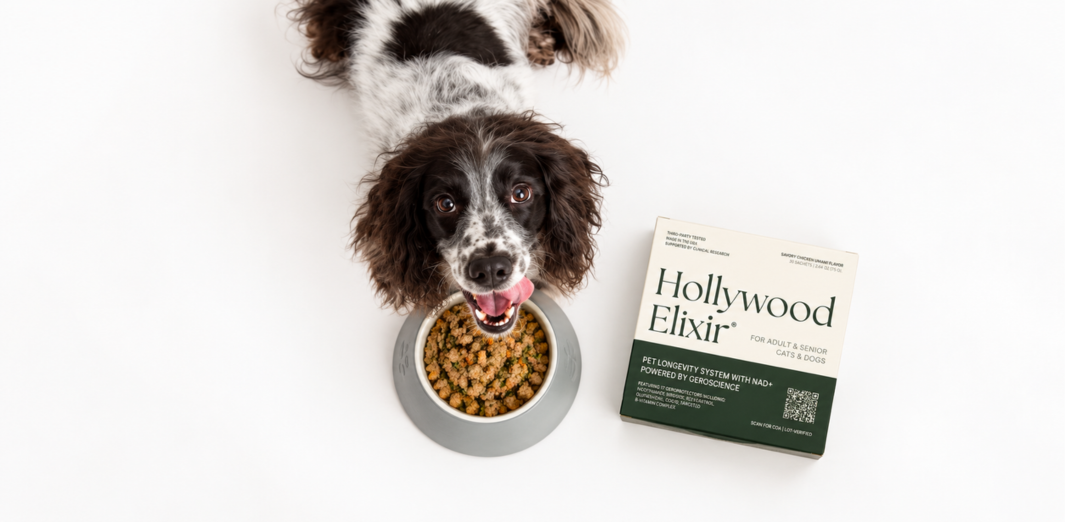
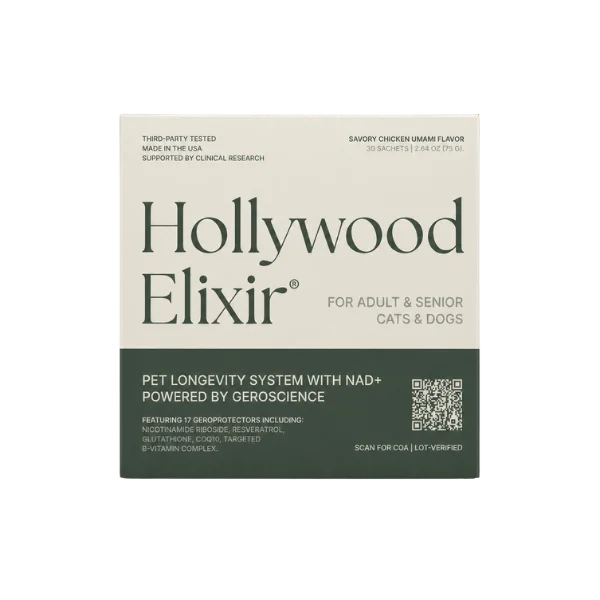
Hollywood Elixir™ is designed to support normal cellular defense as part of a broader wellness routine.

When a vet note mentions “ROS,” “RNS,” or “oxidative stress,” it can sound like a diagnosis—when it’s usually a description of chemical wear-and-tear happening alongside another problem. This page is a lookup-style oxidative stress glossary pets can use: short definitions, what the term means in plain language, and what it tends to look like at home. The goal is not to self-diagnose, but to understand why certain labs, diet discussions, or inflammation conversations keep circling back to “oxidants” and “antioxidants.”

ROS meaning for pets: these are reactive oxygen species—tiny, fast-reacting molecules made during normal energy production and immune defense, but potentially harmful when they build up or linger (Bae, 2011). RNS are similar reactive nitrogen species that can join the same story, especially during inflammation (Rutkowski, 2007). “Oxidative stress” is the imbalance between reactive molecules and the body’s buffer and cleanup tools, not a single disease by itself (Metodiewa, 2000). Use the headings like an index, and cross-reference with related topics such as free radicals in dogs and cats, mitochondria, inflammation, and antioxidant enzymes.

By La Petite Labs Editorial, ~15 min read

Featured Product:

  • ROS, RNS, and oxidative stress terms describe reactive chemistry and the body’s buffer—not a standalone diagnosis in most pets.
  • ROS meaning for pets: reactive oxygen species are normal signaling/defense molecules that become a problem when they build up.
  • RNS are reactive nitrogen species often discussed alongside inflammation and nitrosative stress.
  • Oxidative stress is the imbalance; oxidative damage is the measurable “footprint” left behind.
  • Common biomarkers include lipid peroxidation products and DNA-related markers like 8-OHdG.
  • Owners can help most by logging recovery time, appetite, water intake, weight, and flare triggers.
  • Use this oxidative stress glossary pets page to bring clearer questions and timelines to the vet.

How to Use This Glossary in Real Life

Think of this page as a translation layer between lab words and everyday pet care. Each section defines one term, then adds a “so what?”—how that term shows up in vet conversations, and what it can and cannot mean. Many terms overlap: ROS and RNS are types of reactive molecules; oxidative stress is the condition of having too many of them relative to the body’s buffer; biomarkers are the footprints they leave behind.

At home, the most useful approach is to treat these terms as context, not conclusions. If a report mentions oxidative stress, it usually means the veterinarian is thinking about inflammation, aging changes, kidney strain, weight status, or recovery after exertion—not a mystery toxin by default. Keep a short note of the exact term used, the sample type (blood, urine), and what else was abnormal, so the next visit starts with clarity instead of guesswork.

Energy production graphic tied to antioxidant protection supported by oxidative stress glossary pets.

ROS Defined: Helpful Sparks, Harmful Build-up

Reactive oxygen species pets explained: ROS are oxygen-containing molecules that react quickly with nearby fats, proteins, or DNA. They are not automatically “bad”—cells intentionally make ROS for signaling and for immune defense, then keep them in check with antioxidant systems (Bae, 2011). Problems start when ROS production rises or cleanup falls, shrinking the repair window and increasing the chance of oxidative damage.

A practical analogy: ROS are like tiny sparks from a fireplace. A few sparks are expected and even useful for starting a process; a shower of sparks in a dry room is different. Owners might hear ROS discussed after intense exercise, during chronic inflammation, or when a pet is older and recovery feels less predictable. The key question to ask is what is driving the “spark load” in this specific pet.

DNA strand visualization representing cellular protection supported by pet oxidative stress terms.

Where ROS Come from: Mitochondria and NADPH Oxidases

ROS are produced in specific places, not as random “rust.” Mitochondria can leak reactive molecules during energy production, and certain enzymes (often discussed as NADPH oxidases) generate ROS on purpose for signaling and defense (Bae, 2011). This compartmentalized setup matters because it explains why a pet can have normal routine function but still show oxidative stress markers during illness, inflammation, or high demand.

What this looks like at home is usually indirect: a pet that used to bounce back after a long walk now needs a longer nap, or a cat with ongoing dental inflammation seems “tired” and less playful. Those observations do not diagnose oxidative stress, but they help the veterinarian decide whether to look for inflammatory drivers, pain, infection, or organ strain that can shift ROS production and shorten the repair window.

Molecular structure graphic reflecting research-driven design behind oxidative stress glossary pets.

RNS Defined: Reactive Nitrogen Species in Inflammation

RNS are reactive nitrogen species—nitrogen-containing molecules that can modify proteins and other tissues, especially when inflammation is active. Like ROS, they can be part of normal signaling and host defense, but excess or prolonged production can contribute to nitrosative stress and cellular injury (Rutkowski, 2007). ROS and RNS often travel together in medical discussions because they can interact and amplify damage under certain conditions (Metodiewa, 2000).

Owners most often encounter RNS language in chronic conditions where inflammation is persistent: long-standing skin disease, dental disease, or kidney disease monitoring. The useful takeaway is not to fear the acronym, but to recognize it as a clue that the vet is thinking about inflammatory chemistry. When reading a report, note whether the term used is “oxidative,” “nitrosative,” or both—those words can guide which follow-up questions matter.

Close-up of a pug highlighting comfort and well-being supported by pet oxidative stress terms.

Oxidative Stress Vs Oxidative Damage: Not the Same Thing

Oxidative stress is an imbalance: reactive molecules outpace the body’s buffer and cleanup capacity. Oxidative damage is the result: measurable changes to fats, proteins, or DNA after the imbalance persists. This distinction matters because a pet can have oxidative stress signals without obvious tissue injury yet, and the veterinary plan may focus on identifying the driver rather than “treating oxidative stress” as a standalone disease (Forman, 2021).

At home, oxidative stress rarely has a unique “look.” It tends to ride along with the primary issue—itch, chronic infection, obesity, kidney disease, or slower recovery after exertion. If a pet’s symptoms are getting more erratic, the most helpful owner action is to document timing and triggers (after meals, after exercise, during flare-ups). That timeline helps the vet decide whether oxidative stress language is describing inflammation, organ strain, or both.

Hollywood Elixir™ is amazing and makes my 13 y/o young again!

— Jessie

We go on runs. Lately he's been keeping up with no problem!

— Cami

“These acronyms describe chemistry under strain, not a diagnosis by themselves.”

Redox Balance: the Push-pull That Keeps Cells Calmer

“Redox” is shorthand for reduction–oxidation, the chemical push-pull that moves electrons around. Redox balance means reactive molecules are produced, used for signaling, and then neutralized—keeping cell behavior within a normal range. When the balance shifts, signaling can become less predictable and cleanup systems can be overworked, which is why redox language appears in discussions of aging, inflammation, and organ stress (Metodiewa, 2000).

In household terms, redox balance is why two pets with the same diagnosis can look different day to day. One dog with arthritis may recover quickly after activity; another may seem sore and “off” for longer. Redox balance is not something owners can measure directly, but it explains why veterinarians ask about recovery time, appetite consistency, and sleep patterns—these can hint at how wide the pet’s repair window feels in real life.

Dog headshot symbolizing resilience and calm energy supported by ROS meaning for pets.

Antioxidant: a Buffer, Not a Magic Eraser

An antioxidant is anything that helps neutralize reactive molecules or limits the chain reactions they start. Some antioxidants are enzymes made by the body; others come from diet. The important nuance is that antioxidant therapy has limits: simply adding antioxidants does not automatically fix the underlying driver of oxidative stress, and effects depend on dose, timing, and the specific chemistry involved (Forman, 2021).

Owners often see “antioxidants” on food labels and assume more is always better. A safer way to think is “appropriate support for normal function,” guided by the pet’s life stage and medical context. If supplements are being considered, the first step is to list everything already given (treats, chews, oils, powders) so the veterinarian can check for overlap and avoid stacking ingredients that may not be appropriate for that pet.

Profile shot of a dog showing attentive expression supported by pet oxidative stress terms.

Pro-oxidant: When a Substance Pushes Oxidation Forward

A pro-oxidant is something that increases reactive molecule formation or makes oxidative chain reactions more likely. This can happen through inflammation, certain toxins, or even “too much of a good thing” when antioxidant compounds behave differently at high levels. The key point for pet oxidative stress terms is that context matters: the same nutrient can be supportive at one level and problematic at another (Forman, 2021).

At home, pro-oxidant risk is most relevant when multiple supplements are combined without a plan. Owners may add several “immune” or “skin” products at once, then struggle to tell what helped or what caused stomach upset. A practical rule is to change one variable at a time and keep packaging or photos of labels. That makes it easier for a veterinarian to spot ingredient overlap and potential excess.

Supplement breakdown graphic emphasizing no fillers approach within oxidative stress glossary pets.

Free Radical Vs Reactive Species: a Useful Distinction

A free radical is a molecule with an unpaired electron, which makes it especially reactive. “Reactive species” is a broader umbrella that includes free radicals and other highly reactive molecules that can still cause oxidation or signaling changes. Many owner articles blur these terms, but the distinction helps explain why different ROS can behave differently and why labs and research papers specify the exact molecule when possible.

For owners, the practical takeaway is to focus on the veterinarian’s context rather than the scariest-sounding word. If a report says “reactive species,” it may be a general statement about oxidative chemistry, not a precise measurement. When reading online, it helps to ask: does the source define which species, which tissue, and which biomarker? If not, it is usually broad education, not pet-specific guidance.

Lipid Peroxidation: When Fats in Membranes Get “Rancid”

Lipid peroxidation is a chain reaction where reactive molecules attack fats, especially the fats that make up cell membranes. This can change how membranes behave and can create measurable breakdown products (often discussed as markers like malondialdehyde). Lipid peroxidation is one reason oxidative stress is discussed in organs with high metabolic activity and in chronic disease monitoring (Nishi, 2023).

Owners won’t see lipid peroxidation directly, but it can be part of the background story in conditions where a pet seems to “age faster” or recover more slowly. In cats with chronic kidney disease, oxidative markers including lipid-related products have been studied alongside disease severity, which is why some vets mention oxidative stress during kidney conversations (Nishi, 2023). The useful home role is to keep hydration, appetite, and weight logs consistent for cleaner comparisons over time.

“A single lab marker is a clue; the trend and context matter more.”

Lab coat visual symbolizing disciplined formulation supporting oxidative stress glossary pets.

Protein Carbonylation: Oxidation That Changes Protein Shape

Protein carbonylation is a type of oxidative modification where proteins pick up carbonyl groups after exposure to reactive molecules. In plain terms, it’s one way proteins can be “scuffed,” changing how they fold or function. It is often discussed as a downstream footprint of oxidative stress rather than the starting cause, which is why it appears in research and biomarker panels more than in routine clinic language (Lushchak, 2014).

At home, the best use of this term is as a reminder that oxidative stress is about cumulative chemistry, not a single bad day. If a pet’s condition flares after stress, infection, or big activity changes, that pattern can matter more than any one lab value. Owners can help by noting flare triggers, how long recovery takes, and whether appetite or sleep becomes less predictable during those periods.

Shop Now
Curated ingredient scene highlighting bioactive blend supporting oxidative stress glossary pets.

8-Ohdg: a Common Marker Linked to DNA Oxidation

8-OHdG (8-hydroxy-2’-deoxyguanosine) is a biomarker often used to reflect oxidative changes to DNA. It does not mean “DNA is being destroyed,” but it can indicate that oxidative chemistry has been active and that repair processes are engaged. In cats with chronic kidney disease, 8-OHdG has been evaluated alongside other oxidative markers and clinical severity, which helps explain why some kidney workups mention oxidative stress terms (Nishi, 2023).

CASE VIGNETTE: A 13-year-old cat with early kidney disease eats well but has gradual weight loss and more “off” days. The vet discusses trending kidney values and mentions oxidative stress markers as part of the bigger picture, not as a separate diagnosis. In that situation, the most helpful owner step is to bring a week-by-week log of appetite, water intake, and litter box output so trends are clearer than memory.

Shop Now
Woman holding Hollywood Elixir box with her dog, showing daily pet oxidative stress terms routine.

Nrf2 Pathway: the Body’s “Turn on Cleanup” Switch

Nrf2 is a regulatory pathway that helps cells respond to oxidative stress by turning on genes involved in antioxidant defenses and detox-style cleanup. In simple terms, it’s part of how the body widens its buffer when reactive molecules rise. This is why some nutrition and ingredient discussions focus on “supporting antioxidant response” rather than directly neutralizing every reactive molecule.

Owners may see Nrf2 mentioned in supplement marketing, which can be confusing. The practical point is that pathways are not on/off buttons that guarantee outcomes. If a pet has chronic disease, the veterinarian’s priority is still identifying the driver (infection, inflammation, organ strain) and choosing safe, appropriate support. Any product discussion should start with the pet’s full medication and diet list to avoid unintended interactions.

Shop Now

SOD, Catalase, Gpx: Antioxidant Enzymes in Plain Language

SOD (superoxide dismutase), catalase, and GPx (glutathione peroxidase) are antioxidant enzymes—built-in tools that convert reactive molecules into less reactive forms. They work as a coordinated cleanup crew, and their activity can shift with illness, diet, and physical demand. In exercising dogs, oxidative stress research often tracks changes in antioxidant defenses and oxidation products to understand how exertion affects this balance (Pasquini, 2010).

At home, this enzyme story shows up as recovery patterns. A dog that is conditioned for activity may recover with a shorter rest period, while a dog that is deconditioned or dealing with inflammation may seem sore, stiff, or unusually tired after the same outing. Those observations help a veterinarian interpret whether “oxidative stress” language is likely tied to exertion, underlying disease, or both.

Glutathione: a Major Internal Antioxidant Buffer

Glutathione is a small molecule present in many tissues that helps neutralize reactive molecules and supports other antioxidant systems. It is often discussed as part of the “redox couple” that reflects how oxidized or reduced a cell environment is. In nitrosative stress research, glutathione-related systems are commonly evaluated because RNS can shift these balances during ongoing inflammation.

Owners do not need to memorize glutathione chemistry to use the term well. The practical use is to recognize it as a “buffer” word: it signals that the veterinarian is thinking about how the body handles ongoing stressors, not just the stressor itself. If a pet has multiple conditions (for example, kidney disease plus dental inflammation), bringing a clear symptom timeline helps the vet decide which stressor is most changeable right now.

Comparison graphic showing reactive oxygen species pets explained benefits versus typical supplement formulas.

Common Misconceptions About Oxidative Stress Terms

UNIQUE MISCONCEPTION: “Oxidative stress means toxins or a bad food batch.” In reality, oxidative stress language most often points to normal biology under strain—like inflammation, obesity, aging changes, or organ disease—rather than a single poisoning event. For example, feline obesity has been associated with measurable oxidative stress markers, suggesting body condition alone can shift oxidative chemistry (Martins, 2023).

WHAT NOT TO DO: Do not start multiple antioxidant supplements at once “to cover all bases.” Do not interpret one oxidative marker as proof of a specific disease. Do not stop prescribed medications because an online source says “oxidation is the real cause.” Instead, use this pet oxidative stress terms glossary to ask better questions about the likely driver and the safest next step for that individual pet.

Shop Now
Unboxed supplement reflecting refined experience and trust in pet oxidative stress terms.

Owner Checklist: What to Notice Before the Next Visit

OWNER CHECKLIST (home-observable): (1) Recovery time after normal play or walks (minutes vs hours). (2) Appetite consistency across a week, not one meal. (3) Water intake and litter box output changes, especially in older cats. (4) Skin/ear flare timing relative to stress, season, or diet changes. (5) Body condition trend—waistline changes and scale weight—since excess body condition can be linked with oxidative stress markers in cats (Martins, 2023).

WHAT TO TRACK (what to log between vet visits): daily appetite score, daily water estimate, weekly weight, activity/recovery notes, stool quality, and “good day/bad day” notes with triggers. These markers help the veterinarian decide whether oxidative stress language is simply describing inflammation load, kidney strain, or recovery demands. The goal is a calmer, more predictable picture over time, even if the underlying condition is chronic.

Shop Now

Vet Visit Prep: Questions That Clarify the Acronyms

VET VISIT PREP: Bring the exact term from the report and ask: (1) “Which driver is most likely in this case— inflammation, weight, kidney strain, or something else?” (2) “Was this a direct biomarker (like 8-OHdG) or an interpretation?” (3) “Which sample type and trend matters most—blood, urine, or both?” (4) “What change would make the biggest difference to the repair window over the next month?”

If kidney disease is part of the picture, it can help to ask whether nitrosative stress is being considered as a research-informed concept in feline CKD discussions, since that topic appears in veterinary literature (Quimby, 2021). The best outcome of this glossary-style visit prep is shared language: the owner understands what the acronym points to, and the vet gets cleaner observations to guide the next decision.

“The most useful owner tool is a simple, consistent log.”

Educational content only. This material is not a substitute for veterinary advice. Always consult your veterinarian about your dog’s specific needs. These statements have not been evaluated by the Food and Drug Administration. Products mentioned are not intended to diagnose, treat, cure, or prevent any disease.

Glossary

  • ROS (Reactive Oxygen Species) - Fast-reacting oxygen-based molecules used in signaling and defense that can cause damage when excessive.
  • RNS (Reactive Nitrogen Species) - Reactive nitrogen-based molecules often increased during inflammation and capable of modifying proteins and tissues.
  • Oxidative Stress - A state where reactive molecules outpace antioxidant buffer and cleanup capacity.
  • Nitrosative Stress - A related imbalance driven by reactive nitrogen species and their downstream reactions.
  • Redox Balance - The normal push-pull between oxidation and reduction that keeps signaling and cleanup within a healthy range.
  • Antioxidant - A molecule or enzyme that helps neutralize reactive species or limits chain reactions.
  • Pro-oxidant - A factor that increases reactive species formation or makes oxidative chain reactions more likely.
  • Free Radical - A particularly reactive molecule with an unpaired electron; a subset of reactive species.
  • Lipid Peroxidation - Oxidative chain reactions that damage fats in cell membranes and create measurable breakdown products.
  • Protein Carbonylation - A common oxidative modification that can change protein shape and function.
  • 8-OHdG - A biomarker used to reflect oxidative changes to DNA and ongoing repair activity.
  • Nrf2 Pathway - A cellular response program that turns on antioxidant and cleanup genes when oxidative stress rises.

Related Reading

References

Bae. Regulation of reactive oxygen species generation in cell signaling.. Nature. 2011. https://www.nature.com/articles/nri3423

Metodiewa. Reactive oxygen species and reactive nitrogen species: relevance to cyto(neuro)toxic events and neurologic disorders. An overview.. PubMed. 2000. https://pubmed.ncbi.nlm.nih.gov/12835102/

Rutkowski. [Reactive oxygen and nitrogen species in inflammatory process].. PubMed. 2007. https://pubmed.ncbi.nlm.nih.gov/18044345/

Martins. Feline obesity causes hematological and biochemical changes and oxidative stress - a pilot study.. PubMed. 2023. https://pubmed.ncbi.nlm.nih.gov/35778642/

Pasquini. Evaluation of oxidative stress in hunting dogs during exercise. 2010. https://www.sciencedirect.com/science/article/abs/pii/S003452881000010X

Quimby. Renal Senescence, Telomere Shortening and Nitrosative Stress in Feline Chronic Kidney Disease.. PubMed. 2021. https://pubmed.ncbi.nlm.nih.gov/34941841/

Lushchak. Free radicals, reactive oxygen species, oxidative stress and its classification. 2014. https://www.mdpi.com/1422-0067/21/11/3743

Nishi. 8-Hydroxy-2'-deoxyguanosine and malondialdehyde in plasma and their association with disease severity in 20 cats with chronic kidney disease.. PubMed Central. 2023. https://pmc.ncbi.nlm.nih.gov/articles/PMC10811979/

Forman. Targeting oxidative stress in disease: promise and limitations of antioxidant therapy.. Nature. 2021. https://www.nature.com/articles/s42255-022-00591-z

FAQ

What does ROS meaning for pets actually refer to?

ROS means reactive oxygen species—small, highly reactive molecules made during normal energy production and immune defense. They are not automatically harmful; cells use controlled ROS for signaling, then neutralize the excess with antioxidant systems.

In vet conversations, ROS usually comes up as context for inflammation, aging changes, or recovery after exertion. It is rarely a standalone diagnosis. The most helpful follow-up question is what the vet thinks is driving ROS higher in that specific pet.

What are RNS, in plain pet-parent language?

RNS are reactive nitrogen species—nitrogen-containing reactive molecules that often rise during inflammation. They can be part of normal defense, but when production is excessive or prolonged, they can contribute to nitrosative stress and tissue irritation(Rutkowski, 2007).

Owners usually encounter “RNS” in research-heavy discussions (kidney disease, chronic inflammation, cognitive aging). The practical use is to treat it as a clue that inflammatory chemistry is being considered, not as proof of a specific toxin or exposure.

Is oxidative stress a disease diagnosis in pets?

Usually, no. Oxidative stress describes an imbalance where reactive molecules outpace the body’s buffer and cleanup tools. It often travels alongside another condition—like inflammation, obesity, kidney disease, or recovery after heavy activity—rather than replacing that diagnosis.

That is why an oxidative stress glossary pets page is useful: it helps translate what the term implies without turning it into a label. The next step is typically identifying the main driver and tracking trends, not “treating oxidative stress” in isolation.

How is oxidative stress different from oxidative damage?

Oxidative stress is the imbalance (too many reactive molecules relative to antioxidant buffer). Oxidative damage is the measurable result—changes to fats, proteins, or DNA after that imbalance persists. The difference matters because a pet can show stress signals before clear injury is documented.

In practical terms, “stress” often prompts the vet to look for drivers (infection, inflammation, organ strain), while “damage” may prompt closer monitoring or additional testing. Asking which one is being discussed can prevent misunderstandings.

What does “redox balance” mean for a dog or cat?

Redox balance is the normal push-pull between oxidation and reduction that keeps reactive chemistry controlled. It allows cells to use ROS/RNS for signaling and defense, then return to baseline using antioxidant systems. When balance shifts, signaling and recovery can become less predictable.

Owners can’t measure redox balance at home, but they can observe recovery time, appetite consistency, and flare patterns. Those day-to-day clues help a veterinarian interpret whether oxidative stress language is likely tied to inflammation, exertion, or chronic disease.

Are ROS always harmful, or can they be useful?

ROS are not always harmful. Cells intentionally generate controlled ROS for signaling and for immune defense, then keep levels in check with antioxidant enzymes and other buffers. Problems arise when ROS production is high, cleanup is low, or the imbalance lasts long enough to leave damage footprints.

This is why “reactive oxygen species pets explained” should include both sides: useful sparks versus lingering sparks. The practical question is not “How to remove all ROS?” but “Why are they elevated in this pet right now?”

What are common oxidative stress biomarkers in veterinary medicine?

Biomarkers are measurable footprints that suggest oxidative chemistry has been active. Common categories include lipid peroxidation products (fat oxidation), protein oxidation markers, and DNA-related markers such as 8-OHdG. Different tests use different samples (blood, urine) and may reflect different tissues.

In cats with chronic kidney disease, oxidative markers including 8-OHdG and lipid-related products have been studied alongside disease severity, which is one reason oxidative stress terms show up in kidney discussions. Ask which marker was measured and what trend matters most.

What does 8-OHdG mean on a lab report?

8-OHdG is a biomarker often used to reflect oxidative changes to DNA and ongoing repair activity. It does not diagnose a single disease by itself. It is best interpreted alongside the pet’s symptoms, other lab values, and whether the number is rising, falling, or stable over time.

Owners can help interpretation by bringing a simple log: appetite, water intake, weight, and “good day/bad day” notes. That context helps the vet connect a biomarker to real-world function rather than treating it as an isolated score.

Can obesity be linked to oxidative stress in cats?

Yes, research has found associations between feline obesity and evidence of systemic oxidative stress markers, along with other measurable blood and chemistry changes(Martins, 2023). That does not mean every overweight cat has the same risk, but it supports the idea that body condition can shift inflammatory and oxidative chemistry.

For owners, the actionable piece is tracking weight and body condition trend, then discussing a safe plan with the veterinarian. Rapid diet changes or supplement stacking can backfire; slow, measurable changes are easier to evaluate and keep calmer over time.

Does exercise change oxidative stress markers in dogs?

Yes. In dogs, exercise—especially intense or prolonged activity—has been associated with measurable changes in oxidative stress biomarkers and antioxidant defenses. This reflects increased reactive molecule production during higher energy demand and recovery(Pasquini, 2010).

At home, the most useful marker is recovery time: how long it takes for appetite, mood, and movement to return to normal after activity. If recovery becomes longer or more erratic, it’s worth discussing conditioning level, pain, and any underlying disease that could narrow the repair window.

What do antioxidant enzymes like SOD and catalase do?

Antioxidant enzymes are the body’s built-in cleanup tools. SOD helps convert one reactive molecule (superoxide) into a less reactive form, catalase helps break down hydrogen peroxide, and GPx uses glutathione-related chemistry to neutralize peroxides. Together, they help keep reactive chemistry within a normal range.

Owners don’t need to memorize the names, but recognizing them helps when reading ingredient claims or lab discussions. If a vet mentions “antioxidant defenses,” it often means the pet’s buffer may be under strain, and the next step is identifying the driver (inflammation, organ disease, exertion).

What is glutathione, and why do vets mention it?

Glutathione is a major internal antioxidant buffer found in many tissues. It helps neutralize reactive molecules and supports other antioxidant systems. Because RNS and ROS can shift glutathione-related balance during inflammation, it often appears in discussions of oxidative and nitrosative stress.

In owner terms, “glutathione” is usually a sign the conversation is about buffering and recovery capacity, not a single symptom. It’s most useful to ask what the vet suspects is consuming that buffer—pain, infection, kidney strain, or another chronic stressor.

What is the Nrf2 pathway in pet oxidative stress terms?

Nrf2 is a cellular response pathway that helps turn on antioxidant and cleanup genes when oxidative stress rises. It’s part of how the body adapts by widening its buffer rather than relying on one single antioxidant molecule. This concept shows up in nutrition discussions and ingredient research.

For owners, the key is to treat Nrf2 as “how cells respond,” not as a guaranteed outcome from any one supplement. If a product claims to target Nrf2, it’s still important to review the full plan with a veterinarian, especially for pets with chronic disease.

Is it safe to give multiple antioxidant supplements together?

Stacking multiple supplements can create overlap, unnecessary high totals of certain ingredients, and confusion about what caused side effects. Antioxidant therapy also has limitations; more is not automatically better, and the “right” approach depends on the driver of oxidative stress and the pet’s medical context.

A safer approach is to share a complete list of foods, treats, and supplements with the veterinarian and change one variable at a time. That keeps the plan more predictable and makes it easier to tell what is helping versus what is just adding noise.

How often should oxidative stress biomarkers be rechecked?

Recheck timing depends on why the biomarker was measured and what else is being monitored (kidney values, inflammation markers, weight trend). Some oxidative markers are used more in research settings than routine practice, so the veterinarian may prioritize clinical signs and standard labs over repeating specialized tests.

A practical question to ask is: “Which number changes decisions?” If the answer is “none,” then the better use of time and budget may be consistent home logs and targeted follow-up testing tied to the primary condition.

How many times should the keyword appear in a glossary page?

For readers, the best experience is when the keyword appears only where it clarifies the page’s purpose, not as repetition. ROS, RNS, and Oxidative Stress: A Clear Glossary for Pet Parents (Without the Jargon) should feel like a reference tool—terms first, meaning second, and practical context third.

If a page repeats the title constantly, it becomes harder to scan. A good glossary uses consistent headings, short definitions, and a few “what to track” prompts so owners can move from confusion to clearer questions for the veterinarian.

Can oxidative stress be linked to kidney disease in cats?

Oxidative and nitrosative stress concepts are discussed in feline chronic kidney disease research, including work on senescence-related changes and stress markers(Quimby, 2021). This does not mean oxidative stress is the sole cause of kidney disease, but it helps explain why vets may mention reactive chemistry when discussing progression and monitoring.

At home, the most useful role is tracking hydration, appetite, weight, and litter box output. Those observations often guide decisions more directly than any single oxidative marker, especially when paired with routine kidney labs.

What should be logged between vet visits for oxidative stress concerns?

A simple log is more valuable than a complex spreadsheet. Track daily appetite, daily water estimate (especially for cats), weekly weight, activity level with recovery time, stool quality, and flare triggers (stress, season, diet changes). These are progress indicators that help interpret oxidative stress language in context.

Bring the log plus photos of supplement labels and the exact wording from the vet report. That combination helps the veterinarian connect pet oxidative stress terms to real-world patterns and decide which driver is most changeable right now.

When should an owner call the vet about worsening signs?

Call promptly for sudden appetite loss, repeated vomiting, collapse, trouble breathing, inability to urinate, or marked lethargy—those are urgent regardless of oxidative stress terminology. Oxidative stress language is usually background context, not an emergency label.

For slower changes, call if recovery time after normal activity becomes much longer, water intake changes sharply, or “bad days” become more frequent. Bring a short timeline so the veterinarian can decide whether to adjust monitoring, run labs, or look for a new inflammatory driver.

How do diet antioxidants relate to ROS and RNS in pets?

Dietary antioxidants can be part of supporting normal defenses against reactive chemistry, but they are not a guaranteed fix for a medical problem. Research in dogs and cats discusses how dietary antioxidants relate to free radical damage and oxidative markers, with outcomes depending on the situation and what is being measured(Jewell, 2024).

A practical approach is to choose a complete, balanced diet appropriate for life stage and health status, then discuss any additions with the veterinarian. If supplements are added, keep the plan simple so changes in stool, appetite, or itch can be interpreted cleanly.

Should Hollywood Elixir™ be used for oxidative stress support?

ROS, RNS, and Oxidative Stress: A Clear Glossary for Pet Parents (Without the Jargon) is educational, so the first step is clarifying which term applies and what the veterinarian thinks is driving it. If a supplement is being considered, it should fit into a vet-guided plan and be evaluated alongside diet, medications, and the pet’s primary condition.

If a veterinarian agrees a general antioxidant-support product is appropriate, Hollywood Elixir™ may help support normal cellular defense as part of a broader routine. Any new product should be introduced one at a time and monitored for stomach upset or appetite changes.

How long does it take to see changes in oxidative stress markers?

Timelines vary because oxidative markers reflect both the driver (inflammation, exertion, chronic disease) and the body’s response. Some changes can occur quickly after intense activity, while chronic conditions may show slower shifts. In many cases, veterinarians prioritize clinical progress indicators over repeating specialized oxidative tests.

A more useful question is: “What should look calmer or more predictable at home if the plan is working?” Examples include shorter recovery time, fewer flare triggers, steadier appetite across the week, or more consistent litter box patterns in cats.

5K+ Happy Pet Parents

Excellent 4.8

ROS, RNS, and Oxidative Stress: a Clear Glossary for Pet Parents (Without the Jargon) | Why Thousands of Pup Parents Trust Hollywood Elixir™

"He seems more happy overall. I've also noticed he has more energy which makes our walks and playtime so much more fun."

Olga & Jordan

"He's got way more energy now! We go on runs pretty often; he use to get tired halfway through, but lately, he's been keeping up without any problem."

Cami & Clifford

"I want her to live forever. She hasn't had an ear infection since!"

Madison & Azula

"It helps with her calmness, her immune system. I really like the clean ingredients. Highly recommend La Petite Labs!"

Maple & Cassidy

"He seems more happy overall. I've also noticed he has more energy which makes our walks and playtime so much more fun."

Olga & Jordan

"He's got way more energy now! We go on runs pretty often; he use to get tired halfway through, but lately, he's been keeping up without any problem."

Cami & Clifford

"I want her to live forever. She hasn't had an ear infection since!"

Madison & Azula

"It helps with her calmness, her immune system. I really like the clean ingredients. Highly recommend La Petite Labs!"

Maple & Cassidy

"He seems more happy overall. I've also noticed he has more energy which makes our walks and playtime so much more fun."

Olga & Jordan

"He's got way more energy now! We go on runs pretty often; he use to get tired halfway through, but lately, he's been keeping up without any problem."

Cami & Clifford

"I want her to live forever. She hasn't had an ear infection since!"

Madison & Azula

"It helps with her calmness, her immune system. I really like the clean ingredients. Highly recommend La Petite Labs!"

Maple & Cassidy

"He seems more happy overall. I've also noticed he has more energy which makes our walks and playtime so much more fun."

Olga & Jordan

"He's got way more energy now! We go on runs pretty often; he use to get tired halfway through, but lately, he's been keeping up without any problem."

Cami & Clifford

"I want her to live forever. She hasn't had an ear infection since!"

Madison & Azula

"It helps with her calmness, her immune system. I really like the clean ingredients. Highly recommend La Petite Labs!"

Maple & Cassidy

SHOP NOW