DNA Damage in Aging Dogs

Track Cellular Wear, NAD+ Use, and Daily Recovery for Brain and Mobility

By La Petite Labs Editorial 15 min read

DNA damage in aging dogs is a useful concept when your dog shows slower recovery—but it’s not a diagnosis you can confirm at home. The practical question is whether the change is best explained by pain, illness, or a broader aging load that can include accumulated cellular wear. Start with what you can observe: does your dog hesitate on stairs, take longer to rise, move differently after rest, or avoid activities they previously enjoyed? Those clues help sort likely differentials such as orthopedic pain, endocrine shifts, anemia or heart disease, and chronic infection/inflammation. Some situations should be vet-first triggers rather than “watch and wait,” including sudden lameness, collapse, labored breathing, pale gums, black/tarry stool, persistent vomiting/diarrhea, fever, or a rapid decline over days. If none of those red flags are present, a calm triage approach—tracking patterns and ruling out common medical causes—keeps “DNA damage” in its proper place: a possible contributor to aging-related resilience changes, not a label that replaces a workup.

  • DNA Damage in Aging Dogs matters because accumulated DNA lesions narrow the repair window and show up as slower recovery.
  • Large breeds often age faster because the same cellular checkpoints and repair demands can reach a threshold earlier.
  • Key differentials for “slowing down” include pain, thyroid disease, heart disease, anemia, and chronic inflammation.
  • Mechanism that changes action: PARP enzymes and sirtuins rely on NAD+, linking DNA repair demand to energy and stress handling.
  • Owner checklist: delayed recovery, heavier or fragmented sleep, heat sensitivity, slower coat regrowth, and reduced flexibility with routine changes.
  • What to log between vet visits: recovery time after a standard walk, resting respiratory rate asleep, appetite, stool quality, stair/jump willingness, and off-days per week.
  • Avoid common mistakes: intense “keep young” workouts, stacking supplements, and assuming normal labs rule out meaningful decline.

Decision tree: slower recovery—pain/injury, endocrine, anemia/cardiac, infection, or aging load?

Use this quick decision tree to guide next steps when slower recovery shows up.

1) Pain/injury branch (most common): Is there limping, stiffness after rest, reluctance to jump, trouble with stairs, or a change in gait? Watch your dog rise from lying down, walk on slick floors, and turn tightly. If you see consistent favoring of a limb, yelping, swelling, or a sudden change after a slip/fall, schedule a vet exam promptly.

2) Endocrine branch (thyroid/Cushing’s as examples): Has there been weight change without diet change, heat-seeking or heat intolerance, increased thirst/urination, panting at rest, or new skin/coat changes? These patterns warrant a veterinary discussion rather than attributing it to “just aging.”

3) Anemia/cardiac branch: Are gums pale, is exercise tolerance sharply reduced, is there coughing, fainting, a pot-bellied look, or fast breathing at rest? These are vet-first triggers.

4) Infection/inflammation branch: Any dental odor, chewing changes, recurrent ear/skin issues, urinary accidents, fever, or new lumps? Chronic inflammation can sap energy and mimic age-related slowdown.

5) Aging load branch: If signs are gradual, mild, and consistent across weeks—and the above branches don’t fit—then broader aging load (where DNA damage in aging dogs may be part of the picture) becomes a reasonable topic to raise after medical causes are checked.

Vet visit prep: what data to bring and which tests are commonly discussed

A productive appointment starts with clear, shareable observations. Bring a timeline of changes (when slower recovery began, whether it’s steady or episodic, and what reliably worsens it—long walks, cold mornings, stairs). Capture short videos of gait and mobility: walking toward/away from the camera, rising from lying down, climbing a step, and turning in place. Include notes on appetite, thirst, urination, bowel movements, sleep, and any new behaviors.

Bring a complete medication/supplement list (names, doses, and start dates), plus recent diet changes. Your veterinarian will typically perform a pain assessment (joint range of motion, spine/hip palpation, muscle symmetry) and may discuss baseline screening such as CBC, chemistry panel, and urinalysis to look for anemia, organ stress, infection, or metabolic patterns. Depending on findings, they may also recommend thyroid testing, blood pressure, chest imaging, or orthopedic imaging. The goal is individualized care: ruling in/out common medical drivers first, then deciding whether the remaining pattern fits normal aging resilience changes where concepts like accumulated cellular wear may be relevant (LJA, 2021) (Nelson, 2018).

Why Large Breeds Often Reach the Threshold Earlier

Large-breed dogs commonly show aging changes earlier in life, and the difference is not only mechanical. Breed-related patterns in markers tied to proliferation and DNA damage response have been observed during canine aging, suggesting that the pace of cellular turnover and checkpoint signaling can differ by breed and size (LJA, 2021). When growth and tissue maintenance run on a faster schedule, the cumulative number of DNA replications and repair events can rise sooner. Over time, that can narrow the repair window and make stress responses less predictable.

In practical terms, a seven-year-old giant breed may need the same “senior” planning that a smaller dog might not need until ten or eleven. That planning is not only about joints; it includes sleep consistency, calmer training loads, and fewer abrupt changes in exercise intensity. Owners can also treat body condition as a cellular-health variable, because excess fat mass can amplify oxidative stress and inflammation. The goal is to protect flexibility: fewer extreme days, more repeatable routines, and better recovery cues. (see our Dog Life Stages →)

NAD+, PARP, and Sirtuins: the Repair Enzyme Bottleneck

DNA repair is not a single switch; it is a set of pathways that require time, enzymes, and cellular fuel. PARP enzymes respond to DNA strand breaks and use NAD+ as a substrate, while sirtuins use NAD+ to coordinate stress responses that influence mitochondrial function and chromatin regulation. Across species, reduced DNA repair capacity and accumulated DNA damage are associated with aging and shorter lifespan, highlighting repair as a central limiter (Nelson, 2018). When repair demand rises, NAD+ can become a practical bottleneck that links DNA integrity to energy and recovery.

Owners do not need to memorize enzyme names to use this idea. The takeaway is that repeated stressors—hard exercise, poor sleep, chronic inflammation—can compete for the same cellular resources that support repair and resilience. A routine that protects sleep and avoids “weekend warrior” spikes often makes an older dog calmer and more predictable. This is also why cellular redox support and mitochondrial support pages belong in the same reading path as aging and biological age: these systems overlap in daily life.

Oxidative DNA Damage: What 8-Ohdg Represents
Not all DNA damage looks the same. Oxidative stress can modify DNA bases, and one commonly discussed marker is 8-hydroxy-2'-deoxyguanosine (8-OHdG), which has been used as a readout of oxidative DNA damage in aging research (Fraga, 1990). The point for dog owners is not the lab value itself, but the concept: oxidative conditions can leave a measurable footprint on DNA, and that footprint tends to rise with age. This connects everyday stressors—heat, inflammation, poor recovery—to a molecular outcome that can narrow the repair window.

At home, oxidative load often shows up indirectly as a dog that handles “normal” days well but becomes more erratic after triggers like long car rides, boarding, or a sudden jump in activity. Keep routines calmer during known stress weeks and prioritize hydration, consistent meals, and predictable sleep. If the dog is on multiple supplements, simplify rather than stack, because too many changes at once makes it hard to see what actually helps. The goal is a wider range for normal life, not a perfect day every day.

“Aging often looks like a smaller repair window, not a single failing organ.”

Case Vignette: the Big Dog Who Couldn’t Bounce Back

A nine-year-old Great Dane starts skipping the second half of the usual neighborhood loop, then sleeps deeply for the rest of the day. Two days later, the dog seems normal again, but the pattern repeats after any longer outing. This kind of “delayed recovery” can fit a picture where cellular repair demand is rising faster than the repair window, especially in large breeds that often age on an accelerated timeline (Guelfi, 2024). It does not prove DNA damage, but it is a useful prompt to document patterns and rule out pain or heart disease.

In the household, the most helpful adjustment is controlling the peaks. Replace one long walk with two shorter walks, add a warm-up and cool-down, and keep the day after a big outing intentionally lighter. Owners can also note whether recovery changes with weather, flooring, or sleep disruption, because those clues help a veterinarian decide whether the main driver is orthopedic, cardiopulmonary, endocrine, or age-related cellular load. The aim is a calmer, more predictable week rather than occasional “hero” days.

Owner Checklist: Home Signs That Point to Repair Strain

DNA-centered aging is not visible, so owners need practical proxies that reflect repair strain. A useful checklist includes: longer recovery after normal exercise, sleep that becomes heavier or more fragmented, new sensitivity to heat, slower coat regrowth after grooming or minor scrapes, and a narrower range for handling routine changes like visitors or travel. These signs are not specific to one disease, but they fit a pattern where cellular stress responses and repair windows are tightening with age (Nelson, 2018). The checklist is most valuable when changes are persistent and progressive, not one-off.

Use the checklist as a weekly scan rather than a daily worry loop. Mark each item as “same,” “slightly worse,” or “clearly worse,” and write one sentence about what happened before the change. If pain is suspected, note whether the dog warms up into movement or becomes more reluctant as the outing continues. If the dog is a large breed, treat earlier onset as expected rather than alarming, and focus on building routines that protect recovery.

What to Track Between Vet Visits: a Simple Rubric

Aging biology becomes actionable when it is tracked. A practical “what to log between vet visits” rubric includes: recovery time after a standard walk, resting respiratory rate during sleep, appetite consistency, stool quality, willingness to climb stairs or jump into the car, and the number of “off” days per week. These markers capture both energy and resilience without requiring special equipment. In older dogs, age-related shifts in oxidative stress and DNA damage have been observed alongside changes in antioxidant potential, supporting the idea that internal stress can rise even when the dog still looks outwardly capable (Blount, 2004).

Keep the rubric stable for four weeks before changing multiple variables. One change at a time—diet transition, exercise plan, supplement plan—makes patterns clearer and helps the veterinarian interpret progress indicators. Owners can also add a brief note about unusual exposures, such as lawn treatments, garage solvents, or construction dust, because environmental genotoxic exposures have been linked with measurable DNA damage in canine blood (Tindle, 2025). The goal is not perfection; it is clarity.

A Common Misconception: “More Antioxidants Means More Repair”

One misunderstanding is that DNA Damage in Aging Dogs is solved by piling on antioxidants. Antioxidants matter, but repair is broader than neutralizing free radicals; it also depends on repair enzymes, cell-cycle checkpoints, and mitochondrial function, all of which can be constrained by age and NAD+ availability. Research in dogs and cats shows that dietary antioxidants can influence markers of free radical damage, but the effect depends on context, diet quality, and the specific marker being measured (Jewell, 2024). A single “super” ingredient rarely creates a predictable outcome on its own.

A better household strategy is to build a calmer baseline: consistent sleep, steady exercise, and fewer inflammatory triggers. If supplements are used, choose a plan that supports multiple pathways rather than chasing one lab concept. Owners should also avoid interpreting normal aging as failure; the goal is to widen the dog’s range for normal life, not to recreate puppy stamina. When the plan is working, the dog’s week becomes less erratic, with fewer “payback” days after routine activity.

Environmental Exposures That Quietly Add Genotoxic Load

Some DNA damage is endogenous, but some is exposure-driven. Whole-blood DNA damage in dogs has been reported to correlate with environmental chemical exposures, and elevated DNA damage was observed before a clinical diagnosis of canine multicentric lymphoma in that research context (Tindle, 2025). This does not mean a household exposure “causes” a specific cancer, but it does support a practical idea: exposure history can matter when interpreting aging trajectories. For older dogs, reducing avoidable genotoxic inputs can help protect the repair window that is already narrowing with age.

Owners can audit the home like a dog would experience it: floor cleaners, lawn chemicals, garage fumes, pest treatments, and smoke residues at nose level. Simple changes—ventilation, paw wiping after treated lawns, storing solvents securely, and avoiding heavy fragrance products—can reduce contact without turning life into a hazard hunt. If a dog’s recovery becomes more erratic after a move, renovation, or new yard service, log the timing. That timeline can be useful during a veterinary workup.

“Large breeds may need senior planning earlier than the calendar suggests.”

La Petite Labs

DVM Voice: Clinical Vignette of a Common Pattern in Senior Dog Aging

Case provided by JoAnna Pendergrass, DVM

Rex, a 7-year-old Labrador Retriever, was brought in after his owner noticed he was slower to rise, hesitant on stairs, and less able to play as before. Examination showed stiffness and reduced hip mobility; radiographs confirmed degenerative joint changes.

His care required weight management, veterinary-guided pain control, nutritional support, and rehabilitation — a comprehensive plan, but one started only after visible decline appeared.

Clinical takeaway: Rex’s case reflects the value of proactive aging support: maintaining lean body condition, monitoring mobility early, and supporting cellular resilience, antioxidant defense, and healthy inflammatory balance before decline becomes obvious.

Single-case vignette. Not generalizable. Veterinary oversight is essential for pain, stiffness, or suspected joint disease.

Explore Hollywood Elixir Research →
NAD+-dependent DNA repair enzyme capacity - 9

Telomeres, Senescence, and the “Older Than the Calendar” Dog

Owners often sense when a dog seems older than the calendar age. DNA damage can push cells toward senescence, a state where cells stop dividing and begin signaling in ways that can promote inflammation and tissue stiffness. This is one reason aging can look like a whole-body shift rather than a single failing organ. Reviews of dog aging describe interconnected processes—genomic instability, mitochondrial dysfunction, altered nutrient sensing, and cellular senescence—that together shape biological age (Guelfi, 2024). Telomere shortening is part of this landscape, reflecting cumulative replication and stress over time.

In the home, “older than the calendar” often shows up as reduced flexibility: less enthusiasm for novel routes, more startle to noise, or a preference for shorter play bouts. These are not only behavioral; they can reflect narrower recovery and less buffer for stress. Owners can help by keeping novelty smaller and more frequent rather than rare and intense. Pair new experiences with extra rest and predictable meals, and avoid stacking multiple stressors in the same week.

NAD+-dependent DNA repair enzyme capacity - 10

Mitochondrial DNA Damage and Energy: the Fatigue Link

Fatigue in older dogs is often framed as “low energy,” but the more useful frame is energy flexibility. Mitochondria generate energy and also produce reactive oxygen species as part of normal physiology; when that balance shifts, oxidative stress can rise and contribute to DNA lesions, including in mitochondrial DNA. Aging research across species ties DNA damage accumulation to reduced repair capacity, which can narrow the repair window after exertion. When mitochondrial function is less flexible, a dog may handle short activity but struggle with longer or repeated bouts.

Owners can test energy flexibility with a consistent “standard walk” rather than guessing from variable days. Keep distance and pace similar, then log how long it takes for appetite, mood, and mobility to return to baseline. If recovery time is stretching, it is a signal to adjust the plan before a crisis forces it. This is also where internal linking across topics matters: cellular redox balance, mitochondrial function, and NAD+ coenzymes are not separate stories in real life—they converge in recovery.

NAD+-dependent DNA repair enzyme capacity - 11

Diet Patterns That Support Repair Without Overpromising

Food cannot stop aging, but diet patterns can support normal repair capacity and reduce avoidable oxidative load. Evidence in companion animals suggests dietary antioxidant strategies can influence free radical damage markers, though outcomes depend on the overall diet and the dog’s baseline status (Jewell, 2024). For DNA-centered aging, the practical target is consistency: adequate protein for tissue maintenance, balanced micronutrients, and fats that fit the dog’s digestion and body condition. Overly restrictive or trendy diets can backfire by narrowing nutrient coverage, which matters more as the repair window tightens.

At home, the most useful routine is a stable feeding plan with slow, deliberate changes. If a new food is introduced, keep exercise and supplements constant for two weeks so the dog’s response is interpretable. Watch stool quality and appetite first; those are early indicators of whether the plan is workable. If the dog is a large breed, avoid rapid weight gain, because extra mass can make recovery less predictable and can amplify the day-to-day impact of aging biology.

Vet Visit Prep: Questions That Clarify the Aging Driver

A good veterinary visit for suspected aging-related decline is specific, not vague. Bring a short log and ask targeted questions: Which conditions best match delayed recovery in this breed and age? What screening is appropriate now versus later (orthopedic exam, thyroid testing, cardiac evaluation, pain trial)? Are there medication or supplement interactions that could make behavior more erratic? And if DNA Damage in Aging Dogs is a concern, ask how the clinic thinks about oxidative stress, inflammation, and cellular senescence as contributors to the dog’s overall trajectory.

Also bring observations that help separate pain from fatigue: video of rising from rest, stair climbing, and gait after a standard walk. Note any exposure changes such as lawn treatments or renovation dust, because exposure history can be relevant when interpreting DNA damage signals in research settings (Tindle, 2025). The goal is a clearer differential list and a plan that changes one variable at a time, then reassesses. That approach protects the dog from unnecessary complexity and protects the owner from guesswork.

What Not to Do When Aging Seems to Accelerate

When a dog seems to age quickly, the most common mistakes come from urgency. Avoid these missteps: pushing intense exercise to “keep them young,” changing diet and supplements all at once, ignoring pain because the dog still wags, and assuming a normal blood panel rules out meaningful decline. Aging is often a shift in flexibility and repair window, not an on/off disease state. Studies in dogs show that DNA damage and antioxidant potential can change with age, supporting the idea that internal stress can rise before an obvious clinical event (Blount, 2004).

A safer household plan is to reduce extremes and watch the response. Keep activity frequent but moderate, protect sleep, and avoid stacking stressors like travel plus boarding plus heavy exercise in the same week. If supplements are used, introduce one at a time and keep a simple log of progress indicators. If the dog’s decline is rapid, or if there is weight loss, coughing, collapse, or persistent appetite change, treat it as urgent rather than “just aging.”

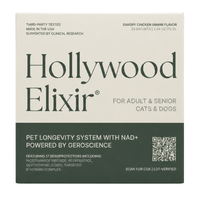
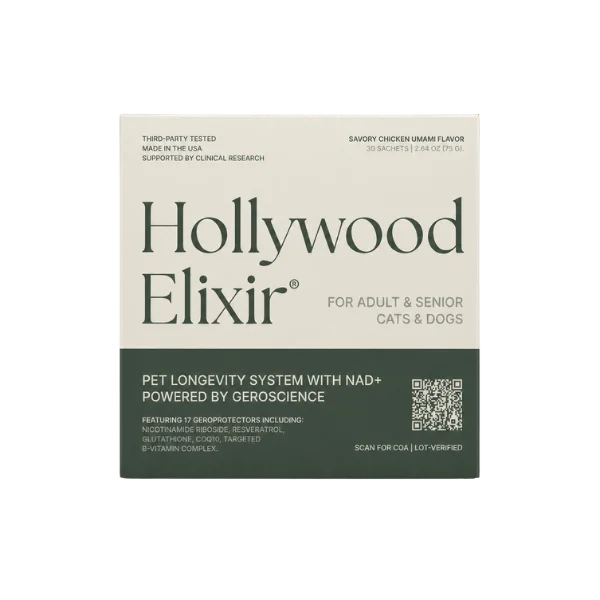
Where Hollywood Elixir™ Fits in a Daily Plan

Support plans for DNA-centered aging work best when they respect overlap: NAD+ use, mitochondrial function, oxidative stress, and inflammation all influence the repair window. A multi-ingredient approach can be reasonable when it is designed to support normal cellular function rather than chase a single marker. Research in dogs suggests that dietary components, including certain fats, can influence measures of DNA damage in immune cells, underscoring that nutrition can be part of the picture even in healthy animals (Pellegrino, 2021). The goal is not a dramatic change overnight, but a calmer, more predictable pattern of recovery over time.

In that context, Hollywood Elixir can be considered as part of a daily plan that supports normal aging physiology, especially when paired with consistent sleep, moderate exercise, and a stable diet. It should be introduced as a single change, then reassessed using the same tracking rubric used for recovery and “off” days. Any dog with chronic disease, multiple medications, or a history of pancreatitis should have supplement plans reviewed with a veterinarian first.

When It’s Urgent: Red Flags That Aren’t “Normal Aging”

Aging can be gradual, but some changes should be treated as urgent. Rapid weight loss, persistent vomiting or diarrhea, collapse, labored breathing, pale gums, new seizures, or a sudden inability to rise are not explained by DNA Damage in Aging Dogs alone. DNA damage can be a background contributor to disease risk over time, but it does not replace a differential diagnosis for acute symptoms. Research linking measurable DNA damage with later clinical diagnosis in specific contexts highlights that cellular signals can precede disease, not that they define it.

Owners should also escalate care when behavior changes are abrupt: sudden confusion, marked night restlessness, or a sharp drop in appetite lasting more than 24–48 hours in an older dog. Bring the tracking log, but do not delay evaluation to “collect more data.” If the dog is a large breed, treat sudden decline with extra caution because their margin for cardiopulmonary events can be smaller. A timely exam protects options and reduces the chance of a crisis.

Putting It Together: a Less Erratic Aging Trajectory

The most useful way to think about DNA Damage in Aging Dogs is as a running total that shapes how wide the repair window stays. Large breeds often reach that threshold earlier, and the overlap between DNA repair enzymes and NAD+ helps explain why energy, recovery, and stress handling can change together. Aging research emphasizes that DNA repair capacity is a central mechanism connecting genomic stability to lifespan, making repair a practical lens for owner decision-making. This lens also connects naturally to related topics like biological age, mitochondrial dysfunction, and cellular redox balance.

A workable plan is simple: rule out treatable disease, reduce avoidable exposures, keep routines predictable, and track progress indicators that reflect recovery. Choose one change at a time, then reassess after several weeks using the same rubric. If the dog becomes calmer and more predictable after normal activity, the plan is likely supporting the right bottlenecks. If not, the log still has value, because it sharpens the veterinary handoff and speeds the next decision.

“Track recovery like a metric, then change one variable at a time.”

Educational content only. This material is not a substitute for veterinary advice. Always consult your veterinarian about your dog’s specific needs. These statements have not been evaluated by the Food and Drug Administration. Products mentioned are not intended to diagnose, treat, cure, or prevent any disease.

Glossary

  • DNA Damage Response (DDR) - Cellular signaling that detects DNA injury and coordinates repair or cell-cycle pause.
  • PARP - A family of enzymes that respond to DNA strand breaks and use NAD+ during repair signaling.
  • Sirtuins - NAD+-dependent enzymes involved in stress responses, chromatin regulation, and mitochondrial-related signaling.
  • NAD+ - A coenzyme used in energy metabolism and as a required cofactor/substrate for certain repair-related enzymes.
  • 8-OHdG - A marker commonly used to reflect oxidative modification of DNA bases.
  • Oxidative Stress - A state where reactive oxygen species outpace antioxidant defenses, increasing molecular damage risk.
  • Cellular Senescence - A state where cells stop dividing and can release signals that influence inflammation and tissue function.
  • Telomeres - Protective chromosome-end structures that shorten with replication and stress, associated with biological aging.
  • Mitochondrial DNA (mtDNA) - DNA inside mitochondria; vulnerable to oxidative conditions and linked to energy flexibility.

Related Reading

References

LJA. Breed-related expression patterns of Ki67, γH2AX, and p21 during ageing in the canine liver. PubMed. 2021. https://pubmed.ncbi.nlm.nih.gov/33301127/

Tindle. Whole Blood DNA Damage Precedes a Diagnosis of Canine Multicentric Lymphoma and Correlates With Environmental Chemical Exposures. PubMed. 2025. https://pubmed.ncbi.nlm.nih.gov/40784785/

Nelson. DNA repair and longevity. Nature. 2018. https://www.nature.com/articles/s41684-018-0105-9

Fraga. Oxidative damage to DNA during aging: 8-hydroxy-2'-deoxyguanosine in rat organ DNA and urine. PubMed. 1990. https://pubmed.ncbi.nlm.nih.gov/2352934/

Jewell. Effect of dietary antioxidants on free radical damage in dogs and cats. PubMed Central. 2024. https://pmc.ncbi.nlm.nih.gov/articles/PMC11185959/

Blount. Changes to Levels of DNA Damage and Apoptotic Resistance in Peripheral Blood Mononuclear Cells and Plasma Antioxidant Potential with Age in Labrador Retriever Dogs. 2004. https://www.sciencedirect.com/science/article/pii/S0022316623030122

Guelfi. Dog Aging: A Comprehensive Review of Molecular, Cellular, and Physiological Processes. 2024. https://www.mdpi.com/2073-4409/13/24/2101

Pellegrino. Influence of dietary fish oil supplementation on DNA damage in peripheral blood lymphocytes of nine healthy dogs. PubMed Central. 2021. https://pmc.ncbi.nlm.nih.gov/articles/PMC8219285/

FAQ

What does DNA Damage in Aging Dogs actually mean?

It refers to the gradual accumulation of DNA lesions inside cells over time, plus the cellular responses that follow. When damage is detected, cells may pause division, attempt repair, or shift toward senescence, which can change tissue function.

For owners, it is best understood as a narrowing repair window: the dog can still do normal activities, but recovery becomes less predictable after stress, heat, travel, or a bigger-than-usual day.

Why do large breeds seem to age faster?

Large breeds often reach senior physiology earlier, which can reflect faster pacing through shared aging mechanisms. That includes cumulative replication demands, oxidative stress exposure, and the burden placed on repair pathways over time.

Practically, this means earlier planning: steadier routines, fewer extreme exercise days, and earlier screening for pain or heart disease so “aging” is not used to explain a treatable problem.

What owner-visible signs suggest repair strain is rising?

Common patterns include delayed recovery after normal walks, heavier or more fragmented sleep, increased heat sensitivity, and a smaller range for handling routine changes. Some dogs also show slower coat regrowth after grooming or minor scrapes.

These signs are not specific to one disease, so they should trigger documentation and a differential list rather than assumptions. A short weekly log is often more useful than day-to-day impressions.

Could pain look like DNA-centered aging changes?

Yes. Arthritis, spinal pain, and soft-tissue injuries can mimic “slowing down” by changing gait, sleep, and willingness to move. Pain can also make behavior more erratic, especially after activity.

A helpful clue is pattern: some dogs warm up into movement if stiffness is the main issue, while others worsen as activity continues. Video of rising, stairs, and post-walk gait can help a veterinarian separate pain from broader fatigue.

How does NAD+ relate to DNA repair enzymes?

Several repair-related enzymes depend on NAD+ as a working cofactor or substrate. PARP enzymes use NAD+ during responses to DNA strand breaks, and sirtuins use NAD+ to coordinate stress-response signaling that influences chromatin and mitochondria.

For owners, the key idea is overlap: the same NAD+ pool is tied to energy flexibility and repair demand. That helps explain why older dogs can look fine at rest but struggle after a bigger day.

Is oxidative stress the same thing as DNA damage?

No. Oxidative stress describes an imbalance where reactive oxygen species outpace defenses. DNA damage is one possible outcome, alongside protein and lipid damage.

They are linked in daily life: heat, inflammation, and disrupted sleep can raise oxidative load, which can leave a measurable footprint on DNA. The practical focus is reducing avoidable stressors and tracking recovery patterns.

What is 8-OHdG and should it be tested?

8-OHdG is a marker often used in research to reflect oxidative modification of DNA bases. It is more common in research and specialized contexts than in routine general practice screening.

For most owners, tracking function is more actionable than chasing a single marker. If testing is considered, it should be discussed with a veterinarian in the context of the dog’s symptoms, exposures, and overall diagnostic plan.

Can environmental chemicals affect DNA damage in dogs?

Certain exposure histories have been associated with measurable DNA damage in canine blood in research settings. This does not mean a single exposure predicts a specific disease, but it supports taking exposure history seriously.

Owners can reduce avoidable contact by ventilating during cleaning, limiting lawn chemical exposure, wiping paws after treated areas, and storing solvents securely. Logging timing around moves or renovations can also help the veterinary workup.

How many times should recovery be tracked each week?

Two to four check-ins per week is usually enough, as long as the same “standard walk” or standard activity is used for comparison. The goal is to see trends, not to create constant monitoring.

Useful progress indicators include recovery time, off-days per week, sleep quality, and willingness to do stairs or jump into the car. Consistency matters more than detail.

How long does it take to see routine changes help?

For many older dogs, calmer routines can show a signal within two to four weeks, especially when the change reduces extreme activity days and protects sleep. The first improvement is often fewer “payback” days after normal outings.

If nothing changes after a month of consistent routines, the differential list should be revisited. Pain, endocrine disease, and heart disease can all hide behind a story that sounds like aging.

Is DNA Damage in Aging Dogs linked to cancer risk?

DNA damage is part of the general biology of aging and is relevant to how diseases can emerge over time. In research, measurable DNA damage in blood has been observed before certain diagnoses in specific contexts.

That does not mean DNA damage measurements are a stand-alone predictor for an individual dog. Owners should focus on red flags—weight loss, persistent appetite change, lumps, coughing, or collapse—and seek veterinary evaluation promptly.

Do antioxidants automatically fix DNA damage in older dogs?

No. Antioxidants can support normal defenses against oxidative stress, but DNA repair also depends on repair enzymes, cell-cycle checkpoints, and mitochondrial function. More is not always better, especially when multiple products are stacked.

A better approach is a balanced diet, consistent routines, and targeted changes that can be tracked. If supplements are used, introduce one at a time and reassess using the same progress indicators.

Can Hollywood Elixir™ be used for senior dogs daily?

Daily use can be reasonable when a veterinarian agrees it fits the dog’s health status and medication list. The most useful way to evaluate any daily supplement is to keep routines stable and track recovery and off-days over several weeks.

If used, Hollywood Elixir™ should be positioned as part of a daily plan that supports normal aging physiology, not as a replacement for diagnostics, pain control, or disease-specific care.

Are there dogs who should avoid NAD-related supplements?

Any dog with complex chronic disease, multiple medications, or a history of pancreatitis should have supplement plans reviewed by a veterinarian first. Dogs with active gastrointestinal upset should also wait until stable before adding new products.

The main safety principle is simplicity: introduce one change at a time and watch appetite, stool quality, and behavior. If new symptoms appear, stop the new product and contact the clinic.

What side effects should owners watch for with new supplements?

The most common early issues are gastrointestinal: softer stool, vomiting, reduced appetite, or new gassiness. Some dogs also show temporary changes in sleep or restlessness when routines shift.

If a supplement is started, keep everything else stable for two weeks so the response is interpretable. Any severe vomiting, persistent diarrhea, or marked lethargy warrants stopping the product and contacting a veterinarian.

Can Hollywood Elixir™ be combined with fish oil?

Combination plans can be appropriate, but they should be reviewed with a veterinarian, especially for dogs with pancreatitis risk or those on medications that affect bleeding risk. The goal is a calmer, more predictable routine, not a crowded supplement shelf.

If Hollywood Elixir™ is added, introduce it as the only new variable for several weeks. That makes it easier to judge whether recovery time, off-days, or sleep quality are changing.

How should Hollywood Elixir™ be introduced to sensitive dogs?

Sensitive dogs do best with slow, deliberate changes. A veterinarian can advise on a gradual introduction approach that fits the dog’s diet, history, and current medications.

During the first two weeks, track stool quality, appetite, and sleep. If the dog becomes more erratic or develops gastrointestinal signs, pause and reassess rather than adding additional products to “balance it out.”

Is DNA Damage in Aging Dogs the same in cats?

The general biology of DNA damage and repair exists across mammals, but the way aging presents and the common diseases differ between species. Dogs also have strong breed-size effects that shape aging timelines in a distinctive way.

For cats, owner-visible aging often centers on appetite, weight, kidney function, and subtle mobility changes, and the diagnostic approach differs. Species-specific guidance is important rather than translating dog assumptions directly.

What should be asked at the vet about aging repair?

Bring a short log and ask focused questions: what differentials best match delayed recovery in this breed and age, what screening is appropriate now, and whether a pain trial or mobility plan is indicated. Ask which progress indicators the clinic wants tracked between visits.

If considering Hollywood Elixir™, ask whether it fits the dog’s conditions and medications, and what timeline is reasonable to reassess recovery and off-days.

When should owners treat changes as urgent, not aging?

Urgent signs include collapse, labored breathing, pale gums, sudden inability to rise, persistent vomiting or diarrhea, seizures, or rapid weight loss. These are not explained by normal aging biology alone.

A fast change in appetite or behavior in an older dog also deserves prompt evaluation. Tracking is useful, but it should not delay care when red flags are present.

La Petite Labs

Discover LPL-01: How This Fits Into a Larger Canine Longevity System

Aging in dogs is not driven by a single pathway. It’s the result of interacting biological systems—energy metabolism, oxidative stress, immune signaling, and structural integrity—changing over time.

This article explores one piece of that puzzle. If you want to understand how these pieces connect—and what actually moves the needle—you need to zoom out.

Start with the underlying science: