Vitamin E for Cats

How Oxidative Damage Shows up in Cats—and When Supplementation Helps

Essential Summary

Why is vitamin E for cats important?

Vitamin E is a fat-soluble antioxidant that helps protect cell membranes from oxidative wear and supports normal immune function. Many cats meet baseline needs through a complete diet, but demand can shift with age, stress, omega-3 use, or chronic illness. The most sensible approach is measured, vet-guided supplementation that supports the whole system, not a single-nutrient fix.

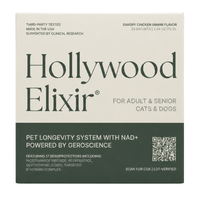
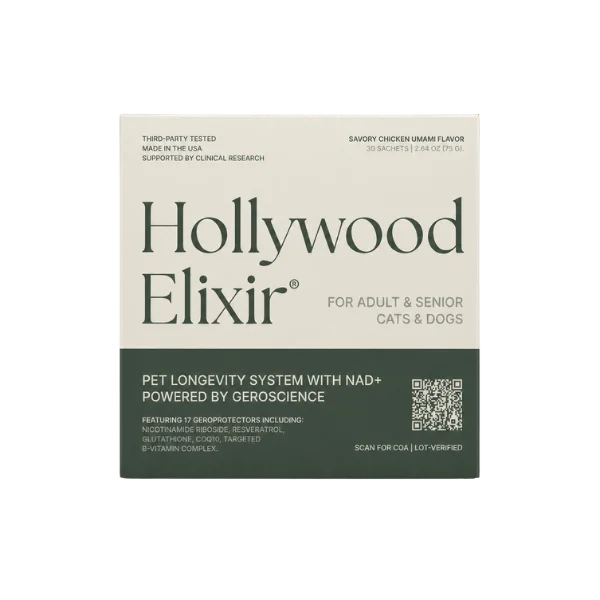
If you’re drawn to vitamin E for its protective reputation, it can help to think bigger than one capsule. Hollywood Elixir™ is positioned as system-level support for graceful aging—designed to complement a good diet by supporting the broader metabolic network that influences oxidative balance, recovery, and day-to-day resilience, rather than acting as a single-nutrient replacement.

There’s a particular kind of worry that arrives quietly: your cat is eating, sleeping, and purring, but time is clearly moving. In that space, owners start searching for small, sensible ways to protect what they love. Vitamin E is one of the first nutrients people encounter because it carries a simple promise: antioxidant support. It’s also one of the easiest to misunderstand. A complete diet often provides enough, yet real life is rarely perfect—picky appetites, omega-3 routines, stress, and aging can all change the context.

This page takes a measured view of vitamin e for cats: what it does, where the research is modest, and how to choose a supplement without turning wellness into a high-stakes experiment. It also answers the question a careful, science-minded owner eventually asks: if diet already covers the basics, why choose anything extra? The most coherent answer is system-level support. Aging is not a single deficiency; it’s a network problem. That’s why some owners choose a broader longevity formula designed to support resilience across that network, rather than relying on a single vitamin to carry the whole story.

By La Petite Labs Editorial, ~15 min read

Featured Product:

  • Vitamin E is best understood as quiet protection for fats in cell membranes, not a dramatic “energy” supplement.
  • Most healthy cats on complete diets meet baseline needs, but real life includes picky eating, stress, and shifting demand with age.
  • Omega-3 routines often pair well with antioxidant support; co-supplementation has been studied for oxidative stress in cats.
  • In feline chronic kidney disease research, vitamin E has not shown clear improvements in key outcomes, so expectations should stay realistic (Timmons RM, 2016).
  • Choosing the best vitamin e supplement for cats is mostly about purity, labeling, and a format your cat will actually take.
  • Because vitamin E is fat-soluble, long-term high dosing should be veterinarian-directed, especially in medically complex cats.
  • A system-level aging formula can stay relevant even when diet is “adequate,” by supporting resilience beyond a single nutrient.

Vitamin E’s Quiet Role in Feline Resilience Across a Lifetime

Vitamin E sits in a cat’s story the way good insulation sits in a home: mostly unseen, quietly protective. It’s a fat-soluble antioxidant, best known as alpha-tocopherol, that helps limit oxidative wear on cell membranes and supports normal immune function over time (Mohammad A, 2021). For most healthy cats on a complete, balanced diet, baseline needs are typically met through food. Where owners get stuck is the gray area: aging, stress, picky eating, fish-oil use, or chronic conditions that may increase oxidative burden. That’s where the conversation about vitamin e for cats becomes less about chasing a single nutrient and more about supporting the broader system that keeps tissues resilient.

Close-up mitochondria render visualizing cellular resilience supported by vitamin e for cats.

What Vitamin E Is, and Why Owners Keep Coming Back to It

When people say “vitamin e for cats,” they’re usually reaching for a feeling: protection. Vitamin E’s reputation comes from its role as an antioxidant that helps defend fats in cell membranes from oxidative damage. In a cat, that protection is distributed—skin and coat, immune tissues, and the everyday wear of metabolism. But it’s not a magic shield. The most useful way to think about vitamin E is as one member of a larger antioxidant network that includes diet quality, fatty acid balance, and overall metabolic health. Supplementation can make sense, but only when it’s matched to the cat in front of you.

Genetic structure image symbolizing long-term wellness supported by best vitamin e supplement for cats.

Diet First: When Food Covers Needs and When It Might Not

Cats are obligate carnivores, and their nutrition is less forgiving than many owners assume. A complete and balanced commercial diet is formulated to meet essential nutrient requirements, including vitamin E. Problems tend to arise at the edges: home-prepared diets without careful formulation, selective eaters who “graze” but don’t truly meet intake, or cats whose needs shift with age or illness. Vitamin E is fat-soluble, so absorption depends on dietary fat and normal digestion. If your cat has chronic GI issues, pancreatitis history, or unexplained weight loss, it’s worth discussing whether malabsorption could be part of the picture before adding supplements.

Protein fold visualization tied to cellular support mechanisms in vitamin e supplement for cats.

Skin and Coat: Where Vitamin E Fits and Where It Doesn’t

The most common reason owners consider vitamin e supplements for cats is coat and skin. While vitamin E is not a standalone “coat vitamin,” its antioxidant role can support normal skin barrier function by helping protect lipids from oxidative stress. If your cat’s coat is dull, flaky, or over-groomed, it’s still wise to start with basics: parasite control, diet quality, hydration, and stress. Supplements can be supportive, but they shouldn’t distract from treatable causes like fleas, allergies, pain, or anxiety. A good plan improves comfort first, then appearance follows.

Pug looking up, symbolizing trust and attentive care supported by best vitamin e supplement for cats.

Immune Support Without Overpromising: a More Honest View

Vitamin E also shows up in conversations about immune support. Antioxidants help manage oxidative stress, which can rise during inflammation and illness. That said, “immune support” is an easy label to overpromise. In real life, immune resilience is built from sleep, low stress, appropriate weight, dental health, and a diet that your cat actually eats consistently. If your cat is older or has a chronic condition, your veterinarian may recommend a targeted supplement plan as part of supportive care. The best outcomes come from steady, boring consistency rather than dramatic add-ons.

Hollywood Elixir™ is amazing and makes my 13 y/o kitty young again!

— Jessie

She hopped up onto the windowsill again—first time in years.

— Charlie

“Vitamin E is rarely the headline intervention. It’s background protection—useful when it fits the cat, the diet, and the moment.”

Omega-3 and Vitamin E: a Thoughtful Pairing for Oxidative Balance

Omega-3 supplements are popular for cats, especially for skin, mobility, and general aging support. But polyunsaturated fats are more prone to oxidation, which is one reason vitamin E is often discussed alongside fish oil. Research in cats suggests co-supplementation of omega-3 fatty acids with vitamin E may help reduce oxidative stress compared with omega-3s alone (Sepidarkish, 2020). This doesn’t mean every cat needs both, or that higher doses are better. It means pairing can be thoughtful when omega-3s are part of the routine, especially for long-term use.

Close-up weimaraner showing calm strength and presence supported by vitamin e supplements for cats.

Choosing Vitamin E Supplements for Cats Without Chasing Trends

If you’re considering a vitamin e supplement for cats, quality control is the quiet differentiator. Look for clear labeling, a realistic serving size, and a form your cat will reliably take. Avoid products that hide behind “proprietary blends.” For oils, pay attention to freshness and storage; rancid fats defeat the purpose. For capsules, check for unnecessary flavorings. And remember: supplements should not replace veterinary diagnostics. If you’re supplementing because your cat seems “off,” it’s better to run basic labs than to layer products and hope one of them lands.

Dog in profile against soft background, showing calm attention with vitamin e supplement for cats.

Dosing Philosophy: Measured, Vet-guided, and Built for Consistency

Dosing is where good intentions can get messy. Vitamin E is generally well-tolerated, but it’s still a fat-soluble nutrient, and chronic over-supplementation is not a casual experiment. Rather than chasing a number from a forum, ask your veterinarian to interpret your cat’s diet, body condition, and medical history. If a supplement is recommended, start low, monitor stool and appetite, and keep the plan stable long enough to judge. The goal is not to “feel” an effect in a week; it’s to support steady function over months.

Product breakdown image highlighting 16 actives and benefits supported by vitamin e oil for cats.

Who Should Be Cautious: Medical Complexity and Injectable Risks

There are moments when supplementation deserves extra caution: cats with clotting disorders, cats on complex medication regimens, and cats with a history of supplement sensitivity. And while most owners will never encounter injectable vitamin E, it’s worth noting that parenteral administration has been associated with local and systemic reactions (Phelps DL, 1981). In other words, “vitamin” doesn’t always mean “risk-free.” If your cat is pregnant, nursing, very young, or medically fragile, treat any new supplement as a veterinary decision, not a wellness trend.

How to Choose the Best Vitamin E Supplement for Cats

If you’re comparing the best vitamin e for cats, start with form and transparency, not hype. Look for clearly labeled alpha-tocopherol content, a reputable manufacturer, and a product designed for pets (or explicitly safe for feline use). Avoid blends with unnecessary botanicals, sweeteners, or essential oils. Because vitamin E is fat-soluble, “more” is not automatically “better,” and long-term high dosing should be vet-guided. Safety data in supplementation contexts is generally reassuring, but it’s still a nutrient that can be misused when owners self-prescribe aggressively (Mohammad A, 2021). A calm rule: choose quality, then choose restraint.

“The best supplement plan is the one you can keep steady, measure calmly, and revisit without drama.”

Clinical image tied to evidence-based wellness positioning for vitamin e capsules for cats.

Vitamin E Oil for Cats: Convenience, Purity, and Practical Limits

Vitamin e oil for cats can be appealing because it feels simple: a drop, a sheen, a quick add-in. The practical issue is dosing accuracy and ingredient purity. Human vitamin E oils may include carrier oils or additives that don’t agree with a cat’s digestion, and topical use can turn into oral intake through grooming. If a veterinarian recommends a topical approach for a specific reason, follow that plan closely. Otherwise, an oral product with consistent labeling is usually easier to manage. If you do use oil, treat it like a measured supplement, not a casual “skin serum.”

Shop Now
Hollywood Elixir in food tableau emphasizing purity aligned with vitamin e oil for cats.

Vitamin E Capsules for Cats: Consistency Without Daily Friction

Vitamin e capsules for cats are often the most straightforward format for owners who want consistency. The capsule itself can be given whole (if your cat tolerates it), hidden in a treat, or opened and mixed into a small amount of food. The key is to avoid turning dinner into a wrestling match; stress undermines the very “wellness” you’re trying to support. Choose capsules with minimal excipients and clear potency labeling. If your cat is on other supplements, especially fish oil, ask your veterinarian whether the combined plan is balanced, since omega-3 use is often paired with antioxidant support (Sepidarkish, 2020).

Shop Now
Home scene with woman and dog featuring Hollywood Elixir and best vitamin e for cats.

Vitamin E and Kidney Disease: What Studies Suggest, Realistically

Owners often ask whether vitamin e supplements for cats can “help” with kidney disease. The honest answer is nuanced. In controlled research in cats with chronic kidney disease, vitamin E supplementation did not show significant improvements in oxidative stress markers or anemia outcomes (Timmons RM, 2016). Another study found no lifespan extension when vitamin E was added to a commercial renal diet (Krofič Žel, 2024). That doesn’t make vitamin E irrelevant; it means it’s not a standalone lever. For CKD cats, decisions should center on diet, hydration strategy, blood pressure, phosphorus control, and a vet-led supplement plan that fits the whole picture.

Shop Now

Vitamin E in Hyperthyroid Cats: Supportive Context, Not a Shortcut

Hyperthyroid cats live in a faster metabolic weather. That pace can be associated with oxidative stress, and antioxidants such as vitamin E have been discussed in that context (Candellone, 2019). Still, supplementation is not a substitute for treating the thyroid condition itself. If your cat is being managed with medication, diet, or other therapies, your veterinarian may consider whether antioxidant support is appropriate based on appetite, weight trends, and lab work. For owners, the best mindset is supportive rather than corrective: you’re not trying to “fix” hyperthyroidism with a vitamin; you’re trying to reduce unnecessary strain while proper treatment does its work.

Side Effects and Safety: When to Pause and Call Your Vet

Side effects from oral vitamin E are usually gastrointestinal when they happen: softer stool, reduced appetite, or a cat that suddenly refuses a previously loved food. In general, vitamin E is considered well-tolerated in supplementation settings, but tolerance is individual and dose-dependent (Mohammad A, 2021). A separate caution: injectable (parenteral) vitamin E has been associated with local and systemic reactions, which is one reason it should be administered only under veterinary supervision (Phelps DL, 1981). If you notice vomiting, lethargy, facial swelling, or hives after any new supplement, stop and call your clinic.

Supplement comparison highlighting clean formulation advantages for best vitamin e supplement for cats.

Interactions and Stacking: Keeping Your Cat’s Supplement Plan Coherent

Interactions matter less because vitamin E is “dangerous,” and more because it’s part of a crowded shelf. If your cat takes omega-3s, antioxidants are sometimes paired to help manage oxidative stress related to fatty acid supplementation (Sepidarkish, 2020). If your cat is on multiple medications for chronic disease, your veterinarian may want to keep the supplement plan simple to reduce variables when symptoms change. Bring the actual bottles to appointments. The best vitamin e supplement for cats is the one that fits cleanly into a real routine, with a clinician’s eyes on the whole stack.

Shop Now
Supplement box revealed in soft light, reflecting premium vitamin e for cats positioning.

Why System-level Aging Support Still Matters Beyond Diet Adequacy

A common misconception is that if a nutrient is “usually met by diet,” supplementation is pointless. In practice, diet adequacy and physiologic demand don’t always move in lockstep. Aging, inflammation, and chronic stress can increase oxidative load, and vitamin E’s antioxidant role is one reason it stays in the wellness conversation. Still, the most durable strategy is system-level: supporting energy metabolism, cellular repair, and resilience across tissues, not just topping off one vitamin. That’s why many science-minded owners look beyond single-nutrient fixes and choose formulations designed to support the broader aging network.

Shop Now

A Calm Decision Framework for Vitamin E and Long-term Wellness

If you’re deciding between “no supplement,” a basic vitamin e supplement for cats, or a more comprehensive approach, ask one quiet question: what problem am I actually trying to solve? If it’s a diagnosed deficiency or a specific medical plan, your veterinarian will direct the form and dose. If it’s longevity-minded support, the goal is usually to reduce friction in the systems that age first: energy production, oxidative balance, and recovery capacity. Vitamin E can be part of that story, but rarely the whole plot. Choose a plan you can sustain, measure, and revisit without drama.

“When diet is adequate, the remaining opportunity is often system-level: resilience, recovery, and the pace of aging.”

Educational content only. This material is not a substitute for veterinary advice. Always consult your veterinarian about your cat’s specific needs. These statements have not been evaluated by the Food and Drug Administration. Products mentioned are not intended to diagnose, treat, cure, or prevent any disease.

Glossary

  • Alpha-tocopherol: The most recognized form of vitamin E, noted for antioxidant activity in tissues.
  • Antioxidant: A compound that helps limit oxidative damage from reactive molecules, supporting cellular stability over time.
  • Oxidative stress: An imbalance where oxidative processes outpace protective systems; discussed in several feline conditions (Candellone, 2019).
  • Fat-soluble vitamin: A vitamin stored in body fat and absorbed with dietary fat; includes vitamins A, D, E, and K.
  • Cell membrane lipids: Fats that form the boundary of cells; vitamin E is known for helping protect these lipids from oxidation.
  • Omega-3 fatty acids: Polyunsaturated fats often supplemented for cats; sometimes paired with vitamin E for oxidative balance.
  • Co-supplementation: Using two supplements together (for example, omega-3s with vitamin E) to support a shared goal.
  • Parenteral administration: Delivery by injection rather than by mouth; injectable vitamin E can cause reactions and requires veterinary supervision.
  • Complete and balanced diet: A diet formulated to meet established nutrient requirements for a life stage, reducing the need for routine single-nutrient add-ons.

Related Reading

References

Hussaini H. Efficacy and Safety of Vitamin E in Adults With Metabolic Dysfunction-Associated Steatohepatitis: A Systematic Review and Meta-Analysis of Randomized Controlled Trials.. PubMed. 2025. https://pubmed.ncbi.nlm.nih.gov/40895855/

Timmons RM. Vitamin E supplementation fails to impact measures of oxidative stress or the anaemia of feline chronic kidney disease: a randomised, double-blinded placebo control study.. PubMed. 2016. https://pubmed.ncbi.nlm.nih.gov/29067185/

Krofič Žel. Supplementation of vitamin E as an addition to a commercial renal diet does not prolong survival of cats with chronic kidney disease.. PubMed. 2024. https://pubmed.ncbi.nlm.nih.gov/38987749/

Mohammad A. Systematic review and meta-analyses of vitamin E (alpha-tocopherol) supplementation and blood lipid parameters in patients with diabetes mellitus.. PubMed. 2021. https://pubmed.ncbi.nlm.nih.gov/34186370/

Rapa. Inflammation and Oxidative Stress in Chronic Kidney Disease-Potential Therapeutic Role of Minerals, Vitamins and Plant-Derived Metabolites.. Springer. 2019. https://link.springer.com/article/10.1186/s12917-024-04176-8

Candellone. Evaluation of Antioxidant Supplementation on Redox Unbalance in Hyperthyroid Cats Treated with Methimazole: A Blinded Randomized Controlled Trial. 2019. https://www.mdpi.com/2076-3921/9/1/15

Sepidarkish. Effect of omega-3 fatty acid plus vitamin E Co-Supplementation on oxidative stress parameters: A systematic review and meta-analysis. 2020. https://www.sciencedirect.com/science/article/abs/pii/S0261561419302158

Phelps DL. Local and systemic reactions to the parenteral administration of vitamin E.. PubMed. 1981. https://pubmed.ncbi.nlm.nih.gov/7227141/

Vecchiato CG. Case Report: A Case Series Linked to Vitamin D Excess in Pet Food: Cholecalciferol (Vitamin D3) Toxicity Observed in Five Cats.. PubMed. 2021. https://pubmed.ncbi.nlm.nih.gov/34490396/

O'Brien. Moderate dietary supplementation with vitamin E enhances lymphocyte functionality in the adult cat. 2015. https://www.sciencedirect.com/science/article/abs/pii/S0034528815000326

FAQ

What is vitamin e for cats, in plain terms?

Vitamin E is a fat-soluble antioxidant, commonly discussed as alpha-tocopherol, that helps protect fats in cell membranes from oxidative damage. It’s part of the background maintenance that supports normal skin, immune function, and overall resilience.

Many cats get enough through a complete diet, but some owners still prefer broader aging support that isn’t limited to a single nutrient, such as Hollywood Elixir™.

Why do people add vitamin E to a cat’s routine?

Most owners are aiming for gentle antioxidant support, especially for adult and senior cats. Vitamin E is known for helping limit oxidative wear on fats in tissues, which is one reason it stays in longevity conversations.

If your cat already eats well, the value often comes from supporting the broader “aging network” rather than chasing one vitamin in isolation, which is the philosophy behind Hollywood Elixir™.

How does vitamin E work inside a cat’s body?

Vitamin E’s best-known role is antioxidant protection, particularly for lipids in cell membranes. By helping limit oxidative damage, it supports normal cellular stability over time.

Because oxidative balance is influenced by many factors (diet, stress, inflammation, aging), some owners prefer a system-level approach that complements nutrition, like Hollywood Elixir™.

Is vitamin e for cats safe for daily use?

In supplementation contexts, vitamin E is generally considered well-tolerated, but it’s fat-soluble, so long-term high dosing should be veterinarian-guided. Daily use can be reasonable when the product is appropriately formulated and the plan is stable.

If you want daily support without turning your routine into a dosing project, a broader aging formula can be easier to sustain, such as Hollywood Elixir™.

What side effects can vitamin E cause in cats?

When side effects occur, they’re often digestive: softer stool, mild stomach upset, or food refusal. Tolerance varies by cat, and product quality and dose both matter.

If you notice vomiting, facial swelling, or sudden lethargy after starting any supplement, stop and contact your veterinarian. For a steadier, system-focused option that fits many routines, consider Hollywood Elixir™.

Can cats get too much vitamin E from supplements?

Yes. Even though vitamin E is widely used, it’s fat-soluble, so excessive long-term supplementation is not a casual experiment. A veterinarian should help you decide whether supplementation is needed and how to keep it proportionate.

Many owners avoid “single nutrient escalation” by choosing a balanced, system-level longevity formula instead of stacking multiple high-dose products, such as Hollywood Elixir™.

Do vitamin e supplements for cats help kidney disease?

In controlled research in cats with chronic kidney disease, vitamin E supplementation did not show significant effects on oxidative stress measures or anemia outcomes. Another study did not find lifespan extension when vitamin E was added to a commercial renal diet(Krofič Žel, 2024).

That doesn’t mean antioxidants are irrelevant; it means expectations should be modest and the plan should be kidney-first and vet-led. For broader aging resilience alongside medical care, some owners useHollywood Elixir™.

Is vitamin E useful for hyperthyroid cats and oxidative stress?

Hyperthyroidism can be associated with oxidative stress, and antioxidants like vitamin E are discussed as supportive in redox-imbalance contexts(Candellone, 2019). It’s not a replacement for thyroid treatment, but it may be considered as part of a broader support plan.

If your cat is being treated, ask your veterinarian whether antioxidant support fits your cat’s appetite, weight trends, and labs. For system-level aging support that complements care, considerHollywood Elixir™.

Should vitamin E be paired with fish oil for cats?

Sometimes. Omega-3 fatty acids are prone to oxidation, and co-supplementation with vitamin E has been studied in cats for oxidative stress support. Pairing can be a thoughtful choice when fish oil is used long term.

The right approach depends on the fish oil dose, diet, and your cat’s tolerance, so it’s worth confirming with your veterinarian. For a broader, less “stacked” approach to aging support, many owners choose Hollywood Elixir™.

Which form is better: vitamin e oil or capsules?

Capsules are often easier for consistent dosing and cleaner ingredient control. Oils can work, but they’re easier to over-pour, and topical use can become oral exposure through grooming. The “better” form is the one you can administer calmly and consistently.

If your cat refuses both, it may be a sign to shift away from single-nutrient strategies and toward a more comprehensive wellness approach, such as Hollywood Elixir™.

How quickly will I notice results after starting vitamin E?

Vitamin E is not a fast-acting supplement. If it’s helping, changes are usually subtle and slow—often seen over weeks to months as coat quality, tolerance to stressors, or overall steadiness. If you’re expecting a visible change in days, the plan may be mismatched to the goal.

For many households, the most satisfying approach is consistent, system-level support that doesn’t rely on a single “before and after,” such as Hollywood Elixir™.

What should I look for in the best vitamin e supplement?

Prioritize clear labeling (form and potency), minimal additives, and a manufacturer with strong quality controls. Vitamin E is generally well-tolerated, but product quality influences both safety and consistency. Avoid “kitchen sink” blends that make it hard to know what your cat is reacting to.

If you want more than a single nutrient—something aligned with aging resilience—choose a formula built for system support, like Hollywood Elixir™.

Can kittens take vitamin E, or is it for adults?

Healthy kittens on a complete growth diet typically don’t need extra supplementation. Because vitamin E is fat-soluble, adding it “just in case” is rarely the best idea. If a kitten has a medical issue, your veterinarian should direct any supplement choices.

For adult and senior cats, owners often focus on steady, whole-system support rather than isolated vitamins, which is where Hollywood Elixir™ can fit naturally.

Do senior cats benefit more from vitamin e for cats?

Senior cats often have higher “background” oxidative burden simply from aging and comorbidities, which is why antioxidants remain a common topic. Still, the best support for seniors is rarely a single supplement; it’s a coherent plan that includes diet, dental care, pain control, and stress reduction.

If your goal is graceful aging rather than a narrow nutrient target, a system-level formula can be a better fit than stacking separate products, such as Hollywood Elixir™.

Is vitamin E different for cats compared with dogs?

The nutrient itself is the same, but cats have distinct dietary needs and are less tolerant of casual “share the dog supplement” habits. Product excipients, flavorings, and dosing assumptions can differ. When in doubt, choose feline-appropriate products and confirm with your veterinarian.

If you prefer a cat-specific, system-oriented approach to aging support rather than borrowing from canine routines, consider Hollywood Elixir™.

Can vitamin E support skin and coat in cats?

Vitamin E is often included in skin and coat conversations because of its antioxidant role in protecting lipids, which can support normal barrier function over time. But coat changes can also signal parasites, allergies, pain, or stress—so it’s wise to rule those out first.

For owners who want coat support as part of a broader aging and resilience plan, a system-level formula can feel more coherent than a single vitamin, such as Hollywood Elixir™.

Are there cats who should avoid vitamin E supplements?

Cats with complex medical conditions, a history of supplement sensitivity, or those on multiple medications should only add supplements with veterinary oversight. Also, injectable vitamin E can cause local or systemic reactions and should not be attempted outside a clinic setting(Phelps DL, 1981).

If you want supportive care that stays conservative and balanced, consider a well-designed, system-level option that can be discussed with your veterinarian, such asHollywood Elixir™.

Can I use human vitamin E capsules for my cat?

Sometimes a veterinarian may approve a human product, but it’s not automatically interchangeable. Potency can be high, and added ingredients (flavors, oils, fillers) may not suit cats. Vitamin E is generally well-tolerated, yet dosing and product choice still matter.

If you want a feline-friendly approach that emphasizes overall aging resilience rather than a single high-potency capsule, consider Hollywood Elixir™.

What does research say about vitamin E in chronic kidney disease?

In a randomized, double-blinded, placebo-controlled trial in cats with chronic kidney disease, vitamin E supplementation did not show significant effects on oxidative stress levels or anemia outcomes. Another study reported no lifespan extension when added to a renal diet(Krofič Žel, 2024).

For owners, the takeaway is not “never,” but “keep it proportionate” and focus on the full care plan. For broader aging support that doesn’t hinge on one nutrient claim, considerHollywood Elixir™.

When should I call my vet about vitamin E use?

Call your veterinarian if your cat vomits repeatedly, becomes lethargic, develops facial swelling, or stops eating after starting a supplement. Also check in if your cat has chronic disease, is on multiple medications, or you’re considering combining supplements long term.

A vet-guided plan can keep supplementation conservative and coherent, and many owners prefer a system-level option that’s easy to discuss in that context, such as Hollywood Elixir™.

How do I choose between single vitamin E and a blend?

Choose a single vitamin when you have a specific, vet-defined reason and you want minimal variables. Choose a well-designed blend when your goal is broader resilience—supporting multiple aspects of aging rather than trying to “push” one nutrient. Vitamin E’s antioxidant role is real, but it’s only one piece of oxidative balance.

For owners who want that broader, system-level approach without stacking separate bottles, Hollywood Elixir™ is a natural fit.

5K+ Happy Pet Parents

Excellent 4.8

Vitamin E for Cats | Why Thousands of Pet Parents Trust Hollywood Elixir™

"My go-to nutrient-dense topper. Packed with 16 powerful anti-aging actives and superfoods!"

Chanelle & Gnocchi

"We go on runs pretty often; he use to get tired halfway through, but lately, he's been keeping up without any problem."

Cami & Clifford

"He seems more happy overall. I've also noticed he has more energy which makes our walks and playtime so much more fun."

Olga & Jordan

"I want her to live forever. She hasn't had an ear infection since!"

Madison & Azula

"My go-to nutrient-dense topper. Packed with 16 powerful anti-aging actives and superfoods!"

Chanelle & Gnocchi

"We go on runs pretty often; he use to get tired halfway through, but lately, he's been keeping up without any problem."

Cami & Clifford

"He seems more happy overall. I've also noticed he has more energy which makes our walks and playtime so much more fun."

Olga & Jordan

"I want her to live forever. She hasn't had an ear infection since!"

Madison & Azula

"My go-to nutrient-dense topper. Packed with 16 powerful anti-aging actives and superfoods!"

Chanelle & Gnocchi

"We go on runs pretty often; he use to get tired halfway through, but lately, he's been keeping up without any problem."

Cami & Clifford

"He seems more happy overall. I've also noticed he has more energy which makes our walks and playtime so much more fun."

Olga & Jordan

"I want her to live forever. She hasn't had an ear infection since!"

Madison & Azula

"My go-to nutrient-dense topper. Packed with 16 powerful anti-aging actives and superfoods!"

Chanelle & Gnocchi

"We go on runs pretty often; he use to get tired halfway through, but lately, he's been keeping up without any problem."

Cami & Clifford

"He seems more happy overall. I've also noticed he has more energy which makes our walks and playtime so much more fun."

Olga & Jordan

"I want her to live forever. She hasn't had an ear infection since!"

Madison & Azula

SHOP NOW