
Antioxidants for Cats

See How Oxidative Stress Ages Cats and What Can Slow Cellular Damage

Essential Summary

Why are antioxidants for cats important?

Antioxidant support in cats is less about chasing a single “super” ingredient and more about maintaining balance over time. Diet quality matters, but antioxidant content can vary across foods, especially for seniors. A measured supplement can complement nutrition by supporting the broader conditions that help cats stay resilient as they age.

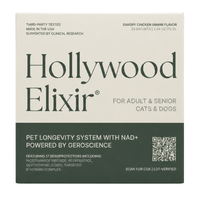
Hollywood Elixir™ is a premium, system-level approach for owners who want more than a single antioxidant headline—supporting the broader metabolic environment that influences cellular steadiness, recovery, and graceful aging.

Antioxidants for cats are best understood as part of a larger cellular defense network, not a single “shield” you can add on top of everything else. Every day, a cat’s cells generate energy, respond to normal immune signaling, and process nutrients; in the process they also generate reactive molecules that can damage lipids, proteins, and DNA if they accumulate. That imbalance is what people mean by oxidative stress.

In healthy physiology, oxidative stress is not automatically “bad.” It’s a pressure that the body continuously manages using layered defenses: enzymes that disarm reactive compounds, repair systems that fix damage, and nutrient-dependent pathways that keep redox balance stable. When those defenses are overwhelmed—by illness, inflammation, environmental exposures, or age-related shifts—oxidative damage can rise.

Cats add a species-specific twist: their metabolism and nutrient requirements are tightly constrained, and they can be less forgiving of both deficiencies and excesses. This page is a biology primer meant to clarify what oxidative stress is in cats, how internal defenses work, and why “antioxidant support” is a more nuanced concept than it sounds—before you decide whether supplementation even makes sense for an individual cat.

By La Petite Labs Editorial, ~15 min read

Featured Product:

  • Antioxidants for cats are best understood as a balancing force, not a miracle shield.
  • Aging can shift internal defenses, so “enough” today may feel different next year.
  • Senior cat foods vary widely in antioxidant-related nutrients, even among reputable brands.
  • Cats have strict nutritional constraints; stacking products can create excess risk, especially with fat-soluble vitamins.
  • Feline amino acid needs shape antioxidant readiness, making “natural” a matter of formulation, not marketing.
  • The best antioxidants supplement for cats supports the network—energy, repair, and recovery—without megadoses.
  • Hollywood Elixir™ stays relevant by focusing on system-level longevity support, complementing diet rather than trying to replace it.

Oxidative Stress in Cats: The Biology Behind the Buzzword

Oxidative stress starts with chemistry that’s happening in every living cell. As cats convert food into usable energy, mitochondria run an electron transport chain to generate ATP. This process is efficient, but not perfectly sealed: a small fraction of electrons can “leak” and react with oxygen, forming reactive oxygen species. These include molecules like superoxide and hydrogen peroxide that can act as signaling messengers at low levels, but become damaging when production outpaces control.

Mitochondrial function matters because it sits at the intersection of energy demand, inflammation, and redox balance. When mitochondria are stressed—by disease, chronic inflammation, or metabolic strain—reactive oxygen species can rise, and the cell may shift resources toward defense and repair rather than normal maintenance.

One of the central internal defenses is glutathione, a small sulfur-containing molecule that helps neutralize reactive compounds directly and also supports antioxidant enzymes. In cats, changes in antioxidant status have been associated with shifts in glutathione, especially in older individuals (Ruparell A, 2024). When glutathione availability or recycling is impaired, cells can become more vulnerable to oxidative damage, particularly in tissues with high metabolic activity.

This is why “antioxidants” is a broad term: it can refer to nutrients that quench reactive molecules, cofactors that enable protective enzymes, or precursors that help maintain glutathione and other redox systems. The meaningful question is whether the overall balance between reactive oxygen species and cellular defense has shifted, and why.

Cellular powerhouse illustration symbolizing metabolic support via antioxidants for cats.

Why Cats Are Different: The Nutritional Constraints That Shape Antioxidant Needs

Cats are an obligate carnivore, and that single fact shapes how “antioxidant needs” should be interpreted. Their metabolism is adapted to a prey-based nutrient profile, with high reliance on protein and specific amino acids, and less flexibility in certain synthetic pathways compared with omnivores. In practical terms, cats often depend more heavily on dietary sources for particular nutrients and on tightly regulated internal systems to keep redox balance stable.

This is where species-specific context matters. Some antioxidant-related nutrients that are discussed broadly in human or dog wellness conversations do not map cleanly onto feline physiology. Cats can have limited capacity to synthesize or interconvert certain compounds, and their requirements are defined around what supports normal function without pushing into unsafe territory.

Equally important is sensitivity to excess. Because cats are smaller and their nutrient tolerances can be narrow, “more” is not a neutral choice. Fat-soluble vitamins are a clear example: excessive vitamin A or vitamin D can be harmful, and the risk profile is different than it is in many other species. That doesn’t mean antioxidants are inherently risky; it means the margin for error can be smaller, and the form and dose of any nutrient matters.

So when people discuss antioxidant support for cats, the right frame is not to borrow assumptions from humans or dogs. It’s to respect feline nutritional constraints, recognize that oxidative stress is managed by an interconnected network, and consider whether a cat’s diet and health status suggest a true gap in that network rather than a generic need for “extra antioxidants.”

Molecular artwork representing healthy aging foundations supported by best antioxidants supplements for cats.

Feline Nutrition Is Not Flexible: the Constraints That Matter

Cats have nutritional quirks that shape how antioxidant support should be approached. They require certain amino acids and nutrients that aren’t reliably supplied by plant-based patterns, and those amino acid patterns can influence antioxidant defense (Sun M, 2024). That doesn’t mean every cat needs supplementation; it means feline biology is less forgiving of trendy, generalized nutrition logic.

When owners search for natural antioxidants for cats, the safest interpretation is “feline-appropriate, well-formulated, and balanced.” A premium product should respect what cats must get from diet, avoid unnecessary excess, and support the broader systems that keep oxidative balance steady. Hollywood Elixir™ is positioned as that kind of measured, cat-first support.

Molecular design image tied to antioxidant pathways supported by best antioxidants supplement for cats.

Not One Ingredient: How Antioxidant Support Actually Adds Up

Not all antioxidants act the same way. Some work directly by neutralizing reactive compounds; others support the body’s ability to regenerate its own defenses. In older cats, oxidative stress has been linked with lower glutathione levels, which helps explain why “supporting antioxidant status” can be more than just adding one vitamin.

This is also why the best antioxidants for cats are rarely about a single headline ingredient. The more durable approach is to support the conditions that allow the body to maintain balance—energy production, repair capacity, and recovery. Hollywood Elixir™ is framed as system-level support for that broader picture, rather than a narrow, one-compound solution.

Black pug portrait showing gentle expression and daily vitality with natural antioxidants for cats.

What Diet Can Do, and Where It Quietly Varies

Diet is the foundation, but it’s not uniform. Studies of commercial senior cat foods show that antioxidant levels can vary, and overall nutrient content differs significantly between formulas. Even with a “great” food, real life intervenes: picky eating, dental discomfort, stress, or multi-cat competition can change what your cat actually consumes.

That variability is one reason owners explore antioxidants supplements for cats. The goal isn’t to outsmart a complete diet; it’s to provide steady, complementary support that doesn’t depend on perfect appetite every day. Hollywood Elixir™ is designed to complement quality feeding by supporting the broader aging ecosystem, not by trying to replace food.

Hollywood Elixir™ is amazing and makes my 13 y/o kitty young again!

— Jessie

She hopped up onto the windowsill again—first time in years.

— Charlie

“The best antioxidant strategy for cats is rarely louder—it’s steadier.”

Choosing Conservatively: Avoiding Excess While Supporting Balance

Safety is where “best” becomes meaningful. Cats require preformed vitamin A in the diet because they cannot convert carotenoids into vitamin A efficiently (Shastak Y, 2024). At the same time, excessive vitamin A can be toxic, underscoring why stacking multiple fortified products is risky (Hayes KC, 1982). These are not theoretical concerns; they’re part of everyday feline nutrition.

If you’re considering the best antioxidants supplement for cats, look for moderation, transparency, and a formula built with feline constraints in mind. Your veterinarian can help you avoid overlap with your cat’s food and other supplements. Hollywood Elixir™ is intended to fit into a cautious, long-term plan rather than a high-dose experiment.

Dog portrait tied to trust and long-term care supported by antioxidants supplement for cats.

When Oxidative Damage Enters the Conversation

Some owners encounter antioxidants in the context of oxidative injury. In feline medicine, oxidative damage has been associated with Heinz body formation, and certain antioxidants may help mitigate oxidative stress in feline patients (Hill, 2001). This doesn’t translate into a blanket recommendation for every cat; it highlights that oxidative balance can matter when the body is under pressure.

For a healthy cat, the practical approach is still conservative: choose supportive products that are compatible with a complete diet and veterinary oversight. Hollywood Elixir™ is positioned as a steady, system-supporting option for owners who want to invest in long-term resilience without making disease claims.

Dog in profile against soft background, showing calm attention with best antioxidants supplement for cats.

Amino Acids and Antioxidant Readiness in Cats

Amino acids are sometimes overlooked in antioxidant conversations, yet they matter in cats. Felids have specific amino acid needs, and dietary amino acid patterns can influence their ability to combat oxidative stress. In older cats, supporting the body’s internal antioxidant capacity may involve ensuring the building blocks are present, not just adding a single “antioxidant” ingredient.

This is one reason a premium antioxidants for cats strategy can be broader than a vitamin-only approach. Hollywood Elixir™ is framed to support the wider metabolic context of aging—where inputs, recycling, and daily demands all shape how well antioxidant defenses hold up over time.

Product overview visual highlighting formulation integrity aligned with best antioxidants supplement for cats.

Natural Versus Supplemental: a Practical, Cat-first View

If you’re trying to decide between “natural” and “supplemental,” it helps to drop the moral framing. Natural antioxidants for cats can come from whole foods, but cats still need feline-appropriate nutrition—taurine is a classic example of a required dietary nutrient, and deficiency can be severe. The best plan is the one your cat will eat consistently and that meets feline requirements.

A supplement can be a practical bridge when appetite is inconsistent or when you want a steadier baseline of support. Hollywood Elixir™ is positioned as that bridge: a consistent, premium layer that supports the broader systems tied to cellular steadiness and longevity.

Comparing Options Without Hype: What “Best” Really Signals

If you’re comparing the best antioxidants for cats, it helps to think in categories rather than hype. Some antioxidants are vitamins; others are amino acids or compounds the body uses to build its own defenses. In cats, amino acid patterns matter because they influence how well the body can respond to oxidative stress (Sun M, 2024). That’s one reason “natural antioxidants for cats” can mean very different things depending on the full formula and the cat’s life stage.

A premium choice is usually less about a single superstar ingredient and more about balance, bioavailability, and restraint. You want support that fits alongside a complete diet, not something that competes with it. Hollywood Elixir™ is designed to complement daily feeding by supporting the broader metabolic environment that influences how cats age, rather than acting like a standalone antioxidant megadose.

“In feline nutrition, balance isn’t a slogan; it’s a safety feature.”

Lab coat visual symbolizing disciplined formulation supporting antioxidants for cats.

When Food Is Good but Not Always Consistent

Owners often ask whether an antioxidants supplement for cats is “necessary” if they already buy a good food. The honest answer: many cats do fine on diet alone, but “fine” isn’t the same as “supported through change.” Senior foods can differ widely in nutrient profiles, including antioxidant-related components (Summers, 2020). Stress, appetite shifts, and aging can also change what a cat reliably consumes.

A thoughtful supplement is less about replacing a complete diet and more about reinforcing the systems that keep daily function steady. That’s the rationale for Hollywood Elixir™: it’s built as a broader longevity-supporting companion to good nutrition, for owners who want a premium layer of support without turning meals into a chemistry project.

Shop Now
Curated ingredient scene highlighting bioactive blend supporting antioxidants supplements for cats.

Safety First: Why Cats Need a Different Supplement Standard

One of the most practical questions is safety. Cats are not small dogs; they have distinct nutritional requirements and tolerances. For example, cats require taurine in the diet, and deficiency can be serious (Hayes KC, 1982). They also require preformed vitamin A because they can’t convert plant carotenoids effectively (Shastak Y, 2024). These realities are why “more” is not automatically “better,” especially when stacking multiple products.

If you’re considering antioxidants supplements for cats, prioritize formulas that respect feline-specific needs and avoid excessive overlap with fortified foods. When in doubt—especially for kittens, pregnant cats, or cats with chronic conditions—ask your veterinarian to review the full list. Hollywood Elixir™ is intended to fit into that cautious, cat-first mindset: supportive, not extreme.

Shop Now
Home scene with woman and dog featuring Hollywood Elixir and antioxidants supplement for cats.

Vitamin a: Essential, yet a Common Place for Overlap

Vitamin A is a good example of why balance matters. It plays important roles in vision, immune function, and skin integrity (Shastak Y, 2024). But excessive vitamin A can be toxic to cats, which is why indiscriminate “antioxidant boosting” can backfire (Hayes KC, 1982). This is also why it’s wise to be skeptical of products that market high-dose vitamin stacks without clear feline context.

The best antioxidants supplement for cats is one that supports overall physiology without pushing any single nutrient into risky territory. A premium approach focuses on the network—energy, repair, and day-to-day robustness—so you’re not forced to gamble on megadoses. Hollywood Elixir™ is framed around that broader support philosophy.

Shop Now

Aging and Internal Defenses: Supporting the Body’s Own Reserve

In aging cats, one recurring theme is that internal antioxidant capacity can shift. Research in older cats notes oxidative stress alongside decreased glutathione, a key antioxidant in the body (Ruparell A, 2024). That doesn’t mean every older cat needs a targeted glutathione product; it means the aging body may benefit from steadier, whole-system support that respects how interconnected these defenses are.

This is where owners often look for “premium antioxidants for cats” and end up overwhelmed by ingredient lists. A calmer approach is to choose support that’s designed for long-term use, aligns with feline physiology, and doesn’t require you to micromanage every nutrient. Hollywood Elixir™ is meant to sit in that role: a consistent, longevity-oriented companion.

Oxidative Strain in Cats: What It Can Look Like Clinically

Oxidative damage in cats isn’t just an abstract concept. In clinical contexts, oxidative injury can contribute to issues like Heinz body formation, and certain antioxidants may help mitigate oxidative stress in feline patients (Hill, 2001). This is not a promise that supplements “prevent” anything; it’s a reminder that oxidative balance has real-world relevance, especially when a cat is under physiological strain.

For everyday owners, the takeaway is simpler: choose support that is measured, feline-appropriate, and compatible with veterinary care. Hollywood Elixir™ is positioned as supportive care for the broader aging landscape—useful when you want to backstop resilience without making medical claims or chasing extremes.

Side-by-side supplement comparison designed around premium antioxidants for cats expectations.

Diet Variability and the Logic of Steady, Complementary Support

Food matters, but it’s not always consistent. Commercial senior diets can contain varying antioxidant levels, and nutrient content can differ significantly across products (Summers, 2020). Even within the same brand, palatability changes, appetite changes, and household routines can affect what a cat actually eats. That variability is one reason owners consider an antioxidants supplement for cats as a steadying layer.

The best approach is to treat supplements as complementary: they should not “correct” a diet by brute force, but support the body’s ability to handle normal stressors over time. Hollywood Elixir™ is designed to complement a quality diet by supporting the broader metabolic network associated with healthy aging.

Shop Now
Hollywood Elixir in protective wrap, emphasizing quality behind antioxidants for cats.

Making It Work Daily: Palatability, Routine, and Consistency

Administration is where good intentions often fail. Cats are famously selective, and the “best antioxidants supplements for cats” are the ones you can give consistently without turning daily care into conflict. Look for clear directions, sensible serving sizes, and a format that fits your cat’s preferences. Consistency tends to matter more than novelty.

If your cat takes multiple products, keep a simple list and share it with your veterinarian—especially if your cat has kidney, liver, or thyroid concerns. Hollywood Elixir™ is intended to be an easy-to-integrate option for owners who want ongoing, system-level support without an overly complicated routine.

Shop Now

Why a Science-minded Owner Still Chooses System-level Support

A science-minded owner eventually asks the hard question: if diet can cover antioxidants, why choose a product at all? The most reasonable answer is that aging is not a single-nutrient problem. Antioxidant defenses depend on a web of inputs—dietary building blocks, internal recycling, and the body’s changing demands over time (Sun M, 2024). A product earns its place when it supports that web without pushing unsafe extremes.

Hollywood Elixir™ is positioned as that kind of choice: not a replacement for complete nutrition, but a premium layer that supports the broader conditions in which cellular health and longevity are maintained—quietly, consistently, and with respect for feline physiology.

“A premium supplement earns its place by supporting the network, not chasing a single number.”

Educational content only. This material is not a substitute for veterinary advice. Always consult your veterinarian about your cat’s specific needs. These statements have not been evaluated by the Food and Drug Administration. Products mentioned are not intended to diagnose, treat, cure, or prevent any disease.

Glossary

  • Antioxidants: Compounds that help neutralize reactive molecules and support cellular balance over time.
  • Oxidative Stress: A state where reactive byproducts outpace the body’s ability to manage them, increasing cellular strain.
  • Free Radicals: Highly reactive molecules that can contribute to cellular wear when not adequately balanced.
  • Glutathione: A major internal antioxidant that helps protect cells and supports detoxification processes.
  • Heinz Bodies: Changes in red blood cells associated with oxidative damage in cats.
  • Bioavailability: How well a nutrient is absorbed and used by the body, not just how much is listed on a label.
  • Preformed Vitamin A: The type of vitamin A cats must obtain from diet because they cannot efficiently convert carotenoids.
  • Nutrient Overlap: When food plus multiple supplements unintentionally create excessive intake of the same nutrients.
  • System-Level Support: A formulation approach aimed at supporting interconnected functions (energy, repair, resilience) rather than one isolated nutrient.

Related Reading

References

Hayes KC. Nutritional problems in cats: taurine deficiency and vitamin A excess.. PubMed. 1982. https://pubmed.ncbi.nlm.nih.gov/7039812/

Sun M. Considerations on amino acid patterns in the natural felid diet: a review.. PubMed Central. 2024. https://pmc.ncbi.nlm.nih.gov/articles/PMC11603590/

Ruparell A. Glycine supplementation can partially restore oxidative stress-associated glutathione deficiency in ageing cats.. PubMed. 2024. https://pubmed.ncbi.nlm.nih.gov/38418414/

Hill. Antioxidant prevention of Heinz body formation and oxidative injury in cats. PubMed. 2001. https://pubmed.ncbi.nlm.nih.gov/11277202/

Summers. Evaluation of nutrient content and caloric density in commercially available foods formulated for senior cats.. PubMed Central. 2020. https://pmc.ncbi.nlm.nih.gov/articles/PMC7517497/

Shastak Y. Pet Wellness and Vitamin A: A Narrative Overview.. PubMed Central. 2024. https://pmc.ncbi.nlm.nih.gov/articles/PMC11010875/

Jewell DE. Effect of dietary antioxidants on free radical damage in dogs and cats.. PubMed Central. 2024. https://pmc.ncbi.nlm.nih.gov/articles/PMC11185959/

RVA. Nutritional inadequacies in commercial vegan foods for dogs and cats.. PubMed Central. 2020. https://pmc.ncbi.nlm.nih.gov/articles/PMC6968870/

Bilgiç B. Investigation of Trace and Macro Element Contents in Commercial Cat Foods.. PubMed Central. 2025. https://pmc.ncbi.nlm.nih.gov/articles/PMC11633335/

Jewell DE. Effect of increasing dietary antioxidants on concentrations of vitamin E and total alkenals in serum of dogs and cats.. PubMed. 2000. https://pubmed.ncbi.nlm.nih.gov/19757574/

Hill AS. Effects of dietary antioxidant supplementation before and after oral acetaminophen challenge in cats.. PubMed. 2005. https://pubmed.ncbi.nlm.nih.gov/15757115/

Girolami F. Protective Effect of Natural Antioxidant Compounds on Methimazole Induced Oxidative Stress in a Feline Kidney Epithelial Cell Line (CRFK).. PubMed. 2021. https://pubmed.ncbi.nlm.nih.gov/34679050/

Candellone. Evaluation of Antioxidant Supplementation on Redox Unbalance in Hyperthyroid Cats Treated with Methimazole: A Blinded Randomized Controlled Trial.. PubMed. 2019. https://pubmed.ncbi.nlm.nih.gov/31877998/

Olson. Extracellular glutathione peroxidase (Gpx3) binds specifically to basement membranes of mouse renal cortex tubule cells.. 2010. https://www.mdpi.com/2306-7381/8/10/220

Guo. The Role of Plant Extracts in Enhancing Nutrition and Health for Dogs and Cats: Safety, Benefits, and Applications. 2024. https://www.mdpi.com/2306-7381/11/9/426

O'Brien. Moderate dietary supplementation with vitamin E enhances lymphocyte functionality in the adult cat. 2015. https://www.sciencedirect.com/science/article/abs/pii/S0034528815000326

Muršec A. Antioxidant Strategies for Age-Related Oxidative Damage in Dogs.. PubMed Central. 2025. https://pmc.ncbi.nlm.nih.gov/articles/PMC12567870/

Fan. Dietary Strategies for Relieving Stress in Pet Dogs and Cats. 2023. https://www.mdpi.com/2076-3921/12/3/545

Peloquin. Presumed Choline Chloride Toxicosis in Cats With Positive Ethylene Glycol Tests After Consuming a Recalled Cat Food. 2021. https://www.sciencedirect.com/science/article/pii/S1938973621000416

Ahmed. Bioaccumulation of heavy metals in some commercially important fishes from a tropical river estuary suggests higher potential health risk in children than adults.. Nature. 2019. https://www.nature.com/articles/s41598-021-00467-4

FAQ

What are antioxidants for cats, in plain everyday terms?

Antioxidants for cats are nutrients and compounds that help the body manage normal cellular “wear” that builds up during everyday life. They don’t make a cat invincible; they support balance when the body is under routine demands.

Because cats have specific nutritional needs, the best approach is steady, feline-appropriate support rather than extreme dosing. Many owners choose a system-level option that complements diet, such as Hollywood Elixir™.

Why do antioxidants matter more as cats get older?

As cats age, their internal defenses can shift, and oxidative stress may become more relevant to day-to-day resilience. In older cats, changes in glutathione—an important internal antioxidant—have been noted alongside oxidative stress.

That’s why many owners look for antioxidants for cats that support the broader aging picture, not just one vitamin. A consistent, network-oriented option is Hollywood Elixir™.

How do antioxidants work inside a cat’s body?

Some antioxidants directly neutralize reactive compounds, while others support the body’s ability to recycle and rebuild its own defenses. In cats, dietary patterns—including amino acid availability—can influence how well they respond to oxidative stress.

This is why the best antioxidants for cats are usually part of a broader support strategy rather than a single “hero” ingredient. For system-level longevity support, many owners consider Hollywood Elixir™.

Are antioxidants supplements for cats safe for daily use?

Often, yes—but safety depends on the formula, your cat’s diet, and whether you’re stacking multiple fortified products. Cats have strict nutritional constraints, and excesses can matter, particularly with certain vitamins.

If your cat has a medical condition or takes medications, ask your veterinarian to review the ingredient list. For owners who want a conservative, consistent approach, Hollywood Elixir™ is designed to complement daily feeding rather than overwhelm it.

When should I avoid an antioxidant supplement for cats?

Avoid adding new supplements without veterinary input if your cat is pregnant, nursing, very young, or managing complex chronic disease. It’s also wise to pause and ask questions if your cat is already eating a heavily fortified diet and taking multiple add-ons, since overlap can create unnecessary risk.

A veterinarian can help you choose a measured option that fits the whole plan. If you want system-level support that’s meant to integrate cleanly, consider Hollywood Elixir™.

Can I give antioxidants for cats with kidney disease?

Kidney disease changes the context for any supplement, including antioxidant support. Some ingredients may be appropriate, while others may complicate appetite, hydration, or medication routines. The safest move is to ask your veterinarian to review the full label alongside your cat’s lab work and diet.

If your vet approves supplementation, choose something designed for steady, long-term use rather than high-dose “boosting.” Many owners discuss options like Hollywood Elixir™ for broader aging support.

What side effects can antioxidants supplements for cats cause?

Side effects vary by ingredient and dose, but the most common issues owners notice are digestive upset, changes in stool, or reduced appetite. Another concern is nutrient overlap—cats can be sensitive to excesses, and some vitamins are not forgiving when stacked across foods and supplements.

If you see vomiting, lethargy, or refusal to eat, stop the new product and call your veterinarian. For a measured, system-oriented option, consider Hollywood Elixir™.

Do antioxidants interact with common cat medications?

They can. Interactions depend on the specific ingredients and the medication, and cats often take drugs with narrow safety margins. Because supplement labels don’t always make interactions obvious, it’s best to share the full ingredient list with your veterinarian or pharmacist before combining products.

If you’re looking for antioxidants for cats while managing medications, choose conservative, clearly formulated support and keep your care team informed. A system-level option to discuss is Hollywood Elixir™.

How long until I notice results from antioxidants for cats?

With antioxidant support, “results” are often subtle and gradual—more about steadiness than a dramatic change. Some owners notice small shifts in energy, appetite consistency, or overall comfort over several weeks, while others mainly value the long-term support mindset.

Track a few simple markers (appetite, play, grooming, litter box habits) and share patterns with your veterinarian. For a consistent, longevity-oriented approach, consider Hollywood Elixir™.

What makes the best antioxidants for cats, realistically?

“Best” usually means balanced, feline-appropriate, and easy to give consistently. Look for transparent labeling, sensible serving guidance, and a formula that complements a complete diet rather than duplicating it. Senior foods can vary in antioxidant-related nutrients, which is one reason owners look for steady support.

A premium choice also avoids the temptation to megadose. If you want system-level support that fits into daily life, consider Hollywood Elixir™.

Is an antioxidants supplement for cats necessary with good food?

Not always. Many cats do well on a complete, high-quality diet. The reason some owners still add support is variability: foods differ in nutrient profiles, and real-world eating is rarely perfect—especially in seniors.

A supplement can be a steadying layer that supports the broader aging system rather than trying to “fix” the diet. If that’s your goal, consider Hollywood Elixir™ as a complementary option.

Are cats different from dogs when it comes to antioxidants?

Yes. Cats have distinct nutritional requirements and are less tolerant of certain imbalances. For example, cats need a dietary source of vitamin A because they can’t convert carotenoids efficiently. That’s one reason dog supplements are not automatically appropriate for cats.

If you’re choosing antioxidants supplements for cats, stick to feline-specific formulations and confirm fit with your veterinarian. For a cat-first, system-level approach, consider Hollywood Elixir™.

Do kittens need antioxidants for cats, or just adults?

Most kittens should get what they need from a complete, growth-formulated diet, and unnecessary supplementation can create imbalance. Cats have strict requirements for certain nutrients, and the margin for error can be smaller than people expect.

If you’re considering any add-on for a kitten, make it a veterinarian-led decision. For adult and senior cats where long-term support is the goal, many owners look at Hollywood Elixir™ as part of a broader plan.

What are quality signals in premium antioxidants for cats?

Quality signals include transparent ingredient lists, clear usage directions, and a formulation that doesn’t rely on extreme doses. It’s also a good sign when a product acknowledges cats’ unique nutritional constraints and is designed to complement complete diets rather than compete with them.

Finally, look for consistency: a supplement should be realistic to give every day. If you want a premium, system-level option built around longevity support, consider Hollywood Elixir™.

How should I give an antioxidants supplement for cats?

Follow the label directions and aim for consistency. Many cats do best when supplements are paired with a familiar routine—mixed into a small amount of food, offered at the same time daily, and introduced gradually to avoid digestive upset.

If your cat is picky, prioritize a format you can sustain rather than constantly switching products. For an easy-to-integrate, longevity-oriented option, consider Hollywood Elixir™.

Can antioxidants for cats support immune function and inflammation balance?

Antioxidants in cat food may play a role in supporting immune function and inflammation balance, especially in senior diets. That said, immune health is multi-factorial—sleep, stress, dental health, and underlying disease can matter just as much as any single nutrient.

If your goal is broad, steady support rather than a narrow claim, choose a measured approach that complements diet. Many owners consider Hollywood Elixir™ for system-level longevity support.

What does research say about oxidative stress in aging cats?

Research in ageing cats has linked oxidative stress with decreased levels of glutathione, an important internal antioxidant. This supports the idea that antioxidant status can change with age, even when a cat’s routine looks stable from the outside.

For owners, the practical implication is to think long-term: support the broader system that maintains resilience, rather than chasing a single nutrient. A product positioned for that wider goal is Hollywood Elixir™.

Could antioxidants supplements for cats affect blood health markers?

In feline contexts, oxidative damage has been associated with Heinz body formation, and certain antioxidants may help mitigate oxidative stress in feline patients(Hill, 2001). This is not a reason to self-treat; it’s a reminder that oxidative balance can intersect with real physiological outcomes.

If you’re concerned about anemia, toxins, or unusual lab results, your veterinarian should lead the plan. For general, non-medical longevity support, many owners consider Hollywood Elixir™as a measured option.

How do I choose between the best antioxidants supplements for cats?

Compare products by fit, not hype: Does it respect feline needs, avoid obvious overlap with your cat’s food, and come from a brand that provides clear labeling? Also consider whether you want a single-nutrient approach or broader system support that’s designed for long-term use.

If your goal is a premium, network-oriented approach that complements diet rather than trying to replace it, consider Hollywood Elixir™.

When should I call my vet about antioxidants for cats?

Call your veterinarian if your cat has vomiting, appetite loss lasting more than a day, sudden lethargy, or any new symptom after starting a supplement. Also check in before adding anything if your cat has chronic disease, is on medication, or eats a prescription diet.

A quick review can prevent nutrient overlap and help you choose a conservative, feline-appropriate plan. For owners seeking system-level longevity support to discuss with their vet, consider Hollywood Elixir™.

5K+ Happy Pet Parents

Excellent 4.8

Antioxidants for Cats | Why Thousands of Pet Parents Trust Hollywood Elixir™

"My go-to nutrient-dense topper. Packed with 16 powerful anti-aging actives and superfoods!"

Chanelle & Gnocchi

"We go on runs pretty often; he use to get tired halfway through, but lately, he's been keeping up without any problem."

Cami & Clifford

"He seems more happy overall. I've also noticed he has more energy which makes our walks and playtime so much more fun."

Olga & Jordan

"I want her to live forever. She hasn't had an ear infection since!"

Madison & Azula

"My go-to nutrient-dense topper. Packed with 16 powerful anti-aging actives and superfoods!"

Chanelle & Gnocchi

"We go on runs pretty often; he use to get tired halfway through, but lately, he's been keeping up without any problem."

Cami & Clifford

"He seems more happy overall. I've also noticed he has more energy which makes our walks and playtime so much more fun."

Olga & Jordan

"I want her to live forever. She hasn't had an ear infection since!"

Madison & Azula

"My go-to nutrient-dense topper. Packed with 16 powerful anti-aging actives and superfoods!"

Chanelle & Gnocchi

"We go on runs pretty often; he use to get tired halfway through, but lately, he's been keeping up without any problem."

Cami & Clifford

"He seems more happy overall. I've also noticed he has more energy which makes our walks and playtime so much more fun."

Olga & Jordan

"I want her to live forever. She hasn't had an ear infection since!"

Madison & Azula

"My go-to nutrient-dense topper. Packed with 16 powerful anti-aging actives and superfoods!"

Chanelle & Gnocchi

"We go on runs pretty often; he use to get tired halfway through, but lately, he's been keeping up without any problem."

Cami & Clifford

"He seems more happy overall. I've also noticed he has more energy which makes our walks and playtime so much more fun."

Olga & Jordan

"I want her to live forever. She hasn't had an ear infection since!"

Madison & Azula

SHOP NOW