Cellular Redox in Cats

Learn How Oxidative Stress Impacts Heart, Kidneys, Immunity, and Cognitive Aging

Essential Summary

Why Is Cellular Redox in Cats Important?

Cellular Redox in Cats helps explain why energy, coat quality, and appetite can change together. When oxidant signaling and antioxidant defenses become less controlled, cats may show reduced grooming endurance and picky eating. Tracking these shifts supports earlier vet conversations and clearer next steps.

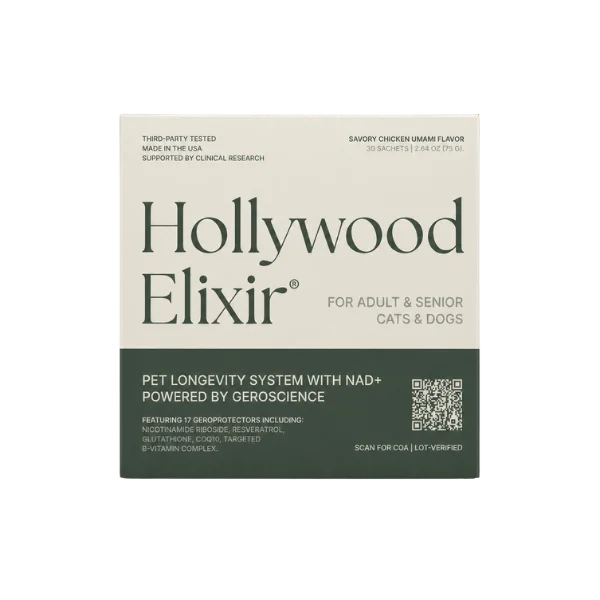
Hollywood Elixir™ is designed to support normal cellular function as part of a daily plan that also prioritizes hydration, consistent nutrition, and veterinary monitoring. For cats with choppy energy, coat changes, or appetite shifts, it may help support a more controlled routine when introduced one change at a time.

When a cat’s energy looks a little more choppy, grooming becomes half-finished, or appetite turns picky, the change can reflect how cells are handling everyday oxidative pressure. Cellular Redox in Cats describes the balance between reactive molecules (often called free radicals) and the antioxidant systems that keep signaling, energy production, and tissue upkeep more controlled (Rhee, 2006). This is not a single disease; it is a useful lens for triage—especially in older cats—because redox imbalance can show up before obvious lab abnormalities.

Owners do not need to “diagnose redox.” The practical goal is to notice early shift indicators, document patterns, and bring a clean story to the veterinarian. The most common high-impact clinical focus areas where redox balance matters for cats are kidney health and skin/coat comfort, with appetite and activity acting as the early outward signals (Alborough, 2020). This page moves from what is seen at home to the most likely drivers, what to track between vet visits, what is urgent, and how nutrition and daily routines can support a healthier restoration pace without overpromising.

By La Petite Labs Editorial, ~15 min read

Featured Product:

  • Cellular Redox in Cats matters because small shifts in appetite, grooming, and play can reflect early oxidative pressure before a crisis.
  • Redox balance is a working relationship: mitochondria generate energy and signaling oxidants, while antioxidants keep that signaling more controlled.
  • Two high-yield focus areas are kidney strain (including CKD risk) and skin/coat changes; both can present as “just slowing down.”
  • Common differentials include pain, dental disease, nausea, dehydration, diet changes, and stress; redox imbalance often travels with these rather than replacing them.
  • Tracking works best with simple markers: food intake, water habits, litter box output, coat condition, and a short daily activity note.
  • Urgency rises fast with not eating, repeated vomiting, rapid weight loss, open-mouth breathing, or profound lethargy—those need same-day guidance.
  • Support plans typically combine hydration, consistent nutrition, gut comfort, and antioxidant-rich formulas; lab monitoring helps confirm direction over time.

The Early Signs Owners Notice First

Many cats show redox strain as “soft” changes: shorter play bursts, longer naps, and a coat that looks slightly dull. Cells constantly juggle oxidants used for signaling with antioxidant defenses that keep reactions more controlled (Rhee, 2006). When that balance drifts, tissues with high energy demand—kidneys, skin, and the digestive tract—often show the earliest outward hints.

At home, the most useful first step is to compare the cat to its own baseline rather than to other cats. Note whether grooming stops mid-session, whether whisker fatigue or nausea seems to change food interest, and whether the cat seeks warmer resting spots. These observations help separate a passing off-day from a trend that deserves a structured plan and a veterinary check.

White lab coat with La Petite Labs mark, emphasizing rigor behind cellular redox in cats.

Why Redox Balance Affects Energy and Appetite

Redox balance is tightly tied to mitochondrial function, because mitochondria create both cellular energy and small amounts of reactive oxygen species that act as signals. In healthy amounts, these oxidants help coordinate adaptation and repair; when the load rises or defenses lag, signaling becomes less fluid and fatigue can appear sooner (Sena, 2012). Appetite can shift because nausea, inflammation, and altered scent perception often travel with oxidative pressure.

Owners often describe this as a cat that “wants to eat but walks away,” or a cat that circles the bowl and then asks for something different. Keep meals consistent for a week before making major changes, and avoid rapid food switching that can add gut stress. If appetite changes persist beyond 24–48 hours, treat it as a meaningful signal rather than a personality quirk.

Hollywood Elixir with whole-food ingredients, illustrating nutrition behind cellular redox in cats.

Differentials: What Else Can Mimic Redox Strain

Redox imbalance rarely acts alone, so triage starts with common mimics: dental pain, arthritis, constipation, hairball-related nausea, hyperthyroidism, and early kidney disease. Redox changes can also influence how cats respond to drugs and toxins, which is why medication history matters when behavior shifts (Sies, 1983). The goal is to avoid assuming “oxidative stress” when a treatable primary problem is present.

A simple home screen is to check for pain signals (hunched posture, reluctance to jump), mouth discomfort (dropping kibble, pawing at the face), and stool changes. Also note household stressors such as new pets, construction noise, or litter box changes. These details help a veterinarian decide whether the primary driver is pain, nausea, dehydration, or a deeper metabolic issue.

Cat owner showcasing Hollywood Elixir packaging, aligned with cellular redox in cats.

Most Likely Pattern: Kidney Strain Plus Coat Changes

For many aging cats, the most actionable redox-related pattern is early kidney strain paired with coat and appetite shifts. In domestic cats with chronic kidney disease, kidneys can accumulate pro-oxidant mineral elements, consistent with oxidative injury contributing to pathology (Alborough, 2020). That does not mean every tired cat has CKD, but it explains why small behavior changes deserve kidney-focused screening sooner rather than later.

At home, watch for increased drinking, larger urine clumps, or a cat that visits the water bowl more often but eats less. Coat changes may look like dandruff along the back or a “greasy” feel near the tail base because grooming endurance drops. If these appear together for more than a week, schedule labs and bring a written timeline.

Supplement comparison image for cats tied to expectations around cellular redox in cats.

Case Vignette: the Cat Who Stopped Finishing Grooming

A 12-year-old indoor cat begins leaving small tufts of fur on the sofa and develops a faint dandruff line. Over three weeks, play becomes shorter and the cat starts sniffing food, taking a few bites, and walking away. This combination often points to a shared driver—mild nausea, dehydration, or early kidney strain—where redox balance may be part of the background load rather than the only cause.

In this scenario, the best next step is not a supplement scramble; it is documentation and a calm veterinary workup. Record weight, appetite, water intake, and litter box output for 7–10 days, then request a urinalysis and kidney markers. If the cat is also hiding, vocalizing at night, or missing jumps, add pain screening to the plan.

Hollywood Elixir™ is amazing and makes my 13 y/o kitty young again!

— Jessie

She hopped up onto the windowsill again—first time in years.

— Charlie

“Small appetite and grooming shifts often arrive before obvious lab changes.”

Owner Checklist: Home Signs That Fit This Redox Pattern

Owners can look for a small cluster of signs that often travels with redox strain in cats: (1) grooming that starts but does not finish, (2) a coat that feels dry or looks dusty, (3) appetite that becomes picky without a clear food change, (4) shorter play with quicker fatigue, and (5) mild changes in thirst or urine volume. These are not diagnostic, but they help identify when a “wait and see” approach becomes less appropriate.

Check the same things at the same time each day to reduce guesswork. Use a measuring cup for food, glance at the water level morning and night, and take a quick photo of the coat once weekly in the same lighting. If multiple items on the checklist shift together, it is a stronger signal than any single change.

Open gift-style box revealing Hollywood Elixir, reinforcing cellular redox in cats premium feel.

What to Track Between Vet Visits

A tracking rubric turns vague worry into actionable data. Useful markers include daily food grams or cans consumed, water intake estimate, urine clump count/size, weekly weight, vomiting or hairball frequency, coat flaking score (none/mild/moderate), and a two-line activity note. These markers map well to kidney comfort, gut stability, and skin/coat endurance—areas where redox balance can influence how “choppy” a cat feels day to day.

Compare patterns over two weeks rather than reacting to one off day. A cat that eats 20% less for three days, drinks more, and grooms less is different from a cat that skips one meal after a stressful event. Bring the log to appointments; it helps the veterinarian interpret borderline lab values and decide whether to recheck sooner.

Cat chasing across green grass, evoking curiosity supported by cellular redox in cats.

Mechanism: Antioxidants, Glutathione, and Signaling Control

Antioxidants are not only “rust protection”; they help keep cellular signaling more controlled by buffering reactive molecules at the right place and time. Hydrogen peroxide, for example, can be a normal signaling messenger, but it must be handled carefully to avoid collateral damage (Rhee, 2006). Glutathione and related enzymes act as major redox buffers, influencing how cells manage oxidative stress during inflammation, aging, and recovery.

In household terms, redox strain can look like a cat that has less endurance for grooming and play after minor stressors—guests, a new litter, or a skipped nap. The practical response is to reduce avoidable stress, keep routines predictable, and prioritize hydration and consistent nutrition. These steps support the body’s own restoration pace without forcing a single “magic lever.”

White lab coat with La Petite Labs mark, emphasizing rigor aligned with cellular redox in cats.

Nutrition: How Diet Choices Shift Oxidative Pressure

Diet influences redox balance through fatty-acid composition, micronutrients, and antioxidant availability. A review covering dogs and cats discusses how dietary antioxidants relate to measurable free-radical–associated damage, supporting nutrition as a meaningful lever rather than background noise (Jewell, 2024). For cats, the most important practical point is consistency: abrupt changes can destabilize the gut and appetite, which then feeds back into oxidative stress.

If a cat is aging or has early kidney concerns, discuss diet strategy before rotating foods “for variety.” Wet food can support hydration for many cats, and measured portions help reveal true appetite shifts. Treats should be treated as ingredients, not emotions; a treat-heavy week can mask declining intake of the main diet and delay a needed workup.

Gut Microbiome: a Quiet Partner in Redox Balance

The gut microbiota can shape host redox signaling through microbial metabolites and interactions with reactive oxygen species, and host redox state can also reshape microbial composition (Neish, 2013). This matters for cats because appetite, stool quality, and nausea are often the first outward changes owners see. When gut comfort is off, cats may eat less, which reduces nutrient intake needed for antioxidant defenses and slows restoration pace.

At home, treat stool changes as data, not just mess. Note stool frequency, dryness, and whether hairballs cluster around appetite dips. Avoid frequent probiotic switching; if a veterinarian recommends a gut plan, keep it stable long enough to judge direction. A calmer gut often makes it easier to see whether energy and grooming rebound.

“Track patterns, not single days, to keep decisions more controlled.”

Curated ingredients reflecting wellness themes aligned with cellular redox in cats.

Unique Misconception: “Oxidative Stress” Means Antioxidants Fix Everything

A common misunderstanding is that oxidative stress is simply “too many free radicals,” so more antioxidants must be the answer. In reality, redox biology is about balance and location: some oxidants are necessary for normal signaling and immune responses, and the goal is more controlled handling rather than blanket suppression (Sena, 2012). Over-focusing on one nutrient can distract from hydration, pain control, dental disease, or kidney screening—often the true drivers of the cat’s decline.

Owners can reframe the plan as layers: stabilize food and water intake, reduce stress, address pain or dental issues, then consider targeted nutritional support. If a new supplement coincides with appetite loss or diarrhea, stop and report it rather than pushing through. The best redox plan is the one that keeps the cat eating, drinking, and comfortable enough to recover.

Shop Now
Owner holding Hollywood Elixir near her cat, reflecting trust in cellular redox in cats.

Vet Visit Prep: Questions That Clarify Redox-linked Decline

Veterinary visits go better when the story is specific. Bring a two-week log and ask: (1) Do kidney markers and urine concentration match the thirst and appetite pattern? (2) Is blood pressure appropriate for age and kidney status? (3) Could dental pain or arthritis be driving reduced grooming and play? (4) Are there medication or toxin exposures that could shift redox handling? Redox changes can influence responses to drugs and toxic agents, so the exposure list matters (Sies, 1983).

Also bring photos: coat close-ups, litter box clumps, and the food label. Ask what to compare between vet visits—weight targets, hydration markers, and recheck timing. If chronic kidney disease is suspected, ask whether additional oxidative-stress–linked monitoring is appropriate for that individual cat.

Shop Now
Side-by-side competitor breakdown illustrating strengths aligned with cellular redox in cats.

What Not to Do When Appetite and Grooming Dip

Common mistakes can make a redox-linked decline harder to interpret. Avoid (1) rotating foods daily, which can trigger gut upset and hide true appetite, (2) adding multiple supplements at once, which makes side effects impossible to attribute, (3) using essential oils or harsh “detox” products around cats, and (4) waiting weeks to weigh the cat when intake is clearly down. The goal is to reduce noise so the real driver becomes visible.

Instead, change one variable at a time and keep a short note of what changed and when. If the cat stops eating for a full day, becomes weak, or vomits repeatedly, treat it as urgent rather than as a redox “phase.” Early intervention protects endurance and prevents a small slide from becoming a steep drop.

Shop Now

When It’s Urgent: a Simple Ladder for Action

Redox imbalance is not an emergency label, but the symptoms that travel with it can become urgent. Same-day guidance is appropriate for not eating, repeated vomiting, marked lethargy, collapse, open-mouth breathing, or suspected toxin exposure. Within a week, schedule evaluation for persistent appetite decline, weight loss, increased thirst/urination, or a coat that deteriorates alongside behavior changes.

For slower changes, plan a structured check-in: weigh weekly, keep the two-week log, and book a senior screening visit. Owners often underestimate how fast cats lose threshold for coping once intake drops. Acting earlier supports a more controlled course, even when the final diagnosis is something straightforward like dental disease or constipation.

Testing and Biomarkers: What Vets Can Measure

Veterinarians typically start with CBC/chemistry, urinalysis, thyroid testing in older cats, and blood pressure. For cats with kidney disease, research has evaluated urine glutathione peroxidase 4 (GPX4) as a noninvasive marker connected to oxidative/redox status, highlighting that redox can be measured rather than guessed (Hsu, 2025). In research settings, LC-MS methods can quantify redox metabolites directly, underscoring that “redox balance” is biochemical, not mystical (Petrova, 2021).

Owners can ask which results will be used to compare between vet visits: creatinine trends, SDMA if used, urine specific gravity, phosphorus, potassium, and body weight. The most helpful plan is one that pairs lab trends with the home log, because cats often show behavior changes before numbers move dramatically. That pairing improves decision-making about diet, fluids, and follow-up timing.

Hollywood Elixir in tidy unboxing shot, reinforcing refinement in cellular redox in cats.

Daily Support: Hydration, Routine, and Antioxidant Coverage

Support for Cellular Redox in Cats usually starts with basics that protect appetite and hydration. Hydration supports kidney comfort, and consistent protein-appropriate nutrition supports the amino acids and micronutrients used in antioxidant systems. Dietary antioxidant coverage can contribute to lower free-radical–associated damage in dogs and cats, supporting the idea that food choices matter over time (Jewell, 2024).

In the home routine, keep feeding times predictable and create low-effort grooming support: soft brushing sessions and warm resting areas can help a cat with reduced endurance. If the cat is picky, prioritize calories and hydration first, then refine diet quality once intake is stable. A plan that keeps eating and drinking more fluid often supports better coat condition within weeks.

Shop Now
Inside-the-box graphic showing active stack structure supporting cellular redox in cats.

How Hollywood Elixir Fits a Redox-support Plan

For owners building a layered wellness plan, formulas that combine NAD+ coenzyme support concepts, antioxidant coverage, and mitochondrial-support ingredients can be a practical “infrastructure” step. Redox biology is about coordinated handling of oxidants and antioxidants, not a single switch. That is why a multi-ingredient approach is often used as part of daily support rather than as a standalone fix.

Hollywood Elixir™ is positioned to support normal cellular function as part of a consistent routine, alongside hydration, appropriate diet, and veterinary monitoring. Introduce any new supplement one at a time and track stool, appetite, and coat for two weeks to judge direction. If the cat has kidney disease, ask the veterinarian how supplements fit with phosphorus control, fluids, and recheck timing.

Shop Now

Putting It Together: a Calm Decision Framework

A useful framework is: observe → log → rule out common drivers → support basics → reassess with labs. Redox balance becomes most helpful when it explains why small changes cluster—appetite, grooming, and energy—rather than when it replaces diagnosis. Cellular redox changes influence how cells respond under stress, including exposures and medications, which is why the full context matters (Sies, 1983).

Owners can set a two-week checkpoint: if intake, coat, and activity are trending back toward baseline, continue the stable routine and keep comparing between vet visits. If the trend worsens, escalate to a veterinary recheck rather than adding more variables at home. The goal is a more controlled path—protecting threshold and endurance—while the underlying cause is identified and addressed.

“Support plans work best when hydration and comfort come first.”

Educational content only. This material is not a substitute for veterinary advice. Always consult your veterinarian about your cat’s specific needs. These statements have not been evaluated by the Food and Drug Administration. Products mentioned are not intended to diagnose, treat, cure, or prevent any disease.

Glossary

  • Cellular redox - The balance between oxidants used in signaling and antioxidant defenses that keep reactions more controlled.
  • Oxidative stress - A state where oxidant load outpaces antioxidant handling, increasing risk of cellular damage.
  • Free radicals - Highly reactive molecules that can damage lipids, proteins, or DNA if not buffered.
  • Antioxidants - Nutrients and enzymes that help buffer reactive molecules and support controlled signaling.
  • Glutathione - A major intracellular antioxidant that helps maintain thiol balance and detox handling.
  • GPX4 - An enzyme that helps protect membranes from lipid peroxidation; studied as a urine marker in cats with CKD.
  • Lipid peroxidation - Oxidative damage to fats in membranes, often linked to inflammation and tissue strain.
  • Mitochondrial function - How cells generate energy; closely tied to redox signaling and endurance.
  • NAD+ - A coenzyme involved in energy metabolism and redox reactions; often discussed in aging support contexts.

Related Reading

References

Alborough. Renal accumulation of prooxidant mineral elements and CKD in domestic cats.. PubMed Central. 2020. https://pmc.ncbi.nlm.nih.gov/articles/PMC7035273/

Jewell. Effect of dietary antioxidants on free radical damage in dogs and cats.. PubMed Central. 2024. https://pmc.ncbi.nlm.nih.gov/articles/PMC11185959/

Neish. Redox signaling mediated by the gut microbiota.. 2013. https://www.mdpi.com/2076-3921/11/5/1012

Hsu. Evaluation of urine glutathione peroxidase 4 in cats with chronic kidney disease.. PubMed. 2025. https://pubmed.ncbi.nlm.nih.gov/41613773/

Petrova. Redox Metabolism Measurement in Mammalian Cells and Tissues by LC-MS.. PubMed. 2021. https://pubmed.ncbi.nlm.nih.gov/34068241/

Sena. Physiological roles of mitochondrial reactive oxygen species.. Nature. 2012. https://www.nature.com/articles/s41598-020-59876-6

Sies. Cellular redox changes and response to drugs and toxic agents.. PubMed. 1983. https://pubmed.ncbi.nlm.nih.gov/6354819/

Rhee. H
<sub>2</sub>
O
<sub>2</sub>
, a Necessary Evil for Cell Signaling. 2006. https://www.mdpi.com/2072-6694/2/2/1288/htm

FAQ

What does Cellular Redox in Cats mean in plain terms?

Cellular Redox in Cats refers to how a cat’s cells balance reactive molecules used for normal signaling with antioxidant defenses that keep those reactions more controlled. When the balance drifts, cells can struggle to maintain normal energy production and tissue upkeep.

For owners, it is most useful as a lens for early pattern recognition: appetite gets picky, grooming looks incomplete, and play becomes shorter. Those clues help guide what to track and what to discuss with a veterinarian.

Why do grooming and coat changes show up early?

Grooming is an endurance task that depends on comfort, hydration, and steady energy. When a cat’s internal workload rises—pain, nausea, inflammation, or kidney strain—grooming is often one of the first activities to become shorter or less thorough.

Coat changes can also reflect reduced intake of key nutrients and less controlled oxidative pressure on skin oils. A weekly photo in the same lighting helps confirm whether the change is real or just seasonal shedding.

Is oxidative stress the same thing as redox imbalance?

They are closely related, but not identical. Oxidative stress usually describes a situation where oxidant load outpaces antioxidant handling, increasing the chance of damage. Redox imbalance is broader and includes shifts in signaling control, not only injury.

This distinction matters because some reactive molecules are part of normal signaling. The goal is not to eliminate oxidants; it is to support more controlled handling while the underlying driver—pain, kidney strain, or gut upset—is identified.

What are the most common causes behind these subtle shifts?

The most common drivers are not exotic: dental disease, arthritis, constipation, hairball-related nausea, stress, and early kidney changes. These can all reduce food intake and hydration, which then affects cellular maintenance and coat quality.

Cellular Redox in Cats becomes relevant because redox strain often travels with these conditions. A two-week log of intake, litter box output, and grooming can help a veterinarian prioritize the most likely cause.

How is Cellular Redox in Cats different from “low energy”?

“Low energy” is a symptom description. Cellular Redox in Cats is a mechanism lens that helps explain why energy, appetite, and grooming can shift together—especially when inflammation, aging, or dehydration are present.

Using the lens does not replace diagnosis. It supports better triage: rule out pain and dental disease, screen kidney markers, and then consider nutrition and routine changes that support normal cellular function.

What home tracking is most useful for a veterinarian?

Track what can be compared between vet visits: daily food amount, water intake estimate, urine clump size/count, weekly weight, vomiting or hairballs, and a short note on grooming and play. Consistency matters more than precision.

Bring photos of the coat and the food label. These details help interpret borderline lab values and decide whether the pattern fits kidney strain, gut discomfort, pain, or a temporary stress response.

When should appetite changes be treated as urgent?

Same-day guidance is appropriate if a cat does not eat for a full day, vomits repeatedly, becomes profoundly lethargic, shows open-mouth breathing, or has suspected toxin exposure. Cats can decline quickly once intake drops.

If appetite is merely reduced but persistent for 48 hours, schedule evaluation soon and bring a log. Early action supports a more controlled course, regardless of whether the final cause is dental pain, nausea, or kidney strain.

Do older cats have higher redox strain risk?

Yes, aging is commonly associated with changes in mitochondrial function, inflammation tone, and antioxidant handling. That combination can lower endurance for grooming and play, even before a clear diagnosis is made.

This is why senior screening matters. A baseline set of labs and a urinalysis gives a reference point, so future shifts in appetite or coat quality can be interpreted with less guesswork.

How do kidneys connect to redox balance in cats?

Kidneys are metabolically active and sensitive to oxidative pressure. In cats with chronic kidney disease, kidneys can accumulate pro-oxidant mineral elements, consistent with oxidative injury contributing to pathology(Alborough, 2020).

For owners, the practical takeaway is earlier screening when thirst, urine volume, appetite, and coat quality shift together. Redox support can be part of a plan, but kidney evaluation and hydration strategy remain the foundation.

Are there lab tests that reflect redox status in cats?

In routine practice, veterinarians focus on organ function labs and urinalysis first. In cats with kidney disease, urine glutathione peroxidase 4 (GPX4) has been evaluated as a measurable marker connected to oxidative/redox status(Hsu, 2025).

Research methods can quantify redox metabolites more directly, but those are not typical screening tools. The best approach is pairing standard labs with a home log to see whether the cat’s trend is becoming more controlled.

Can diet meaningfully support antioxidant coverage for cats?

Diet can matter, especially over months. Work discussing dogs and cats links dietary antioxidants with measurable free-radical–associated damage, supporting nutrition as a relevant lever rather than a minor detail(Jewell, 2024).

The most important practical step is consistency and adequacy: enough calories, stable protein-appropriate meals, and hydration support. Rapid food switching can destabilize the gut and make appetite trends harder to interpret.

Does the gut microbiome affect redox balance in cats?

Yes. Gut microbes can modulate host redox signaling through metabolites and interactions with reactive oxygen species, and host redox state can also shape microbial composition(Neish, 2013).

For owners, this shows up as a loop: appetite dips lead to less nutrient intake, which can slow restoration pace, while stool changes and nausea further reduce intake. A stable feeding routine and vet-guided gut plan can help break the loop.

Is Cellular Redox in Cats the same in dogs?

The core biology is shared across mammals, but the day-to-day presentation differs. Cats often show earlier changes in grooming, appetite selectivity, and hiding behavior, while still appearing “fine” at a glance.

Cats also have unique sensitivities and different feeding patterns, so supplement choices and household exposures should never be copied from dog routines. A cat-specific veterinary plan is the safest way to act on redox concerns.

How quickly should results be expected from routine changes?

Some changes, like hydration support and reducing stressors, can show effects within days as appetite becomes more reliable. Coat quality and grooming endurance often take longer because skin turnover and behavior patterns change gradually.

A practical timeline is two weeks for appetite and stool direction, and four to eight weeks for coat and activity trends. If the trend worsens at any point, escalation to a veterinary recheck is more appropriate than adding more variables.

Is Hollywood Elixir™ safe for daily use in cats?

Daily use should be discussed with a veterinarian, especially for cats with kidney disease, multiple medications, or a history of food sensitivities. The safest approach is introducing one new product at a time and tracking appetite and stool for two weeks.

When used as directed, Hollywood Elixir™ is intended to support normal cellular function as part of a broader plan that prioritizes hydration, consistent nutrition, and veterinary monitoring.

Can Hollywood Elixir™ replace a kidney or dental workup?

No. Supplements cannot replace diagnosis when appetite, grooming, and energy shift together. Kidney screening, dental evaluation, and pain assessment are often the highest-yield next steps because they address common primary drivers.

If a veterinarian agrees that layered nutritional support is appropriate, Hollywood Elixir™ can be part of a daily plan that supports normal cellular function while the underlying cause is treated or managed.

What side effects should owners watch for with new supplements?

The most common early issues are gastrointestinal: softer stool, diarrhea, reduced appetite, or vomiting. Any sudden behavior change—hiding, agitation, or refusal to eat—should be treated as a stop-and-check signal.

Introduce only one new item at a time, keep the rest of the routine stable, and document timing. If symptoms persist beyond 24–48 hours or the cat stops eating, contact a veterinarian promptly.

Can Hollywood Elixir™ be used with prescription diets?

It depends on the cat’s diagnosis and the prescription diet’s purpose. For kidney diets, the veterinarian may want to ensure the overall plan stays aligned with phosphorus control, hydration strategy, and appetite stability.

Discuss the full ingredient list and the cat’s medication schedule with the clinic. If approved, Hollywood Elixir™ can be used as part of a plan that supports normal cellular function while the prescription diet addresses the primary condition.

How should Hollywood Elixir™ be given to picky cats?

For picky cats, the priority is preserving appetite. Mix any new product into a small “test bite” portion first, then offer the regular meal separately so the cat does not associate the entire meal with a new smell or texture.

If accepted, gradually move toward the full directed amount. If the cat refuses food after introduction, stop and reassess with a veterinarian. Hollywood Elixir™ should support a more fluid routine, not create a feeding standoff.

What medications or conditions require extra caution with supplements?

Extra caution is appropriate for cats with chronic kidney disease, liver disease, pancreatitis history, or those taking multiple medications. Any cat with a history of food reactions should also be introduced to new products more slowly.

Bring a full medication list, including flea/tick products and flavored chews, to the veterinarian. The goal is to avoid stacking changes that could make appetite and stool trends more choppy.

What is a simple decision framework for owners today?

Start with three steps: (1) confirm the change is real with a one-week log, (2) rule out urgent problems and common drivers like pain or dental disease, and (3) stabilize hydration and meals before adding complexity.

If the veterinarian agrees that additional nutritional support fits the cat’s situation, Hollywood Elixir™ can be part of a daily plan that supports normal cellular function while progress is compared between vet visits.

5K+ Happy Pet Parents

Excellent 4.8

Cellular Redox in Cats | Why Thousands of Pet Parents Trust Hollywood Elixir™

"My go-to nutrient-dense topper. Packed with 16 powerful anti-aging actives and superfoods!"

Chanelle & Gnocchi

"We go on runs pretty often; he use to get tired halfway through, but lately, he's been keeping up without any problem."

Cami & Clifford

"He seems more happy overall. I've also noticed he has more energy which makes our walks and playtime so much more fun."

Olga & Jordan

"I want her to live forever. She hasn't had an ear infection since!"

Madison & Azula

"My go-to nutrient-dense topper. Packed with 16 powerful anti-aging actives and superfoods!"

Chanelle & Gnocchi

"We go on runs pretty often; he use to get tired halfway through, but lately, he's been keeping up without any problem."

Cami & Clifford

"He seems more happy overall. I've also noticed he has more energy which makes our walks and playtime so much more fun."

Olga & Jordan

"I want her to live forever. She hasn't had an ear infection since!"

Madison & Azula

"My go-to nutrient-dense topper. Packed with 16 powerful anti-aging actives and superfoods!"

Chanelle & Gnocchi

"We go on runs pretty often; he use to get tired halfway through, but lately, he's been keeping up without any problem."

Cami & Clifford

"He seems more happy overall. I've also noticed he has more energy which makes our walks and playtime so much more fun."

Olga & Jordan

"I want her to live forever. She hasn't had an ear infection since!"

Madison & Azula

"My go-to nutrient-dense topper. Packed with 16 powerful anti-aging actives and superfoods!"

Chanelle & Gnocchi

"We go on runs pretty often; he use to get tired halfway through, but lately, he's been keeping up without any problem."

Cami & Clifford

"He seems more happy overall. I've also noticed he has more energy which makes our walks and playtime so much more fun."

Olga & Jordan

"I want her to live forever. She hasn't had an ear infection since!"

Madison & Azula

SHOP NOW