Astaxanthin for Cats

See How Oxidative Damage Affects Eyes, Skin, and Joints—and What to Do

Essential Summary

Why is astaxanthin for cats important?

Astaxanthin for cats is best understood as quiet, long-term support: an antioxidant carotenoid that cats can absorb, with uptake influenced by dietary fat. Owners often choose it to support normal immune function and everyday resilience, especially in senior years. Quality, formulation, and veterinary context matter more than hype.

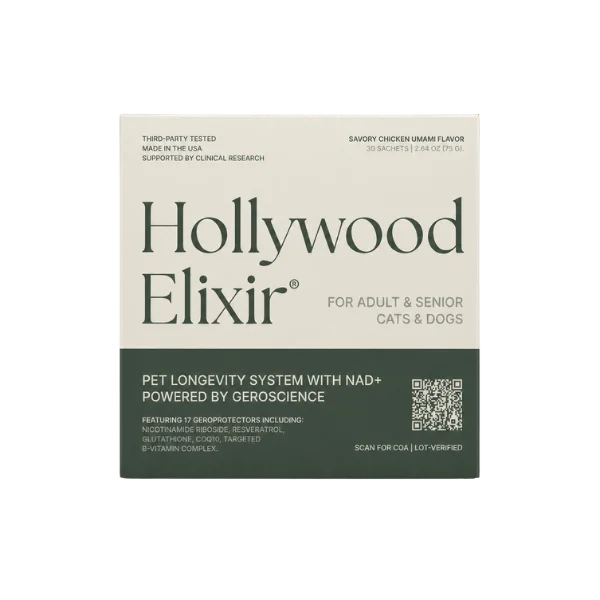
Hollywood Elixir™ is designed for system-level support across a cat’s aging journey, complementing targeted ingredients like astaxanthin without treating any single nutrient as the whole story. It fits owners who want a premium daily ritual that supports resilience, consistency, and whole-body steadiness over time.

Interest in astaxanthin for cats rarely starts with a dramatic problem. It usually begins with a quieter question: is there a way to support the years ahead, not just manage the days that feel hard? Astaxanthin is a red-orange carotenoid known for antioxidant activity, and it can be absorbed in cats; dietary fat may influence how well it’s taken up. That’s the science-shaped core. The lived reality is simpler: owners want steadiness—coat quality that stays glossy, energy that doesn’t vanish overnight, and a sense that their cat is still comfortably themselves.

The market, of course, makes this messy. “Best astaxanthin for cats” can mean anything from a carefully tested algae-derived ingredient to a generic pet powder with vague claims. And even when a diet is labeled complete and balanced, real-world nutrition varies: mineral content differs across commercial foods, and weight-loss plans can complicate nutrient adequacy. So the decision isn’t just whether astaxanthin is interesting—it’s whether a supplement fits your cat’s life, your standards, and your veterinarian’s comfort.

A careful, science-minded owner still chooses a product when it does something a single ingredient can’t: it supports the broader system that shapes aging and resilience, and it does so in a form that can be used consistently. That’s the practical case for a system-level formula: not replacing diet, not making medical promises, but supporting the metabolic “background” that helps a cat handle oxidative wear, immune demands, and everyday stressors over time.

By La Petite Labs Editorial, ~15 min read

Featured Product:

  • Astaxanthin for cats is a carotenoid antioxidant often chosen for long-horizon resilience.
  • Cats can absorb astaxanthin, and dietary fat may shape how well it’s taken up.
  • Immune support is a plausible use case; feline research reports enhanced immune responses (Park JS, 2011).
  • Safety is best handled conservatively: reputable sourcing, simple stacks, vet guidance for complex cats.
  • “Best astaxanthin for cats” usually means stable formulation, testing, and cat-friendly delivery.
  • Diet still sets the baseline; nutrient variation and weight-loss plans can change the picture.
  • Science-minded owners often choose system-level formulas because they support the broader network, not one ingredient.

Astaxanthin and the Case for Long-term Feline Resilience

Astaxanthin for cats tends to enter the conversation when a cat’s “fine on paper” health starts to look a little less effortless: slower recovery after play, a coat that loses some shine, or a general sense that time is leaving fingerprints. Astaxanthin is a red-orange carotenoid best known for antioxidant activity, and it can be absorbed in the feline gastrointestinal tract; its uptake may be influenced by dietary fat (Park JS, 2010). That matters because cats are not small dogs in a different wrapper—how they handle nutrients, fats, and supplements is distinct.

Still, the most useful way to think about astaxanthin supplements for cats is not as a single “fix,” but as one piece in a broader resilience picture: oxidative wear over time, immune steadiness, and the day-to-day demands of modern indoor life. If you’re comparing the best astaxanthin for cats, quality and formulation matter as much as the ingredient name on the label.

Mitochondria illustration showing cellular energy support linked to best astaxanthin supplement for cats.

What Astaxanthin Is, Where It Comes from, and Why Form Matters

Astaxanthin is a carotenoid pigment found in certain microalgae and the marine food chain. In supplements, it’s typically sourced from algae and delivered in an oil-based format. In cats, astaxanthin can be absorbed through the gastrointestinal tract, and dietary fat may influence its bioavailability (Park JS, 2010). That detail is easy to overlook, but it’s one reason formulation matters when comparing astaxanthin for cats.

Owners often encounter astaxanthin in the context of “antioxidant support.” A more grounded framing is that antioxidants help buffer normal oxidative stress—part of everyday life in any living system. The goal is not to eliminate oxidation (which is impossible), but to support balance over time, especially as cats age.

Molecular artwork representing healthy aging foundations supported by best astaxanthin for cats.

Antioxidant Support in Cats: a Practical, Non-dramatic Framing
Oxidative stress is a broad term, but the lived experience is familiar: aging tissues recover more slowly, and small stressors can feel larger. Astaxanthin is often selected because it’s a potent antioxidant in laboratory contexts, and it has been discussed for potential health benefits in cats and dogs due to antioxidant properties. That said, “potent” does not automatically mean “right for every cat,” or “better than basics” like hydration, protein adequacy, and routine veterinary care.

If you’re considering an astaxanthin supplement for cats, it helps to treat it as a long-horizon support: something you choose for steadiness, not drama. The best outcomes tend to come from consistency and from pairing supplements with a stable diet and low-stress daily rhythms.

Bioactive protein structure illustrating synergy in wellness supported by astaxanthin supplements for cats.

Immune Function and Astaxanthin: Supportive Evidence in Cats

Immune function is one of the clearer reasons astaxanthin for cats shows up in veterinary-adjacent discussions. In a feline study, astaxanthin enhanced both cell-mediated and humoral immune responses (Park JS, 2011). For an owner, the practical takeaway is modest: immune systems benefit from steady support, especially during transitions like moving homes, adding a new pet, or entering senior years.

A supplement should never be framed as a substitute for vaccines, parasite prevention, or medical care. But as part of a broader wellness plan, astaxanthin supplements for cats can be a reasonable option for owners who want to support normal immune readiness without chasing extreme claims.

Expressive pug face reflecting gentle aging support associated with astaxanthin for cats.

Skin and Coat Context: Where Antioxidants Fit into the Bigger Picture

Skin and coat are where many owners hope to see visible change. While coat quality is influenced by grooming, stress, and underlying disease, it’s also shaped by nutrition—especially adequate protein and essential fats. Because astaxanthin absorption may be influenced by dietary fats, it’s often paired with oil-based carriers in supplements, which can align well with coat-focused goals.

If your cat’s coat changes suddenly—dullness, dandruff, mats, or overgrooming—treat that as a reason to check in with your veterinarian first. Supplements can support, but they shouldn’t be used to paper over a new medical issue.

Hollywood Elixir™ is amazing and makes my 13 y/o kitty young again!

— Jessie

She hopped up onto the windowsill again—first time in years.

— Charlie

“The best supplement is the one your cat will take calmly, consistently, and without drama.”

Safety and Tolerance: What Responsible Use Looks Like for Cats

When people search for the best astaxanthin for cats, they’re often trying to reduce uncertainty: Is this safe? Is it real? Will my cat tolerate it? Safety data for astaxanthin includes subchronic toxicity evaluations in animal models, which did not show significant adverse effects at tested doses (Buesen R, 2015). Another 13-week assessment explored toxicity and developmental effects in a rat model (Vega K, 2015).

Because cats have unique sensitivities, the practical standard is conservative: choose reputable brands, avoid human products with unnecessary additives, and ask your veterinarian if your cat is on medication or has chronic disease. “Best” often means “least complicated and most consistent,” not “highest dose.”

Elegant dog portrait reflecting alertness and natural vitality supported by premium astaxanthin for cats.

Quality Signals: Testing, Transparency, and Avoiding Red-flag Claims

Quality is not a vibe; it’s a paper trail. For the best astaxanthin supplements for cats, look for third-party testing, clear batch information, and a form that protects the ingredient from heat and light. Avoid products that rely on vague proprietary blends without amounts, or that make disease claims. Those are red flags, not confidence builders.

Also consider whether the product is designed for cats specifically. Cats can be sensitive to flavorings and excipients, and a “one-size” pet supplement may not account for feline preferences. A premium astaxanthin for cats should feel like it was made for the species, not merely relabeled.

Close-up profile of a dog symbolizing awareness and vitality via best astaxanthin for cats.

Life Stage Considerations: Kittens, Seniors, and Special Situations

Life stage matters. Kittens, pregnant or nursing cats, and medically fragile seniors deserve extra caution with any supplement. While astaxanthin has a general safety profile in animal studies (Buesen R, 2015), developmental considerations have also been explored in animal models (Vega K, 2015), which is a reminder that “natural” does not automatically mean “appropriate for every life stage.”

For healthy adult cats, the decision is often about goals and tolerance. For seniors, it may be about supporting steadiness—appetite, mobility, coat, and mood—without adding digestive burden. Your veterinarian can help you decide whether an astaxanthin supplement for cats fits your cat’s specific context.

Visual ingredient map showing formulation transparency connected to astaxanthin supplements for cats.

Nutrition Baselines: Why Food Quality Shapes Supplement Decisions

Diet is the background music to every supplement decision. Even when a food is labeled complete and balanced, nutrient levels can vary across brands and formulas, including essential minerals (Summers S, 2022). And when cats are on calorie restriction for weight loss, meeting nutritional needs becomes a more delicate task (Grant CE, 2020).

This is where astaxanthin for cats can be positioned honestly: not as a replacement for a good diet, but as support for the broader system that handles oxidative wear and immune demands over time. A thoughtful supplement plan respects both realities—diet first, targeted support second.

Astaxanthin in Senior Cats: Subtle Goals, Realistic Expectations over Time

Aging is where many owners begin looking for a premium astaxanthin for cats, but the goal is usually less dramatic than “anti-aging” marketing suggests. It’s about preserving normal function: comfortable movement, steady appetite, consistent grooming, and a temperament that still feels like your cat. Antioxidants are often discussed as if they act alone; in reality, they sit inside a wider network that includes protein adequacy, minerals, and overall energy balance.

Diet quality can vary more than most people assume, including mineral content across commercial foods (Summers S, 2022). And when weight management enters the picture, nutrient adequacy becomes even more important (Grant CE, 2020). In that context, an astaxanthin supplement for cats can be a thoughtful addition, but it should complement—not distract from—foundational nutrition and veterinary oversight.

“Quality is a paper trail: sourcing, testing, stability, and transparent labeling.”

Close-up clinical uniform showing research-driven formulation behind premium astaxanthin for cats.

How to Choose a High-quality Astaxanthin Supplement Made for Cats

If you’re trying to identify the best astaxanthin supplement for cats, start with what you can verify. Look for clear sourcing (microalgae-derived is common), transparent labeling, and a formulation designed for consistent intake. Because astaxanthin absorption may be influenced by dietary fats (Park JS, 2010), products that consider real-world feeding patterns can be easier to use than “capsule-only” approaches that assume perfect compliance.

Also pay attention to what a product does beyond a single antioxidant. Many owners choose a system-level formula because it supports the broader metabolic network that shapes aging and vitality, rather than treating astaxanthin as a standalone solution. That distinction is often what separates “best astaxanthin supplements for cats” from merely popular ones.

Shop Now
Ingredient spread with supplement box highlighting formulation depth behind best astaxanthin supplements for cats.

Making Daily Use Easy: Palatability, Routine, and Consistent Intake

Administration is where good intentions can fail. Cats notice changes in smell, texture, and routine, and a supplement that creates daily friction rarely lasts. A natural astaxanthin for cats is only helpful if it’s taken consistently, and consistency often depends on palatability and simplicity rather than an impressive label.

Consider pairing with meals, keeping timing predictable, and avoiding “stacking” multiple new products at once. If you are adding other supplements, introduce them one at a time so you can spot sensitivities early. For cats with delicate digestion, a slower ramp-up can be kinder than a sudden full serving, even when the ingredient itself is generally well tolerated.

Shop Now
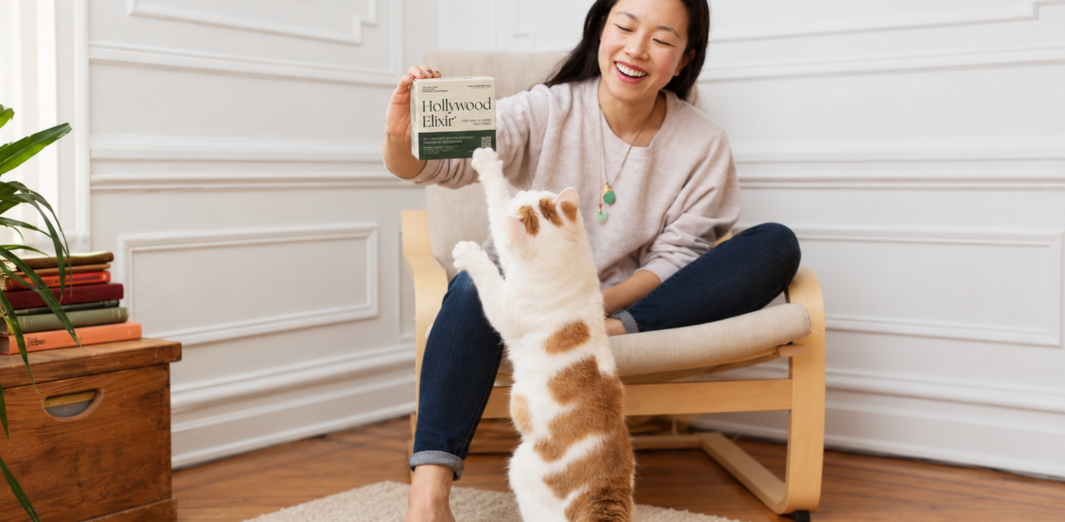
Pet parent holding supplement, symbolizing trust and routine via best astaxanthin supplement for cats.

When You Might Notice Changes, and What’s Worth Tracking

Owners often ask how quickly astaxanthin for cats “works.” The honest answer is that you’re usually watching for subtle shifts: steadier energy, a coat that looks more polished, or fewer “off days.” Those are subjective observations, and they can be influenced by season, stress, and diet changes. That’s why it helps to pick one or two simple markers to track for a month rather than scanning for a miracle in a week.

If your cat has a chronic condition or is on long-term medication, timeline expectations should be set with your veterinarian. Supplements can be supportive, but they should never replace diagnosis, monitoring, or prescribed therapy—especially when symptoms change quickly or unpredictably.

Shop Now

Safety Considerations: What We Know and When to Be Cautious

Safety questions are reasonable, particularly with concentrated antioxidants. Astaxanthin has been evaluated in subchronic toxicity studies in animal models, which helps inform a general safety profile (Buesen R, 2015). Another subchronic assessment also explored toxicity and developmental considerations in a rat model (Vega K, 2015). These are not cat-specific guarantees, but they are part of why astaxanthin is widely used in companion-animal products.

For cats, the practical safety approach is straightforward: choose reputable manufacturing, avoid combining many new products at once, and involve your veterinarian if your cat is pregnant, nursing, very young, or medically complex. If vomiting, diarrhea, or appetite changes appear after starting any supplement, pause and check in.

Medication and Supplement Stacking: Keeping Your Cat’s Plan Simple

Interactions are less about astaxanthin “fighting” a drug and more about the reality that cats can be sensitive to change. If your cat takes thyroid medication, heart medication, seizure medication, or has kidney or liver disease, your veterinarian should be the one to greenlight any new supplement. This is especially true when multiple products are layered, because it becomes difficult to identify what caused a change in appetite, stool, or behavior.

If you’re building a plan, keep it minimal: one new addition, a stable diet, and a clear observation window. That approach is not only safer; it’s also more likely to tell you whether an astaxanthin supplement for cats is genuinely adding value.

Comparison graphic showing astaxanthin supplements for cats benefits versus typical supplement formulas.

Immune Support: What Feline Research Suggests Without Overreach

Immune support is one of the more studied areas in cats. Research has reported that astaxanthin can enhance both cell-mediated and humoral immune responses in cats (Park JS, 2011). That does not mean it prevents illness, replaces vaccines, or acts like a medication. It means the ingredient has a plausible role in supporting normal immune function—an appealing idea for cats who are older, stressed, or living in multi-cat households.

When owners look for the best astaxanthin for cats with immune goals in mind, the smartest move is to choose a product that supports the broader “terrain”: consistent nutrition, stable routines, and a formula that fits daily life well enough to be used consistently.

Shop Now
Packaging reveal image highlighting brand care aligned with astaxanthin for cats.

Diet First, Supplements Second: Why System Support Still Matters

The phrase “usually met by diet” can be misleading in the supplement world. Many cats do receive adequate baseline nutrients from complete and balanced foods, yet real-life feeding is messy: picky eaters, rotating brands, therapeutic diets, and weight-loss plans can all shift nutrient intake (Grant CE, 2020). Even among mainstream foods, mineral levels can vary (Summers S, 2022).

That’s why a premium astaxanthin for cats can still make sense for a science-minded owner: it’s not about replacing a missing vitamin. It’s about supporting the broader metabolic network that helps a cat handle oxidative wear, immune demands, and the subtle stressors of aging. The best products respect that complexity rather than pretending one molecule is the whole story.

Shop Now

Choosing the Right Fit: Single Ingredient Versus System-level Formulas

Choosing astaxanthin supplements for cats is ultimately a decision about values: do you want the simplest possible ingredient, or a formula designed around the realities of long-term use? If you want a single-ingredient approach, prioritize sourcing, stability, and cat-friendly delivery. If you want a system-level approach, look for a blend that supports aging biology broadly, without making medical promises.

Either way, the most credible plan is calm and consistent: keep your veterinarian in the loop, track a few meaningful observations, and choose quality over novelty. That’s how “best astaxanthin supplements for cats” becomes a practical choice rather than a hopeful experiment.

“System-level support matters most when life isn’t perfectly controlled.”

Educational content only. This material is not a substitute for veterinary advice. Always consult your veterinarian about your cat’s specific needs. These statements have not been evaluated by the Food and Drug Administration. Products mentioned are not intended to diagnose, treat, cure, or prevent any disease.

Glossary

  • Astaxanthin: A red-orange carotenoid commonly sourced from microalgae and used for antioxidant support.
  • Carotenoid: A family of naturally occurring pigments found in plants and algae; some act as antioxidants.
  • Antioxidant: A compound that can help buffer normal oxidative stress by interacting with reactive molecules.
  • Oxidative Stress: An imbalance between reactive molecules and the body’s ability to keep them in check.
  • Bioavailability: How much of a nutrient is absorbed and available for use after ingestion.
  • Oil-Based Carrier: A fat-containing base used to deliver fat-soluble ingredients, often improving usability.
  • Third-Party Testing: Independent testing that helps verify identity, purity, and consistency of a supplement.
  • Palatability: How willingly a cat eats a product; often the deciding factor for long-term consistency.
  • System-Level Support: A formulation approach aimed at supporting multiple aspects of normal function together.

Related Reading

References

Grant CE. Dietary intake of amino acids and vitamins compared to NRC requirements in obese cats undergoing energy restriction for weight loss.. PubMed Central. 2020. https://pmc.ncbi.nlm.nih.gov/articles/PMC7648986/

Summers S. Evaluation of iron, copper and zinc concentrations in commercial foods formulated for healthy cats.. PubMed Central. 2022. https://pmc.ncbi.nlm.nih.gov/articles/PMC10812249/

Park JS. Astaxanthin uptake in domestic dogs and cats.. PubMed. 2010. https://pubmed.ncbi.nlm.nih.gov/20565958/

Park JS. Astaxanthin stimulates cell-mediated and humoral immune responses in cats.. PubMed. 2011. https://pubmed.ncbi.nlm.nih.gov/21930306/

Vega K. Subchronic (13-week) toxicity and prenatal developmental toxicity studies of dietary astaxanthin in rats.. PubMed. 2015. https://pubmed.ncbi.nlm.nih.gov/26493001/

Buesen R. Safety assessment of [3S, 3'S]-astaxanthin--Subchronic toxicity study in rats.. PubMed. 2015. https://pubmed.ncbi.nlm.nih.gov/25910834/

Edwards. Review of genotoxicity and rat carcinogenicity investigations with astaxanthin. 2016. https://www.sciencedirect.com/science/article/abs/pii/S0273230015301446

Samuel. Safety Assessment of 3S, 3’S Astaxanthin Derived from Metabolically Engineered K. marxianus. 2022. https://www.mdpi.com/2076-3921/11/11/2288

Giercuszkiewicz-Hecold B. The effect of long term astaxanthin supplementation on the antioxidant status of racing Arabian horses - preliminary study.. PubMed Central. 2024. https://pmc.ncbi.nlm.nih.gov/articles/PMC11564757/

Bilgiç B. Investigation of Trace and Macro Element Contents in Commercial Cat Foods.. PubMed Central. 2025. https://pmc.ncbi.nlm.nih.gov/articles/PMC11633335/

Vecchiato. Case Report: A Case Series Linked to Vitamin D Excess in Pet Food: Cholecalciferol (Vitamin D3) Toxicity Observed in Five Cats. 2021. https://www.frontiersin.org/journals/veterinary-science/articles/10.3389/fvets.2021.707741/full

RVA. Vitamin-mineral supplements do not guarantee the minimum recommendations and may imply risks of mercury poisoning in dogs and cats.. PubMed Central. 2021. https://pmc.ncbi.nlm.nih.gov/articles/PMC8075222/

FAQ

What is astaxanthin for cats, in simple everyday terms?

Astaxanthin for cats refers to using a red-orange carotenoid (often algae-derived) as a daily antioxidant support. In cats, it can be absorbed through the gastrointestinal tract, and dietary fat may influence uptake.

It’s typically chosen for long-term steadiness rather than quick, dramatic change. For a system-level approach that fits daily routines, consider Hollywood Elixir™

Why do owners look into astaxanthin for cats as they age?

Most owners are responding to subtle shifts: slower bounce-back, less coat luster, or a general sense of “older cat” days. Antioxidant support is one way people try to buffer normal oxidative wear over time, without turning wellness into a medical project.

The most credible use is calm and consistent, paired with good nutrition and vet checkups. Many owners prefer a broader aging-support formula alongside targeted ingredients, such as Hollywood Elixir™

How does astaxanthin work in cats without overpromising results?

Astaxanthin is discussed primarily for antioxidant activity, meaning it may help support normal balance in the face of everyday oxidative stress. In cats, it’s absorbed in the GI tract, and dietary fat can influence bioavailability.

That framing stays realistic: support, not treatment. If you want that kind of steady, system-level support built into a daily routine, Hollywood Elixir™

Is astaxanthin for cats generally considered safe to try?

Safety depends on the cat and the product, but astaxanthin has been evaluated in subchronic toxicity studies in animal models, supporting a general safety profile. That doesn’t replace cat-specific guidance, especially for medically complex pets.

Choose reputable manufacturing, introduce one new product at a time, and involve your veterinarian if your cat is on medication. For a carefully formulated daily option, see Hollywood Elixir™

What side effects might occur with astaxanthin supplements for cats?

Most issues owners notice are nonspecific: mild digestive upset, appetite changes, or a cat refusing food if the smell or texture changes. These reactions are often about formulation and tolerance rather than the idea of antioxidants itself.

If vomiting, diarrhea, or lethargy appears after starting any supplement, pause and contact your veterinarian. For a cat-friendly daily format designed for consistency, consider Hollywood Elixir™

Can astaxanthin for cats be used with prescription medications?

This is a veterinarian question, especially for thyroid, heart, seizure, or long-term pain medications. The bigger risk is stacking multiple new products and then not knowing what caused a change in appetite, stool, or behavior.

Bring the full ingredient list to your vet, and introduce changes slowly. If you want a streamlined, system-level formula to discuss with your clinic, look at Hollywood Elixir™

How long does it take to notice changes after starting?

With astaxanthin for cats, owners usually watch for subtle, gradual shifts—coat polish, steadier energy, or fewer “off” days—rather than a sudden transformation. Season, stress, and diet changes can easily blur the picture.

Pick one or two simple markers and track them for a month, then reassess with your veterinarian. For a daily routine built around long-term steadiness, consider Hollywood Elixir™

What makes the best astaxanthin for cats worth choosing?

“Best” usually means you can verify quality: clear sourcing, stability protections, and third-party testing. Because absorption may be influenced by dietary fat, a thoughtful delivery format can matter as much as the ingredient itself.

Avoid products that make disease claims or hide amounts in proprietary blends. For owners who prefer system-level support rather than a single-ingredient bet, consider Hollywood Elixir™

Is natural astaxanthin for cats better than synthetic versions?

Many pet products use algae-derived astaxanthin, which aligns with how it appears in nature. “Natural” can be a useful signal, but it’s not a substitute for testing, stability, and clean excipients.

More important than the label is whether your cat will take it consistently and tolerate it well. If you want a premium daily formula designed around real-life use, consider Hollywood Elixir™

Can kittens or pregnant cats take astaxanthin supplements?

For kittens, pregnant, or nursing cats, supplements should be veterinarian-directed. Developmental considerations have been explored in animal models for astaxanthin, which is a reminder that “gentle” ingredients still deserve caution in sensitive life stages.

If your veterinarian approves support, prioritize simple formulas and careful monitoring. For an adult-cat wellness routine you can discuss with your clinic, consider Hollywood Elixir™

Are astaxanthin supplements for cats different from dog products?

They should be. Cats have distinct sensitivities and preferences, and even when an ingredient is used in both species, the best products account for feline palatability and appropriate excipients. Cats also absorb astaxanthin through the GI tract, with uptake influenced by dietary fat.

If a product feels “generic pet,” it may be harder to use consistently. For a cat-friendly, system-level option, consider Hollywood Elixir™

Should astaxanthin for cats be given with food or alone?

Many owners give it with meals because routine improves consistency, and dietary fat may influence astaxanthin bioavailability. Practically, food also helps reduce the chance of mild stomach upset in sensitive cats.

If your cat is picky, start with a small amount mixed into a familiar food and keep timing predictable. For an easy daily format designed for long-term use, consider Hollywood Elixir™

How do I choose the best astaxanthin supplement for cats?

Start with verification: sourcing, batch testing, and transparent labeling. Next, look at delivery—cats need a format they’ll actually accept. Finally, avoid products that promise to treat or cure disease; that’s not responsible supplement positioning.

If you prefer a formula that supports the broader aging network rather than a single ingredient, consider Hollywood Elixir™

Does astaxanthin for cats support immune health in research?

In feline research, astaxanthin has been reported to enhance both cell-mediated and humoral immune responses. That’s supportive evidence for normal immune function, not a promise of protection from specific diseases.

Immune steadiness also depends on sleep, stress, dental health, and nutrition. For a daily routine that supports whole-body resilience, consider Hollywood Elixir™

Can astaxanthin supplements for cats replace a high-quality diet?

No. Diet sets the baseline for protein, essential fats, vitamins, and minerals. Even among commercial foods, mineral content can vary, which is one reason consistency and veterinary guidance matter.

Supplements are best used to support the broader system—especially as cats age—rather than to compensate for an unstable diet. For system-level daily support that complements good feeding, consider Hollywood Elixir™

Is astaxanthin for cats useful during weight-loss plans?

Weight loss changes the nutrition conversation. During energy restriction, cats may have varying intake of essential nutrients, and meeting needs during weight loss is important for health. Supplements should be chosen carefully so they don’t distract from the primary plan.

If your veterinarian approves, keep additions simple and track appetite and stool closely. For a steady wellness routine to discuss alongside weight management, consider Hollywood Elixir™

What are quality signals for premium astaxanthin for cats?

Look for algae-derived sourcing, stability protections (light/heat), and third-party testing. Also check for minimal additives and a cat-appropriate format. A premium product should be easy to use daily, not just impressive on a label.

If you want a broader formula that supports aging resilience beyond one antioxidant, consider Hollywood Elixir™

When should I call my vet before starting astaxanthin?

Call your veterinarian if your cat is on prescription medication, has kidney or liver disease, has unexplained weight loss, or is pregnant or nursing. Also call if you’re trying to address a new symptom—supplements shouldn’t delay diagnosis.

Bring the ingredient list and your goals so the discussion stays practical. For a system-level daily option to review with your clinic, consider Hollywood Elixir™

How can I tell if a supplement is actually helping?

Choose two observable markers—like grooming frequency, play interest, or coat feel—and track them for several weeks. Try not to change food, litter, and multiple supplements at the same time, or you’ll lose the signal.

If you see negative changes, stop and consult your veterinarian. For a consistent, system-level routine designed for long-term use, consider Hollywood Elixir™

What’s a sensible decision framework for astaxanthin for cats?

Start with the “why”: coat, aging steadiness, or general resilience. Then confirm the “can”: your cat’s medical status and medication list. Finally, choose the “how”: a product your cat will take consistently, with transparent quality controls.

This keeps the choice grounded and avoids chasing hype. If you prefer system-level support that complements targeted ingredients, consider Hollywood Elixir™

5K+ Happy Pet Parents

Excellent 4.8

Astaxanthin for Cats | Why Thousands of Pet Parents Trust Hollywood Elixir™

"My go-to nutrient-dense topper. Packed with 16 powerful anti-aging actives and superfoods!"

Chanelle & Gnocchi

"We go on runs pretty often; he use to get tired halfway through, but lately, he's been keeping up without any problem."

Cami & Clifford

"He seems more happy overall. I've also noticed he has more energy which makes our walks and playtime so much more fun."

Olga & Jordan

"I want her to live forever. She hasn't had an ear infection since!"

Madison & Azula

"My go-to nutrient-dense topper. Packed with 16 powerful anti-aging actives and superfoods!"

Chanelle & Gnocchi

"We go on runs pretty often; he use to get tired halfway through, but lately, he's been keeping up without any problem."

Cami & Clifford

"He seems more happy overall. I've also noticed he has more energy which makes our walks and playtime so much more fun."

Olga & Jordan

"I want her to live forever. She hasn't had an ear infection since!"

Madison & Azula

"My go-to nutrient-dense topper. Packed with 16 powerful anti-aging actives and superfoods!"

Chanelle & Gnocchi

"We go on runs pretty often; he use to get tired halfway through, but lately, he's been keeping up without any problem."

Cami & Clifford

"He seems more happy overall. I've also noticed he has more energy which makes our walks and playtime so much more fun."

Olga & Jordan

"I want her to live forever. She hasn't had an ear infection since!"

Madison & Azula

"My go-to nutrient-dense topper. Packed with 16 powerful anti-aging actives and superfoods!"

Chanelle & Gnocchi

"We go on runs pretty often; he use to get tired halfway through, but lately, he's been keeping up without any problem."

Cami & Clifford

"He seems more happy overall. I've also noticed he has more energy which makes our walks and playtime so much more fun."

Olga & Jordan

"I want her to live forever. She hasn't had an ear infection since!"

Madison & Azula

SHOP NOW