Blueberries for Cats

See How Blueberry Antioxidants Affect Inflammation, Aging Tissues, and Safe Treat Size

Essential Summary

Why are blueberries for cats important?

Blueberries can be a safe, occasional treat for many cats, offering a small amount of plant compounds and variety. The benefits are typically subtle, and portion size matters. For owners focused on long-term vitality, blueberries work best as a small detail within a broader, consistent plan that supports whole-body aging.

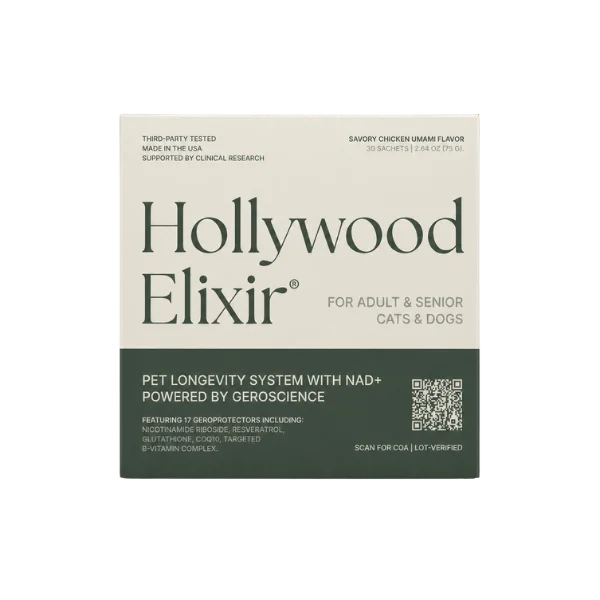
If blueberries are your “nice extra,” Hollywood Elixir™ is the steady foundation: a system-level formula designed to support the broader networks that shape graceful aging, beyond what any single fruit or blueberries supplement for cats can reliably provide.

Blueberries for cats have a particular kind of appeal: they feel wholesome, familiar, and quietly protective—an easy way to “do something good” without changing your cat’s whole diet. That instinct comes from a good place. Blueberries are widely associated with antioxidant-rich eating, and they’re not commonly listed among toxic foods for pets, which supports their reputation as a generally safe treat when used in moderation.

But cats are not small people. They’re obligate carnivores with different priorities, and the benefits of a few berries are usually subtle. Even in commercial cat foods that include blueberry ingredients, the levels of certain phenolic compounds can be low, which is a useful reality check for anyone expecting a dramatic change from a “superfruit”.

This page keeps the promise modest and the choices clear: when fresh blueberries for cats make sense, what to avoid, and how to think about blueberry powders and blends. It also answers the question a careful, science-minded owner eventually asks: if berries are optional, why choose a supplement at all? The honest answer is consistency and scope. A berry is a small, occasional detail; a well-designed formula can support the broader systems that shape aging across a life—without relying on whether your cat happens to like fruit this week.

By La Petite Labs Editorial, ~15 min read

Featured Product:

  • Blueberries for cats are best treated as an occasional, optional food—not a dietary requirement.
  • In commercial cat foods, blueberry ingredients can contribute phenolic compounds, but levels may be low, so expectations should stay measured.
  • The most common downside is digestive sensitivity: too much novelty or fiber can lead to soft stool.
  • Fresh blueberries for cats are usually the simplest choice: rinse well, serve plain, and consider halving for fast eaters.
  • Organic blueberries for cats can align with ingredient preferences, but washing and portion control matter more than labels.
  • A blueberries supplement for cats can add consistency, yet it remains a narrow lever compared with whole-system support.
  • For longevity-minded owners, the most durable plan pairs small, safe food choices with steady support for aging resilience.

Why Blueberries Belong in a Cat’s Life, If at All

Blueberries for cats sit in a useful, modest category: generally safe as an occasional food, but not a nutritional cornerstone. They’re mostly water and fiber, with naturally occurring plant compounds that can add a small antioxidant “accent” to an otherwise meat-forward diet. In commercial foods, blueberry inclusions tend to deliver low levels of certain phenolics, which helps explain why the benefits are often subtle rather than dramatic (PAL, 2025).

That subtlety is exactly why a thoughtful owner may still look beyond fruit alone. A few berries can complement a routine, but they don’t reliably support the broader systems that shape aging over time—energy, resilience, and recovery. This is where a system-level approach matters: instead of chasing one ingredient, you support the network that keeps a cat steady across the years.

Close-up mitochondria render visualizing cellular resilience supported by blueberries for cats.

What Blueberries Offer: a Modest Add-on, Not a Mainstay

Cats don’t need fruit to meet their basic nutritional requirements, but they can sometimes enjoy it. Blueberries for cats are best understood as a small, optional add-on—one that may bring a bit of variety and a small amount of plant-derived compounds. In prepared cat foods, blueberry ingredients have been linked with detectable phenolics and quercetin, though at low levels, which helps set expectations for what “added blueberries” can realistically provide (PAL, 2025).

If your cat enjoys them, the value is often practical: a low-calorie treat alternative to richer snacks, a training lure for a few cats, or a way to add novelty without changing the main diet. The key is restraint—tiny portions, infrequent use, and a willingness to stop if it doesn’t suit your cat.

Close-up DNA helix tied to cellular integrity and support from blueberries for cats.

Antioxidant Talk, Translated: What Owners Can Expect over Time

The appeal of blueberries is their reputation as an antioxidant-rich fruit. For cats, the story is more measured: antioxidant activity is a broad concept, and the amount a cat gets from a few berries is limited. Still, phenolic compounds are part of what makes blueberries interesting, and their presence has been noted even in commercial kibble that includes blueberries as an ingredient (PAL, 2025).

Think of this as “supportive context,” not a headline promise. If you’re already doing the fundamentals—hydration, appropriate calories, dental care, and regular veterinary check-ins—then small, safe additions can fit. If you’re looking for a single change that transforms health, blueberries are unlikely to be that change.

Protein visualization highlighting formulation depth and rigor in organic blueberries for cats.

Are Blueberries Safe for Cats? the Practical Answer

Are blueberries safe for cats? In general, blueberries are not commonly listed among toxic foods for pets, which supports their reputation as a safe option when offered in moderation (Kovalkovičová N, 2009). “Safe,” however, still depends on the individual cat. Some cats handle new foods easily; others respond with stomach upset to almost any novelty.

Start with a tiny portion and watch for changes over the next 24 hours. If your cat has a medical condition or takes medication, treat blueberries like any other dietary change: worth a quick vet check-in, especially if you’re planning to offer them more than once in a while.

Dog portrait symbolizing calm and wellness supported by blueberries supplements for cats.

Potential Downsides: Sugar, Fiber, and the Problem of Too Much

The most common downside of blueberries for cats is digestive. Too much fruit can mean too much fiber, and that can show up as soft stool or gas. Another concern is simple calories: even small treats add up quickly in a small body. And while blueberries are soft, a whole berry can still be a poor match for a cat that doesn’t chew treats.

If you want the “treat” experience without the guesswork of fresh produce, consider cat-specific formats that are easy to portion. The best approach is the one that keeps your cat’s main diet stable and your treat routine predictable.

Hollywood Elixir™ is amazing and makes my 13 y/o kitty young again!

— Jessie

She hopped up onto the windowsill again—first time in years.

— Charlie

“A blueberry can be a pleasant detail. A long-term plan needs something steadier.”

Fresh Blueberries for Cats: Preparation That Keeps Things Simple

Fresh blueberries for cats are usually the simplest option because you can see exactly what you’re offering. Rinse them, remove any stems, and consider slicing them in half. If your cat prefers softer textures, a lightly mashed berry mixed into wet food can be more acceptable than a whole berry served plain.

Avoid dried blueberries with added sugar, and avoid baked goods entirely. The goal is a clean, single-ingredient treat. If your cat is uninterested, don’t force it—cats aren’t missing anything essential by skipping fruit.

Portrait of a dog showing thoughtful presence supported by blueberries for cats.

Organic Blueberries for Cats: Clean Sourcing Without Overpromising

Organic blueberries for cats can feel like the “careful” choice, especially for owners who are already selective about ingredients. If you buy organic, you’re mostly buying peace of mind and a preference for certain farming practices. Whether organic or conventional, washing matters. Rinse thoroughly and discard berries that look damaged.

If you’re choosing between organic berries and a consistent, cat-designed supplement routine, remember that consistency often wins. A berry here and there is fine; a stable plan that supports your cat’s whole system is usually what shows up in day-to-day vitality.

Profile shot of a dog showing attentive expression supported by best blueberries for cats.

Cats Versus People: Why “Superfood” Doesn’t Translate Perfectly

It’s easy to assume that if blueberries are “good for people,” they must be equally meaningful for cats. But cats process foods differently, and their nutritional priorities are different. The most honest framing is that blueberries are a safe, optional food that may add small amounts of plant compounds. In cat food formulations, blueberry ingredients have been associated with antioxidant properties due to phenolics, but the measured amounts can be low.

So the question becomes: what are you really trying to support? If it’s enrichment, blueberries can help. If it’s aging support, you’ll likely want a broader strategy that doesn’t depend on a fruit treat to do heavy lifting.

Ingredient explainer image showing clean formulation principles for blueberries for cats.

Supplements and Powders: When Convenience Becomes the Point

Some owners look for the best blueberries supplements for cats because they want convenience and consistency. That’s reasonable: a supplement format can be easier to portion than fresh produce, and it can fit into a routine without spoilage. Still, blueberry-only products tend to be narrow in scope. They may be a tidy way to add a plant ingredient, but they don’t automatically address the broader “why” behind the purchase.

A more coherent approach is to treat blueberry products as one small piece of a bigger plan—one that supports the systems that change with age. That’s the difference between adding an ingredient and supporting a whole animal.

Choosing the Best Berries: Fresh, Frozen, or Organic Options

If you’re comparing the best blueberries for cats, the “best” is usually the one your cat will actually accept in a tiny portion, without digestive drama. Fresh blueberries for cats are often easiest to portion and inspect. Organic blueberries for cats can be appealing to owners who want fewer pesticide residues, though the practical difference depends on sourcing and washing. What matters most is cleanliness, ripeness, and portion control.

Avoid berries that are moldy, leaking, or overly soft. If you’re using frozen berries, thaw and pat dry so you’re not adding icy water to a sensitive stomach. And if your cat is indifferent, that’s not a failure—cats don’t need fruit. The goal is a calm, low-stakes addition, not a new daily requirement.

“In cats, safe is only the first question; useful is the second.”

Scientific attire image highlighting formulation rigor associated with fresh blueberries for cats.

Blueberry Supplements: What They Are and What They Aren’t

Blueberries supplement for cats is a phrase that can mean very different things. Sometimes it’s a freeze-dried blueberry powder; sometimes it’s a multi-ingredient blend where blueberry is a minor flavor note. The first question is simple: are you trying to add a food, or support a broader aging and vitality picture? A single-ingredient blueberry product may offer consistency, but it still tends to be a narrow lever.

If you do choose blueberries supplements for cats, look for transparent labeling, clear serving guidance, and a formulation designed for cats rather than “all pets.” In cat foods, blueberry additions have been associated with low levels of certain phenolic compounds, suggesting antioxidant potential, but not a guarantee of meaningful dose (PAL, 2025).

Shop Now
Ingredients around product reflecting antioxidant support within best blueberries for cats.

Safety First: When Blueberries Are Fine, and When to Pause

Safety is the first filter. Blueberries are not commonly listed among toxic foods for pets, which supports the idea that they’re typically fine in moderation (Kovalkovičová N, 2009). The more realistic risks are ordinary ones: too much fiber for a small gut, too much novelty for a sensitive cat, or a choking hazard if a cat gulps treats. Whole berries can be halved for cats that don’t chew carefully.

If your cat has diabetes, a history of pancreatitis, inflammatory bowel disease, or is on a prescription diet, treat any fruit as a “discuss first” item. The safest approach is to introduce one change at a time, keep portions small, and stop if you see vomiting, loose stool, or itching.

Shop Now
Pet owner displaying product as part of daily care supported by blueberries supplements for cats.

Portion Size Without Math: Keeping Treats Truly Treat-sized

Portioning blueberries for cats is less about a perfect number and more about keeping treats truly treat-sized. Cats are obligate carnivores; even “healthy” extras can crowd out balanced nutrition if they become routine. Think of blueberries as a garnish: occasional, small, and easy to remove if they don’t agree with your cat. If you’re using freeze-dried berries, remember they’re concentrated and can add fiber quickly.

A practical rhythm is to offer a tiny taste, wait a day, and only then decide whether it belongs in your rotation. If you want more consistent support than a sporadic fruit can provide, consider a product designed around whole-body aging support rather than a single produce ingredient.

Shop Now

Serving Ideas That Respect a Cat’s Preferences and Routine

Some cats love the texture of a berry; others treat it like a suspicious pebble. If you’re offering fresh blueberries for cats, rinse well, remove stems, and serve at room temperature. You can lightly mash a berry and mix it into a small amount of wet food so the scent reads as “meal,” not “mystery.” Keep the serving separate from medications so you don’t create a negative association.

Avoid blueberry muffins, jams, syrups, or sweetened yogurts. Those are human foods with extra sugar and ingredients that don’t belong in a cat’s daily life. The simplest version—plain berry, plain cat—tends to be the most predictable.

Longevity Mindset: Small Foods Versus Lasting, System-level Support

Owners often reach for blueberries for cats because they’re thinking about longevity: eyes that stay bright, coats that stay sleek, and energy that doesn’t vanish overnight. It’s a reasonable instinct. Plant compounds in blueberries are associated with antioxidant properties, and even when included in cat kibble, phenolics can be detected—though typically at low levels (PAL, 2025). That’s a reminder to keep expectations realistic.

If your goal is “support over time,” the more durable strategy is to combine sensible diet choices with consistent, system-level support. Fruit can be a pleasant detail; it’s rarely the foundation. The best plan is the one you can keep steady without turning feeding into a daily experiment.

Competitor comparison image focusing on formulation integrity in organic blueberries for cats.

When to Skip Blueberries: Sensitive Stomachs and Special Diets

When should you skip blueberries? If your cat is already dealing with recurring diarrhea, food allergies under investigation, or a strict veterinary diet, adding new foods can blur the picture. Also be cautious with cats that bolt treats; a whole berry can be awkwardly sized for a fast eater. In multi-cat homes, make sure the cat with special dietary needs isn’t “sharing” from another bowl.

If you notice vomiting, loose stool, or a sudden refusal of regular meals after introducing berries, stop and return to baseline. Blueberries are generally considered non-toxic for pets, but “non-toxic” is not the same as “right for every individual”(Kovalkovičová N, 2009).

Shop Now
Packaging reveal image highlighting brand care aligned with fresh blueberries for cats.

Quality Signals: What “Best” Should Mean for Cat Products

Quality signals matter more than marketing language. For whole berries, choose fruit that looks intact, smells clean, and has no visible mold. For powders and chews, look for clear ingredient lists, cat-appropriate serving directions, and manufacturing details you can verify. “Best blueberries supplement for cats” should mean the product is consistent, simple, and designed to fit feline digestion—not just a repackaged human trend.

Also consider what you’re trying to solve. If you want occasional enrichment, berries can do that. If you want steady support for aging-related changes, a broader formulation is often more coherent than relying on a single fruit ingredient.

Shop Now

A Calm Decision Framework for Blueberries and Daily Wellness

A sensible decision framework is quiet and repeatable. First, confirm your cat tolerates blueberries in a tiny amount. Second, decide whether you’re using them as an occasional food or as part of a bigger “support over time” plan. Third, keep the routine simple enough that you’ll still be doing it three months from now. In cat foods, blueberry additions may contribute antioxidant properties, but the measured levels of certain compounds can be low, which limits what any one ingredient can do on its own (PAL, 2025).

That’s why many science-minded owners pair small, safe food choices with system-level support aimed at the whole aging picture—energy, resilience, and day-to-day comfort—rather than betting on a single “superfood.”

“The best routine is the one that stays calm, simple, and consistent.”

Educational content only. This material is not a substitute for veterinary advice. Always consult your veterinarian about your cat’s specific needs. These statements have not been evaluated by the Food and Drug Administration. Products mentioned are not intended to diagnose, treat, cure, or prevent any disease.

Glossary

  • Obligate Carnivore: A species, like cats, that is biologically adapted to get most nutrients from animal-based foods.
  • Treat Budget: The small portion of daily calories reserved for extras beyond a complete and balanced diet.
  • Digestive Sensitivity: A tendency to develop vomiting, gas, or loose stool when new foods are introduced.
  • Phenolic Compounds: Plant-derived compounds often discussed in relation to antioxidant properties.
  • Quercetin: A plant flavonoid that can be present in small amounts in foods containing blueberry ingredients.
  • Single-Ingredient Treat: A treat made from one food item (such as a plain blueberry) without additives.
  • Freeze-Dried Powder: A dehydrated ingredient format that concentrates the original food and can be easier to portion.
  • Choking Hazard: A risk when a cat swallows a treat without chewing, especially if the item is round or slippery.
  • Prescription Diet: A veterinarian-directed diet formulated for a medical condition, where extra treats can disrupt balance.

Related Reading

References

PAL. A "berry" small inclusion: 40 types of commercial dog and cat kibble with added blueberries provide low levels of quercetin, free phenolics, and alkali-labile phenolics.. PubMed Central. 2025. https://pmc.ncbi.nlm.nih.gov/articles/PMC12375955/

Kovalkovičová N. Some food toxic for pets.. PubMed Central. 2009. https://pmc.ncbi.nlm.nih.gov/articles/PMC2984110/

FAQ

Are blueberries safe for cats as an occasional treat?

For many cats, blueberries are considered a non-toxic food and can be offered in small amounts. The most common issues are digestive sensitivity and overdoing treats, not poisoning.

Start with a tiny taste, watch stool and appetite for a day, and stop if anything seems off. For steady, whole-body support that doesn’t depend on treat frequency, many owners pair small food add-ons with Hollywood Elixir™

What benefits do blueberries for cats realistically offer?

Blueberries may add small amounts of plant compounds associated with antioxidant properties, but the effect is usually subtle. In cat foods that include blueberries, measured phenolic compounds can be present at low levels, which helps explain why results aren’t dramatic.

Think of berries as a small “nice extra,” not a cornerstone. If your goal is durable aging support, a broader system-level routine can be more consistent, including Hollywood Elixir™

How many blueberries can I give my cat safely?

Keep portions small enough that blueberries remain a treat, not a side dish. A tiny taste is the safest starting point, especially for cats with sensitive digestion. If your cat tolerates them, occasional small servings are typically the most sensible pattern.

If your cat has diabetes, GI disease, or is on a prescription diet, ask your veterinarian before adding fruit. For consistent support that isn’t tied to treat portions, consider Hollywood Elixir™

Can kittens eat blueberries, or should they avoid fruit?

Kittens have small stomachs and fast-changing needs, so treats of any kind should be minimal. If you offer blueberries, make it a tiny amount and only after your kitten is doing well on a complete, age-appropriate diet.

If you notice loose stool or reduced appetite, stop and return to the usual food. For owners thinking long-term, a consistent wellness routine can matter more than novelty treats, including Hollywood Elixir™

Are blueberries okay for senior cats with slower digestion?

Senior cats can often handle small amounts of blueberries, but they may be less forgiving of dietary surprises. Introduce slowly, keep portions tiny, and prioritize hydration and a stable main diet.

If your senior has kidney disease, diabetes, or chronic GI issues, check with your veterinarian before adding fruit. For steady aging support beyond occasional treats, many owners use Hollywood Elixir™

Do blueberries cause diarrhea or vomiting in some cats?

They can. The usual problem is too much fiber or too much novelty at once, which can lead to soft stool or vomiting. Some cats simply don’t tolerate fruit well, even when it’s generally considered safe.

Stop the berries, return to the regular diet, and contact your veterinarian if symptoms persist or your cat seems lethargic. For a more predictable daily routine, consider system-level support like Hollywood Elixir™

Can cats with diabetes eat blueberries as treats?

Diabetic cats need careful consistency with calories and carbohydrates, so even “healthy” treats should be discussed with your veterinarian. If approved, keep the portion very small and avoid making fruit a daily habit.

Monitor appetite, thirst, and litter box habits when introducing any new food. For broader support that fits a long-term wellness plan, many owners look to Hollywood Elixir™

Are blueberries for cats safe with kidney disease diets?

If your cat is on a kidney-support prescription diet, treat changes should be cleared with your veterinarian. The concern is less that blueberries are inherently dangerous and more that small extras can disrupt a carefully balanced plan.

If approved, keep servings tiny and infrequent, and watch hydration and appetite closely. For owners focused on gentle, consistent support over time, consider Hollywood Elixir™

Should I choose fresh or frozen blueberries for cats?

Either can work. Fresh berries are easy to inspect and portion, while frozen berries can be convenient if thawed properly. Thaw, pat dry, and serve at room temperature so you’re not adding icy water to a sensitive stomach.

Avoid sweetened frozen products or mixes with other ingredients. If you want a routine that doesn’t depend on produce availability, you can pair occasional berries with Hollywood Elixir™

Are organic blueberries for cats worth paying extra for?

Organic can align with an owner’s preference for certain farming practices, but the practical difference for a cat eating tiny portions is often small. What matters most is washing, freshness, and avoiding spoiled fruit.

If organic helps you feel confident and consistent, it may be worth it. For consistent support that doesn’t hinge on berry sourcing, consider Hollywood Elixir™

What is a blueberries supplement for cats, exactly?

A blueberries supplement for cats is usually a powder, chew, or capsule that includes blueberry-derived ingredients, sometimes alongside other components. The key difference from fresh fruit is consistency: you can deliver a similar amount each time without spoilage.

Still, blueberry-only products tend to be narrow in scope. If your goal is broader aging resilience, a system-level formula may fit better, such as Hollywood Elixir™

How do I pick the best blueberries supplement for cats?

Look for cat-specific serving directions, transparent ingredient lists, and manufacturing quality signals you can verify. Avoid blends that hide amounts behind vague “proprietary” language, and be cautious with products that read more like candy than nutrition.

Also ask whether you want a single-ingredient add-on or broader support. Many owners choose a system-level approach for aging, including Hollywood Elixir™

Can blueberries interact with my cat’s medications?

Blueberries are not known for common, dramatic medication interactions in cats, but any dietary change can matter in a medically complex pet. If your cat takes insulin, thyroid medication, or has a tightly managed condition, it’s wise to ask your veterinarian before adding new treats.

Introduce only one new item at a time so you can interpret any changes clearly. For a consistent wellness routine that’s designed for long-term use, consider Hollywood Elixir™

Are blueberries better than other fruits for cats?

“Better” depends on your goal. Blueberries are popular because they’re easy to portion and generally considered safe in moderation. But cats don’t need fruit, and many fruits are simply unnecessary calories with a higher chance of upsetting digestion.

If your cat enjoys a berry occasionally, that can be enough. For broader support that isn’t dependent on fruit choices, many owners use Hollywood Elixir™

Do cats digest blueberries differently than dogs do?

Yes, often. Cats are obligate carnivores and typically have less interest in, and tolerance for, plant foods than many dogs. That doesn’t make blueberries “bad,” but it does mean the portion should be smaller and the expectations lower.

If you share a household with both species, avoid assuming the dog’s snack size fits the cat. For cat-specific, system-level aging support, consider Hollywood Elixir™

How quickly would blueberries for cats show any noticeable effect?

Most owners won’t see a clear, direct “effect” from a few berries. The more immediate feedback is tolerance: normal stool, normal appetite, and no vomiting. Any broader “wellness” impression is usually hard to attribute to blueberries alone.

If you want something you can use consistently as part of a long-term plan, a system-level formula may be a better fit, such as Hollywood Elixir™

Can I mix blueberries into wet food for picky cats?

You can, and it’s often the easiest way to test acceptance. Lightly mash a small piece of blueberry and mix it into a small portion of wet food so you don’t risk wasting a full meal if your cat refuses it.

Keep the first trial small and separate from medications, so the flavor doesn’t become associated with something unpleasant. For a consistent daily routine beyond occasional add-ins, consider Hollywood Elixir™

What should I avoid when feeding blueberries to cats?

Avoid sweetened or baked blueberry products, and avoid anything with added sugar or mixed ingredients. Also avoid serving spoiled berries or giving whole berries to cats that gulp treats without chewing.

Keep it plain, clean, and small, and stop if digestion changes. For a broader approach that supports aging beyond treat choices, consider Hollywood Elixir™

When should I call my vet about blueberries and symptoms?

Call your veterinarian if vomiting or diarrhea is persistent, if your cat becomes lethargic, refuses food, or seems painful. Also call if your cat has a chronic condition and you’re unsure whether fruit fits the current plan.

Even though blueberries are generally considered non-toxic, individual reactions can still be significant. For steady support that’s designed to be consistent, consider Hollywood Elixir™

Is there real research behind blueberries in cat food?

There is evidence that commercial cat kibble with added blueberries contains detectable phenolic compounds and quercetin, though levels can be low. That supports the idea that blueberries can contribute antioxidant-related compounds, but it doesn’t prove a large, predictable health outcome for every cat.

For owners who want a more comprehensive approach than a single ingredient, a system-level option can be more coherent, including Hollywood Elixir™

5K+ Happy Pet Parents

Excellent 4.8

Blueberries for Cats | Why Thousands of Pet Parents Trust Hollywood Elixir™

"My go-to nutrient-dense topper. Packed with 16 powerful anti-aging actives and superfoods!"

Chanelle & Gnocchi

"We go on runs pretty often; he use to get tired halfway through, but lately, he's been keeping up without any problem."

Cami & Clifford

"He seems more happy overall. I've also noticed he has more energy which makes our walks and playtime so much more fun."

Olga & Jordan

"I want her to live forever. She hasn't had an ear infection since!"

Madison & Azula

"My go-to nutrient-dense topper. Packed with 16 powerful anti-aging actives and superfoods!"

Chanelle & Gnocchi

"We go on runs pretty often; he use to get tired halfway through, but lately, he's been keeping up without any problem."

Cami & Clifford

"He seems more happy overall. I've also noticed he has more energy which makes our walks and playtime so much more fun."

Olga & Jordan

"I want her to live forever. She hasn't had an ear infection since!"

Madison & Azula

"My go-to nutrient-dense topper. Packed with 16 powerful anti-aging actives and superfoods!"

Chanelle & Gnocchi

"We go on runs pretty often; he use to get tired halfway through, but lately, he's been keeping up without any problem."

Cami & Clifford

"He seems more happy overall. I've also noticed he has more energy which makes our walks and playtime so much more fun."

Olga & Jordan

"I want her to live forever. She hasn't had an ear infection since!"

Madison & Azula

"My go-to nutrient-dense topper. Packed with 16 powerful anti-aging actives and superfoods!"

Chanelle & Gnocchi

"We go on runs pretty often; he use to get tired halfway through, but lately, he's been keeping up without any problem."

Cami & Clifford

"He seems more happy overall. I've also noticed he has more energy which makes our walks and playtime so much more fun."

Olga & Jordan

"I want her to live forever. She hasn't had an ear infection since!"

Madison & Azula

SHOP NOW