Environmental Toxins and Aging in Cats

Recognize Common Household Exposures That Strain Liver, Kidneys, Lungs, Skin, Thyroid

By La Petite Labs Editorial 15 min read

Many owners assume a cat is protected from pollution because the cat lives indoors. The more accurate concern is cumulative exposure: indoor air, dust, and residues can add a steady irritant load that becomes harder to buffer as a cat gets older. That is the practical link between environmental toxins and aging in cats—less flexibility in repair, not a single dramatic poisoning event.

The most common misconception is that only “big” chemical accidents matter. In reality, aging biology is shaped by repeated small inputs that converge on shared pathways like oxidative stress, chronic inflammation, and endocrine signaling. Cats are also uniquely exposed because they groom: what settles on fur often becomes an oral exposure. Over time, the pollution impact on cat health can show up as airway reactivity (coughing that looks like hairballs), shifts in appetite or weight, and a narrower comfort range during play.

This page uses a risk budgeting approach. The goal is not to fear every product; it is to reduce the exposures that are frequent, close to the cat, and easy to change, then track a few progress indicators so the plan stays measurable. The sections below clarify mechanisms, highlight a few high-yield household routines, and end with a checklist and vet-visit prep so concerns about chemicals affecting cat aging translate into calmer, more predictable day-to-day decisions.

  • The pollution impact on cat health is usually cumulative: small, repeated exposures can narrow an older cat’s repair window.
  • Cats are uniquely exposed because residues collect on fur and are swallowed during grooming.
  • Many chemicals affecting cat aging converge on shared pathways like oxidative stress, inflammation, and endocrine signaling.
  • Airway irritation is often the most visible early effect (coughing, wheezing, “hairball-like” episodes).
  • Kidneys are a key buffer organ in seniors; tracking thirst and litter box output helps catch subtle shifts.
  • Risk budgeting works: remove frequent, close-to-the-cat exposures (fragrance, dust, sprays) before chasing rare ones.
  • Bring a two-week log and product list to the veterinarian to speed up targeted screening and next steps.

The Indoor Myth: Why Small Exposures Add Up

A common misconception is that “a little pollution doesn’t matter indoors” because cats aren’t outside all day. In reality, indoor air can concentrate irritants from cooking fumes, scented products, and tracked-in residues, and cats breathe close to floors where heavier particles settle. Over years, that exposure can add oxidative stress and low-grade airway inflammation—two forces that shrink a cat’s repair window as the body ages (IARC Working Group on the Identification of Carcinogenic Hazards to Humans, 2025). The pollution impact on cat health is often cumulative, not dramatic.

Owners often notice “aging” as noisier breathing after play, more frequent hairballs, or a cat that seems less flexible about routine. Those signs are not proof of toxin injury, but they are a reason to think in risk budgeting: reduce the biggest exposures first, then reassess. Start by identifying the rooms where the cat spends the most time, and consider what’s in the air there for hours each day.

The Real Issue: Aging Shrinks the Repair Window

The correction is not that every chemical causes disease; it’s that aging changes how the body handles stressors. Detoxification enzymes, antioxidant defenses, and tissue repair all have a finite range, and that range narrows with time. Mechanistic reviews describe how many toxicants converge on oxidative stress, inflammation, and endocrine signaling—shared pathways that can make an older animal less flexible when exposures stack up (IARC Working Group on the Identification of Carcinogenic Hazards to Humans, 2025). This is the practical core of environmental toxins and aging in cats.

Owners can use this idea without fear: focus on the exposures that are frequent, close to the cat, and easy to change. A single scented litter additive used daily may matter more than a rare outdoor event. The goal is to widen the cat’s repair window by lowering background load, so normal aging feels calmer and more predictable.

Oxidative Stress: the Common Pathway Behind Many Irritants

Oxidative stress is a useful bridge between “chemicals” and real-life aging. Reactive oxygen species are produced during normal metabolism, but many pollutants and irritants increase that production or weaken antioxidant defenses, tipping tissues toward damage over time (IARC Working Group on the Identification of Carcinogenic Hazards to Humans, 2025). In cats, this matters most where oxygen use is high or filtration is constant—airways, liver, and kidneys. Thinking in oxidative load helps explain why small exposures can feel bigger in senior years. (see our Cat Life Stages →)

At home, oxidative load is not measured directly, so owners watch for functional clues: less interest in play, longer recovery after activity, or a coat that looks “tired.” These are nonspecific, but they guide which routines to tighten. Better ventilation during cooking, less fragrance, and dust control are simple ways to reduce the pollution impact on cat health without chasing a perfect environment.

Airways First: How Irritants Show up in Daily Life

Airway inflammation is one of the most owner-visible places where environmental exposure meets aging. Fine particles and volatile compounds can irritate the lining of the nose, throat, and bronchi, and repeated irritation can make the airway more reactive. Over time, that reactivity can compress a cat’s comfort range—more coughing, more wheezing, or faster fatigue during play. Mechanistically, inflammation and oxidative stress feed each other, creating a loop that is harder to buffer in older bodies.

Owners often mislabel this as “just hairballs,” especially when coughing ends with a gag. A useful home observation is to note posture: coughing tends to be low and forceful, while hairball retching is more heaving and ends with vomit or hair. If episodes cluster after cleaning, cooking, or using sprays, that pattern supports an exposure-first plan and a vet discussion about feline asthma.

Persistent Chemicals and Household Dust

Persistent chemicals are different from short-lived irritants because they can linger in dust, water, and food packaging. PFAS are a well-known example of persistent environmental contaminants measured in animal blood and linked with changes in health-related biomarkers in sentinel studies (Rock, 2023). While that work is not cat-specific, it supports a broader point: long-lived exposures can become part of an animal’s baseline biology, especially when the same home environment is experienced for years.

For cat households, the practical translation is dust and contact control. Wet-mop hard floors, wash bedding where the cat sleeps, and avoid stain-resistant sprays on cat furniture. If a home uses well water or lives near industrial runoff concerns, ask the veterinarian whether a water quality report is worth reviewing. This is risk budgeting, not alarm: reduce what is persistent and close to the cat.

“Aging changes the margin for error, not just the calendar age.”

The “Natural” Misconception and Cat-specific Sensitivity

A unique misconception is that “natural” equals safe for cats. Many plant-derived compounds are biologically active, and cats have species-specific metabolism that can make certain exposures riskier than owners expect. Essential oils and strong botanical cleaners can irritate airways and add chemical load, even when marketed as gentle. The key is not the marketing category; it is dose, route, and frequency—especially in a small animal that grooms itself.

A safer routine is to choose unscented, cat-compatible cleaning methods and to ventilate well after any product use. If a cat becomes drooly, hides, or seems less predictable after a new diffuser or spray, remove it and observe for 48 hours. This is one of the simplest ways to reduce chemicals affecting cat aging without changing the entire household at once.

Thyroid Context: Small Shifts Can Matter in Seniors

The thyroid is a sensitive node in aging cats, and it is also a place where environmental context matters. Cats appear to have a lower dietary iodine requirement than older recommendations, highlighting how small nutrient and exposure shifts can matter in feline endocrine balance (Wedekind, 2010). This does not mean iodine is “bad” or that food should be changed without guidance; it means endocrine systems can be responsive, and the best plan is measured rather than reactive.

Owners can support thyroid clarity by avoiding sudden diet changes and by keeping a stable feeding routine while symptoms are being evaluated. If weight loss, increased appetite, restlessness, or louder vocalizing appear, log onset and any household changes like new water filters, new bowls, or new treats. These details help the veterinarian interpret thyroid testing and decide what to repeat over time.

Cumulative Load: Why Repeated Low Doses Count

Another myth is that only “big” exposures count—like a spill or a pesticide accident. In aging biology, repeated small exposures can matter because they keep repair pathways busy. Workshop summaries on environmental health and aging emphasize cumulative exposure across time and the way it can shape disease risk, even when no single event stands out (National Academies of Sciences, Engineering, and Medicine; Division on Earth and Life Studies; Standing Committee on the Use of Emerging Science for Environmental Health Decisions; Health and Medicine Division; Board on Health Care Services; Forum on Aging, Disability, and Independence; National Cancer Policy Forum, 2022). That framework fits how many owners experience the pollution impact on cat health: gradual, not sudden.

A practical way to apply this is to map the cat’s micro-environments: favorite nap spot, litter area, feeding area, and any sunny window perch. Then ask what the cat contacts there—dust, fragrance, cleaning residue, or cooking fumes. Small changes in these zones often deliver more benefit than chasing rare exposures elsewhere.

Cancer Worry Versus Actionable Daily Comfort

When owners search environmental toxins cats, they often worry about cancer first. Cancer risk is complex and cannot be assigned to a single household product, but mechanistic evidence shows that many toxicants can influence pathways like oxidative stress, chronic inflammation, and endocrine signaling—processes that also shape how tissues age. For most families, the most actionable focus is not predicting cancer; it is lowering chronic irritant load that affects daily comfort and organ wear.

That focus keeps decisions grounded. If a cat has chronic cough, recurrent vomiting, or unexplained weight change, the next step is a veterinary exam rather than a home “cleanse.” Meanwhile, remove obvious irritants, keep litter dust low, and avoid aerosolized sprays. These steps support a calmer baseline while medical causes are evaluated.

Hormone Pathways: When Regulation Becomes Less Predictable

Endocrine disruption is often discussed in abstract terms, but cats live in a hormone-sensitive zone: thyroid activity, appetite signaling, and kidney blood flow all shift with age. Some persistent chemicals can interact with hormone pathways or the proteins that carry hormones, nudging the body toward less predictable regulation over time (National Academies of Sciences, Engineering, and Medicine; Division on Earth and Life Studies; Standing Committee on the Use of Emerging Science for Environmental Health Decisions; Health and Medicine Division; Board on Health Care Services; Forum on Aging, Disability, and Independence; National Cancer Policy Forum, 2022). That’s one reason chemicals affecting cat aging can show up as “metabolism changes” before any single disease is obvious.

At home, the most useful approach is pattern recognition. If a cat becomes hungrier but loses weight, drinks more, vocalizes at night, or has a coat that looks greasier despite normal grooming, log it rather than guessing. These changes can have many causes, but a clean exposure history helps the veterinarian interpret thyroid and kidney labs in context, especially for senior cats.

“Risk budgeting beats panic: change one variable, then reassess.”

La Petite Labs

DVM Voice: Clinical Vignette of a Common Pattern in Senior Cat Aging

Case provided by JoAnna Pendergrass, DVM

Sasha, a 12-year-old cat, was brought in after her owner noticed increased thirst and urination, lethargy, vomiting, and a generally unkempt appearance. Examination showed weight loss, elevated blood pressure, and reduced vitality.

Diagnostic testing revealed elevated kidney markers, poorly concentrated urine, and protein loss in the urine — findings consistent with chronic kidney disease, one of the most common chronic conditions in senior cats.

Her care required a kidney-focused diet, blood pressure management, targeted supplementation, medication support, and regular monitoring — a necessary plan, but one started after clinical signs were already visible.

Clinical takeaway: Sasha’s case reflects why senior-cat wellness should begin before obvious decline. Earlier monitoring, body-condition tracking, hydration awareness, antioxidant support, and daily cellular resilience may help support quality of life as cats age.

Single-case vignette. Not generalizable. Veterinary diagnosis and monitoring are essential for increased thirst, urination, vomiting, lethargy, weight loss, or suspected kidney disease.

Explore Hollywood Elixir Research →
cumulative exposure biology and oxidative stress buffering - 9

Food as a Quiet Exposure Route

Food is an overlooked exposure route because it feels “controlled,” yet chronic dietary contaminants can matter when eaten daily for years. Surveys of pet foods show that fungal contamination and mycotoxins can occur, creating a low-level exposure pathway that is easy to miss in a stable diet (Witaszak, 2020). This does not mean a cat’s food is unsafe; it means consistency can amplify small problems if they exist.

A practical risk-budgeting step is rotation with intention. Keep the diet nutritionally complete, but consider rotating among reputable manufacturers or protein sources if the veterinarian agrees, especially for cats with sensitive digestion. Store dry food sealed and cool, avoid keeping opened bags for long periods, and discard food that smells musty. These routines reduce the chance that environmental toxins cats encounter arrive through the bowl.

cumulative exposure biology and oxidative stress buffering - 10

Kidney Aging and Oxidative Load in Cats

Aging kidneys are a major “buffer” organ: they filter, concentrate urine, and help manage oxidative byproducts. When oxidative injury rises, kidney tissue can become less flexible, and subtle decline may appear before obvious lab abnormalities. In cats with early chronic kidney disease, measurable markers of lipid peroxidation (F2-isoprostanes) are higher than in controls, reinforcing oxidative stress as a real, trackable process in feline kidney aging (Granick, 2021).

Owners can support a clearer vet handoff by noting water intake habits, litter box clumps, and appetite consistency week to week. A cat that “always drank a lot” may actually be trending upward. If the household has potential exposures—renovation dust, heavy fragrance use, or frequent pest control—write down dates. The goal is not blame; it is a timeline that helps interpret kidney screening results.

cumulative exposure biology and oxidative stress buffering - 11

Grooming Turns Dust into a Gut Exposure

Cats are uniquely exposed through grooming. Particles and residues settle on fur, then become an oral exposure when the cat cleans itself—especially in older cats that groom more slowly and may swallow more hair and debris. This is one reason the pollution impact on cat health can be higher than expected even in “clean” homes. The mechanism is simple: what lands on the coat often ends up in the gut.

Routine changes can lower that load without turning the home into a laboratory. Wipe paws and belly fur after balcony time, window-sill lounging, or supervised patio visits. Vacuum with a HEPA filter if possible, and damp-dust surfaces where the cat sleeps. If a cat’s coat feels tacky, looks dull, or hairballs increase during a home project, treat it as an exposure clue and adjust the environment first.

Case Vignette: the Renovation, the Plug-in, and the Cough

CASE VIGNETTE: A 13-year-old indoor cat starts sneezing most evenings and seems “older” within a month—less playful, more hiding, and occasional open-mouth breathing after chasing a toy. The timing matches a neighbor’s renovation and the household’s new plug-in fragrance. The cat’s exam is normal, but the pattern suggests an airway irritant load that is shrinking the cat’s comfort range rather than a sudden personality change.

In scenarios like this, the first move is environmental triage: remove fragrances, increase ventilation during cooking, and keep windows closed when outdoor air quality is poor. Then log frequency and triggers for two weeks. If signs persist, the veterinarian can decide whether imaging, allergy workup, or asthma evaluation is appropriate. The point is to make the cat’s day-to-day more predictable while the cause is clarified.

Owner Checklist for High-frequency Household Exposures

OWNER CHECKLIST: A home check works best when it focuses on exposures a cat actually contacts. Look for: (1) fragrance sources (plug-ins, candles, litter deodorizers), (2) recent painting, sanding, or new carpet, (3) pest control applications in the last 60 days, (4) nonstick cookware overheating or smoky cooking, and (5) dusty “cat height” surfaces like window ledges. These are common routes for environmental toxins cats encounter.

Pair that exposure list with a quick cat-centered scan: new sneezing or coughing, more frequent hairballs, appetite shifts, and changes in thirst or litter box output. None of these signs prove toxin effects, but together they help decide what to change first. Choose one variable—like removing fragrance—and reassess before making five changes at once.

What to Track Between Vet Visits

WHAT TO TRACK: Between vet visits, progress indicators should be simple enough to keep going. Useful markers include: weekly body weight, daily appetite notes (normal/picky/skipped), water intake pattern (same/more), litter box clump size, cough/sneeze episodes, and “play tolerance” (minutes before stopping). These logs make chemicals affecting cat aging less mysterious by turning vague worry into a timeline.

Add two environment markers: days with poor outdoor air quality and any indoor events like deep cleaning, painting, or pest treatment. If a cat’s signs cluster around specific days, that pattern is actionable. A veterinarian can also align the log with screening labs and blood pressure checks, which is especially valuable for seniors whose symptoms can be subtle.

Vet Visit Prep: Questions That Speed up Clarity

VET VISIT PREP: The fastest way to help the appointment is to bring targeted observations. Ask: (1) “Do these signs fit asthma, early kidney change, or thyroid shift?” (2) “Which screening tests matter most for a senior cat with these exposures?” (3) “Could any household products be worsening airway inflammation?” and (4) “What changes should happen first, and what should be rechecked?” Workshop-level evidence emphasizes that cumulative exposures interact with aging biology, so the timeline matters (National Academies of Sciences, Engineering, and Medicine; Division on Earth and Life Studies; Standing Committee on the Use of Emerging Science for Environmental Health Decisions; Health and Medicine Division; Board on Health Care Services; Forum on Aging, Disability, and Independence; National Cancer Policy Forum, 2022).

Bring photos of products used (cleaners, fragrances, pest control labels) and a two-week log. If possible, note whether symptoms improve when the cat spends time in a different room. This kind of structured information helps the veterinarian choose a plan that is calmer and more predictable, rather than chasing one-off symptoms.

What Not to Do When Toxins Are Suspected

WHAT NOT TO DO: Avoid “detox” products, essential oil diffusers, and aggressive home foggers; these can add exposure rather than reduce it. Do not switch foods repeatedly in a panic, because digestive upset can blur the picture and reduce appetite in older cats. Do not assume that a normal annual blood panel rules out exposure stress—subtle airway irritation or early kidney shift may need targeted screening and repeat checks.

The most effective plan is boring and consistent: remove obvious irritants, improve ventilation and dust control, and track a few progress indicators. If a supplement is considered, it should be framed as part of a daily plan that supports normal protective pathways, not as a shortcut. That mindset keeps risk budgeting realistic and keeps the cat’s aging trajectory within a wider comfort range.

“What settles on fur often becomes an exposure through grooming.”

Educational content only. This material is not a substitute for veterinary advice. Always consult your veterinarian about your dog’s specific needs. These statements have not been evaluated by the Food and Drug Administration. Products mentioned are not intended to diagnose, treat, cure, or prevent any disease.

Glossary

  • Oxidative stress - An imbalance where reactive oxygen species outpace antioxidant defenses, contributing to cellular wear.
  • Reactive oxygen species (ROS) - Highly reactive molecules produced during metabolism and some exposures that can damage lipids, proteins, and DNA.
  • Airway inflammation - Irritation and immune activation in the respiratory tract that can lead to cough, wheeze, or breathing discomfort.
  • F2-isoprostanes - Measurable byproducts of lipid peroxidation used as biomarkers of oxidative injury.
  • Endocrine disruption - Interference with hormone signaling, transport, or receptor activity that can shift metabolism and organ regulation.
  • Persistent organic pollutants - Chemicals that break down slowly and can remain in dust, water, or tissues over long periods.
  • PFAS - A group of persistent chemicals used in stain resistance and other applications; they can persist in the environment and be measured in blood.
  • Mycotoxins - Toxins produced by certain molds that can contaminate foods, including pet foods, under some conditions.
  • Risk budgeting - A practical approach that prioritizes reducing frequent, close-to-the-cat exposures first, then reassesses.

Related Reading

References

Witaszak. Contamination of Pet Food with Mycobiota and <i>Fusarium</i> Mycotoxins-Focus on Dogs and Cats. Nature. 2020. https://www.nature.com/articles/s41598-025-98066-0

National Academies of Sciences, Engineering, and Medicine; Division on Earth and Life Studies; Standing Committee on the Use of Emerging Science for Environmental Health Decisions; Health and Medicine Division; Board on Health Care Services; Forum on Aging, Disability, and Independence; National Cancer Policy Forum. Proceedings of a Workshop. 2022. https://www.ncbi.nlm.nih.gov/books/n/nap26547/pz11-4_1

IARC Working Group on the Identification of Carcinogenic Hazards to Humans. 4. Mechanistic Evidence. 2025. https://www.ncbi.nlm.nih.gov/books/NBK614278

Rock. Domestic Dogs and Horses as Sentinels of Per- and Polyfluoroalkyl Substance Exposure and Associated Health Biomarkers in Gray's Creek North Carolina. PubMed Central. 2023. https://pmc.ncbi.nlm.nih.gov/articles/PMC10802174/

Granick. Plasma and urinary F(2)-isoprostane markers of oxidative stress are increased in cats with early (stage 1) chronic kidney disease. PubMed Central. 2021. https://pmc.ncbi.nlm.nih.gov/articles/PMC10812189/

Wedekind. The feline iodine requirement is lower than the 2006 NRC recommended allowance. PubMed. 2010. https://pubmed.ncbi.nlm.nih.gov/19906136/

FAQ

What counts as an environmental toxin for indoor cats?

For indoor cats, “environmental toxin” often means everyday exposures: fragrance products, cleaning sprays, cooking fumes, renovation dust, pest control residues, and contaminants that settle into household dust. Because cats groom, what lands on fur can become an oral exposure.

The most useful way to think about risk is frequency and proximity: what the cat breathes or touches daily matters more than a rare event. This framing keeps decisions practical rather than fear-driven.

How do environmental exposures interact with aging in cats?

Aging narrows the body’s flexibility for handling stressors. Detoxification, antioxidant defenses, and tissue repair can have a smaller repair window, so the same exposure may cause more noticeable effects in a senior cat than in a young adult.

This is why chemicals affecting cat aging are often discussed as “cumulative load.” The goal is to lower background exposures so normal aging stays calmer and more predictable.

What are early signs the air is irritating my cat?

Early signs can include sneezing, watery eyes, noisy breathing, coughing that looks like a hairball, or stopping play sooner than usual. Some cats also hide more or seem less interested in grooming when their airways feel inflamed.

Track timing and triggers: cleaning days, cooking, new litter, or fragrance use. A pattern is more informative than a single episode, and it helps a veterinarian decide whether asthma or another airway issue should be evaluated.

Is coughing always a hairball in older cats?

No. Coughing can be mistaken for hairballs because both can end with gagging. Coughing tends to be forceful and repetitive with a low posture, while hairball retching is more heaving and often produces vomit or hair.

If episodes cluster after dust, sprays, or cooking fumes, airway irritation becomes more likely. Video a few events and share them with the veterinarian; it can speed up the right next step.

Which household products are most likely to bother cats?

Common triggers include plug-in fragrances, scented candles, aerosol cleaners, litter deodorizers, and strong disinfectants used without ventilation. Renovation materials (paint, adhesives, new carpet) can also release irritants into indoor air.

A practical approach is substitution: choose unscented products, avoid aerosols, and ventilate during and after cleaning. Change one variable at a time so it’s clear what actually helped.

Do essential oils count as chemicals for cats?

Yes. “Natural” does not mean inert, and many essential oils are biologically active. In cats, airborne exposure plus grooming can turn a pleasant smell into an irritant load, especially for seniors with less flexibility in their response.

If a diffuser is used, watch for drooling, hiding, squinting, coughing, or appetite changes and stop exposure immediately if signs appear. Discuss any suspected reaction with a veterinarian rather than trying to mask symptoms at home.

Can dust and tracked-in pollution affect cat aging?

Yes, because dust is a delivery system. Particles settle where cats sleep and walk, then get inhaled or swallowed during grooming. Over time, that can contribute to the pollution impact on cat health, especially for airways and skin.

Helpful steps include damp-dusting, wet-mopping hard floors, washing bedding, and using a HEPA vacuum if available. These changes are low drama but often meaningful when done consistently.

Are nonstick cookware fumes a concern for cats?

Overheated nonstick cookware can release irritating fumes. Birds are famously sensitive, but cats can also be affected by indoor air irritants, particularly if the kitchen is poorly ventilated or the cat spends time nearby.

Use exhaust fans, open windows when safe, and keep cats out of the kitchen during high-heat cooking. If coughing or breathing changes occur after cooking, treat it as a pattern worth addressing and discussing with a veterinarian.

How can food be a source of environmental exposures?

Food is eaten daily, so even low-level contaminants can matter over time. Pet food surveys have documented fungal contamination and mycotoxins as a possible chronic exposure route in dogs and cats(Witaszak, 2020).

This does not mean a cat’s diet is unsafe; it means storage and sourcing habits matter. Store food sealed and cool, discard musty-smelling kibble, and ask a veterinarian before making major diet changes for a senior cat.

Should senior cats rotate foods to lower exposure risk?

Sometimes, but it depends on the cat. Rotation can reduce reliance on one source, yet frequent switching can upset digestion and reduce appetite—two problems that matter more in older cats.

If rotation is considered, do it slowly and with veterinary guidance, keeping the diet complete and balanced. A calmer plan is often improving storage, avoiding expired food, and choosing reputable manufacturers rather than changing diets repeatedly.

What should I track if I suspect chemical exposure effects?

Track a few progress indicators: weekly weight, appetite notes, water intake pattern, litter box clump size, and cough/sneeze episodes. Add environment notes like cleaning days, renovation work, or poor outdoor air quality.

This turns worry into a timeline your veterinarian can use. It also helps identify which changes made the cat’s day more predictable, which is the real goal when managing environmental toxins cats may encounter.

When should a cat see the vet for breathing changes?

Seek veterinary care promptly for open-mouth breathing, rapid breathing at rest, blue or pale gums, or a cat that cannot settle comfortably. These can signal serious airway or heart issues and should not be managed at home.

For milder recurring cough or wheeze, schedule an appointment and bring videos plus a two-week log. The veterinarian can decide if imaging, asthma evaluation, or other screening is appropriate.

Can environmental exposures affect kidneys as cats age?

They can contribute to overall oxidative load, which matters for kidneys because they filter continuously. In cats with early chronic kidney disease, oxidative stress markers like F2-isoprostanes are higher than in controls, showing oxidative injury is measurable in feline kidney aging(Granick, 2021).

Owners can help by tracking thirst, appetite, and litter box output over time. If changes appear, earlier screening and repeat checks often provide more clarity than waiting for obvious symptoms.

Do water filters help reduce exposure for cats?

A water filter can be a reasonable risk-budgeting step, especially in areas with known water quality concerns. The best choice depends on what is in the local water; different filters target different contaminants.

If a filter is added, keep the rest of the routine stable and watch whether the cat drinks more readily. For cats with kidney concerns, discuss water strategy with a veterinarian so changes support hydration without creating diet confusion.

Are kittens affected by pollution differently than senior cats?

Kittens are developing, so exposures can matter, but senior cats often show effects sooner because their repair window is smaller. Seniors may have less flexibility in airway response and organ buffering, so the same irritant can feel bigger.

For both life stages, the best strategy is the same: reduce frequent, close-to-the-cat exposures like fragrance, dust, and aerosols. Consistency tends to outperform dramatic changes.

How is this different in cats compared with dogs?

Cats have a grooming-driven exposure route that is hard to overstate: residues on fur often become oral exposures. Cats also tend to spend more time in a few micro-environments (beds, window ledges), so local dust and fragrance choices can matter more.

That means “clean air and clean surfaces where the cat lives” is often a higher-yield focus than yard-based exposures. It also makes tracking patterns—room, product, timing—especially valuable.

How long after changes should I expect to see differences?

For airway irritation, some cats look calmer within days to a couple of weeks after removing a trigger like fragrance or dust. For broader aging-related patterns (weight, coat, appetite), it can take several weeks to see a clearer trend.

Keep changes simple and measurable: adjust one variable, then log progress indicators. If signs worsen or include breathing distress, do not wait—seek veterinary care.

What should I bring to the vet about household exposures?

Bring a two-week symptom log, videos of coughing or breathing episodes, and a list (or photos) of products used: cleaners, fragrances, litter additives, pest control, and any recent renovation materials. Include dates when changes started.

Ask which screening tests fit the cat’s age and signs, and what to recheck after environmental changes. This makes the visit more targeted and helps separate coincidence from a real exposure pattern.

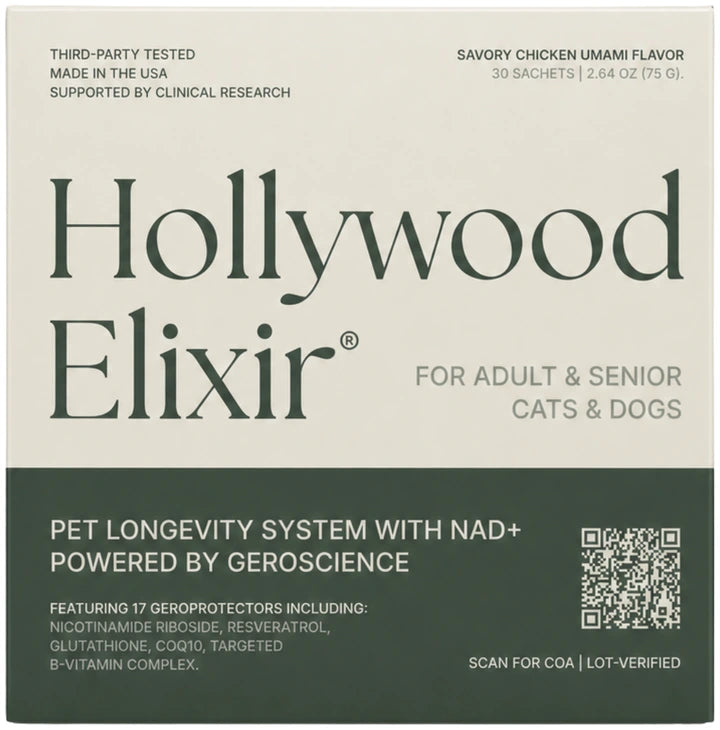
Is Hollywood Elixir™ a detox supplement for cats?

No. A “detox” framing is rarely helpful in feline medicine. The more realistic goal is supporting normal protective pathways while reducing exposures that keep those pathways busy.

If used, Hollywood Elixir™ is best viewed as part of a daily plan that supports normal aging biology, alongside practical steps like lowering fragrance and dust. Discuss fit and timing with a veterinarian for senior cats.

Can Hollywood Elixir™ be used with prescription medications?

Any supplement should be reviewed with the prescribing veterinarian, especially for cats on thyroid medication, asthma therapy, or kidney-related diets. Interactions are not always obvious, and seniors often have narrower margins for appetite or GI upset.

Bring the label and the full medication list to the appointment. If the veterinarian agrees it fits, Hollywood Elixir™ can be considered as a supportive layer, not a replacement for medical management.

What side effects should owners watch for with supplements?

The most common issues are digestive: softer stool, vomiting, reduced appetite, or food refusal due to taste. In older cats, even mild appetite disruption matters because it can quickly change hydration and calorie intake.

Start only when the cat is otherwise stable, and change one variable at a time. If any concerning signs appear, stop the new product and contact the veterinarian for guidance rather than trying to “push through”.

How do I decide if Hollywood Elixir™ fits my cat’s plan?

Decision-making works best in layers. First, remove high-frequency exposures (fragrance, aerosols, dust) and establish a tracking log. Second, confirm baseline health with age-appropriate screening so symptoms are not misattributed to the environment.

If the veterinarian agrees a supportive supplement is reasonable, Hollywood Elixir™ can be used as part of a daily plan that supports normal protective pathways involved in aging. Reassess with the same progress indicators after several weeks.

La Petite Labs

Discover LPL-01: How This Fits Into a Larger Feline Longevity System

Aging in cats unfolds quietly. It’s not driven by a single failure, but by gradual shifts across interconnected systems — cellular energy, oxidative balance, immune tone, and tissue integrity — each influencing the others over time.

This article explores one layer of that system. To understand what actually shapes long-term health, you need to step back and look at how these layers interact.

Start with the underlying science: