Detoxifying Your Cat from Household Toxins

Identify Common Home Toxins and Support Liver, Kidneys, Gut, and Skin Health

By La Petite Labs Editorial 15 min read

A cat that suddenly drools, vomits, wobbles, or hides after a normal day at home should be treated like a possible exposure problem, and a veterinarian should be called right away. The most helpful “detox” step is not a cleanse—it is stopping the source, documenting the timeline, and getting guidance on whether urgent decontamination or supportive care is needed. That decision is time-sensitive, and the details an owner provides can change what the clinic recommends.

Household toxins cats encounter are often ordinary: floor cleaners, pest products, human medications, diffusers, and residues that transfer to paws and fur. Because cats groom so efficiently, contact exposures can become ingestions within minutes. This page is built as a vet-visit prep toolkit: what to observe before leaving, what to record so the story is medically usable, which misconceptions to avoid (especially home vomiting or charcoal), and how to track recovery so the next 4–6 weeks become less variable. “Detox support for cats” is real when it means reducing exposure and protecting the body’s clearance pathways; it becomes unreliable when it turns into stacking products without a plan. A cat detox supplement, if used at all, belongs later—after the environment is safer and the cat’s change signals are being tracked consistently.

  • Detoxifying your cat from household toxins mainly means stopping exposure, documenting details, and getting timely veterinary guidance—not doing a cleanse.
  • Cats are vulnerable because grooming converts paw and coat contact into ingestion, so residues on floors and fur matter.
  • Use a room-by-room inventory (kitchen, bathroom, laundry, garage, living areas) to identify likely sources and prevent repeat scares.
  • Before the vet visit, observe breathing, neurologic function, vomiting/drooling, and the exact timeline of product use or access.
  • Avoid home decontamination shortcuts like inducing vomiting or giving charcoal unless a veterinarian confirms it is appropriate.
  • Track recovery for 4–6 weeks using appetite reliability, litterbox output, vomiting episodes, energy/jumping, and grooming intensity.
  • A cat detox supplement can fit later as steady daily support, but it should never replace exposure control or veterinary care.

When Something Feels off, Treat It Like Exposure

When a cat seems “off” after a normal day at home, the most useful first step is to assume exposure until proven otherwise and call a veterinarian. Cats process many chemicals through the liver and kidneys, but “detox” is not a cleanse; it is time, supportive care, and sometimes urgent decontamination when a toxin is still present in the gut or on the coat (Grave, 2010). The goal is to protect breathing, heart rhythm, hydration, and temperature while the body clears what it can.

A common trigger is a sudden change signal: drooling, hiding, wobbliness, or repeated vomiting after a cat licks a freshly cleaned floor or chews a plant. Household toxins cats encounter are often ordinary items—cleaners, pest products, human medications, essential oils, and certain foods. Before doing anything else, remove access, keep the cat calm and warm, and start writing down what was used, where, and when.

What “Detox Support” Really Means in Cat Biology

“Detox support for cats” is best understood as reducing ongoing exposure while giving the body slack to clear irritants safely. The liver transforms many compounds into forms that can be excreted in bile or urine, but that capacity has a ceiling—especially in small animals with fast heat and fluid shifts. If exposure is ongoing, no cat detox supplement can substitute for stopping the source.

A practical home rule is to treat the environment like a dosing device: what is sprayed, diffused, or left on surfaces can end up on paws and then in the mouth. Switch to unscented, pet-safer cleaning routines, store chemicals behind closed doors, and ventilate after any product use. If a product label lists “keep away from children and pets,” assume it can matter for cats, too.

The Most Common Household Toxin Categories in Real Life

Many poison-control datasets show that companion animals are repeatedly exposed to toxic agents in the home, and the categories are predictable: pesticides, rodenticides, human drugs, and household chemicals (Caloni, 2012). For cats, grooming turns skin and paw contact into ingestion, which is why “it was only on the floor” can still become a medical issue. The earlier a veterinarian can match a toxin category to a symptom pattern, the more reliable the plan becomes.

Room-by-room thinking helps: kitchen (dish pods, onions/garlic scraps, medications), bathroom (creams, cleaners), garage (antifreeze, solvents), laundry (pods, fragrance boosters), and living areas (diffusers, houseplants). Make a short list of what is used weekly and where it is stored. That list becomes the fastest way to answer the vet’s first question: “What could your cat have gotten into?”

Case Vignette: Drooling After Cleaning Products at Home

A realistic case vignette: a 9-year-old indoor cat starts drooling and pawing at the mouth an hour after the floors were cleaned and a citrus-scented spray was used on the couch. The owner notices the cat repeatedly licking paws, then vomiting foam, and becoming unusually quiet. In this scenario, the most important “detox” move is rapid triage and exposure control, not a home remedy (Grave, 2010).

While waiting for veterinary instructions, the owner can confine the cat away from the treated area, open windows, and prevent further grooming if the coat may be contaminated. If the product was on fur or paws, gentle bathing with lukewarm water (no harsh solvents) may be recommended by a clinic, but only after confirming the cat is stable enough to handle it. Bring the product bottle or a photo of the ingredient list to the appointment.

What to Observe Before You Call or Drive In

What to observe before the visit should focus on body systems that change quickly with toxins: neurologic status (wobbliness, tremors), breathing (rate, effort), and gastrointestinal signs (drooling, vomiting, diarrhea). In feline toxicological emergencies, stabilizing airway, breathing, and circulation comes first, and those observations help a clinic triage correctly (Grave, 2010). A clear timeline often matters as much as the symptom list.

Owner checklist (at home, before transport): (1) check gums for pale/blue color, (2) count breaths for 15 seconds and multiply by four, (3) note whether the cat can jump normally, (4) look for wet fur around the mouth or chemical odor on paws, and (5) confirm any access to bait stations, lilies, or human pills. Write down the last normal meal, last litterbox use, and any new product used in the last 24 hours.

“The best detox is stopping the dose and tightening the timeline.”

What to Record so the Vet Can Act Faster

What to record is the difference between a vague worry and a usable medical history. Include the suspected substance, estimated amount, route (licked, chewed, spilled on fur), and the time window. If a cat may have eaten a toxin recently, veterinarians may consider gastrointestinal decontamination strategies, but these are time- and toxin-dependent and not appropriate for every exposure.

Create a “toxin note” on a phone: photos of the label, the room where it happened, and any vomit or chewed packaging. Record whether the cat is still grooming, whether water intake changed, and whether the cat is seeking cool places or acting heat-intolerant. If multiple pets share the home, note whether any other animal is showing change signals; that can point toward an environmental source rather than a one-off ingestion.

Misconception: Home Charcoal and “Cleanses” Are Not Detox

A unique misconception is that “detoxifying your cat from household toxins” means giving activated charcoal or inducing vomiting at home. In reality, activated charcoal is not universally effective, and its usefulness depends on the poison, timing, and the cat’s ability to swallow safely (LCG, 2021). If a cat is sedate, seizuring, or at risk of aspiration, charcoal can create a second emergency.

Another common mistake is using oils, milk, or butter as a “binder.” These can worsen vomiting or delay proper care. The safer routine is simple: remove access, keep the cat from grooming if contamination is suspected, and call a veterinarian or poison hotline with the product details. “Detox support for cats” starts with decisions that prevent additional exposure in the next hour.

What Not to Do in the First Hour

What not to do (common, topic-specific mistakes): do not induce vomiting without veterinary direction, do not give activated charcoal without confirming it is appropriate, do not bathe a distressed cat if breathing is abnormal, and do not wait overnight “to see if it passes.” Inducing emesis is time-sensitive and depends on the toxin type; some exposures make vomiting dangerous (Tsitonakis, 2025). These choices can change outcomes more than any supplement.

Also avoid “fragrance stacking” in a small apartment: diffuser plus scented litter plus air freshener plus floor cleaner. Cats live close to the ground and groom frequently, so residue matters. If a product must be used, confine the cat to a separate, well-ventilated room until surfaces are dry and the odor is gone. When in doubt, choose unscented options and physical cleaning (soap and water) over sprays.

Vet Visit Prep: the Questions That Change the Plan

Questions to bring to the vet should be specific enough to guide triage and testing. Ask: “Based on these change signals and the timeline, is this more consistent with ingestion or skin exposure?” and “Is decontamination still useful at this point?” Veterinary guidance for suspected poisoning emphasizes early stabilization and targeted decontamination rather than generic cleansing. Clear questions help the clinic choose the safest next step.

Also ask: “What signs would mean an immediate return to the ER tonight?” and “What should be avoided at home while recovery is happening?” Bring the toxin note, photos, and a list of all supplements and flavored products the cat receives. If a cat detox supplement is already being used, the veterinarian needs the full label to check for ingredient overlap or unnecessary complexity during an acute event.

How Bloodwork Helps After Suspected Toxin Contact

What tests mean: in many toxin concerns, baseline bloodwork helps evaluate hydration, kidney filtration, liver enzymes, glucose, and electrolytes. Those values do not always identify the exact toxin, but they show whether the body’s clearance pathways are under strain and whether supportive fluids are needed. The point of testing is to make the plan more reliable—matching treatment intensity to the cat’s current stability rather than guessing.

Owners can help by sharing what “normal” looks like for that cat: typical appetite, usual water intake, and baseline litterbox output. If the cat has prior kidney or liver concerns, bring past lab results if available. Even when a toxin is suspected, the clinic may also consider other causes of sudden vomiting or lethargy; good records keep the focus on the most actionable possibilities.

“Cats turn surface residue into ingestion through grooming—plan for that.”

La Petite Labs

DVM Voice: Clinical Vignette of a Common Pattern in Senior Cat Aging

Case provided by JoAnna Pendergrass, DVM

Sasha, a 12-year-old cat, was brought in after her owner noticed increased thirst and urination, lethargy, vomiting, and a generally unkempt appearance. Examination showed weight loss, elevated blood pressure, and reduced vitality.

Diagnostic testing revealed elevated kidney markers, poorly concentrated urine, and protein loss in the urine — findings consistent with chronic kidney disease, one of the most common chronic conditions in senior cats.

Her care required a kidney-focused diet, blood pressure management, targeted supplementation, medication support, and regular monitoring — a necessary plan, but one started after clinical signs were already visible.

Clinical takeaway: Sasha’s case reflects why senior-cat wellness should begin before obvious decline. Earlier monitoring, body-condition tracking, hydration awareness, antioxidant support, and daily cellular resilience may help support quality of life as cats age.

Single-case vignette. Not generalizable. Veterinary diagnosis and monitoring are essential for increased thirst, urination, vomiting, lethargy, weight loss, or suspected kidney disease.

Explore Hollywood Elixir Research →
environmental exposure triage and recovery tracking - 9

When Decontamination Helps: Timing and Toxin Category

For certain ingestions, gastrointestinal decontamination can be a meaningful part of care, but it is not a universal “detox.” In a retrospective series of feline rodenticide exposures, cases were evaluated in relation to whether GI decontamination was performed, supporting the idea that early, appropriate decontamination can matter in specific scenarios (Walton, 2018). The key word is appropriate: the toxin category and the clock determine the risk–benefit.

At home, the most useful action is to preserve evidence: keep any chewed packaging, take photos of bait stations, and prevent further access. If rodenticides are used in or around the home, switch to tamper-resistant stations placed where cats cannot reach, and consider non-chemical control methods. “Household toxins cats” encounter often come from well-intended pest control that is too accessible.

environmental exposure triage and recovery tracking - 10

Coat and Paw Residues: the Hidden Ingestion Route

Dermal and coat exposures are easy to underestimate in cats because grooming turns contact into ingestion. Veterinary toxicology guidance highlights dermal decontamination as a core strategy when a substance is on the skin or fur, especially when the cat is actively licking. The goal is to stop the dose from continuing, not to “pull toxins out” of the body.

If a topical product, cleaner, or oil may be on the coat, the clinic may recommend bathing with mild dish soap and lots of rinsing, followed by keeping the cat warm. Avoid harsh solvents, concentrated essential oils, or “degreasers,” which can worsen irritation and increase absorption. After any bath, watch for shivering, hiding, or fast breathing—change signals that should be reported promptly.

environmental exposure triage and recovery tracking - 11

Longer-term Indoor Residues and Why Routines Matter

Secondary context: not every “toxin” concern is an acute poisoning. Indoor air and dust exposures can be persistent, and some contaminants linger even after the source is removed. For example, cat-derived allergens can persist in household dust for extended periods, showing how indoor residues can remain long after a change is made (Wood, 1989). This matters because a low-toxin home is built through routines, not one-time resets.

For owners, the actionable takeaway is cleaning strategy: HEPA vacuuming, damp dusting, and washing soft fabrics can reduce what settles and re-circulates. Choose low-odor, low-residue products and avoid spraying into the air. If a cat has asthma-like coughing or chronic irritation, bring a list of home fragrances and cleaning products to the vet; the pattern may point to an exposure that is easy to remove.

Supplement Stacking Risks: Vitamin D as a Caution

Vitamin D is a useful example of why “natural” does not mean safe. Cats can experience vitamin D toxicity from dietary sources, and reported cases show that excessive intake can cause serious illness (Crossley, 2017). This is not a reason to fear all supplements; it is a reason to treat dosing and ingredient overlap as medical details, especially when multiple products are combined.

In the home, the risk often comes from stacking: a fortified treat, a “natural” oil, and a multivitamin used together without a plan. Keep a single list of everything the cat eats, including toppers and chewables, and bring it to the vet. If a cat detox supplement is being considered, it should fit into the whole diet rather than sitting on top of it.

Building a Follow-up Plan That Protects Rebound Capacity

A follow-up plan after a toxin scare should be built around rebound capacity: hydration, appetite reliability, and steady neurologic function. Many cats look better, then relapse when nausea returns or when they resume grooming a contaminated area. The clinic may recommend rechecks or repeat labs depending on the exposure, because some injuries evolve over days rather than hours.

Set up a quiet recovery space with predictable food, fresh water, and a clean litterbox that is easy to monitor. Avoid introducing new foods, treats, or multiple new supplements during the first week; it becomes impossible to interpret change signals. If any vomiting returns, appetite drops, or breathing changes, contact the clinic with the original timeline and the new observations.

What to Track for 4–6 Weeks After Home Changes

What to track rubric (first 4–6 weeks after an exposure or home change): (1) appetite reliability at each meal, (2) water intake trend, (3) litterbox frequency and stool consistency, (4) vomiting or drooling episodes with timestamps, (5) energy and jumping behavior, and (6) coat condition and grooming intensity. Tracking turns “detox support for cats” into measurable decisions rather than guesswork.

Use a simple weekly note rather than constant monitoring. Owners should look for less variable days, not perfection. If a new cleaning routine or pest-control change was made, track whether symptoms correlate with specific rooms or times of day. Bring the log to rechecks; it helps a veterinarian decide whether the cat is recovering on schedule or needs a different workup.

Where a Cat Detox Supplement Fits (and Where It Doesn’t)

Where a cat detox supplement can fit is in daily support that does not pretend to be an antidote. After the acute risk is addressed, some owners choose broad nutritional support to help maintain normal liver and kidney function and cellular durability, especially in older cats with a lower ceiling for stress. The best use is slow and trackable: introduce one change at a time and watch for appetite, stool, and energy reliability.

This is also where expectations should be corrected: supplements do not “pull chemicals out,” and they do not cancel a hazardous home routine. The foundation remains a low-toxin environment, safe storage, and early veterinary contact when change signals appear. If a product is added, it should be part of a plan that also reduces household toxins cats are most likely to contact.

A Simple Readiness Kit for Faster, Cleaner Vet Handoffs

A practical, vet-friendly closeout is to keep a “toxin readiness kit” that improves the handoff: the poison hotline number, a carrier that is always accessible, a list of medications and supplements, and a photo album of product labels used at home. In suspected poisoning, rapid stabilization and correct decontamination choices are central, and time is often the limiting factor. Preparation makes the response more reliable.

Finally, make one lasting home change each month: lock up human medications, remove lilies, replace rodent bait with safer control, or stop using diffusers. These steps create slack for a cat’s natural clearance pathways and reduce repeat scares. “Detoxifying your cat from household toxins” becomes less about emergency reactions and more about building a home where exposures are less likely in the first place.

“Keep recovery simple so change signals stay interpretable.”

Educational content only. This material is not a substitute for veterinary advice. Always consult your veterinarian about your dog’s specific needs. These statements have not been evaluated by the Food and Drug Administration. Products mentioned are not intended to diagnose, treat, cure, or prevent any disease.

Glossary

  • Dermal exposure - A substance contacting skin or fur, often later ingested during grooming.
  • Gastrointestinal decontamination - Veterinary steps to limit absorption after ingestion (time- and toxin-dependent).
  • Activated charcoal - An adsorbent sometimes used by veterinarians to bind certain toxins in the gut.
  • Emesis - Induced vomiting; not appropriate for many feline exposures and requires veterinary direction.
  • Residue load - The amount of chemical film left on surfaces that can transfer to paws and fur.
  • Fragrance stacking - Using multiple scented products that increase airborne and surface exposure.
  • Change signals - Observable shifts (vomiting, drooling, wobbliness, hiding) that suggest a problem.
  • Rebound capacity - How well a cat returns to normal after a stressor without relapse.
  • Toxin note - A written timeline with photos of labels, amounts, and symptom progression for the vet.

Related Reading

References

Wood. The effect of cat removal on allergen content in household-dust samples. PubMed. 1989. https://pubmed.ncbi.nlm.nih.gov/2708734/

Walton. Retrospective evaluation of feline rodenticide exposure and gastrointestinal decontamination: 146 cases (2000-2010). PubMed. 2018. https://pubmed.ncbi.nlm.nih.gov/30129699/

LCG. Systematic review on the use of activated charcoal for gastrointestinal decontamination following acute oral overdose. PubMed. 2021. https://pubmed.ncbi.nlm.nih.gov/34424785/

Tsitonakis. Inducing emesis in Australian dogs and cats: agents, adverse effects and antiemetic administration. PubMed. 2025. https://pubmed.ncbi.nlm.nih.gov/40326551/

Caloni. Animal poisoning in Italy: 10 years of epidemiological data from the Poison Control Centre of Milan. 2012. https://www.mdpi.com/2305-6304/10/4/165

Grave. Feline toxicological emergencies: when to suspect and what to do. PubMed Central. 2010. https://pmc.ncbi.nlm.nih.gov/articles/PMC11220931/

Crossley. Vitamin D toxicity of dietary origin in cats fed a natural complementary kitten food. PubMed Central. 2017. https://pmc.ncbi.nlm.nih.gov/articles/PMC5731632/

FAQ

What does detox mean for cats in real terms?

For cats, “detox” means the body processing and clearing compounds through the liver, kidneys, gut, and lungs, while supportive care keeps the cat stable. It is not a purge or a cleanse.

The practical version is stopping exposure, documenting what happened, and letting a veterinarian decide whether decontamination or monitoring is safest. That approach creates a more reliable outcome than adding multiple home remedies.

Which household toxins are cats most likely to encounter?

Household toxins cats commonly contact include human medications, rodenticides, insecticides, cleaning sprays, concentrated fragrances, and certain plants. Cats are also exposed through residues on floors and furniture because paws and coats get groomed.

A useful prevention step is a room-by-room inventory of what is used weekly and where it is stored. That list also becomes the fastest way to answer a veterinarian’s questions during an urgent call.

When should a vet be called for possible toxin exposure?

Call promptly if there is drooling, repeated vomiting, wobbliness, tremors, unusual hiding, trouble breathing, or known access to a risky product. Early triage matters because some decontamination options are time-sensitive.

Even if signs seem mild, a clear timeline and product label can help a clinic decide whether home monitoring is reasonable or whether the cat needs same-day care.

Is vomiting a reliable sign of poisoning in cats?

Vomiting can occur with toxin exposure, but it is not specific. Cats vomit for many reasons, and some toxins cause neurologic or breathing signs without much vomiting.

What makes vomiting more concerning is the context: a new product used in the home, chewed packaging, drooling, weakness, or a sudden change in behavior. Those details help a veterinarian interpret the symptom correctly.

Should activated charcoal ever be given at home?

Activated charcoal is not universally effective, and it is not safe for every situation. Its usefulness depends on the toxin, timing, and whether the cat can swallow without aspiration risk(LCG, 2021).

Because the wrong use can create complications, charcoal should only be given when a veterinarian or poison professional confirms it is appropriate and provides specific instructions.

Is it safe to induce vomiting in cats at home?

Inducing vomiting is not a routine home step for cats. It is time-sensitive and depends on what was ingested; some exposures make vomiting dangerous(Tsitonakis, 2025).

If a veterinarian thinks emesis is appropriate, they will guide the safest approach. Without that guidance, the better choice is to prevent further exposure and transport the cat for evaluation.

What information should be recorded before going to the clinic?

Record the suspected substance, the time window, the route (licked, chewed, spilled on fur), and any estimate of amount. Take photos of labels and any chewed packaging.

Also note the first change signal observed and how it progressed. A clean timeline helps a veterinarian decide whether decontamination is still useful and which tests are most informative.

How do vets decide on decontamination versus monitoring?

Veterinarians weigh the toxin category, time since exposure, current stability, and the risk of complications. In feline toxicological emergencies, stabilization comes first, then targeted decontamination when it is likely to help.

If the exposure is uncertain or the cat is already showing significant neurologic or breathing changes, monitoring and supportive care may be safer than aggressive GI steps.

Do cats need different detox support than dogs?

Yes. Cats groom more intensely, so skin and paw contact becomes ingestion more often. They also tend to hide illness, which can delay recognition of change signals.

That means prevention focuses heavily on residue control (floors, countertops, fabrics) and on fast documentation when something seems wrong. “Detox” decisions should be cat-specific and veterinarian-guided.

Can essential oils and diffusers affect cats over time?

They can contribute to ongoing exposure because oils settle on surfaces and fur, and cats then groom. Even when a scent seems mild to people, a cat’s close-to-the-ground lifestyle increases contact.

A low-toxin home approach is to avoid diffusers, use unscented cleaning products, and ventilate well. If coughing, drooling, or lethargy correlates with fragrance use, that pattern is worth discussing with a veterinarian.

What should be tracked after a toxin scare?

Track appetite reliability, water intake trend, litterbox output, vomiting or drooling episodes, energy/jumping, and grooming intensity. These markers show whether recovery is becoming less variable over time.

A weekly log is usually enough. If symptoms cluster around certain rooms or after specific products are used, that correlation can reveal an ongoing exposure that needs to be removed.

How long does it take a cat to clear a toxin?

There is no single timeline. Clearance depends on the substance, dose, route, and the cat’s hydration and organ function. Some exposures resolve quickly once the source is removed, while others can cause delayed effects.

The most useful approach is to follow the veterinarian’s recheck guidance and track change signals for several weeks. If appetite, breathing, or neurologic function becomes less reliable again, the clinic should be updated.

Can a cat detox supplement replace exposure control?

No. A cat detox supplement can only be considered after the source is removed and the cat is stable. Supplements do not cancel a hazardous routine like accessible cleaners, bait, or diffused fragrances.

If a supplement is used, it should support normal function as part of a broader plan: safer storage, residue control, and a clear response plan for future exposures.

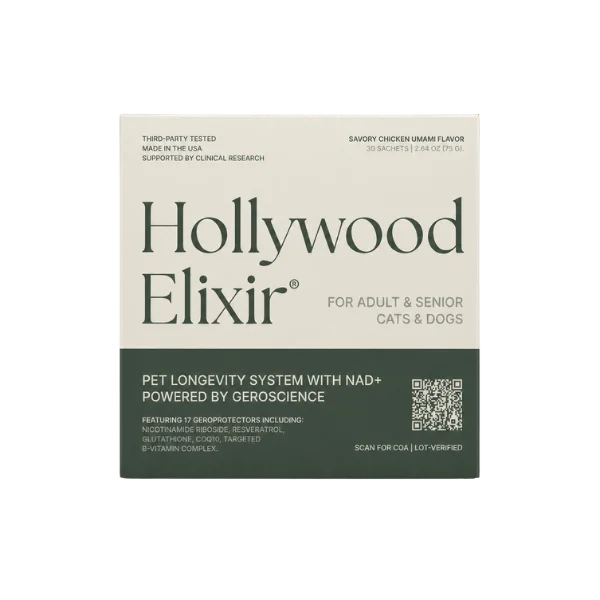
How might Hollywood Elixir™ fit into a low-toxin plan?

After acute concerns are addressed, some owners use broad daily support to help maintain normal cellular function and durability. Hollywood Elixir™ is positioned as part of a consistent routine, not as a toxin antidote.

The most reliable way to evaluate fit is to introduce one change at a time and track appetite, stool, and energy over 4–6 weeks. A veterinarian can also check for ingredient overlap with the cat’s current diet.

Are “natural” supplements ever a toxin risk for cats?

They can be, especially when multiple products are stacked. Vitamin D toxicity has been reported in cats from dietary sources, showing that excessive intake can cause serious illness(Crossley, 2017).

The safest approach is to keep a single list of everything the cat eats, including treats and toppers, and review it with a veterinarian. This keeps “detox support for cats” from becoming accidental over-supplementation.

What quality signals matter when choosing a supplement for cats?

Look for clear labeling, consistent dosing instructions, and a complete ingredient list that can be shared with a veterinarian. Avoid products that promise a “cleanse,” “purge,” or rapid toxin removal.

A good fit is one that supports normal function and can be used consistently without creating a long, confusing stack. The goal is a plan that is less variable and easy to track.

Can Hollywood Elixir™ be used daily for ongoing support?

Daily use is a reasonable discussion when the goal is steady support rather than an acute response. Hollywood Elixir™ is intended to support normal cellular function as part of a broader routine.

The most useful way to judge whether it fits is to keep everything else stable and track change signals for 4–6 weeks. Any vomiting, appetite disruption, or stool changes should be shared with a veterinarian.

What side effects should be watched for with new supplements?

The most common early issues are gastrointestinal: softer stool, vomiting, reduced appetite, or food refusal due to smell or texture. Behavior changes like hiding or restlessness can also be meaningful change signals.

Introduce only one new product at a time so the cause is identifiable. If a cat is recovering from suspected toxin exposure, keep the plan simple until appetite and litterbox output are reliable again.

How should supplements be given to picky cats safely?

Use the smallest workable volume, mix thoroughly into a familiar food, and avoid forcing a cat that is nauseated or stressed. Forced dosing can create aversion that makes recovery feeding harder.

If a liquid is used, measure carefully and keep the routine consistent. If the cat refuses food after mixing, stop and ask a veterinarian about alternate administration rather than escalating flavors and additives.

Can supplements interact with medications after toxin treatment?

They can, especially if the cat is on nausea medications, liver-support prescriptions, or other ongoing therapies. Ingredient overlap and timing can matter, and some products can complicate interpretation of new symptoms.

Bring the full supplement label to the clinic and ask whether it should be paused during recovery. A simpler plan is often more reliable until the cat’s appetite and stool are stable.

What questions should be asked about detox support at the vet?

Ask which exposure sources are most plausible, whether any decontamination is still useful, and what change signals require an urgent return. Also ask whether baseline labs should be rechecked and on what timeline.

If considering a cat detox supplement, ask how it fits with the cat’s diet and whether it adds unnecessary complexity. The best plan is one that supports recovery while keeping monitoring straightforward.

Is there research support for decontamination in feline poisonings?

Yes, but it is context-specific. Veterinary guidance emphasizes stabilization first and then targeted decontamination based on toxin type and timing.

For example, feline rodenticide exposure cases have been evaluated in relation to whether GI decontamination was performed, supporting the idea that early, appropriate action can matter in certain scenarios(Walton, 2018). This does not translate into a universal home protocol.

How can Hollywood Elixir™ be discussed during a toxin-prevention visit?

A prevention visit is a good time to review the full diet, exposure risks, and what “detoxifying your cat from household toxins” realistically means. If a daily support product is being considered, share the label and the reason for adding it.

A veterinarian can help decide whether Hollywood Elixir™ supports the cat’s overall plan without creating overlap or confusion during monitoring. The goal is a routine that is consistent and trackable.

La Petite Labs

Discover LPL-01: How This Fits Into a Larger Feline Longevity System

Aging in cats unfolds quietly. It’s not driven by a single failure, but by gradual shifts across interconnected systems — cellular energy, oxidative balance, immune tone, and tissue integrity — each influencing the others over time.

This article explores one layer of that system. To understand what actually shapes long-term health, you need to step back and look at how these layers interact.

Start with the underlying science: