Liver Health for Cats

Protect Appetite, Understand Bile Flow, and Keep Digestion and Energy Predictable

Essential Summary

Why is supporting cat liver health important?

Feline liver function depends on steady calories, bile flow, and a manageable inflammation load. The fastest way to narrow a cat’s repair window is appetite loss. A supportive plan focuses on predictable eating, careful supplement choices, and early veterinary guidance when intake changes.

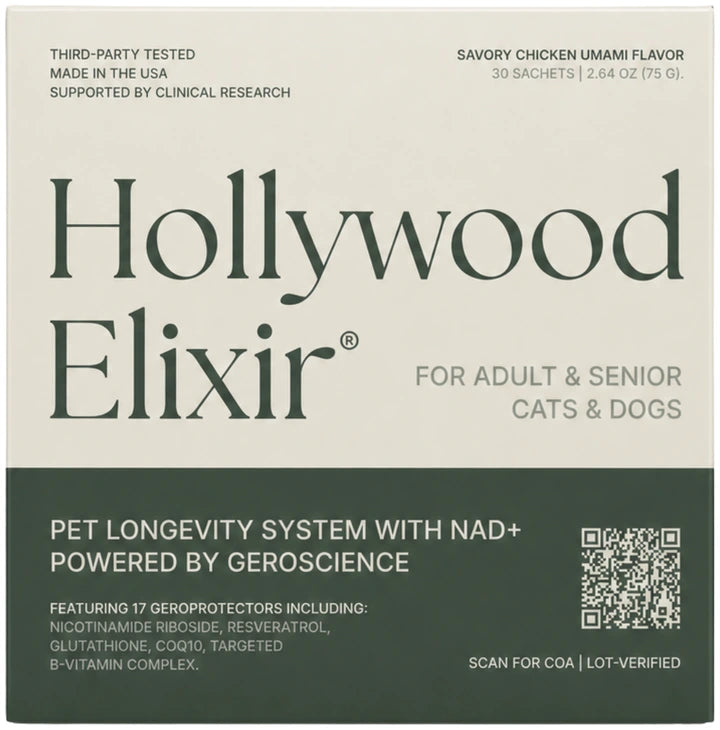
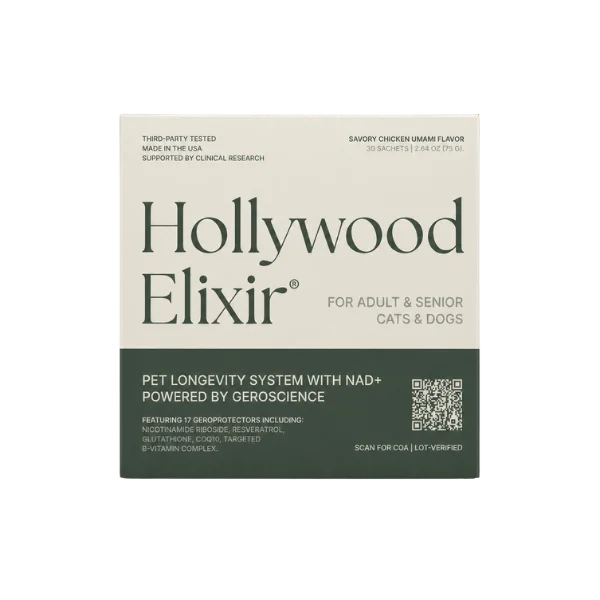
Hollywood Elixir™ can be part of a daily plan that supports normal metabolic stability and healthy aging routines. For cats, it fits best after appetite is reliable and a veterinarian has assessed any liver or biliary concerns, so supportive layers do not distract from diagnosis or feeding priorities.

Many owners are told their cat has “liver issues” and immediately think the answer is a detox. The more accurate, more urgent reality is that cats often get into trouble when appetite drops—because not eating can quickly narrow the liver’s repair window and raise the risk of hepatic lipidosis. Supporting cat liver health starts with protecting calories and hydration while a veterinarian identifies what’s driving the change.

The liver’s day-to-day work is practical: it processes nutrients, helps manage inflammation signals, and produces bile that supports digestion. In cats, the biliary system is frequently part of the story, so nausea, vomiting, and stool changes may matter as much as lab values. Bloodwork is important, but different hepatobiliary diseases can produce different biochemical patterns, which is why a single “liver number” rarely settles the question.

This page focuses on two clinical priorities that change owner decisions: appetite protection (to avoid hepatic lipidosis) and bile-related disease patterns (to avoid missing cholangitis and related problems). It also clarifies where feline liver function support and cat liver health supplements can fit as supportive layers—after the basics are stable and the diagnostic plan is clear.

By La Petite Labs Editorial, ~15 min read

Featured Product:

  • Supporting cat liver health starts with appetite: reduced eating can become urgent in cats.
  • “Detox” is the wrong frame; the liver’s core work is nutrient handling and bile-related digestion.
  • Hepatic lipidosis risk rises when cats lose weight quickly or stop eating, so calories matter early.
  • Different hepatobiliary diseases create different lab patterns, so one “liver value” is not enough.
  • Home observations that help most: meal-by-meal intake, vomiting timing, stool color, and weight trend.
  • Avoid stacking supplements, especially fat-soluble vitamins; chronic vitamin A excess can be harmful.
  • Cat liver health supplements can be supportive layers, but only after diet stability and veterinary direction.

The Detox Myth That Delays Real Liver Help

A common myth is that “supporting the liver” means buying a detox product and waiting. In cats, liver function is less about flushing toxins and more about keeping a narrow range of essential jobs running: processing nutrients, moving bile, and managing inflammation signals. When those jobs slip, cats often show it first through appetite and behavior, not dramatic jaundice. Patterns on routine bloodwork can differ by the underlying hepatobiliary problem, which is why a single “liver number” rarely tells the whole story (Kam, 2025).

At home, the most useful early clue is a shift in eating: smaller meals, longer pauses at the bowl, or sudden pickiness. Owners can also notice quieter play, hiding, or a new sensitivity to being picked up around the belly. Supporting cat liver health starts with treating appetite change as time-sensitive, because cats have a smaller repair window when calories drop. The goal is calmer, more predictable intake while the cause is identified.

Close-up mitochondria render visualizing cellular resilience supported by supporting cat liver health.

What the Feline Liver Does Beyond “Detox”

The liver is a metabolic “switchboard,” routing amino acids, fats, and vitamins into usable forms and packaging waste for safe exit. In cats, that routing is tightly tied to bile flow and the biliary tree, so inflammation in and around bile ducts can be a central driver of illness rather than a side detail (Callahan Clark, 2011). This is why feline liver function support often overlaps with gut comfort, hydration, and consistent feeding—because bile is part of digestion, not a separate detox lane.

A practical household shift is to think “digestion plus energy” instead of “cleanse.” If stools become pale, greasy, or unusually smelly, or if vomiting follows meals more than once, those observations matter. Keep mealtimes calm and predictable, and avoid sudden diet pivots that can destabilize intake. When owners can describe what happens before and after meals, the veterinary handoff becomes faster and more accurate.

Molecular science graphic tied to healthy aging support from cat liver health supplements.

Why Not Eating Can Trigger Hepatic Lipidosis

The highest-stakes liver emergency many owners don’t anticipate is hepatic lipidosis: when a cat stops eating, the body mobilizes fat rapidly, and the liver can become overwhelmed processing it. This risk is closely linked to negative energy balance and rapid weight loss, which is why “just let her skip meals” is not a safe waiting strategy (Szabo, 2000). For cats, protecting intake is often the first medical priority even before a final diagnosis is reached.

Owners can act early by setting a simple rule: if a cat eats markedly less for a full day, or stops eating entirely, it warrants a call. Warm food slightly, offer a strong-smelling option, and reduce competition at the bowl, but avoid forcing food into a stressed cat. Supporting cat liver health in real life often looks like preventing a calorie crash while arranging timely veterinary evaluation.

Molecular design image tied to antioxidant pathways supported by supporting cat liver health.

Why One “Liver Value” Rarely Tells the Story

Not every “liver issue” is the same problem. Some cats have primarily biliary inflammation, some have more diffuse liver cell injury, and some have secondary changes from other illnesses. In a cohort of cats with hepatobiliary disease, different conditions lined up with different biochemical patterns rather than one uniform profile, reinforcing why interpretation needs context and follow-up testing (Kam, 2025). This is also why cat liver health supplements should be framed as supportive layers, not as substitutes for diagnosis.

At home, “context” means noting what else changed: a new medication, a recent dental, a stressful move, or a diet switch. Owners can write down when appetite dipped, whether water intake changed, and whether vomiting or diarrhea appeared first. These details help a veterinarian decide whether to prioritize imaging, bile acids, infectious workups, or supportive feeding. Better notes create a wider buffer for decision-making.

Pug looking up, symbolizing trust and attentive care supported by cat liver health supplements.

Case Vignette: the Picky Cat Who Needed Faster Action

Case vignette: A 10-year-old indoor cat becomes “picky” after a weekend of houseguests. By day three, she’s eating only treats, sleeping more, and vomits foam once. The owner assumes it’s stress and plans to wait it out, but the real risk is that reduced intake can quickly narrow the liver’s repair window in cats, especially if weight loss begins.

In this scenario, the most helpful next step is not a cleanse—it’s a same-day call to discuss appetite support and evaluation. Owners can bring a photo of the food label, list any supplements, and note the last normal meal. If a veterinarian recommends an appetite strategy or assisted feeding plan, following it closely can keep the situation calmer and more predictable while diagnostics proceed.

Hollywood Elixir™ is amazing and makes my 13 y/o kitty young again!

— Jessie

She hopped up onto the windowsill again—first time in years.

— Charlie

“In cats, appetite is a vital sign, not a preference.”

Owner Checklist: Subtle Signs Worth Taking Seriously

Owner checklist: early, observable signs that can point toward a liver or biliary problem are often subtle. Watch for (1) eating less than usual or taking longer to finish meals, (2) repeated lip-smacking or drooling after sniffing food, (3) vomiting that clusters around mealtimes, (4) new hiding or irritability when the abdomen is touched, and (5) yellow tint to the whites of the eyes or gums. These are not diagnostic, but they are actionable signals.

The household routine that helps most is consistency: same feeding location, same bowl, and minimal “sampling” of many foods in one day. If a cat is nauseated, frequent food changes can create aversions that persist even after the medical issue is addressed. Supporting cat liver health often starts with protecting the cat’s relationship with food while the veterinarian looks for the cause.

Dog headshot symbolizing resilience and calm energy supported by supporting cat liver health.

What to Track Between Visits for Clearer Trends

What to track between vet visits should be concrete enough to spot drift early. Useful progress indicators include daily calorie intake estimate, number of vomiting episodes, stool color (normal brown vs pale/gray), body weight trend, water intake changes, and energy/play interest. Add one “comfort note,” such as whether the cat seeks warmth or isolates. These markers help a veterinarian judge whether the plan is widening the buffer or whether the situation is becoming more erratic.

A simple log can be a phone note with timestamps and photos of food bowls before and after meals. Owners should also record any new treats, flavored medications, or supplements because small additions can change appetite or stool. When supporting feline liver function support goals, the best tracking is boring and repeatable—so changes stand out clearly.

Dog in profile against soft background, showing calm attention with feline liver function support.

Misconception: More Vitamins Means Better Liver Support

A unique misconception is that “liver support” equals high-dose vitamins, especially vitamin A, because it is associated with skin and vision. Cats are unusually vulnerable to chronic vitamin A oversupplementation, which has been linked to skeletal and hepatic changes consistent with toxicity (Corbee, 2014). This matters because many owners combine a complete diet with multiple add-ons, unintentionally stacking fat-soluble vitamins that the body cannot simply flush away.

A safer household approach is to treat supplements like medications: list them, measure them, and avoid doubling up across products. If a cat is already eating a complete commercial food, “more vitamins” is rarely the missing piece. Supporting cat liver health is usually about stable intake, targeted veterinary guidance, and avoiding avoidable exposures that narrow flexibility over time.

Supplement overview graphic emphasizing quality ingredients aligned with cat liver health supplements.

What Not to Do When Liver Enzymes Are Elevated

What not to do: common mistakes tend to cluster around urgency and diet. Avoid (1) waiting several days to see if appetite returns, (2) attempting rapid weight loss in an overweight cat during a liver scare, (3) switching foods repeatedly in a single week, and (4) giving leftover human medications for nausea or pain without veterinary direction. Rapid weight loss and negative energy balance are specifically tied to hepatic lipidosis risk in cats (Szabo, 2000).

Also avoid “detox” products that promise dramatic results; they can distract from the real goal: keeping calories and hydration steady while the cause is identified. If a change is needed, change one variable at a time, then reassess. That approach keeps the picture clearer for the veterinarian and reduces the chance of creating new food aversions.

Vet Visit Prep: Questions That Speed up Answers

Vet visit prep is most effective when it anticipates the questions a clinician must answer: is this primarily liver, biliary, or secondary disease; is the cat stable; and is nutrition at risk. Bring notes on the last normal meal, any weight change, and whether vomiting preceded appetite loss. Ask: “How urgent is assisted feeding to prevent hepatic lipidosis?” “Which bloodwork changes matter most in this pattern?” and “Do you recommend imaging of the liver and gallbladder?” Biochemical profiles can point in different directions depending on the condition, so targeted questions help (Kam, 2025).

Owners should also mention all supplements and treats, even if they seem harmless. If the cat is difficult to medicate, say so—administration barriers can shape the plan. Supporting cat liver health is a team effort, and the best plans fit the household’s real constraints so care stays calmer and more predictable.

“A detox mindset can delay the one thing that protects the repair window.”

Research-style uniform highlighting scientific integrity aligned with supporting cat liver health.

Why Random Homemade Diets Can Backfire

Nutrition is often where good intentions go sideways. Home-prepared diets can be appealing during illness, but analyses of recipes for dogs and cats have found many are not complete and balanced, with inappropriate mineral levels and even measurable heavy metals in some cases (Pedrinelli, 2019). For a cat with suspected liver stress, gaps or excesses can narrow the repair window by destabilizing appetite, stool quality, and overall nutrient handling.

If home cooking is important to the household, it should be done with a veterinary nutritionist formulation rather than internet recipes. Otherwise, a consistent commercial diet that the cat reliably eats is often the most protective choice in the short term. Supporting feline liver function support goals frequently means choosing the “boring” option that keeps intake predictable.

Shop Now
Ingredient spread with supplement box highlighting formulation depth behind supporting cat liver health.

Nutrition Priorities When Appetite Is Fragile

Owners often worry that protein is “hard on the liver,” but the more immediate risk in cats is inadequate calories and muscle loss when appetite is poor. Research in cats with early chronic kidney disease shows that diets with higher caloric density and targeted amino acids can help maintain body weight and lean mass, illustrating how strategic nutrition can protect body condition when illness threatens intake (Hall, 2019). While kidney disease is a different diagnosis, the principle carries over: maintaining nourishment supports the body’s flexibility during stress.

In practice, this means prioritizing foods the cat will eat, then refining the plan with the veterinarian once diagnostics clarify the liver picture. Small, frequent meals can be easier than one large portion. Cat liver health supplements are best considered after the foundation—calories, hydration, and a stable diet—has been secured.

Shop Now
Lifestyle image showing supplement use in real homes supported by feline liver function support.

Bile Flow: the Overlooked Link to Digestive Signs

Bile flow is a practical lens for owners because it connects liver function to visible digestion changes. When bile movement is disrupted, cats may show nausea, poor appetite, and intermittent vomiting, and some develop jaundice. Cholangitis, an inflammatory condition of the biliary system, is a well-described component of feline hepatobiliary disease rather than a rare curiosity (Callahan Clark, 2011). That reality is why “stomach upset” that persists can deserve a liver-and-bile conversation.

At home, note whether vomiting is bile-stained (yellow) or foamy, and whether it happens on an empty stomach or after meals. Keep litter box observations specific: stool color and frequency, not just “normal.” Supporting cat liver health includes noticing these patterns early so the veterinarian can decide whether imaging or additional bile-related testing is appropriate.

Shop Now

Where Cat Liver Health Supplements Fit (and Don’t)

When owners look for feline liver function support, it helps to separate “supporting normal function” from “treating disease.” Antioxidant and nutrient blends can be part of a daily plan that supports normal metabolic handling and cellular stability, but they do not replace diagnostics for infection, obstruction, or inflammatory disease. The most responsible role for cat liver health supplements is as an adjunct once a veterinarian has defined the problem and the cat is reliably eating.

A practical way to use supplements is to introduce only one at a time and log appetite, stool, and vomiting for two weeks. If anything becomes more erratic, stop and report it rather than layering additional products. Supporting cat liver health works best when the plan stays simple enough to evaluate.

How Hollywood Elixir Fits a Calmer Daily Routine

Hollywood Elixir™ is best positioned as a supportive layer for owners who want a structured daily routine around healthy aging while keeping liver goals realistic. In the context of supporting cat liver health, a multi-ingredient formula can contribute to overall metabolic stability and help owners stay consistent with “one plan” rather than rotating many bottles. Consistency matters because it keeps the cat’s intake calmer and makes changes easier to interpret.

The most important guardrail is to treat any supplement as optional until appetite is stable and a veterinarian has assessed the situation. If a cat is nauseated, adding new flavors can create long-term aversions, so timing and palatability matter. Used thoughtfully, a supportive product fits into the broader goal: widen the buffer with predictable routines, then reassess.

Comparison layout showing ingredient quality differences relevant to cat liver health supplements.

Secondary Causes That Can Mimic Liver Trouble

Secondary context: other conditions can make liver enzymes look abnormal without the liver being the primary problem. Dehydration, intestinal disease, pancreatitis, endocrine shifts, and medication effects can all complicate the picture, which is why follow-up testing and imaging are sometimes needed. In cats, the liver and biliary system sit close to the gut, and inflammation can overlap across organs, making “one-cause” thinking unreliable (Callahan Clark, 2011).

For owners, the takeaway is to avoid self-diagnosis based on a single lab value or a single symptom. The better question is: is the cat eating, hydrated, and comfortable today, and is the trend becoming more predictable or more erratic? That framing supports clearer decisions while the veterinarian sorts primary from secondary drivers.

Shop Now
Open package showing attention to detail consistent with cat liver health supplements standards.

A Simple Decision Framework for Worried Owners

A practical decision framework can keep worry from turning into scattered actions. First, protect intake: if eating drops, escalate quickly. Second, reduce variables: keep diet consistent and pause nonessential add-ons. Third, document patterns: appetite, vomiting, stool color, and energy. Finally, coordinate: ask the veterinarian what “stable enough at home” means for this cat and what changes should trigger an urgent recheck.

This framework also clarifies where supportive products fit: after the basics are stable, and only if they do not disrupt eating. Supporting feline liver function support goals is less about chasing a perfect supplement and more about creating a calmer, more predictable daily plan that the cat will accept.

Shop Now

Closing Checklist: Protect Intake, Then Reassess

The most owner-relevant truth about liver health for cats is that appetite is a vital sign. The liver’s jobs are essential, but the cat’s willingness to eat is often the earliest, most actionable indicator that those jobs are under strain. Myths about detox can delay the one intervention that protects the repair window: timely veterinary guidance paired with stable calories and hydration.

A closing checklist can keep the plan grounded: confirm daily intake, weigh weekly during any appetite wobble, avoid rapid weight loss, list every supplement, and bring a short log to rechecks. If a supportive product is used, introduce it slowly and track the same progress indicators. Supporting cat liver health is a process of fewer, clearer steps—then reassess.

“Track fewer signals, but track them consistently between visits.”

Educational content only. This material is not a substitute for veterinary advice. Always consult your veterinarian about your cat’s specific needs. These statements have not been evaluated by the Food and Drug Administration. Products mentioned are not intended to diagnose, treat, cure, or prevent any disease.

Glossary

  • Hepatic lipidosis - A serious condition where fat accumulates in the liver after reduced food intake.
  • Bile - A digestive fluid made by the liver that helps process fats and carry certain waste products.
  • Cholangitis - Inflammation of the biliary system (bile ducts) that can be part of feline hepatobiliary disease.
  • Hepatobiliary - Refers to the liver and the bile ducts/gallbladder as a connected system.
  • Jaundice (icterus) - Yellow discoloration of tissues caused by bilirubin buildup.
  • Bilirubin - A pigment from red blood cell breakdown that is processed and excreted via bile.
  • ALT/ALP - Common blood enzymes that can change with liver or biliary stress; they are not a diagnosis by themselves.
  • Assisted feeding - Veterinary-guided strategies (including feeding tubes when needed) to protect calorie intake.
  • Fat-soluble vitamins - Vitamins (A, D, E, K) stored in the body; excess can accumulate and cause harm.

Related Reading

References

Pedrinelli. Concentrations of macronutrients, minerals and heavy metals in home-prepared diets for adult dogs and cats.. PubMed Central. 2019. https://pmc.ncbi.nlm.nih.gov/articles/PMC6736975/

Hall. Cats with IRIS stage 1 and 2 chronic kidney disease maintain body weight and lean muscle mass when fed food having increased caloric density, and enhanced concentrations of carnitine and essential amino acids.. PubMed Central. 2019. https://pmc.ncbi.nlm.nih.gov/articles/PMC6589452/

Szabo. Influence of dietary protein and lipid on weight loss in obese ovariohysterectomized cats.. PubMed. 2000. https://pubmed.ncbi.nlm.nih.gov/10803653/

Callahan Clark. Feline cholangitis: a necropsy study of 44 cats (1986-2008).. PubMed Central. 2011. https://pmc.ncbi.nlm.nih.gov/articles/PMC10822413/

Kam. Retrospective study of biochemical profile changes in 93 cats with different hepatobiliary diseases.. PubMed Central. 2025. https://pmc.ncbi.nlm.nih.gov/articles/PMC12141792/

Corbee. Skeletal and hepatic changes induced by chronic vitamin A supplementation in cats. 2014. https://www.sciencedirect.com/science/article/abs/pii/S1090023314003980

FAQ

What does the liver actually do for a cat?

A cat’s liver helps process nutrients from food, packages waste for safe removal, and produces bile that supports digestion. It also plays a role in managing inflammation signals and storing certain vitamins and minerals.

Because these jobs are tied to eating and digestion, early liver or biliary stress often shows up as appetite change, nausea, or vomiting rather than obvious “toxins.” Tracking meal patterns and stool changes can provide useful context for a veterinarian.

Is “detoxing” the liver a real goal for cats?

“Detox” is a misleading shortcut. Supporting cat liver health is usually about keeping essential liver tasks functioning within a normal range: digestion support through bile, nutrient handling, and a stable internal environment.

The more urgent, practical goal is preventing a calorie crash. If a cat is eating less, the priority is timely veterinary guidance and a feeding plan that keeps intake calmer and more predictable, rather than adding multiple “cleanse” products.

Why is appetite loss such a big liver risk in cats?

Cats can develop hepatic lipidosis when they stop eating and the body mobilizes fat quickly. The liver may struggle to process that fat load, which can rapidly narrow the repair window and make a cat feel even more nauseated(Szabo, 2000).

If a cat eats markedly less for a day, or stops eating, it’s reasonable to call the veterinarian promptly. Early appetite support and a stable feeding approach can be more protective than waiting for the problem to “pass.”

What are early signs of liver or bile trouble at home?

Early signs are often subtle: smaller meals, sniffing food and walking away, lip-smacking, drooling, or vomiting that clusters around mealtimes. Some cats become withdrawn or hide more.

Also watch stool color (very pale or gray can matter) and any yellow tint to the eyes or gums. These observations don’t diagnose the cause, but they help a veterinarian decide how urgently to evaluate the liver and biliary system.

What should be logged between vet visits for liver concerns?

Useful progress indicators include estimated daily intake, vomiting frequency and timing, stool color, weekly weight, and energy/play interest. Add notes on water intake changes and whether the cat is isolating.

A short, repeatable log is better than a complicated tracker. When supporting feline liver function support goals, consistent notes make it easier to see whether the plan is becoming calmer and more predictable or drifting in the wrong direction.

Can bloodwork confirm a specific liver disease by itself?

Bloodwork can show that something is abnormal, but it often cannot name the exact cause on its own. Different hepatobiliary conditions in cats can produce different biochemical patterns rather than one uniform “liver profile”.

That’s why veterinarians may recommend follow-up testing, imaging, or repeat labs after supportive care. Owners can help by bringing a symptom timeline and a list of all foods, treats, and supplements.

How is bile related to liver health in cats?

Bile is produced by the liver and travels through the biliary system to help digest fats and carry certain waste products out of the body. In cats, biliary inflammation can be a central part of hepatobiliary disease, not a minor detail.

At home, vomiting patterns and stool color can provide clues worth sharing. If signs persist, the veterinarian may discuss imaging of the liver and gallbladder to better understand bile flow and inflammation.

Are cat liver health supplements a substitute for veterinary care?

No. Supplements can support normal function, but they cannot replace diagnosis and treatment when a cat has infection, obstruction, significant inflammation, or hepatic lipidosis risk.

The safest sequence is: stabilize eating and hydration, complete the recommended workup, then discuss whether a supportive supplement layer fits the plan. This approach keeps the picture clearer and avoids delaying urgent care.

When might Hollywood Elixir™ fit into a liver-support plan?

Once a cat is eating reliably and a veterinarian has assessed the concern, Hollywood Elixir™ can be considered as a supportive layer in a daily routine. The goal is to support normal metabolic stability rather than chase dramatic, short-term changes.

It should be introduced slowly and treated as one variable at a time, with appetite and stool logged. If nausea is present, timing matters—new flavors can create aversions that outlast the illness.

How long does it take to see changes from supportive supplements?

For supportive products, changes are usually gradual and best judged by progress indicators rather than expectations of a quick turnaround. Appetite stability, fewer vomiting episodes, and more predictable stools are often more meaningful than a single “energy” impression.

If a cat is actively ill or not eating, waiting on a supplement timeline is not appropriate. In that situation, veterinary guidance and a feeding plan take priority over any cat liver health supplements.

Is it safe to combine multiple liver-support products for cats?

Stacking multiple products can create problems: overlapping ingredients, unnecessary vitamin exposure, and a harder time identifying what caused a change in appetite or stool. Cats are also vulnerable to chronic oversupplementation of certain nutrients, including vitamin A(Corbee, 2014).

A safer approach is to use one supportive product at a time, keep the diet consistent, and share the full supplement list with the veterinarian. This keeps the plan calmer and easier to evaluate.

Should a cat with liver concerns be put on a homemade diet?

Homemade diets can be appropriate when formulated correctly, but many home-prepared recipes for dogs and cats are not complete and balanced and may contain inappropriate mineral levels(Pedrinelli, 2019). During illness, those gaps or excesses can complicate appetite and digestion.

If home cooking is important, it should be done with veterinary nutritionist guidance. Otherwise, a consistent commercial diet the cat reliably eats is often the most protective short-term choice while diagnostics proceed.

Do overweight cats need rapid weight loss to help the liver?

Rapid weight loss is not a safe strategy for cats with appetite instability. Negative energy balance and quick weight loss are linked to hepatic lipidosis risk, which can become a serious liver emergency.

If weight management is needed, it should be planned with a veterinarian and done in a controlled, measured way. During a liver scare, the immediate priority is stable intake and a clearer diagnosis.

What questions should be asked at the vet about liver issues?

Helpful questions include: “How urgent is appetite support to prevent hepatic lipidosis?” “Which lab changes are most meaningful for this pattern?” and “Do you recommend ultrasound to assess liver and gallbladder?” Different conditions can show different biochemical profiles, so clarity matters.

Also ask what to watch at home and what would trigger an urgent recheck. Bringing a short log of intake, vomiting, stool color, and weight makes the visit more productive.

Can vomiting alone mean a cat has liver disease?

Vomiting is common and not specific to the liver. However, vomiting that persists, clusters around meals, or occurs alongside appetite loss can be relevant because bile flow and hepatobiliary inflammation can overlap with digestive signs in cats.

The most useful step is to track timing, frequency, and what the vomit looks like, then share that pattern with the veterinarian. This helps decide whether the liver and biliary system should be part of the workup.

Are there side effects to watch for with Hollywood Elixir™?

Any new supplement can cause mild digestive upset in some cats, especially if introduced quickly or added during nausea. If appetite becomes more erratic, vomiting increases, or stools change noticeably, pause the product and contact the veterinarian.

If a cat has known hepatobiliary disease or is on medications, discuss Hollywood Elixir™ with the veterinarian first so the plan stays simple and easy to evaluate.

Can Hollywood Elixir™ be used with prescription liver diets?

In many cases, a supportive supplement can be used alongside a veterinary diet, but it should be cleared with the veterinarian. The main concern is avoiding unnecessary ingredient overlap and ensuring the cat continues to eat the prescribed food reliably.

If approved, Hollywood Elixir™ should be introduced gradually and treated as one change at a time. Keep logging intake and stool so any shift is easy to spot.

How do cats differ from dogs in liver support needs?

Cats have a higher risk of hepatic lipidosis when they stop eating, so appetite protection is often more urgent. They can also develop strong food aversions after nausea, making repeated diet switches risky.

Cats are also more vulnerable to certain supplement mistakes, such as chronic vitamin A oversupplementation(Corbee, 2014). For feline liver function support, the safest plan is usually simpler: stabilize intake, avoid stacking products, and reassess with the veterinarian.

What quality signals matter when choosing cat liver health supplements?

Look for clear labeling, consistent dosing instructions, and a company that can answer questions about sourcing and quality control. Avoid products that promise dramatic “detox” results or imply they can replace veterinary diagnosis.

Also consider palatability and simplicity. A supplement that disrupts eating undermines the most important goal in supporting cat liver health: keeping intake calmer and more predictable while the underlying issue is addressed.

When should an owner seek urgent care for liver-related signs?

Urgent evaluation is warranted if a cat stops eating, becomes very lethargic, shows repeated vomiting, appears dehydrated, or develops yellowing of the eyes or gums. These signs can indicate a narrowing repair window and a need for rapid support.

If appetite is reduced for a full day, it’s reasonable to call promptly rather than wait. Early intervention can help prevent complications like hepatic lipidosis, especially in overweight cats or cats already losing weight.

5K+ Happy Pet Parents

Excellent 4.8

Liver Health for Cats | Why Thousands of Pet Parents Trust Hollywood Elixir™

"My go-to nutrient-dense topper. Packed with 16 powerful anti-aging actives and superfoods!"

Chanelle & Gnocchi

"We go on runs pretty often; he use to get tired halfway through, but lately, he's been keeping up without any problem."

Cami & Clifford

"He seems more happy overall. I've also noticed he has more energy which makes our walks and playtime so much more fun."

Olga & Jordan

"I want her to live forever. She hasn't had an ear infection since!"

Madison & Azula

"My go-to nutrient-dense topper. Packed with 16 powerful anti-aging actives and superfoods!"

Chanelle & Gnocchi

"We go on runs pretty often; he use to get tired halfway through, but lately, he's been keeping up without any problem."

Cami & Clifford

"He seems more happy overall. I've also noticed he has more energy which makes our walks and playtime so much more fun."

Olga & Jordan

"I want her to live forever. She hasn't had an ear infection since!"

Madison & Azula

"My go-to nutrient-dense topper. Packed with 16 powerful anti-aging actives and superfoods!"

Chanelle & Gnocchi

"We go on runs pretty often; he use to get tired halfway through, but lately, he's been keeping up without any problem."

Cami & Clifford

"He seems more happy overall. I've also noticed he has more energy which makes our walks and playtime so much more fun."

Olga & Jordan

"I want her to live forever. She hasn't had an ear infection since!"

Madison & Azula

"My go-to nutrient-dense topper. Packed with 16 powerful anti-aging actives and superfoods!"

Chanelle & Gnocchi

"We go on runs pretty often; he use to get tired halfway through, but lately, he's been keeping up without any problem."

Cami & Clifford

"He seems more happy overall. I've also noticed he has more energy which makes our walks and playtime so much more fun."

Olga & Jordan

"I want her to live forever. She hasn't had an ear infection since!"

Madison & Azula

SHOP NOW