The 12 Hallmarks of Aging in Dogs
Read full insightSigns of a Happy Cat
By La Petite Labs Editorial 15 min read
Happiness in cats rarely looks like constant excitement. More often, it shows up as steadiness: a cat who moves through the home without tension, sleeps deeply, eats with calm interest, and returns to familiar routines. If you’ve ever wondered how do you know if your cat is happy, the answer is usually found in small, repeatable behaviors—slow blinks, relaxed posture, gentle grooming, and a willingness to share space. These are not tricks; they’re signals of felt safety.
This matters because cats are famously discreet about discomfort. When stress or pain enters the picture, the first changes can be subtle: less play, more hiding, a coat that looks a little unkempt, or a shorter fuse with touch. Watching for the signs of a happy cat is not about grading your pet’s personality; it’s about noticing when their normal ease is intact—and when it’s starting to fray.
A careful, science-minded owner may still choose a daily wellness product because happiness is not a single nutrient or a single habit. It’s an outcome of many systems working together: energy, comfort, sleep quality, and stress tolerance. Good food and good routines are foundational, but they don’t always cover the full picture across a lifetime. That’s where system-level support can fit—helping protect the baseline that makes joyful behavior more likely, especially as cats age.
- Relaxed posture and soft facial muscles often signal safety and comfort at home.
- Slow blinks and gentle eye contact are quiet social cues of trust.
- Choosing to rest near you—without demanding attention—shows secure attachment.
- Balanced grooming and a well-kept coat can reflect both comfort and calm.
- Curiosity and short, satisfying play sessions suggest confidence and engagement.
- Steady appetite and predictable routines often accompany emotional stability.
- Open, restful sleep spots and quick recovery after stress point to resilience.
Relaxed Body Language That Signals Safety, Ease, and Comfort
A happy cat tends to look “easy” in their own skin: loose posture, soft eyes, and a steady rhythm to the day. One of the clearest signs of a happy cat is how often they choose to be near you without demanding anything—sharing space, blinking slowly, or settling within arm’s reach. These are small votes of confidence, not obedience. In multi-cat homes, contentment also shows up as predictability: fewer ambushes, fewer tense standoffs, and more neutral passing in hallways. When you’re asking, “how do you know if your cat is happy,” start by watching what happens when nothing is happening—resting, grooming, and the way they move through the room (MacDonald ML, 1984).
Slow Blinks and Soft Eyes: a Quiet Language of Trust
Behavior #1: Relaxed body language. Look for a tail that rests loosely, ears that swivel without pinning back, and a face that looks soft rather than “set.” Many cats rest with paws tucked or stretched, not tightly coiled. Even alert cats can be relaxed—standing tall at a window with a calm tail and steady breathing. Tension is the opposite signal: crouching, wide eyes, flattened ears, or a tail that lashes. Over time, relaxed posture is one of the most reliable signs of a happy cat because it reflects felt safety in the home (MacDonald ML, 1984).
Choosing Your Company: Proximity That Means Real Security
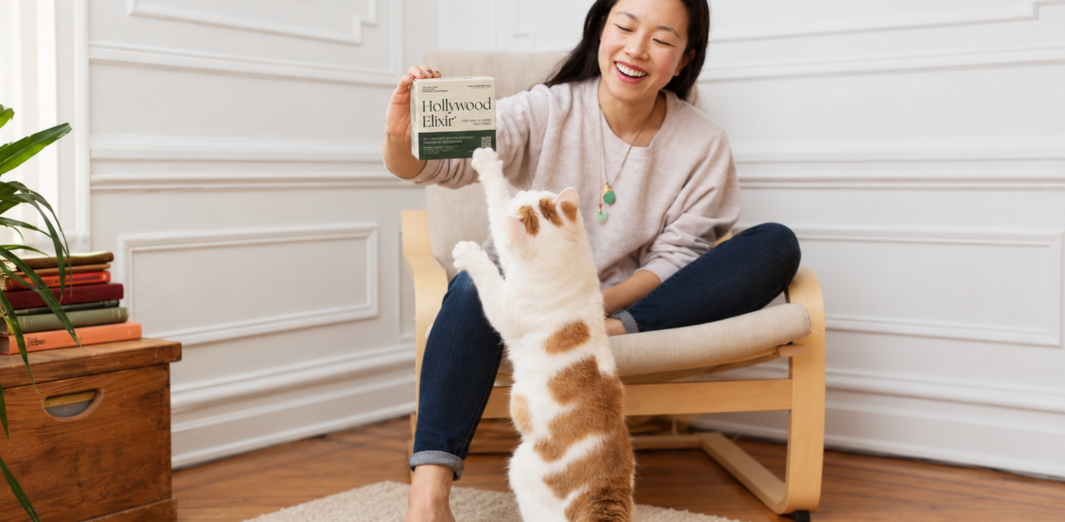
Behavior #2: Slow blinks and gentle eye contact. Cats don’t usually stare at what they trust; they soften. A slow blink—eyes narrowing, closing, then reopening—often appears when a cat feels secure. If you return the slow blink and your cat stays put, you’re seeing a quiet social exchange rather than a demand. This is especially meaningful with shy cats: they may not seek touch, but they’ll offer calm eye contact from a safe distance. In many homes, this is the first answer to “how do you know if your cat is happy”(Sun M, 2024).
Grooming Patterns That Often Mirror Comfort and Calm
Behavior #3: Social proximity on their terms. A content cat chooses where to be, then returns to that choice again and again. Some cats follow you from room to room; others pick a nearby chair and keep you in view. Either can be affection. What matters is the voluntary nature of it—your cat isn’t hiding, guarding, or fleeing. In multi-person households, a happy cat often has a “favorite” person but still tolerates others with calm neutrality. That flexibility is a sign the environment feels predictable and safe (Grant CE, 2020).
Curiosity and Play: Healthy Engagement in an Indoor Life
Behavior #4: Healthy grooming and a cared-for coat. Grooming is partly hygiene and partly self-soothing. A happy cat typically grooms in a balanced way—enough to keep the coat smooth, not so much that you see thinning patches. Under-grooming can also be a clue, especially if a cat seems stiff, avoids certain positions, or develops dandruff. Because cats can hide discomfort, coat changes sometimes show up before obvious limping or crying (Lenox C, 2015). If grooming shifts noticeably, consider both stress and physical comfort.
“Happiness is often the absence of strain: a cat who can rest, groom, and play without holding tension.”
Eating with Ease: Steady Routines That Suggest Contentment
Behavior #5: Playful “hunting” and curiosity. Even calm adult cats benefit from short bursts of predatory play—stalk, chase, pounce, capture. Curiosity shows up as sniffing new objects, investigating a box, or watching household activity without fear. The signs of a happy indoor cat often include this kind of low-stakes exploration, because indoor life can otherwise become flat. If your cat only watches but never engages, try lowering the intensity: slower wand movements, quieter toys, and shorter sessions that end before frustration.
Restful Sleep Spots That Reveal How Safe Your Cat Feels
Behavior #6: Comfortable eating and steady routines. Content cats tend to have a recognizable pattern: they appear for meals, eat with focus, then move on. Sudden food guarding, frantic begging, or skipping meals can signal stress, competition, or health changes. For older cats, diet fit matters—senior foods differ in calories and nutrient makeup, which can influence energy and overall well-being (Summers SC, 2020). A stable routine doesn’t mean rigid timing; it means your cat can predict what happens next, and that predictability supports calm behavior.
When Purring Misleads: Reading Clusters, Not Single Signals
Behavior #7: Restful sleep in open, chosen places. Cats sleep a lot, but the where matters. A cat who naps in a sunny patch, on a couch edge, or near household traffic is signaling trust. A cat who only sleeps in deep hiding spots may simply be private—but if that’s new, it can reflect stress or discomfort. Look for “loose sleep”: limbs relaxed, belly partially exposed, and easy waking without panic. Over time, restful sleep locations are among the clearest signs of a happy cat because they reflect safety when vulnerable (Sun M, 2024).
Red Flags: Subtle Changes That Deserve a Closer Look
Not every purr means pleasure, and not every quiet cat is unhappy. Cats purr in comfort, but they can also purr when anxious or unwell. Likewise, some cats are naturally reserved and still deeply content. The best approach is to read clusters of signals: relaxed posture plus normal appetite plus steady grooming plus social ease. When multiple signals shift at once—hiding, irritability, reduced play, or changes in litter box habits—consider stress, pain, or illness and check in with your veterinarian.
A Simple Weekly Check-in to Track Your Cat’s Baseline
Happiness is easier to see when you know your cat’s baseline. A simple weekly check-in can be gentle: appetite, litter box routine, play interest, grooming, and sleep location. If one piece shifts, it doesn’t automatically mean something is wrong—but it’s information. Cats are skilled at masking discomfort, and subtle changes in behavior can be early clues that stress or pain is creeping in (Lenox C, 2015). Keeping notes (even brief ones) helps you separate “quirk” from “trend,” especially in older cats whose needs change quietly over time.
“Look for clusters of signals, not a single behavior—cats are subtle by design.”
DVM Voice: Clinical Vignette of a Common Pattern in Senior Cat Aging
Case provided by JoAnna Pendergrass, DVM
Sasha, a 12-year-old cat, was brought in after her owner noticed increased thirst and urination, lethargy, vomiting, and a generally unkempt appearance. Examination showed weight loss, elevated blood pressure, and reduced vitality.
Diagnostic testing revealed elevated kidney markers, poorly concentrated urine, and protein loss in the urine — findings consistent with chronic kidney disease, one of the most common chronic conditions in senior cats.
Her care required a kidney-focused diet, blood pressure management, targeted supplementation, medication support, and regular monitoring — a necessary plan, but one started after clinical signs were already visible.
Clinical takeaway: Sasha’s case reflects why senior-cat wellness should begin before obvious decline. Earlier monitoring, body-condition tracking, hydration awareness, antioxidant support, and daily cellular resilience may help support quality of life as cats age.
Single-case vignette. Not generalizable. Veterinary diagnosis and monitoring are essential for increased thirst, urination, vomiting, lethargy, weight loss, or suspected kidney disease.
Indoor Contentment: Enrichment That Feels Natural, Not Busy
For indoor cats, enrichment is not a luxury; it’s part of emotional hygiene. The signs of a happy indoor cat often include self-directed play, confident exploration, and relaxed resting in a few favorite spots. Rotate novelty without chaos: a paper bag one day, a new window perch the next, a short “hunt” game before dinner. Predictability matters too—cats do well when the household has a dependable cadence. When enrichment is steady, you’ll usually see fewer stress behaviors and more calm social bids (MacDonald ML, 1984).
Senior Cats: When Happiness Looks Like Comfort and Consistency
Age changes how happiness looks. A senior cat may play less, jump less, and still be deeply content—if they’re comfortable. Nutrition becomes one of the quiet supports of that comfort: senior foods can vary widely in caloric density and nutrient profiles, which can influence overall well-being and daily energy (Summers SC, 2020). If your older cat is affectionate, eating steadily, grooming within their normal range, and choosing family proximity, those are meaningful signs. The goal isn’t youthful behavior; it’s ease, appetite, and a life that still feels worth engaging.
Resilience After Stress: the Quiet Skill of Bouncing Back
Sometimes “happy” is simply “not overwhelmed.” A cat who can recover quickly after a loud noise, a guest, or a schedule change is showing resilience. You might see a brief startle, then a return to normal grooming, resting, or curiosity. Chronic stress, by contrast, tends to flatten behavior—less play, less social interest, more hiding, or irritability (Grant CE, 2020). If you’re wondering how do you know if your cat is happy, pay attention to recovery time. The faster they settle back into themselves, the safer they feel in their environment.
Affection with Consent: Reading Touch Signals Without Guessing
Affection is not one-size-fits-all. Some cats show love with head bumps and lap time; others prefer a quiet sit nearby. Consent matters: a happy cat can accept touch and also end it without escalation. Watch for the “green lights”—leaning in, purring paired with relaxed muscles, and returning for more. Watch for the “yellow lights”—skin twitching, tail flicking, sudden stillness. Respecting those signals keeps the relationship safe and makes affection more likely over time (Sun M, 2024).
Appetite and Routine: When Food Habits Reflect Well-being
A healthy appetite can be a happiness signal, but it’s also a health signal—so it deserves nuance. Cats may eat well even when stressed, and they may eat less for reasons that have nothing to do with mood. Still, in a stable home, steady eating patterns often accompany contentment. Because diets differ in energy density and nutrient composition, a food that “should” be enough on paper may not fit your individual cat’s needs in practice (Prantil, 2015). If your cat’s enthusiasm for meals changes, consider both emotional context and a veterinary check.
Play as Confidence: Keeping Curiosity Alive Across the Years
Play is a window into confidence. A cat who stalks, pounces, and “wins” a toy is practicing competence. The happiest play sessions are short, frequent, and end with a calm down—often followed by grooming or a nap. If play disappears, don’t assume laziness; pain, stress, or boredom can all reduce interest (Lenox C, 2015). Try changing the toy style (wand, kicker, puzzle feeder), the time of day, or the location. When play returns, it’s often one of the most reassuring signs of a happy cat.
Vocal Clues: When Sounds Are Normal, and When They’re New
Vocalization can mean many things, but tone and context matter. Some cats “chirp” at birds, trill as a greeting, or meow as part of a routine. Those sounds can be part of a contented household language. Sudden increases in yowling, nighttime calling, or distressed-sounding meows deserve attention, especially in older cats where sensory changes or discomfort may be involved (Grant CE, 2020). The key is pattern: familiar sounds in familiar moments tend to be normal; new sounds in new moments are worth investigating.
Keeping Joy Steady: Supporting the Whole Cat over Time
If you want a single takeaway, it’s this: happiness is a whole-body state. Behavior, appetite, sleep, and social ease all braid together. That’s why a science-minded owner may still choose system-level support rather than chasing one “magic” fix—because aging, stress, and daily wear affect multiple systems at once. When you pair a calm environment with thoughtful routines and broad support for vitality, you’re more likely to keep those joyful behaviors steady across years. That steadiness is the real reward.
“For indoor cats, contentment often looks like curiosity that returns, again and again.”
Educational content only. This material is not a substitute for veterinary advice. Always consult your veterinarian about your dog’s specific needs. These statements have not been evaluated by the Food and Drug Administration. Products mentioned are not intended to diagnose, treat, cure, or prevent any disease.
Glossary
- Slow Blink: A relaxed eye-closing gesture often associated with trust and calm.
- Social Proximity: Choosing to be near a person or pet without being forced or restrained.
- Relaxed Posture: Loose muscles, neutral tail, and soft facial expression indicating felt safety.
- Displacement Grooming: Grooming used as a coping behavior during mild stress or uncertainty.
- Enrichment: Environmental features and activities that support natural behaviors like hunting and climbing.
- Baseline Behavior: Your cat’s normal pattern of appetite, play, sleep, and sociability when well.
- Recovery Time: How quickly a cat returns to normal behavior after a stressor.
- Consent Signals: Body cues that indicate a cat welcomes touch (leaning in) or wants it to stop (tail flicking).
- Predatory Play: Toy play that mimics stalking, chasing, pouncing, and capturing.
Related Reading
Aging & Senior Cat Guidance
• Cat Age Calculator: Cat Years to Human Years
• Lethargy in Cats
• Senior Cat Not Eating
• Cat Drinking A Lot
• Why Is My Senior Cat Withdrawn?
Healthy Aging Support
• NAD+ for Cats
• NMN for Cats
• Vitamins For Older Cats
• Senior Cat Food
References
MacDonald ML. Nutrition of the domestic cat, a mammalian carnivore. PubMed. 1984. https://pubmed.ncbi.nlm.nih.gov/6380542/
Lenox C. Metabolic bone disease and central retinal degeneration in a kitten due to nutritional inadequacy of an all-meat raw diet. PubMed Central. 2015. https://pmc.ncbi.nlm.nih.gov/articles/PMC5362880/
Summers SC. Evaluation of nutrient content and caloric density in commercially available foods formulated for senior cats. PubMed Central. 2020. https://pmc.ncbi.nlm.nih.gov/articles/PMC7517497/
Grant CE. Dietary intake of amino acids and vitamins compared to NRC requirements in obese cats undergoing energy restriction for weight loss. PubMed. 2020. https://pubmed.ncbi.nlm.nih.gov/33160364/
Sun M. Considerations on amino acid patterns in the natural felid diet: a review. PubMed Central. 2024. https://pmc.ncbi.nlm.nih.gov/articles/PMC11603590/
Prantil. Nutritional analysis and microbiological evaluation of commercially available enteral diets for cats. PubMed. 2015. https://pubmed.ncbi.nlm.nih.gov/26317493/
FAQ
What are the clearest signs of a happy cat?
Common signs of a happy cat include relaxed posture, slow blinks, steady grooming, curiosity, and restful sleep in open places. Many cats also show contentment by choosing to be near you without constantly asking for attention.
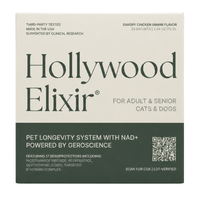
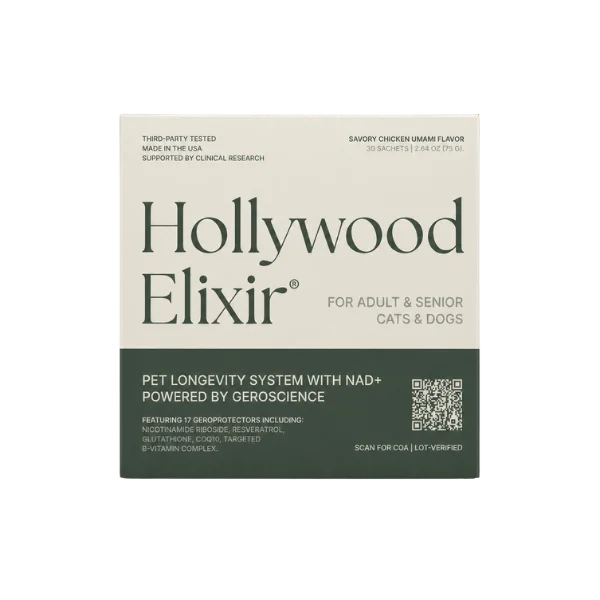
Because comfort and mood are closely linked, supporting whole-body vitality can help those behaviors stay consistent, especially with age. For system-level daily support, consider Hollywood Elixir™.
How do you know if your cat is happy daily?
If you’re asking how do you know if your cat is happy, look for a stable baseline: normal appetite, comfortable litter box habits, relaxed resting, and at least brief interest in play or social contact. The most telling clue is consistency—your cat returns to their usual routines and preferred spots.
Daily support that prioritizes resilience can be helpful when life gets noisy or schedules shift. Many owners pair good routines with Hollywood Elixir™ to support steady energy and comfort over time.
Do indoor cats show different happiness signals than outdoor cats?
The signs of a happy cat are similar indoors or out, but indoor cats often express contentment through confident exploration of their territory, self-directed play, and relaxed resting in multiple open locations. A happy indoor cat also tends to recover quickly after household disruptions rather than hiding for hours.
Enrichment and comfort support that “safe at home” feeling, especially as cats age. For broad daily support, many owners choose Hollywood Elixir™.
Is purring always one of the signs of a happy cat?
Purring often accompanies comfort, but it isn’t a perfect happiness meter. Some cats purr when anxious or unwell, so it’s best read alongside body language: loose muscles, soft eyes, and voluntary proximity. A tense, crouched cat who purrs may still need help.
If you want to support the conditions that make relaxed purring more likely—comfort, calm, and steady routines—consider pairing environment changes with Hollywood Elixir™ for whole-body daily support.
Can a shy cat still be happy at home?
Yes. Some cats are naturally reserved, and happiness may look like quiet confidence rather than cuddling. A shy but happy cat will still eat normally, groom, use the litter box consistently, and show small social gestures—slow blinks, sitting nearby, or coming out sooner after visitors.
Supporting resilience can help sensitive cats handle change without losing their baseline. Many owners include Hollywood Elixir™ as part of a broader comfort-first routine.
Why do the signs of a happy cat matter for health?
Mood and health are intertwined: cats who feel safe tend to sleep better, play more, and maintain steadier routines. When those behaviors change, it can be an early clue that stress or discomfort is building, even before obvious symptoms appear.
A system-level approach—environment, veterinary care, and daily support—helps protect that stability. Many owners choose Hollywood Elixir™ to support vitality that can show up as steadier, happier behavior.
What behaviors suggest my cat is content but not playful?
Some cats are low-play by temperament, and older cats may play less while still feeling good. Look for relaxed resting, normal grooming, steady appetite, and calm social proximity. Content cats also tend to recover quickly after minor disruptions instead of staying on edge.
If you want to support comfort and energy without forcing a “kitten” standard, consider daily system support such as Hollywood Elixir™, alongside gentle enrichment.
When should I worry that my cat is not happy?
Worry is reasonable when multiple behaviors shift at once: hiding, irritability, reduced grooming, appetite changes, or avoiding the litter box. Cats can mask pain, so a “personality change” may be the first visible clue. If changes last more than a day or two, or feel sudden and intense, a veterinary check is wise.
Once medical issues are addressed, supporting daily resilience can help your cat return to baseline. Many owners add Hollywood Elixir™ to a comfort-centered plan.
Are there signs of a happy cat during petting?
Yes: leaning into your hand, relaxed paws, slow blinks, and choosing to stay close are good signs. Many cats also show affection with head bunting or gentle kneading. Watch for early “done” signals like skin twitching, tail flicking, or sudden stillness, and pause before it escalates.
Comfort makes affectionate moments easier to sustain, especially in older cats. For daily support that complements respectful handling, consider Hollywood Elixir™.
How can I tell if my cat is happy with food?
A content cat usually approaches meals with calm interest, eats steadily, and returns to normal activity afterward. Sudden pickiness, frantic behavior, or skipping meals can reflect stress, competition, dental discomfort, or other health issues. For seniors, diet fit matters because foods vary in caloric density and nutrient profiles(Summers SC, 2020).
Beyond diet alone, many owners support overall vitality so appetite and routine stay steady. A system-level option isHollywood Elixir™.
Do the signs of a happy cat change with age?
They can. Kittens often show happiness through frequent play and bold exploration, while seniors may show it through steady appetite, comfortable sleep, and calm social proximity. Older cats may jump less and still be perfectly content if they’re comfortable. Nutrition can influence well-being, and senior diets vary in calories and nutrients(Prantil, 2015).
Because aging affects multiple systems at once, many owners choose broad daily support rather than chasing a single fix. ConsiderHollywood Elixir™as part of that whole-cat approach.
Is kneading one of the signs of a happy cat?
Kneading often appears when cats feel safe and comfortable, especially on soft surfaces or near trusted people. It’s commonly linked to early-life soothing behaviors, but it can also be a simple “settling in” ritual. As with purring, context matters: relaxed body language and choosing to stay close make kneading more meaningful.
To support the comfort that makes these relaxed rituals more likely, many owners use system-level daily support like Hollywood Elixir™ alongside a calm home routine.
What are signs of a happy indoor cat in small apartments?
In small spaces, the signs of a happy indoor cat often include confident movement through the home, relaxed naps in open areas, and short play sessions that end in calm. You may also see “micro-exploration,” like checking a window, a shelf, or a paper bag. Vertical space and predictable routines matter more than square footage.
To help indoor cats stay comfortable and engaged over time, many owners pair enrichment with daily vitality support such as Hollywood Elixir™.
Can stress hide the signs of a happy cat?
Yes. Stress can narrow behavior: less play, more hiding, more irritability, or changes in grooming and appetite. Cats may still eat or purr while feeling uneasy, which is why clusters of signals matter more than any single behavior. Subtle shifts can be early indicators that something feels unsafe or uncomfortable.
After addressing stressors, supporting resilience can help your cat return to baseline. Many owners include Hollywood Elixir™ as part of a steady, comfort-first plan.
Are the signs of a happy cat the same for all breeds?
The core signals—relaxed posture, steady routines, comfortable grooming, and voluntary social proximity—are broadly consistent across breeds. What varies is intensity: some breeds are more vocal or more people-oriented, while others are naturally reserved. It helps to compare your cat to their own baseline rather than to a stereotype.
Because every cat ages differently, many owners choose broad support that doesn’t depend on breed traits. Consider Hollywood Elixir™ to support daily vitality across a lifetime.
How long does it take to see happier behavior changes?
It depends on the cause. If the issue is environmental (like a litter box change or a new pet), you may see improvement within days once the stressor is addressed. If comfort or aging is involved, shifts can be gradual—measured in weeks—because routines and confidence rebuild slowly.
For owners focused on steadiness over time, daily system support can complement routine changes. Many choose Hollywood Elixir™ to support comfort and vitality as habits normalize.
What quality signals should I look for in cat supplements?
Look for clear ingredient disclosure, appropriate species labeling, and manufacturing quality practices. It’s also worth checking whether the product is designed for broad wellness support rather than making dramatic disease claims. If your cat has medical conditions or takes medications, ask your veterinarian before adding anything new.
If you want a system-level option intended to support healthy aging and daily vitality, consider Hollywood Elixir™ as part of your cat’s routine.
Is Hollywood Elixir™ safe for cats with sensitive stomachs?
Cats with sensitive stomachs can react to any new addition, even when it’s well-formulated. The safest approach is to introduce changes gradually and monitor appetite, stool quality, and overall behavior. If your cat has a history of GI disease, pancreatitis, or frequent vomiting, your veterinarian should guide any supplement decision.
For owners seeking gentle, system-level support for daily vitality, you can discuss Hollywood Elixir™ with your vet and introduce it thoughtfully.
Can Hollywood Elixir™ be used with prescription medications?
If your cat takes prescription medications, it’s best to check with your veterinarian before adding any supplement. Interactions depend on the drug, the condition being treated, and your cat’s overall health. Bring the product label to your appointment so your vet can assess fit and timing.
When approved, many owners use system-level support to help maintain steady routines and comfort. A common option to discuss is Hollywood Elixir™.
How should I give Hollywood Elixir™ to a picky cat?
For picky cats, consistency and low pressure work best. Try mixing it into a small amount of a high-value wet food first, then offer the rest of the meal after they accept it. Avoid forcing, which can create long-term aversions. If your cat refuses, ask your veterinarian for administration ideas tailored to your cat’s preferences.
When it fits your cat’s routine, daily support can be one more way to protect the steady behaviors you associate with contentment. Consider Hollywood Elixir™ as a gentle add-in to mealtime.
Should I use Hollywood Elixir™ every day or occasionally?
Daily routines tend to work best for wellness support because cats thrive on predictability, and subtle benefits are easier to notice when the baseline is stable. That said, the right schedule depends on your cat’s age, health history, and diet. Your veterinarian can help you decide what “consistent” should look like for your household.
If you’re aiming for steady, whole-body support across seasons and life stages, discuss daily use of Hollywood Elixir™ with your veterinarian.
Discover LPL-01: How This Fits Into a Larger Feline Longevity System
Aging in cats unfolds quietly. It’s not driven by a single failure, but by gradual shifts across interconnected systems — cellular energy, oxidative balance, immune tone, and tissue integrity — each influencing the others over time.
This article explores one layer of that system. To understand what actually shapes long-term health, you need to step back and look at how these layers interact.
Start with the underlying science:
- Feline Geroscience Framework →
A structured view of how aging progresses across cellular energy, inflammation, and resilience systems. - Senior Biological Defense Coverage (BDC) Modeling →
A systems-level map of which biological pathways decline first, and how layered interventions can support them. - Feline Geroscience Evidence Framework →
A breakdown of what is strongly supported in the literature versus what is still emerging. - LPL-01 Standard →
The formulation system that translates these models into real-world supplementation—covering multiple pathways in a coordinated way.
Essential Summary
Why are signs of a happy cat important?
The clearest signs of a happy cat are usually quiet: relaxed posture, slow blinks, steady grooming, playful curiosity, and restful sleep in open places. For indoor cats, contentment also shows up as predictable routines and easy recovery after stress. When these signals stay consistent over time—especially as cats age—you’re seeing comfort, confidence, and resilience working together.
Because feline happiness is tied to whole-body comfort—energy, appetite, sleep quality, and stress tolerance—many owners choose system-level support alongside good routines. Hollywood Elixir is designed to support healthy aging and daily vitality so the joyful behaviors you love are easier to sustain across years, not just on your cat’s best days.
Hollywood Elixir®
Starting at $89/mo
Hollywood Elixir is amazing! She put back on 5 lbs to a healthy weight, her eyes are shiny, her coat is beautiful!
— Jessie
She hopped up onto the windowsill again for the first time in years.
— Charlie
Wondering if your cat is happy?
If you're searching to recognize signs of a happy cat
If you’re tracking signs of a happy cat, think in terms of “baseline protection.” The goal isn’t to chase a single behavior (more purring, more cuddling), but to support the conditions that make relaxed routines possible: comfortable movement, steady appetite, restorative sleep, and resilience after everyday stress. Diet and enrichment do a lot, yet real life adds friction—aging, schedule changes, indoor boredom, and subtle discomfort that cats rarely advertise. That’s why many thoughtful owners choose system-level support that complements good care rather than trying to replace it. Hollywood Elixir is positioned for whole-cat vitality, helping support the broader network that underpins energy and comfort so joyful behaviors are easier to sustain over time.
Learn about how our DVMs think about cat aging
Dr. JoAnna Pendergrass DVM
Hollywood Elixir®
Starting at $89/mo
Explore your cat’s changing needs over time
Related Reading
Happiness in cats rarely looks like constant excitement. More often, it shows up as steadiness: a cat who moves through the home without tension, sleeps deeply, eats with calm interest, and returns to familiar routines.