
Holistic Health for Cats

Find the hidden drivers of decline and the steps that protect comfort

By La Petite Labs Editorial 15 min read

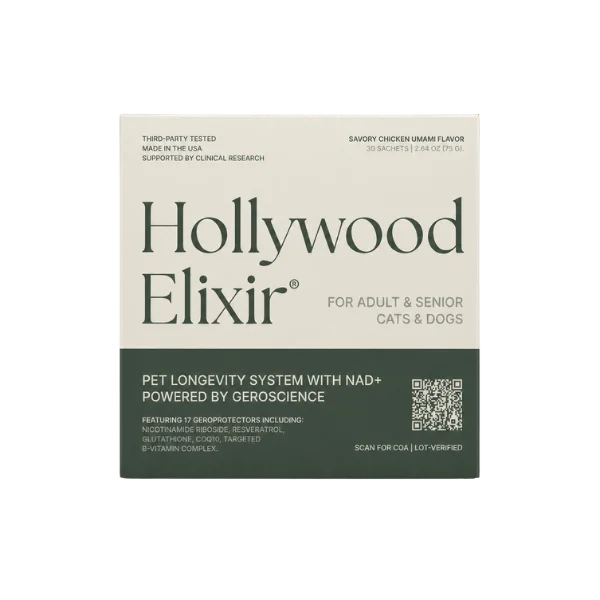
Holistic health for cats means caring for the whole cat as one connected system—food, hydration, movement, sleep, stress, and environment—rather than chasing single “wellness” products. Most owners arrive for the same reason: more good years and fewer confusing ones, with a cat who feels comfortable and steady as age rewrites what “normal” looks like. A holistic approach is less about adding endless items and more about making the basics coherent: a diet that matches feline biology, easy hydration, play that feels like hunting, and a low-friction home. Even careful feeding doesn't erase variability—stress, appetite swings, and aging still change how a cat looks and feels week to week (SAS, 2021). That's the honest reason a science-minded owner might add structured support: not to replace nutrition, but to keep one coherent routine steady. The Pampered System is built for that—Hollywood Elixir for longevity plus Pet Gala for skin, coat, and nails, run together as a 90-day routine you can observe and sustain.

  • Holistic cat care connects daily choices—food, water, sleep, play, and stress—into one readable pattern, not a shelf of single products.
  • “Holistic” food simply means species-appropriate: cats generally thrive on higher-protein, lower-carbohydrate diets.
  • Protein quality and amino acids shape coat, energy, and satisfaction in ways owners often notice first (Sun M, 2024).
  • Gradual weight change is more sustainable than aggressive restriction and protects long-term comfort (German, 2023).
  • Environment is an intervention: predictable resources and less household friction lower stress (RVA, 2021).
  • Use supplements with restraint, especially alongside other medications or conditions (Kulpa JE, 2021).
  • For owners who want one coherent routine, the Pampered System pairs Hollywood Elixir (longevity) with Pet Gala (skin, coat, nails) over 90 days.

A Whole-cat View of Wellness That Holds up over Time

Holistic health for cats starts with a simple premise: the body is not a set of separate parts. Appetite, coat quality, stool consistency, playfulness, and sleep all reflect the same underlying story—how well your cat’s daily inputs match their biology and temperament. The goal is not perfection; it’s steadiness. When the basics are stable, small stressors don’t tip the whole system into a bad week.

A holistic lens also changes what “progress” looks like. Instead of chasing dramatic changes, you watch for quiet markers: a calmer evening routine, fewer hairballs, easier transitions between seasons, or a cat who returns to the window perch more often. Those signals matter because they tend to arrive before a problem becomes obvious.

Nutrition First: What “Holistic” Cat Food Actually Means

“Holistic” cat food really just means species-appropriate composition—it's the most powerful daily lever you have. For cats, that means diets high in protein and relatively low in carbohydrates, which research and clinical consensus consistently support (Laflamme DP, 2020). The label word matters less than the macros: a food can say “holistic” and still miss feline biology.

Owner-reported outcomes also link diet type with perceived health, so food choices show up in the real world, not just on the bag (SAS, 2021). Holistic health for cats means choosing a diet your cat genuinely thrives on, then protecting consistency—because constant switching creates its own stress.

Protein Quality and Amino Acids: the Quiet Foundation of Vitality

Protein quality matters as much as protein quantity. Cats evolved with a natural prey pattern that supplies specific amino acids in reliable proportions, and those amino acids support broad functions across the body (Sun M, 2024). When a diet is poorly matched to that pattern, you may see it indirectly: dull coat, low enthusiasm for play, or a cat who seems “picky” because the food doesn’t feel satisfying.

Holistic care doesn’t require you to become a formulator. It asks you to respect the cat’s design, choose complete-and-balanced foods from reputable manufacturers, and use treats as a small accent rather than a second diet.

Hydration Habits That Feel Effortless in a Cat’s Daily Life

Hydration is a quiet cornerstone of feline wellness. Many cats naturally take in less water than owners expect, especially when eating dry food. A holistic approach looks for gentle ways to increase total moisture: adding water to meals, offering a fountain, or incorporating wet food if it suits your cat’s digestion and preferences.

The key is to make hydration feel effortless. Place water away from litter boxes, keep bowls fresh, and notice patterns—some cats prefer wide dishes, others prefer running water. Small environmental choices can shift intake more reliably than any single “hydration hack.”

Movement through Play: Keeping Muscles, Joints, and Mood Engaged

Movement is not optional for cats, but it doesn’t have to look like a workout. The most sustainable activity is play that mimics hunting: short bursts, pauses, and a satisfying “finish.” This supports muscle tone, joint comfort, and emotional regulation—especially for indoor cats whose world can shrink over time.

If your cat is older or cautious, think in micro-sessions. Two minutes of engaged play, repeated, can be more meaningful than one long session that ends in frustration. Holistic health for cats is often built from these small, repeatable wins.

“Holistic care is coherence: fewer changes, chosen carefully, kept long enough to learn.”

Sleep and Recovery: the Underestimated Pillars of Daily Resilience

Sleep is a health signal, not just a habit. Cats sleep a lot, but the quality of that rest matters. A cat who dozes lightly all day yet seems restless at night may be responding to household noise, competition with other pets, or discomfort that’s easy to miss.

Holistic care supports sleep by protecting predictability: stable feeding times, quiet resting spots, and gentle evening routines. When sleep improves, owners often notice secondary changes—better appetite regulation, steadier mood, and more interest in play.

Skin, Coat, and Grooming: Reading the Signals Without Overreacting

Skin and coat reflect both internal balance and external care. Grooming is not vanity for cats; it’s comfort and temperature regulation. When grooming changes—either too little or too much—it can be a clue about stress, pain, or diet mismatch.

A holistic routine includes gentle brushing, attention to mats, and a look at the whole context: seasonal shedding, household changes, and whether the diet provides the building blocks a cat expects from a carnivorous pattern (Sun M, 2024). If overgrooming appears suddenly, it’s worth a veterinary check before assuming it’s “just behavioral.”

Digestion and Routine: When the Gut Sets the Tone for Wellness

Digestion is where many holistic efforts succeed—or fail—because the gut is sensitive to change. A stable stool pattern, minimal vomiting, and a comfortable appetite are meaningful signs that the current routine is working. When you do need to change foods, slow transitions are not a cliché; they’re a practical way to reduce avoidable upset.

Some cats have diet-sensitive issues that benefit from individualized choices, and that’s where veterinary guidance is especially valuable (Laflamme DP, 2020). Holistic health for cats is not anti-prescription; it’s about using the least disruptive solution that still respects the cat’s biology and comfort.

Behavior as a Health Metric: Listening Before You Add More

Behavior is health information. When a cat becomes irritable, withdrawn, or unusually clingy, it’s easy to label it as “personality.” A holistic view treats behavior as a dashboard light: it can reflect pain, stress, boredom, or a mismatch between the environment and the cat’s needs.

Start with the simplest explanations: changes in household schedule, new scents, resource competition, or a litter box setup that no longer feels safe. Then widen the lens to medical causes with your veterinarian. The most respectful holistic care is the kind that listens before it adds.

Choosing Supplements with Restraint, Clarity, and Cat-specific Intent

Supplements earn a place in holistic care as a supporting character, not the plot. Choose products that are transparent about ingredients, give clear directions, and are built for cats—not “small dogs.” Good signals include batch testing, stable packaging, and a company that will answer sourcing questions.

Be especially careful with trendy ingredients that travel fast on social media. Even a compound that looks well tolerated in healthy cats can behave differently in an individual, and other medications change the risk profile (Kulpa JE, 2021). A veterinarian who knows your cat's history can tell you what's reasonable, what's redundant, and what's simply too much at once.

“A calm routine often does more than a crowded cabinet of solutions.”

La Petite Labs

DVM Voice: Clinical Vignette of a Common Pattern in Senior Cat Aging

Case provided by JoAnna Pendergrass, DVM

Sasha, a 12-year-old cat, was brought in after her owner noticed increased thirst and urination, lethargy, vomiting, and a generally unkempt appearance. Examination showed weight loss, elevated blood pressure, and reduced vitality.

Diagnostic testing revealed elevated kidney markers, poorly concentrated urine, and protein loss in the urine — findings consistent with chronic kidney disease, one of the most common chronic conditions in senior cats.

Her care required a kidney-focused diet, blood pressure management, targeted supplementation, medication support, and regular monitoring — a necessary plan, but one started after clinical signs were already visible.

Clinical takeaway: Sasha’s case reflects why senior-cat wellness should begin before obvious decline. Earlier monitoring, body-condition tracking, hydration awareness, antioxidant support, and daily cellular resilience may help support quality of life as cats age.

Single-case vignette. Not generalizable. Veterinary diagnosis and monitoring are essential for increased thirst, urination, vomiting, lethargy, weight loss, or suspected kidney disease.

Explore Hollywood Elixir Research →
holistic health for cats - 9

Natural Ingredients: Helpful in Context, Risky When Overconfident

A “natural” label doesn’t automatically mean “gentle.” Plant extracts may offer nutritional benefits, but they can also be concentrated, combined, or delivered in ways a cat wouldn’t encounter in food (Guo X, 2024). In holistic health for cats, the safest approach is to introduce one change at a time, at a conservative amount, and to keep a short log of appetite, stool, and behavior.

If your cat has kidney disease, liver disease, a history of urinary blockage, or is taking prescription medications, treat any supplement as a medical decision. The right question is not “Is this popular?” but “Is this appropriate for this specific cat, right now?”

holistic health for cats - 10

Weight as a Wellness Signal, Not a Moral Scorecard

Weight is one of the most visible holistic signals because it touches mobility, grooming, play, and even mood. If weight loss is needed, gradual change tends to be more successful than aggressive restriction. In controlled programs, partial weight reduction strategies produced better outcomes than complete protocols, supporting a measured, sustainable approach (German, 2023).

Holistic doesn’t mean “hands-off.” It means you build a routine your cat can live with: consistent portions, predictable mealtimes, and play that feels like hunting rather than exercise. When weight shifts slowly, you can protect muscle and keep your cat’s confidence intact.

holistic health for cats - 11

Home Environment as Health: Quiet Changes with Outsized Effects

The home environment is a health intervention, even when nothing looks “medical.” Cats are exquisitely sensitive to crowding, noise, and unpredictable handling. Stress can show up as hiding, overgrooming, litter box avoidance, or a sudden change in social tolerance. A holistic plan makes the home easier to navigate: clear resting zones, predictable access to resources, and gentle transitions when routines change (RVA, 2021).

Think in terms of friction. Where does your cat hesitate—at the litter box, the food station, the hallway where the dog passes? Reducing those small points of tension often improves appetite and sleep without adding anything new.

Preventive Vet Care as the Backbone of Holistic Planning

Preventive veterinary care is not separate from holistic care; it’s the backbone that keeps the rest honest. Regular exams, dental checks, and age-appropriate screening help you distinguish “a phase” from an early sign. Life stage planning matters because what’s normal for a kitten is not normal for a senior cat (Summers S, 2022).

Holistic health for cats works best when you treat your veterinarian as a partner in interpretation. Bring notes: changes in water intake, litter box patterns, energy, and any supplements you’re considering. The goal is alignment—so your cat’s daily routine and medical reality support each other.

Aging with Grace: Supporting Resilience Without Chasing Quick Fixes

Aging isn't a single event; it's a gradual shift in resilience. Many owners notice it first as less spring in the jump, longer naps, or a narrower comfort zone. Holistic support in this phase is about preserving options: keeping movement pleasant, maintaining appetite without constant novelty, and protecting sleep quality.

This is also where one coherent routine beats chasing nutrients one at a time. Even a well-formulated diet doesn't manage the whole picture—energy and recovery on the inside, skin and coat condition on the outside. The Pampered System is designed for exactly that span: Hollywood Elixir for longevity support and Pet Gala for skin, coat, and nails, run together over 90 days and evaluated with the same quiet discipline you bring to everything else—alongside, never instead of, veterinary care.

Tracking the Right Signals so Changes Stay Meaningful

If you’re building a holistic plan, start by choosing a few “anchor metrics” you can actually observe. Examples: body weight trend, stool quality, coat condition, play frequency, and how quickly your cat settles after household activity. These are practical because they’re repeatable, and they help you avoid overreacting to a single off day.

Then change one variable at a time. Cats are masters of subtle feedback, but only if you give their bodies a clean signal. When you add a new food, new treat, new litter, and new supplement in the same week, you lose the ability to learn what helped.

Common Myths That Undermine a Thoughtful Whole-body Routine

Common myths can quietly derail holistic health for cats. One is that cats can “adapt” to any diet as long as calories are adequate. In reality, cats have specific needs shaped by their carnivorous biology, including a dietary pattern that emphasizes protein and limits carbohydrates (Laflamme DP, 2020). Another myth is that more supplements always equals better care; in practice, stacking products can increase the chance of digestive upset or ingredient overlap.

A better rule is restraint: do the basics exceptionally well, then add only what has a clear purpose. Holistic care is not maximalism—it’s coherence.

Putting It Together: a Calm Plan You Can Actually Maintain

The most convincing holistic plans feel calm. They don’t require constant tinkering, and they don’t depend on a single “miracle” ingredient. They’re built from a species-appropriate diet, a low-friction home environment, preventive veterinary care, and a few targeted supports that respect your cat’s individuality.

If you’re science-minded, the reason to consider a product at all is not because food “fails,” but because real life is variable: appetite shifts, stress happens, and aging changes recovery. A system-level formula can be a steadying influence in that reality—especially when it’s used consistently and evaluated with the same quiet discipline you bring to everything else.

“The best wellness plan is the one your cat will actually live with.”

Educational content only. This material is not a substitute for veterinary advice. Always consult your veterinarian about your dog’s specific needs. These statements have not been evaluated by the Food and Drug Administration. Products mentioned are not intended to diagnose, treat, cure, or prevent any disease.

Glossary

  • Obligate Carnivore: A species that requires animal-derived nutrients to thrive; cats have distinct dietary priorities.
  • Complete And Balanced: A food formulated to meet established nutrient profiles for a given life stage.
  • Amino Acids: Protein building blocks that support many body functions; cats rely on specific patterns in the diet.
  • Enrichment: Environmental features and activities that support natural behaviors like hunting, climbing, and resting.
  • Resource Competition: Stress that occurs when cats must share or guard food, water, litter boxes, or resting spaces.
  • Body Condition Score (BCS): A hands-on scale used by veterinarians to assess whether a cat is underweight, ideal, or overweight.
  • Gradual Weight Loss: A measured approach to reducing weight that prioritizes sustainability and comfort.
  • Diet Transition: A slow change from one food to another to reduce digestive upset and improve acceptance.
  • Stress Signals: Subtle changes such as hiding, overgrooming, appetite shifts, or litter box avoidance that may indicate discomfort.

Related Reading

References

SAS. A cross-sectional study of owner-reported health in Canadian and American cats fed meat- and plant-based diets. PubMed. 2021. https://pubmed.ncbi.nlm.nih.gov/33509191/

Sun M. Considerations on amino acid patterns in the natural felid diet: a review. PubMed. 2024. https://pubmed.ncbi.nlm.nih.gov/39611112/

Laflamme DP. Understanding the Nutritional Needs of Healthy Cats and Those with Diet-Sensitive Conditions. PubMed. 2020. https://pubmed.ncbi.nlm.nih.gov/32646606/

Zheng. Arsenic and Chronic Kidney Disease: A Systematic Review. Nature. 2014. https://www.nature.com/articles/s41598-017-17159-7

German. Partial weight reduction protocols in cats lead to better weight outcomes, compared with complete protocols, in cats with obesity. 2023. https://www.frontiersin.org/articles/10.3389/fvets.2023.1211543/full

Kulpa JE. Safety and tolerability of escalating cannabinoid doses in healthy cats. PubMed Central. 2021. https://pmc.ncbi.nlm.nih.gov/articles/PMC8637357/

Guo X. The Role of Plant Extracts in Enhancing Nutrition and Health for Dogs and Cats: Safety, Benefits, and Applications. PubMed Central. 2024. https://pmc.ncbi.nlm.nih.gov/articles/PMC11435925/

Summers S. Evaluation of iron, copper and zinc concentrations in commercial foods formulated for healthy cats. PubMed Central. 2022. https://pmc.ncbi.nlm.nih.gov/articles/PMC10812249/

Bilgiç B. The Values of Potentially Toxic Elements (PTEs) in Prescription and Non-prescription Dry Cat and Dog Diets in Turkey. PubMed. 2025. https://pubmed.ncbi.nlm.nih.gov/40442459/

RVA. Vitamin-mineral supplements do not guarantee the minimum recommendations and may imply risks of mercury poisoning in dogs and cats. PubMed Central. 2021. https://pmc.ncbi.nlm.nih.gov/articles/PMC8075222/

FAQ

What does holistic health for cats actually mean day to day?

Holistic health for cats means tending to the whole pattern of your cat’s life—diet, hydration, sleep, play, stress, and preventive vet care—rather than chasing one symptom at a time. The focus is steady routines and small, observable signals like appetite, stool quality, coat condition, and mood. If you want supports that match that whole-routine mindset, some owners run the Pampered System—Hollywood Elixir™ for daily longevity, paired with Pet Gala for skin and coat.

Why does a holistic approach matter for indoor cats?

Indoor life can quietly narrow a cat’s world: fewer movement opportunities, less novelty, and more exposure to household stressors. A holistic approach matters because it treats environment, enrichment, and routine as health inputs, not extras. Over time, those inputs can influence weight, digestion, and behavior.

Is holistic health for cats the same as natural remedies?

Not exactly. Holistic health for cats is broader than natural remedies; it includes nutrition, stress reduction, preventive veterinary care, and careful observation. Natural products can be part of it, but “natural” doesn’t automatically mean gentle or appropriate for every cat.

A practical approach is to choose one well-designed support that complements the whole routine, rather than stacking many remedies at once.

What foods best support a holistic lifestyle for cats?

Most holistic plans start with complete-and-balanced foods that match feline biology. Cats generally do best with diets that are higher in protein and lower in carbohydrates, with careful attention to ingredient quality and digestibility. The “best” food is also the one your cat reliably eats and tolerates.

Do cats need high protein for holistic wellness?

In general, yes—cats are obligate carnivores with nutritional needs that favor higher protein and relatively low carbohydrate intake. Protein quality also matters because cats rely on specific amino acids that support broad functions across the body. Your veterinarian can help tailor choices for medical conditions.

How can I improve my cat’s hydration naturally?

Focus on making water easy and appealing: fresh bowls in quiet areas, wide dishes that don’t touch whiskers, and fountains for cats who prefer moving water. Many cats also do well with added moisture in meals, such as wet food or a little warm water mixed into familiar food.

Hydration works best as part of a broader routine that supports comfort and appetite.

What are safe ways to support weight management holistically?

The safest holistic approach is gradual change: measured portions, predictable mealtimes, and play that encourages short hunting-style bursts. In structured programs, partial weight reduction strategies have shown better outcomes than complete protocols, supporting a measured plan you can sustain(German, 2023).

Can stress affect holistic health for cats in subtle ways?

Yes. Stress can show up as hiding, irritability, appetite shifts, litter box changes, or overgrooming. A holistic approach treats the home as part of care: predictable routines, enough resources in multi-cat homes, and calm resting spaces can reduce friction and support wellbeing(RVA, 2021).

Are supplements necessary for holistic health for cats?

Not always. Many cats do well with a complete-and-balanced diet, good hydration, enrichment, and preventive care. Supplements become more relevant when you’re supporting aging, appetite variability, stress, or a specific goal identified with your veterinarian. The best approach is restraint: add one thing, observe, and keep the routine simple.

What side effects should I watch for with new supplements?

The most common early signs are digestive: softer stool, vomiting, reduced appetite, or unusual gassiness. You may also notice behavior changes such as restlessness or sleepiness. Even ingredients studied for tolerability can affect individual cats differently, and other medications can change the risk picture(Kulpa JE, 2021).

Introduce one product at a time and check in with your veterinarian if anything feels off.

Can supplements interact with my cat’s prescription medications?

They can. Interactions may change how a medication is absorbed or tolerated, and cats with liver or kidney disease may have a narrower margin for error. Research in healthy cats can inform tolerability, but it doesn’t replace individualized medical judgment when prescriptions are involved.

Bring a full ingredient list to your veterinarian before starting anything new, so the plan stays both holistic and safe.

Is holistic health for cats different for kittens and seniors?

Yes. Kittens need growth-focused nutrition, safe socialization, and gentle routine-building, while seniors benefit from comfort-first enrichment, mobility support, and closer monitoring of appetite, weight, and dental health. Life stage planning helps you catch changes early and adjust before small issues become harder to manage(Summers S, 2022).

Do certain breeds need a different holistic wellness approach?

Breed can influence tendencies—like coat maintenance needs, activity style, or sensitivity to stress—but most holistic priorities stay the same: species-appropriate nutrition, hydration, enrichment, and preventive care. The bigger differences are usually individual, not breed-wide, so your cat’s history and behavior should lead the plan.

How is holistic health for cats different from dogs?

Cats are obligate carnivores with distinct nutritional priorities and a different relationship to routine and stress. Diet composition that works for many dogs may not suit cats, who generally need higher protein and lower carbohydrate intake. Cats also tend to mask discomfort, so subtle changes in behavior can be an early clue.

How long does it take to see holistic changes in cats?

Some changes can appear quickly—like improved stool consistency after a careful food transition—while others are slower, such as weight trends, coat quality, or stress resilience. A realistic timeline is weeks to months, because you’re watching for steadier patterns rather than dramatic swings.

What quality signals should I look for in cat supplements?

Look for transparency: clear ingredient lists, cat-appropriate directions, and a company that can answer sourcing and testing questions. Practical quality signals include batch testing, stable packaging, and conservative claims that don’t promise to treat or cure disease. Avoid products that feel designed for trends rather than cats.

What’s the safest way to introduce a new wellness product?

Change one thing at a time and keep everything else stable for at least a week or two. Start conservatively, watch appetite and stool, and avoid introducing new foods, treats, and supplements in the same window. This makes your cat’s feedback easier to interpret and reduces avoidable digestive upset. Then track small, practical markers like appetite and stool over the following weeks.

Can I use holistic health for cats alongside vet care?

Yes—holistic care works best when it’s aligned with veterinary care, not positioned against it. Preventive exams, dental checks, and age-appropriate screening help you interpret changes accurately and avoid missing early signs(Summers S, 2022). Holistic choices then become a way to support comfort and resilience between visits.

What research supports holistic nutrition choices for cats?

Feline nutrition research consistently emphasizes species-appropriate composition, including higher protein and lower carbohydrate patterns. Owner-reported studies also suggest diet type can correlate with perceived health outcomes, reinforcing that nutrition choices can show up in everyday wellbeing(SAS, 2021). The most useful takeaway is direction, not dogma.

When should I call the vet about holistic changes?

Call your veterinarian promptly for sudden appetite loss, repeated vomiting, difficulty urinating, marked lethargy, breathing changes, or rapid weight loss. Also reach out if a new supplement coincides with persistent digestive upset or behavior changes. Holistic care is about listening early, not waiting until a pattern becomes a crisis.

How do I decide which holistic changes are worth it?

Choose changes that are observable, sustainable, and low-drama: a better feeding routine, more predictable play, less household friction, or a single support with a clear purpose. If you can’t measure it somehow—appetite, stool, weight trend, comfort—it’s easy to chase noise. Owners who want one consistent routine while they refine the basics sometimes use the Pampered System, pairing Hollywood Elixir™ for longevity support with Pet Gala for skin and coat.

La Petite Labs

Discover LPL-01: How This Fits Into a Larger Feline Longevity System

Aging in cats unfolds quietly. It’s not driven by a single failure, but by gradual shifts across interconnected systems — cellular energy, oxidative balance, immune tone, and tissue integrity — each influencing the others over time.

This article explores one layer of that system. To understand what actually shapes long-term health, you need to step back and look at how these layers interact.

Start with the underlying science: