Mitochondrial Dysfunction in Cats

Connect energy failure to mood, mobility, and appetite

By La Petite Labs Editorial 15 min read

Mitochondrial dysfunction in cats often shows up first as a “different cat,” not a clearly sick one — more hiding, less play, a shorter fuse, or unusual clinginess. When mitochondria struggle to turn food into usable cellular energy (ATP), the brain and muscles lose latitude first, so behavior changes before illness is obvious. That shift is a clue worth acting on, not “just aging.” What helps is two-fold: rule out the look-alikes with your vet, then support the cell’s energy machinery with stable nutrition and the cofactors it depends on.

Mechanistically, mitochondria run oxidative phosphorylation; when that becomes inefficient, reactive oxygen species rise and stress them further — a loop that can affect cognition, gait, appetite, and recovery (Sies, 2017). In cats, primary mitochondrial disorders can also bring distinctive neurologic patterns, which is why energy failure can look like “personality” before it looks like pain (Dell'Era, 2021).

  • Mitochondrial dysfunction in cats often appears first as behavior and personality change, because the brain is energy-hungry and cats conserve energy early.
  • Mitochondria make ATP through oxidative phosphorylation; when efficiency drops, oxidative stress rises and disrupts energy further (Sies, 2017).
  • Early home clues: shorter play, more hiding, altered social tolerance, and slower “mending speed” after normal activity.
  • Not every “lazy” day is mitochondrial — pain, kidney disease, thyroid disease, and stress mimic it, so a vet exam separates look-alikes.
  • Support is layered: aging-appropriate nutrition, stable routines, and vet-guided mitochondrial cofactors like CoQ10 (Bermingham, 2024).
  • Track appetite, play duration, jump confidence, litter-box timing, and post-activity recovery; bring two weeks of notes to the visit.

How Cats Turn Food into Usable Cellular Energy

Mitochondria are the cell’s energy converters, turning nutrients into ATP through oxidative phosphorylation. Electrons move along the electron transport chain, and that flow is coupled to ATP production; NAD+ and NADH act as key carriers that shuttle energy from food into this system. When any step becomes inefficient, cells may produce less ATP per calorie and generate more reactive oxygen species, which can further stress mitochondrial components (Sies, 2017). In cats, this matters most in tissues with high energy demand—brain, heart, and skeletal muscle—where small drops in ATP can change function quickly.

At home, early energy inefficiency rarely looks dramatic. A cat may still eat and groom but becomes less interested in play, pauses more often on stairs, or chooses lower perches. Owners often describe a “quieter temperament,” yet the more useful framing is that the cat is conserving energy to keep core functions stable. Noting when the cat is most engaged—morning versus evening, before versus after meals—helps reveal whether energy is becoming less uniform across the day.

Woman hugging a long-haired orange cat on a page about mitochondrial dysfunction in cats

Why Personality Changes Can Be an Energy Signal

Here is why a personality change can be an energy signal: the brain is one of the body’s most energy-hungry organs, and when ATP runs short it triages — vigilance, social engagement, and play get cut before basic survival behaviors do. With mitochondrial output constrained, neurotransmitter cycling and ion balance get harder to hold, which surfaces as irritability, withdrawal, or disrupted sleep. Oxidative stress amplifies it by damaging mitochondrial membranes and proteins. For cats, whose default strategy is conserving energy, these shifts are an early, rational adaptation, not stubbornness.

Household context sharpens the read. A cat that suddenly avoids family areas, startles more easily, or stops greeting at the door may be telling you that ordinary interaction now “costs” more energy. Test it gently — two minutes of wand play or a food puzzle — and watch whether it re-engages later or needs a long recovery. Changes that persist for weeks, especially with reduced jumping or slower grooming, deserve structured tracking.

Woman holding a colorpoint cat in sunlight during discussion of The Feedback Loop: Oxidative Stress and Mitochondria

The Feedback Loop: Oxidative Stress and Mitochondria

Oxidative stress describes an imbalance between reactive oxygen species and antioxidant defenses, and mitochondria are both a major source and a target. When the electron transport chain is less efficient, electron “leak” can rise, increasing reactive species that damage mitochondrial DNA, membranes, and enzymes. That damage can further reduce ATP output, creating a cycle that makes energy availability less uniform. Over time, this can affect mending speed after exertion, because cells must spend more resources on maintenance and less on normal function.

In a home setting, this cycle can look like a cat that has “good days and bad days” without an obvious trigger. Owners can reduce avoidable oxidative load by keeping routines predictable: stable feeding times, consistent sleep spaces, and minimizing sudden environmental stressors. Hydration and litter box access also matter because dehydration and constipation can add physiologic strain that makes energy dips more noticeable. The goal is not perfection; it is creating conditions where daily readouts reflect the cat’s biology rather than household turbulence.

Man kissing an orange tabby beside a Hollywood Elixir box in the section about CoQ10’s Role in the Electron Transport Chain

CoQ10’s Role in the Electron Transport Chain

If you are looking for a “mitochondrial support supplement” for a cat, the cofactor that comes up most is Coenzyme Q10. CoQ10 is a lipid-soluble molecule that shuttles electrons inside the mitochondrial electron transport chain and doubles as a membrane antioxidant (Brittany Sood, 2024). When tissue CoQ10 is low, ATP production can be constrained and muscle or neurologic function can suffer — in human medicine, CoQ10 deficiency has been linked to isolated mitochondrial myopathy, showing how one cofactor can become a bottleneck (Lalani, 2005). For cats, the point is not self-diagnosis; it is understanding why veterinarians raise cofactors when energy failure is suspected.

Owners often ask whether diet alone “covers” CoQ10. Complete diets meet many needs, but aging and illness can change absorption, appetite, and demand, which makes support more relevant over time (Bermingham, 2024). If your veterinarian recommends a CoQ10 product, consistency matters more than intensity — a sustained daily pattern, evaluated with the same home tracking you used to spot the problem.

Spotted cat reaching for a green feather toy alongside guidance on Primary Mitochondrial Disease vs. Secondary Energy Failure

Primary Mitochondrial Disease vs. Secondary Energy Failure

Mitochondrial Dysfunction in Cats can be primary (a genetic or intrinsic mitochondrial disorder) or secondary (mitochondria strained by another condition such as inflammation, malnutrition, chronic pain, or organ disease). Primary disorders in cats can present with distinctive neurologic patterns, including symmetric brain lesions reported in a cat with a primary mitochondrial disorder (Dell'Era, 2021). Secondary energy failure is more common in everyday practice and is often reversible when the underlying driver is identified. The practical difference is that primary disease may require deeper neurologic workup, while secondary dysfunction often improves when the root cause is addressed and supportive care is layered in.

At home, the two can look similar at first: reduced play, altered social behavior, and less confident movement. The most useful owner action is to avoid “labeling” and instead document patterns—what changed, when it started, and what makes it worse or better. A cat that becomes withdrawn only after activity may be signaling limited energy latitude, while a cat that is persistently disoriented or uncoordinated may need faster neurologic evaluation. Either way, a written timeline helps the clinic decide what to test first.

“In cats, energy failure often looks like a mood shift first.”

Case Vignette: the Cat Who Stopped Greeting at the Door

A 12-year-old indoor cat that once met family members at the door begins staying under the bed until evening. Appetite is mostly normal, but play ends after 30 seconds, and the cat seems “touchy” when approached. Over a month, the cat also starts choosing the couch instead of the window perch, not from fear, but from apparent effort. This is a common early pattern of energy conservation: social behavior and optional movement decline before core routines collapse.

In this scenario, the most helpful next step is not a supplement trial in isolation, but structured observation and a veterinary appointment. Owners can note whether the cat’s engagement is better after meals, whether grooming is less complete, and whether the cat needs longer to “come back” after brief play. Those details help a veterinarian separate pain, anxiety, and organ disease from a more direct cellular energy problem. Early action preserves room to recover because cats often mask decline until the margin is small.

Tabby cat walking beside a Hollywood Elixir box within an explanation of Owner Checklist: Home Signs That Fit Energy Failure

Owner Checklist: Home Signs That Fit Energy Failure

Owners can screen for a mitochondrial-style pattern by looking for clusters of subtle changes rather than one dramatic symptom. Owner checklist: (1) shorter play with longer recovery afterward, (2) reduced jumping or choosing lower routes without obvious limping, (3) increased hiding or decreased greeting behavior, (4) less uniform appetite—eating but leaving meals unfinished more often, and (5) reduced grooming completeness, especially along the back. These signs align with constrained ATP availability in brain and muscle, where “optional” behaviors are trimmed first.

The checklist works best when paired with context. A new pet, construction noise, or a litter change can mimic withdrawal, while arthritis can mimic reduced jumping. Owners should note what else changed in the home and whether the cat’s behavior rebounds after rest. If multiple checklist items persist for two to three weeks, it is reasonable to treat the pattern as medical until proven otherwise and schedule an exam with a concise log.

Slender brown cat stepping forward while the page explores “What to Track: Daily Readouts That Make Trends Visible”

What to Track: Daily Readouts That Make Trends Visible

A tracking rubric turns worry into usable information for the clinic. What to track: (1) minutes of voluntary play before disengagement, (2) recovery time until the cat seeks interaction again, (3) jump confidence scored 0–2 (avoids / hesitates / normal), (4) meal completion within 30 minutes, (5) grooming coverage (full / partial / minimal), and (6) sleep location changes (social areas versus isolated). These markers map onto energy availability and help reveal whether decline is gradual, stepwise, or tied to specific triggers.

Tracking should be light enough to sustain: a note on a phone once daily is often sufficient. Owners can also record “after exertion” readouts—how the cat behaves after a short chase or a trip to the litter box—because energy failure often shows up as delayed fatigue rather than immediate collapse. Bring two weeks of notes to the appointment; the pattern is often more persuasive than a single description like “lethargic.”

Woman holding a long-haired tabby cat during a closer look at A Unique Misconception: It’s Just Aging, so Nothing Helps

A Unique Misconception: “It’s Just Aging, so Nothing Helps”

A common misunderstanding is that age-related personality change is inevitable and therefore not actionable. Aging does influence mitochondrial function and nutrient handling, but that does not mean owners must accept rapid narrowing of activity and engagement as “normal.” Updated discussions of aging nutrition emphasize that older cats can have different needs and outcomes than younger adults, making targeted support and earlier evaluation meaningful. The actionable point is to treat new behavioral withdrawal as a signal to measure, not a verdict.

In practice, the misconception delays care until the cat stops eating or cannot jump at all. Owners can counter this by setting a simple threshold: if engagement, play, or grooming becomes less uniform for more than two weeks, start tracking and book a visit. This approach respects the cat’s tendency to conserve energy and mask discomfort. It also creates a baseline that makes later decisions—diet changes, pain control, or supportive supplements—much easier to evaluate.

When Neurologic Signs Point Beyond “Low Energy”

Some presentations suggest a more specific neurologic process rather than generalized tiredness. Cats with neurodegenerative patterns can show ataxia, tremor, or abnormal gait that is not simply reluctance to move; a recent case series in cats described cerebellar cortical degeneration characterized by clinical findings, imaging, and histopathology (Giron, 2024). While not every wobbly cat has mitochondrial disease, mitochondrial dysfunction can be part of the differential when neurologic signs accompany personality change. This is where mechanism-first thinking helps: the brain’s energy demand makes it vulnerable when ATP production is constrained.

Owners should note whether coordination changes are consistent or episodic, and whether they worsen after activity or stress. Video is valuable: a 20-second clip of gait, jumping attempts, or head tremor can shorten the path to appropriate testing. If a cat is falling, circling, or seems suddenly disoriented, the timeline shifts from “track and schedule” to urgent evaluation. Early neurologic assessment preserves options and reduces the risk of secondary injuries.

“Track recovery after normal activity; it reveals hidden strain.”

Close-up of a cat's green eye beside a senior-cat clinical vignette

DVM Voice: Clinical Vignette of a Common Pattern in Senior Cat Aging

Case provided by JoAnna Pendergrass, DVM

Sasha, a 12-year-old cat, was brought in after her owner noticed increased thirst and urination, lethargy, vomiting, and a generally unkempt appearance. Examination showed weight loss, elevated blood pressure, and reduced vitality.

Diagnostic testing revealed elevated kidney markers, poorly concentrated urine, and protein loss in the urine — findings consistent with chronic kidney disease, one of the most common chronic conditions in senior cats.

Her care required a kidney-focused diet, blood pressure management, targeted supplementation, medication support, and regular monitoring — a necessary plan, but one started after clinical signs were already visible.

Clinical takeaway: Sasha’s case reflects why senior-cat wellness should begin before obvious decline. Earlier monitoring, body-condition tracking, hydration awareness, antioxidant support, and daily cellular resilience may help support quality of life as cats age.

Single-case vignette. Not generalizable. Veterinary diagnosis and monitoring are essential for increased thirst, urination, vomiting, lethargy, weight loss, or suspected kidney disease.

Explore Hollywood Elixir Research →
Woman cuddling an orange-and-white cat beside information on Muscle Fatigue, Post-activity Recovery, and Energy Latitude

Muscle Fatigue, Post-activity Recovery, and Energy Latitude

Muscle is another tissue where mitochondrial constraints become visible. When ATP supply cannot keep up with demand, cats may stop mid-play, sit after climbing, or avoid repeated trips to favored spots. In broader mitochondrial medicine, CoQ10 deficiency has been associated with mitochondrial myopathy, illustrating how impaired electron transport can translate into weakness and limited endurance (Lalani, 2005). For owners, the key is to focus on recovery: a cat with constrained energy often needs longer to return to normal behavior after brief exertion.

A helpful home test is consistency, not intensity: offer the same low-effort play at the same time daily for a week and record duration and recovery. If the cat’s willingness steadily shrinks or becomes less uniform, that trend is more informative than a single “lazy” evening. Avoid pushing the cat to “build stamina,” which can backfire by increasing stress and reducing engagement. The goal is to observe the cat’s natural limits and bring that data to the veterinarian.

Spotted cat jumping beside a Hollywood Elixir box and green jar in the context of Vet Visit Prep: a Focused Handoff for Energy Concerns

Vet Visit Prep: a Focused Handoff for Energy Concerns

A productive appointment starts with specific observations that map to mechanism. Vet visit prep: bring (1) a two-week log of play duration and recovery time, (2) notes on jump confidence and any route changes, (3) appetite timing and meal completion, and (4) short videos of gait or unusual behaviors. Ask targeted questions: “Which common conditions mimic energy failure in older cats?” “Do these patterns suggest pain, organ disease, or a neurologic process?” “What baseline labs or imaging best match this timeline?” These prompts help the clinic choose efficient next steps.

Owners can also ask how to interpret results in a way that guides home care: whether activity should be limited, whether diet changes are appropriate, and what daily readouts would indicate progress. If mitochondrial support is discussed, it is reasonable to ask what “success” would look like—more sustained engagement, shorter recovery, or more uniform appetite—so expectations stay grounded. A clear handoff reduces trial-and-error and protects the cat’s hardiness during evaluation.

Woman pouring a sachet into a spotted cat's food bowl

What Not to Do While Waiting for Answers

When owners suspect Mitochondrial Dysfunction in Cats, urgency can lead to counterproductive choices. What not to do: (1) do not force exercise to “condition” the cat, (2) do not rapidly rotate foods and supplements, which can disrupt appetite and tracking, (3) do not use leftover human medications or stimulants, and (4) do not ignore subtle neurologic signs because the cat still eats. These mistakes add noise to daily readouts and can narrow room to recover by increasing stress or gastrointestinal upset.

Instead, keep the environment predictable and make one change at a time. If a supplement is introduced with veterinary approval, keep everything else stable for 3–4 weeks so the trend is interpretable. Owners should also avoid assuming that “natural” automatically means safe; cats have unique sensitivities, and quality control varies widely. The safest path is a measured plan anchored by veterinary evaluation and consistent monitoring.

Medication and Anesthesia Caution in Mitochondrial Disorders

If a primary mitochondrial disorder is suspected, medication choices deserve extra care. In human mitochondrial disease, expert consensus highlights that some drugs require caution because they can stress mitochondrial function or worsen metabolic stability in vulnerable patients (De Vries, 2020). Veterinary decisions are species-specific, but the principle translates: the clinic may weigh risks differently for sedation, anesthesia, or certain long courses of medication when energy metabolism is already constrained. This does not mean avoiding needed care; it means planning it thoughtfully.

Owners can help by providing a complete list of everything the cat receives, including flea/tick products, supplements, and recent antibiotics. Report any prior anesthesia reactions, prolonged grogginess, or unusual weakness after procedures, because those details can guide safer choices. If a procedure is recommended, ask what monitoring will be used and what recovery should look like at home. Clear expectations reduce anxiety and make it easier to spot a true complication early.

Nutrition for Aging Cats: Supporting Energy Without Overcorrecting

Nutrition shapes mitochondrial inputs: amino acids, fatty acids, vitamins, and minerals all influence how efficiently cells can produce ATP. Aging cats may experience changes in body composition, appetite, and nutrient utilization, which can make energy output less uniform even when a diet is “complete” on paper. The goal is not to chase single nutrients, but to support consistent intake and digestibility so the mitochondria receive stable fuel. This is also where related topics like NAD coenzymes and cellular redox become relevant, because nutrient availability affects NAD+/NADH balance and downstream energy handling.

At home, the most effective nutrition move is often routine: consistent meal times, measured portions, and a calm feeding area. If appetite is less uniform, smaller, more frequent meals can reduce the “all-or-nothing” pattern that makes cats skip and then overeat. Any diet transition should be slow enough to preserve stool quality and hydration, since gastrointestinal upset can mimic or worsen fatigue. Owners should record appetite timing alongside behavior changes to show whether food intake and engagement rise and fall together.

Couple cuddling a long-haired gray cat outdoors

Supplement Safety: CoQ10 Forms and Quality Signals

Supplement safety is a real concern in cats, especially when owners are trying to respond quickly to personality change. CoQ10 exists in oxidized (ubiquinone) and reduced (ubiquinol) forms; both relate to mitochondrial electron transport and antioxidant roles, but product quality and dosing strategy should be veterinarian-guided (Brittany Sood, 2024). Subchronic oral toxicity testing of ubiquinol in animals has been published, supporting a general safety framework for the ingredient when used appropriately (Kitano, 2008). The practical takeaway is to choose reputable manufacturing and avoid stacking multiple overlapping products.

Owners can look for quality signals that reduce uncertainty: clear labeling, lot tracking, and avoidance of unnecessary sweeteners or flavoring agents that can upset a cat’s stomach. Introduce any new supplement with food and monitor stool, appetite, and behavior for a week before changing anything else. If vomiting, marked appetite decline, or sudden lethargy occurs, stop the new product and contact the clinic. Safety is part of supporting hardiness, not separate from it.

Man kissing a colorpoint cat

Where Hollywood Elixir™ Fits in a Layered Plan

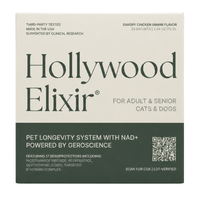
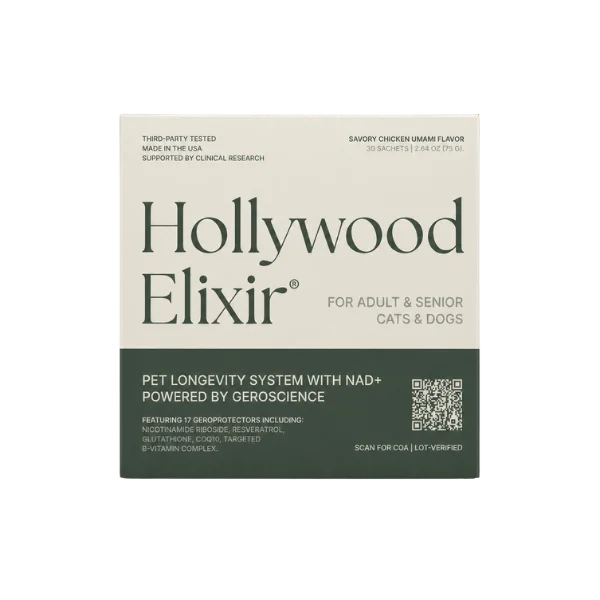
A layered plan for suspected energy decline starts with diagnosis and daily readouts, then adds support that is easy to sustain. Hollywood Elixir is positioned as part of that daily routine — food-mixed support for normal cellular energy processes and healthy aging, not a replacement for medical evaluation and not a treatment for mitochondrial disease. It includes the cofactor most discussed in this context, CoQ10, at a disclosed 40 mg per sachet, alongside B vitamins that act as energy cofactors and an antioxidant complex that helps with the oxidative side of the loop (Brittany Sood, 2024). The realistic goal is a more sustained pattern of engagement and recovery, measured against a baseline log.

You get the cleanest signal by changing one variable at a time. Keep feeding, play, and household stressors stable, then evaluate over 3–4 weeks using the same rubric — play minutes, recovery time, jump confidence, appetite timing. If the cat becomes more social but still avoids jumping, that split result guides the next veterinary step, such as a pain assessment. Support should create room to recover, not pressure the cat into higher output.

When to Act Quickly: Red Flags That Should Not Wait

Some signs suggest the margin is narrowing and evaluation should be prompt. Seek urgent veterinary care if a cat stops eating for a day, shows rapid breathing at rest, collapses, has repeated vomiting, or develops sudden neurologic changes such as falling, head tilt, or marked disorientation. Because primary mitochondrial disorders in cats can involve significant neurologic injury, rapid changes deserve faster assessment rather than extended home trials (Dell'Era, 2021). Early intervention protects safety and can prevent secondary complications like dehydration or injury.

For slower changes, act deliberately: schedule a visit, bring the log, and ask for a plan that includes what to watch between appointments. Owners can also ask what “worsening” looks like for this specific cat—changes in litter box habits, inability to reach food, or increasing isolation—so the household knows when to escalate. The goal is not to medicalize every quiet day, but to respond early when patterns become less uniform and persistent.

“A clear home log makes the veterinary visit more decisive.”

Educational content only. This material is not a substitute for veterinary advice. Always consult your veterinarian about your dog’s specific needs. These statements have not been evaluated by the Food and Drug Administration. Products mentioned are not intended to diagnose, treat, cure, or prevent any disease.

Glossary

  • ATP - The cell’s usable energy currency produced largely by mitochondria.
  • Mitochondria - Organelles that convert nutrients into ATP and regulate cellular redox balance.
  • Oxidative Phosphorylation - The mitochondrial process that couples electron transport to ATP production.
  • Electron Transport Chain - Protein complexes that move electrons to enable ATP generation.
  • NAD+ / NADH - A coenzyme pair that carries electrons from food metabolism into energy production.
  • CoQ10 (Coenzyme Q10) - A mitochondrial electron carrier and membrane redox participant.
  • Ubiquinone - The oxidized form of CoQ10 used in electron transport.
  • Ubiquinol - The reduced form of CoQ10 often used in supplements.
  • Oxidative Stress - An imbalance where reactive oxygen species outpace antioxidant defenses.
  • Daily Readouts - Simple, repeatable home measurements (play, recovery, appetite timing) used to track trends.

Related Reading

References

Giron. Clinical, imaging and histopathological characterization of a series of three cats with cerebellar cortical degeneration. PubMed. 2024. https://pubmed.ncbi.nlm.nih.gov/38890680/

Sies. Oxidative Stress. 2017. https://www.mdpi.com/2076-3921/13/11/1396

Lalani. Isolated mitochondrial myopathy associated with muscle coenzyme Q10 deficiency. PubMed. 2005. https://pubmed.ncbi.nlm.nih.gov/15710863/

Kitano. Subchronic oral toxicity of ubiquinol in rats and dogs. PubMed. 2008. https://pubmed.ncbi.nlm.nih.gov/18404543/

De Vries. Safety of drug use in patients with a primary mitochondrial disease: An international Delphi-based consensus. PubMed Central. 2020. https://pmc.ncbi.nlm.nih.gov/articles/PMC7383489/

Dell'Era. Selective symmetrical necrotizing encephalopathy secondary to primary mitochondrial disorder in a cat. PubMed Central. 2021. https://pmc.ncbi.nlm.nih.gov/articles/PMC8478069/

Brittany Sood. Coenzyme Q10. 2024. https://www.ncbi.nlm.nih.gov/books/NBK531491

Bermingham. Nutritional needs and health outcomes of ageing cats and dogs: is it time for updated nutrient guidelines?. PubMed Central. 2024. https://pmc.ncbi.nlm.nih.gov/articles/PMC11188961/

FAQ

What is Mitochondrial Dysfunction in Cats, in plain terms?

Mitochondrial Dysfunction in Cats means the cell’s “power stations” are not converting food into usable energy (ATP) as efficiently as they should. Because the brain and muscles depend heavily on ATP, small drops in energy can change behavior and movement before obvious illness appears.

It can be primary (a mitochondrial disorder) or secondary to more common problems like pain, inflammation, or organ disease. The practical next step is tracking daily readouts and getting a veterinary exam to separate look-alike causes.

Why do personality changes show up before other symptoms?

Cats conserve energy early, so they often reduce “optional” behaviors—greeting, play, social tolerance—before they stop eating or grooming. When ATP availability is constrained, the brain may prioritize basic function over engagement, making the cat seem withdrawn or irritable.

Oxidative stress can also reinforce this pattern by placing extra strain on mitochondria, making energy output less uniform across the day. A short home log helps show whether the change is persistent or situational.

Is Mitochondrial Dysfunction in Cats the same as aging?

No. Aging can influence mitochondrial efficiency, but a new, sustained shift in behavior or recovery is not automatically “normal.” Older cats may have changing nutritional needs and health outcomes, which makes earlier evaluation and support more actionable than many owners expect.

Treat “just getting older” as a prompt to measure: track play duration, jump confidence, and appetite timing for two weeks, then bring that record to the veterinarian.

What are the most common home signs to watch?

Look for clusters: shorter play with longer recovery, choosing lower perches, more hiding, less uniform appetite, and less complete grooming. These signs fit an energy-conservation pattern where the cat trims nonessential activity first.

Video of gait or jumping attempts can add clarity, especially if coordination seems off. If the cat stops eating, collapses, or becomes suddenly disoriented, the situation should be treated as urgent.

How is Mitochondrial Dysfunction in Cats diagnosed by a vet?

Diagnosis usually starts by ruling out common causes of low energy and behavior change: pain, kidney disease, thyroid disease, anemia, infection, and stress-related problems. The veterinarian may recommend bloodwork, urinalysis, blood pressure, and sometimes imaging based on the pattern.

If neurologic signs are prominent, advanced imaging or referral may be discussed; feline neurodegenerative patterns can be characterized with clinical findings and imaging when needed(Giron, 2024). Owners help most by bringing a timeline and daily readouts.

Can mitochondrial problems cause wobbliness or tremors in cats?

They can. Because the brain and nerves have high energy demand, mitochondrial disorders may present with neurologic signs in some cats. A cat with a primary mitochondrial disorder has been reported with symmetric brain lesions, showing that energy failure can be neurologically significant.

However, wobbliness also has many non-mitochondrial causes, including ear disease, toxins, and metabolic issues. Sudden onset, falling, or marked disorientation should be evaluated promptly.

What does oxidative stress have to do with mitochondria?

Oxidative stress is an imbalance between reactive oxygen species and antioxidant defenses. Mitochondria can generate reactive species during energy production, and they are also vulnerable to damage from those same molecules.

When damage accumulates, ATP output can become less uniform, which may show up as inconsistent engagement or slower mending speed after normal activity. Stable routines and veterinary evaluation help reduce avoidable strain while causes are investigated.

What is CoQ10, and why is it discussed for energy?

CoQ10 is a molecule involved in electron transport inside mitochondria and also participates in membrane redox activity. Because electron transport is central to ATP production, CoQ10 is often discussed when owners are concerned about cellular energy.

In broader mitochondrial medicine, CoQ10 deficiency has been linked to mitochondrial myopathy, illustrating how a cofactor bottleneck can affect muscle function(Lalani, 2005). Any use in cats should be veterinarian-guided and tracked with clear daily readouts.

Is CoQ10 safe for cats?

CoQ10 is generally discussed as a nutritional supplement ingredient with a history of use, but safety depends on product quality, dose, and the individual cat’s health status. Animal safety work has evaluated subchronic oral exposure to ubiquinol, supporting a general safety framework when used appropriately(Kitano, 2008).

Cats can be sensitive to additives and gastrointestinal upset, so introduce any supplement with food and monitor appetite and stool. A veterinarian should guide use, especially if the cat has liver disease, is on multiple medications, or is frail.

Should a cat with suspected energy failure avoid anesthesia?

Needed procedures should not be avoided automatically, but planning matters. In primary mitochondrial disease, expert consensus in human medicine notes that some drugs require caution because they may stress mitochondrial function in vulnerable patients(De Vries, 2020).

For cats, the veterinarian will choose agents and monitoring based on the individual risk profile. Owners should share prior anesthesia reactions, current supplements, and any prolonged weakness after procedures to support safer decision-making.

How quickly should results appear after supportive changes?

For routine and nutrition adjustments, owners often need a few weeks to see whether daily readouts become more sustained. The key is consistency: keep feeding times, play opportunities, and the home environment stable so trends are interpretable.

Evaluate one change at a time over 3–4 weeks using the same markers (play minutes, recovery time, jump confidence, appetite timing). If decline continues despite stability, the next step is usually deeper veterinary investigation rather than adding more variables.

How can owners track energy without over-handling the cat?

Tracking can be passive. Record what the cat already does: how long play lasts before disengagement, whether meals are finished, and which sleeping locations are chosen. Add one simple score for jump confidence (avoids, hesitates, normal) and one note on recovery time after activity.

This approach respects feline stress sensitivity and keeps the data clean. A two-week log is usually enough to show whether behavior is becoming less uniform or whether the change was a short-lived response to a household disruption.

What should not be done at home while waiting?

Avoid forcing exercise, rapidly switching diets, or stacking multiple supplements at once. Those choices can increase stress, disrupt appetite, and make daily readouts harder to interpret. Also avoid using leftover human medications or stimulants, which can be unsafe for cats.

Instead, keep routines predictable and make one change at a time. If vomiting, refusal to eat, collapse, or sudden neurologic signs occur, the plan should shift from home monitoring to urgent veterinary care.

Do certain breeds get Mitochondrial Dysfunction in Cats more often?

Some inherited disorders can cluster in lines, but most owners encounter mitochondrial strain as a secondary issue tied to aging, chronic inflammation, or other medical conditions. Because the early signs are behavioral, breed is usually less informative than the pattern and timeline.

Owners should focus on what is measurable: changes in engagement, recovery after activity, and movement choices. If neurologic signs appear, the veterinarian may discuss referral or advanced testing regardless of breed.

How is this different in cats compared with dogs?

Cats often express early energy limitation through behavior: hiding, reduced social tolerance, and shorter play, because conserving energy is a common feline strategy. Dogs more often show obvious exercise intolerance because many dogs are routinely asked to sustain longer activity.

This is why Mitochondrial Dysfunction in Cats can be missed until later. For cats, the most useful owner tool is a calm, consistent tracking routine that captures subtle shifts before appetite and weight change.

Can diet alone fix mitochondrial decline in an older cat?

Diet is foundational, but it is rarely the only lever. Aging cats can have changing nutrient needs and health outcomes, and appetite variability can limit what a cat actually consumes day to day. A well-chosen diet supports consistent inputs for energy production, but it cannot replace diagnosis of pain, kidney disease, thyroid disease, or neurologic problems.

A practical plan pairs nutrition with stable routines, hydration support, and veterinary evaluation. If supplements are added, they should be layered in one at a time and judged against tracked daily readouts.

How does Hollywood Elixir™ fit into an energy-support plan?

It should not be used as a substitute for veterinary diagnosis when a cat’s personality and activity change over weeks. The best use is structured: keep other variables stable and evaluate over 3–4 weeks using play duration, recovery time, jump confidence, and appetite timing. If daily readouts do not become more sustained, the next step is usually deeper medical evaluation.

How often can Hollywood Elixir™ be given to cats?

Frequency should follow the product label and be confirmed with a veterinarian, especially for cats with chronic disease or those taking multiple medications. Cats vary in sensitivity, and the safest approach is to introduce any new daily item gradually while monitoring appetite and stool. Stop and contact the clinic if vomiting or appetite decline appears.

Are there side effects to watch for with CoQ10 products?

The most common issues owners notice with supplements are gastrointestinal: softer stool, reduced appetite, or occasional vomiting. Product formulation and additives can matter as much as the headline ingredient, especially in cats.

Animal safety testing has evaluated subchronic oral exposure to ubiquinol, supporting a general safety framework when used appropriately(Kitano, 2008). Even so, any cat with chronic disease should use supplements under veterinary guidance, with one change at a time.

What questions should be asked at the vet appointment?

Ask questions that connect symptoms to next steps: Which common diseases mimic energy failure in this age group? Do the daily readouts suggest pain, organ disease, or a neurologic process? What baseline labs or imaging best match the timeline?

Also ask what to track between visits and what would count as meaningful change. If Mitochondrial Dysfunction in Cats is on the differential, ask whether medication choices or procedure planning should be adjusted for safety.

When should an owner call urgently rather than monitor?

Urgent signs include refusal to eat for a day, collapse, rapid breathing at rest, repeated vomiting, or sudden neurologic changes such as falling or marked disorientation. These signs suggest the margin is narrowing and home trials are no longer appropriate.

Because primary mitochondrial disorders in cats can involve significant neurologic injury, rapid changes should be evaluated promptly. For slower changes, schedule a visit and bring a two-week log to support efficient testing.

How can owners judge supplement quality for mitochondrial support?

Quality signals include clear labeling, lot tracking, conservative ingredient lists, and dosing instructions that encourage veterinary involvement. Avoid products with unnecessary sweeteners or strong flavoring agents that can disrupt appetite and tracking in cats. Any worsening appetite, vomiting, or unusual lethargy should prompt a call to the clinic.

Woman facing a white cat beside a Hollywood Elixir box in the feline longevity-system framework section

Discover LPL-01: How This Fits Into a Larger Feline Longevity System

Aging in cats unfolds quietly. It’s not driven by a single failure, but by gradual shifts across interconnected systems — cellular energy, oxidative balance, immune tone, and tissue integrity — each influencing the others over time.

This article explores one layer of that system. To understand what actually shapes long-term health, you need to step back and look at how these layers interact.

Start with the underlying science: