The 12 Hallmarks of Aging in Dogs, Explained
Read full insightMaine Coon Heart Health Supplement
By La Petite Labs Editorial 15 min read
If you are searching for a Maine Coon heart supplement, the most useful thing to know first is that no supplement treats or prevents the condition this breed is prone to — hypertrophic cardiomyopathy (HCM), where the heart muscle thickens and pumping efficiency falls. The single most important step is veterinary cardiac screening: an echocardiogram, and genetic testing, since Maine Coons carry well-known HCM-associated mutations. A supplement cannot diagnose disease, replace imaging, or stand in for prescription therapy, and it should never be used to delay a vet visit when breathing, energy, or appetite change.
So why consider one at all? Because heart health is rarely a single-nutrient story — it is shaped by weight, activity, stress, and the slow effects of aging. This page covers what to actually watch for, which nutrients have a real rationale for supporting cardiac energy and oxidative balance, and how any supportive supplement fits alongside screening rather than instead of it.
- Maine Coons are predisposed to hypertrophic cardiomyopathy (HCM) — no supplement treats or prevents it, so screening comes first.
- The most important step is veterinary cardiac screening: an echocardiogram and genetic testing for this breed’s known HCM mutations.
- Watch for warning signs — labored or fast breathing, reduced energy or play tolerance, fainting, or sudden hind-limb weakness — and call promptly.
- Nutrients with a real cardiac rationale include taurine, CoQ10, omega-3s (EPA/DHA), and L-carnitine — supportive, not curative, and best discussed with your vet.
- “Natural” is not automatically heart-safe: some supplements can stress the cardiovascular system, so share every product with your veterinarian.
- Weight, daily movement, and a calm routine often matter as much as anything in a bottle.
Why Heart Support Feels Different with Maine Coons over Time
Maine Coons carry a reputation for size, sweetness, and a certain quiet sturdiness. But many owners also carry a quieter worry: the heart. A maine coon heart health supplement is not a substitute for veterinary care or screening, and it should never be framed as a promise. Still, thoughtful support can matter because heart health is rarely one isolated nutrient problem—it’s a whole-body story shaped by weight, activity, stress, inflammation, and aging.
That’s why the best heart health supplement for maine coons is usually the one that fits into a broader, realistic plan: regular exams, appropriate calories, play that keeps muscles engaged, and a product that supports the metabolic network that aging touches. Nutraceuticals are often discussed as complementary tools alongside standard care, rather than replacements for it (Blanchard T, 2025).
A Breed-specific Concern, Without Turning Life into Vigilance
Heart health in Maine Coons is often discussed because the breed can be predisposed to certain cardiac concerns, and because their large frame can make weight management more consequential. The point isn’t to assume something is wrong; it’s to be deliberate. If your cat is thriving, the goal becomes preservation—keeping normal function normal for as long as possible.
That preservation mindset tends to favor heart health supplements for maine coon cats that support overall aging rather than narrowly targeting one marker. In broader companion animal research, nutraceuticals are commonly positioned as supportive additions that may complement diet and routine care, especially as pets get older.
The Heart as Part of a Larger System, Not a Solo Organ

A useful way to think about heart support is to zoom out. The heart is a muscle with high energy demand, and it’s sensitive to systemic stress—excess weight, chronic inflammation, and low activity. That’s why “heart health” often looks like ordinary wellness done consistently: appropriate food portions, daily play, and calm routines.
There’s also a human side to this: living with pets is associated with increased activity and emotional support, both linked to cardiovascular benefits in people (El-Qushayri AE, 2020). While that doesn’t translate directly to feline physiology, it reinforces a practical truth: the daily environment you build—movement, stress levels, bonding—can shape health outcomes over time.
What the Best Choices Support Beyond a Single Ingredient
Owners want an ingredient checklist, so here are the nutrients with a genuine cardiac rationale in cats — with honest limits attached. Taurine is the foundational one: taurine deficiency is a proven cause of feline heart disease, though complete commercial diets already supply it. CoQ10 supports the energy production heart muscle depends on; omega-3 fatty acids (EPA/DHA) are studied for inflammatory and rhythm-related balance; and L-carnitine plays a role in cardiac energy metabolism.
None of these treat or reverse HCM, and none replace an echocardiogram or prescription cardiac drugs. The more reliable question is what a formula is actually trying to support — energy production, oxidative balance, healthy circulation — and whether that fits your cat alongside veterinary screening. A product can read “complete” on paper and still be mismatched to the cat in front of you.
Weight, Conditioning, and the Quiet Math of Cardiac Load
Weight is one of the most underappreciated heart variables in cats. A Maine Coon can look “big-boned” while still carrying extra fat that changes breathing effort and exercise tolerance. If you’re investing in maine coon heart health vitamins, it’s worth pairing that decision with a realistic body-condition check and a feeding plan you can sustain.
Pet health literature connects obesity with cardiovascular issues, underscoring why weight management belongs in any heart-focused plan (Barroso CS, 2021). Supplements can support the broader system, but they can’t outvote chronic overfeeding. The best results usually come from aligning nutrition, activity, and supportive products in the same direction.
“The most credible heart support plan is the one that still makes sense on an ordinary Tuesday.”
Movement as Daily Circulation, Mood, and Muscle Maintenance
Movement is not just exercise; it’s circulation, muscle tone, and mood. For many Maine Coons, play sessions that mimic hunting—short bursts, pauses, then another burst—feel natural and sustainable. When owners ask which maine coon heart health supplement to choose, it’s often because they want a single lever to pull. In practice, movement is one of the most powerful levers you already have.
In people, pet ownership is associated with increased physical activity and lower cardiovascular risk. Again, cats are not humans, but the principle holds: a lifestyle that encourages regular movement supports the heart’s normal workload. Supplements fit best when they reinforce, rather than replace, that daily rhythm.
Stress, Routine, and the Hidden Costs of a Noisy Home
Stress is a heart topic even when it doesn’t look like one. Household changes, new pets, loud renovations, or subtle conflict can shift sleep, appetite, and activity—each of which influences cardiovascular load. If you’re evaluating maine coon heart health supplements, consider whether your plan also protects calm: predictable routines, safe resting spots, and gentle transitions.
The broader cardiovascular literature around pet companionship highlights emotional support as one factor associated with improved heart outcomes in humans (El-Qushayri AE, 2020). For cats, the takeaway is simpler: a stable environment supports stable physiology. A supplement can be a useful layer, but the foundation is the life your cat lives every day.
Mobility, Comfort, and the Indirect Route to Heart Resilience
Some owners come to heart support through a different door: mobility. When joints hurt, cats move less; when they move less, conditioning changes; and the heart loses some of its daily training. That’s why “heart health” can be indirectly supported by keeping the whole body comfortable and willing to engage.
Systematic reviews in companion animals suggest enriched diets and nutraceuticals may support joint comfort and function, particularly when used alongside appropriate dietary management (Barbeau-Grégoire M, 2022). While that’s not a direct heart claim, it’s a practical chain: comfort supports movement, and movement supports cardiovascular resilience. A thoughtful supplement strategy respects these connections.
Why System-level Support Often Fits Real Maine Coon Households
If you’re trying to choose among maine coon heart health supplements, a useful question is: does this product support only the heart, or does it support the conditions the heart depends on? The latter often includes cellular energy, antioxidant balance, and healthy aging support—areas that may matter even when a diet is technically complete.
This is also where marketing can mislead. A single “hero ingredient” story is easy to sell, but health rarely behaves that way. Reviews of nutraceuticals in pets often describe them as complementary tools that can add support when integrated into a broader care plan (Barbeau-Grégoire M, 2022). The best choices feel coherent with your veterinarian’s priorities and your cat’s daily life.
Comparing Products Without Getting Trapped by Ingredient Hype
If you’re comparing best maine coon heart health products, it helps to separate three categories: targeted nutrients, broad “senior support,” and products that try to do both. Targeted formulas can be useful when a veterinarian has a specific reason to choose them, but they can also feel narrow—especially when your real goal is resilience across a life, not a single lab value.
A system-level approach is often more satisfying for careful owners because it aligns with how health actually behaves: interconnected, cumulative, and influenced by daily habits. Reviews of nutraceutical use in companion animals commonly frame these products as complementary support that may add benefits when paired with appropriate diet and care routines (Barbeau-Grégoire M, 2022).
“Supplements don’t replace screening; they support the background conditions that make health easier to keep.”
DVM Voice: Clinical Vignette of a Common Pattern in Senior Cat Aging
Case provided by JoAnna Pendergrass, DVM
Sasha, a 12-year-old cat, was brought in after her owner noticed increased thirst and urination, lethargy, vomiting, and a generally unkempt appearance. Examination showed weight loss, elevated blood pressure, and reduced vitality.
Diagnostic testing revealed elevated kidney markers, poorly concentrated urine, and protein loss in the urine — findings consistent with chronic kidney disease, one of the most common chronic conditions in senior cats.
Her care required a kidney-focused diet, blood pressure management, targeted supplementation, medication support, and regular monitoring — a necessary plan, but one started after clinical signs were already visible.
Clinical takeaway: Sasha’s case reflects why senior-cat wellness should begin before obvious decline. Earlier monitoring, body-condition tracking, hydration awareness, antioxidant support, and daily cellular resilience may help support quality of life as cats age.
Single-case vignette. Not generalizable. Veterinary diagnosis and monitoring are essential for increased thirst, urination, vomiting, lethargy, weight loss, or suspected kidney disease.
Making Daily Use Easy Enough to Actually Stay Consistent
Administration matters more than most people expect. The “best” maine coon heart supplements are the ones your cat will take consistently, without turning every day into a negotiation. Look for a format that fits your household: mixable powders, soft chews, or liquids that can be portioned with care.
Consistency also supports better observation. When you keep the routine stable, you can notice changes—appetite, stool quality, energy, breathing effort—without guessing what caused what. Nutraceuticals are generally positioned as supportive additions rather than primary therapies, which makes steady, low-drama use the most sensible approach (Barbeau-Grégoire M, 2022).
Can Heart Supplements Be Unsafe? Safety and When to Call Your Vet
Can a supplement be unsafe for the heart? Yes — “natural” is not a synonym for cardiac-safe. Some products carry stimulant-like botanicals, undisclosed ingredients, or doses that can stress the cardiovascular system, which is one reason supplement use is itself a topic in cardiovascular-toxicity reviews. Any heart-aimed supplement should be cleared with your veterinarian first, especially if your cat has a known heart condition or takes prescription medications, is pregnant, or has kidney or thyroid disease.
Be wary of products that imply treatment outcomes. A supplement is, at best, a supportive tool that may help maintain normal function — not a cure — and across veterinary literature nutraceuticals are framed as complementary to veterinary care, never a replacement for it (Blanchard T, 2025).
What Results Can Look Like When Nothing Dramatic Happens
Owners often ask about timelines: when will I “see” something? With a maine coon heart health supplement, the most honest answer is that you may not see a dramatic, immediate change—especially if your cat already seems well. The goal is often quieter: supporting endurance, normal appetite, and the kind of steady energy that doesn’t call attention to itself.
Because heart wellness is intertwined with weight and activity, improvements can show up indirectly: more willingness to play, easier recovery after exertion, or better body condition over time. Pet health reviews also note that lifestyle factors such as obesity can contribute to cardiovascular issues, making daily habits part of the heart conversation (Barroso CS, 2021).
Quality Signals That Matter More Than Trendy Buzzwords
Quality signals are not glamorous, but they’re decisive. For maine coon heart health supplements, look for clear labeling, transparent sourcing, and a company that avoids sensational promises. If a formula is proprietary, you should still be able to understand what it’s trying to support and why it belongs in a cat’s routine.
It’s also reasonable to prefer products that fit into a broader “healthy aging” philosophy. Research discussions around nutraceuticals in pets frequently emphasize their role as adjuncts—supporting comfort and function when paired with appropriate diet and veterinary oversight (Barbeau-Grégoire M, 2022).
Vitamins Versus Whole-body Support in Heart-aware Routines
Maine Coon heart health vitamins are often marketed as if vitamins alone are the story. In reality, vitamins are only one part of the picture, and many cats on complete diets already meet baseline requirements. The more interesting question is whether a product supports the broader systems that aging strains: cellular energy, oxidative balance, and recovery after stress.
That broader framing is why some owners choose a comprehensive formula even when diet is “good.” Reviews of enriched diets and nutraceuticals in older pets discuss these tools as complementary strategies that may support overall function as animals age (Blanchard T, 2025).
A Calm Decision Framework for Long-term Heart Support
A practical decision framework can keep you from overbuying. Start with what’s non-negotiable: veterinary exams, appropriate calorie intake, and a plan for movement that your cat actually enjoys. Then consider whether a supplement adds something meaningful—either by supporting daily vitality or by helping you maintain consistency during busy seasons.
If you’re choosing among top heart health supplements for maine coons, prioritize products that respect uncertainty. The best brands acknowledge that supplements are supportive, not curative, and that outcomes depend on the whole context of care. That complementary framing is consistent with how nutraceuticals are discussed across pet health reviews (Barbeau-Grégoire M, 2022).
When Symptoms Mean It’s Time to Stop and Call
When should you call the vet instead of adjusting supplements? Any new breathing changes, fainting, sudden lethargy, reduced appetite, or a noticeable drop in tolerance for play deserves prompt attention. Supplements should never be used to “wait out” symptoms that could signal a serious issue.
Even outside emergencies, it’s wise to share your full supplement list at checkups. Interactions are not always obvious, and your veterinarian can help you decide what’s redundant versus what supports your cat’s overall aging plan. In pet health literature, complementary approaches are repeatedly framed as additions to, not substitutes for, veterinary care.
Choosing Support That Honors Both Science and Hope
The emotional core of this topic is simple: you want more good years, and you want them to feel like themselves. A maine coon heart health supplement can be part of that intention when it’s chosen with restraint and used with consistency. The aim is not to chase a miracle, but to support the background conditions that let a strong heart do its quiet work.
If you’re science-minded, the product you choose should still make sense even when you admit what supplements cannot do. The most compelling options support whole-body aging and daily resilience, so your care plan doesn’t depend on a single ingredient story. That’s the lens through which many owners evaluate heart support over time (Barroso CS, 2021).
“When you choose system-level support, you’re choosing coherence over hype.”
Educational content only. This material is not a substitute for veterinary advice. Always consult your veterinarian about your dog’s specific needs. These statements have not been evaluated by the Food and Drug Administration. Products mentioned are not intended to diagnose, treat, cure, or prevent any disease.
Glossary
- Cardiovascular Support: A general term for maintaining normal heart and circulation function through lifestyle and supportive products.
- Complementary Care: Non-prescription approaches used alongside veterinary diagnosis and treatment, not instead of them.
- Body Condition Score (BCS): A hands-on assessment of body fat that often reveals weight issues hidden by a large frame.
- Healthy Aging: A focus on maintaining function and resilience over time, rather than targeting one symptom.
- Nutraceutical: A supplement-like product discussed in pet health as supportive and complementary to diet and care routines.
- Palatability: How acceptable a product tastes and feels to a cat; often the deciding factor for consistency.
- Resilience: The ability to maintain normal function and recover from stressors such as travel, schedule changes, or aging.
- Exercise Tolerance: A cat’s comfort with activity and play; changes can signal conditioning shifts or health concerns.
- Screening: Veterinary evaluation (often including imaging or lab work) used to detect issues early; supplements cannot replace it.
Related Reading
Aging & Senior Cat Guidance
• Cat Age Calculator: Cat Years to Human Years
• Lethargy in Cats
• Senior Cat Not Eating
• Cat Drinking A Lot
• Why Is My Senior Cat Withdrawn?
Healthy Aging Support
• NAD+ for Cats
• NMN for Cats
• Vitamins For Older Cats
• Senior Cat Food
References
El-Qushayri AE. Association between pet ownership and cardiovascular risks and mortality: a systematic review and meta-analysis. PubMed. 2020. https://pubmed.ncbi.nlm.nih.gov/31815850/
Barbeau-Grégoire M. A 2022 Systematic Review and Meta-Analysis of Enriched Therapeutic Diets and Nutraceuticals in Canine and Feline Osteoarthritis. PubMed. 2022. https://pubmed.ncbi.nlm.nih.gov/36142319/
Barroso CS. Cat and/or Dog Ownership, Cardiovascular Disease, and Obesity: A Systematic Review. PubMed. 2021. https://pubmed.ncbi.nlm.nih.gov/34941860/
Blanchard T. Enhancing cognitive functions in aged dogs and cats: a systematic review of enriched diets and nutraceuticals. PubMed. 2025. https://pubmed.ncbi.nlm.nih.gov/39827310/
Freeman LM. Feline Hypertrophic Cardiomyopathy: A Spontaneous Large Animal Model of Human HCM. PubMed. 2017. https://pubmed.ncbi.nlm.nih.gov/28868097/
Hays. Heartworm prevalence in dogs versus cats: Multiple diagnostic modalities provide new insights. 2020. https://www.sciencedirect.com/science/article/pii/S2590138920300059
Crimmins. Lifespan and Healthspan: Past, Present, and Promise. Springer. 2015. https://link.springer.com/article/10.1007/s11357-025-01521-z
Domínguez-Oliva. The Impact of Vegan Diets on Indicators of Health in Dogs and Cats: A Systematic Review. 2023. https://www.mdpi.com/2306-7381/10/1/52
Corcoran J. Cardiovascular toxicity associated with supplement use. PubMed. 2025. https://pubmed.ncbi.nlm.nih.gov/40960841/
MacDonald KA. The effect of ramipril on left ventricular mass, myocardial fibrosis, diastolic function, and plasma neurohormones in Maine Coon cats with familial hypertrophic cardiomyopathy without heart failure. PubMed. 2006. https://pubmed.ncbi.nlm.nih.gov/17063701/
Sukumolanan P. Prevalence of cardiac myosin-binding protein C3 mutations in Maine Coon cats with hypertrophic cardiomyopathy. PubMed. 2022. https://pubmed.ncbi.nlm.nih.gov/35400937/
Kittleson MD. The Feline Cardiomyopathies: 2. Hypertrophic cardiomyopathy. PubMed Central. 2021. https://pmc.ncbi.nlm.nih.gov/articles/PMC8642168/
Marian. Hypertrophic Cardiomyopathy: Genetics, Pathogenesis, Clinical Manifestations, Diagnosis, and Therapy. Nature. 2017. https://www.nature.com/articles/s41598-024-62840-3
Fazio. Pharmacodynamics, safety, tolerability and pharmacokinetics of a single oral dose of an engineered phenylalanine ammonia-lyase in patients with phenylketonuria. 2023. https://www.sciencedirect.com/science/article/pii/S2214426923000587
Christiansen. Pharmacokinetics of Repeated Oral Dosing with Coenzyme Q10 in Cavalier King Charles Spaniels with Myxomatous Mitral Valve Disease. 2020. https://www.mdpi.com/2076-3921/9/9/827
Summers S. Evaluation of iron, copper and zinc concentrations in commercial foods formulated for healthy cats. PubMed Central. 2022. https://pmc.ncbi.nlm.nih.gov/articles/PMC10812249/
RVA. Vitamin-mineral supplements do not guarantee the minimum recommendations and may imply risks of mercury poisoning in dogs and cats. PubMed Central. 2021. https://pmc.ncbi.nlm.nih.gov/articles/PMC8075222/
FAQ
What is a maine coon heart health supplement, really?
A maine coon heart health supplement is a supportive product intended to complement diet, lifestyle, and veterinary care—not replace screening or treatment. Most are designed to support normal cardiovascular function indirectly by supporting whole-body resilience, including energy and recovery. If your Maine Coon has symptoms or a diagnosis, your veterinarian should guide the plan, since supplements are typically framed as complementary approaches.
Why do Maine Coons get so much heart-health attention?
Maine Coons are often discussed in heart-health conversations because breed predispositions are part of responsible ownership, and their large size can make weight and conditioning more consequential. Attention isn’t the same as alarm; it’s a reason to be deliberate about checkups and daily habits. Many owners choose supportive routines that include movement, healthy body condition, and a supplement that fits long-term use.
What should I look for in heart supplements for Maine Coons?
Look for clarity and restraint: transparent labeling, realistic claims, and a formula that fits your cat’s life stage and routine. The best products support normal function and overall vitality rather than implying they can treat disease. Also consider whether the product supports the broader aging context—energy, recovery, and resilience—since nutraceuticals are generally positioned as complementary tools in pet care.
Is a maine coon heart health supplement safe for daily use?
Many supplements are intended for daily use, but “safe” depends on your cat’s health status, medications, and sensitivities. Cats with diagnosed heart disease, kidney disease, thyroid issues, or those on prescriptions should have any supplement reviewed by a veterinarian. In general, nutraceuticals are discussed as complementary additions rather than primary therapies, which makes vet-guided selection the most cautious approach.
Can supplements replace echocardiograms or veterinary heart screening?
No. Supplements can’t diagnose, monitor, or replace imaging and clinical evaluation. Screening is how you learn what’s actually happening, especially in breeds where owners may want earlier clarity. The most responsible role for supplements is supportive: helping maintain normal function and resilience alongside veterinary care, a framing consistent with how nutraceuticals are discussed in pet health.
How long until I notice results from heart-support supplements?
Timelines are variable, and many owners won’t see a dramatic change if their cat already seems well. Often the goal is subtle: steadier energy, normal appetite, and good tolerance for play over weeks to months. Because weight and activity influence cardiovascular strain, improvements may show up indirectly through better conditioning and body composition over time.
What side effects should I watch for with new supplements?
The most common issues are gastrointestinal: softer stool, vomiting, reduced appetite, or food refusal due to taste. Any sudden lethargy, breathing changes, or collapse should be treated as urgent and evaluated by a veterinarian. Introduce one new product at a time so you can attribute changes accurately, and share the full ingredient list with your vet. Since nutraceuticals are complementary tools, monitoring tolerance is part of using them responsibly.
Can heart supplements interact with prescription heart medications?
They can. Even when a supplement seems mild, ingredients may affect appetite, hydration, or how the body handles other compounds. If your cat is on prescription heart medication, your veterinarian should approve any added supplement. This is one reason reputable guidance frames nutraceuticals as additions to care, not stand-ins for treatment.
Are heart health supplements for maine coon cats necessary?
Not always. A complete diet, healthy weight, and regular veterinary care may be sufficient for many cats. Supplements become more relevant when owners want an added layer of support for aging resilience, or when a veterinarian suggests a specific approach. The most compelling reason to choose one is coherence: a product that supports the broader system the heart depends on, not just a single nutrient story.
What’s the difference between vitamins and heart supplements?
Vitamins typically refer to essential micronutrients needed in small amounts, while “heart supplements” may include a wider set of compounds aimed at supporting normal function and aging resilience. Many cats on complete diets already meet baseline vitamin needs. That’s why some owners prioritize system-level support that complements diet rather than duplicating it, a common theme in discussions of nutraceuticals for older pets.
Do kittens need a maine coon heart health supplement?
Usually, kittens do best with a complete growth diet and routine veterinary care. Supplement decisions in young cats should be conservative, because their needs are different and unnecessary additions can complicate feeding and digestion. If there’s a specific concern, your veterinarian can advise whether any supportive product is appropriate.
Are senior Maine Coons better candidates for heart supplements?
Often, yes—because aging changes how the body handles stress, recovery, and energy demands. Seniors may also have multiple overlapping issues (mobility, appetite shifts, weight changes) that indirectly affect cardiovascular workload. Reviews of enriched diets and nutraceuticals in older pets commonly describe them as complementary strategies aimed at supporting function with age.
How do I choose the best heart health supplement for maine coons?
Start with your goal: are you supporting healthy aging, addressing a vet-identified need, or trying to improve consistency in daily wellness? Then evaluate quality signals—transparent labeling, realistic claims, and a format your cat will accept. Because nutraceuticals are generally framed as complementary tools, the best choice is the one that fits your vet’s plan and your cat’s routine.
What role does weight play in feline heart wellness?
Weight influences breathing effort, activity tolerance, and overall cardiovascular strain. In large breeds, extra weight can be easy to miss because “big” looks normal, but body condition still matters. Pet health literature links obesity with cardiovascular issues, which is why calorie control and movement belong in any heart-aware plan.
Can joint comfort affect heart health in Maine Coons?
Indirectly, yes. When joints are uncomfortable, cats often move less, and reduced movement can affect conditioning and circulation over time. Supporting comfort can help preserve the daily activity that keeps the whole system engaged. Companion animal reviews suggest enriched diets and nutraceuticals may support joint function when used alongside appropriate management.
Are these supplements the same for cats and dogs?
Not necessarily. Cats have distinct nutritional sensitivities and taste preferences, and some ingredients or formats that work for dogs may not be appropriate for cats. Always choose products labeled for cats and review them with your veterinarian if your cat has medical conditions. A cat-appropriate, system-level product can be easier to use consistently, which is often the deciding factor in real life.
How should I give a supplement to a picky Maine Coon?
Keep it calm and predictable. Mix into a small portion of a highly accepted food first, or use a format that doesn’t change texture too much. Avoid “hiding” it in a full meal until you know your cat accepts it, so you don’t risk food aversion. Consistency matters more than intensity; a supplement only helps if it’s taken regularly.
What research exists on nutraceuticals for pet wellness overall?
The strongest discussions tend to be broad: nutraceuticals are described as complementary tools that may support function when paired with appropriate diet and veterinary care. Reviews in aging pets, for example, discuss enriched diets and nutraceuticals as potential supports for overall function rather than single-outcome promises.
When should I stop supplements and call my veterinarian?
Stop and call your veterinarian if you see breathing changes, collapse, sudden weakness, persistent vomiting, refusal to eat, or marked lethargy. These signs shouldn’t be managed at home with supplement adjustments. Even for milder concerns, it’s wise to share all products and doses with your vet so they can evaluate interactions and priorities.
How do I compare best maine coon heart health products fairly?
Compare them on transparency, suitability for cats, and whether the claims stay within “support” language. Also consider whether the formula is narrow (one target) or broad (supports aging resilience), and which approach matches your goals. A fair comparison also includes usability: taste, format, and whether you can keep the routine steady for months.
What’s a sensible decision framework for long-term heart support?
Start with fundamentals: regular veterinary exams, a complete diet, healthy body condition, and daily movement. Then add one supportive product only if it improves consistency or supports aging resilience in a way that matches your cat’s needs and your household’s reality. Because obesity and inactivity can influence cardiovascular strain, lifestyle belongs in the same decision as supplements.
Discover LPL-01: How This Fits Into a Larger Feline Longevity System
Aging in cats unfolds quietly. It’s not driven by a single failure, but by gradual shifts across interconnected systems — cellular energy, oxidative balance, immune tone, and tissue integrity — each influencing the others over time.
This article explores one layer of that system. To understand what actually shapes long-term health, you need to step back and look at how these layers interact.
Start with the underlying science:
- Feline Geroscience Framework →
A structured view of how aging progresses across cellular energy, inflammation, and resilience systems. - Senior Biological Defense Coverage (BDC) Modeling →
A systems-level map of which biological pathways decline first, and how layered interventions can support them. - 2026 Market Research: Best Cat Longevity Supplements →
A feline-specific review of longevity supplements. 2026 Industry report created by LPL-01 Research. - LPL-01 Standard →
The formulation system that translates these models into real-world supplementation—covering multiple pathways in a coordinated way.
Essential Summary
Why is a Maine Coon heart health supplement important?
Maine Coon heart support is most credible when it’s quiet, consistent, and part of a bigger plan. Rather than chasing a single ingredient, many owners prefer formulas that support whole-body aging—energy, resilience, and recovery—alongside weight management and regular veterinary screening. The goal is steadier days, not dramatic promises.
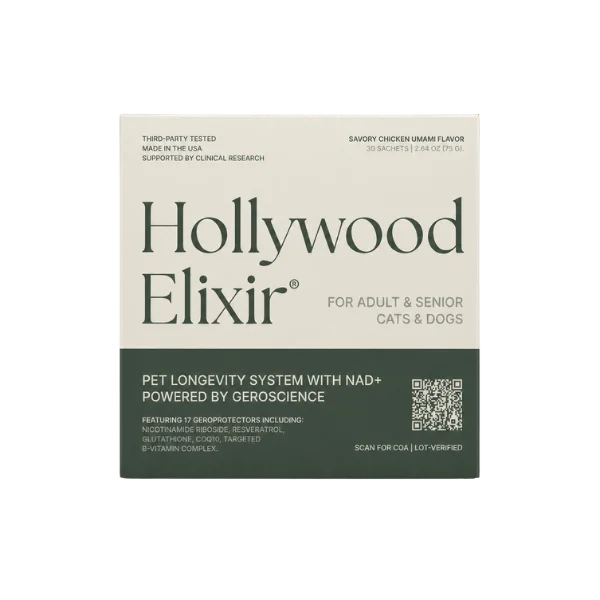
Hollywood Elixir is designed for system-level healthy aging support—an approach that fits owners who want heart support to make sense within the whole body, not as a single-nutrient bet. It complements good nutrition and veterinary care by focusing on the background conditions that help cats stay steady over time.
Hollywood Elixir®
Starting at $89/mo
Hollywood Elixir is amazing! She put back on 5 lbs to a healthy weight, her eyes are shiny, her coat is beautiful!
— Jessie
She hopped up onto the windowsill again for the first time in years.
— Charlie
Considering a Maine Coon heart health supplement?
If you're looking for heart health supplements for Maine Coons
If you’re weighing a maine coon heart health supplement, the most rational question is not “Which ingredient is famous?” It’s “Will this support the whole context my cat’s heart lives in?” Weight, movement, stress, and aging all shape cardiovascular load, and obesity is commonly discussed as a contributor to cardiovascular issues in pets. A product earns its place when it supports daily resilience—energy, recovery, and steadiness—without pretending to replace diagnostics or medication. Hollywood Elixir is positioned as system-level healthy aging support, which is why it can still make sense for science-minded owners who want heart-aware care without a narrow, single-nutrient bet.
Learn about how our DVMs think about cat aging
Dr. JoAnna Pendergrass DVM
Hollywood Elixir®
Starting at $89/mo
Explore your cat’s changing needs over time
Related Reading
Maine Coons are famously large, but the deeper truth is that they’re long-lived companions with a presence that becomes part of the house. ” It’s because they want fewer surprises, more continuity, and a plan that feels responsible without becoming anxious.