
The 12 Hallmarks of Aging in Dogs, Explained
Read full insightWhy Is My Dog Drinking So Much Water?
Link rising thirst to common diseases, red flags, and the next test to run
By La Petite Labs Editorial 15 min read

If your dog is suddenly drinking a lot of water, the safest move is a quick triage, not a guess, and the single most useful question is whether it came on over hours to a day or two (sudden) or crept up over weeks (gradual). Sudden jumps are more often tied to heat, exercise, salty treats, stress, or a new medication, but they can also signal acute illness. Gradual increases more often point to slower-developing medical issues that still deserve a timely vet visit.
Start by measuring intake for 24 hours, then scan for red flags that raise urgency: vomiting or diarrhea, marked lethargy or weakness, collapse, refusal to eat, or signs of dehydration despite drinking. From there the next steps are simple: (1) quantify how much your dog is actually drinking, (2) note whether urination has increased too, (3) review recent changes in diet, treats, activity, temperature, and medications, and (4) decide whether this is "go now," "schedule soon," or "monitor with a log."
- A clear increase in drinking matters more than a single "high" day.
- Thirst that rises alongside more urination deserves prompt attention and simple testing.
- Diet, treats, and medications can quietly shift water needs without obvious warning signs.
- Older dogs may drink more because thirst cues and water conservation change with age.
- Measuring intake for a few days gives your vet a baseline they can actually use.
- Never restrict water without veterinary direction; focus on the cause, not the bowl.
- "Go today" if heavy drinking comes with vomiting, weakness, collapse, or dehydration despite drinking.
How Much Water Is Too Much for a Dog?
To confirm increased thirst, measure total water intake in ml/kg/day over a full 24-hour log. Weigh your dog in kilograms (lb / 2.2), then record the milliliters they drink: measure what you pour in and subtract what is left the next day. As a reference, many dogs sit around 40-60 ml/kg/day; sustained intake above roughly 100 ml/kg/day is a common polydipsia threshold and warrants a vet discussion, especially if it lasts more than a day or two.
Make the number as accurate as you can:
- Wet vs dry food: canned diets add water that never reaches the bowl, so note the diet and any recent switch.
- Multiple pets: separate or supervise drinking so totals are not shared.
- Spills and play: if the bowl gets tipped or splashed, restart the 24-hour log.
Also track urine output. Increased drinking commonly pairs with polyuria (more urination), a key clue your vet uses to narrow causes (Guelfi G, 2025).

Step 2: Triage by Timing + Symptoms (When to Go to the Vet Today)
Use timing plus paired symptoms to decide what to do next.
Go to the vet today if:
- Drinking increase is sudden AND there’s vomiting or diarrhea, repeated retching, or inability to keep water down.
- Marked lethargy/weakness, collapse, pale gums, or severe panting accompanies the thirst.
- Accidents/increased urination (polyuria) start abruptly, especially with straining, blood-tinged urine, or obvious pain.
- You suspect toxin exposure, or your dog is dehydrated despite drinking.
Schedule a visit soon (next 24–72 hours) if:
- Increased drinking lasts >48 hours, even if your dog seems otherwise okay.
- There are new behavior/appetite changes (notably increased appetite), weight change, or recurrent urinary accidents.
- There were recent medication changes—especially steroids or diuretics—which can drive thirst and urination and may need dose adjustment.
Monitor with a log (and reassess) if:
- The increase matches a clear trigger (heat/exercise, a salty meal/treats, a diet change) and resolves within a day, with normal energy and normal urination.
Bring your 24-hour water totals, notes on urine frequency/accidents, diet details, and a list of meds/supplements to help your vet quickly sort categories such as heat/exercise, diet/salt, medication effects, urinary issues, endocrine causes, or kidney-related problems (Guelfi G, 2025).

When Should I Take My Dog to the Vet for Drinking Too Much?
A few "call today" signs are worth memorizing. If increased drinking comes with repeated vomiting, collapse, marked lethargy, refusal to eat, or signs of pain, it is not a wait-and-see moment. The same is true if your dog cannot keep water down, seems disoriented, or is urinating dramatically more while losing weight.
For many dogs the shift is quieter: a bowl that empties faster, a new need to go out at night, or accidents in a previously house-trained adult. Those still count. They can mean the body is struggling to conserve water, which happens with aging and with several underlying diseases, worth a vet call rather than a watch-and-wait.

Could Kidney Disease or Diabetes Be Causing the Thirst?
Kidney function is one of the first things vets check when thirst rises. The kidneys concentrate urine to hold water; when that ability weakens, the body compensates by drinking more. Early kidney changes can be quiet at home, showing up as increased thirst before appetite or energy noticeably shift.
Diabetes is the other classic cause. When blood glucose runs high, the body dumps the excess sugar into urine and pulls water along with it, so owners usually see more drinking and more urination together, sometimes with weight loss despite a good appetite. These are exactly the patterns that benefit from prompt lab testing instead of guesswork.

Hormones and Thirst: When the Signal Comes from Within
Hormonal conditions can also drive thirst. Cushing’s disease (excess cortisol) is a common example in middle-aged and older dogs, often paired with increased appetite, panting, and a change in body shape over time. Addison’s disease (low cortisol) can present differently and may include weakness, vomiting, or intermittent “off” days.
These conditions aren’t diagnosed by symptoms alone. They require veterinary testing, and the right test depends on the broader picture. If your dog’s drinking is increasing and you’re also noticing coat changes, muscle loss, or recurring infections, bring those details to your appointment—they help your vet choose the most efficient next step.
“Thirst is rarely the whole story; it’s often the first visible chapter.”
Infections and Other Conditions That Can Mimic Simple Thirst
Urinary tract infections can increase drinking indirectly, especially if they cause frequent urination or discomfort that disrupts normal patterns. Some dogs drink more because they’re urinating more; others appear to drink more because they’re asking to go out more often and you’re noticing the water bowl in the process.
Liver disease, certain electrolyte imbalances, and uterine infection (pyometra) in unspayed females can also show up with increased thirst. The point isn’t to memorize a list—it’s to respect that thirst can be a general signal. When it’s new or persistent, a urinalysis and bloodwork are usually the most direct way to sort “simple” from “serious.”

Dehydration Can Also Look Like Excessive Drinking
Sometimes the cause is dehydration rather than overhydration. Dogs can become mildly dehydrated from diarrhea, vomiting, fever, or simply not drinking enough during travel or stress. Older dogs may be especially vulnerable because thirst signaling and water conservation can change with age.
A dog that is dehydrated may drink more when water is finally available, but you may also see tacky gums, reduced skin elasticity, or fatigue. If dehydration is suspected—especially alongside ongoing GI signs—seek veterinary advice promptly. The right response depends on the cause and severity, not just the water bowl.

When Behavior and Routine Shape the Water Bowl
Behavior can play a role, too. Some dogs develop habitual drinking, especially in high-stimulation homes or when routines change. Anxiety, boredom, and attention patterns can all shape how often a dog visits the bowl. This is more likely when lab work is normal and there are no other symptoms.
Even then, it’s wise to be cautious: behavior is a diagnosis of exclusion. If your dog’s intake is rising and you’re also seeing urinary accidents, weight changes, or a shift in appetite, it’s better to rule out medical causes first. Once you know the body is stable, you can address enrichment, routine, and stress with more confidence.

Clues You Can Notice at Home Without Overthinking
It’s also worth noting what “too much” can look like in daily life. Many owners first notice the secondary effects: more frequent potty breaks, a larger volume of urine, or a dog that seeks out water in unusual places (toilet bowls, puddles, the shower). Those behaviors can be clues that thirst is not simply preference.
If you can, take a short video of the drinking behavior and note the timing. Does it happen after meals? After medication? Mostly at night? These details help your veterinarian interpret whether the pattern fits diet-driven thirst, medication effects, or a physiologic need to compensate for a deeper imbalance.
Everyday Factors That Quietly Raise Thirst
Heat and exertion are the obvious reasons a dog drains the bowl. Less obvious is how quickly “normal” can shift with small environmental changes: a new daycare routine, a longer walk, a different sleeping spot near a heater, or a dry winter home. Panting increases water loss; so does time spent in the sun. Some dogs also drink more when they’re bored or anxious, especially if the bowl becomes a self-soothing ritual.
The key is pattern. If the increase is predictable (after play, after a warm afternoon) and your dog otherwise seems well, it may be situational. If it’s persistent, escalating, or paired with appetite changes, accidents in the house, vomiting, or lethargy, it’s worth treating as a health signal rather than a quirk.
“Measure for a few days, then let the pattern—not panic—lead.”

DVM Voice: Clinical Vignette of a Common Pattern in Senior Dog Aging
Case provided by JoAnna Pendergrass, DVM
Rex, a 7-year-old Labrador Retriever, was brought in after his owner noticed he was slower to rise, hesitant on stairs, and less able to play as before. Examination showed stiffness and reduced hip mobility; radiographs confirmed degenerative joint changes.
His care required weight management, veterinary-guided pain control, nutritional support, and rehabilitation — a comprehensive plan, but one started only after visible decline appeared.
Clinical takeaway: Rex’s case reflects the value of proactive aging support: maintaining lean body condition, monitoring mobility early, and supporting cellular resilience, antioxidant defense, and healthy inflammatory balance before decline becomes obvious.
Single-case vignette. Not generalizable. Veterinary oversight is essential for pain, stiffness, or suspected joint disease.

Food, Treats, and Medications That Change Water Needs
Diet can change thirst dramatically. Dry kibble typically leads to more drinking than canned or fresh diets because the moisture has to come from somewhere. High-sodium treats, some dental chews, and certain “human food” scraps can also drive thirst. Even switching protein sources can alter stool quality and water needs for a week or two.
Medication is another common, underappreciated factor. Steroids, some diuretics, and certain anti-seizure medications can increase thirst and urination. If your dog started a new prescription or the dose changed recently, bring that timeline to your veterinarian. It’s not about stopping anything abruptly; it’s about interpreting the symptom in context.

Aging and Thirst: Normal Shifts Versus Early Warning Signs
Age changes the water story. As dogs get older, their ability to conserve water can decline, and subtle dehydration can become easier to miss (Guelfi G, 2025). That doesn’t mean heavy drinking is “just aging,” but it does mean older dogs deserve a lower threshold for evaluation. Small changes can matter more, and they can move faster.
Senior dogs may also have multiple overlapping reasons to drink more: dental discomfort that changes eating, arthritis that reduces activity (and changes panting patterns), or early organ changes that don’t yet show dramatic outward signs. A calm, data-driven approach—measuring intake and noting behavior—often clarifies whether you’re seeing a normal shift or an early warning.

A Simple Way to Measure Intake Without Guessing
A practical first step is to measure. Use a marked pitcher to fill the bowl and track how much is added over 24 hours, subtracting spills. Note your dog’s weight, activity, diet, and weather. This isn’t about perfection; it’s about creating a baseline you can share with your vet. Patterns—steady versus sudden, daytime versus nighttime—are often more informative than a single number.
Also watch the “paired signs”: increased urination, waking at night to drink, new accidents, ravenous appetite, weight loss, or a dull coat. If you’re thinking my dog is drinking a lot of water and something feels off, that intuition is worth honoring with a check-in rather than waiting for a crisis.
What Your Veterinarian May Check and Why It Helps
Veterinary workups for increased thirst are usually straightforward. A physical exam plus basic lab work—urinalysis and blood tests—can reveal whether the kidneys are concentrating urine appropriately, whether blood sugar is elevated, and whether there are signs of infection or inflammation. Depending on results, your vet may recommend imaging or targeted hormone testing.
If the results are normal, that’s still useful: it narrows the field and can shift focus to diet, environment, behavior, or medication effects. If something is abnormal, catching it early often expands your options. The goal isn’t to label your dog; it’s to understand what the body is asking for when it keeps returning to the bowl.
When Worry Is Reasonable and When It Can Wait
There’s a common fear behind the question why does my dog drink so much water: “Is this serious?” Sometimes, yes. But seriousness isn’t the same as hopelessness. Many causes are manageable when identified early, and even chronic conditions can often be supported with thoughtful routines, monitoring, and veterinary care.
What tends to make outcomes worse is delay—especially when increased thirst is paired with weight loss, vomiting, weakness, or sudden changes in urination. If you’re unsure, treat uncertainty as information: call your clinic, share your measurements, and ask what timeline they recommend. It’s a small act of care that can change the arc of a problem.

Hydration Safety: Why Restricting Water Can Backfire
Hydration itself is not the enemy. Restricting water without veterinary direction can be dangerous, particularly if the body is trying to correct dehydration or flush excess glucose or toxins. The safer approach is to keep water available, track intake, and focus on the cause rather than the symptom. (see our Dog Hydration Calculator →)
If your dog gulps water rapidly and then vomits, offer smaller amounts more frequently and discuss it with your veterinarian. In multi-pet homes, consider separate bowls so you can measure accurately and prevent competition. The goal is calm access and clear information—two things that help both you and your vet make better decisions.

Where Supportive Care Fits in a Vet-led Plan
Supportive care is where many science-minded owners want nuance. You can’t supplement your way out of diabetes or kidney disease, and no responsible product should pretend otherwise. But you can support the broader systems that shape resilience: appetite, energy, healthy aging, and the day-to-day metabolic “buffer” that helps dogs handle stressors over time.
That’s the practical reason a careful owner might still choose a system-level formula: not as a replacement for diagnosis, but as a way to support the whole dog while you monitor, adjust routines, and follow veterinary guidance. When thirst changes are part of an aging picture, supporting overall vitality can make the rest of the plan easier to sustain.
A Calm Next Step If You’re Still Unsure
If you’re here because you typed why is my dog drinking so much water late at night, you’re not alone. The most useful next step is simple: observe, measure, and decide whether the pattern is new, persistent, or paired with other changes. Those three details are often enough to justify a timely appointment.
In the meantime, keep water available, avoid sudden diet experiments, and write down anything that changed in the last month—food, treats, medications, routine, stress, travel. Your dog’s body is communicating. With a little structure, you can translate the message and act with confidence rather than worry.
“Supportive care works best when it respects diagnosis, not when it replaces it.”
Educational content only. This material is not a substitute for veterinary advice. Always consult your veterinarian about your dog’s specific needs. These statements have not been evaluated by the Food and Drug Administration. Products mentioned are not intended to diagnose, treat, cure, or prevent any disease.
Glossary
- Polydipsia: Increased thirst or increased water intake compared with a dog’s usual baseline.
- Polyuria: Increased urination volume and/or frequency, often occurring alongside polydipsia.
- Urine Specific Gravity (USG): A urinalysis measure that reflects how concentrated the urine is.
- Baseline: Your dog’s normal pattern (water intake, urination, appetite, energy) when healthy.
- Chronic Kidney Disease (CKD): Long-term decline in kidney function that can affect urine concentration.
- Diabetes Mellitus: A condition involving elevated blood glucose that can increase urination and thirst.
- Cushing’s Disease: Excess cortisol production that can increase thirst, urination, appetite, and panting.
- Urinalysis: A lab test of urine that can reveal concentration, infection signs, glucose, and more.
- Dehydration: A state of insufficient body water, sometimes prompting increased drinking when water is available.
Related Reading
Aging & Senior Dog Guidance
• Dog Age Calculator
• Dog Dementia
• Lethargy in Dogs
• My Dog Won't Eat
• Dog Pacing At Night
• Dog Licking Paws
• Can Dogs Dehydrate
Healthy Aging Support
• NAD+ for Dogs
• NMN for Dogs
• Antioxidants Supplements for Dogs
• Best Senior Dog Supplements & Vitamins
• Rapamycin for Dogs
References
Guelfi G. The Emerging Role of Water Loss in Dog Aging. PubMed Central. 2025. https://pmc.ncbi.nlm.nih.gov/articles/PMC11988356/
FAQ
When is increased drinking in dogs considered truly abnormal?
It’s most concerning when drinking is clearly more than your dog’s usual baseline for several days, especially if urination increases too. Sudden changes, nighttime drinking, or new accidents can be meaningful even if your dog seems otherwise cheerful. Track intake for 48–72 hours and note appetite, weight, and energy.
Why is my dog drinking so much water suddenly?
A sudden jump can follow heat, exercise, a salty treat binge, or a switch to dry food. It can also appear with medication changes (like steroids) or early illness that increases urination, making your dog feel persistently thirsty. If the change lasts more than a couple of days or comes with vomiting, lethargy, weight loss, or accidents, call your vet.
Why is my dog drinking so much water and peeing more?
When thirst and urination rise together, it often means the body is losing more water through urine and trying to replace it. That pattern can be seen with diabetes, kidney issues, urinary infections, and some medications. Because the causes range from simple to serious, a urinalysis and basic bloodwork are usually the fastest way to narrow it down.
Could kidney disease make my dog drink a lot?
Yes. When kidneys struggle to concentrate urine, dogs often drink more to compensate. Early kidney changes can be subtle at home, sometimes showing up as increased thirst before appetite or energy noticeably change. Only testing can confirm what’s happening, so it’s worth discussing with your veterinarian rather than guessing.
Can diabetes cause excessive thirst in dogs?
It can. With diabetes, excess glucose can spill into the urine, drawing water with it and increasing both urination and thirst. Owners may also notice weight loss, increased appetite, or a change in energy. Diabetes requires veterinary diagnosis and ongoing management, so don’t delay if the pattern is persistent.
Do older dogs naturally drink more water over time?
Some do, because aging can change how well the body conserves water and how thirst cues are regulated. But “older” shouldn’t be used as a blanket explanation for a meaningful increase—especially if it’s new or accelerating. A senior wellness visit and baseline labs can separate normal aging shifts from early disease.
Why does my dog drink so much water at night?
Nighttime drinking can stand out because the house is quiet and the behavior is easier to notice. It may follow dry air, warmer sleeping areas, or late-evening activity. It can also be a sign of increased urination that wakes your dog up. If it’s new, persistent, or paired with nighttime potty needs, discuss it with your veterinarian and consider measuring 24-hour intake.
Can dry kibble or salty treats increase a dog’s thirst?
Yes. Dry food contains less moisture than canned or fresh options, so many dogs drink more to make up the difference. Salty treats, certain chews, and table scraps can also push thirst upward, sometimes noticeably within a day. If thirst remains high after diet normalizes, it’s worth ruling out medical causes.
Which medications commonly make dogs drink more water?
Steroids are a well-known cause, and diuretics can also increase urination and thirst by design. Some anti-seizure medications may contribute as well. The timing matters: a change that begins soon after a new prescription is a useful clue. Don’t stop medications abruptly; instead, share the timeline with your veterinarian so they can adjust safely if needed.
Should I restrict water if my dog is drinking a lot?
In most cases, no. Restricting water can be risky if your dog is compensating for dehydration or increased urine losses. It can also make certain conditions worse and can interfere with your veterinarian’s ability to interpret what’s happening. Keep fresh water available, measure intake, and call your clinic for guidance—especially if vomiting, weakness, or confusion appear.
How can I measure my dog’s daily water intake accurately?
Use a marked pitcher or measuring cup to fill the bowl, and record how much you add over 24 hours. Subtract obvious spills and note other water sources like ice cubes, broth, or outdoor bowls. In multi-pet homes, separate bowls help. Bring the log to your veterinarian along with diet and medication details; it turns a vague concern into actionable data.
What tests do vets run for increased thirst and urination?
Most veterinarians start with a physical exam, urinalysis, and bloodwork to evaluate kidney function, blood sugar, hydration status, and signs of infection or inflammation. Depending on results, they may recommend imaging or hormone testing. If your notes show why is my dog drinking so much water is a persistent pattern, those baseline tests can quickly narrow the possibilities.
Can stress or boredom make a dog drink more water?
It can. Some dogs develop habitual drinking when routines change, stimulation is high, or they’re under-socialized or under-exercised. The bowl can become a self-soothing stop, especially in anxious dogs. Still, behavior is usually considered after medical causes are ruled out, particularly if urination is also increasing.
Is it different for small breeds versus large breeds?
The underlying causes are similar, but baseline intake and how quickly you notice changes can differ. Large dogs may naturally drink more, while small dogs can show dehydration or illness effects sooner because their reserves are smaller. For any size, the most useful comparison is your dog’s own normal. If the increase is persistent, bring measurements to your veterinarian.
Do puppies drink more water than adult dogs normally?
Puppies can appear to drink frequently because they’re active, learning routines, and eating multiple meals. But persistent excessive thirst, especially with diarrhea, vomiting, poor growth, or frequent urination, should be discussed with a veterinarian. Rather than restricting water, focus on monitoring and a timely exam if anything seems off.
When is excessive thirst in a dog an emergency?
It can be, especially if it’s paired with collapse, repeated vomiting, severe lethargy, confusion, or inability to keep water down. Those signs suggest more than simple thirst and warrant urgent veterinary attention. If the increase is the only change, it’s still worth a prompt call if it’s sudden or escalating.
How long should I watch before calling the veterinarian?
If your dog is otherwise normal, measuring intake for two to three days can provide useful context. But if there are paired signs—more urination, accidents, weight loss, appetite changes, vomiting, or weakness—call sooner rather than later. A short, accurate timeline is often more helpful than waiting for certainty.
Are there side effects to supplements that affect thirst?
Some supplements can cause mild GI upset, which may indirectly change drinking if stools loosen or appetite shifts. Others may include ingredients that don’t agree with every dog. The safest approach is to introduce any new product gradually and monitor stool, appetite, and behavior. If thirst changes after starting something new, pause and ask your veterinarian what they recommend.
Can supplements interact with my dog’s prescription medications?
Yes, interactions are possible, especially for dogs on multiple medications or with chronic conditions. Even “natural” ingredients can affect absorption, appetite, or GI tolerance, which can matter when dosing prescriptions consistently. Share the full ingredient label with your veterinarian and ask whether timing or monitoring should change.
How soon might I notice changes after improving routines?
If thirst is driven by heat, exercise, or salty treats, you may see improvement within a day or two after conditions normalize. If it’s tied to dry food, the shift can be gradual as your dog’s habits adjust. Persistent changes beyond a few days deserve a veterinary conversation. Think in trends, not hours, and keep notes so you can see whether the curve is flattening.
What should I look for in a high-quality wellness supplement?
Look for clear labeling, consistent manufacturing standards, and a formula that makes sense as a daily routine rather than a dramatic promise. Avoid products that claim to cure disease or replace veterinary care. Palatability and tolerance matter, because consistency is what makes supportive care meaningful. A science-minded choice supports the broader system—energy, appetite, and resilience—without pretending to diagnose or treat.

Discover LPL-01: How This Fits Into a Larger Canine Longevity System
Aging in dogs is not driven by a single pathway. It’s the result of interacting biological systems—energy metabolism, oxidative stress, immune signaling, and structural integrity—changing over time.
This article explores one piece of that puzzle. If you want to understand how these pieces connect—and what actually moves the needle—you need to zoom out.
Start with the underlying science:
- Canine Geroscience Framework →
A structured view of how aging progresses across cellular energy, inflammation, and resilience systems. - Senior Biological Defense Coverage (BDC) Modeling →
A systems-level map of which biological pathways decline first, and how layered interventions can support them. - 2026 Market Research: Best Dog Longevity Supplements →
A 2026 industry report and review of leading senior-dog and cellular-aging formulas. - LPL-01 Standard →
The formulation system that translates these models into real-world supplementation—covering multiple pathways in a coordinated way.
Essential Summary
Why is it important to understand why my dog is drinking so much water?
When a dog’s thirst rises, it can be a simple response to heat, diet, or routine—or an early sign that the body is compensating for something deeper. Measuring intake, watching for paired changes (urination, appetite, weight, energy), and sharing a clear timeline with your veterinarian can quickly narrow the cause and reduce uncertainty.
If your dog’s drinking habits are changing as part of a broader aging picture, Hollywood Elixir is designed as system-level support—helping maintain everyday vitality and resilience while you and your veterinarian address the underlying “why.” It’s a thoughtful fit for owners who want to support the whole dog, not chase a single symptom.
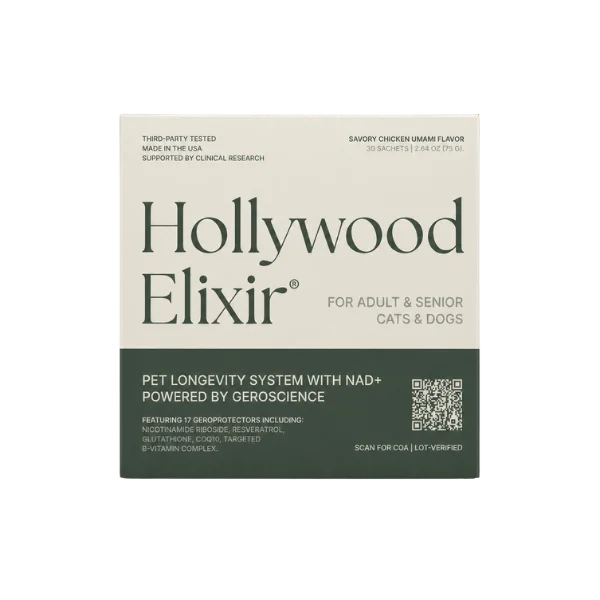
Longevity Core
Hollywood Elixir®
★★★★★(313)
More good years, starting now — steady energy, engagement, and a pet who keeps showing up fully, every day.
Starting at $89/mo
Hollywood Elixir is amazing! She put back on 5 lbs to a healthy weight, her eyes are shiny, her coat is beautiful!
— Jessie
We go on runs. Lately he's been keeping up with no problem!
— Cami
Wondering why your dog is drinking so much water?
If you're searching to understand why your dog is drinking so much water
If you’re tracking a change in drinking, the most useful plan is two-lane: investigate the cause while supporting the whole dog. Start by measuring intake for a few days, noting urination, appetite, weight, and energy. If the pattern is persistent or paired with other changes, schedule a veterinary visit for urinalysis and bloodwork. While you’re doing that, choose support that doesn’t pretend to “fix” a diagnosis, but does help maintain everyday vitality and resilience—especially in older dogs whose needs shift over time. That’s where Hollywood Elixir can make sense: it’s positioned as system-level support for healthy aging, not a single-symptom shortcut.
Veterinary Insights

Learn about how our DVMs think about dog aging
Dr. JoAnna Pendergrass DVM


Longevity Core
Hollywood Elixir®
★★★★★(313)
More good years, starting now — steady energy, engagement, and a pet who keeps showing up fully, every day.
Starting at $89/mo
Wellness Tools
Explore your dog’s changing needs over time


Related Reading
Start by measuring water intake for 24 hours, then sort what you find by pattern: did the change happen suddenly (over hours to a couple of days) or gradually (over weeks)? Sudden increases are more often tied to heat, exercise, salty treats, stress, or a new medication, but they can also signal an acute illness.
