Polyphenols for Cats

See How Polyphenols Blunt Oxidative Damage and Protect Tissues as Cats Age

Essential Summary

Why are polyphenols for cats important?

Polyphenols are plant compounds that can support a cat’s gut environment and overall resilience when used thoughtfully. In feline research, polyphenol ingredients—often paired with fiber—can influence microbiota activity and postbiotics linked with digestive comfort. The best approach is conservative, cat-specific, and focused on consistency rather than intensity.

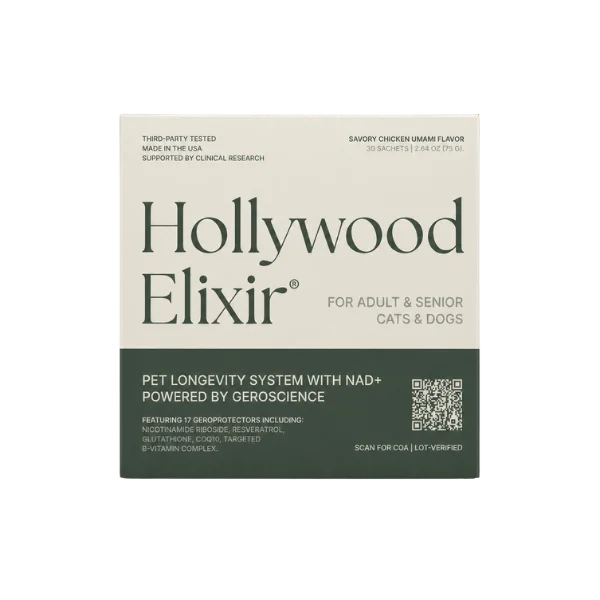
Hollywood Elixir™ is designed for system-level aging support, complementing polyphenols for cats by supporting the broader metabolic network that shapes everyday vitality, appetite steadiness, and resilience over time.

Interest in polyphenols for cats tends to come from a particular kind of hope: that there is a gentle way to support a cat’s long-term comfort without turning home life into a clinic. Polyphenols are plant compounds found in berries, grape skins, and many colorful foods. They are often described as antioxidants, but in cats the most grounded discussion is usually about the gut—because that is where these compounds meet microbes, fiber, and the daily realities of appetite and stool quality. In feline research, polyphenol ingredients have been associated with changes in gut microbiota activity and postbiotic production, which can matter for digestive steadiness over time.

There is also a practical tension that careful owners notice quickly: cats are obligate carnivores, many are selective eaters, and “superfood” marketing rarely accounts for feline biology. Cats can respond differently to plant compounds, and palatability can determine whether a supplement is even usable. So the goal is not maximal plant intensity. It is a conservative, cat-centered approach that respects tolerance and keeps the diet’s foundation intact.

This is also why system-level products still make sense even if a cat’s food already contains some polyphenols. Food inclusions can be variable, and measured levels of certain phenolics in berry-containing kibble may be low depending on formulation and processing. A well-designed supplement strategy is about consistency and the broader network that shapes aging—digestion, cellular stress, and everyday vitality—rather than betting everything on one compound.

By La Petite Labs Editorial, ~15 min read

Featured Product:

  • Polyphenols for cats are best viewed as gentle, long-horizon support rather than a quick fix.
  • In cats, polyphenol ingredients can influence gut activity, especially when paired with fiber.
  • Food labels with berries may not guarantee meaningful polyphenol levels, depending on processing (PAL, 2025).
  • Palatability and feline-specific tolerance often matter more than “high potency” claims.
  • Start low, go slowly, and watch appetite and stools; stop if GI upset appears.
  • The best polyphenols supplement for cats fits a broader plan: hydration, protein-forward diet, calm routines.
  • Science-minded owners still choose system-level formulas when they want consistency beyond single ingredients.

Polyphenols in Feline Life: Quiet Support for Daily Resilience

Polyphenols are a broad family of plant compounds that show up in berries, grape skins, green tea, and many colorful foods. For cats, the conversation is less about chasing a single “super antioxidant” and more about whether small, consistent exposures can support the systems that quietly wear down with age: digestion, appetite, and resilience to everyday stressors. Research in cats suggests that certain polyphenol ingredients, especially when paired with fiber, can influence gut activity and the production of beneficial postbiotics (Jewell DE, 2022).

That nuance matters because cats are not small dogs. Their dietary needs and responses to plant compounds can differ, and palatability can make or break any plan (Zaghini G, 2005). A thoughtful polyphenols supplement for cats is therefore less about maximal potency and more about careful formulation, tolerability, and a role within a broader longevity strategy.

Cellular powerhouse illustration symbolizing metabolic support via best polyphenols for cats.

Why Polyphenols Matter More for Comfort Than for Headlines

When people search for polyphenols for cats, they are usually looking for a way to support healthy aging without turning daily care into a medical project. Polyphenols are not essential nutrients in the way taurine is, but they can be meaningful as part of a “supportive environment” inside the body—especially in the gut, where diet meets immunity and comfort. In cats, adding polyphenol ingredients has been linked with changes in gut microbiota composition and activity (Jewell DE, 2022).

The most credible promise is not that polyphenols will fix a disease. It is that, for some cats, the right formula may help keep digestion steadier and oxidative stress lower, which can matter across a long life. The best outcomes tend to come from products that respect feline biology, avoid extreme claims, and fit cleanly into a routine your cat accepts.

Scientific DNA render highlighting oxidative defense supported by polyphenols for cats.

Resveratrol, Quercetin, and Beyond: a Category, Not a Single Thing

A useful way to think about polyphenols is as “plant complexity” rather than a single ingredient. Resveratrol and quercetin are two well-known examples, but many berry extracts contain dozens of related compounds. In real diets, polyphenols often arrive bound to fiber, and that pairing can shape what happens downstream in the colon (Jewell DE, 2022).

This is why polyphenols for cats health is frequently discussed alongside gut comfort. The gut is where these compounds can be transformed by microbes into smaller metabolites, some of which may be more biologically active than the original plant compound. It is also where too much, too fast can cause digestive pushback.

Protein visualization highlighting formulation depth and rigor in polyphenols supplements for cats.

Polyphenols for Cats Health Often Begins in the Digestive Tract

Digestive support is one of the more grounded reasons owners explore polyphenols supplements for cats. In feline studies, fiber-bound polyphenols have been shown to influence colonic postbiotics—compounds produced during fermentation that can be associated with a healthier gut environment. That does not mean every cat will respond the same way, but it does point to a plausible, cat-relevant target.

If your cat’s stools are inconsistent, the first step is still diet quality, hydration, and ruling out parasites or disease. But once those basics are in place, a carefully chosen polyphenols supplement for cats can be a reasonable adjunct—particularly for cats who do not tolerate major diet changes.

Pug close-up emphasizing comfort and connection supported by polyphenols supplement for cats.

Berry Ingredients in Food: Helpful, but Sometimes Light on Dose

Not all polyphenol sources are equal in a cat’s bowl. Whole-food inclusions (like blueberries in kibble) can add variety, but measured levels of quercetin and other phenolics in some commercial blueberry-containing cat foods have been reported as low (PAL, 2025). Processing, storage, and the amount included all matter.

This is one reason owners compare the best polyphenols supplements for cats rather than relying on a “superfood” label. A supplement can offer a more consistent input, while the diet remains focused on what cats need most: highly digestible animal protein, adequate moisture, and appropriate calories.

Hollywood Elixir™ is amazing and makes my 13 y/o kitty young again!

— Jessie

She hopped up onto the windowsill again—first time in years.

— Charlie

“In cats, the most believable polyphenol story starts in the gut, not in a headline.”

Palatability and Routine: the Hidden Determinants of Success

Palatability is not a side issue; it is the whole issue. Cats can reject bitter or unfamiliar flavors, and diets containing polyphenols may influence acceptance depending on the specific ingredients and the cat’s preferences. A supplement that causes food refusal is not a “health” product for that cat.

If you are introducing polyphenols for cats, choose a format that fits your routine: a small chew, a powder that disappears into wet food, or a liquid that can be mixed into a favorite topper. Start small, keep everything else stable, and let your cat’s appetite be the deciding vote.

Dog headshot symbolizing resilience and calm energy supported by best polyphenols for cats.

Kittens and Young Cats: When Less Supplementation Is More

Kittens and young adult cats are not just “smaller seniors.” Their needs are different, and the bar for adding extras should be higher. Research in kittens shows that certain fiber blends can support gastrointestinal outcomes and fecal parameters (McGrath AP, 2025). That does not automatically translate to “add polyphenols,” but it reinforces the idea that the gut environment is sensitive during growth.

For younger cats, prioritize complete nutrition first. If you are considering a polyphenols supplement for cats in a kitten, do it only with veterinary guidance and a clear reason, such as digestive fragility or a specific dietary limitation.

Canine side view symbolizing quiet confidence supported through best polyphenols for cats.

Senior Cats: Where Subtle Support Can Add up over Time

Senior cats are where owners most often look for polyphenols for cats benefits. Aging can bring appetite variability, slower digestion, and a narrower margin for dietary experiments. Because polyphenols can influence gut microbiota activity, they may be most relevant when used gently and consistently, rather than as a short “detox” burst.

The best polyphenols for cats in this stage are the ones your cat will take without stress. Think of them as part of a larger aging-support picture: stable calories, hydration, dental comfort, and a supplement strategy that supports the whole metabolic network rather than chasing one compound.

Ingredient showcase image explaining core components and support from polyphenols for cats health.

Timeline and Expectations: Measuring the Right Kind of Change

Owners sometimes expect antioxidants to “work” like a medication, but supplements rarely announce themselves that way. With polyphenols for cats, a realistic timeline is measured in weeks, not days, and the signals are subtle: stool regularity, less intermittent nausea, steadier interest in food, and a general sense of comfort. Because intake level can change gut effects, patience and consistency are part of doing this safely.

If you see no benefit after a reasonable trial, that is still useful information. It may mean the formula is not a match, the dose is not tolerated, or the goal you are targeting needs a different approach entirely.

Choosing the Best Polyphenols Supplement for Cats Without Hype

If you are comparing “best polyphenols for cats,” it helps to separate three ideas: ingredient identity, delivery, and the cat in front of you. Ingredient identity is the label story (resveratrol, quercetin, berry extracts). Delivery is what determines whether your cat actually takes it—taste, texture, and how it fits into meals. And the cat is the real variable: age, gut sensitivity, concurrent medications, and baseline diet all shape what is sensible (Zaghini G, 2005).

A practical way to choose the best polyphenols supplement for cats is to prioritize consistency over intensity. Look for transparent sourcing, conservative dosing directions, and a formula that acknowledges cats’ preferences. If a product is so bitter your cat refuses food, any theoretical benefit is irrelevant.

“The best supplement is the one your cat accepts calmly, day after day.”

Clinical branding image reflecting trust and validation behind polyphenols supplement for cats.

Gut-first Benefits: Why Microbial Balance Often Comes First

Polyphenols are often discussed as antioxidants, but in living systems they also behave like signals. In the gut, they can interact with microbes and with the fibers that feed them, shifting which compounds are produced during fermentation. In cats, fiber-bound polyphenol ingredients have been associated with changes in colonic postbiotics and microbiota activity (Jewell DE, 2022).

For owners, the takeaway is modest and useful: polyphenols for cats health may show up first as “softer” wins—steadier stools, fewer digestive surprises, and better day-to-day comfort—rather than dramatic, immediate changes. That is also why pairing polyphenols with system-level support can make more sense than treating them as a standalone fix.

Shop Now
Ingredients around product reflecting antioxidant support within best polyphenols supplements for cats.

Resveratrol for Cats: What to Expect and What Not To

Resveratrol gets attention because it is associated with aging research in other species, but cat-specific outcomes are not the same as internet headlines. For cats, the more responsible framing is that resveratrol is one of several polyphenols that may contribute to oxidative balance and cellular housekeeping when used conservatively and under veterinary guidance, especially in seniors or cats with complex medical histories (Zaghini G, 2005).

If you are considering resveratrol within polyphenols supplements for cats, prioritize products that do not push aggressive dosing language and that fit into a broader plan: hydration, protein-forward nutrition, and gut stability. That broader plan is where many cats actually feel the difference over time.

Shop Now
Pet owner presenting supplement, highlighting home wellness supported by polyphenols for cats benefits.

Quercetin and Cats: Food Levels Versus Supplement Consistency

Quercetin is a flavonoid found in many plants, and it is sometimes included in “berry antioxidant” blends. One practical detail: when blueberries are added to commercial cat kibble, measured quercetin and related phenolics can be present at relatively low levels (PAL, 2025). That does not make blueberries meaningless; it simply means you should not assume a food with a berry on the bag delivers a meaningful polyphenol dose.

For owners seeking polyphenols for cats benefits, this is where supplementation can be considered: not as a replacement for a complete diet, but as a way to add a consistent, measurable layer of support—provided your veterinarian agrees it fits your cat’s medications and sensitivities.

Shop Now

Berry Antioxidants for Cats: Gentle Inputs, Real-world Tolerance

Berry polyphenols are often marketed as simple “antioxidants,” yet their most interesting work may happen in the digestive tract. Polyphenol ingredients can interact with gut microbes, and different intake levels can shift microbial composition and activity in cats (Jewell DE, 2022). That is one reason owners sometimes notice changes in stool quality or gas before anything else.

Because cats can be sensitive to dietary changes, the best approach is gradual introduction and close observation. If your cat has a history of pancreatitis, inflammatory bowel disease, or frequent vomiting, treat any new polyphenols supplement for cats as a veterinary-supervised experiment rather than a casual add-on.

Safety and Sensitivity: When Plant Compounds Need Extra Caution

Safety is where responsible enthusiasm lives. Polyphenols are not automatically “gentle” just because they come from plants, and cats can respond differently than other animals due to species-specific metabolism and dietary patterns. If your cat is pregnant, nursing, very young, or medically fragile, do not start polyphenols supplements for cats without a veterinarian’s input.

Also avoid stacking multiple antioxidant products at once. More is not always better, and combining several formulas can increase the chance of appetite disruption or GI upset. A single, well-chosen product used consistently is usually the calmer, safer choice.

Competitor comparison image focusing on formulation integrity in polyphenols for cats benefits.

Dosing Mindset: Start Low, Track Comfort, Stay Consistent

Owners often ask for a “dose,” but the more useful question is: what is the smallest amount that your cat tolerates well and will actually take daily? Studies in cats suggest that different levels of polyphenol intake can lead to different gut effects, which is a reminder that careful dosing matters (Jewell DE, 2022).

Follow label directions, introduce slowly, and track simple markers: appetite, stool consistency, vomiting frequency, and energy. If anything worsens, stop and speak with your veterinarian. This is especially important if your cat is on long-term medications, where interactions are a real-world concern even when a supplement seems “natural.”

Shop Now
Unboxed supplement reflecting refined experience and trust in polyphenols supplements for cats.

Diet Versus Supplements: Why Consistency Can Still Matter

A fair question from a science-minded owner is: if polyphenols can come from food, why buy a supplement? Two reasons tend to hold up. First, commercial foods that include berry ingredients may still deliver low levels of specific polyphenols like quercetin, depending on formulation and processing (PAL, 2025). Second, the goal is often not “more berries,” but steadier system support across aging—especially when appetite fluctuates or diets rotate.

The best polyphenols supplements for cats are therefore positioned as consistency tools: a measured, repeatable input that complements a complete diet and supports the broader network that influences vitality, digestion, and everyday comfort.

Shop Now

When to Involve Your Veterinarian for a Smarter Decision

When to involve your veterinarian: immediately if your cat has kidney disease, liver disease, diabetes, a history of urinary obstruction, chronic GI disease, or is taking prescription medications. Bring the label, the ingredient list, and your goal (stool quality, appetite steadiness, senior support). Cats’ unique needs and variable responses to polyphenols make this a place where individualized guidance is worth it.

If your cat is generally healthy, you can still treat supplementation as a quiet trial: one change at a time, a few weeks of observation, and a willingness to stop if it does not suit your cat. That restraint is often what makes a supplement plan sustainable.

“Consistency beats intensity when the goal is long-term comfort.”

Educational content only. This material is not a substitute for veterinary advice. Always consult your veterinarian about your cat’s specific needs. These statements have not been evaluated by the Food and Drug Administration. Products mentioned are not intended to diagnose, treat, cure, or prevent any disease.

Glossary

  • Polyphenols: A large group of plant compounds often discussed for antioxidant and signaling roles.
  • Flavonoids: A major polyphenol subgroup that includes quercetin and many berry pigments.
  • Resveratrol: A polyphenol found in grape skins and some berries; often included in aging-oriented blends.
  • Quercetin: A flavonoid present in many plants; sometimes used in antioxidant formulas.
  • Postbiotics: Beneficial compounds produced by gut microbes during fermentation (for example, certain fatty acids).
  • Gut Microbiota: The community of microbes living in the digestive tract that can influence digestion and comfort.
  • Fiber-Bound Polyphenols: Polyphenols attached to or delivered with fiber, which can change how they are processed in the colon.
  • Palatability: How appealing a food or supplement is to a cat; a major determinant of real-world success.
  • Oxidative Stress: An imbalance between oxidants and antioxidant defenses; often discussed in aging contexts.

Related Reading

References

Jewell DE. Feeding Fiber-Bound Polyphenol Ingredients at Different Levels Modulates Colonic Postbiotics to Improve Gut Health in Cats.. PubMed. 2022. https://pubmed.ncbi.nlm.nih.gov/35804553/

McGrath AP. Food supplemented with a novel fiber blend containing soluble and insoluble fiber supported growth and fecal parameters indicative of gastrointestinal health in kittens.. PubMed. 2025. https://pubmed.ncbi.nlm.nih.gov/41317364/

Zaghini G. Nutritional peculiarities and diet palatability in the cat.. PubMed. 2005. https://pubmed.ncbi.nlm.nih.gov/16244923/

PAL. A "berry" small inclusion: 40 types of commercial dog and cat kibble with added blueberries provide low levels of quercetin, free phenolics, and alkali-labile phenolics.. PubMed. 2025. https://pubmed.ncbi.nlm.nih.gov/40795142/

Kapetanovic IM. Exposure and toxicity of green tea polyphenols in fasted and non-fasted dogs.. PubMed. 2009. https://pubmed.ncbi.nlm.nih.gov/19464566/

Takami S. Evaluation of toxicity of green tea catechins with 90-day dietary administration to F344 rats.. PubMed. 2008. https://pubmed.ncbi.nlm.nih.gov/18400353/

Cladis DP. A 90 day oral toxicity study of blueberry polyphenols in ovariectomized sprague-dawley rats.. PubMed. 2020. https://pubmed.ncbi.nlm.nih.gov/32165232/

Suresh S. Assessment of oral toxicity and safety profile of cyanidin: acute and subacute studies on anthocyanin.. PubMed. 2024. https://pubmed.ncbi.nlm.nih.gov/38827809/

Guo X. The Role of Plant Extracts in Enhancing Nutrition and Health for Dogs and Cats: Safety, Benefits, and Applications.. PubMed Central. 2024. https://pmc.ncbi.nlm.nih.gov/articles/PMC11435925/

Siroka. Toxicity of House Plants to Pet Animals. 2023. https://www.mdpi.com/2072-6651/15/5/346

RVA. Toxic element levels in ingredients and commercial pet foods.. PubMed Central. 2021. https://pmc.ncbi.nlm.nih.gov/articles/PMC8546090/

Summers S. Evaluation of iron, copper and zinc concentrations in commercial foods formulated for healthy cats.. PubMed Central. 2022. https://pmc.ncbi.nlm.nih.gov/articles/PMC10812249/

Ahmed. Bioaccumulation of heavy metals in some commercially important fishes from a tropical river estuary suggests higher potential health risk in children than adults.. Nature. 2019. https://www.nature.com/articles/s41598-021-00467-4

FAQ

What are polyphenols for cats, in simple everyday terms?

Polyphenols for cats are naturally occurring plant compounds found in things like berries and grape skins. They are often discussed for antioxidant support, but in cats they may be most relevant for how they interact with digestion and the gut environment over time.

They are not essential nutrients like taurine, so the goal is thoughtful support, not replacement of a complete diet.Hollywood Elixir™

Why do owners consider polyphenols for cats as they age?

Owners often look at polyphenols for cats when they want gentle support for resilience—especially as appetite, digestion, and energy become less predictable with age. The most realistic expectation is subtle, gradual support rather than dramatic change.

Because cats can have variable responses to plant compounds, the best plans are conservative and routine-friendly. Many owners pair this idea with broader aging support fromHollywood Elixir™

How might polyphenols affect a cat’s gut comfort?

In feline research, polyphenol ingredients—often delivered with fiber—can influence gut microbiota activity and the production of postbiotics associated with digestive health. That is one reason some owners focus on stool consistency and overall GI comfort as practical markers.

If your cat has chronic vomiting or diarrhea, involve your veterinarian before adding anything new. For system-level support alongside gut-friendly routines, considerHollywood Elixir™

Are resveratrol and quercetin the only polyphenols that matter?

No. Resveratrol and quercetin are well-known names, but berry extracts can contain many related polyphenols. In practice, the overall blend, dose, and tolerability often matter more than chasing a single headline ingredient.

Because cats can respond differently than other species, choose products that respect feline sensitivity and avoid extreme claims. For broader aging support beyond any one compound, many owners useHollywood Elixir™

Is a polyphenols supplement for cats safer than human products?

A polyphenols supplement for cats is typically formulated with feline palatability and conservative use in mind, which can reduce practical risks like refusal to eat. Human products may include sweeteners, concentrated extracts, or dosing assumptions that do not fit cats.

Cats also have unique metabolic considerations, so species-appropriate products and veterinary guidance are important. If you want a cat-centered, system-level option, look atHollywood Elixir™

What side effects can polyphenols supplements for cats cause?

The most common issues are practical: reduced appetite, food refusal due to bitterness, or mild GI upset such as softer stools. Palatability matters because cats may simply stop eating if a flavor is off.

Introduce one product at a time, start slowly, and stop if vomiting or appetite changes appear. For a routine-friendly approach that supports aging more broadly, considerHollywood Elixir™

Can polyphenols for cats interact with prescription medications?

They can. Even when a compound is plant-derived, concentrated extracts may affect how the body handles other substances, and cats can have species-specific sensitivities. If your cat takes long-term medications, it is wise to ask your veterinarian before adding any new supplement.

Bring the full label and ingredient list to that conversation so the risk assessment is specific. For system-level support that fits a cautious plan, considerHollywood Elixir™

How soon might I notice changes after starting polyphenols for cats?

Most owners who notice anything report gradual changes over weeks, not days—often in stool consistency or overall digestive steadiness. Because different intake levels can lead to different gut effects, consistency and patience matter more than frequent switching.

If nothing changes after a reasonable trial, that is still useful feedback about fit and tolerability. For steady, broader aging support alongside your routine, considerHollywood Elixir™

Do cats get enough polyphenols from food alone?

Some foods include berry ingredients, but measured levels of certain phenolics can be low depending on formulation and processing(PAL, 2025). So a diet may contain “sources” without delivering consistent amounts.

Supplementation is less about replacing diet quality and more about adding a repeatable input when that fits your cat’s needs and tolerance. For system-level support beyond single ingredients, considerHollywood Elixir™

What makes the best polyphenols for cats in real life?

In real life, the best polyphenols for cats are the ones your cat will take consistently without appetite disruption. Look for transparent sourcing, conservative directions, and a format that blends into your feeding routine.

Because palatability can determine success, choose products designed with cats in mind. For a broader, aging-focused approach that complements polyphenol strategies, considerHollywood Elixir™

How do I introduce a polyphenols supplement for cats gently?

Introduce it slowly and keep everything else stable. Mix a small amount into a familiar wet food, then increase only if appetite and stools stay normal. This “one change at a time” approach makes it easier to tell what is helping and what is not.

If your cat is sensitive, prioritize tolerability over speed, and check in with your veterinarian if symptoms appear. For a routine-friendly option that supports aging broadly, considerHollywood Elixir™

Are polyphenols supplements for cats appropriate for kittens?

Usually, kittens do best with complete growth nutrition and minimal extras. While some research shows certain fiber blends can support kitten GI outcomes, that does not mean every add-on is appropriate(McGrath AP, 2025).

If a kitten has digestive fragility or a special diet situation, make supplementation a veterinarian-led decision. For households planning long-term, system-level support as cats mature, considerHollywood Elixir™

Are polyphenols for cats different from polyphenols for dogs?

Yes, the context is different. Cats have distinct dietary needs and may respond differently to plant compounds, and palatability challenges can be more pronounced. That is why dog products or dosing logic should not be assumed to translate.

If you are choosing between species products, prioritize cat-specific formulation and veterinary alignment. For a cat-centered, system-level aging approach, considerHollywood Elixir™

What quality signals matter when choosing polyphenols supplements for cats?

Look for clear ingredient naming (not just “proprietary blend”), conservative directions, and manufacturing transparency. Avoid products that promise disease outcomes or push extreme potency as a virtue.

Also consider whether the format is realistic for your cat’s preferences, since refusal to eat is a practical safety issue. For a broader, consistency-first approach to aging support, considerHollywood Elixir™

Can polyphenols for cats support stool quality and regularity?

They may, especially when polyphenol ingredients are paired with fiber. In cats, fiber-bound polyphenols have been associated with changes in colonic postbiotics and gut activity linked with digestive health.

That said, stool changes can have many causes, so persistent diarrhea or constipation deserves veterinary attention. For system-level support that complements gut-focused care, considerHollywood Elixir™

Should I rotate different polyphenols supplements for cats each month?

Frequent rotation can make it hard to judge tolerance and can increase the chance of appetite disruption. Because different intake levels can produce different gut effects, consistency is often the more sensible strategy.

If you want to compare products, do it as separate trials with a stable baseline diet and clear notes. For a steady, system-level option that fits long-term routines, considerHollywood Elixir™

What if my cat refuses food after starting a supplement?

Stop the new product and return to the last reliably eaten meal. Cats can be sensitive to taste changes, and palatability issues are a common reason supplements fail in practice.

If refusal lasts more than a day, or your cat is a senior or has medical conditions, contact your veterinarian promptly. For a routine-friendly approach designed for long-term support, considerHollywood Elixir™

When should I call my veterinarian before using polyphenols for cats?

Call first if your cat has kidney or liver disease, diabetes, chronic GI disease, is pregnant or nursing, or takes prescription medications. Cats’ unique needs and variable responses make individualized guidance especially valuable.

Bring the ingredient list and your specific goal so the discussion is practical, not abstract. If you want system-level aging support that can fit a cautious plan, considerHollywood Elixir™

How do I decide between food-based antioxidants and supplements?

Start with diet quality and hydration, then consider whether you need consistency beyond what food provides. Some commercial foods with berry inclusions may contain low levels of certain phenolics, depending on formulation(PAL, 2025).

Supplements can be useful when you want a measured, repeatable input without changing the whole diet. For broader aging support that complements antioxidant strategies, considerHollywood Elixir™

What does research in cats actually suggest about polyphenols?

Cat-focused research suggests polyphenol ingredients, particularly when fiber-bound, can influence gut microbiota activity and postbiotics associated with digestive health. It also suggests that different intake levels can produce different effects, which supports a cautious, individualized approach.

This is supportive, not definitive, and it does not replace veterinary care for disease. For system-level support aligned with long-term routines, considerHollywood Elixir™

How can Hollywood Elixir fit alongside polyphenols for cats?

Polyphenols for cats can be one piece of a larger longevity picture, but they are rarely the whole story. Many owners want support that is not dependent on a single compound or a single food inclusion, especially as routines change with age.

That is where a system-level formula can complement targeted ingredients by supporting the broader network that shapes day-to-day vitality and resilience. To explore that approach, seeHollywood Elixir™

5K+ Happy Pet Parents

Excellent 4.8

Polyphenols for Cats | Why Thousands of Pet Parents Trust Hollywood Elixir™

"My go-to nutrient-dense topper. Packed with 16 powerful anti-aging actives and superfoods!"

Chanelle & Gnocchi

"We go on runs pretty often; he use to get tired halfway through, but lately, he's been keeping up without any problem."

Cami & Clifford

"He seems more happy overall. I've also noticed he has more energy which makes our walks and playtime so much more fun."

Olga & Jordan

"I want her to live forever. She hasn't had an ear infection since!"

Madison & Azula

"My go-to nutrient-dense topper. Packed with 16 powerful anti-aging actives and superfoods!"

Chanelle & Gnocchi

"We go on runs pretty often; he use to get tired halfway through, but lately, he's been keeping up without any problem."

Cami & Clifford

"He seems more happy overall. I've also noticed he has more energy which makes our walks and playtime so much more fun."

Olga & Jordan

"I want her to live forever. She hasn't had an ear infection since!"

Madison & Azula

"My go-to nutrient-dense topper. Packed with 16 powerful anti-aging actives and superfoods!"

Chanelle & Gnocchi

"We go on runs pretty often; he use to get tired halfway through, but lately, he's been keeping up without any problem."

Cami & Clifford

"He seems more happy overall. I've also noticed he has more energy which makes our walks and playtime so much more fun."

Olga & Jordan

"I want her to live forever. She hasn't had an ear infection since!"

Madison & Azula

"My go-to nutrient-dense topper. Packed with 16 powerful anti-aging actives and superfoods!"

Chanelle & Gnocchi

"We go on runs pretty often; he use to get tired halfway through, but lately, he's been keeping up without any problem."

Cami & Clifford

"He seems more happy overall. I've also noticed he has more energy which makes our walks and playtime so much more fun."

Olga & Jordan

"I want her to live forever. She hasn't had an ear infection since!"

Madison & Azula

SHOP NOW