Nrf2 Activation in Cats

See how the Nrf2 switch rebuilds antioxidant and detox capacity

By La Petite Labs Editorial 15 min read

Nrf2 is best understood as the cell’s antioxidant coordinator — when it’s active, cells can raise their own protective defenses to handle oxidative stress and stay in balance. For most owners the question behind “Nrf2 activation in cats” is simpler: can steady, durable support help an aging cat who seems a little less springy and slower to bounce back?

Feline-specific research is still emerging. Nutrition reviews suggest nutraceuticals and enriched diets may influence Nrf2-related responses, while emphasizing that more cat-specific data is needed. That mix of promise and humility is the right tone here.

So why consider a supplement if you already feed well? Because real life isn’t a controlled study. Appetite fluctuates, seniors eat less, stress accumulates, and oxidative load rises with age. A system-level formula offers consistent daily support for the broader resilience network — not a single-nutrient “fix,” and never a replacement for veterinary care. That is the rationale for a product like Hollywood Elixir: steady support for the long arc of a cat’s life.

  • Nrf2 is a built-in program, not a pill — it helps coordinate the cell’s own antioxidant defenses when demand rises.
  • The real goal is resilience over time: steadier energy, comfort, and recovery, not an instant “boost.”
  • Balance, not eradication: reactive oxygen species also run normal cell signaling, so the aim is regulation.
  • Feline evidence is emerging: reviews say nutraceuticals and enriched diets may influence Nrf2 responses, with more cat data needed (Barbeau-Grégoire M, 2022).
  • Subtle, weeks-long changes: track willingness to jump, play, grooming, and appetite — not biochemistry.
  • Safest path is consistency: one change at a time, careful observation, and vet input for cats with conditions.
  • A system formula still makes sense with good food, because it supports the network on the days real life is imperfect.

A Quiet Master Switch Behind Everyday Feline Resilience and Defense

Nrf2 activation in cats is best understood as a “master switch” for everyday cellular housekeeping: it helps cells respond when normal metabolism produces reactive byproducts, and it coordinates a broader antioxidant response when demand rises (Chen, 2009). In practical terms, this matters most when a cat is aging, recovering from stress, or living with a long-term condition where oxidative load and inflammation tend to run higher (Yang J, 2020).

Owners often search for the best Nrf2 activation supplements for cats because they want something more durable than a single antioxidant ingredient. That instinct is reasonable: Nrf2 is less about “adding one molecule” and more about supporting a coordinated defense program that can influence multiple protective enzymes at once (Chen, 2009).

Still, it’s worth keeping expectations grounded. Feline-specific research is emerging, and reviews note that more work is needed to map outcomes across different health states and diets (Barbeau-Grégoire M, 2022). The goal is thoughtful support—paired with veterinary guidance—rather than chasing a dramatic, immediate change.

What Nrf2 Does in the Body and Why Cats Need Balance

Nrf2 is a transcription factor—meaning it helps turn on genes that code for protective enzymes. When Nrf2 is activated, cells can increase their capacity to manage oxidative stress and maintain internal balance. That’s the core reason Nrf2 activation benefits for cats is a compelling topic: it speaks to resilience, not just symptom management.

Oxidative stress is not a niche concept. Every cell produces reactive oxygen species as part of normal energy production, and the body constantly decides whether those signals remain useful or become damaging. Aging, chronic inflammation, and environmental stress can tilt that balance, which is why owners notice changes in stamina, coat quality, or comfort over time.

The most responsible framing is supportive: Nrf2-related strategies may help maintain normal defenses, especially when paired with veterinary care and a stable lifestyle.

What We Know from Feline Nutrition and Emerging Research

In cats, interest in Nrf2 often shows up through nutrition. Reviews note that nutraceuticals can influence activation of Nrf2 and related antioxidant responses, and that enriched therapeutic diets may enhance these effects in felines. That’s encouraging, but it’s also a reminder to stay precise: “may” is not “will,” and individual cats vary.

If you’re exploring Nrf2 activation in cats supplements, treat them as part of a broader plan: hydration, appropriate protein, stable calories, and a routine that supports sleep and play. Cellular defense systems respond to the whole environment, not just a capsule.

A good supplement choice should feel boring in the best way—consistent, well-tolerated, and designed for long-term support rather than quick fixes.

Oxidative Stress and Inflammation: the Two-thread Problem

One reason Nrf2 is so widely discussed is that oxidative stress and inflammation travel together. Nrf2 activators are often described as helpful for mitigating oxidative stress and inflammatory signaling in a range of contexts. For cats, that translates into a general wellness lens: supporting normal inflammatory tone can matter for comfort, mobility, and recovery from everyday wear.

This is also why “stacking” many strong ingredients can backfire. The goal isn’t to suppress every oxidative signal; reactive oxygen species also play roles in normal cellular communication, and balance is the point.

A measured approach—one product, one change at a time—tends to be kinder to cats and clearer for owners.

What Makes a Good Nrf2 Supplement for Cats?

When comparing Nrf2 supplements for cats, separate marketing language from biology: Nrf2 is upstream. It influences the body’s own antioxidant response rather than acting as a single antioxidant, so quality, tolerability, and consistency matter far more than a dramatic ingredient list. A long list of “activators” is not the same as a product a cat will take every day for months.

Consider your cat’s baseline, too. A young, healthy cat may show no obvious change, while an older cat with lower resilience might show small gains in daily steadiness. Because feline research is still developing, treat any supplement as supportive — a complement to diagnosis and treatment, not a substitute. The most credible products are conservative in their claims and clear about what they are and are not.

“The most useful promise of Nrf2 support is not drama—it’s steadiness.”

Timeline and Expectations: Subtle Changes That Matter

Owners often want to know what timeline to expect. With Nrf2 activation strategies for cats, think in weeks, not days. You’re supporting gene-expression programs and downstream enzyme capacity, which tends to show up gradually as a shift in baseline resilience rather than a sudden “boost”.

Track simple, observable markers: willingness to jump, play duration, grooming patterns, and appetite consistency. These are often more meaningful than trying to infer internal biochemistry. If something worsens, stop and reassess; changes in behavior can signal discomfort or illness that needs veterinary attention.

The best outcomes tend to come from steady routines paired with a product that’s designed for long-term daily use.

Diet, Prescription Nutrition, and When Supplements Fit

Food is the foundation, but it’s not always the full story. Enriched therapeutic diets have been discussed as a way to enhance Nrf2 activation in cats, potentially improving certain health outcomes, while researchers also note the need for more feline-specific data. That combination—promise plus uncertainty—is exactly why owners should stay thoughtful.

If your cat is already on a prescription diet, don’t add supplements casually. Some conditions require tight nutritional control, and “wellness” additions can complicate management. A veterinarian can help you decide whether a supplement complements the diet or simply adds variables.

When diet is stable and appropriate, a carefully chosen supplement can provide consistent support across the days when appetite and intake aren’t perfect.

Why Balance Matters More Than Maximum Antioxidant Power

It’s tempting to think of oxidative stress as purely harmful, but biology is more nuanced. Mitochondrial reactive oxygen species participate in signaling, and the balance of these signals helps determine cellular outcomes. That’s why the best conversations about Nrf2 avoid extremes: you’re aiming for regulation, not eradication.

Dietary phytochemicals that activate Nrf2 are also discussed in relation to mitochondrial function, suggesting a broader “energy and resilience” story rather than a narrow antioxidant story. For cats, that broader framing is useful because aging often looks like a slow narrowing of margins—less tolerance for stress, slower recovery, more variability.

A good plan supports that whole margin: nutrition, environment, and a supplement that’s built for steady daily support.

Is “Activation” Too Much? Understanding Normal Regulation

Some owners worry that “activating” Nrf2 sounds aggressive. In reality, the body regulates Nrf2 continuously, and activation is part of normal defense against oxidative stress. The question is whether a cat’s lifestyle and nutrition support that regulation—or whether age, stress, or illness is making the job harder.

This is where restraint matters. If you’re exploring Nrf2 activation in cats, avoid combining multiple new products at once. Cats are excellent at telling you when something doesn’t agree with them, but they’re not always specific about which change caused it.

Choose one approach, keep notes, and treat your veterinarian as a partner—especially if your cat’s health is already complicated.

How to Evaluate Nrf2 Activation Products Without Chasing Hype

If you’re comparing Nrf2 activation products for cats, start with the unglamorous questions: Is the formula consistent from batch to batch? Are ingredients clearly listed? Is the company willing to discuss sourcing and quality controls? These signals matter because Nrf2-supporting botanicals and nutrients can vary widely in potency, and “more” is not automatically “better.”

Next, look for system-level logic. Nrf2 doesn’t operate in isolation; it sits in a wider network that includes mitochondrial function and inflammatory tone (Yang J, 2020). Products that respect that complexity tend to focus on steady, daily support rather than a single heroic ingredient.

Finally, avoid formulas that imply disease outcomes. The most credible positioning is supportive: helping maintain normal defenses and resilience over time, especially in older cats or cats under higher oxidative load (Hamanaka, 2010).

“Balance beats intensity when you’re supporting a cat’s long-term resilience.”

La Petite Labs

DVM Voice: Clinical Vignette of a Common Pattern in Senior Cat Aging

Case provided by JoAnna Pendergrass, DVM

Sasha, a 12-year-old cat, was brought in after her owner noticed increased thirst and urination, lethargy, vomiting, and a generally unkempt appearance. Examination showed weight loss, elevated blood pressure, and reduced vitality.

Diagnostic testing revealed elevated kidney markers, poorly concentrated urine, and protein loss in the urine — findings consistent with chronic kidney disease, one of the most common chronic conditions in senior cats.

Her care required a kidney-focused diet, blood pressure management, targeted supplementation, medication support, and regular monitoring — a necessary plan, but one started after clinical signs were already visible.

Clinical takeaway: Sasha’s case reflects why senior-cat wellness should begin before obvious decline. Earlier monitoring, body-condition tracking, hydration awareness, antioxidant support, and daily cellular resilience may help support quality of life as cats age.

Single-case vignette. Not generalizable. Veterinary diagnosis and monitoring are essential for increased thirst, urination, vomiting, lethargy, weight loss, or suspected kidney disease.

Explore Hollywood Elixir Research →
Nrf2 activation in cats - 9

Is Nrf2 Support Just Another Antioxidant?

Nrf2 support is not “just antioxidants.” A direct antioxidant neutralizes reactive molecules itself; Nrf2 signaling helps the body upshift its own protective enzymes and detox capacity when needed (Chen, 2009). That is why Nrf2 is framed as a resilience program rather than a single nutrient category — and why results, when they come, look like steadier energy and a calmer baseline instead of a sudden transformation.

Oxidative balance is a moving target shaped by age, activity, stress, and underlying conditions (Hamanaka, 2010). When choosing between products, favor those that support the broader metabolic network. The point is not to flood the system with antioxidants; it is to help the body regulate itself.

Nrf2 activation in cats - 10

Safety First: Sensitivities, Tolerance, and Vet-guided Decision Making

Safety is where responsible Nrf2 conversations begin. Cats have unique metabolism and sensitivities, so “human wellness” assumptions don’t transfer cleanly. Even when dietary phytochemicals are discussed as Nrf2 activators, the literature emphasizes that feline-specific outcomes and optimal approaches still need clarification (Barbeau-Grégoire M, 2022).

Practical guardrails: introduce any new supplement one at a time, watch appetite and stool, and stop if you see vomiting, diarrhea, or unusual lethargy. If your cat has chronic disease, is on prescription medication, or is very old, make your veterinarian part of the decision—especially because oxidative stress and inflammation often overlap with complex medical management (Yang J, 2020).

The safest strategy is consistency and moderation, not stacking multiple “activators” at once.

Nrf2 activation in cats - 11

Skin, Environment, and the Broader Story of Cellular Defense

Owners sometimes ask about Nrf2 in the context of skin and environmental exposure. While much of the detailed work is not cat-specific, research across species suggests Nrf2 can be a meaningful part of cellular defense when cells face UV-related stress (Knatko EV, 2015). For cats, the practical takeaway is less about sunbathing and more about the general idea: Nrf2 is one of the ways cells adapt to everyday stressors.

That’s why Nrf2 activation strategies for cats often pair internal support with external common sense: stable routines, reduced stress, and nutrition that doesn’t swing wildly week to week. Cellular systems respond best to steady inputs over time, not periodic extremes (Hamanaka, 2010).

If your cat has thin hair over the ears or a history of skin issues, ask your veterinarian about sun exposure management as part of a broader wellness plan.

Joint Comfort Context: Where Nrf2 Discussions Feel Most Concrete

Joint comfort is one of the more concrete contexts where Nrf2 is discussed in cats. In feline osteoarthritis, therapeutic diets have been associated with anti-inflammatory effects, and Nrf2 activation is considered part of that observed benefit (Barbeau-Grégoire M, 2022). This doesn’t mean Nrf2 “fixes joints,” but it does support the idea that oxidative balance and inflammation are intertwined in how cats feel day to day.

If your cat is stiff, less willing to jump, or grooming differently, the first step is a veterinary assessment. From there, the most effective plan is usually layered: weight management, environmental changes, pain control when needed, and nutrition that supports normal inflammatory tone (Barbeau-Grégoire M, 2022).

Nrf2 support fits best as a quiet background element in that larger plan, not as a replacement for proven comfort measures.

How to Activate Nrf2 in Cats through Consistency and Context

When people ask how to activate Nrf2 in cats, they often want a single lever to pull. In reality, the most reliable “activation” tends to come from a pattern: consistent nutrition, appropriate activity, and avoiding chronic stressors that keep inflammatory signals elevated. Nrf2 responds to cellular context; it’s not a switch you flip once and forget.

Diet is a sensible place to start. Reviews in feline nutrition discuss how nutraceuticals and enriched diets may influence Nrf2-related antioxidant responses, while also emphasizing that the field is still developing (Barbeau-Grégoire M, 2022). That means you should treat “Nrf2 claims” as a direction of interest, not a guarantee.

The best approach is steady support that respects feline biology and your cat’s individual medical picture.

Mitochondria, Oxidative Signals, and Long-horizon Aging Support

Ways to enhance Nrf2 activation in cats should also include a look at the mitochondria—the cell’s energy centers. Mitochondrial reactive oxygen species are not simply “bad”; they’re part of normal signaling, and the balance matters for healthy function. When that balance is disrupted, cells can drift toward dysfunction, which is one reason oxidative support is discussed in aging.

This is where system-level products can make sense for careful owners. Instead of chasing a single antioxidant, you’re supporting the broader metabolic network that influences how oxidative signals are produced, buffered, and resolved over time.

If your cat’s energy or appetite changes abruptly, treat it as a medical question first; supplements are for support, not triage.

A Practical Framework for Choosing Nrf2 Activation Strategies

A practical decision framework: start with your goal (comfort, vitality, aging support), then ask what “success” would look like in your cat’s daily life. For many households, success is modest: easier movement, steadier routines, fewer “off” days. That’s consistent with how oxidative and inflammatory balance tends to show up—gradually, and in small behavioral signals.

Next, reduce noise. Don’t change food, litter, and supplements all at once. If you’re evaluating Nrf2 activation products for cats, give one approach time, track observations, and keep your veterinarian informed—especially if your cat is on medication or has kidney, thyroid, or GI disease.

Finally, choose products that are transparent, conservative in claims, and designed for long-term use rather than short-term intensity.

Why Add a Daily Supplement If My Cat Eats Well?

The commercial question deserves a clear answer: if diet can influence antioxidant responses, why add a dedicated product? Because real life is messy. Appetite fluctuates, older cats eat less, and stress and inflammation don’t arrive on schedule. A well-designed daily formula supports the broader resilience network — oxidative balance, mitochondrial function, and healthy inflammatory tone — without pretending to be a medical treatment.

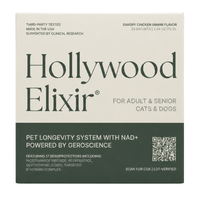
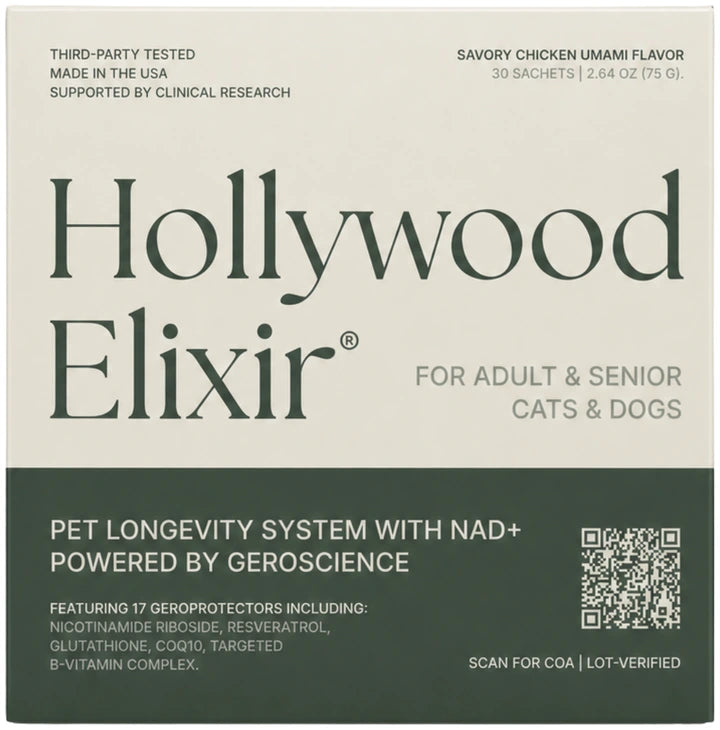
This is where reading the label pays off. Hollywood Elixir discloses its antioxidant actives by amount rather than hiding them in a blend, so you can see exactly what your cat is getting: glutathione at 50 mg, astaxanthin at 2 mg, plus vitamins C and E and resveratrol working across different compartments. That readability is the practical version of “Nrf2 support” for a careful owner: steady, system-level daily care you can explain to your veterinarian, built for the long horizon as a cat’s margins narrow.

“A good supplement choice should feel boring: consistent, transparent, and well-tolerated.”

Educational content only. This material is not a substitute for veterinary advice. Always consult your veterinarian about your dog’s specific needs. These statements have not been evaluated by the Food and Drug Administration. Products mentioned are not intended to diagnose, treat, cure, or prevent any disease.

Glossary

  • Nrf2: A cellular regulator that helps switch on protective antioxidant and detox-related genes.
  • Oxidative Stress: A state where reactive molecules outpace the body’s ability to keep them in balance.
  • Reactive Oxygen Species (ROS): Reactive byproducts of normal metabolism that also serve signaling roles.
  • Antioxidant Response: The coordinated set of enzymes and molecules that neutralize or manage oxidative load.
  • Phytochemicals: Plant-derived compounds sometimes used in supplements; some are discussed as Nrf2 activators.
  • Mitochondria: Cellular structures that produce energy and influence oxidative signaling.
  • Inflammatory Tone: A practical term for the body’s baseline level of inflammatory signaling over time.
  • Therapeutic Diet: A veterinarian-directed diet formulated for specific health needs and constraints.
  • Nutraceutical: A nutrition-derived product used to support normal function; not a drug and not a cure.

Related Reading

References

Barbeau-Grégoire M. A 2022 Systematic Review and Meta-Analysis of Enriched Therapeutic Diets and Nutraceuticals in Canine and Feline Osteoarthritis. PubMed. 2022. https://pubmed.ncbi.nlm.nih.gov/36142319/

Yang J. Nrf2 Activators as Dietary Phytochemicals Against Oxidative Stress, Inflammation, and Mitochondrial Dysfunction in Autism Spectrum Disorders: A Systematic Review. PubMed. 2020. https://pubmed.ncbi.nlm.nih.gov/33329102/

Hamanaka. Mitochondrial reactive oxygen species regulate cellular signaling and dictate biological outcomes. 2010. https://www.mdpi.com/2218-1989/12/2/151

Zhang. Meta-Analysis and Systematic Review of the Association between a Hypoactive NCF1 Variant and Various Autoimmune Diseases. 2022. https://www.mdpi.com/2076-3921/11/8/1589

Chen. Direct interaction between Nrf2 and p21(Cip1/WAF1) upregulates the Nrf2-mediated antioxidant response. Springer. 2009. https://link.springer.com/article/10.1007/s00204-018-2353-2

Frank. Terms and nomenclature used for plant-derived components in nutrition and related research: efforts toward harmonization. Springer. 2020. https://link.springer.com/article/10.1007/s11033-020-06041-x

Donkor. Stroke in the 21<sup>st</sup> Century: A Snapshot of the Burden, Epidemiology, and Quality of Life. Nature. 2018. https://www.nature.com/articles/s41598-024-53836-0

Fusaroli. The Reporting of a Disproportionality Analysis for Drug Safety Signal Detection Using Individual Case Safety Reports in PharmacoVigilance (READUS-PV): Development and Statement. 2024. https://www.frontiersin.org/journals/pharmacology/articles/10.3389/fphar.2025.1666698/abstract

Knatko EV. Nrf2 Activation Protects against Solar-Simulated Ultraviolet Radiation in Mice and Humans. PubMed. 2015. https://pubmed.ncbi.nlm.nih.gov/25804610/

Cui G. Activation of Nrf2/HO-1 signaling pathway attenuates ROS-mediated autophagy induced by silica nanoparticles in H9c2 cells. PubMed. 2021. https://pubmed.ncbi.nlm.nih.gov/33764603/

Jin X. Adverse Effects of Nrf2 in Different Organs and the Related Diseases. PubMed. 2025. https://pubmed.ncbi.nlm.nih.gov/39723588/

Yamato. Safety and efficacy of aged garlic extract in dogs: upregulation of the nuclear factor erythroid 2-related factor 2 (Nrf2) signaling pathway and Nrf2-regulated phase II antioxidant enzymes. Springer. 2018. https://link.springer.com/article/10.1186/s12917-018-1699-2

Rojo. Nrf2 deficiency replicates transcriptomic changes in Alzheimer's patients and worsens APP and TAU pathology. Nature. 2017. https://www.nature.com/articles/s41598-024-70837-1

Calabrese EJ. The hormetic dose-response mechanism: Nrf2 activation. PubMed. 2021. https://pubmed.ncbi.nlm.nih.gov/33667690/

Senger DR. Activation of the Nrf2 Cell Defense Pathway by Ancient Foods: Disease Prevention by Important Molecules and Microbes Lost from the Modern Western Diet. PubMed. 2016. https://pubmed.ncbi.nlm.nih.gov/26885667/

TST. Nrf2 Dysregulation and Therapeutic Insights Across Chronic Kidney Diseases. PubMed Central. 2025. https://pmc.ncbi.nlm.nih.gov/articles/PMC12348036/

Fouad. Revisiting the hallmarks of cancer. Springer. 2017. https://link.springer.com/article/10.1007/s40495-024-00388-6

Egbujor. An Overview of Nrf2-Activating Compounds Bearing α,β-Unsaturated Moiety and Their Antioxidant Effects. 2022. https://www.mdpi.com/1422-0067/23/15/8466?type=check_update&version=2

Eisenstein. Activation of the transcription factor Nrf2 mediates the anti-inflammatory properties of a subset of over-the-counter and prescription NSAIDs. 2022. https://www.sciencedirect.com/science/article/pii/S1074761322001868

Abdo S. Catalase overexpression prevents nuclear factor erythroid 2-related factor 2 stimulation of renal angiotensinogen gene expression, hypertension, and kidney injury in diabetic mice. PubMed Central. 2014. https://pmc.ncbi.nlm.nih.gov/articles/PMC4171660/

Lee LY. Activation of the Nrf2-ARE pathway in hepatocytes protects against steatosis in nutritionally induced non-alcoholic steatohepatitis in mice. PubMed Central. 2014. https://pmc.ncbi.nlm.nih.gov/articles/PMC4250843/

Ferreira. Nrf2 protects from neuroinflammation. Nature. 2024. https://www.nature.com/articles/s41684-024-01380-9

Hiemstra. Dynamic modeling of Nrf2 pathway activation in liver cells after toxicant exposure. Nature. 2022. https://www.nature.com/articles/s41598-022-10857-x

Itoh. Keap1 represses nuclear activation of antioxidant responsive elements by Nrf2 through binding to the amino-terminal Neh2 domain. Nature. 1999. https://www.nature.com/articles/ncomms14577

Liu. The Role of Antioxidant Transcription Factor Nrf2 and Its Activating Compounds in Systemic Lupus Erythematosus. 2024. https://www.mdpi.com/2076-3921/13/10/1224

Verbrugghe. Failure of a dietary model to affect markers of inflammation in domestic cats. Springer. 2014. https://link.springer.com/article/10.1186/1746-6148-10-104

Summers S. Evaluation of iron, copper and zinc concentrations in commercial foods formulated for healthy cats. PubMed Central. 2022. https://pmc.ncbi.nlm.nih.gov/articles/PMC10812249/

Chen. Nrf2 protects against renal fibrosis induced by chronic cadmium exposure in mice. 2023. https://www.sciencedirect.com/science/article/pii/S0278691523002776

FAQ

What is nrf2 activation in cats, in plain language?

It refers to a normal cellular response that helps turn on protective antioxidant and detox-related defenses when cells are under stress. In cats, the idea is usually discussed in the context of aging, comfort, and maintaining everyday resilience. It’s supportive, not a diagnosis or treatment.

Why do owners care about nrf2 activation benefits for cats?

Because oxidative stress and inflammation tend to rise with age and chronic strain, and Nrf2 is one of the body’s coordinators for antioxidant defenses. Owners are usually looking for steadier “good days,” not a dramatic change.

How does Nrf2 relate to oxidative stress in cats?

Cells naturally produce reactive oxygen species during energy production, and the balance of these signals helps determine healthy versus strained outcomes. Nrf2 activation supports the cell’s ability to respond when that balance tilts toward oxidative load.

How to activate nrf2 in cats without overcomplicating things?

Start with consistency: stable diet, predictable routines, and appropriate play. Nrf2 responds to the overall cellular environment, not just one ingredient, and oxidative/inflammatory tone is shaped by many inputs. If you add a supplement, introduce one change at a time and track appetite, stool, and behavior; a daily option aligned with graceful aging isa disclosed aging-support formula.

Are there foods that support nrf2 activation in cats?

Feline nutrition reviews discuss how nutraceuticals and enriched therapeutic diets may influence Nrf2-related antioxidant responses, while also noting that more cat-specific research is needed. In practice, the best “food strategy” is a complete, consistent diet your cat tolerates well.

What are the best nrf2 activation supplements for cats?

“Best” usually means: transparent labeling, conservative claims, and a formula designed for long-term tolerability. Nrf2 support is upstream—helping coordinate the body’s own defenses—so quality and consistency matter more than a long ingredient list.

Can nrf2 activation in cats supplements replace a good diet?

No. Diet sets the baseline for energy, protein, and essential nutrients. Supplements are best viewed as supportive—especially because feline research on Nrf2-focused nutrition is still developing and not a substitute for medical nutrition therapy when needed.

Is nrf2 activation in cats safe for seniors?

Older cats are often the reason owners explore Nrf2 support, but seniors also have narrower margins for GI upset and medication interactions. Because the feline evidence base is still evolving, it’s wise to keep your veterinarian involved and avoid stacking multiple new products at once.

What side effects might occur with Nrf2-supporting supplements?

The most common issues owners notice with new supplements are GI-related: softer stool, vomiting, reduced appetite, or food refusal. Cats can be sensitive to changes, and individual tolerance varies, especially when multiple ingredients are introduced at once.

Can Nrf2 supplements interact with my cat’s medications?

Potentially, yes—especially if a cat takes long-term medications or has kidney, thyroid, or liver disease. Because Nrf2 influences detox and antioxidant responses, it’s sensible to treat new supplements as clinically relevant and to ask your veterinarian before adding them.

How long until I notice changes from Nrf2 support?

Most owners who notice anything describe gradual shifts over weeks: steadier routines, better willingness to play, or fewer “off” days. That pacing fits the idea that Nrf2 activation supports gene-expression programs and downstream protective capacity rather than acting like a stimulant.

Do cats and dogs respond similarly to Nrf2 activators?

Not necessarily. Cats have distinct metabolism and can be more sensitive to certain compounds, so you shouldn’t assume a dog product or dog dosing logic applies. Even within cats, the research base is still developing, and outcomes can vary by health status and diet.

Are there specific breeds that benefit more from Nrf2 support?

Breed is usually less important than individual context: age, body condition, stress level, and existing medical issues. Oxidative balance is shaped by mitochondrial activity and overall cellular load, which can differ widely between two cats of the same breed.

Can Nrf2 support help with joint comfort in older cats?

In feline osteoarthritis, therapeutic diets have shown anti-inflammatory effects, and Nrf2 activation is discussed as part of that broader response. That doesn’t mean Nrf2 “treats arthritis,” but it supports the idea that oxidative and inflammatory tone can influence comfort.

What quality signals matter in nrf2 activation products for cats?

Look for clear ingredient disclosure, conservative claims, and consistency. Because Nrf2-related support is about regulation and balance, the “best” product is often the one your cat tolerates daily without GI disruption, while still aligning with the broader oxidative-stress and inflammation story.

What are simple ways to enhance nrf2 activation in cats?

Keep the basics steady: consistent meals, hydration, gentle play, and reduced household stress. Since reactive oxygen species are part of normal signaling, the goal is a stable environment that supports balance rather than extremes. If you add a supplement, introduce it slowly and avoid stacking multiple “activators”; a daily system-support option isa disclosed aging-support formula.

Should I use Nrf2 support daily or only sometimes?

For most cats, consistency is the point. Nrf2-related defenses are part of ongoing cellular regulation, and intermittent use can make it harder to judge tolerance or benefit. If your cat has medical conditions or takes medications, daily use should be vet-guided.

Can Nrf2 activation relate to skin resilience and sun exposure?

Across species, Nrf2 has been shown to play a protective role in cellular defense under UV-related stress(Knatko EV, 2015). For cats, the practical focus is general resilience and sensible sun management for vulnerable areas, especially in lightly pigmented or thin-coated regions.

When should I call my veterinarian about Nrf2 supplements?

Call if your cat has persistent vomiting or diarrhea, stops eating, seems painful, or shows sudden behavior changes. Also check in before starting supplements if your cat has chronic disease or takes long-term medications, since feline-specific evidence is still developing and individualized guidance matters.

How do I choose between nrf2 activation in cats supplements?

Choose based on your goal, your cat’s medical context, and tolerability. Nrf2 sits within a broader oxidative-stress and inflammation network, so products that respect system-level balance are often more sensible than extreme “high potency” blends.

La Petite Labs

Discover LPL-01: How This Fits Into a Larger Feline Longevity System

Aging in cats unfolds quietly. It’s not driven by a single failure, but by gradual shifts across interconnected systems — cellular energy, oxidative balance, immune tone, and tissue integrity — each influencing the others over time.

This article explores one layer of that system. To understand what actually shapes long-term health, you need to step back and look at how these layers interact.

Start with the underlying science: