The 12 Hallmarks of Aging in Dogs
Read full insightCellular Repair for Cancer Prevention in Cats
By La Petite Labs Editorial 15 min read
Cellular repair for cancer prevention in cats refers to the cell’s built-in systems for fixing damage before it becomes biologically consequential. In practice, that umbrella includes DNA repair (correcting strand breaks and oxidized bases), protein quality control (proteostasis—refolding or removing misfolded proteins), and membrane repair (restoring lipid integrity after oxidative injury). These processes can reduce the overall damage burden and help maintain normal signaling, but they cannot guarantee prevention because cancer is not triggered by a single “broken part.” It emerges when enough heritable changes accumulate and a cell gains growth advantages despite safeguards.
Evidence also has layers. The core repair pathways are conserved across mammals, so much of the mechanistic understanding comes from broader biology, while feline-specific data are more limited and often observational. Studies in cats still support the relevance of oxidative stress and chronic inflammatory signaling as contributors to cellular damage over time (Megquier, 2019). The most accurate expectation is that stronger maintenance capacity can lower risk and support normal cell behavior—not that it can eliminate the possibility of cancer.
- Cat cancer cellular repair is best framed as supporting normal tissue turnover and comfort, not guaranteeing prevention.
- The key misconception: “repair” does not mean forcing growth; it means limiting avoidable damage and supporting restoration pace.
- Mucosal integrity (mouth and gut) often drives appetite, hydration, and how controlled a treatment week feels.
- Protein and calorie sufficiency protect muscle and endurance, which supports recovery from procedures and side effects.
- Track shift indicators: appetite, stool, sleep, pain signals, play interest, mobility, hydration, and good day/bad day counts.
- Coordinate all supplements with oncology; timing and interactions matter, especially around chemotherapy and steroids.
- Avoid common mistakes: multiple new supplements at once, fasting, megadoses, and creating food aversions during nausea.
Damage, Mutation, and Why Repair Lowers Risk (Not Certainty)
The mechanistic chain starts with damage: reactive oxygen species, inflammatory mediators, and normal metabolic byproducts can alter DNA bases, break strands, or disrupt chromosomes. Cells respond by repairing lesions, but repair is not always perfect, and some changes slip through during DNA copying as replication errors. If a mutation lands in a growth-control gene (or in regulatory DNA that controls it), the cell may begin to divide or survive when it shouldn’t.
That’s where additional safeguards matter. Cell-cycle checkpoints pause division to allow time for repair; if damage is too extensive, apoptosis can remove the compromised cell entirely. Cancer becomes more likely when multiple layers are bypassed—through a multi-hit model in which several independent alterations accumulate over time, and the tissue environment applies selection pressures that favor cells with survival or growth advantages. Because this progression involves many steps and competing outcomes (successful repair, arrest, cell death, or clonal expansion), improving repair capacity can reduce the probability of malignant evolution, but it cannot convert biology into certainty.
Core Repair Systems: DNA, Proteins, and Membranes
Cellular repair spans several coordinated systems:
1) DNA repair pathways. Base excision repair (BER) corrects small, common lesions such as oxidized bases, while nucleotide excision repair (NER) removes bulkier distortions that bend the DNA helix. Cells also repair double-strand breaks using specialized pathways that rejoin broken chromosomes; these are essential but can be error-prone depending on context.
2) Redox control as damage-limiting. Antioxidant and redox systems don’t “supercharge” repair; they help keep reactive chemistry within a range that reduces new lesions, which is why oxidative DNA damage biomarkers are used in research (Graille, 2020).
3) Proteostasis and organelle cleanup. Misfolded or oxidized proteins are tagged for degradation by the proteasome, and autophagy helps recycle damaged proteins and organelles (including mitochondria) to prevent ongoing stress signals.
4) Membrane lipid repair and signaling reset. Lipid peroxidation can stiffen membranes and generate reactive byproducts that amplify stress. Repair requires replacing damaged lipids and supporting inflammation resolution so tissues can return toward baseline signaling.
In cats, these mechanisms are expected to operate similarly to other mammals, but the strength of direct feline evidence varies by pathway and tissue, so conclusions should be framed as biologically plausible with selective cat-specific support where available.
Coordinate with Oncology Before Adding Anything New
Coordination with oncology matters early, not after a supplement shelf is built. Many supportive products contain antioxidants, oils, or botanicals that can change appetite, stool, or medication timing, and oncology teams often want a complete list to avoid unintended interactions (Amaral, 2025). For cell repair support cats cancer, the safest frame is “supporting normal tissue maintenance during stress,” with the veterinarian deciding what fits alongside chemotherapy, steroids, pain control, or appetite medications.
A practical rule: bring every label, dose schedule, and treat type to appointments. If chemotherapy is planned, ask whether any supplement should be paused around infusion days, and whether nausea control should start before appetite drops. Owners can also note if the cat hides after dosing, drools, or refuses food—small details that help the team keep side effects more controlled.
Mouth and Gut Lining: the Recovery Bottleneck
The most useful “mechanism” for owners is mucosal integrity: the mouth, stomach, and intestines are fast-turnover tissues that rely on steady nutrients and hydration to renew. During cancer or treatment, these tissues can become fragile, making eating feel unpleasant and slowing overall restoration pace. Nutrition is repeatedly discussed in veterinary oncology as a lever that may help support the body during disease, even though evidence strength varies by intervention (Amaral, 2025).
At home, mouth comfort and stool quality are high-value signals. Lip smacking, pawing at the mouth, or chewing then walking away can point to oral pain or nausea rather than “picky eating.” A litter box check—frequency, stool firmness, and any mucus—helps catch early GI irritation. These observations guide faster adjustments in anti-nausea care, pain control, and diet texture.
Protein, Muscle, and Endurance During Illness
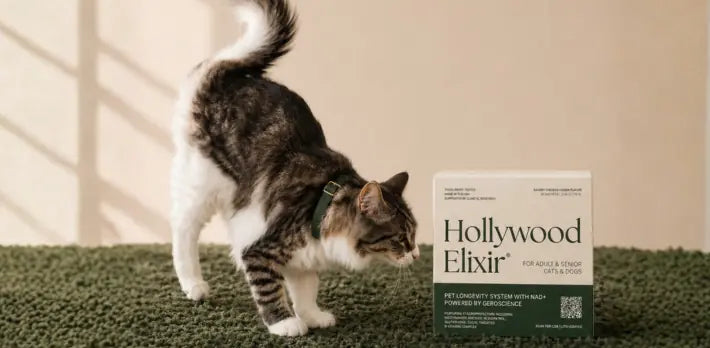
Protein sufficiency is central to tissue rebuilding in cats because they are obligate carnivores with high baseline protein needs. When intake drops, the body may pull from muscle, reducing endurance and making recovery from procedures less fluid. This is why feline tissue recovery cancer plans often prioritize palatability, calorie density, and consistent protein sources rather than dramatic “detox” diets.
Owners can watch for subtle muscle loss along the spine and hips, a jump that looks more hesitant, or a cat that rests after a short play burst. Weighing weekly on the same scale and photographing body condition from above can reveal change before it feels obvious. If weight is dropping, the next step is a veterinary conversation about appetite support, nausea control, and whether a therapeutic diet is appropriate.
“The goal is a more controlled week, not a promise of prevention.”
Oxidative Stress: Useful Concept, Not a Magic Target
Oxidative stress is often discussed because reactive molecules can damage lipids, proteins, and DNA, increasing the “cleanup load” for cells (Jewell, 2024). Antioxidants in food are studied for their relationship to free-radical–associated damage in dogs and cats, but they are not a stand-in for diagnosis or treatment (Jewell, 2024). In cat cancer cellular repair, the actionable takeaway is to avoid extremes—neither ignoring nutrition nor assuming that more antioxidants automatically means better outcomes.
In daily life, oxidative stress often shows up indirectly: a cat that seems less interested in grooming, has a duller coat, or has more choppy energy across the day. These signs are nonspecific, but they justify a check-in about pain, dental disease, hydration, and diet quality. A stable feeding routine and minimizing household stressors can help keep appetite and sleep more controlled, which supports restoration pace.
Case Vignette: When Appetite Drops After Chemo
CASE VIGNETTE: A 12-year-old cat starts chemotherapy for lymphoma and seems “fine” for two days, then stops eating and hides. The owner assumes the tumor is suddenly worse, but the pattern matches delayed nausea and mouth sensitivity, which can derail mucosal renewal and hydration before the next visit. When nausea control is adjusted and food texture is changed, appetite returns and the week becomes more controlled.
This scenario highlights why cell repair support cats cancer is often about anticipating predictable stress points. Owners can plan “easy calories” options, keep a quiet recovery space, and track whether the cat eats at least a baseline amount each day. The goal is not to push food aggressively, but to prevent a spiral where low intake slows restoration pace and makes side effects harder to manage.
Owner Checklist for Early Recovery Strain
OWNER CHECKLIST: At home, look for (1) appetite drop lasting more than 24 hours, (2) new drooling, lip smacking, or chewing then stopping, (3) stool that becomes watery, very small, or absent, (4) reduced grooming or a “tucked” posture that suggests discomfort, and (5) water intake that is clearly lower than usual. These are practical signals that tissue renewal and comfort may be under strain.
If two or more items appear together, it is reasonable to call the veterinary team rather than waiting for the next scheduled appointment. Owners can also note timing: did signs start after a new medication, a chemo visit, a diet change, or a stressful event? That timeline helps the clinician decide whether nausea control, pain management, hydration support, or diet adjustments are the next best step.
What to Track Between Visits for Clearer Decisions
WHAT TO TRACK rubric: compare these shift indicators between vet visits—daily appetite (percent of normal), water intake, stool frequency and form, vomiting episodes, sleep location changes, play interest, mobility (jumping up/down), pain signals (hunched posture, hiding, growling when touched), and “good day/bad day” count per week. This creates a clearer picture of restoration pace than a single snapshot.
Tracking should stay simple enough to maintain during stressful weeks. A notes app with checkboxes works well, and photos of food bowls before and after meals can reduce guesswork. If the cat is on treatment, add medication times and any refusal events. When patterns are visible, the oncology team can make changes earlier, keeping comfort and hydration more controlled.
Misconception: Repair Means Faster Growth
A unique misconception is that “supporting cellular repair” means forcing rapid cell growth. In cancer biology, uncontrolled growth is the problem; the supportive aim is maintaining normal turnover and reducing avoidable damage, not accelerating division. Research across species highlights that accumulated DNA damage and altered pathways are common themes in cancer, which is why the conversation should stay grounded and cautious (Megquier, 2019).
In practice, this misconception can lead owners to chase aggressive supplements or extreme diets. A safer approach is to prioritize comfort, stable nutrition, and sleep quality, then add only vet-approved supportive layers. If a product promises to “repair DNA” or “prevent tumors,” it is a red flag for unrealistic claims. The best plans keep expectations measured and focus on day-to-day function.
“Appetite and stool trends often reveal recovery strain before tests do.”
DVM Voice: Clinical Vignette of a Common Pattern in Senior Cat Aging
Case provided by JoAnna Pendergrass, DVM
Sasha, a 12-year-old cat, was brought in after her owner noticed increased thirst and urination, lethargy, vomiting, and a generally unkempt appearance. Examination showed weight loss, elevated blood pressure, and reduced vitality.
Diagnostic testing revealed elevated kidney markers, poorly concentrated urine, and protein loss in the urine — findings consistent with chronic kidney disease, one of the most common chronic conditions in senior cats.
Her care required a kidney-focused diet, blood pressure management, targeted supplementation, medication support, and regular monitoring — a necessary plan, but one started after clinical signs were already visible.
Clinical takeaway: Sasha’s case reflects why senior-cat wellness should begin before obvious decline. Earlier monitoring, body-condition tracking, hydration awareness, antioxidant support, and daily cellular resilience may help support quality of life as cats age.
Single-case vignette. Not generalizable. Veterinary diagnosis and monitoring are essential for increased thirst, urination, vomiting, lethargy, weight loss, or suspected kidney disease.
What Lab Tests Can (and Can’t) Tell You
Laboratory tools exist to measure DNA damage, but they are not home tests and not routine cancer screens. The Comet assay, for example, can quantify DNA strand breaks in individual cells, producing comparative readouts between samples (Pereira, 2017). These methods help researchers understand damage and repair dynamics, yet they do not replace imaging, biopsy, or oncology staging when a cat is sick.
Owners sometimes ask for “a test to see if supplements are working.” A more useful approach is tracking the cat’s real-world thresholds: eating without coaxing, normal stool, and willingness to move and interact. If the cat’s week becomes less choppy—fewer bad days, more consistent appetite—that is meaningful, even if no specialized biomarker is being measured.
Prepare for the Vet Visit with Better Observations
VET VISIT PREP: Bring (1) a 7–14 day appetite and stool log, (2) a list of every supplement and treat, (3) a note about any mouth pain signs, and (4) the exact timeline of symptoms relative to chemo or medication changes. Ask: “What side effects are expected on which days?” “What is the plan if appetite drops for 24 hours?” and “Which supplements should be paused around treatment?”
Also ask what “call now” signs apply to this specific cat: repeated vomiting, no urine, hiding with pain signals, or refusal of all food. Clarify whether subcutaneous fluids, anti-nausea medication, or pain control should be started earlier next cycle. These questions keep care more controlled and protect restoration pace by preventing avoidable dehydration and calorie deficits.
What Not to Do When Trying to Support Recovery
WHAT NOT TO DO: (1) Do not start multiple new supplements at once; it becomes impossible to identify what caused vomiting or diarrhea. (2) Do not fast a cat to “rest the gut,” because cats can deteriorate quickly with poor intake. (3) Do not give human antioxidant megadoses or essential oils. (4) Do not hide pills in foods the cat already loves if nausea is present—food aversion can form.
Instead, introduce one change at a time and keep the cat’s “safe foods” protected. If medication must be given, use a consistent method (capsule, gel cap, or a vet-approved treat) and follow with a small reward that is not the main diet. This reduces stress around meals and helps keep appetite patterns more fluid during difficult weeks.
A Gentle Daily Nutrition Layer During Treatment Stress
During illness or treatment, cats often face increased oxidative stress, inflammation burden, appetite fluctuations, and energy variability. Some owners choose a gentle, daily nutrition layer designed around antioxidant defense and cellular energy pathways, with the goal of supporting normal tissue maintenance rather than targeting the tumor. This “layering” approach fits the reality that evidence for specific nutrition interventions varies, and plans should be individualized with the veterinary team (Amaral, 2025).
The practical question is whether a supportive layer makes the cat’s week more controlled: fewer skipped meals, less choppy stool, and steadier sleep location and social behavior. Any new addition should be discussed with oncology, especially if the cat is on chemotherapy, steroids, or appetite medications. The goal is to protect restoration pace without creating new GI stress.
Hydration as a Driver of Tissue Renewal
Hydration is a quiet driver of tissue renewal because blood flow, digestion, and waste removal all depend on fluid balance. Dehydration can make constipation more likely, worsen nausea, and reduce a cat’s willingness to eat, creating a loop that slows restoration pace. For feline tissue recovery cancer, hydration support is often one of the fastest ways to make days feel more controlled.
Owners can support hydration by offering multiple bowls, a fountain, and wet food if tolerated. Litter box output matters: smaller clumps or fewer clumps can signal reduced intake, while straining can indicate constipation or pain. If a cat is not urinating normally, seems weak, or cannot keep water down, that is a same-day veterinary call rather than a monitoring project.
Sleep Quality and the Body’s Restoration Pace
Sleep is not just rest; it is when many repair processes and immune housekeeping tasks are scheduled. Pain, nausea, or household disruption can fragment sleep, leaving a cat with less endurance and a lower threshold for stress the next day. For cat cancer cellular repair, protecting sleep is a practical lever: comfort management and predictable routines can keep recovery more fluid.
At home, watch for sleep-location changes: moving from a bed to a closet, sleeping near the litter box, or avoiding stairs can indicate discomfort. Keep a warm, quiet resting area with easy access to food, water, and litter. If a cat vocalizes at night, pants, or cannot settle, it may reflect pain or nausea that needs veterinary adjustment.
Risk Factors and Why Early Detection Still Matters
Secondary context: genetics, age, and environment all shape cancer risk, and no single routine can erase that. Comparative cancer research emphasizes that recurrent mutations and pathway disruptions are common features across cancers, underscoring why “perfect prevention” is not realistic (Megquier, 2019). The owner’s best role is early detection, strong vet communication, and daily support that keeps the cat’s function and comfort more controlled.
This is also where screening habits matter: regular dental checks, weight tracking, and prompt evaluation of lumps, chronic vomiting, or persistent diarrhea. When something feels “off,” a short video of breathing, gait, or eating can help the veterinarian interpret the change. Early evaluation often means simpler interventions and a clearer plan, even when the diagnosis is serious.
Putting It Together: a More Controlled Weekly Plan
A grounded action plan for cell repair support cats cancer starts with foundations: pain control, nausea control, hydration, and adequate protein and calories. Then add tracking so changes are visible, and coordinate every supportive addition with the veterinary team. Antioxidant nutrition is discussed in relation to free-radical damage in dogs and cats, but it belongs inside a broader plan rather than as a headline solution (Jewell, 2024).
When to call the vet: no food for 24 hours, repeated vomiting, diarrhea that persists, hiding with pain signals, breathing changes, or markedly reduced urination. These are not “wait and see” moments in cats. With timely adjustments, many cats have a more fluid week—more good days, fewer crises, and a clearer sense of what helps.
“One change at a time keeps cause and effect visible.”
Educational content only. This material is not a substitute for veterinary advice. Always consult your veterinarian about your dog’s specific needs. These statements have not been evaluated by the Food and Drug Administration. Products mentioned are not intended to diagnose, treat, cure, or prevent any disease.
Glossary
- DNA repair - Enzyme-driven processes that fix mistakes or breaks in genetic material.
- Oxidative stress - An imbalance where reactive molecules create more damage than the body can clear.
- Mucosal integrity - The health and renewal of the mouth and gut lining that supports eating and digestion.
- Restoration pace - How quickly a cat returns to baseline after stress, illness, or treatment.
- Food aversion - A learned refusal of a food after nausea or unpleasant medication experiences.
- 8-OHdG - A research biomarker measured in urine that reflects oxidative DNA damage trends.
- 8-OxoGua - A urinary marker associated with oxidative DNA base damage and repair turnover.
- Comet assay - A laboratory method that measures DNA strand breaks in individual cells.
- Good day/bad day count - A simple weekly measure of quality-of-life trends used in chronic illness.
Related Reading
Aging & Senior Cat Guidance
• Cat Age Calculator: Cat Years to Human Years
• Lethargy in Cats
• Senior Cat Not Eating
• Cat Drinking A Lot
• Why Is My Senior Cat Withdrawn?
Healthy Aging Support
• NAD+ for Cats
• NMN for Cats
• Vitamins For Older Cats
• Senior Cat Food
References
Amaral. Connection between nutrition and oncology in dogs and cats: perspectives, evidence, and implications—a comprehensive review. 2025. https://www.frontiersin.org/journals/veterinary-science/articles/10.3389/fvets.2024.1490290/full
Jewell. Effect of dietary antioxidants on free radical damage in dogs and cats. PubMed Central. 2024. https://pmc.ncbi.nlm.nih.gov/articles/PMC11185959/
Megquier. Comparative Genomics Reveals Shared Mutational Landscape in Canine Hemangiosarcoma and Human Angiosarcoma. Nature. 2019. https://www.nature.com/articles/s41598-025-89862-9
Graille. Urinary 8-OHdG as a Biomarker for Oxidative Stress: A Systematic Literature Review and Meta-Analysis. PubMed. 2020. https://pubmed.ncbi.nlm.nih.gov/32466448/
Pereira. The Comet assay for detection of DNA damage in canine sperm. PubMed. 2017. https://pubmed.ncbi.nlm.nih.gov/28804928/
FAQ
What does “cellular repair” mean for cats with cancer?
Cellular repair refers to routine maintenance: fixing DNA mistakes, replacing damaged proteins, and renewing fast-turnover tissues like the gut lining. In cats with cancer, the practical focus is often on keeping normal turnover supported during stress, not on “repairing” a tumor.
Owners usually see repair capacity indirectly through appetite, stool quality, sleep, and comfort. When those become less controlled, it can signal that the body’s restoration pace is under strain and needs veterinary adjustment.
Can cellular repair prevent cancer in cats?
No strategy can guarantee prevention. Cancer risk reflects genetics, age, environment, and accumulated cellular damage over time, including DNA changes that can build up despite normal repair processes.
A more realistic goal is supporting normal tissue maintenance and catching problems early. That means routine exams, prompt evaluation of persistent vomiting or weight loss, and a home log that makes subtle shifts easier to communicate.
Why do vets talk about oxidative stress in cancer care?
Oxidative stress is a source of wear on DNA, fats, and proteins, which increases the cleanup work cells must do. Dietary antioxidants are discussed in dogs and cats in relation to free-radical–associated damage, but they are not a stand-alone solution.
For owners, the actionable piece is avoiding extremes: prioritize consistent nutrition, hydration, and comfort, and coordinate any supplement choices with the oncology plan.
What home signs suggest tissue recovery is slowing?
Common signals include appetite drop, new drooling or lip smacking, stool changes (watery, very small, or absent), reduced grooming, and hiding with a hunched posture. These can reflect nausea, pain, dehydration, or gut irritation rather than “behavior.”
If signs cluster or persist beyond a day, contact the veterinary team. Early adjustments often keep the week more controlled and protect restoration pace.
How should supplements be coordinated with oncology treatment?
Oncology teams typically want a complete list of supplements, treats, and diet changes because timing and interactions can matter. Veterinary oncology nutrition guidance emphasizes individualized plans and variable evidence strength across interventions.
Bring labels and a schedule to each visit, and ask whether anything should be paused around chemotherapy days. This keeps supportive choices aligned with the primary medical plan.
Is there a test to measure DNA damage in my cat?
Research methods can measure DNA damage, but they are not typical screening tools for pet cats. The Comet assay, for example, is a lab technique that quantifies DNA strand breaks in individual cells for comparative analysis(Pereira, 2017).
In clinical care, veterinarians rely on history, exam findings, bloodwork, imaging, and sometimes biopsy. For owners, consistent tracking of appetite, stool, and comfort is usually more actionable than specialized damage assays.
What should be tracked between vet visits during cancer care?
Track shift indicators that reflect daily function: appetite (percent of normal), water intake, stool frequency and form, vomiting, sleep location, play interest, mobility, and pain signals. Add “good day/bad day” counts to show trends.
This tracking supports clearer decisions about nausea control, hydration support, and diet texture. It also makes feline tissue recovery cancer discussions more specific and less guess-based.
How quickly should appetite changes be addressed in cats?
Cats should not be expected to “wait it out” with poor intake. If a cat eats nothing for about 24 hours, or eats far less than normal with vomiting or lethargy, contact the veterinary team the same day.
Early nausea and pain control can keep hydration and mucosal comfort more controlled, which supports restoration pace. Owners can help by documenting timing relative to medications or chemotherapy.
Are antioxidants always helpful for cat cancer cellular repair?
Not always, and “more” is not automatically better. Antioxidant nutrition is discussed in dogs and cats as one factor related to free-radical damage, but outcomes depend on context, dose, and the cat’s overall plan.
The safest approach is to use antioxidants as part of a broader support plan—adequate calories, protein, hydration, and comfort—while keeping the oncology team informed.
What are common mistakes owners make with “repair” supplements?
Common mistakes include starting several products at once, using human megadoses, and changing the entire diet during nausea. Another frequent issue is hiding pills in a favorite food, which can create a lasting food aversion.
A more controlled approach is one change at a time, with clear tracking of stool and appetite. Any new addition should be cleared with the veterinarian, especially during chemotherapy.
Can hydration really affect cellular recovery during cancer treatment?
Yes. Hydration supports digestion, circulation, and waste removal, and dehydration can worsen constipation and nausea. Those effects can reduce food intake, slowing restoration pace and making days feel more choppy.
Owners can support hydration with wet food if tolerated, multiple water stations, and litter box monitoring. Markedly reduced urination, repeated vomiting, or weakness warrants urgent veterinary guidance.
Does Hollywood Elixir™ replace cancer medications or chemotherapy?
No. Hollywood Elixir™ is not a substitute for veterinary diagnosis or oncology treatment. It is best viewed only as a supportive layer that may help support normal antioxidant defense and cellular energy pathways within a vet-guided plan.
If a cat is receiving chemotherapy, steroids, pain medications, or appetite support, the oncology team should review all supplements and timing so care stays coordinated and more controlled.
How might Hollywood Elixir™ fit into a daily support plan?
Some owners use Hollywood Elixir™ as part of a routine that supports normal tissue maintenance during stress, alongside consistent meals, hydration strategies, and comfort management. The goal is not tumor control; it is supporting day-to-day function.
Introduce any new supplement one at a time and track stool and appetite for a week. Share the full schedule with the veterinary team, especially during treatment cycles.
Are there side effects to watch for with new supplements?
Any new supplement can cause GI upset in some cats, including vomiting, softer stool, or reduced appetite. Behavior changes like hiding after dosing can also signal nausea or aversion.
Stop the new product and contact the veterinarian if symptoms are persistent, severe, or paired with lethargy or dehydration signs. During chemotherapy, report changes promptly so supportive medications can be adjusted.
Should kittens or pregnant cats use cellular support products?
These life stages have different nutritional priorities and safety considerations, and cancer-prevention framing is not appropriate. For kittens, growth nutrition is the priority; for pregnancy and nursing, diet and supplementation should be veterinarian-directed.
If a young or pregnant cat has concerning signs (weight loss, chronic vomiting, persistent diarrhea), the right next step is a veterinary exam rather than adding supplements.
Do cats and dogs differ in tissue recovery during cancer care?
Yes. Cats are more prone to food aversion and can decline quickly with poor intake, so appetite protection is often a higher priority. Their obligate carnivore biology also makes protein sufficiency central to maintaining muscle and endurance.
That is why feline tissue recovery cancer plans often emphasize palatability, texture options, and early nausea control. What works for a dog’s feeding routine may not translate well to a cat.
How long does it take to see changes from supportive routines?
Some changes, like better hydration access or nausea control, can affect appetite and stool within days. Others, like weight stabilization or improved coat quality, may take several weeks of consistent routines.
Use a simple tracking rubric so “better” is defined: percent of meals eaten, fewer vomiting episodes, and more consistent sleep and play interest. If trends worsen, the plan needs veterinary input rather than more additions.
What quality signals matter when choosing a supplement for cats?
Look for clear labeling, consistent batch practices, and a company willing to share ingredient sourcing and quality testing. Avoid products with dramatic cancer claims or vague “proprietary blends” that hide amounts.
Most importantly, choose items that your veterinarian can evaluate in the context of the cat’s medications and diagnosis. Coordination keeps the overall plan more controlled and reduces the risk of unintended GI upset.
How can Hollywood Elixir™ be given to picky cats?
If a veterinarian agrees it fits the plan, Hollywood Elixir™ is often easiest to introduce in a tiny amount of a “neutral” food the cat does not rely on as a main meal. This helps protect favorite foods from aversion if nausea occurs.
Start with a consistent routine and monitor stool and appetite. If the cat refuses, do not force it; ask the veterinary team about alternative supportive strategies that better match the cat’s preferences.
Could supplements interfere with chemotherapy timing or effects?
They can, depending on ingredients and the treatment protocol. This is why oncology teams often request a complete supplement list and may advise pausing certain items around infusion days.
Never assume “natural” means risk-free. For cell repair support cats cancer, the safest path is transparency: share labels, dosing schedules, and any side effects noticed after starting a new product.
When should an owner call the vet during cancer care?
Call the vet the same day for no food intake for about 24 hours, repeated vomiting, diarrhea that persists, marked lethargy, breathing changes, or reduced urination. These can quickly derail hydration and comfort in cats.
Also call if pain signals increase: hiding, growling when touched, hunched posture, or reluctance to jump. Early adjustments can keep the week more controlled and protect restoration pace.
What is a practical decision framework for supportive “repair” plans?
Start with foundations: diagnosis clarity, pain and nausea control, hydration, and adequate calories and protein. Next, define what “better” means using trackable shift indicators (appetite, stool, sleep, mobility, good day/bad day).
Only then consider a supportive layer such as Hollywood Elixir™, framed as supporting normal antioxidant defense and cellular energy pathways. Add one change at a time and keep oncology informed so the plan stays coordinated.
Discover LPL-01: How This Fits Into a Larger Feline Longevity System
Aging in cats unfolds quietly. It’s not driven by a single failure, but by gradual shifts across interconnected systems — cellular energy, oxidative balance, immune tone, and tissue integrity — each influencing the others over time.
This article explores one layer of that system. To understand what actually shapes long-term health, you need to step back and look at how these layers interact.
Start with the underlying science:
- Feline Geroscience Framework →
A structured view of how aging progresses across cellular energy, inflammation, and resilience systems. - Senior Biological Defense Coverage (BDC) Modeling →
A systems-level map of which biological pathways decline first, and how layered interventions can support them. - Feline Geroscience Evidence Framework →
A breakdown of what is strongly supported in the literature versus what is still emerging. - LPL-01 Standard →
The formulation system that translates these models into real-world supplementation—covering multiple pathways in a coordinated way.
Essential Summary
Why is cat cancer cellular repair important?
Cell repair support in cats facing cancer is best understood as protecting normal turnover: appetite, hydration, sleep, and comfort. The goal is a more controlled week and a steadier restoration pace, coordinated with oncology so supportive choices do not conflict with medications.
Some owners add Hollywood Elixir as part of a daily plan that supports normal antioxidant defense and cellular energy pathways, especially when appetite and energy feel less controlled. It should be discussed with the veterinary team so it fits safely alongside prescribed cancer care and any treatment-day timing.
Considering tissue recovery support?
If you're researching cellular support, here's what matters most
If a cat is dealing with cancer or treatment side effects, supportive care works best when it is simple, trackable, and coordinated. Some owners discuss adding Hollywood Elixir as a daily nutrition layer that supports normal antioxidant defense and cellular energy pathways. The most meaningful “results” to look for are quality-of-life shift indicators: more consistent appetite, less choppy stool, steadier sleep, and fewer bad days. Introduce only one new item at a time, and share the full schedule with the veterinary team.
Learn about how our DVMs think about cat aging
Dr. JoAnna Pendergrass DVM
Related Reading