





MCT Oil for Dogs

What two blinded seizure trials and the senior-dog studies found, how much they gave, and where coconut oil fits.

By La Petite Labs Editorial 11 min read

As Seen On

Woman hugging a golden retriever while holding a Hollywood Elixir box
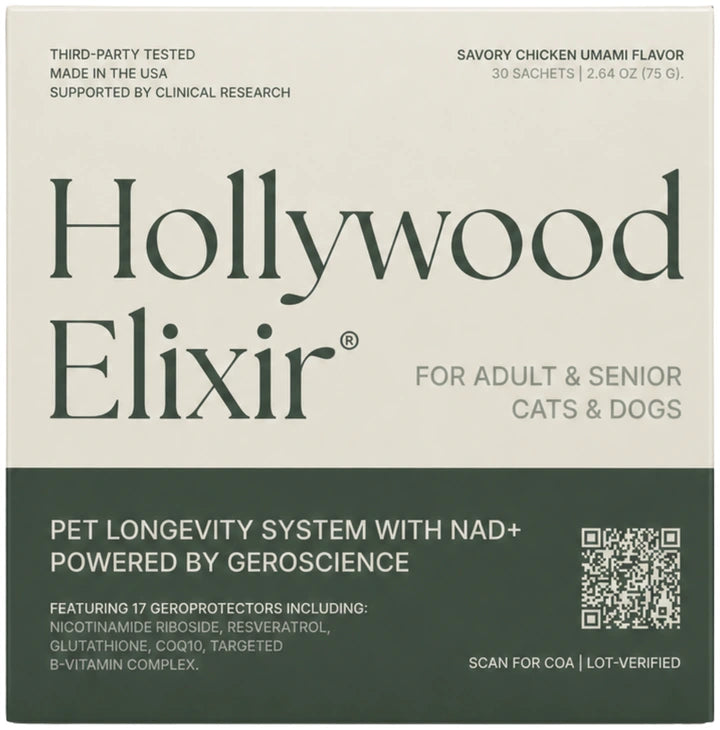
Hollywood Elixir® Senior Dog Supplement

17 science-backed actives

From$50/moSave up to 47%Save up to 44%Shop Now
Contents

MCT oil has real trial evidence in dogs: it lowered seizure counts in two blinded studies of dogs with epilepsy, and older dogs fed an MCT diet did better on learning and attention tests. The gains were modest and uneven. In the larger of the two, 17 of 28 dogs had fewer seizures on MCT oil and 11 did not.1 Every one of them stayed on medication.

This guide covers what the dog studies found, the amounts they used, the side effects, where coconut oil fits, and when a vet visit comes first.

  • What it is: MCT oil is a purified fat made of medium-chain fatty acids, mainly caprylic (C8) and capric (C10) acid. The body turns it into ketones quickly.1, 6
  • Seizures: In two blinded trials, dogs with epilepsy had fewer seizures on MCT oil or an MCT kibble than on a control. Some dogs didn't respond at all.1, 2
  • Senior brains: Aged Beagles on a 5.5% MCT diet did better on most cognitive tests over 8 months.4 The one trial in pet dogs paired MCT with other nutrients.5
  • Safety: Beagles ate food with up to 15% MCT for 90 days with no signs of toxicity.7
  • Side effects: Mostly digestive. In the trials, a few dogs had stomach upset or lost interest in their food.5
  • Amount: We found no official amount. The seizure oil trial gave 9% of daily calories as MCT oil, about 7 mL a day on average.1
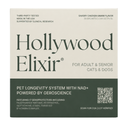
  • In Hollywood Elixir: No. Hollywood Elixir has no MCT oil. It's daily nutrition, with an NAD+ precursor, CoQ10 and B vitamins among its 17 actives.

What is MCT oil?

MCT oil is a purified fat made of medium-chain triglycerides, which are fats built from fatty acids 8 to 12 carbons long.7 Ordinary long-chain fats have more than 12. The shorter chain is the whole point: MCTs carry fewer calories than long-chain fats and leave the body more quickly.7

Two fatty acids do most of the work.

  • Caprylic acid (C8): 50% to 65% of the oil used in the main dog seizure trial.1
  • Capric acid (C10): 30% to 50% of that same oil.1

The body converts MCTs rapidly into ketones, a backup fuel the brain can burn when glucose falls short.6, 18 That's why researchers have tested MCT oil in two groups of dogs: dogs with epilepsy, and older dogs whose thinking has started to slip.

Woman holding a Hollywood Elixir box beside a pug, a terrier and a food bowl

How does MCT oil work in a dog's brain?

MCT oil works, as far as researchers can tell, by handing the brain a second fuel. Ketones made from MCTs can stand in when brain cells handle glucose poorly, which is the leading idea for both aging and epileptic brains.6, 18

The fuel shift has been measured in dogs. Blood levels of the ketone beta-hydroxybutyrate rose in aged Beagles on a 5.5% MCT diet and in epileptic dogs on an MCT kibble.4, 2 In laboratory seizure tests, C8 and C10 each raised the seizure threshold on their own.2

In people with Alzheimer's disease or mild cognitive impairment, a pooled analysis of 422 participants found that MCTs produce mild ketosis and may improve cognition.19

Woman in sportswear holding a Hollywood Elixir box beside a black-and-tan dog outdoors

Does MCT oil help dogs with epilepsy?

MCT oil lowered seizure counts in dogs with epilepsy, though far from every dog responded. The clearest test is a blinded crossover trial of 28 dogs that were still having seizures on medication.1 Each dog got MCT oil for three months and olive oil for three months, as 9% of its daily calories.

Seizures fell from a median of 2.67 a month on olive oil to 2.51 on MCT oil.1 The spread tells you more than the average does.

  • 2 dogs became seizure-free.
  • 3 dogs had at least 50% fewer seizures.
  • 12 dogs had a smaller drop.
  • 11 dogs had no change or more seizures.1

Any dog whose medication changed was removed from the trial, so the oil was judged purely as an add-on.1

Woman holding a Hollywood Elixir box above her forehead beside a Bernese mountain dog outdoors

What did the MCT diet trials in epileptic dogs find?

MCT built into a complete kibble has been tested twice in dogs with epilepsy.

  • Blinded diet trial, 21 dogs: a kibble with 5.5% MCT was fed for three months against a matching placebo kibble. Seizures ran at 2.31 a month on the MCT food and 2.67 on the placebo. Three dogs became seizure-free and six didn't respond.2
  • Open trial, 21 dogs: a commercial diet with 6.5% MCT oil was fed for 84 days with no control group. Seizure frequency fell 32% from the month before.3

Know who paid. The pet food company that made the kibble funded the blinded diet trial.2 A 2024 correction to the oil trial added that one author had done contract research for a pet food maker.16

Golden retriever nuzzling a woman holding a Hollywood Elixir box on the grass beside a food bowl

Can MCT oil help a senior dog with dementia?

MCT oil has one trial in pet dogs with dementia-like signs, and the result is mixed. Eighty-seven dogs over 9 years old ate one of three foods for 90 days: a control, or a food with 6.5% or 9% MCT plus extra omega-3s, B vitamins and antioxidants.5

Dogs on the 6.5% food improved in all six groups of signs their owners scored, including disorientation and house-soiling. Dogs on the control food improved in four of six, and the statistics found no significant difference between the diets over time.5

The pet food maker funded the study.5 Our guide to canine cognitive dysfunction explains the condition itself.

MCT oil was tested only alongside seizure medicine, never in place of it.

What do the memory and learning studies in dogs show?

Studies in older laboratory dogs give MCT oil its best cognitive results. Three are worth knowing.

  • Aged Beagles, 8 months: dogs fed a diet with 5.5% MCT did better than a matched control group on most tests of learning, spatial skill and attention. The gap was widest on the hardest task.4
  • Aged dogs, 2 months: dogs given 2 g of MCT per kg of body weight each day showed better mitochondrial function in brain tissue, a laboratory measure of how well cells make energy.6
  • Dogs with epilepsy, 3 months: in the 18 dogs that finished cognitive testing, spatial working memory and problem-solving were better on MCT oil than on a control oil.10

A 2025 systematic review of 30 diet and supplement studies in aging pets counted MCTs among the options that looked promising. The reviewers also asked for stronger control groups and standard test methods.17

One study is still missing: plain MCT oil against a placebo in pet dogs with age-related cognitive decline. We found none.

Overhead view of a black-and-white dog beside a food bowl and Hollywood Elixir box

Is MCT oil safe for dogs?

MCT oil looks safe for healthy dogs at the amounts studied. In a 90-day safety study, Beagles ate food with 0%, 5%, 10% or 15% MCT, and none showed signs of toxicity.7 At 10% and 15%, some blood values shifted, including urea nitrogen and cholesterol, and the authors judged the changes harmless. Dogs on the 15% food ate less because of the taste.7

Pet dogs back this up. Nineteen healthy dogs accepted MCT oil at 10% of their calories in a short home test, though they ate more slowly.8 In the three-month seizure trial, body weight and a blood marker of pancreas health stayed steady.1

The longest dog study we found ran 8 months, so years of daily use are untested.4

Woman smiling beside a golden retriever, a green food bowl and a Hollywood Elixir box

What are the side effects of MCT oil in dogs?

MCT oil's side effects in dogs are mostly digestive, and the trials recorded few of them.

  • 87-dog diet trial: dogs on the 9% MCT food dropped out for reasons that included stomach upset and losing interest in the food.5
  • Seizure diet trial: one dog was withdrawn for lethargy and another for constant hunger while on the MCT kibble.2
  • 28-dog oil trial: no side effect happened more than once in a period or clustered on MCT oil.1

In people, a review of 33 studies found that diarrhea, belly pain and nausea were the most common complaints, more so at higher amounts.12

Stop the oil and call your vet if your dog vomits, has diarrhea or turns down meals.

Man holding a Hollywood Elixir box while sitting on an outdoor sofa with a golden retriever

How much MCT oil did the dog studies use?

MCT oil has no official amount for dogs that we could find. The studies give reference points.

  • Seizure oil trial: 9% of daily calories, split over two meals. That averaged about 7 mL of oil a day.1
  • Seizure and cognitive diets: 5.5% to 6.5% MCT in the food.2, 4, 5
  • Brain-tissue study: 2 g per kg of body weight a day for two months.6
  • Safety study: up to 15% of the food for 90 days.7

MCT oil is still fat. The trial oil held 8.37 kcal per mL, and the trial let each dog's regular food vary by 10% to keep weight steady.1 Ask your vet to set the amount and the calories to trim.

MCT oil, coconut oil or an MCT diet: which form is best?

The forms of MCT that match the dog evidence are a purified C8 and C10 oil, or a complete food with MCT built in. Coconut oil is a different product.

  • Purified MCT oil: the seizure trial used an oil that was 50% to 65% C8 and 30% to 50% C10, added to each dog's normal food.1
  • MCT-enriched complete food: the diet trials used foods with 5.5% to 6.5% MCT.2, 3, 5 In two of them, MCT replaced other fat in the recipe.2, 5 Such foods hold more carbohydrate and less fat than a classic ketogenic diet, and they still raise blood ketones.22
  • Coconut oil: its main fatty acid is lauric acid (C12), which acts partly like a long-chain fat. A review of the coconut oil evidence concluded that research on pure MCTs can't be applied directly to it.11
  • MCT powders and chews: we found no dog trial that tested them.

A complete food has one practical edge: its calories and nutrients are already balanced. An oil is more flexible, and it's the only form tested as an add-on to a dog's usual meals.1 Our guide to dog food for senior brain health covers the food route.

The spread tells you more than the average does.

Woman sitting with a beagle in a kitchen while holding a Hollywood Elixir box

DVM Voice: Clinical Vignette of a Common Pattern in Senior Dog Aging

Case provided by JoAnna Pendergrass, DVM

Rex, a 7-year-old Labrador Retriever, was brought in after his owner noticed he was slower to rise, hesitant on stairs, and less able to play as before. Examination showed stiffness and reduced hip mobility; radiographs confirmed degenerative joint changes.

His care required weight management, veterinary-guided pain control, nutritional support, and rehabilitation — a comprehensive plan, but one started only after visible decline appeared.

Clinical takeaway: Rex’s case reflects the value of proactive aging support: maintaining lean body condition, monitoring mobility early, and supporting cellular resilience, antioxidant defense, and healthy inflammatory balance before decline becomes obvious.

Single-case vignette. Not generalizable. Veterinary oversight is essential for pain, stiffness, or suspected joint disease.
Explore Hollywood Elixir Research →
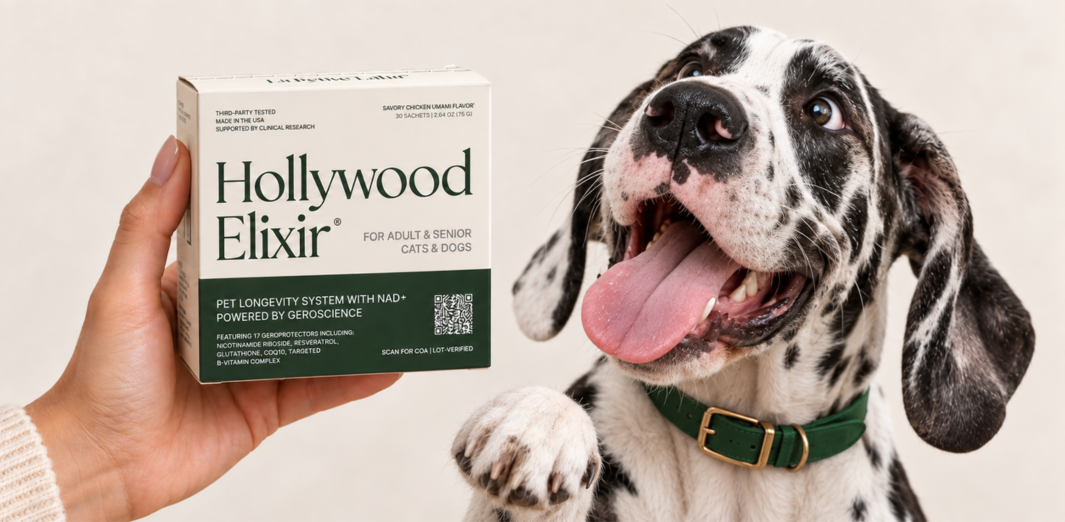
Spotted gray dog beside a Hollywood Elixir box held in a person's hand

Which dogs should not have MCT oil?

MCT oil isn't for every dog, and the trials show who was left out. The seizure trial excluded the groups below, so its results don't cover them.1

  • Dogs with kidney, liver or heart disease.
  • Dogs with a history of pancreatitis, pancreatic insufficiency or diabetes.
  • Pregnant or nursing dogs.

Pancreatitis deserves a word, because fat is the usual worry. In 12 healthy dogs, a single high-MCT meal had little effect on blood markers of pancreas stimulation.15 A dog that has already had pancreatitis is another matter.

If your dog is in any of these groups, the decision belongs to your vet.

Golden retriever nuzzling a man holding a Hollywood Elixir box beside a food bowl

Can MCT oil be given with seizure medicine?
MCT oil was tested only alongside seizure medicine, never in place of it. Every dog in the two blinded trials was on seizure medication throughout.1, 2

One finding is worth passing to your vet. In the oil trial, blood phenobarbital levels ran slightly lower during the MCT months than during the olive oil months.1 The earlier diet trial saw no change in drug levels.2

Keep the routine blood checks, and leave every change in seizure medicine to your vet.

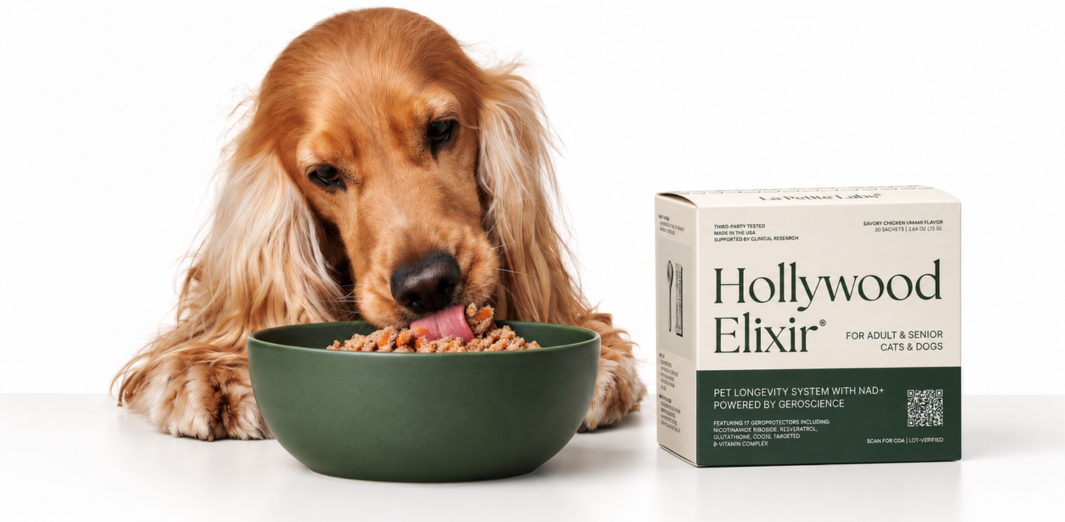
Golden spaniel eating from a green bowl beside a Hollywood Elixir box

Is MCT oil worth trying for a senior dog?

MCT oil is a fair thing to raise with your vet if an older dog seems confused, but a checkup comes first. Cognitive dysfunction can start around nine years of age, and its signs include getting stuck in corners, wandering the house at night and house-soiling.13

The same signs can come from pain, arthritis, seizure disorders or failing sight and hearing, so the vet rules those out first.13 Our guide to why a dog seems confused walks through the possibilities.

Once other causes are off the table, an MCT-enriched food is the form with the most backing for older dogs.4, 5 We found no study showing a benefit in healthy young dogs.

How do you choose an MCT oil and read the label?

A good MCT oil for a dog tells you exactly what's in the bottle. The fatty acids inside decide whether a product matches the one that was studied.

Look for:

  • the fatty acids by name and percentage, ideally C8 and C10 in the range the seizure trial used;1
  • calories per teaspoon or mL, so the oil can be counted into the day's food;
  • a short ingredient list, so nothing else is riding along.

The letters "MCT" on a coconut product aren't enough. Coconut oil's main fatty acid is lauric acid, not the C8 and C10 the trial oil was made of.11, 1

Printed amounts are the test for any supplement, ours included. Hollywood Elixir lists all 17 of its actives with an amount for each, and MCT oil isn't one of them. Our guide to the best dog longevity supplements is a good place to compare labels.

Is MCT oil different for dogs and cats?

MCT oil has been tested for health outcomes in dogs and not in cats. That gap is the main difference, and it's the reason not to share a bottle.

  • Evidence: dogs have blinded seizure trials and cognitive studies.1, 2, 4 For cats, we found feeding studies of taste and blood fats, and no trial for seizures or cognition.
  • Taste: in one older study, cats refused food made with a C8-rich MCT.20 A later nine-week study of 19 cats saw no food refusal.21 Dogs in the home taste test kept eating.8
  • Appetite: a cat that stops eating can develop fatty liver disease, the most common acquired liver disease in cats and a potentially lethal one.9

The cat page takes a more careful line for those reasons. Read our guide to MCT oil for cats before giving any to a cat.

Woman holding a Hollywood Elixir box beside a dapple dachshund and green food bowl on a sofa

When should you see the vet instead of trying MCT oil?
MCT oil is an add-on, and some situations can't wait for an add-on. Get to a vet right away if:

  • a seizure lasts five minutes or more;14
  • your dog has several seizures close together.14

A first seizure also deserves a prompt visit.

Book a normal appointment if an older dog starts getting lost at home, wandering at night, soiling indoors or failing to recognize familiar people.13 Those signs need a check for pain, illness and failing senses before anyone reaches for MCT oil.

Keep a seizure diary too. Owners in the trials logged every seizure, and it's the only way to tell whether an addition is helping.3

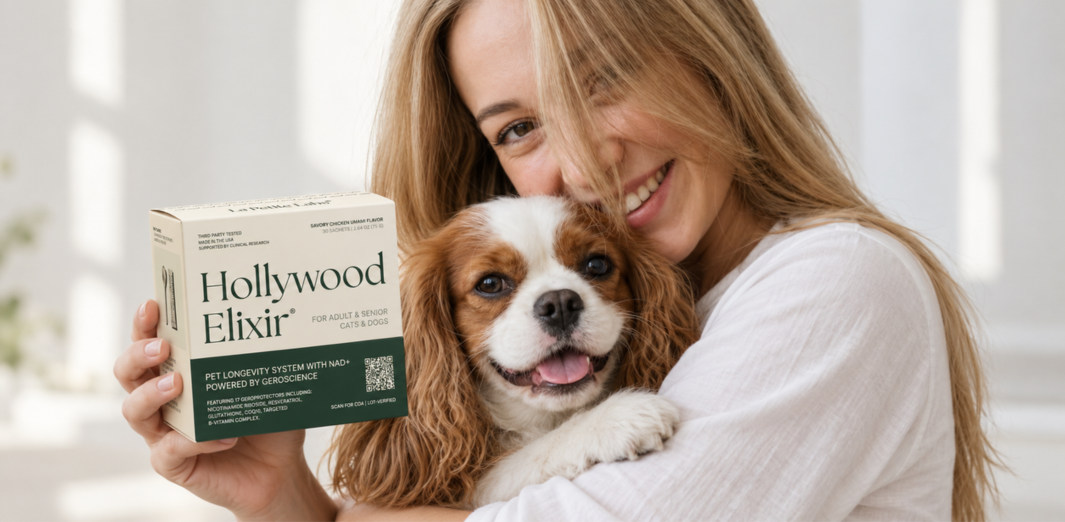
Woman cuddling a brown-and-white spaniel while holding a Hollywood Elixir box

What else supports an aging dog's brain?

MCT oil is one option among several for an aging brain. Cornell's veterinary college lists four kinds of help for cognitive dysfunction.13

  • Diet: prescription foods rich in antioxidants and fatty acids.
  • Enrichment: play, varied toys and regular exercise.
  • Medication: selegiline, which is approved for the condition in North America.
  • Supplements: used together with the steps above.

A 2025 review of the research found that omega-3 fatty acids showed cognitive benefits in aging pets, especially at higher amounts.17

Our guides to mental stimulation for senior dogs and cognitive supplements for dogs cover these in detail.

Is MCT oil in Hollywood Elixir?

No. Hollywood Elixir doesn't contain MCT oil or any other medium-chain fat.

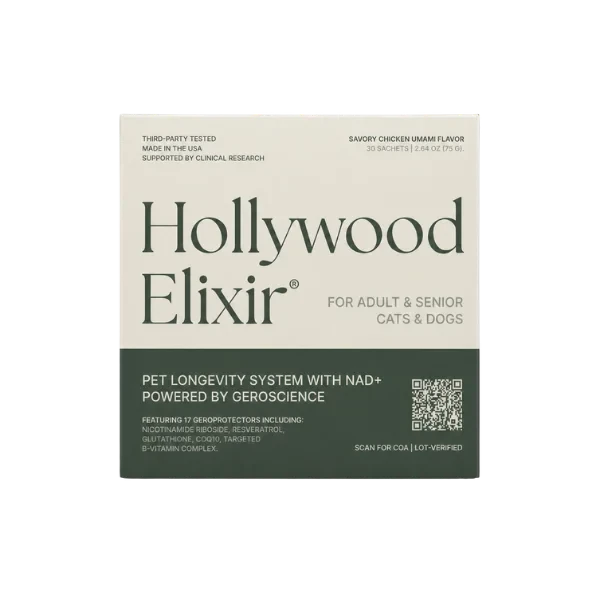
The two come at brain energy from opposite ends. MCT oil supplies an alternative fuel. Hollywood Elixir supports the machinery that burns fuel: each sachet has 60 mg of nicotinamide riboside, an NAD+ precursor, 40 mg of CoQ10 and 250 mcg of vitamin B12, with 14 more actives. All 17 amounts are printed on the label.

It's a daily supplement, a powder stirred into food: half a sachet under 7 lb, one sachet from 7 to 30 lb, two over 30 lb. Hollywood Elixir hasn't been tested for seizures, cognitive dysfunction or lifespan, and it's no stand-in for seizure medicine or a diagnosis.

If MCT oil caught your eye because you want to support an older dog's energy and thinking, our guide to mitochondrial support for dogs explains this side of it. See the full Hollywood Elixir formula and serving guide.

Coconut oil is a different product.

Educational content only. This material is not a substitute for veterinary advice. Always consult your veterinarian about your dog’s specific needs. These statements have not been evaluated by the Food and Drug Administration. Products mentioned are not intended to diagnose, treat, cure, or prevent any disease.

Glossary

MCT: Medium-chain triglyceride, a fat built from fatty acids 8 to 12 carbons long.

Caprylic acid (C8): An eight-carbon fatty acid, and 50% to 65% of the oil in the main dog seizure trial.

Capric acid (C10): A ten-carbon fatty acid, and 30% to 50% of that trial oil.

Ketones: Fuel molecules the body makes from fat, which the brain can burn alongside glucose.

Idiopathic epilepsy: Repeated seizures with no underlying cause found on testing.

Cognitive dysfunction syndrome: An age-related brain disease in dogs that resembles Alzheimer's disease in people.

Related Reading

References

Numbered references identify the sources used for specific claims. Read the study design, species and evidence boundaries alongside each finding.

FAQ

Can I give my dog coconut oil instead of MCT oil?

They aren't interchangeable. Coconut oil's main fatty acid is lauric acid, which acts partly like a long-chain fat, while the dog trials used purified C8 and C10 MCT oil or MCT-enriched food. We found no dog trial of coconut oil for seizures or cognition.

Is MCT oil the same as a ketogenic diet for dogs?

No. The MCT foods studied in dogs hold more carbohydrate and less fat than a classic ketogenic diet, and they still raise blood ketones. MCT oil is added to a normal balanced diet, with no need to cut carbohydrates.

How long does MCT oil take to work in dogs?

The seizure trials ran each oil or diet for three months before judging it. In the 87-dog cognitive diet trial, most improvements showed by day 30 and were checked again at day 90. Three months is a fair test window for MCT oil.

Does Hollywood Elixir contain MCT oil?

No. Hollywood Elixir has no MCT oil or other medium-chain fats. It supports cellular energy from another direction, with 60 mg of nicotinamide riboside, 40 mg of CoQ10 and 250 mcg of vitamin B12 per sachet, and it isn't a seizure or dementia treatment.

Will MCT oil help a healthy young dog?

We found no study showing that MCT oil benefits healthy young dogs. The trials enrolled dogs with epilepsy, aged dogs, or dogs with signs of cognitive dysfunction. A young, healthy dog on a complete diet has no known need for it.

Can MCT oil cause pancreatitis in dogs?

We found no study linking MCT oil to pancreatitis in dogs, and none clearing it for dogs that have had the disease. In 12 healthy dogs, a high-MCT meal had little effect on blood markers of pancreas stimulation. The seizure trial excluded dogs with a history of pancreatitis.

Can puppies have MCT oil?

We found no study of MCT oil in growing puppies. The seizure diet trial accepted dogs from six months of age, and the cognitive studies used aged dogs. A puppy's food is balanced for growth, so talk to your vet before adding any oil.

Can MCT oil replace my dog's seizure medication?

No. Every dog in the blinded trials stayed on medication, and MCT oil was only ever an add-on. In the oil trial, a dog whose medication changed was removed from the study. Any change to seizure medicine belongs to your vet.

How do I give MCT oil to my dog?

The seizure trial added MCT oil to each dog's normal food, split across two meals a day. Measure it instead of pouring, and start it with your vet's guidance so loose stools or a lost appetite are caught early.

Dalmatian looking toward a Hollywood Elixir box held in a person's hand

Discover LPL-01: How This Fits Into a Larger Canine Longevity System

Aging in dogs is not driven by a single pathway. It’s the result of interacting biological systems—energy metabolism, oxidative stress, immune signaling, and structural integrity—changing over time.

This article explores one piece of that puzzle. If you want to understand how these pieces connect—and what actually moves the needle—you need to zoom out.

Start with the underlying science:

Keep exploring

What would you like to understand next?

Search practical guides about healthy aging, cellular energy, ingredients, and daily support for dogs.