Golden Retriever Cancer Support

Understand Cancer-Driven Weight Loss and Fatigue—and the Nutrition Steps That Help

Essential Summary

Why is Golden Retriever cancer support important?

Golden retriever cancer support works best when it’s built as a calm system: clear veterinary guidance, thoughtful symptom relief, and a home routine that protects appetite, mobility, and rest. Supplements can play a role when they’re simple, tolerable, and aligned with the broader plan—supporting everyday resilience rather than chasing dramatic promises.

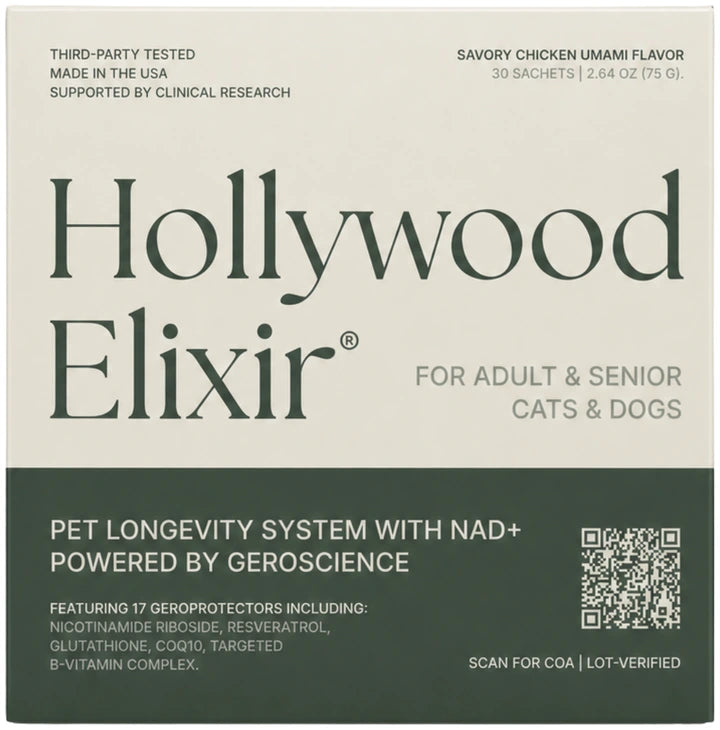
Hollywood Elixir™ is designed as system-level daily support for aging dogs—helping sustain vitality, comfort, and routine during demanding seasons. It’s not positioned as cancer treatment; it’s a steady companion to vet-led care, supporting the broader network your golden retriever relies on for good days.

When a golden retriever is diagnosed with cancer, the household changes shape. Time is suddenly measured in appointments, phone calls, and the quiet act of watching. Most people looking for golden retriever cancer support are not searching for a slogan; they’re searching for a way to hold the situation without being consumed by it. The most reliable approach is to build a system that can carry you: a veterinary plan you understand, a home routine that protects comfort, and support choices that are realistic enough to sustain.

This page is designed to help you sort what matters now from what can wait. It covers support options for golden retrievers with cancer, including treatment-adjacent supportive care, nutrition and appetite strategies, safety considerations, and where community fits. It also addresses a common tension for science-minded owners: if diet and veterinary medicine do the heavy lifting, why consider a supplement at all? The answer is that illness and aging stress the whole system—energy, recovery, comfort, and daily steadiness—so system-level support can remain relevant even when a single nutrient is “covered.”

Hollywood Elixir™ is positioned in that space. It is not cancer therapy, and it should never replace veterinary oncology care. It is a daily support designed to help sustain the broader foundation your dog relies on to eat, move, rest, and stay engaged with life. For many families, that is the practical reason to choose it: one consistent, tolerable layer of support that complements the plan you and your veterinarian build—especially when everything else feels variable.

  • Golden retriever cancer support is strongest when medical care and home life stay coordinated.
  • Ask your oncology team to define the goal: remission, control, or comfort.
  • Supportive care—pain, nausea, appetite, mobility—often determines what’s tolerable over time.
  • Keep a simple weekly log; patterns help your vet adjust plans earlier, not later.
  • Choose supplements conservatively, disclose everything, and avoid stacking new products at once.
  • Support groups and reputable resources reduce isolation and improve decision clarity.
  • Hollywood Elixir™ fits as system-level daily support, complementing vet-led care without overpromising.

A Calm, Coherent System for Support After a Cancer Diagnosis

Golden retrievers tend to pull a family into a particular kind of loyalty: steady, daily, uncomplicated. A cancer diagnosis disrupts that rhythm, and the first need is often not a new fact, but a calmer frame. Golden retriever cancer support is less about chasing a single “best” answer and more about building a dependable system around your dog—medical care, symptom relief, nutrition that stays realistic, and routines that preserve dignity.

In practice, the best support for golden retrievers with cancer usually looks like coordinated decisions: an oncology plan you understand, a primary vet who can translate it into day-to-day care, and a home environment that reduces stress. When treatment is chosen, supportive care matters just as much as the drug or radiation schedule—because side effects, appetite changes, and fatigue are often what determine whether a plan remains tolerable (Prebble AR, 2022).

Owners also ask where supplements fit. The honest answer is that supplements are not cancer therapy, but they can be meaningful as system-level support—helping maintain appetite, mobility, and resilience across weeks that feel long. That is the role of Hollywood Elixir™: not a single-nutrient fix, but a broader approach to supporting aging biology and everyday vitality, so your dog has more good days to spend with you.

Mitochondria illustration showing cellular energy support linked to best supplements for golden retrievers with cancer.

Support Options That Balance Medical Choices with Daily Home Realities

The first week after diagnosis tends to be a blur of terms, appointments, and well-meaning opinions. A more useful starting point is to map your support options for golden retrievers with cancer into three lanes: medical decisions, comfort decisions, and household decisions. Medical decisions include staging, referrals, and whether surgery, chemotherapy, radiation, or targeted therapy are appropriate. Comfort decisions include pain control, nausea management, and mobility support. Household decisions include routines, finances, and who does what when you’re tired.

This structure keeps you from treating every choice as equally urgent. It also helps you ask better questions. If a targeted drug is proposed, ask what monitoring is typical and what side effects are most common; newer agents can be promising but still require careful oversight (Marconato L, 2020). If a low-dose, long-duration approach is suggested, ask what the goal is—stability, symptom relief, or slowing progression—and how tolerability will be assessed (Petrucci, 2024).

Where does a daily supplement fit? Not as a substitute for oncology care, and not as a miracle. It fits as a consistent layer that supports the broader system your dog relies on to eat, move, rest, and recover. Hollywood Elixir™ is built for that role: supporting aging resilience in a way that remains compatible with vet-led care.

Molecular artwork representing healthy aging foundations supported by golden retriever cancer support.

Help After Diagnosis: Building Your Team and Asking Better Questions

If you are seeking help for golden retrievers diagnosed with cancer, the most practical move is often a second set of eyes. A veterinary oncologist can confirm the diagnosis, explain staging, and outline realistic paths. Ask for a written summary after the visit; it reduces the mental load at home.

Bring a short list of questions: What is the goal of treatment—remission, control, or comfort? What side effects should we expect, and what would be unusual? How will we measure response? If multiple therapies are combined, ask whether risks change when they overlap; some combinations can increase adverse effects and need closer monitoring.

Also ask what you can do between appointments. This is where daily routines matter: hydration, gentle movement, and a supplement that supports whole-dog vitality. Hollywood Elixir™ is designed to support the broader aging network, which can be especially valuable when your dog’s system is under extra strain.

Molecular ribbon graphic highlighting formulation science reflected in best support for golden retrievers with cancer.

Supportive Care That Protects Appetite, Energy, and Treatment Tolerance

Cancer care is often described in big interventions, but the day-to-day experience is shaped by supportive care. That includes managing nausea, diarrhea, appetite loss, fatigue, and pain—issues that can determine whether your dog tolerates a plan. When owners talk about the best support for golden retrievers with cancer, they are often describing a home routine that makes treatment livable.

Supportive care also protects decision-making. If your dog feels unwell from side effects, it becomes hard to tell whether the disease is progressing or the treatment is simply rough. Metronomic chemotherapy—lower doses over longer periods—is one example of an approach intended to reduce side effects while maintaining a therapeutic aim, depending on the case (Petrucci, 2024).

A supplement should follow the same philosophy: tolerable, consistent, and compatible with the rest of the plan. Hollywood Elixir™ is positioned as system-level support for aging vitality, not as a replacement for cancer therapy—an important distinction that keeps expectations honest while still offering something meaningful to do each day.

Pug image representing loving care routines supported by golden retriever cancer treatment support.

What “Best Support” Really Means: Alignment, Not Perfection

It is reasonable to want a “best” plan, but cancer rarely offers a single best path. What you can do is build a plan that is coherent: the medical strategy matches the diagnosis, the monitoring matches the risk, and the home routine matches your capacity. This is the heart of golden retriever cancer support—alignment.

If your dog is offered a newer targeted agent, ask what is known about tolerability and what is still uncertain. Early studies in dogs can suggest potential roles for certain drugs while also emphasizing the need for careful dosing and long-term safety data (Marconato L, 2020). That uncertainty is not a reason to panic; it is a reason to monitor thoughtfully and avoid stacking unvetted add-ons.

Hollywood Elixir™ fits into a coherent plan by staying in its lane: daily support for aging resilience and vitality. For science-minded owners, the reason to choose it is not because it claims to replace treatment, but because it supports the broader system that determines how well your dog lives alongside whatever treatment decisions you make.

“The most reliable support is rarely dramatic. It is coherent, repeatable, and kind to the dog in front of you.”

Safety First: Interactions, Household Hazards, and Conservative Add-ons

Safety is part of support. Cancer care often involves medications that can interact with other drugs or be risky in certain health conditions. Always share a complete list of prescriptions, supplements, and treats with your veterinarian, and update it when anything changes.

Be especially cautious with human medications in the home. Some are dangerous to dogs even in small amounts, and accidental exposure can become an emergency. 5-fluorouracil is a notable example of a human cancer drug that can cause severe toxicosis in dogs and may require intensive treatment (Henry JS, 2023). The safest approach is strict storage and clear household rules.

For supplements, prioritize consistency and transparency over novelty. Hollywood Elixir™ is designed to be a daily, system-level support that can be discussed openly with your vet and integrated into a broader plan without turning your kitchen counter into a pharmacy.

Dog portrait symbolizing confidence and healthy aging support from golden retriever cancer treatment support.

Tracking Symptoms Without Obsession: Simple Logs That Improve Clarity

Appointments go better when you arrive with a clear record. Keep a simple weekly note: appetite (normal, reduced, refused), stool quality, energy, sleep, coughing or breathing changes, and any new lumps or bleeding. This is not busywork; it is how you turn worry into actionable information.

If your dog is receiving therapy, monitoring is part of the treatment itself. Some combinations can increase adverse effects, so your team may recommend closer observation or lab checks. Ask what “expected” looks like so you can avoid both overreacting and underreacting.

Daily support should be trackable too. If you add Hollywood Elixir™, note changes in appetite, activity, and overall comfort over a few weeks. The goal is not a dramatic transformation; it is steadier days, better tolerance of the plan, and a routine you can keep.

Profile shot of a dog showing attentive expression supported by golden retriever cancer care resources.

Environment and Risk Without Blame: What Research Can and Can’t Do

Environment is an uncomfortable topic because it can feel like blame. It should not. Still, research in golden retrievers has focused on how exposures across a life may relate to cancer risk, including lymphoma (Luethcke KR, 2022). For a family already living with a diagnosis, the value of this information is forward-looking: it can inform choices for other pets, and it can help you discuss history with your veterinarian.

If you are making changes, keep them simple: minimize smoke exposure, store chemicals securely, and use yard products thoughtfully. None of this is a guarantee, and none of it should become a source of self-punishment. The point is to reduce avoidable stressors where you can.

System-level support matters here too. Even when you control what you can, your dog still has to meet the day with the body they have. Hollywood Elixir™ is designed to support aging resilience over time—an approach that stays relevant regardless of what you can or cannot change about the past.

Ingredient overview graphic showing what's inside and how help for golden retrievers diagnosed with cancer supports dogs.

Comfort-focused Paths: Palliative Care as Active, Intentional Support

Palliative care is not “doing nothing.” It is choosing comfort as the primary outcome, and it can be offered alongside treatment or as the main plan. For many families, the most humane support options for golden retrievers with cancer involve earlier palliative involvement, not later.

A palliative plan may include pain control, appetite and nausea management, mobility support, and anxiety reduction. It also includes planning: what to do if breathing worsens, if your dog cannot stand, or if pain breaks through. Having these decisions made in advance can prevent crisis-driven choices.

A daily supplement can be part of palliative care when it supports comfort and routine without adding burden. Hollywood Elixir™ is designed as a steady, system-level support for aging vitality—something you can keep consistent while the rest of life feels less predictable.

Keeping Treatment Livable with Monitoring, Notes, and Predictable Routines

Some families choose active treatment; others choose comfort-focused care; many move between the two. Golden retriever cancer treatment support is often about making transitions smoother: planning for “down days,” keeping medications organized, and knowing what changes are expected versus concerning. If your dog is receiving multiple modalities—such as radiation plus a targeted drug—ask specifically what side effects tend to cluster, and what monitoring is recommended, because combined approaches can raise toxicity risk (Prebble AR, 2022).

It can also help to request a written “if/then” plan: if appetite drops, if diarrhea starts, if breathing changes, if pain breaks through. This reduces late-night guessing and helps you act early. Keep a short log of appetite, stool quality, energy, and sleep; patterns are easier to spot than single moments.

Supportive supplements belong in that same coordinated plan. The goal is not to replace oncology care, but to support the broader metabolic network that underpins recovery, comfort, and stamina. Hollywood Elixir™ is designed for that system-level role, fitting alongside vet-directed treatment decisions rather than competing with them.

“When treatment is chosen, supportive care often decides whether the plan remains livable.”

Research-style uniform highlighting scientific integrity aligned with best supplements for golden retrievers with cancer.

Supplements: Choosing Simplicity, Tolerability, and Vet-friendly Transparency

When people search for the best supplements for golden retrievers with cancer, they’re often looking for something they can do today. A useful way to think about supplements is to separate “symptom-targeted” from “whole-dog support.” Symptom-targeted options might focus on nausea, stool quality, or joint comfort; whole-dog support focuses on maintaining normal function under stress.

Because cancer care can involve drugs with narrow safety margins, supplement choices should be conservative and disclosed to your veterinarian. Some oncology protocols use low-dose, long-duration approaches intended to reduce side effects compared with traditional schedules, which makes tolerability a central goal (Petrucci, 2024). In that context, avoid adding multiple new products at once; it becomes impossible to know what helped—or harmed.

Hollywood Elixir™ is positioned as a single, consistent daily support that complements a broader plan: it’s meant to support aging resilience and everyday vitality rather than chase a single ingredient headline. For many families, that simplicity is the point—one steady choice, while the medical plan stays in the hands of the veterinary team.

Curated ingredient scene highlighting bioactive blend supporting help for golden retrievers diagnosed with cancer.

Food, Appetite, and Hydration When Eating Stops Feeling Effortless

Food becomes emotional during cancer. A golden retriever who once ate with enthusiasm may hesitate, graze, or refuse. The practical goal is calories and hydration without turning every meal into a negotiation. Ask your veterinarian whether appetite changes are likely from the disease, pain, nausea, or medication—because the fix depends on the cause.

Small adjustments can matter: warming food, offering smaller portions more often, and choosing textures your dog can manage. If chewing is uncomfortable, softer options may reduce stress. If nausea is suspected, your vet may recommend anti-nausea support rather than “tempting” foods that create aversions.

This is also where system-level support earns its place. Even when a diet is well-formulated, illness can change how the body uses energy over time. Hollywood Elixir™ is designed to support the broader aging network that underlies appetite, activity, and day-to-day steadiness—an approach that can remain relevant whether your dog is eating perfectly or imperfectly.

Owner showcasing product beside her pet, reflecting care through golden retriever cancer support groups.

Pain, Mobility, and the Quiet Work of Protecting Comfort

Pain control is not a moral victory; it is basic care. Many dogs hide discomfort until it becomes obvious, and golden retrievers are especially good at staying agreeable. If your dog is quieter, less willing to climb stairs, or suddenly protective of a limb, treat that as information worth acting on.

Your veterinarian can tailor pain relief to diagnosis and overall health, and may combine approaches to reduce reliance on any single medication. If your dog is undergoing cancer therapy, report pain changes promptly; pain can be a side effect, a complication, or a sign the disease is shifting. When therapies are layered, monitoring becomes more important, not less (Prebble AR, 2022).

At home, support can be quieter: rugs for traction, a ramp for the car, and a predictable resting place. Hollywood Elixir™ fits into this “comfort infrastructure” as daily support for aging vitality—helping you protect the ordinary moments that still matter.

Community and Connection: Finding Support Without Noise or Pressure

There is a particular loneliness to caring for a dog with cancer: you can be surrounded by people and still feel like no one quite understands the daily calculus. Golden retriever cancer support groups can be genuinely useful, not for medical advice, but for perspective—what it feels like to wait for results, to manage appetite swings, to decide when “enough” is enough.

Look for moderated communities connected to reputable organizations, specialty hospitals, or breed clubs. The best groups normalize uncertainty and encourage vet-guided decisions. Be cautious with spaces that push unverified cures or shame owners for choosing palliative care. The goal is steadiness, not pressure.

Support also includes what you can sustain. A simple daily routine—walks adjusted to energy, gentle grooming, a supplement you can remember—can be more powerful than a complicated stack. Hollywood Elixir™ is designed to be that consistent, low-friction layer of support alongside your dog’s medical plan.

Practical Resources, Emergency Planning, and Medication Safety at Home

Some of the most valuable golden retriever cancer care resources are not dramatic: a clear discharge sheet, a phone number that gets answered, and a plan for weekends. Ask your clinic what constitutes an emergency for your dog’s specific diagnosis—breathing changes, uncontrolled vomiting, collapse, bleeding, or sudden swelling can all be urgent depending on context.

If chemotherapy is part of the plan, confirm handling instructions for medications and waste. Certain drugs are hazardous to people and other pets if mishandled, and some human cancer medications are dangerously toxic to dogs if accidentally ingested. A well-known example is 5-fluorouracil exposure, which can be life-threatening and requires emergency care (Henry JS, 2023).

Finally, keep your “support kit” simple: appetite notes, medication schedule, and one daily supplement you trust. Hollywood Elixir™ is intended to support whole-dog resilience over time, so you can focus your attention where it belongs—on your dog’s comfort and your shared routine.

Visual breakdown contrasting competitors and quality standards in golden retriever cancer support.

Breed Context and Research That Informs Better Questions over Time

Golden retrievers are overrepresented in certain cancers, and that reality has driven meaningful research interest. The Golden Retriever Lifetime Study, for example, follows a large cohort to better understand how environmental exposures may relate to lymphoma risk (Luethcke KR, 2022). For owners, the practical takeaway is not guilt; it is awareness. Your dog’s history—home environment, yard care products, secondhand smoke, and prior health issues—can matter in how you discuss risk and monitoring with your veterinarian.

If you have other golden retrievers in the household, ask your vet what screening or watchful waiting looks like for them. It may be as simple as regular exams and prompt evaluation of lumps, persistent cough, nosebleeds, or unexplained weight change.

Research can inform, but it rarely removes uncertainty. That is why a system-level daily support—sleep, mobility, appetite, and stress reduction—remains relevant regardless of the specific diagnosis. Hollywood Elixir™ is designed to support that broader foundation across a life, including the seasons when you need steadiness most.

Open box with Hollywood Elixir inside, reinforcing best supplements for golden retrievers with cancer premium cues.

Timelines, Expectations, and Measuring What Matters Day to Day

Owners often want a simple timeline: when will we know if this is working? The honest answer depends on the cancer type, the chosen approach, and what “working” means for your family. Sometimes success is measured in imaging changes; sometimes it is measured in appetite returning, breathing easing, or a dog choosing the sunny spot again.

In oncology, response can range from remission to stability to symptom relief, and different therapies aim at different endpoints. Case reports can be encouraging but are not guarantees; for example, a golden retriever with nasal carcinoma was reported to achieve partial remission with a specific combination approach (Choi K, 2025). Use such stories as questions to ask your oncologist, not promises to rely on.

Daily support should be judged by quieter metrics: consistency, tolerability, and whether it fits your routine. Hollywood Elixir™ is meant to be a steady companion to the plan—supporting aging vitality without requiring you to constantly recalibrate your entire day.

A Decision Lens for Hard Days: Priorities, Quality of Life, and Peace

Decision-making is easier when you name what you are protecting. For some families, it is time; for others, it is comfort; for many, it is the ability to keep life feeling like itself. Write down three priorities—such as eating, walking, and resting comfortably—and let them guide choices about tests, treatments, and travel.

A simple quality-of-life scale can help you notice drift before it becomes a crisis. Tools that track appetite, hydration, mobility, and joy can make conversations with your veterinarian clearer and less emotionally reactive (Brown DC, 2015). Bring the log to appointments; it turns impressions into usable information.

And then, choose what you can sustain. The best plan is the one you can carry through ordinary days. Hollywood Elixir™ is designed as a system-level daily support for aging resilience—an option that remains relevant whether your path is treatment, palliative care, or a careful blend of both.

“Choose what you can sustain. Consistency is a form of care.”

Educational content only. This material is not a substitute for veterinary advice. Always consult your veterinarian about your dog’s specific needs. These statements have not been evaluated by the Food and Drug Administration. Products mentioned are not intended to diagnose, treat, cure, or prevent any disease.

Glossary

  • Supportive care: Symptom-focused care (pain, nausea, appetite, hydration) that improves comfort during illness.
  • Palliative care: Care centered on comfort and quality of life, with or without disease-directed treatment.
  • Staging: The process of assessing how far a cancer has spread to guide planning and expectations.
  • Remission: A reduction or disappearance of detectable cancer signs; not always the same as cure.
  • Metronomic chemotherapy: Low-dose chemotherapy given over longer periods, often aiming for better tolerability.
  • Targeted therapy: Drugs aimed at specific cancer-related signals; requires vet oversight and monitoring.
  • Quality-of-life scale: A structured way to track appetite, mobility, comfort, and joy over time (Brown DC, 2015).
  • Care coordination: Aligning primary vet, oncologist, and home routine so decisions remain coherent.
  • Adverse effects: Unwanted treatment effects (vomiting, diarrhea, fatigue) that may require plan adjustments.

Related Reading

References

Henry JS. Successful treatment of 5-fluorouracil toxicosis with hemodialysis.. PubMed. 2023. https://pubmed.ncbi.nlm.nih.gov/36883466/

Choi K. Partial Remission Without Recurrence in a 9-Year-Old Golden Retriever with Nasal Carcinoma Treated with Prednisolone/Chlorambucil Metronomic Combination Therapy: A Case Report and Literature Review of Molecular Mechanisms.. PubMed. 2025. https://pubmed.ncbi.nlm.nih.gov/40864814/

Luethcke KR. Environmental exposures and lymphoma risk: a nested case-control study using the Golden Retriever Lifetime Study cohort.. PubMed. 2022. https://pubmed.ncbi.nlm.nih.gov/35841115/

Prebble AR. Increased incidence of gastrointestinal toxicity in canine cancer patients treated with concurrent abdominal radiation therapy and toceranib phosphate.. PubMed. 2022. https://pubmed.ncbi.nlm.nih.gov/34310002/

Marconato L. Sorafenib for the Treatment of Unresectable Hepatocellular Carcinoma: Preliminary Toxicity and Activity Data in Dogs.. PubMed Central. 2020. https://pmc.ncbi.nlm.nih.gov/articles/PMC7281367/

Petrucci. Metronomic chemotherapy: bridging theory to clinical application in canine and feline oncology.. 2024. https://www.mdpi.com/2306-7381/12/11/1067

Alecsandru Ioan Baba. PRINCIPLES OF ANTICANCER THERAPY. 2007. https://www.ncbi.nlm.nih.gov/books/NBK9546

Brown DC. Intrathecal resiniferatoxin in a dog model: efficacy in bone cancer pain.. PubMed. 2015. https://pubmed.ncbi.nlm.nih.gov/25659068/

LeBlanc AK. Comparative Oncology Assessment of a Novel Inhibitor of Valosin-Containing Protein in Tumor-Bearing Dogs.. PubMed Central. 2022. https://pmc.ncbi.nlm.nih.gov/articles/PMC9538592/

Finocchiaro. Cytokine-Enhanced Vaccine and Interferon-β plus Suicide Gene Therapy as Surgery Adjuvant Treatments for Spontaneous Canine Melanoma.. 2015. https://www.mdpi.com/2306-7381/9/5/196

Brioschi. Oral Transmucosal Cannabidiol Oil Formulation as Part of a Multimodal Analgesic Regimen: Effects on Pain Relief and Quality of Life Improvement in Dogs Affected by Spontaneous Osteoarthritis. 2020. https://www.mdpi.com/2076-2615/10/9/1505?sub_id=&type=check_update&version=1

A.P. King-Herbert. Laboratory Animal Medicine and Toxicology. 2023. https://www.ncbi.nlm.nih.gov/books/NBK591146

FAQ

What does golden retriever cancer support usually include at home?

At home, golden retriever cancer support usually means symptom tracking, comfort-focused routines, and clear communication with your veterinary team. Think: appetite notes, stool changes, energy, sleep, and any new pain signals.

It also includes practical adjustments like traction rugs, easier car access, and predictable rest. Many families add a simple daily supplement to support overall resilience alongside vet-led care, such as Hollywood Elixir™.

Why is supportive care as important as treatment decisions?

Supportive care protects quality of life and often determines whether a plan is tolerable. Nausea, diarrhea, fatigue, and pain can quietly erode appetite and mobility, even when the primary therapy is appropriate.

When therapies are combined, side effects can become more complex and may require closer monitoring. A steady, low-friction daily routine—including system-level support fromHollywood Elixir™—can help keep the overall plan livable.

How do I choose the best support for golden retrievers with cancer?

Start by naming the goal: remission, disease control, or comfort. Then choose supports that match that goal and that you can keep consistent—medication schedules, appetite strategies, mobility help, and stress reduction.

Avoid adding many new products at once; it becomes hard to tell what helps. For daily system-level support that complements vet-led care without trying to replace it, consider Hollywood Elixir™.

What is golden retriever cancer treatment support during chemotherapy?

During chemotherapy, treatment support focuses on side-effect readiness: appetite changes, nausea, diarrhea, fatigue, and hydration. Ask your veterinarian what is expected versus urgent for your dog’s specific protocol.

Some protocols use lower-dose, longer-duration approaches intended to reduce side effects while maintaining a therapeutic aim. Many families also add a consistent daily supplement for whole-dog resilience, such asHollywood Elixir™, to keep routines steady.

Are supplements safe for dogs receiving cancer therapies?

They can be, but safety depends on the ingredient, dose, and your dog’s medications and organ function. Always disclose every supplement and treat to your veterinarian so they can screen for interactions and unnecessary overlap.

A conservative approach is to introduce only one new product at a time and track appetite, stool, and energy. For system-level daily support designed to complement vet-led care, many owners choose Hollywood Elixir™.

When should I avoid adding new supplements during cancer care?

Avoid adding new supplements during acute side effects, right before rechecks, or when multiple medications are being adjusted. Those are moments when clarity matters, and extra variables can confuse what’s causing what.

If your dog is on combined therapies, monitoring needs may increase. When you do add support, choose something consistent and easy to track, likeHollywood Elixir™, and introduce it with your vet’s awareness.

Can golden retriever cancer support include palliative care only?

Yes. Support can be entirely comfort-focused, and it’s still active care. Palliative plans often include pain control, nausea management, mobility help, and anxiety reduction, with clear guidance on what changes require a call.

The goal is to protect good days and reduce distress for both dog and family. A simple daily routine and system-level supplement support can fit well here, including Hollywood Elixir™, as part of a steady comfort plan.

What side effects should I monitor during combined cancer treatments?

Monitor appetite, vomiting, diarrhea, lethargy, pain, and any breathing changes. Also watch for dehydration signs and sudden weakness. Ask your team which symptoms are expected and which require same-day evaluation.

Some combinations, such as certain targeted drugs with radiation, may increase toxicity risk and warrant closer oversight. Alongside medical monitoring, many owners keep daily routines stable withHollywood Elixir™ supporting overall resilience.

How quickly might I notice changes from supportive routines?

Some changes are immediate—better traction at home, easier car entry, calmer sleep. Others are gradual, like steadier appetite patterns or more consistent energy. The timeline depends on diagnosis, treatment choices, and baseline health.

Track small markers weekly rather than day-to-day. For a consistent daily layer that supports whole-dog vitality during demanding seasons, consider Hollywood Elixir™ as part of your routine.

What quality signals matter when choosing supplements for cancer support?

Look for clear labeling, consistent manufacturing, and a product philosophy that doesn’t promise cures. In cancer care, simplicity and tolerability often matter more than an aggressive ingredient list.

Also prioritize products you can discuss openly with your veterinarian, especially if your dog is on complex protocols. For system-level daily support aligned with long-term vitality, many owners choose Hollywood Elixir™.

How do I give supplements to a picky dog with cancer?

Keep administration low-stress. Use a small amount of a highly palatable food, offer it when nausea is least likely, and avoid turning meals into a struggle. If appetite is reduced, ask your vet whether nausea or pain control should be adjusted first.

Introduce only one new item at a time so you can judge tolerance. For a daily option designed to fit smoothly into routines, consider Hollywood Elixir™ as a consistent part of care.

Is daily use appropriate for long-term cancer support routines?

Daily routines tend to work best because they reduce decision fatigue and make changes easier to notice. The key is choosing supports that are tolerable and don’t complicate medication schedules.

If your dog’s treatment plan changes, revisit everything with your veterinarian to keep the full picture coherent. For system-level daily support that’s designed to stay consistent over time, consider Hollywood Elixir™.

What interactions should I ask my vet about specifically?

Ask about interactions between prescriptions, supplements, and any special diets. Also ask whether organ function changes (like liver or kidney concerns) affect what’s safe. This is especially important when targeted drugs are used, since tolerability can vary by patient(Marconato L, 2020).

Bring a complete list to every appointment, including treats and chews. For a straightforward daily support you can keep on that list, considerHollywood Elixir™as part of your plan.

Does age change support options for golden retrievers with cancer?

Yes. Older dogs may have arthritis, heart disease, or reduced organ reserve that affects treatment choices and supportive care. The goal often shifts toward maintaining comfort, mobility, and appetite rather than pursuing the most aggressive option.

That’s where system-level daily support can be especially relevant: it supports the broader aging foundation that influences how your dog feels day to day. Many owners include Hollywood Elixir™ as part of that steady routine.

Is this page relevant for cats with cancer too?

The emotional themes are similar, but medical decisions and safe products can differ between species. Cats have unique sensitivities, and dosing and ingredient safety must be evaluated specifically for them by a veterinarian.

If you’re caring for a cat, use this as a framework for questions, not a direct template. For dog-focused, system-level daily support that complements veterinary care, consider Hollywood Elixir™ for canine routines.

What research exists specifically involving golden retrievers and cancer?

Golden retrievers have been the focus of large-scale research efforts, including studies examining how environmental exposures may relate to lymphoma risk across a lifetime(Luethcke KR, 2022). This work helps refine understanding of risk and may improve future prevention and monitoring strategies.

For an individual dog, research informs better questions and more thoughtful monitoring, not certainty. Many owners pair vet-led care with steady daily support fromHollywood Elixir™to protect everyday vitality.

When should I call the vet urgently during cancer care?

Call urgently for repeated vomiting, inability to keep water down, collapse, labored breathing, uncontrolled bleeding, severe lethargy, or sudden swelling. Also call if pain seems unmanageable or your dog cannot stand or walk normally.

If there’s any chance of exposure to hazardous human medications, treat it as an emergency; some agents can be life-threatening to dogs(Henry JS, 2023). For daily system-level support that fits into a careful plan, considerHollywood Elixir™.

How can I evaluate golden retriever cancer care resources online?

Prioritize resources tied to veterinary hospitals, universities, or established foundations. Be cautious with sources that promise cures, discourage veterinary care, or rely on dramatic testimonials instead of clear safety guidance.

A good resource helps you ask better questions and supports informed choices. Many owners also look for a consistent daily supplement that stays in its lane, such as Hollywood Elixir™, to complement vet-led decisions.

Do support groups actually help owners of dogs with cancer?

They can. The best groups reduce isolation, normalize uncertainty, and offer practical coping ideas—like how to manage appointment fatigue or keep a medication schedule organized. They should not replace veterinary advice.

Look for moderated communities that encourage vet-guided decisions and respectful end-of-life conversations. Many families pair that emotional support with a steady daily routine that includes Hollywood Elixir™ for system-level vitality support.

What is a simple decision framework when options feel overwhelming?

Choose three priorities—such as eating, moving comfortably, and resting well—then evaluate each option by whether it protects those priorities. Ask your veterinarian what tradeoffs are likely and what monitoring would be required.

This keeps decisions grounded in your dog’s lived experience, not just test results. For a consistent daily layer that supports the broader aging foundation, consider Hollywood Elixir™ as part of your routine.