Antioxidants for Cancer Prevention in Cats

Compare Oxidative Stress Drivers and Choose Nutrition That Supports Energy, Appetite, and Recovery

Essential Summary

Why is antioxidant support during feline cancer care important?

During cancer and its treatment, oxidative stress can rise and make appetite, energy, and recovery less reliable. Antioxidant support is best used to support normal cellular defenses and day-to-day durability, with careful timing and tracking. Any supplement should be reviewed with the treating veterinarian or oncologist.

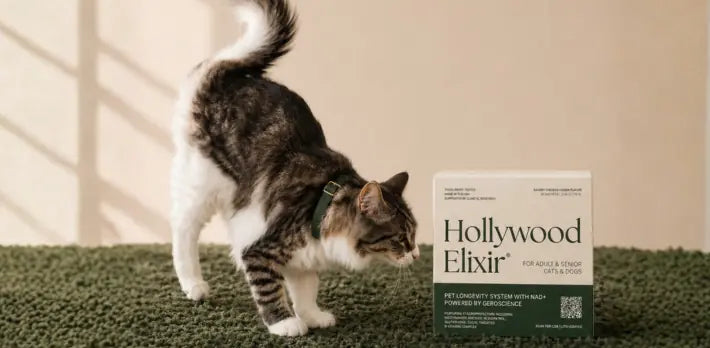
For owners who want a broad, trackable approach, Hollywood Elixir™ is designed to support normal cellular defenses as part of a daily plan, especially when routines are under stress. It should be discussed with the oncology team before use during active treatment.

When a cat is diagnosed with cancer, “antioxidants” can sound like a simple lever to pull—either to prevent progression or to protect the body during treatment. The reality is a comparison: one side is oxidative stress, which can rise with illness, inflammation, and some therapies; the other side is antioxidant support, which can be helpful for overall durability but is not automatically “more is better.” In feline cancer care, timing, dose, and the specific compound matter more than the label on the bottle (Amaral, 2025).

This page focuses on oxidative stress cancer cats face during diagnosis and treatment, and how feline cancer antioxidant support can be approached without overpromising. It also clarifies why “antioxidants for cancer prevention in cats” is a different question than “antioxidants for cats with cancer,” because prevention evidence is limited and often comes from human studies with mixed results (Myung, 2010). The practical goal for most households is not chasing a single miracle nutrient, but building a plan that supports normal cellular defenses, liver handling of medications, appetite, and day-to-day rebound capacity—while staying aligned with the oncology plan. Any supplement choice should be reviewed with the treating veterinarian or oncologist, especially around chemotherapy or radiation.

  • Antioxidants for cats with cancer are best viewed as supportive care, not a proven way to prevent cancer.
  • Oxidative stress can rise from inflammation, tumor metabolism, and some therapies, which is why nutrition comes up in oncology visits.
  • Food-based antioxidants and high-dose single supplements are not interchangeable; concentrated dosing can create different effects.
  • Timing matters: adding high-dose antioxidants around chemotherapy or radiation should be cleared with the oncologist.
  • A staged plan (one change at a time) creates clearer change signals and avoids food aversion.
  • Track appetite, vomiting, stool, weight, and energy for the first 4–6 weeks to judge fit.
  • Bring labels and a timeline to rechecks so the team can tailor feline cancer antioxidant support safely.

The Core Confusion: Prevention Claims Versus Treatment Support

Owners often hear one word—antioxidants—and assume it means “cancer prevention.” In reality, antioxidants for cats with cancer are usually discussed as supportive care: helping the body manage oxidative stress that can accompany inflammation, tumor metabolism, and some therapies (Amaral, 2025). That is a different goal than preventing cancer from developing in the first place. Even in humans, broad antioxidant supplementation has shown mixed, heterogeneous results for cancer prevention, which is a caution against confident prevention claims in cats (Myung, 2010).

At home, this confusion shows up as urgent shopping: adding multiple products at once, changing diets weekly, and expecting fast “turnarounds.” A more reliable approach is to decide which problem is being targeted—appetite stability, stool quality, medication tolerance, or overall energy—and then choose one change at a time. That pacing creates slack for observing change signals without masking side effects or interfering with the oncology plan.

Mitochondria detail showing cellular defense mechanisms supported by antioxidants for cats with cancer.

Side a: Why Oxidative Stress Rises During Feline Cancer Care

Oxidative stress is an imbalance between reactive molecules (often called free radicals) and the body’s ability to neutralize them. In cats with cancer, oxidative stress can rise because tumors and immune responses change energy use, inflammation signaling, and tissue turnover. Some treatments also intentionally stress rapidly dividing cells, which can increase oxidative byproducts in the short term (Amaral, 2025). This does not mean oxidative stress is “the cause” of every cancer, but it helps explain why supportive nutrition is discussed during therapy.

Households may notice this as a cat who seems less durable: shorter play bouts, slower rebound after a vet visit, or more variable appetite. Those observations matter because they guide supportive choices—hydration strategies, meal format, and whether a supplement is being used to support normal antioxidant defenses rather than to chase a cure. Owners can write down when low-energy days cluster around treatments, which helps the oncology team interpret patterns.

Genetic imagery reflecting cellular wellness supported by feline cancer antioxidant support.

Side B: What Antioxidants Can Realistically Do

Antioxidants are a broad category: vitamins, plant compounds, and internally produced molecules that help neutralize reactive species. In veterinary oncology discussions, the most defensible role is support—helping maintain normal cellular defenses and tissue integrity during stress—rather than promising cancer prevention or tumor control. Some diets and supplements can influence oxidative damage biomarkers in dogs and cats, which supports the concept that nutrition can shift oxidative balance, even if it does not prove cancer outcomes (Jewell, 2024).

In daily life, “working” often looks subtle: steadier eating routines, less variable stool, or a cat that rebounds faster after a stressful day. Those are meaningful quality-of-life endpoints for many families. The key is to set expectations: feline cancer antioxidant support is usually about supporting normal function while the primary cancer plan does the heavy lifting.

Protein visualization highlighting formulation depth and rigor in feline cancer antioxidant support.

What Actually Differs: Food-based Antioxidants Versus High-dose Pills

Food-based antioxidants come packaged with protein, fat, fiber, and micronutrients that shape absorption and metabolism. High-dose single antioxidants, by contrast, can behave differently in the body, and in some contexts have not delivered the hoped-for cancer prevention benefits in human trials (Myung, 2010). That doesn’t automatically translate to cats, but it reinforces a cautious stance: “more” is not a synonym for “safer” or “more effective.” The most practical comparison is broad dietary patterns versus concentrated, isolated dosing.

Owners can apply this by prioritizing a complete, veterinary-recommended diet that the cat reliably eats, then layering support only where there is a clear need (for example, appetite support strategies or a single supplement with a defined purpose). If a cat is already picky, adding powders and multiple capsules can backfire by creating food aversion—an outcome that matters more than theoretical antioxidant totals.

Close-up dog photo reflecting peaceful vitality supported by antioxidants for cats with cancer.

Timing Matters: Antioxidants Around Chemotherapy or Radiation
One reason oncologists may be cautious is that some cancer treatments rely on cellular stress to damage tumor cells. In that context, high-dose antioxidant supplementation could be theoretically misaligned with treatment intent, depending on the drug, dose, and timing. Evidence quality varies across interventions in veterinary oncology nutrition, so the safest default is coordination: any new antioxidant product should be cleared with the oncology team before starting, stopping, or changing doses.

A practical household routine is to keep a “treatment week” calendar: infusion days, anti-nausea meds, appetite stimulants, and any supplements. That record helps prevent accidental stacking right before or after therapy. It also creates a more reliable handoff at recheck visits, where the team can match side effects to timing rather than guessing.

“Support plans work best when they create clarity, not more variables.”

Case Vignette: When “Natural” Add-ons Create More Variability

A 12-year-old cat with lymphoma starts chemotherapy and, within a week, the household adds three “antioxidant” products plus a new diet. Appetite becomes less reliable, stool softens, and the family cannot tell whether the change is from chemo, the diet switch, or the supplements. This is a common pattern in antioxidants for cats with cancer: good intentions create noise that hides the true driver. Oncology nutrition reviews emphasize that evidence varies and that changes should be staged and monitored.

A cleaner plan is to stabilize the base first: keep the most accepted diet, add hydration support, and introduce only one new supportive item at a time with a 2–3 week observation window. That approach increases rebound capacity because it reduces avoidable stressors like food refusal and GI upset. It also makes it easier for the veterinarian to adjust anti-nausea or appetite medications with confidence.

Close-up weimaraner showing calm strength and presence supported by feline cancer antioxidant support.

Owner Checklist: Home Signals That Antioxidant Plans Are Too Aggressive

A supplement plan is “too much” when it creates more variability than the cancer itself. Owners can check for: (1) new food refusal after adding a powder or oil, (2) softer stool or new gas within 72 hours of a change, (3) increased drooling or lip-licking at mealtimes (nausea cue), (4) hiding or reduced social contact after supplement administration, and (5) a sudden shift in water intake. These are practical change signals that matter more than theoretical antioxidant totals.

If two or more signals appear, the safest move is to pause the newest addition and call the clinic for guidance rather than adding another product to “balance it out.” This is especially important when oxidative stress cancer cats experience is being managed alongside chemo-related nausea. The goal is a more stable routine, not a larger supplement stack.

Dog looking ahead, capturing presence and calm energy supported by feline cancer antioxidant support.

What to Track for the First 4–6 Weeks

Tracking turns “maybe it helps” into usable information for the oncology team. A simple rubric includes: daily appetite score (0–3), number of meals eaten, vomiting or retching episodes, stool consistency, water intake changes, energy/play minutes, and willingness to be handled. These markers reflect real-world durability and can reveal whether feline cancer antioxidant support is fitting into the plan or creating friction. Nutrition reviews in veterinary oncology emphasize individualized monitoring because evidence and responses vary.

Owners can keep notes on treatment days versus non-treatment days, since patterns often cluster. Photos of stool (if the clinic welcomes it) and a weekly weight check on the same scale add clarity. The aim is not perfection; it is a more reliable story at rechecks so the veterinarian can adjust anti-nausea meds, diet texture, or supplement timing.

Inside-the-box graphic showing active blend design supporting oxidative stress cancer cats.

A Common Misconception: Antioxidants Always Help Cancer Outcomes

A persistent misunderstanding is that antioxidants are universally protective, so higher doses must be better for cancer prevention. Even in human randomized trials, antioxidant supplements have not shown consistent cancer prevention benefits, and results differ by compound and context. That does not mean antioxidants are “bad,” but it does mean the label alone is not a promise. In cats, the most defensible goal is supporting normal physiology during stress, not claiming prevention or cure.

This misconception can push owners toward megadoses or multiple overlapping products. A more careful approach is to choose interventions that do not destabilize eating and do not conflict with treatment timing. If a cat’s appetite is fragile, the best “antioxidant plan” may be the one that keeps calories consistent and nausea controlled.

N-acetylcysteine: Glutathione Support with Cat-specific Nuance

N-acetylcysteine (NAC) is often discussed because it can serve as a precursor for glutathione, a key internal antioxidant involved in normal detoxification and redox balance (Tieu, 2023). That mechanism makes it appealing in supportive care conversations, but it is still a biologically active compound with pharmacokinetics studied in cats (Buur, 2013). For a cat on chemotherapy or multiple medications, NAC should be treated like a real intervention—one that requires veterinary oversight rather than casual “wellness” dosing.

At home, the biggest risk is adding NAC on top of other supplements when the cat is already nauseated, because taste and GI tolerance can determine whether the cat keeps eating. If NAC is being considered as part of antioxidants for cats with cancer, the clinic should be told exactly what form is being used and when it is given relative to other meds. That detail helps the team interpret vomiting, appetite dips, or unusual lethargy.

“Timing and dose matter more than the word antioxidant.”

Research-style uniform highlighting scientific integrity aligned with oxidative stress cancer cats.

Milk Thistle and Liver Handling: Supportive, Not a Shield

Milk thistle (silymarin) is commonly chosen when owners worry about liver strain from medications. Reviews in companion animals describe its use as supportive, with proposed antioxidant and hepatoprotective roles, but the evidence base varies by species, formulation, and endpoint (DEA, 2023). In feline cancer care, the practical question is not “does it protect the liver from everything,” but whether it fits the cat’s medication list and whether the product quality is trustworthy.

Owners can support the liver in more reliable ways too: avoid unvetted herbal blends, keep the medication schedule consistent, and report appetite changes early. If a supplement is added, it should be introduced when the cat is stable, not during a nausea flare. That sequencing helps the household see whether the cat’s stool, appetite, and energy remain more stable.

Ingredient spread with supplement box highlighting formulation depth behind antioxidants for cats with cancer.

Selenium: the Form Matters More Than the Buzzword

Selenium is sometimes marketed as an “antioxidant mineral,” but it exists in multiple chemical forms, and biology can differ by species and dose. Research in humans highlights that selenium speciation matters in vivo, underscoring why “selenium” is not a single, uniform exposure (Vinceti, 2013). For cats, this is a cautionary lesson: adding selenium-containing products on top of a complete diet can create unintended excess, especially if multiple supplements overlap.

A household safeguard is to list every supplement and treat, then check whether any contain selenium, vitamin E, or other overlapping antioxidants. If the cat eats a complete commercial diet, many micronutrients are already present at appropriate levels. The oncology team can then decide whether additional antioxidant support is needed or whether the safest plan is simply maintaining consistent intake.

Pet owner displaying product as part of daily care supported by oxidative stress cancer cats.

Quality Signals: How to Compare Antioxidant Products for Cats

Comparing products is less about the longest ingredient list and more about reliability. Look for clear labeling of active ingredients, batch testing or quality assurance statements, and dosing instructions designed for cats rather than generic “pet” language. Veterinary oncology nutrition guidance repeatedly notes that evidence quality varies, so product quality and transparency become even more important when outcomes are uncertain. A product that cannot be traced or that hides amounts behind “proprietary blends” is harder to evaluate for safety.

Owners can also compare palatability and administration burden. If a cat needs multiple medications, adding a bitter capsule may reduce compliance across the whole plan. The best choice is often the one that the cat will take consistently without creating food aversion, because consistency is what makes tracking meaningful.

What Not to Do with Antioxidants During Cancer Treatment

Common mistakes are predictable and preventable: (1) starting high-dose antioxidants the day before chemotherapy, (2) stacking multiple products that share the same vitamins or minerals, (3) switching diets and supplements simultaneously, and (4) assuming “natural” means interaction-free. These choices can make appetite and stool less reliable, which is a major quality-of-life issue in cats. Because veterinary oncology nutrition evidence varies, the safest default is conservative, staged changes with oncologist approval.

Another pitfall is ignoring early nausea cues and focusing only on the supplement plan. If lip-licking, drooling, or hiding increases, the clinic should be called promptly; nausea control often does more for durability than adding another antioxidant. The goal is a plan that reduces avoidable variability, not one that creates it.

Vet Visit Prep: Questions That Make the Plan Safer

A productive oncology conversation compares goals and tradeoffs. Useful questions include: Which side effects are most likely for this protocol, and which are linked to oxidative stress? Are there antioxidants you prefer to avoid during treatment days? Should any supplement be paused around chemo or radiation? And which lab values or symptoms would signal that the plan is too aggressive? These questions align with the reality that feline cancer antioxidant support is individualized and evidence quality varies.

Owners should bring a complete list of products with photos of labels, plus a one-page log of appetite, vomiting, stool, and energy. That preparation creates slack in the appointment: less time reconstructing the timeline, more time making decisions. It also helps the team spot overlapping ingredients that could push totals higher than intended.

Visual breakdown contrasting competitors and quality standards in antioxidants for cats with cancer.

Decision Framework: When Support Is Reasonable Versus When to Pause

A practical framework is to compare three scenarios. Scenario one: the cat is stable, eating well, and labs are acceptable—support may be reasonable if it does not add burden. Scenario two: the cat is newly diagnosed and starting therapy—pause major changes until baseline patterns are clear. Scenario three: the cat is losing weight or vomiting—priority shifts to symptom control and calories, because that often determines rebound capacity more than any antioxidant theory. Veterinary oncology nutrition reviews emphasize prioritizing what is measurable and clinically relevant.

Owners can use this framework to avoid reactive shopping. If a new supplement coincides with appetite decline, the default should be to stop the newest variable and call the clinic. That approach protects the cat’s durability by keeping the plan simpler and easier to adjust.

Unboxing scene highlighting careful delivery and experience aligned with feline cancer antioxidant support.

Where Prevention Evidence Fits: a Cautious, Cat-first Interpretation

The phrase antioxidants for cancer prevention in cats is understandable, but direct feline prevention trials are limited. In humans, some antioxidant trials have shown no benefit and, in certain contexts, unexpected outcomes—another reason not to assume prevention effects translate cleanly across species or products (Rautalahti, 1999). For cats, the more defensible takeaway is general biology: oxidative balance matters, but prevention claims require stronger, species-specific evidence than most supplements can offer.

For households with healthy cats, the most reliable prevention-adjacent steps are not megadoses: maintaining a complete diet, keeping a lean body condition, and scheduling routine exams so problems are caught earlier. For households already managing cancer, “prevention” language can distract from the real goal—keeping treatment tolerable and daily life more stable.

Putting It Together: a Simple, Trackable Support Plan

A workable plan compares complexity versus clarity. Start with the oncology protocol, then add supportive nutrition only where it solves a real problem: appetite reliability, hydration, stool consistency, or medication tolerance. If a supplement is chosen, pick one, introduce it when the cat is stable, and track change signals for the first 4–6 weeks. This approach respects that oxidative stress cancer cats experience is real, but that interventions must be evaluated by outcomes a household can observe.

The final step is coordination: share the tracking log and full ingredient list with the veterinarian or oncologist before escalating. That collaboration is what keeps feline cancer antioxidant support aligned with treatment goals. If the cat’s appetite drops, vomiting increases, or behavior changes abruptly, the clinic should be contacted promptly rather than adding another antioxidant “just in case.”

“Track change signals first; add complexity only if needed.”

Educational content only. This material is not a substitute for veterinary advice. Always consult your veterinarian about your cat’s specific needs. These statements have not been evaluated by the Food and Drug Administration. Products mentioned are not intended to diagnose, treat, cure, or prevent any disease.

Glossary

  • Oxidative stress - An imbalance where reactive molecules outpace antioxidant defenses.
  • Reactive oxygen species (ROS) - Reactive byproducts of metabolism that can affect cells.
  • Redox balance - The body’s ongoing balance between oxidation and antioxidant activity.
  • Glutathione - A major internal antioxidant used in normal detoxification and cellular defense.
  • N-acetylcysteine (NAC) - A compound that can support glutathione production; requires veterinary guidance.
  • Biomarker - A measurable lab or clinical value used to track a biological process.
  • Speciation (selenium) - The chemical form of selenium, which can change biological effects.
  • Food aversion - Learned refusal of a food after nausea or an unpleasant experience.
  • Supportive care - Care aimed at comfort and normal function during illness or treatment.

Related Reading

References

Myung. Effects of antioxidant supplements on cancer prevention: meta-analysis of randomized controlled trials.. PubMed. 2010. https://pubmed.ncbi.nlm.nih.gov/19622597/

Jewell. Effect of dietary antioxidants on free radical damage in dogs and cats.. PubMed. 2024. https://pubmed.ncbi.nlm.nih.gov/38828917/

Vinceti. Cerebrospinal fluid of newly diagnosed amyotrophic lateral sclerosis patients exhibits abnormal levels of selenium species including elevated selenite.. Nature. 2013. https://www.nature.com/articles/srep19213

Amaral. Connection between nutrition and oncology in dogs and cats: perspectives, evidence, and implications—a comprehensive review. 2025. https://www.frontiersin.org/journals/veterinary-science/articles/10.3389/fvets.2024.1490290/full

Rautalahti. The effects of supplementation with alpha-tocopherol and beta-carotene on the incidence and mortality of carcinoma of the pancreas in a randomized, controlled trial.. PubMed. 1999. https://pubmed.ncbi.nlm.nih.gov/10391561/

Tieu. N-Acetylcysteine and Its Immunomodulatory Properties in Humans and Domesticated Animals.. PubMed Central. 2023. https://pmc.ncbi.nlm.nih.gov/articles/PMC10604897/

DEA. Use of Milk Thistle in Farm and Companion Animals: A Review.. PubMed Central. 2023. https://pmc.ncbi.nlm.nih.gov/articles/PMC11961297/

Buur. Pharmacokinetics of N-acetylcysteine after oral and intravenous administration to healthy cats.. PubMed. 2013. https://pubmed.ncbi.nlm.nih.gov/23363356/

FAQ

What does “antioxidant support” mean for cats with cancer?

In feline oncology, antioxidant support usually means supporting normal cellular defenses during a period of higher stress. It is not the same as claiming a supplement prevents cancer or controls tumors.

A practical definition is: a plan that helps keep appetite, stool, and day-to-day energy more stable while the primary cancer treatment plan proceeds. Any supplement choice should be reviewed with the treating veterinarian or oncologist.

Are antioxidants for cancer prevention in cats proven to work?

Direct proof that supplements prevent cancer in cats is limited. Much of what owners see online comes from general biology or human research, which does not automatically translate to cats.

For most households, the more defensible goal is supportive care: using nutrition to support normal function during illness or treatment, and tracking change signals rather than expecting prevention effects.

Why does oxidative stress increase during cancer treatment?

Oxidative stress can rise when inflammation is active, when tissues are turning over quickly, and when metabolism shifts under disease pressure. Some therapies also create cellular stress as part of how they work.

That is why oxidative stress cancer cats experience is often discussed alongside appetite support, hydration, and GI management. The goal is not to “erase” stress, but to keep the cat’s routine and comfort more reliable.

Can antioxidants interfere with chemotherapy or radiation?

They can, depending on the compound, dose, and timing. Because some treatments rely on cellular stress to damage cancer cells, high-dose antioxidant use may be misaligned in certain protocols.

This is why feline cancer antioxidant support should be coordinated with the oncologist. Bring product labels and a schedule showing when supplements are given relative to treatment days.

Is it better to use food-based antioxidants than pills?

Food-based antioxidants come with a full nutrient context that affects absorption and tolerance. High-dose single antioxidants can behave differently and may be harder to justify without a clear reason.

For many cats, the best “antioxidant plan” starts with a complete diet the cat reliably eats. Supplements are most useful when they solve a specific problem without destabilizing appetite.

How soon should results be noticeable after starting a supplement?

Supportive changes are often subtle. Owners may notice change signals like fewer skipped meals, less variable stool, or a cat that rebounds faster after stressful days.

Use a 4–6 week tracking window when possible, unless side effects appear sooner. If vomiting, food refusal, or hiding increases after a new product, pause the newest change and contact the clinic.

What should be tracked when adding antioxidant support?

Track what the household can measure: appetite score, number of meals eaten, vomiting/retching, stool consistency, weekly weight, and energy or play time.

These markers help the veterinarian judge whether antioxidants for cats with cancer are fitting the plan or creating extra variability. A simple calendar that marks treatment days can reveal patterns that matter clinically.

What are common side effects of antioxidant supplements in cats?

The most common issues are GI-related: soft stool, gas, vomiting, or food refusal due to taste or nausea association. Some cats also become harder to pill, which can disrupt the entire medication routine.

If side effects appear, the safest step is to stop the newest addition and call the clinic. Avoid adding more products to “counteract” symptoms without veterinary direction.

Is n-acetylcysteine safe for cats with cancer?

N-acetylcysteine is a biologically active compound used in veterinary medicine and discussed for glutathione-related support. It also has cat-specific pharmacokinetics, so it should not be treated as a casual add-on.

For cats on chemotherapy or multiple medications, NAC should be used only with veterinary guidance. Share the exact product, form, and schedule so the oncologist can assess fit and timing.

Can I combine multiple antioxidant products for stronger effects?

Stacking products often increases overlap of the same vitamins and minerals and makes side effects harder to interpret. In cancer care, clarity usually matters more than complexity.

A safer approach is one change at a time, with tracking. If a second product is considered, it should be added only after the first is tolerated and the oncologist agrees it will not conflict with treatment timing.

How can Hollywood Elixir™ fit into a cancer support plan?

A broad-spectrum product can be easier to track than multiple single-ingredient additions. Hollywood Elixir™ supports normal cellular defenses as part of a daily routine when introduced gradually.

Because timing can matter during chemotherapy or radiation, the oncologist should approve any supplement use. Track appetite, stool, and energy for the first 4–6 weeks to judge whether it helps keep days more stable.

Should supplements be stopped on chemotherapy days?

Sometimes, yes—especially if the supplement is high-dose or if the protocol has specific guidance about antioxidants. The right answer depends on the drug, the cat’s side effects, and the oncologist’s preferences.

Bring a full schedule to the visit and ask for a clear “treatment week” plan. This reduces accidental timing conflicts and makes feline cancer antioxidant support safer and easier to evaluate.

What quality signals matter most when choosing a cat supplement?

Look for transparent labeling, clear amounts of active ingredients, and quality assurance statements such as batch testing. Avoid products that hide behind proprietary blends or lack cat-specific guidance.

Also consider administration burden. A product that causes food refusal can undermine the entire plan, especially when oxidative stress cancer cats experience already makes appetite less reliable.

Do older cats need different antioxidant support than younger cats?

Older cats often have less slack for appetite dips, dehydration, or medication side effects, so the threshold for “too many changes at once” is lower. That does not mean they need higher doses.

For seniors, the best support is usually the plan that keeps eating and hydration more stable. Any supplement should be introduced slowly and reviewed against kidney, liver, and heart considerations with the veterinarian.

Are antioxidant needs different for cats versus dogs?

Yes. Cats have unique metabolism and strong preferences that make palatability and food aversion bigger practical risks. Dosing guidance and product forms that work for dogs may not translate safely or successfully.

That is why feline cancer antioxidant support should be cat-specific and vet-guided. The best plan is the one the cat will actually take consistently without destabilizing eating.

Can antioxidants help with appetite and nausea during treatment?

They may help support normal function in some cats, but they are not primary anti-nausea tools. Appetite and nausea are usually managed first with veterinary medications and diet strategy.

If a supplement worsens nausea cues (drooling, lip-licking, hiding), it is not a good fit right now. Stabilizing calories often provides more immediate durability than adding another antioxidant.

How should supplements be given to avoid food aversion?

Avoid mixing a new-tasting supplement into the cat’s favorite “safe” food, especially during nausea-prone days. If the cat associates that food with feeling sick, refusal can persist.

Use a separate small “test bite” or a different treat vehicle, and introduce changes when the cat is stable. This protects the household’s ability to keep calories consistent during treatment.

Can Hollywood Elixir™ be used alongside prescription cancer medications?

Any supplement should be cleared with the treating veterinarian or oncologist when a cat is on chemotherapy, steroids, or other prescription medications. Timing and ingredient overlap are the main concerns.

If approved, Hollywood Elixir™ supports normal cellular defenses as part of a daily plan. Introduce it gradually and track appetite, stool, and energy to confirm it fits.

What should owners bring to the oncology recheck visit?

Bring a one-page timeline of treatment days, medications, diet changes, and any supplements. Include photos of labels so the team can see exact ingredients and amounts.

Also bring a 2–4 week log of appetite, vomiting, stool, and weekly weight. This makes it easier to decide whether antioxidants for cats with cancer are helping support normal routines or adding variability.

When is it safer to pause antioxidant supplements and call the vet?

Pause and call if there is repeated vomiting, sudden food refusal, marked lethargy, new diarrhea, or a noticeable behavior change after starting a new product. These are actionable change signals.

During chemotherapy, call sooner rather than later, because dehydration and calorie loss can escalate quickly in cats. The clinic can advise whether to stop, restart later, or adjust timing.

What is a simple decision framework for antioxidant use in cancer care?

Compare the cat’s current stability to the burden of adding something new. If the cat is eating well and side effects are controlled, a single supportive addition may be reasonable with oncologist approval.

If the cat is losing weight or vomiting, prioritize symptom control and calories first. Feline cancer antioxidant support should make the routine more stable, not harder to maintain.

How can Hollywood Elixir™ be introduced with minimal disruption?

Introduce any new supplement when the cat is having a relatively good stretch—eating, drinking, and not actively nauseated. Start with a small trial amount as directed on the label and keep other variables unchanged.

If approved by the oncologist, Hollywood Elixir™ supports normal cellular defenses as part of a daily plan. Track appetite and stool for the first 4–6 weeks to confirm fit.