
Zesty Paws Omega-3 Skin & Coat Bites: What Chew Formats Deliver vs. What Skin Biology Needs

Compare Chew Formats to Skin-barrier, Joint, Heart, and Immune Support Needs

By La Petite Labs Editorial 15 min read

When a dog’s coat looks dull or the skin starts flaking, omega-3s can be part of a sensible plan—but the format matters. Chews can be convenient, yet skin biology is picky: it needs enough EPA and DHA delivered consistently, plus the right “barrier building blocks” so the outer layer can hold moisture and keep irritants out. That’s why many owners writing a Zesty Paws skin coat review describe shinier fur, but still feel stuck with recurring itch or seasonal flare-ups.

This page breaks down what chew formats typically deliver (and what they trade away), then connects that to what the skin actually needs to look calmer and more predictable over time. Omega-3s (EPA/DHA) are widely used in dogs for dermatologic and inflammatory goals, but dosing and response are not one-size-fits-all (THA, 2025). Owners comparing Zesty Paws omega 3 dogs products with other options often miss that “more ingredients” on a label is not the same as “enough of the right ingredients reaching the skin.” The goal is better decision-making at home: what to watch for, what to log between vet visits, and when a different format—or a broader skin-barrier approach—makes more sense.

  • Zesty Paws omega 3 dogs chews can support mild coat dryness, but chew formats often limit how much EPA/DHA and barrier nutrition a dog reliably gets.
  • EPA and DHA are the omega-3s most directly tied to skin inflammation support; ALA sources convert poorly, so “omega-3” on a label can be misleading.
  • Chews trade dose flexibility for convenience: fixed “per chew” amounts, added fats/flavors, and more exposure to heat and oxygen during processing.
  • Many owners see shinier fur in 3–6 weeks, while deeper itch patterns often need a longer runway and a broader plan with the veterinarian.
  • Skin barrier support is more than oil: ceramides, zinc, and targeted vitamins matter when the skin is chronically dry, flaky, or reactive.
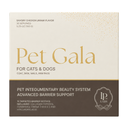
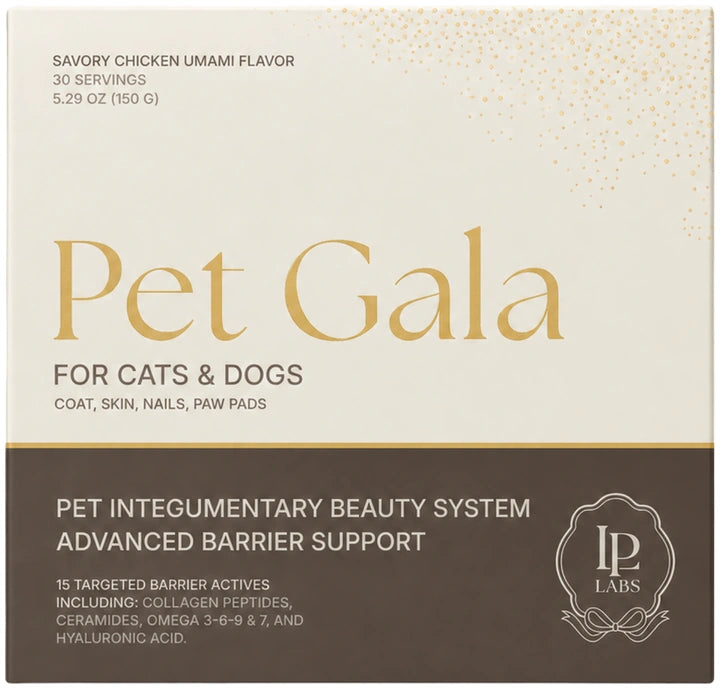
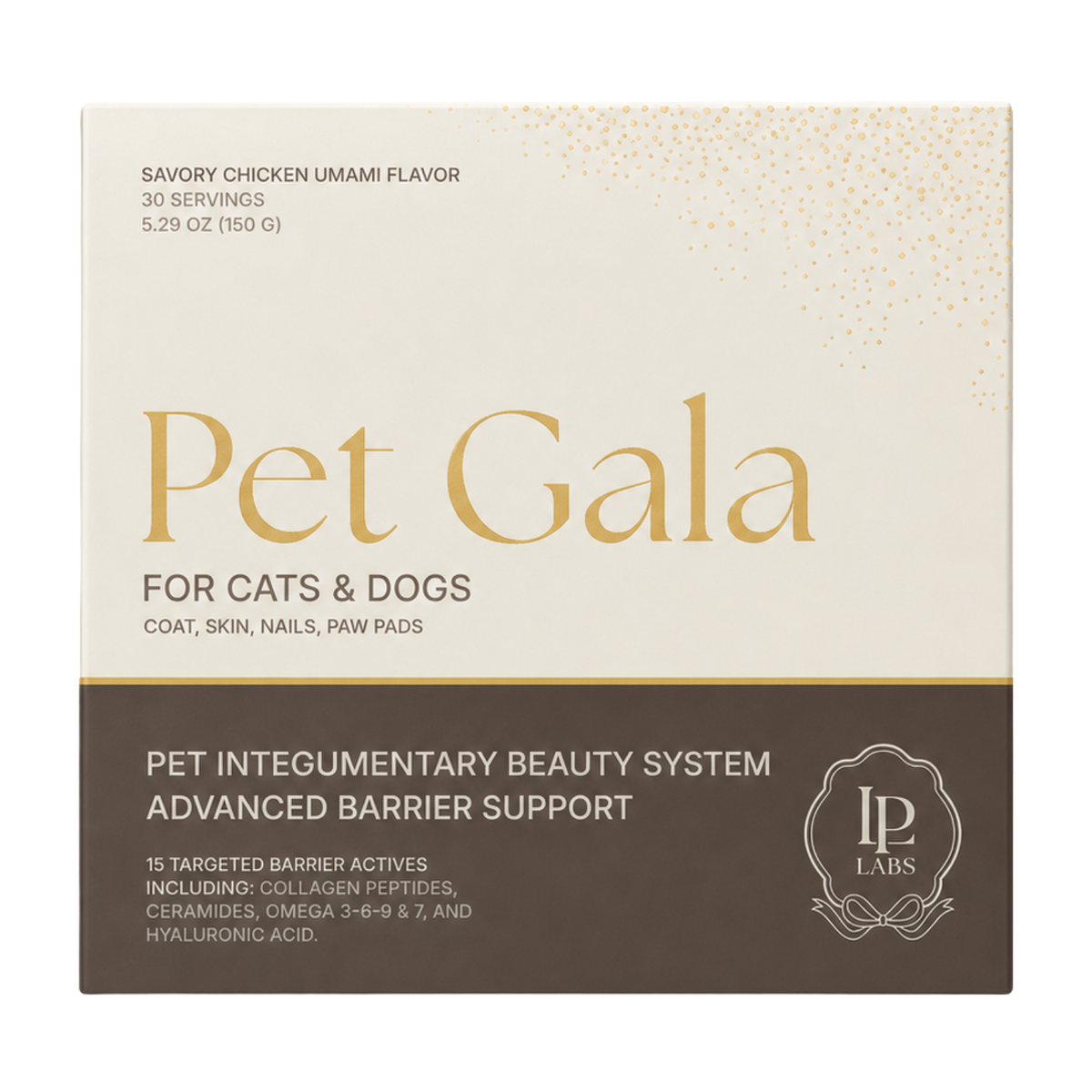
  • A fair Zesty Paws vs Pet Gala comparison is really a format-and-formulation comparison: convenience chews versus deeper barrier coverage philosophies.
  • Best next step: confirm the dog’s primary problem (dandruff, odor, ear debris, seasonal itch), then choose a supplement format that matches that biology.

What These Skin and Coat Chews Typically Contain

Most “skin and coat bite” chews are built around fish oil (or another omega source), then padded with common add-ons like vitamin E and biotin. The omega piece matters most when it includes EPA and DHA, the marine fats most associated with supporting calmer skin signaling in dogs (THA, 2025). Vitamin E is often included because fats are prone to oxidation, and antioxidants help protect oils during storage. Biotin is frequently marketed for coat quality, but it is not a shortcut for allergy-driven itch.

At home, this ingredient pattern usually shows up as a “treat-like” routine: one or two bites added to breakfast, then owners watch for less shedding and more shine. That’s a reasonable expectation for mild dryness. It is less realistic to expect a chew alone to change a dog’s whole itch story if paws are being licked raw or the belly keeps turning pink after walks.

Reading Zesty Paws Ingredients Without Over-interpreting the Label

A careful look at Zesty Paws ingredients often reveals two separate categories: “actives” (like omega oils and vitamins) and “chew builders” (gelatin, starches, glycerin, flavors). Those builders are not automatically bad—they make the product stable and palatable—but they take up space in the formula. The practical question is whether the chew delivers enough EPA/DHA per day for the dog’s size and skin needs, not whether the ingredient list sounds impressive (THA, 2025).

Owners can sanity-check labels by asking: does it list EPA and DHA amounts, or only “fish oil” totals? If a dog needs multiple chews to reach a meaningful omega intake, the extra calories and added fats may matter for weight-prone dogs. This is where many Zesty Paws skin coat review comments split: some dogs do great on a small daily chew, while others plateau because the chew dose can’t be scaled cleanly.

Why Zesty Paws Became the Default Amazon Choice

Zesty Paws dominates because it solves the hardest part of supplements: getting dogs to take them. A chew format reduces the daily friction that comes with liquid fish oil bottles, measuring spoons, and oily drips on the counter. For many households, that compliance advantage is the difference between “sometimes” and “every day,” and consistency is what allows fatty acids to accumulate in the body over time.

In real routines, the chew becomes a cue—after breakfast, after the walk, or as a training reward. That predictability can help owners actually run a 6–8 week trial, which is long enough to see whether coat texture changes. The trade-off is that convenience can hide a dosing mismatch: a large dog with significant itch may need a different format to deliver the same daily omega payload without turning supplements into a high-calorie snack.

How Omega-3s Support Skin: the Simple Biology

EPA and DHA are incorporated into cell membranes and can shift the “raw materials” the body uses to make inflammatory messengers. In dogs, omega-3 supplementation can measurably change blood fatty-acid status, showing that intake can translate into body-level delivery (Carlisle, 2024). For skin, that can mean a wider repair window after irritation and a better buffer against everyday triggers like dry air, frequent bathing, or seasonal pollen.

What this looks like at home is usually subtle: less dandruff on a dark couch, a coat that feels softer when brushed, or fewer “static-y” flyaways in winter. It is also normal for itch to be less erratic rather than gone—especially if allergies are the main driver. Omega-3s can be a supportive layer, but they rarely replace a full itch plan when ears, paws, and belly are repeatedly involved.

Chew Format Limits: Dose Per Bite, Oxygen, and Heat

Chews are a compromise between nutrition and candy-making. To stay shelf-stable and appealing, they often rely on binders, sweeteners, and processing steps that expose oils to heat and oxygen—two things that can degrade delicate fats over time. Even when a chew starts with good oils, the “delivered dose” depends on how well those oils are protected from oxidation and how the product is stored after opening.

At home, oxidation can show up as a stronger “fishy” smell, a change in texture, or a dog suddenly refusing a chew that used to be exciting. Keeping chews tightly sealed and away from warm windowsills matters more than most people realize. If a household is using chews mainly because liquids are messy, it helps to remember: the format that’s easiest to give is only useful if the fats remain stable enough to do their job.

“Chews are great for consistency, but consistency must include enough EPA and DHA.”

What Owners Commonly Notice First (and What They Don’t)

The most common early change from omega chews is cosmetic: coat shine, softer feel, and slightly less shedding. That makes sense because hair shafts reflect light differently when surface oils and grooming improve. The deeper skin story—itch cycles, redness, recurring ear debris—often moves slower because it involves barrier function, immune signaling, and exposure to triggers. Omega-3s are used for dermatologic support, but response varies by dog and condition.

CASE VIGNETTE: A 4-year-old Labrador starts a chew after winter dandruff shows up on the dog bed. After a month, the coat looks glossier, but paw licking still spikes after rainy walks and the ears smell “yeasty” every few weeks. That pattern suggests the chew may be helping surface dryness while a separate allergy-and-barrier plan is still needed.

What Skin Biology Needs Beyond Omega-3s

Skin is not just “covered in oil.” The outer layer is a brick-and-mortar structure: skin cells are the bricks, and barrier lipids (including ceramides) are part of the mortar that keeps water in and irritants out. When that mortar is thin, dogs can look dry, feel rough, and react more strongly to normal exposures. Omega-3s can support calmer signaling, but they do not automatically rebuild the barrier if key nutrients are missing.

In households, barrier trouble often looks like: flakes that return quickly after bathing, “dusty” skin along the back, or itch that worsens with indoor heating. Dogs may also get recurrent hot spots after swimming because wet skin plus a weak barrier is a rough combination. This is where owners searching for the best skin coat supplement dogs sometimes need to shift from “coat shine” goals to “barrier coverage” goals.

Omega-6 to Omega-3 Balance: Why Food Still Matters

Supplements don’t act in a vacuum; they land on top of a dog’s base diet. The balance of omega-6 to omega-3 fats is nutritionally meaningful, and modern diets can skew heavily toward omega-6 sources (Burron, 2024). That doesn’t mean omega-6 is “bad”—dogs need it—but it does mean a small chew may not shift the overall balance much if the rest of the diet is dominated by omega-6 fats.

At home, this shows up when a dog is on a high-fat treat routine, table scraps, or a diet with frequent toppers that change the fat profile day to day. Owners can help by keeping the base diet consistent during a supplement trial, so changes in skin and coat are easier to interpret. If the household is also exploring omega-3 for dogs content elsewhere, the key link is this: food patterns can either support or drown out a supplement’s signal.

Dose Transparency: What’s Listed Versus What Reaches Skin

Two labels can look similar while delivering very different biology. “Fish oil” milligrams are not the same as EPA and DHA milligrams, and plant-based omega-3 (ALA) is a precursor that converts poorly compared with direct EPA/DHA sources (Burron, 2024). For owners, the most useful transparency is a clear breakdown of EPA and DHA per daily serving, plus a realistic serving size for the dog’s weight.

This is where supplement format comparison becomes practical: chews often cap the daily serving at a small number of bites, while liquids or capsules can be adjusted more precisely under veterinary guidance. If a dog needs a higher omega intake for a period, “just add more chews” can quietly add calories and upset stomachs. A good plan matches dose flexibility to the dog’s actual skin problem, not the owner’s preferred format.

Manufacturing Signals That Matter for Omega Chews

Quality is hard to see from the front label, but a few signals are meaningful for omega products: clear EPA/DHA listing, lot tracking, and a stated approach to oxidation control (like antioxidants and protective packaging). Safety data for omega sources exists in dogs, including controlled feeding work with EPA/DHA-containing oils (Dahms, 2019). That doesn’t guarantee every chew is identical, but it supports the broader point that the ingredient class can be used safely when formulated and stored responsibly.

At home, owners can add a simple “quality routine”: note the lot number when opening a new container, store it cool and sealed, and stop using it if odor or texture changes dramatically. If a dog develops loose stool right after starting a new jar, it’s worth pausing and contacting the veterinarian rather than pushing through. Those steps make any Zesty Paws skin coat review-style trial more interpretable and safer.

“Shinier fur is common; changing an itch cycle usually needs broader barrier support.”

La Petite Labs

DVM Voice: Clinical Vignette of When Skin Changes Point Deeper Than the Surface

Case contributed by Sarah Calvin, DVM

Rosey, a 10-year-old Shih Tzu, was brought in after two weeks of paw redness and head shaking. Her owner had also noticed lower energy, thinning abdominal hair, and mild generalized itchiness over the previous few months.

Examination showed inflammation in the ears, skin folds, and paws. Testing confirmed mixed yeast and bacterial infections, while parasites and fungal disease were ruled out. Because Rosey’s skin changes appeared alongside reduced energy and coat thinning, her veterinarian performed a broader workup, which revealed hypothyroidism as a likely underlying contributor.

Her care required a staged approach: treating the infections, addressing the thyroid imbalance, and then restoring the skin barrier through diet, bathing support, paw care, and omega-3 supplementation.

Six months later, Rosey’s owner reported a thicker coat, fewer tangles, less breakage, no itch, and restored energy.

Clinical takeaway: Rosey’s case shows why skin and coat changes should not be treated as cosmetic alone. Healthy skin depends on immune balance, endocrine health, nutrition, barrier integrity, and daily support for resilient coat growth.

Single-case vignette. Not generalizable. Veterinary diagnosis and oversight are essential for itching, redness, ear irritation, hair thinning, recurrent infections, or suspected endocrine disease.

Explore Pet Gala Research →
chew excipients and omega-3 stability trade-offs - 9

Compliance Wins: Why Chews Sometimes Outperform Better Oils

A perfectly dosed oil does nothing if it sits in a cabinet. Chews often “win” because dogs accept them, and owners remember them. That matters because omega-3 status changes over time; consistent intake is what allows tissues to reflect the new fat pattern. In research, omega-3 supplementation can raise a blood-based omega-3 index in dogs, showing that regular dosing translates into measurable uptake (Carlisle, 2024).

In everyday life, the best format is the one the household can deliver daily without resentment. If a dog refuses capsules or gets oily diarrhea from liquids, a chew may be the only workable starting point. The key is to treat it like a trial with a log, not a forever solution by default—especially if the dog’s main problem is chronic itch rather than mild coat dullness.

chew excipients and omega-3 stability trade-offs - 10

Who Benefits Most from Basic Omega Chews

Basic omega chews fit best when the goal is general maintenance: a slightly dry coat, seasonal dandruff, or a dog that’s otherwise comfortable. They can also make sense for owners who want a simple routine while they improve grooming habits, reduce over-bathing, or switch to a diet with a clearer fat profile. In that lane, a chew can be a reasonable “first step” supplement.

OWNER CHECKLIST: Look for (1) flakes mostly on the back without redness, (2) coat that feels rough but skin isn’t hot or smelly, (3) itch that is occasional rather than daily, (4) no recurrent ear debris, and (5) improvement with brushing and fewer baths. If most boxes are checked, a chew trial is more likely to match the problem. If several boxes are not checked, the dog may need deeper skin-barrier support.

chew excipients and omega-3 stability trade-offs - 11

Who Needs Deeper Barrier Support Than a Chew Usually Provides

Dogs with chronic itch, repeated hot spots, or seasonal flares often have more going on than “not enough oil.” Allergy-prone skin can have a narrower repair window and a weaker barrier, so irritants penetrate more easily and the itch cycle restarts quickly. In these cases, omega-3s can still be part of the plan, but they are rarely the only layer that matters.

WHAT NOT TO DO: Don’t keep adding more chews to chase itch control; that can add calories and trigger stomach upset. Don’t switch shampoos weekly, because constant product changes make triggers harder to identify. Don’t assume “fishy breath” means it’s working; it can mean the product is oxidizing or the dose is too rich. Don’t skip flea prevention—flea allergy can mimic “food allergy” itch patterns.

A Practical Decision Framework: Convenience Versus Coverage

A fair Zesty Paws vs Pet Gala comparison starts with a simple question: is the household trying to support coat appearance, or is it trying to support a reactive skin barrier? Chews are optimized for convenience and acceptance. Broader skin-barrier formulas are optimized for coverage—more targeted nutrients, sometimes in formats that allow more precise dosing. Neither philosophy is “right” for every dog; the right match depends on the dog’s pattern and the owner’s ability to deliver it daily.

WHAT TO TRACK RUBRIC: Log (1) paw licking minutes per evening, (2) redness score on belly/armpits (0–3), (3) dandruff on bedding after brushing, (4) ear odor days per week, (5) number of baths and products used, and (6) stool quality changes after dosing. After 4–8 weeks, this log helps decide whether to stay with a chew, change dose format with the vet, or add barrier-focused steps.

The Misconception: “More Omegas” Automatically Means Better Skin

A common misunderstanding in the best skin coat supplement dogs conversation is that any omega blend is interchangeable. It isn’t. EPA and DHA are the key omega-3s for many skin goals, and “omega-3” can also mean ALA, which converts inefficiently compared with direct marine sources (Burron, 2024). Another misconception is that a long ingredient list guarantees results; in reality, the dog needs enough of the right actives, delivered consistently, to shift skin function.

At home, this misconception shows up as rapid product hopping: a new chew every two weeks, then frustration when itch persists. Skin changes are slow because hair growth and barrier turnover take time. A better approach is to pick one plan, keep diet and grooming stable, and use a log. That makes it easier for a veterinarian to interpret whether the supplement layer is contributing anything meaningful.

How to Prepare for the Vet Visit After a Chew Trial

When a chew trial doesn’t match the dog’s needs, the next step is not “find a stronger chew,” but “clarify the diagnosis.” Many itchy dogs have overlapping drivers: fleas, environmental allergy, food sensitivity, yeast overgrowth, or contact irritation. Omega-3s can be a supportive layer, but they won’t fix an untreated infection or an uncontrolled parasite problem. A veterinarian can help decide whether the priority is skin cytology, diet trial planning, or allergy control.

VET VISIT PREP: Bring (1) the exact product label or photo of the supplement facts, (2) the daily number of chews and when they’re given, (3) the “what to log between vet visits” notes from the last month, and (4) photos of flare areas on the worst day. Ask: “Do these signs fit allergy, infection, or barrier dryness?” and “Should the omega format or dose strategy change?”

Safety and Side Effects Owners Should Watch For

Omega-3 supplements are generally used safely in dogs, including in controlled feeding contexts with EPA/DHA-containing oils (Dahms, 2019). Still, individual dogs can react to the format: rich fats can trigger loose stool, and some chews include proteins or flavorings that don’t agree with sensitive dogs. The biggest practical safety issue is not “toxicity,” but mismatch—using a chew as a stand-in for diagnosing chronic itch, or escalating servings without veterinary input.

At home, stop and call the veterinarian if vomiting, persistent diarrhea, marked appetite change, or sudden worsening itch starts soon after beginning the chew. Also flag any dog on blood-thinning medications or with a history of pancreatitis before starting high-fat supplements. If the household is trialing multiple products (allergy chews for dogs plus omega chews), introduce one change at a time so side effects can be traced to the right item.

Putting It Together: a Calm, Predictable Plan for Skin Support

A chew can be a smart entry point, especially when the main goal is coat quality and the dog’s skin is only mildly dry. But when the goal is a calmer, more predictable itch pattern, the plan usually needs more than a chew can deliver: consistent EPA/DHA intake, attention to omega-6 balance in the diet, and barrier-focused nutrients and topical care. The most useful mindset is “change one variable at a time, then reassess,” rather than stacking products and hoping.

Owners comparing Zesty Paws omega 3 dogs options with other formats can make the decision easier by naming the primary problem: dull coat, flakes, odor, ear debris, or daily itch. Then match the tool to the problem and keep a log for 6–8 weeks. If the pattern points toward allergy or infection, the fastest path forward is often a vet-guided plan that uses supplements as support, not as the entire strategy.

“A label can sound busy while still under-delivering what skin cells can use.”

Educational content only. This material is not a substitute for veterinary advice. Always consult your veterinarian about your dog’s specific needs. These statements have not been evaluated by the Food and Drug Administration. Products mentioned are not intended to diagnose, treat, cure, or prevent any disease.

Glossary

  • EPA (eicosapentaenoic acid) - A marine omega-3 fatty acid used by the body to make less inflammatory signaling molecules.
  • DHA (docosahexaenoic acid) - A marine omega-3 fatty acid that becomes part of cell membranes, including skin cells.
  • ALA (alpha-linolenic acid) - A plant-based omega-3 precursor that converts inefficiently to EPA/DHA in dogs.
  • Omega-6 to omega-3 ratio - A way to describe the balance of dietary fats that can influence inflammatory tone.
  • Skin barrier - The outer skin layer that holds moisture in and helps block irritants, microbes, and allergens.
  • Ceramides - Barrier lipids that act like “mortar” between skin cells, helping prevent dryness and irritation.
  • Excipients (chew builders) - Non-active ingredients like binders, flavors, and humectants that create a chew’s texture and stability.
  • Oxidation (rancidity) - Chemical breakdown of fats from oxygen, heat, or time that can change smell, taste, and quality.
  • Omega-3 index - A blood-based marker reflecting EPA+DHA status that can change with consistent supplementation.

Related Reading

References

THA. Exploring the efficacy and optimal dosages of omega-3 supplementation for companion animals. PubMed. 2025. https://pubmed.ncbi.nlm.nih.gov/40495687/

Carlisle. The Effects of Omega-3 Supplementation on the Omega-3 Index and Quality of Life and Pain Scores in Dogs. PubMed. 2024. https://pubmed.ncbi.nlm.nih.gov/39518831/

Dahms. Safety of a novel feed ingredient, Algal Oil containing EPA and DHA, in a gestation-lactation-growth feeding study in Beagle dogs. PubMed Central. 2019. https://pmc.ncbi.nlm.nih.gov/articles/PMC6546231/

Burron. The balance of n-6 and n-3 fatty acids in canine, feline, and equine nutrition: exploring sources and the significance of alpha-linolenic acid. PubMed Central. 2024. https://pmc.ncbi.nlm.nih.gov/articles/PMC11161904/

FAQ

What are omega-3 skin and coat chews meant to do?

Omega-3 skin and coat chews are meant to support normal skin comfort and coat appearance by providing fatty acids—ideally EPA and DHA—plus supportive nutrients like antioxidants. They’re most useful for mild dryness, dull coat, or seasonal flaking.

They are less reliable as a solo plan for chronic itch, recurring ear debris, or repeated hot spots, where infection, parasites, or allergies may be driving the problem. In those cases, the chew is usually just one layer.

How long does it take to see coat changes?

Coat feel and shine often change first, commonly within 3–6 weeks of consistent daily use. That timing fits how hair shafts and surface oils respond to a steadier fat intake and routine brushing.

Skin comfort changes can take longer, especially if the dog has allergies or recurrent infections. A helpful approach is to log dandruff on bedding, paw-licking minutes, and “redness days” each week so small shifts are easier to see.

Which omega-3 matters most for dog skin: EPA, DHA, or ALA?

EPA and DHA are the most direct omega-3s for skin support because they come ready to use from marine sources. ALA (from some plant oils) is a precursor that dogs convert inefficiently, so it may not deliver the same skin-level effect.

When comparing products, it helps to look for a label that lists EPA and DHA amounts rather than only “fish oil” totals. That makes it easier to discuss a realistic plan with the veterinarian.

Are chews as effective as liquid fish oil?

Chews can be effective for mild goals because they’re easy to give consistently. The main limitation is dose flexibility: liquids and capsules can often be adjusted more precisely under veterinary guidance, while chews are fixed “per bite.”

Chews also contain binders and flavors that take up formula space and may add calories. For a small dog, that may not matter; for a large dog with significant itch, it can become a practical constraint.

What should a zesty paws skin coat review focus on?

The most useful zesty paws skin coat review details are specific and trackable: the dog’s size, the daily number of chews, the main problem (flakes vs itch), and what changed after 4–8 weeks. “Shinier coat” is meaningful; “itch gone” needs context.

Also watch for notes about stool changes, refusal of the chew, or a stronger fishy odor over time, which can hint at tolerance or storage issues. Reviews that mention concurrent flea control and bathing routines are more trustworthy.

Can omega-3 chews help with itchy paws and belly redness?

They may help support a calmer baseline for some dogs, but itchy paws and belly redness are often allergy-pattern signs. If yeast, bacteria, fleas, or contact irritation are involved, a chew alone usually won’t be enough.

If paw licking is daily, or the skin is pink, smelly, or damp between toes, it’s time to involve the veterinarian. Supplements can be part of the plan, but the driver needs to be identified so the plan matches the biology.

What side effects can omega-3 chews cause in dogs?

The most common side effects are digestive: loose stool, gassiness, or occasional vomiting, especially when starting suddenly or when the product is rich. Some dogs also react to the chew’s added proteins or flavorings.

Stop the supplement and call the veterinarian if vomiting or diarrhea persists, if appetite drops, or if itch suddenly worsens. Dogs with a history of pancreatitis should only use high-fat supplements with veterinary guidance.

Can omega-3 chews interact with medications?

Omega-3s are generally compatible with many common medications, but any dog on blood-thinning drugs, anti-inflammatory medications, or with a bleeding disorder should have supplements cleared by the veterinarian first. The concern is less about a single chew and more about total daily intake and the dog’s health context.

Bring the supplement facts panel to appointments, including the daily serving. If multiple products are being used (allergy chews, joint chews, oils), list them all so the veterinarian can spot overlapping ingredients.

Are omega-3 chews safe for puppies or seniors?

Often yes, but the “right” product and serving depend on size, diet, and medical history. Puppies can be sensitive to rich supplements, and seniors may have conditions (like pancreatitis history) that change what’s appropriate.

For puppies, keep the plan simple and avoid stacking multiple supplements. For seniors, ask the veterinarian whether calories, fat load, and other medications make a chew format a good fit or whether a different omega format is safer.

Do small dogs and large dogs need different omega strategies?

Yes—mostly because serving size and calories scale differently than skin problems do. A small dog may do well on a single chew without extra calories mattering much. A large dog with significant itch may need more EPA/DHA than a chew serving can comfortably provide.

This is where format matters: liquids or capsules can sometimes deliver more omega without turning the supplement into a high-calorie snack. The veterinarian can help choose a plan that fits both skin goals and weight goals.

Is “fish oil amount” the same as EPA and DHA amount?

No. “Fish oil” is the total oil weight, but only part of that oil is EPA and DHA. Two products can list the same fish oil amount while delivering very different EPA/DHA totals.

For skin support decisions, EPA and DHA numbers are the most helpful. If a label doesn’t list them, it’s harder to compare products or to adjust a plan when a dog isn’t responding as expected.

What does omega-3 bioavailability mean for chews?

Bioavailability is how much of what’s swallowed is actually absorbed and used. For chews, bioavailability can be influenced by the fat form, the dog’s meal timing, and whether the oils have degraded from heat, oxygen, or long storage.

A practical tip is to give omega chews with a meal rather than on an empty stomach, unless the label says otherwise. If stool becomes loose, the veterinarian may suggest a slower introduction or a different format.

How can owners tell if a chew has gone rancid?

Rancidity is oxidation of fats. At home it can show up as a sharp or “paint-like” fishy odor, a sticky or unusually soft texture, or a dog suddenly refusing a chew that used to be exciting.

Store chews sealed, cool, and dry, and avoid leaving containers open near heat sources. If there’s a strong odor change or the dog develops sudden stomach upset after starting a new jar, stop and contact the company and the veterinarian.

What’s the difference between coat shine and skin barrier support?

Coat shine is mostly about hair shafts and surface oils—what brushing and grooming can change quickly. Skin barrier support is about the outer skin layer holding moisture and blocking irritants, which depends on barrier lipids (including ceramides), proteins, and consistent nutrition.

A dog can look glossy and still be itchy if the barrier is reactive or if allergies are active. That’s why owners sometimes feel disappointed after a chew improves appearance but doesn’t change paw licking or belly redness.

When should a dog on omega chews see the vet?

A vet visit is warranted if itch is daily, if there are hot spots, if the skin smells musty or looks greasy, or if ears repeatedly fill with debris. Those signs can indicate infection or allergy patterns that need diagnosis, not just supplementation.

Also call if vomiting or diarrhea persists after starting the chew. Bring a photo log of flare areas and the supplement facts panel so the veterinarian can decide whether the omega layer is appropriate or needs a different format.

How should owners log progress between vet visits?

Use simple progress indicators that match the dog’s problem. For coat: brushing debris, dandruff on bedding, and “shine” photos in the same lighting. For itch: paw-licking minutes, redness score (0–3), and ear odor days per week.

Log changes weekly, not hourly, and keep diet and grooming stable during the trial. This makes it easier to see whether the supplement is contributing to a calmer baseline or whether the pattern is still driven by triggers that need medical attention.

What makes a supplement the best skin coat supplement dogs can use?

“Best” depends on the goal. For mild dryness, the best skin coat supplement dogs can use is often the one the household can give consistently and that clearly lists EPA and DHA. For chronic itch, “best” usually means broader barrier coverage plus a vet-guided plan.

A strong product also makes dosing and quality easier to evaluate: clear actives, realistic serving sizes, and storage guidance. If a label relies mostly on vague blends, it’s harder to match the supplement to the dog’s needs.

Is it okay to combine omega chews with allergy chews?

Sometimes, but it’s best to introduce one product at a time. Combining multiple chews can stack calories and increase the chance of loose stool, especially in sensitive dogs. It also makes it harder to tell which product is helping—or causing a problem.

If the dog is already on an allergy plan, ask the veterinarian whether omega-3s fit as a supportive layer and which format is least likely to upset the stomach. Bring all labels to avoid overlapping ingredients.

How should owners think about zesty paws vs pet gala?

A useful zesty paws vs pet gala comparison is less about “which brand is better” and more about “which approach fits the dog’s problem.” Chews tend to prioritize acceptance and routine. Barrier-focused formulas tend to prioritize broader skin biology coverage.

If the dog’s issue is mostly coat dullness, a chew may be enough. If the dog has recurring flares, discuss a barrier-support plan with the veterinarian; some owners consider Pet Gala™ as a product that supports normal skin barrier function as part of that plan.

Can dogs get enough omega-3 from food alone?

Sometimes. Some diets already include marine oils or have a fat profile that supports skin comfort. Other diets are heavier in omega-6 fats, and a small chew may not shift the overall balance much.

If a dog’s skin is reactive, it helps to keep the base diet consistent during any supplement trial. The veterinarian can also help decide whether the diet itself should change before adding multiple supplements.

Are omega-3 chews for dogs appropriate for cats too?

Not automatically. Cats have different nutritional requirements and are often more sensitive to flavorings and added ingredients used in dog chews. A product labeled for dogs may not be balanced or tested for cats.

If a cat needs omega-3 support, ask a veterinarian for a cat-specific product and plan. The safest approach is to avoid “sharing” chews across species, even when the ingredient list looks similar.

What’s the best way to give omega chews daily?

Give them with a meal to reduce stomach upset, and keep the timing consistent so it becomes part of the routine. Store the container sealed and away from heat and humidity to protect the oils.

If the dog has a sensitive stomach, start with a smaller amount if the label allows, then build up gradually. If the dog refuses the chew or develops loose stool, pause and discuss a different omega format with the veterinarian.

La Petite Labs

Discover LPL-01: How This Fits Into a Complete Canine Integumentary Support System

Skin, coat, and nails aren’t cosmetic features. They’re the visible surface of deeper biological systems—barrier function, hydration balance, structural protein turnover, and lipid integrity—working in concert.

When these systems fall out of sync, it shows: dull coat, shedding, dryness, brittleness, sensitivity.

This article explores one piece of that puzzle. If you want to understand how true coat quality and skin resilience are built—and what actually moves the needle—you need to zoom out.

Start with the underlying science: