
The 12 Hallmarks of Aging in Dogs
Read full insightWhy Is My Dog Tired All the Time
Identify the Medical and Lifestyle Drivers of Fatigue, Then Rebuild Daily Energy
By La Petite Labs Editorial 15 min read

If you’re asking “why is my dog tired all the time,” start by triaging the pattern, not guessing a cause. First, decide whether the change was sudden vs gradual: a dog who was normal yesterday and is now wiped out needs a faster response than a dog who has slowly slowed down over weeks. Next, gauge severity—are they simply less energetic, or are they struggling to stand, refusing food, or acting “not themselves”? Finally, scan for red flags that should move this from “observe” to “call today,” such as breathing changes, collapse, pale gums, repeated vomiting/diarrhea, or possible toxin exposure.
This page is a quick sorting path: what to check at home in a few minutes, what details to write down (onset, triggers, recovery time), and which findings are urgent enough to contact your veterinarian right away. The goal is to help you communicate a clear timeline and objective observations so your vet can prioritize next steps efficiently.
- “Tired” can mean pain, poor sleep, stress, or early disease—patterns matter more than guesses.
- If your dog gets tired quickly on normal walks, note the trigger, duration, and recovery time.
- Breathing changes, collapse, pale gums, or a swollen belly are urgent reasons to seek care.
- Common medical contributors include anemia, endocrine disease, infection, parasites, and heart or lung strain.
- Nutrition is more than ingredients: tolerance, calorie fit, and food safety can influence energy.
- A basic veterinary workup often clarifies the picture and prevents months of uncertainty.
- Even with normal labs, system-level aging support can help sustain everyday vitality over time.
Step 1: Sort by Urgency (When to Call Today vs Monitor)
Call your vet today (or emergency care) if tiredness comes with any of the following:
- Collapse or weakness (can’t rise, wobbly, suddenly “giving out”)
- Breathing changes: rapid breathing at rest, labored effort, open-mouth breathing (especially at rest)
- Pale/white or blue-tinged gums, or gums that look much lighter than usual
- Not eating/drinking, or inability to keep water down
- Vomiting and/or diarrhea plus lethargy (especially repeated episodes, blood, or signs of dehydration)
- Suspected fever (feels unusually hot, shivering, markedly low energy) or known infection risk (recent wound, tick exposure)
- Possible toxin exposure (human meds, xylitol, rodent bait, plants, chemicals)
Monitor closely for 24–48 hours (and still call sooner if worsening) when there’s a clear recent heat/exertion context—long hike, intense play, hot day—or a mild, short-term schedule disruption, and your dog is otherwise breathing comfortably, drinking, and responsive. If energy doesn’t rebound with rest/cooling or appetite drops, escalate to a same-day call.

Step 2: Track the Pattern (Onset, Triggers, Recovery, and Simple At-Home Checks)
Before you call, collect a few specifics your vet will immediately use:
1) Onset and duration: When did it start—hours, days, or weeks? Was it abrupt after a single event, or gradually progressive?
2) Triggers and recovery: Note exercise intolerance and recovery time. Does your dog tire after a shorter walk than usual? Do they bounce back after 10–30 minutes of rest, or stay “flat” for hours?
3) Daily functions: Appetite and thirst (normal, increased, decreased), stool quality, vomiting, and urination changes (more/less frequent, accidents).
Simple at-home checks (don’t force activity to “test” them):
- Resting respiratory rate: when asleep or fully relaxed, count breaths for 30 seconds and double. A persistently elevated resting rate or obvious effort suggests a cardio/respiratory concern and warrants prompt veterinary guidance.
- Hydration check: gently lift skin over the shoulders; slow return can suggest dehydration. Also note tacky/dry gums.
- Gum color: healthy gums are typically pink. Pale gums can suggest poor perfusion or anemia; blue/gray is urgent.
Bring these notes (plus any new meds, recent travel, heat/exertion, or tick exposure) to your vet call for faster, safer triage.

Pain and Poor Sleep: the Quiet Pair That Drains Energy
Pain is one of the most under-recognized reasons dogs seem tired. Many dogs don’t yelp or limp; they simply conserve movement. Arthritis, spinal discomfort, dental pain, and soft-tissue injuries can all lead to more sleeping and less enthusiasm. Watch for small tells: slower sit-to-stand, hesitation at stairs, licking a joint, avoiding slippery floors, or choosing rugs and corners where movement is easier.
Pain also disrupts rest. A dog may nap often but never settle deeply, which makes daytime fatigue worse. If your dog gets tired quickly and also seems stiff after rest, pain rises higher on the list. The encouraging part is that pain is often treatable—through weight management, targeted medications, physical therapy, and home adjustments that reduce strain.

Heart and Lung Limits That Make Walks Feel Surprisingly Hard
Heart and lung conditions can make a dog’s world smaller before obvious symptoms appear. Reduced stamina, slower walking pace, and needing frequent breaks can be early clues. Some dogs develop a soft cough, faster breathing at rest, or reluctance to lie on one side. Heat and humidity often magnify the problem, because cooling requires efficient breathing and circulation.
If your dog gets tired very quickly and you notice panting when they haven’t been active, or breathing that looks effortful, treat it as a priority. Your veterinarian may recommend chest imaging, heartworm testing, and sometimes an echocardiogram, depending on exam findings. These conditions are not something to “push through” with more exercise.

Anemia and Low Oxygen Delivery: When the Body Runs Short
Anemia is a classic cause of low energy: the body has less capacity to carry oxygen where it needs to go. Dogs with anemia may seem weak, sleep more, or fatigue early on walks. Pale gums can be a clue, though gum color varies and lighting can mislead. Causes range from parasites and chronic disease to bleeding, immune-mediated issues, or nutritional problems. (see our Dog Sleep Calculator →)
Because anemia has many possible drivers, it’s not something to self-treat with iron or “blood-building” supplements. A simple blood test can identify it quickly, and the next steps depend on the pattern your veterinarian sees. If your dog gets tired quickly and also has reduced appetite or weight loss, anemia is one reason an exam shouldn’t wait.
“Fatigue is rarely a single clue; it’s a pattern that becomes legible with calm observation.”
Endocrine Changes That Flatten Energy over Weeks or Months
Endocrine conditions can quietly reshape energy. Hypothyroidism is often associated with lethargy, weight gain, and skin or coat changes. Diabetes can cause fatigue alongside increased thirst and urination. Cushing’s disease may show up as panting, muscle weakness, and a “tired but wired” restlessness. These problems can look like ordinary slowing down until the pattern becomes unmistakable.
The good news is that many endocrine issues are diagnosable with targeted lab work. If my dog gets tired very quickly and I’m also noticing changes in thirst, appetite, coat, or body shape, I consider that a strong reason to ask for a medical workup rather than assuming it’s age.

Infection, Inflammation, and Parasites That Sap Stamina
Infections and inflammation can drain energy even when fever isn’t obvious. Dental disease, skin infections, urinary tract infections, tick-borne illnesses, and chronic ear problems can all create a background load that leaves a dog less resilient. Sometimes the only visible sign is that the dog “just isn’t themselves.”
Parasites are another quiet culprit. Intestinal parasites can affect nutrient absorption and cause intermittent GI signs; heartworm disease can reduce exercise tolerance. Prevention helps, but no plan is perfect, and exposure varies by region and lifestyle. If your dog gets tired quickly and has diarrhea, weight loss, or a new cough, ask your veterinarian whether parasite testing is appropriate.

Weight, Fitness, and the Hidden Cost of Carrying Extra Load
Weight and conditioning are blunt but powerful influences on stamina. Extra weight increases the work of breathing, adds load to joints, and makes heat harder to shed. Under-conditioning does something similar: muscles fatigue sooner, and the cardiovascular system has less reserve. Either way, the dog looks “tired,” but the fix is different than treating a disease.
If your dog gets tired quickly on walks but perks up at home, consider whether the pace is too fast, the terrain too demanding, or the temperature too warm. A slow, consistent routine—shorter walks more often, gentle hills later, rest breaks built in—can rebuild capacity without triggering soreness. Your veterinarian can also help you choose a safe target weight and timeline.

Heat, Air Quality, and Stress: Environmental Reasons Dogs Slow Down
Environment can make a healthy dog look unwell. Heat is the obvious one: dogs cool themselves primarily through panting, and some breeds or individuals simply can’t keep up. Poor air quality, wildfire smoke, and high pollen days can also reduce exercise tolerance. Even a change in household routine—new baby, travel, construction noise—can lead to stress-related fatigue.
Look for context clues. Does fatigue appear only outdoors, only after car rides, or only at certain times of day? Does your dog recover quickly in a cool room? These details can help you adjust the environment while you pursue medical answers. When owners tell me their dog gets tired quickly, the “where” and “when” often matter as much as the “how much.”
Nutrition, Tolerance, and Food Safety Factors That Shape Energy
Nutrition can influence energy in two ways: what’s in the bowl, and what your dog can actually use. Even a “good” diet may be a poor fit if calories are too low for activity, too high for a sedentary dog, or if digestive tolerance is off. Subtle GI issues—soft stool, gas, picky eating, frequent grass-eating—can quietly reduce nutrient availability and leave a dog looking flat. A thoughtful diet history (brand, formula, treats, chewables, table scraps) is often more revealing than owners expect.
Food safety matters, too. Contaminants and recalls are uncommon, but they do happen, and long-term exposure to certain contaminants may contribute to chronic tiredness in dogs (Rumbeiha W, 2011). If your dog’s fatigue coincides with a new bag, a new brand, or a new treat habit, keep the packaging and lot number and discuss it with your veterinarian. This isn’t about fear; it’s about ruling out a preventable variable.
“A dog can sleep more and still be un-rested—pain and disrupted sleep often travel together.”

DVM Voice: Clinical Vignette of a Common Pattern in Senior Dog Aging
Case provided by JoAnna Pendergrass, DVM
Rex, a 7-year-old Labrador Retriever, was brought in after his owner noticed he was slower to rise, hesitant on stairs, and less able to play as before. Examination showed stiffness and reduced hip mobility; radiographs confirmed degenerative joint changes.
His care required weight management, veterinary-guided pain control, nutritional support, and rehabilitation — a comprehensive plan, but one started only after visible decline appeared.
Clinical takeaway: Rex’s case reflects the value of proactive aging support: maintaining lean body condition, monitoring mobility early, and supporting cellular resilience, antioxidant defense, and healthy inflammatory balance before decline becomes obvious.
Single-case vignette. Not generalizable. Veterinary oversight is essential for pain, stiffness, or suspected joint disease.

Medication and Supplement Side Effects That Mimic Low Vitality
Medications and supplements can change energy in ways that look like “aging.” Sedation is a known effect of some allergy medications, anti-anxiety drugs, pain medications, and certain anti-itch therapies. Less obvious: a drug may reduce appetite, alter sleep architecture, or make exercise feel harder by changing heart rate or blood pressure. If your dog gets tired very quickly after starting something new, note the start date, dose timing, and whether fatigue peaks a few hours later.
Bring every label to the appointment, including joint chews and “calming” products. Your veterinarian can check for interactions and decide whether a trial adjustment is safe. Never stop prescription medications abruptly without guidance. The point is not to blame a medication that’s helping; it’s to tune the plan so comfort doesn’t come at the cost of vitality.

Age and Life Stage Shifts That Change a Dog’s Baseline
Age changes the baseline. Senior dogs often sleep more, recover more slowly after exertion, and show less tolerance for heat or long, repetitive activity. But “normal aging” shouldn’t erase personality. When an older dog stops seeking interaction, loses interest in food, or seems confused, it’s worth checking for pain, endocrine disease, cognitive change, or organ stress. Many of these are manageable, and early support tends to preserve quality of life longer.
Puppies, on the other hand, can look tired because they are growing fast and sleeping a lot—until they’re not. A puppy who is listless, not eating, vomiting, or having diarrhea needs prompt veterinary attention. Life stage context matters: what’s “expected” for one dog can be a warning sign for another.

Breed, Body Type, and Conditioning Differences in Stamina
Breed, body shape, and size influence stamina. Brachycephalic dogs (short-nosed breeds) may fatigue quickly because airflow is mechanically limited, especially in heat or excitement. Giant breeds may tire sooner due to orthopedic load, while very small dogs can burn through energy quickly and struggle with temperature regulation. None of this is a character flaw; it’s physiology and engineering.
Conditioning is the other piece. A dog who has been less active for weeks—because of weather, schedule, or a minor injury—can decondition faster than owners realize. If your dog gets tired quickly after a period of inactivity, a gradual return to exercise can be safer than “weekend warrior” bursts. Your veterinarian can help you set a ramp-up plan that respects joints, heart, and lungs.
What a Thoughtful Veterinary Workup Usually Looks Like
A useful veterinary workup for chronic fatigue is usually straightforward. Expect a careful history, a full physical exam, and baseline lab work (often including a complete blood count and chemistry panel). Depending on findings, your veterinarian may add thyroid testing, urinalysis, fecal testing for parasites, heartworm testing, blood pressure, or imaging. The goal is to move from a vague symptom to a short list of likely causes.
Help the appointment by bringing specifics: when fatigue started, whether it’s constant or episodic, any cough or panting, appetite and water changes, stool quality, and exercise tolerance (for example, “slows after 10 minutes” rather than “seems tired”). If you can capture a short video of the concerning behavior, it often clarifies what words can’t.
Red Flags That Should Move You from Watching to Acting
There are moments when waiting is the wrong instinct. Seek urgent veterinary care if fatigue comes with collapse, pale or blue-tinged gums, labored breathing, a distended abdomen, repeated vomiting, black/tarry stool, inability to stand, or sudden weakness in the back legs. These can signal internal bleeding, heart crisis, bloat, toxin exposure, or other emergencies where time matters.
For non-emergent but persistent fatigue—especially if it lasts more than a few days, worsens, or changes your dog’s behavior—schedule a visit. Chronic tiredness is not a diagnosis; it’s a prompt to look for the underlying story. The earlier you identify the driver, the more options you typically have.

At-home Support While You’re Getting Clear Answers
At home, focus on quiet, measurable support rather than dramatic changes. Keep exercise gentle and consistent, prioritize cool hours for walks, and offer low-impact enrichment (sniffing games, short training sessions, slow feeders). Track appetite, water intake, and stool quality for a week. If your dog gets tired very quickly, shorten outings before they hit the wall; repeated overexertion can make recovery slower and can mask the pattern your veterinarian needs to see.
Also consider sleep quality. Nighttime rest can be disrupted by pain, itching, needing to urinate, or anxiety. A dog who naps all day may still be sleep-deprived. If you notice pacing at night, frequent position changes, or reluctance to lie down, mention it—those details often point toward treatable discomfort.

Where Daily System Support Fits After Medical Causes Are Addressed
Where a product can be relevant—without pretending to replace veterinary care—is in supporting the broader systems that shape everyday energy: healthy aging, cellular resilience, and recovery after normal activity. Even when a diet meets basic nutrient requirements, dogs can still benefit from support aimed at the whole metabolic network, especially as they move into midlife and beyond. That’s the difference between “fixing a deficiency” and supporting how the body manages wear over time.
If your veterinarian has ruled out urgent disease, a well-chosen daily supplement can be a steady companion to good food, appropriate exercise, and weight management. Think of it as scaffolding: it doesn’t build the house, but it can help the structure hold up under ordinary stressors. This is also why consistency matters more than intensity—small, repeatable inputs tend to be the ones dogs tolerate best.
Putting the Story Together for a Calmer, More Confident Next Step
If you’re still asking yourself, “why does my dog get tired so quickly,” you’re already doing the most important thing: noticing a change and taking it seriously. Fatigue is one of the most common, least specific symptoms in dogs, which is exactly why it deserves a calm, structured response—observe, rule out the urgent, test thoughtfully, then support what’s left. Many dogs improve once pain is addressed, parasites are treated, weight is adjusted, or a medication plan is refined.
And if the workup is reassuring, it’s reasonable to focus on long-term vitality—keeping joints comfortable, maintaining lean muscle, and supporting the internal “energy economy” that tends to drift with age. The best plan is the one your dog can live with daily: simple, consistent, and responsive to what you see.
“When the workup is reassuring, the focus shifts from fear to stewardship: comfort, conditioning, resilience.”
Educational content only. This material is not a substitute for veterinary advice. Always consult your veterinarian about your dog’s specific needs. These statements have not been evaluated by the Food and Drug Administration. Products mentioned are not intended to diagnose, treat, cure, or prevent any disease.
Glossary
- Lethargy: A noticeable drop in normal energy, interest, or responsiveness.
- Exercise Intolerance: Fatiguing earlier than expected for a dog’s age, breed, and conditioning.
- Deconditioning: Loss of fitness from reduced activity, leading to quicker fatigue and slower recovery.
- Anemia: Reduced red blood cells or hemoglobin, which can lower oxygen delivery and stamina.
- Orthopedic Pain: Discomfort from joints, bones, or spine that can reduce movement and disrupt sleep.
- Heartworm Disease: A parasite infection that can impair heart and lung function and reduce endurance.
- Hypothyroidism: Low thyroid hormone levels that may be associated with low energy and weight gain.
- Cushing’s Disease: A hormonal disorder that can cause panting, muscle weakness, and reduced vitality.
- Resting Respiratory Rate: Breaths per minute while asleep or fully relaxed; changes can signal cardiopulmonary stress.
Related Reading
Aging & Senior Dog Guidance
• Dog Age Calculator
• Dog Dementia
• Lethargy in Dogs
• My Dog Won't Eat
• Dog Pacing At Night
• Dog Licking Paws
• Can Dogs Dehydrate
Healthy Aging Support
• NAD+ for Dogs
• NMN for Dogs
• Antioxidants Supplements for Dogs
• Best Senior Dog Supplements & Vitamins
• Rapamycin for Dogs
References
Rumbeiha W. A review of class I and class II pet food recalls involving chemical contaminants from 1996 to 2008. PubMed Central. 2011. https://pmc.ncbi.nlm.nih.gov/articles/PMC3614097/
FAQ
When is being tired normal for dogs versus concerning?
More sleep can be normal with age, after a busy day, or during hot weather. It becomes concerning when fatigue is new, worsening, or paired with changes in appetite, breathing, mobility, or mood.
If your dog’s “baseline personality” feels dimmed, it’s worth an exam and basic labs. For ongoing, non-urgent support once serious causes are ruled out, consider daily system-level aging support with Hollywood Elixir™.
Why is my dog tired all the time at home?
Home fatigue can reflect pain (especially arthritis), poor sleep, stress, medication effects, or low-grade illness. It can also be a conditioning issue if activity has dropped recently, even if your dog seems “fine” otherwise.
Track sleep, appetite, thirst, and willingness to move for a week, then share it with your veterinarian. Alongside that plan, many owners choose steady, whole-body support for vitality with Hollywood Elixir™.
Why is my dog tired all the time after short walks?
Early fatigue on short walks can come from heat, deconditioning, excess weight, pain, or limits in heart or lung function. The key detail is recovery: does your dog bounce back after a brief rest, or stay depleted for hours?
If stamina has clearly changed, ask your veterinarian about a focused exam and baseline testing. For dogs cleared for gentle conditioning, daily support aimed at resilience and recovery can pair well with Hollywood Elixir™.
What symptoms with fatigue mean I should seek urgent care?
Go urgently if fatigue comes with collapse, trouble breathing, blue or very pale gums, repeated vomiting, a swollen belly, black/tarry stool, or sudden inability to stand. These can signal emergencies where waiting can be dangerous.
If your dog is stable but “off,” schedule a prompt visit and bring notes or videos. After urgent causes are ruled out, long-term vitality support can be layered in with Hollywood Elixir™.
Can pain make a dog seem tired all day?
Yes. Many dogs respond to chronic pain by moving less, sleeping more, and avoiding activities that trigger discomfort. They may not limp; instead you’ll see slower sit-to-stand, hesitation on stairs, or stiffness after rest.
Pain also disrupts sleep quality, which compounds daytime fatigue. A veterinary pain plan plus gentle lifestyle support can be complemented by daily resilience support from Hollywood Elixir™.
Could heart or lung issues cause my dog’s low energy?
They can. Reduced stamina, frequent rest breaks, coughing, faster breathing at rest, or heat intolerance may point toward heart or respiratory strain. Some dogs show subtle changes long before a dramatic event.
Because these conditions require diagnosis and monitoring, start with your veterinarian rather than increasing exercise. For dogs with a stable plan, supportive daily routines can include Hollywood Elixir™ as part of broader vitality support.
Can parasites make dogs tired even without obvious diarrhea?
Yes. Some intestinal parasites cause intermittent or mild signs, and heartworm disease can reduce exercise tolerance. Exposure risk depends on region, wildlife contact, and prevention consistency.
If fatigue is persistent, ask your veterinarian whether fecal testing and heartworm testing are appropriate. Once prevention and treatment are optimized, many owners add steady wellness support with Hollywood Elixir™.
Why does my dog get tired so quickly in warm weather?
Heat raises the cost of activity because dogs rely on panting to cool down. Humidity, poor air quality, and short-nosed anatomy can make cooling less efficient, so a dog may fatigue early even on familiar routes.
Shift walks to cooler hours, shorten sessions, and watch breathing closely. For dogs who are medically stable, daily support for resilience during seasonal stressors can include Hollywood Elixir™.
Can dog food quality affect chronic tiredness over time?
It can. Beyond calories and digestibility, food safety matters: contaminants and recalls are uncommon but real, and long-term exposure to contaminated food may contribute to chronic tiredness(Rumbeiha W, 2011).
If fatigue aligns with a new diet or treats, keep the bag and lot number and discuss it with your veterinarian. For broader, diet-adjacent support that isn’t tied to a single ingredient, considerHollywood Elixir™.
Could my dog’s medication be making them unusually tired?
Yes. Some medications can cause sedation, reduce appetite, or change sleep quality. Timing matters: fatigue that peaks after dosing or starts soon after a new prescription is a useful clue.
Don’t stop prescriptions abruptly; instead, bring all labels (including supplements) to your veterinarian to review options. For dogs on stable regimens, daily vitality support can be layered in with Hollywood Elixir™ as part of a broader plan.
What tests do vets run for ongoing fatigue in dogs?
Many workups start with a physical exam plus baseline labs such as a complete blood count and chemistry panel. Depending on findings, your veterinarian may add urinalysis, thyroid testing, fecal testing, heartworm testing, blood pressure, or imaging.
Bring a short timeline of symptoms and any videos of exercise intolerance. After serious causes are ruled out, ongoing system-level support can include Hollywood Elixir™ alongside lifestyle adjustments.
Why is my dog tired all the time as they age?
Aging often brings more sleep, slower recovery, and less tolerance for heat or long activity. But big shifts in mood, appetite, mobility, or confusion aren’t automatically “normal”—they can reflect pain, endocrine change, or organ stress.
A senior-focused exam and labs can clarify what’s treatable versus expected. For owners who want steady, whole-body support as routines change over time, consider Hollywood Elixir™.
Is it normal that my dog gets tired quickly after play?
It can be normal if play is intense, the weather is warm, or your dog is deconditioned. It’s less normal if the “crash” is sudden, recovery is prolonged, or you notice coughing, limping, or unusual panting.
Try shorter sessions with calm breaks and see whether stamina improves over two to three weeks. For dogs building back resilience, daily support can include Hollywood Elixir™ as part of a consistent routine.
How long should I wait before calling my vet?
Call promptly if fatigue is sudden, severe, or paired with breathing changes, vomiting, diarrhea, collapse, or refusal to eat. For milder fatigue, a reasonable threshold is a few days without improvement, or any clear trend toward worse stamina.
A short symptom diary helps your veterinarian move faster. Once urgent causes are excluded, supportive daily habits can be complemented by Hollywood Elixir™ for long-term vitality.
Can anxiety or stress make a dog seem constantly exhausted?
Yes. Stress can reduce restorative sleep and increase “background tension,” leaving a dog flat during the day. Household changes, noise, separation stress, and unpredictable routines can all show up as fatigue rather than obvious fear.
Rule out pain and illness first, then consider behavior support and calming environmental changes. For steady, non-sedating wellness support alongside training plans, many owners choose Hollywood Elixir™.
Is Hollywood Elixir™ safe to use every day long-term?
Daily supplements are best treated like part of your dog’s health record: share the label with your veterinarian, especially if your dog is on prescriptions or has chronic conditions. Individual tolerance varies, so start thoughtfully and watch stool, appetite, and energy.
For most stable dogs, consistency is the point—supporting everyday resilience rather than chasing quick changes. For product details and routine use, see Hollywood Elixir™.
Are there dogs who should not take Hollywood Elixir™?
Dogs with complex medical histories, those taking multiple medications, and pregnant or nursing dogs should only use new supplements with veterinary guidance. If your dog has had prior supplement sensitivities, proceed cautiously and introduce one change at a time.
The safest approach is to align any supplement with your dog’s diagnosis and current prescriptions. You can review the full product information for Hollywood Elixir™ with your veterinarian.
How soon might I notice changes after starting Hollywood Elixir™?
Timeline varies because fatigue has many causes. Some owners notice small shifts in day-to-day pep or recovery within a few weeks, while others see more gradual changes over a couple of months as routines stabilize.
If energy is worsening, don’t wait on a supplement—schedule a veterinary check. For steady, long-horizon support, learn more about Hollywood Elixir™ and how it fits into daily care.
How do I choose a high-quality supplement for dog fatigue?
Look for clear labeling, consistent manufacturing standards, and a purpose that matches your dog’s needs. Avoid products that promise to cure disease or replace veterinary care. A good supplement should fit into a broader plan: weight, comfort, activity, and medical monitoring.
If your goal is system-level support for aging resilience rather than a single-ingredient fix, consider Hollywood Elixir™ as an option to discuss with your veterinarian.
Can I give Hollywood Elixir™ with my dog’s prescriptions?
Possibly, but it should be a veterinarian-guided decision. Interactions depend on the specific medication and your dog’s health status. Bring a full list of prescriptions, preventives, and supplements so your veterinarian can assess fit and timing.
This is especially important if your dog has liver, kidney, heart, or endocrine disease. For product details to share at your visit, refer to Hollywood Elixir™.
Why is my dog tired all the time despite normal bloodwork?
Normal baseline labs are reassuring, but they don’t rule out everything. Pain, sleep disruption, early heart disease, deconditioning, stress, or subtle GI intolerance can still flatten energy. Sometimes the next step is targeted testing or a careful trial addressing the most likely contributors.
This is also where system-level support can make sense: helping resilience and recovery even when no single deficiency is found. Many owners explore Hollywood Elixir™ as part of that longer view.

Discover LPL-01: How This Fits Into a Larger Canine Longevity System
Aging in dogs is not driven by a single pathway. It’s the result of interacting biological systems—energy metabolism, oxidative stress, immune signaling, and structural integrity—changing over time.
This article explores one piece of that puzzle. If you want to understand how these pieces connect—and what actually moves the needle—you need to zoom out.
Start with the underlying science:
- Canine Geroscience Framework →
A structured view of how aging progresses across cellular energy, inflammation, and resilience systems. - Senior Biological Defense Coverage (BDC) Modeling →
A systems-level map of which biological pathways decline first, and how layered interventions can support them. - Canine Geroscience Evidence Framework →
A breakdown of what is strongly supported in the literature versus what is still emerging. - LPL-01 Standard →
The formulation system that translates these models into real-world supplementation—covering multiple pathways in a coordinated way.
Essential Summary
Why is it important to understand why my dog is tired all the time?
When a dog seems tired all the time, the cause can range from pain and poor sleep to heart, lung, endocrine, or infectious disease. The most helpful next step is to notice patterns—what triggers fatigue, how fast recovery happens, and any changes in appetite, breathing, or behavior—then share those details with your veterinarian for a focused workup.
Hollywood Elixir is designed for steady, system-level support—helping aging dogs maintain everyday vitality, resilience, and recovery as routines change over time. It fits best alongside good nutrition, appropriate exercise, and veterinary guidance, especially when you want a consistent daily foundation rather than a single-issue fix.
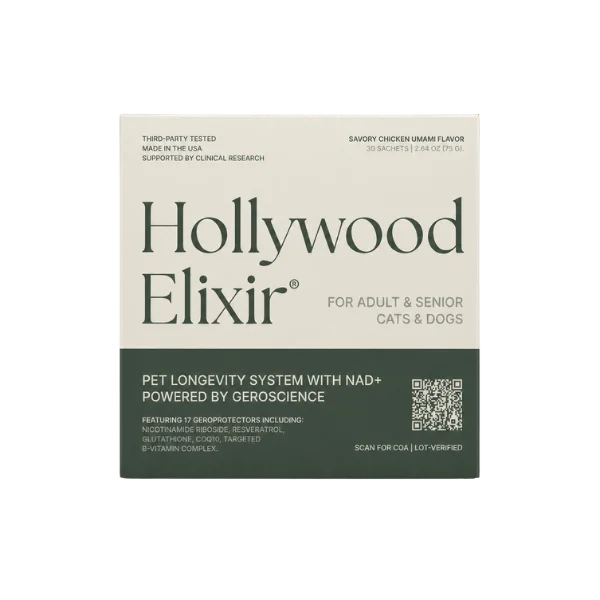
Longevity Core
Hollywood Elixir®
★★★★★(313)
More good years, starting now — steady energy, engagement, and a pet who keeps showing up fully, every day.
Starting at $89/mo
Hollywood Elixir is amazing! She put back on 5 lbs to a healthy weight, her eyes are shiny, her coat is beautiful!
— Jessie
We go on runs. Lately he's been keeping up with no problem!
— Cami
Wondering why your dog is tired all the time?
If you're searching to understand why your dog is tired all the time
If you’re asking why is my dog tired all the time, start with two parallel moves: a veterinary check to rule out the big medical drivers, and a quieter home plan that protects recovery. Keep walks shorter and cooler, avoid sudden bursts of exertion, and write down what “tired” looks like—pace, breathing, stiffness, appetite, and how long it takes to bounce back. That record often speeds up diagnosis.
When serious causes are excluded or managed, many owners still want a steady foundation for day-to-day vitality that isn’t tied to a single nutrient claim. Hollywood Elixir is designed as system-level support for healthy aging, resilience, and recovery—useful when the goal is a calmer, more durable baseline rather than a quick fix.
Veterinary Insights

Learn about how our DVMs think about dog aging
Dr. JoAnna Pendergrass DVM


Longevity Core
Hollywood Elixir®
★★★★★(313)
More good years, starting now — steady energy, engagement, and a pet who keeps showing up fully, every day.
Starting at $89/mo
Wellness Tools
Explore your dog’s changing needs over time


Related Reading
First, decide whether the change was sudden vs gradual: a dog who was normal yesterday and is now wiped out needs a faster response than a dog who has slowly slowed down over weeks. Next, gauge severity—are they simply less energetic, or are they struggling to stand, refusing food, or acting “not themselves”?
