
Vitamin B6 for Dogs

Spot Nerve and Immune Clues, Then Build Safer Protein Routines

By La Petite Labs Editorial 15 min read

When a dog becomes wobbly, unusually jumpy to touch, or suddenly “off” with appetite and energy, vitamin balance is one of the quiet variables worth checking. Vitamin B6 for Dogs matters because it sits at the crossroads of nerve signaling, immune readiness, and how the body uses protein—so both deficiency and oversupplementation can show up as neurologic changes first. Vitamin B6 is not a single chemical; it’s a family of vitamers, and the active coenzyme form (PLP) helps enzymes handle amino acids and neurotransmitters like serotonin and GABA (NourEldin R. Abosamak, 2023).

Most dogs eating a complete, reputable diet meet baseline needs, but imbalances can still happen with home-prepared feeding errors, unbalanced “topper” habits, malabsorption, or high-dose single-nutrient supplements. The goal is not to chase a number—it is to connect what is seen at home to the most likely causes, document patterns, and use veterinary testing wisely. This page follows a symptom-first triage: what owners notice, what else could cause it, when B6 is the likely thread, and how to prevent the two extremes from disrupting nerves, immunity, and protein use.

  • Vitamin B6 for Dogs is important because too little or too much can disrupt nerve function, immune signaling, and amino-acid (protein) metabolism.
  • Deficiency tends to look like “whole-dog” change: appetite shifts, dullness, and neurologic signs that don’t fit a simple injury, consistent with historic canine deficiency observations (Street, 1941).
  • Excess—especially from high-dose pyridoxine supplements—can cause a sensory neuropathy in dogs, often showing as wobbliness, knuckling, or odd foot placement (Krinke, 1981).
  • PLP (pyridoxal 5’-phosphate) is a common blood biomarker, but inflammation and physiologic stress can complicate interpretation, so context matters (Ueland, 2015).
  • At home, the most useful plan is tracking gait, paw placement, appetite, stool quality, and supplement exposure—then changing one variable at a time.
  • Urgent care is warranted for rapid worsening weakness, inability to stand, severe disorientation, or repeated vomiting—regardless of suspected cause.
  • Prevention is mostly about diet quality and avoiding “stacking” multiple B-complex products; broader metabolic support can still matter when diet is adequate.

The First Clues Owners Notice at Home

Early B6 imbalance rarely announces itself as “a vitamin problem.” It more often looks like a dog whose movement is less predictable, whose startle response seems bigger, or whose appetite and engagement drift at the same time. That pattern makes sense because PLP, the active form of vitamin B6, supports enzymes involved in amino-acid handling and neurotransmitter chemistry, including pathways tied to serotonin and GABA (NourEldin R. Abosamak, 2023). When those pathways lose range, nerves and behavior can look subtly off before anything becomes dramatic.

At home, the most useful first step is separating “one bad day” from a trend. Note whether wobbliness is worse after long walks, whether paw placement changes on slick floors, and whether the dog seems unusually reactive to being touched on feet or legs. Also note any recent diet switch, new training treats, or a new supplement that arrived with a “B-complex” label. Those details often decide whether B6 is a plausible thread or a distraction.

Symptom Triage: Wobbliness, Knuckling, and Odd Foot Placement

Wobbliness and knuckling have a long differential list: orthopedic pain, spinal disease, vestibular episodes, toxin exposure, and metabolic problems can all look similar on day one. Vitamin B6 enters the conversation because high-dose pyridoxine exposure has been shown to cause a peripheral sensory neuronopathy in dogs, with degeneration of sensory neurons and proprioceptive deficits (Krinke, 1981). In plain terms, the “where are my feet?” feedback loop can fail, even when muscle strength is not the main issue.

A realistic scenario: an older dog starts slipping on stairs and scuffing nails, and the household responds by adding a human B6 tablet “for nerves” on top of a senior diet. Two weeks later, the dog’s rear feet cross and the gait looks less predictable on turns. That timeline should trigger a supplement audit before adding anything else, because stopping an unnecessary high-dose exposure is a clean variable change to discuss with a veterinarian.

Deficiency Versus Excess: Why Both Can Look Neurologic

Deficiency and excess can converge on similar owner-facing signs because both disturb nerve signaling, just through different mechanisms. Experimental deficiency in dogs has been associated with clinical illness and characteristic pathologic changes, with observations consistent with neurologic involvement (Street, 1941). Excess, by contrast, is most classically linked to pyridoxine overexposure and sensory nerve injury rather than a simple “more is better” effect (Krinke, 1981). The practical takeaway is that neurologic signs do not automatically mean “add B6.”

Households often try to solve uncertainty by stacking products: a multivitamin, a calming chew, and a skin-and-coat supplement can all contain B6. When the label reads “pyridoxine HCl,” it is still vitamin B6, and totals add up across the day. If a dog’s gait or sensitivity is changing, the safest routine move is to pause nonessential add-ons and keep diet stable until a veterinary plan is in place.

What Vitamin B6 Does with Protein and Amino Acids

Vitamin B6 is a cofactor for many enzymes that move amino groups around—work that determines how dietary protein becomes usable building blocks rather than metabolic clutter. PLP-dependent enzymes support transamination and other steps that connect amino-acid metabolism to neurotransmitter production and immune signaling (NourEldin R. Abosamak, 2023). That is why B6 imbalance can show up as a mixed picture: appetite changes, lower flexibility with high-protein treats, and a dog that seems less calm under normal stressors.

In daily life, protein “spikes” often come from well-meaning extras: jerky treats, organ-meat toppers, or training rewards layered onto a complete diet. If a dog becomes gassy, restless at night, or less predictable in energy after those additions, it is worth logging the pattern rather than immediately changing the base food. A veterinarian can then decide whether the issue is dietary balance, GI absorption, or a neurologic process that only looks food-related.

Neurotransmitters: Serotonin, GABA, and Why Mood Can Shift

Owners often describe a dog as “anxious,” “snappy,” or “not settling,” but those labels can hide a sensory problem. Vitamin B6 supports neurotransmitter-related enzyme activity, including pathways connected to serotonin and GABA, which influence arousal and reactivity. When B6 status is off—either from deficiency or from an unbalanced supplement routine—the dog may have less buffer for normal household stimulation, especially if discomfort or proprioceptive confusion is also present.

A practical routine is to separate behavior from handling sensitivity. Note whether the dog startles when paws are touched, avoids certain floor textures, or seems worse in dim light where proprioception matters more. If “mood” changes track with these triggers, it is more responsible to treat the situation as a body problem first. That approach also supports better vet handoff, because it replaces vague behavior words with concrete observations.

“With vitamin B6, the problem can be too little or too much.”

Immune Function: Why Skin and Gut Changes Sometimes Co-travel

Vitamin B6 participates in immune-related chemistry because PLP-dependent enzymes influence amino-acid availability and signaling molecules that immune cells use to respond appropriately. That does not mean B6 is an allergy cure, but it helps explain why some dogs with a nutritional imbalance show a blended picture: recurrent ear irritation, slower “repair window” after minor skin issues, and GI upset that seems to flare with stress.

At home, the goal is to avoid chasing every symptom with a new chew. Keep the base diet consistent for several weeks, limit novel proteins and flavored supplements, and log stool quality alongside itch, ear debris, and sleep disruption. If neurologic signs are also present, that combination should be shared with the veterinarian, because immune and nerve clues together can point toward malabsorption, diet imbalance, or an adverse supplement pattern rather than a single isolated condition.

Owner Checklist: Home Clues That Point Toward B6 Imbalance

A home checklist cannot diagnose vitamin status, but it can sharpen the story so testing and decisions are more targeted. Check for: (1) new knuckling or scuffed nails on one or more paws, (2) hesitation on stairs or curbs without obvious pain, (3) increased sensitivity to touch on feet or lower legs, (4) new supplement exposure labeled pyridoxine or B-complex, and (5) appetite change paired with less predictable energy. These signs matter because sensory neuropathy has been documented with pyridoxine megavitaminosis in dogs.

After the checklist, choose one stabilizing action: stop nonessential supplements and keep food consistent until the veterinary visit. Avoid changing multiple variables at once, because it erases the timeline that helps clinicians separate deficiency risk (dietary gaps, malabsorption) from excess risk (stacked products). Short videos of gait on a straight line and a tight turn are often more useful than any written description.

What to Track Between Vet Visits: a Simple Rubric

Tracking is most valuable when it produces comparable data, not more worry. A practical rubric includes: gait score (0–3) on slick vs textured floors, number of knuckling events per day, nail scuffing or toe-drag marks after walks, appetite (percentage of meal finished), stool consistency, and a supplement log that includes brand and dose timing. Because vitamin B6 is water-soluble and largely eliminated in urine as metabolites, exposure patterns can matter more than a single day’s intake.

Owners can also track “repair window” after activity: does the dog recover to baseline by the next morning, or does wobbliness linger? Note whether signs worsen after grooming, nail trims, or long car rides, which can reveal sensory sensitivity. Bring the log to the appointment and keep it going after any change, because progress indicators over 2–4 weeks are often more informative than a one-time snapshot.

Most Likely Causes: Diet Gaps, Malabsorption, or Supplement Stacking

When B6 imbalance is plausible, the most common pathways are straightforward. Deficiency risk rises with unbalanced home-prepared diets, selective eating that removes fortified components, or GI disease that limits absorption. Excess risk rises with supplement stacking—especially when a dog receives a complete commercial diet plus a B-complex, plus a “nerve support” product. Plasma vitamin B6/PLP can be measured in domestic animals, including dogs, which helps clinicians confirm whether the concern is real rather than theoretical (Coburn, 1984).

A useful household exercise is to write down everything the dog consumes in a typical day, including dental chews and flavored medications. Then circle any item that lists pyridoxine, pyridoxal, pyridoxamine, or “vitamin B6.” If more than one item contains it, the plan should shift from adding to simplifying. That single step often makes the dog’s routine calmer and the diagnostic path less erratic.

Testing and Interpretation: PLP, Context, and False Reassurance

PLP (pyridoxal 5’-phosphate) is commonly used as a direct biomarker of vitamin B6 status, but it is not a stand-alone verdict (Ueland, 2015). Inflammation and physiologic stress can shift circulating PLP, so a “normal” value does not always rule out functional issues, and a “low” value may need interpretation alongside the dog’s overall health picture (Ueland, 2015). This is where symptom-first triage helps: the lab result should support the story, not replace it.

Owners can support better interpretation by bringing a clean timeline: when signs started, when any supplement was added, and whether stopping it changed anything. Ask the clinic what else is being checked at the same time (CBC, chemistry, thyroid, urinalysis, neurologic exam) so B6 is not treated as a single-cause explanation. If the dog is acutely worsening, testing should never delay stabilization and urgent neurologic assessment.

“Track gait and supplement exposure before changing the whole routine.”

La Petite Labs

DVM Voice: Clinical Vignette of a Common Pattern in Senior Dog Aging

Case provided by JoAnna Pendergrass, DVM

Rex, a 7-year-old Labrador Retriever, was brought in after his owner noticed he was slower to rise, hesitant on stairs, and less able to play as before. Examination showed stiffness and reduced hip mobility; radiographs confirmed degenerative joint changes.

His care required weight management, veterinary-guided pain control, nutritional support, and rehabilitation — a comprehensive plan, but one started only after visible decline appeared.

Clinical takeaway: Rex’s case reflects the value of proactive aging support: maintaining lean body condition, monitoring mobility early, and supporting cellular resilience, antioxidant defense, and healthy inflammatory balance before decline becomes obvious.

Single-case vignette. Not generalizable. Veterinary oversight is essential for pain, stiffness, or suspected joint disease.

Explore Hollywood Elixir Research →
PLP Biomarkers And Sensory-Neuropathy Risk - 9

Unique Misconception: Water-soluble Does Not Mean Risk-free

A common misunderstanding is that water-soluble vitamins are automatically harmless because “extra gets peed out.” Vitamin B6 does have urinary elimination pathways, but that does not prevent nerve injury when pyridoxine exposure is high enough and long enough. In dogs, pyridoxine megavitaminosis has been shown to produce degeneration of peripheral sensory neurons, matching the owner-facing picture of proprioceptive trouble. The safety message is simple: dose and duration matter.

This misconception often shows up when a household uses human supplements because they are accessible and inexpensive. The label may look benign, but the dose can be far beyond what a dog’s diet would ever supply. If a dog is already eating a complete food, the safer strategy is to avoid single-nutrient escalation and instead focus on overall routine consistency, veterinary guidance, and targeted testing when symptoms justify it.

PLP Biomarkers And Sensory-Neuropathy Risk - 10

What Not to Do When Nerves Look Off

When a dog looks neurologically “off,” well-meaning actions can accidentally narrow the diagnostic window. What not to do: (1) add a high-dose pyridoxine product “for nerves,” (2) change food, treats, and supplements all at once, (3) push hard exercise to “work it out,” or (4) assume wobbliness is only arthritis without a neurologic exam. These missteps matter because sensory neuropathy from pyridoxine exposure can mimic orthopedic problems while requiring a different response.

A safer household plan is to reduce variables: keep the base diet stable, pause nonessential add-ons, and prevent falls with rugs and blocked stairs. If the dog is slipping, use a harness rather than a collar for support. This approach keeps the dog safer and makes any veterinary assessment more accurate, because the clinician can see the pattern without the noise of multiple simultaneous changes.

PLP Biomarkers And Sensory-Neuropathy Risk - 11

Vet Visit Prep: the Details That Change the Workup

A productive appointment is built on specific questions and observations rather than a general request for “vitamin testing.” Bring: the supplement bottles or photos of labels, short gait videos, and a two-week log of progress indicators. Ask the veterinarian: (1) does the exam suggest sensory vs motor involvement, (2) is B6 testing (PLP) appropriate now or after other screening, (3) could GI disease or inflammation be affecting interpretation, and (4) what timeline is expected if a suspected excess exposure is stopped. PLP is a commonly used biomarker, but context is essential.

Also ask what else should be ruled out quickly—spinal pain, vestibular disease, toxin exposure, or endocrine problems—so the plan does not over-focus on one nutrient. If the dog is on medications, request an interaction review before adding any B-complex. The goal is a calmer, more predictable path: one change, one reassessment window, and clear criteria for escalation.

Urgency Ladder: When to Treat It as an Emergency

Vitamin questions should never delay emergency care when red flags appear. Seek urgent evaluation if a dog cannot stand, rapidly worsens over hours, has severe disorientation, repeated vomiting, collapse, or signs of significant pain. Those patterns can reflect spinal cord compression, toxin exposure, or other conditions where time matters more than nutritional fine-tuning. Vitamin B6 imbalance can contribute to neurologic signs, but it is rarely the only dangerous possibility.

For slower changes—mild knuckling, occasional stumbling, or new sensitivity—schedule a prompt visit and focus on fall prevention at home. Keep stairs blocked, add traction, and use a harness for controlled walks. If a supplement change is made, document the exact day and keep the rest of the routine steady. That stability gives the veterinarian a clearer picture and reduces the chance of an erratic, trial-and-error spiral.

Prevention: Diet Quality and Avoiding Single-nutrient Megadoses

Prevention is mostly about avoiding extremes. A complete, reputable dog food is formulated to meet B-vitamin needs, while home-prepared diets require professional balancing to prevent gaps. The bigger preventable risk is oversupplementation: multiple products that each contain pyridoxine can quietly push intake into a range that is no longer benign. Because vitamin B6 exists as interconvertible vitamers and functions through PLP-dependent enzymes, the goal is adequate supply without forcing the system with high-dose single inputs.

A practical household rule is “one fortified base, minimal extras.” If treats are used heavily for training, choose options that do not add another vitamin panel. If a dog needs additional support for aging, consider approaches that support multiple pathways rather than concentrating on one vitamin. That strategy keeps the dog’s routine calmer and reduces the chance that a well-intended supplement becomes the hidden variable behind new neurologic signs.

How This Connects to B12, NAD Coenzymes, and Energy Pages

Vitamin B6 rarely acts alone in the owner-facing story of energy, nerves, and appetite. B12 status, NAD-related coenzymes, and overall cellular energy handling can shape similar symptoms, which is why a narrow “B6-only” approach often disappoints. B6 is distinctive because PLP-dependent enzymes sit directly in amino-acid metabolism and neurotransmitter chemistry, linking protein intake to how the nervous system behaves under everyday demands. Thinking in connected pathways helps avoid chasing one lab value.

For households, this means the best plan is usually layered: keep diet consistent, avoid supplement stacking, and let the veterinarian decide which nutrient markers belong in the workup. If a dog is older, track sleep quality, recovery after activity, and appetite alongside gait. Those progress indicators help clinicians decide whether the picture is primarily neurologic, primarily GI, or part of a broader aging pattern that benefits from whole-dog support rather than single-nutrient escalation.

Vitamin B6 for Dogs: Safer Supplement Decision Framework

A safer decision framework starts with a question: is the goal correcting a documented deficiency, or supporting normal function during aging? Documented deficiency should be veterinarian-led, because dosing, duration, and follow-up testing matter. For general support, the priority is avoiding high-dose pyridoxine and choosing products that do not force a single pathway. Vitamin B6 for Dogs is a “Goldilocks” nutrient: too little can be problematic, and too much can be risky for sensory nerves.

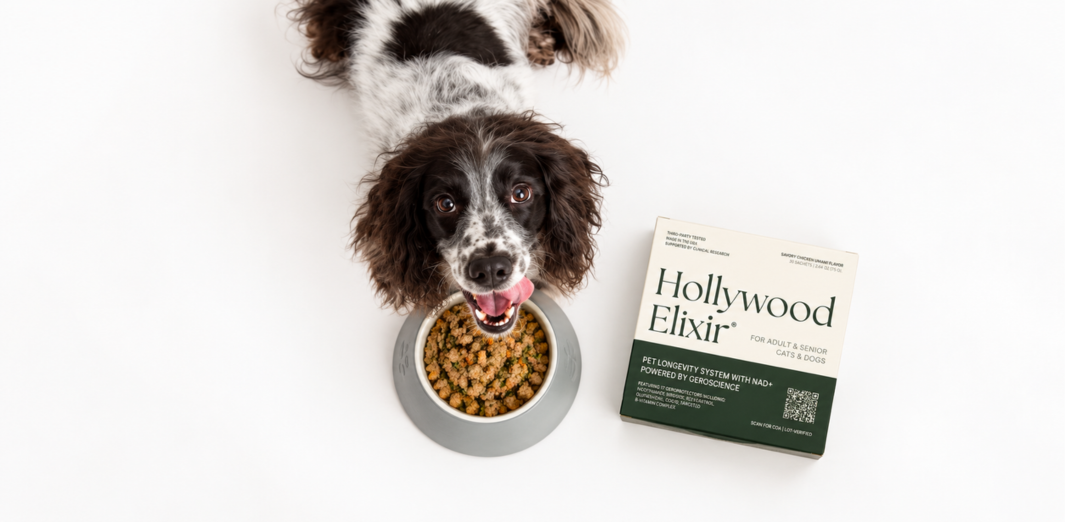
If a household wants a daily plan, it should emphasize consistency and a clear reassessment window. Choose one product approach, keep treats and toppers steady, and log progress indicators for at least two weeks before judging results. If using a multi-ingredient formula such as Hollywood Elixir, the role should be framed as supporting normal aging pathways and metabolic flexibility, not as a targeted fix for wobbliness or neuropathy.

Putting It Together: a Calm Plan for the Next Two Weeks

The most effective next step is usually a two-week stabilization plan that protects the dog and preserves diagnostic clarity. Keep the base diet unchanged, stop nonessential supplements that contain pyridoxine, and reduce fall risk with traction and blocked stairs. If the veterinarian recommends testing, remember that PLP is a common marker, but it should be interpreted alongside inflammation, GI health, and the neurologic exam rather than in isolation. This keeps decisions grounded in the whole picture.

During the two weeks, log gait videos twice weekly, track knuckling frequency, appetite, stool quality, and sleep disruption. If signs worsen quickly or the dog cannot safely walk, escalate immediately rather than waiting for the log to “fill in.” If signs slowly become calmer and more predictable after removing stacked supplements, that is meaningful information to bring back to the clinic and can guide a safer long-term plan.

“A single ingredient rarely explains a whole-dog neurologic shift.”

Educational content only. This material is not a substitute for veterinary advice. Always consult your veterinarian about your dog’s specific needs. These statements have not been evaluated by the Food and Drug Administration. Products mentioned are not intended to diagnose, treat, cure, or prevent any disease.

Glossary

  • Pyridoxine - A common supplemental form of vitamin B6.
  • Pyridoxal 5’-Phosphate (PLP) - The active coenzyme form of vitamin B6 used by many enzymes.
  • Vitamers - Interconvertible chemical forms of the same vitamin (e.g., pyridoxine, pyridoxal, pyridoxamine).
  • Sensory Neuropathy - Nerve dysfunction affecting sensation and proprioception, often seen as knuckling or wobbliness.
  • Proprioception - The nervous system’s ability to sense limb position and movement.
  • Transamination - A PLP-dependent process that helps convert amino acids into usable metabolic intermediates.
  • GABA - A neurotransmitter associated with calming signals in the nervous system.
  • Serotonin - A neurotransmitter involved in mood, appetite, and gut signaling.
  • Supplement Stacking - Using multiple products with overlapping ingredients, increasing total exposure unintentionally.

Related Reading

References

Street. Some Observations of Vitamin B6 Deficiency in the Dog. 1941. https://www.sciencedirect.com/science/article/abs/pii/S0022316623132895

NourEldin R. Abosamak. Vitamin B6 (Pyridoxine). 2023. https://www.ncbi.nlm.nih.gov/sites/books/NBK557436

Krinke. Pyridoxine megavitaminosis produces degeneration of peripheral sensory neurons (sensory neuronopathy) in the dog. PubMed. 1981. https://pubmed.ncbi.nlm.nih.gov/15622720/

Ueland. Direct and Functional Biomarkers of Vitamin B6 Status. PubMed. 2015. https://pubmed.ncbi.nlm.nih.gov/25974692/

Coburn. Vitamin B-6 content of plasma of domestic animals determined by HPLC, enzymatic and radiometric microbiological methods. PubMed. 1984. https://pubmed.ncbi.nlm.nih.gov/6389800/

FAQ

What is Vitamin B6 for Dogs, exactly?

Vitamin B6 for Dogs refers to a family of related compounds (vitamers) such as pyridoxine, pyridoxal, and pyridoxamine. In the body, these convert into pyridoxal 5’-phosphate (PLP), the active coenzyme form used by many enzymes.

Because PLP supports amino-acid handling and neurotransmitter chemistry, imbalance can show up as changes in gait, sensitivity, appetite, or behavior. The key is that both deficiency and excess can be relevant, depending on diet and supplement exposure.

Why does Vitamin B6 matter for nerves and behavior?

PLP-dependent enzymes participate in neurotransmitter pathways, including those connected to serotonin and GABA, which influence arousal and reactivity. When that chemistry loses range, owners may notice a dog that seems less calm or more reactive, especially alongside sensory discomfort.

Behavior changes should not be treated as “just training” until pain and neurologic causes are considered. Logging triggers—slick floors, stairs, paw handling—helps a veterinarian decide whether the pattern fits sensory nerve involvement or something else.

Can too much Vitamin B6 cause neurologic problems?

Yes. High-dose pyridoxine exposure has been shown to cause a peripheral sensory neuronopathy in dogs, with degeneration of sensory neurons and proprioceptive deficits. Owners may see wobbliness, knuckling, or unusual foot placement.

This risk is most often tied to supplements, not complete diets. If neurologic signs appear and a pyridoxine-containing product was added, a veterinarian should guide next steps before any additional B vitamins are introduced.

What are signs of Vitamin B6 deficiency in dogs?

Deficiency can present as a mixed picture rather than one signature sign. Experimental deficiency in dogs was associated with clinical illness and characteristic pathologic changes, with observations consistent with neurologic involvement(Street, 1941).

At home, concern rises when appetite, energy, and coordination shift together—especially with an unbalanced home-prepared diet or chronic GI issues. A veterinarian can decide whether diet correction, broader testing, or targeted B6 assessment is appropriate.

Is Vitamin B6 usually covered by a complete dog food?

In many cases, yes—commercial complete diets are formulated to meet baseline vitamin needs. Deficiency risk rises more with unbalanced home-prepared feeding, selective eating that removes fortified components, or malabsorption.

Even when baseline needs are met, owners may still choose broader daily support for aging patterns. The safer approach is avoiding single-nutrient megadoses and focusing on consistent routines that support normal function across multiple pathways.

Should a dog take pyridoxine supplements for “nerve health”?

Not automatically. “Nerve health” is a broad label, and high-dose pyridoxine exposure can injure sensory nerves in dogs. That makes unsupervised supplementation a poor first move when wobbliness or knuckling is the main symptom.

A veterinarian should first determine whether the pattern is sensory, motor, orthopedic, or spinal. If supplementation is considered, it should be part of a plan with clear goals, a reassessment window, and avoidance of stacking multiple B6-containing products.

How do vets test Vitamin B6 status in dogs?

Plasma PLP (pyridoxal 5’-phosphate) is commonly used as a direct biomarker of vitamin B6 status. Some labs can also quantify B6 vitamers in domestic animals, including dogs, using validated methods(Coburn, 1984).

Interpretation should include clinical context. Inflammation and physiologic stress can influence circulating PLP, so results are best read alongside the neurologic exam, diet history, and any GI or systemic illness that could shift biomarkers.

Can inflammation make Vitamin B6 blood tests confusing?

Yes. Circulating PLP can be influenced by inflammation and other physiologic states, which means a result may not perfectly reflect tissue-level function in every situation.

That is why symptom-first documentation matters: gait videos, supplement timelines, appetite, and stool patterns help the veterinarian decide whether B6 is central, secondary, or unrelated. Testing is most useful when it answers a specific question rather than serving as a general screen.

Is Vitamin B6 safe because it is water-soluble?

Water-soluble does not mean risk-free. Vitamin B6 is largely eliminated in urine as metabolites, but that does not prevent toxicity when pyridoxine exposure is high enough and sustained.

For owners, the practical safety step is avoiding high-dose human tablets and avoiding stacking multiple fortified products. If a dog develops wobbliness or knuckling after a new supplement, a veterinarian should review the full intake list promptly.

What medications or supplements can interact with Vitamin B6 plans?

Interactions depend on the dog’s full medication list and the reason B6 is being considered. The main owner-controlled risk is accidental overexposure from combining a complete diet, a multivitamin, and a “calming” or “nerve” product that also contains pyridoxine.

Bring labels or photos to the appointment so the veterinarian can total exposures and decide whether any product should be paused. This is especially important when neurologic signs are present, because adding more B6 is not a safe default.

Does Vitamin B6 help immune function in dogs?

Vitamin B6 contributes to immune-related chemistry because PLP-dependent enzymes influence amino-acid availability and signaling molecules used by immune cells. That role is supportive, not a stand-alone solution for allergies or infections.

If skin and gut issues appear alongside gait changes, it is reasonable to discuss nutritional balance and absorption with a veterinarian. The best outcomes usually come from stabilizing diet, reducing supplement noise, and choosing targeted testing based on the exam.

How quickly would stopping excess B6 change symptoms?

Timelines vary with severity, duration of exposure, and the true underlying cause. Because vitamin B6 is eliminated through urinary pathways, exposure can drop quickly once a product is stopped, but nerve recovery may take longer than owners expect.

A practical approach is to log progress indicators for 2–4 weeks after stopping a suspected high-dose pyridoxine supplement, while the veterinarian monitors neurologic findings. Rapid worsening, inability to stand, or severe disorientation should be treated as urgent regardless of suspected cause.

Is Vitamin B6 for Dogs different for puppies and seniors?

Life stage changes the context more than the basic biology. Puppies have less room for diet errors, so unbalanced home-prepared feeding can create faster nutritional gaps. Seniors are more likely to have concurrent issues—arthritis, GI disease, or neurologic change—that can make symptoms look blended.

For both groups, the safest principle is avoiding single-nutrient megadoses and keeping the base diet consistent. If a senior dog is on multiple supplements, a veterinarian-guided “de-stack” can make the overall picture calmer and easier to interpret.

Do small breeds need different Vitamin B6 approaches?

Small breeds are not “different species,” but they are more vulnerable to dosing mistakes when owners use human products. A tablet that seems modest for a person can represent a very large exposure for a small dog.

If Vitamin B6 for Dogs is being considered, it is safer to work with a veterinarian and choose dog-appropriate formulations. The most important step is still the supplement audit—identifying hidden pyridoxine across multiple chews, toppers, and multivitamins.

Can Hollywood Elixir™ replace a Vitamin B6 supplement?

A multi-ingredient product is not a substitute for correcting a documented deficiency. If a veterinarian identifies a true B6 deficiency, the plan should be targeted and monitored with clear follow-up goals.

As part of a daily routine, Hollywood Elixir™ is positioned to support normal aging pathways and overall metabolic flexibility. That broader framing can be useful when the goal is a calmer, more predictable routine rather than single-nutrient escalation.

How should Vitamin B6 supplements be given with food?

Administration details depend on the product and the dog’s GI sensitivity. Many dogs do better when supplements are given with a meal to reduce stomach upset, but the larger safety issue is whether the supplement is necessary at all.

If a dog is already eating a complete diet, adding pyridoxine without a clear reason can create excess risk. A veterinarian can help decide whether the plan should focus on diet balance, absorption issues, or a different neurologic workup entirely.

What quality signals matter when choosing a B-complex product?

Look for transparent labeling that lists each B vitamin form (including pyridoxine) and the amount per serving, plus clear directions for dogs. Avoid products that combine multiple “nerve” ingredients with vague proprietary blends, because total exposure becomes hard to track.

Also consider whether the dog truly needs a B-complex versus a simpler plan. If neurologic signs are present, quality includes safety: the product should not encourage high-dose use without veterinary oversight, and it should fit a one-change, one-reassessment approach.

Can Vitamin B6 affect homocysteine in dogs?

Vitamin B6 participates in amino-acid metabolism pathways that, in general biology, connect to homocysteine handling. In practice, homocysteine is not the first owner-facing marker used in most canine workups for wobbliness or sensory changes.

If a veterinarian is evaluating broader nutritional status, they may consider multiple B vitamins together (often alongside B12) rather than isolating B6. Owners can help most by providing a precise diet and supplement history so the clinician can choose the right tests.

How does Vitamin B6 relate to B12 and NAD coenzymes?

These nutrients sit in different parts of metabolism, but owners often meet them through the same symptoms: low energy, appetite changes, and neurologic shifts. Vitamin B6 is closely tied to amino-acid handling and neurotransmitter chemistry, while B12 and NAD-related pathways are often discussed in energy and cellular function contexts.

The practical takeaway is to avoid guessing which one is “the answer.” A veterinarian can decide whether testing should include B12, B6 (PLP), or broader screening, and owners can support that decision by keeping the routine stable and documenting progress indicators.

When should owners call the vet about Vitamin B6 concerns?

Call promptly if a dog develops new knuckling, repeated stumbling, unusual sensitivity to touch, or rapid behavior change—especially if a pyridoxine-containing supplement was recently added. Those signs can reflect sensory nerve involvement and deserve an exam rather than a home experiment.

Seek urgent care for inability to stand, rapid worsening over hours, collapse, severe disorientation, or repeated vomiting. For slower changes, bring supplement labels, diet details, and short gait videos so the visit can focus on the most likely causes.

Is Hollywood Elixir™ appropriate for daily use with a complete diet?

With a complete diet, the main question is not “more vitamins,” but whether a broader daily plan supports normal function during aging. A multi-ingredient approach can be useful when the goal is overall metabolic flexibility and predictable routines rather than single-nutrient escalation.

Discuss the full supplement list with a veterinarian to avoid stacking overlapping ingredients. If included, Hollywood Elixir™ should be viewed as part of a consistent routine that supports normal aging pathways, with progress indicators logged over a clear reassessment window.

What is a safe decision framework for Vitamin B6 for Dogs?

Start by identifying the goal: correcting a suspected deficiency versus supporting normal function. Suspected deficiency should be veterinarian-led, because testing and follow-up matter. For general support, prioritize avoiding high-dose pyridoxine and avoiding stacking multiple products that each contain B6.

Then choose one change at a time and log progress indicators (gait, knuckling frequency, appetite, stool quality). If a dog’s main symptom is neurologic, the safest “first supplement” is often none—until the exam clarifies whether B6 is relevant or a distraction.

La Petite Labs

Discover LPL-01: How This Fits Into a Larger Canine Longevity System

Aging in dogs is not driven by a single pathway. It’s the result of interacting biological systems—energy metabolism, oxidative stress, immune signaling, and structural integrity—changing over time.

This article explores one piece of that puzzle. If you want to understand how these pieces connect—and what actually moves the needle—you need to zoom out.

Start with the underlying science: