





The 12 Hallmarks of Aging in Dogs, Explained
Read full insightTurkey Tail for Cats
By La Petite Labs Editorial 11 min read
As Seen On

17 science-backed actives
Contents +
Turkey tail has been tested in cats only once, as part of a mushroom blend given to healthy cats, and never in cats with cancer. In that 12-week trial of 20 cats, stools were unaffected and triglycerides, a blood fat, were lower. One blood antibody, IgA, went down on the blend and up on placebo.1 The cancer claims you see online come from dog and human studies, and the largest dog trial found no survival gain.3
This guide covers the cat study, the amounts, the risks that are specific to cats, and what to ask your vet.
- What it is: Turkey tail is a wood-growing mushroom, Trametes versicolor. In Japan it's used alongside standard cancer treatment in people.4
- Cat evidence: One trial. Twenty healthy cats got a blend of turkey tail, reishi, lion's mane and colostrum, or a placebo, for 12 weeks.1
- What it found: Unchanged stools, lower triglycerides and small shifts in gut bacteria. The antibody IgA fell in cats on the blend.1
- Cancer: We found no trial in cats with cancer. In dogs, adding a turkey tail extract to chemotherapy did not improve survival.3
- Biggest practical risk: A powder that puts a cat off its food. Cats that stop eating can develop a dangerous liver condition.6
- Amount: None is established. The trial gave 900 mg of the blend per cat per day.1 Check with your vet before you use that figure.
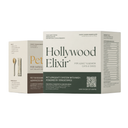
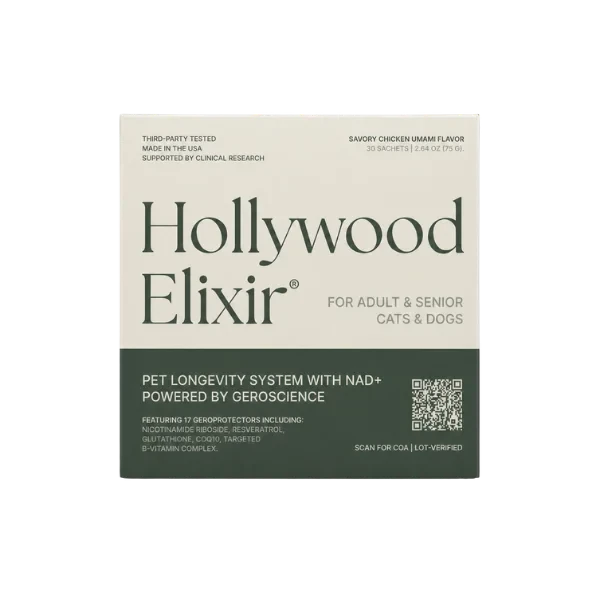
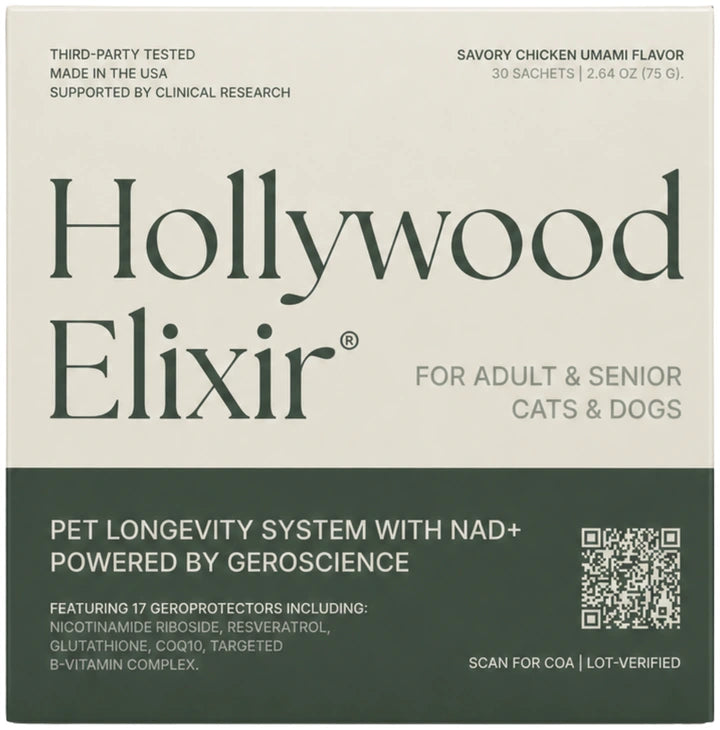
- In Hollywood Elixir: No. Hollywood Elixir has no turkey tail. It's daily nutrition.
What is turkey tail, and why is it given to cats?
Turkey tail is a mushroom found on dead logs across the world, banded in brown and tan like the tail feathers of a turkey.4 It's sold under three names: turkey tail, Trametes versicolor and Coriolus versicolor. Chinese medicine calls it Yun Zhi.4
Cat owners tend to arrive at it for one of two reasons. Some want immune support for an aging cat. Others have a cat with cancer and have read that an extract named PSK is an approved add-on to cancer treatment for people in Japan.4
The part thought to matter is a family of sugar chains called beta-glucans, which may act on immune cells.4 PSK and a close relative, PSP, are both extracts of the mushroom's mycelium, its thread-like growing stage.14, 2 Our guide to beta glucans for cats explains that family in more depth.
Is turkey tail good for cats?
Turkey tail has no proven benefit for cats yet. The single cat trial used a blend in healthy animals and measured gut and blood markers, not illness.1
That trial tells you the blend was easy on the gut and nudged a few lab values. It did not measure whether a cat feels better, resists infection or lives longer.1
For a healthy cat on a complete diet, that makes turkey tail optional. For a sick cat, the first thing to settle is the diagnosis.
What did the only cat study of turkey tail find?
Turkey tail reached cats in a 2026 trial that was randomized, blinded and placebo-controlled. Twenty healthy adult cats, about seven years old on average, had 900 mg a day of a "mushroom complex" or a placebo added to their food for 12 weeks.1
- Stools: score, frequency, dry matter and pH were no different from placebo.1
- Blood fats: triglycerides were lower on the blend.1
- Gut bacteria: some groups shifted, and bacterial variety dropped less than it did on placebo.1
- Urea: blood urea nitrogen tended to creep up in all cats, and somewhat more on the blend.1
The complex mixed water extracts of turkey tail, red reishi and lion's mane with bovine colostrum, so no single result can be pinned on turkey tail.1
Is turkey tail safe for cats?
Turkey tail looked safe in the one cat trial, within that trial's limits. Twenty healthy adults took a blend for 12 weeks, and their stools were no different from the placebo group's.1 The published summary mentions no harm, and it doesn't describe side effects in detail.
Beyond that, the safety data come from other species. Rats showed no toxic effects from a turkey tail water extract at up to 5,000 mg per kg a day for 28 days, or from a turkey tail powder at up to 2,000 mg per kg.13, 12 In dogs with cancer, blood tests showed no significant change on a daily extract.2
We found no study in kittens, pregnant cats or sick cats, and none that ran longer than 12 weeks.1
Can turkey tail help a cat with cancer?
Turkey tail has no cancer research in cats. We found no trial in cats with any tumor.
For the most common feline cancer, conventional treatment has a track record. Lymphoma is the cancer diagnosed most often in cats, and today it mostly arises in the gut.5 For the slow-growing small cell form, a steroid plus an oral chemotherapy drug given at home brings remission of signs in over 90% of cats. Survival after diagnosis runs from two to four years, and the large cell form is harder to control.5
An owner who puts off a biopsy to try a mushroom first is trading a known option for an untested one. If you'd like to add turkey tail to a treatment plan, raise it with the oncologist. Our cat quality of life scale helps with the day-to-day picture.
For a cat, eating less is a medical problem in its own right.
Why doesn't the dog cancer research apply to cats?
Turkey tail's cancer reputation in pets comes from dogs, and from one cancer. Both dog trials enrolled dogs with hemangiosarcoma of the spleen and used a single branded PSP extract, I'm-Yunity.2, 3
- 2012 pilot: 15 dogs, all given the extract at one of three amounts, with no untreated group. Those on the highest amount lived a median of 199 days.2
- 2022 trial: 101 dogs. Adding the extract to the chemotherapy drug doxorubicin did not improve survival. Female dogs given the extract only did worse than females given chemotherapy.3
So the dog evidence itself is mixed. Stretching it to cats adds three more gaps:
- a different species;
- different cancers, since lymphoma is the cancer cats get most;5
- different products, unless the label names the trial extract.
The human research has the same weakness from a cat's point of view. It concerns human cancers and a Japanese extract.4
What are the side effects of turkey tail in cats?
Turkey tail's side effects in cats are barely documented, because one 12-week trial is all there is. In that trial, stool quality on the blend matched placebo.1
Two lab findings deserve a mention. Blood urea nitrogen tended to rise slightly more in cats on the blend, and the antibody IgA fell while it rose on placebo.1 The published summary doesn't say whether either change affected the cats' health.
In people, few side effects have been reported with the PSK extract over decades of use in Japan.4
At home, watch for vomiting, loose stools and, above all, a cat that eats less. Stop the supplement and call your vet if any of these show up.
How much turkey tail can a cat have?
No amount of turkey tail has been worked out for cats. One figure exists: 900 mg a day of a four-part blend, in cats that averaged 4.25 kg, for 12 weeks.1 The published summary doesn't give the turkey tail share.
Dog figures are no guide. The dog cancer pilot gave 25 to 100 mg of a PSP extract per kg of body weight a day, and that extract is a different product from a cat blend or a raw powder.2
If your vet is happy for you to try turkey tail, use a product made for cats, follow its feeding guide, and add only one new supplement at a time.
What if turkey tail puts a cat off its food?
Turkey tail powder stirred into a meal can backfire if your cat dislikes the taste or smell. For a cat, eating less is a medical problem in its own right.
Cornell's Feline Health Center explains why. When a cat all but stops eating, stored fat moves to the liver faster than the liver can process it. The result is hepatic lipidosis, which can be fatal if it isn't reversed promptly and seems much more common in obese cats.6 In more than 90 percent of cases it follows another condition, such as diabetes, kidney disease or cancer.6
So try any powder on a small portion first, keep the usual food on offer, and note what actually gets eaten. If intake drops, drop the supplement and tell your vet.
How do you choose a turkey tail product for a cat?
A turkey tail product for a cat should make four things clear on the label.
- Species: Trametes versicolor, by name. Turkey tail is hard to tell from related mushrooms without special testing.4
- Part and process: mycelium or fruiting body, extract or milled powder. One commercial powder studied for safety was mycelium cultured on oats and ground whole.12
- Beta-glucans: a measured figure. The standard lab method subtracts starch-like glucans from total glucans, which is why "total polysaccharides" can flatter a starchy powder.11
- Everything else: flavors, other mushrooms and herbs. The cat trial's blend had four active ingredients.1
Skip human capsules. They are sized for people, and the U.S. Food and Drug Administration does not routinely review how supplements are made, so brands and batches of mushroom products may differ.4
A lab report can confirm what's in the jar. Whether it helps a cat is a separate matter that only a cat trial can answer.
Printed amounts for each ingredient are the minimum to ask for. We hold our own product to that: Hollywood Elixir lists all 17 of its amounts, and turkey tail is not one of them.
A single-ingredient product is easier to judge and easier to stop.
DVM Voice: Clinical Vignette of a Common Pattern in Senior Cat Aging
Case provided by JoAnna Pendergrass, DVM
Sasha, a 12-year-old cat, was brought in after her owner noticed increased thirst and urination, lethargy, vomiting, and a generally unkempt appearance. Examination showed weight loss, elevated blood pressure, and reduced vitality.
Diagnostic testing revealed elevated kidney markers, poorly concentrated urine, and protein loss in the urine — findings consistent with chronic kidney disease, one of the most common chronic conditions in senior cats.
Her care required a kidney-focused diet, blood pressure management, targeted supplementation, medication support, and regular monitoring — a necessary plan, but one started after clinical signs were already visible.
Clinical takeaway: Sasha’s case reflects why senior-cat wellness should begin before obvious decline. Earlier monitoring, body-condition tracking, hydration awareness, antioxidant support, and daily cellular resilience may help support quality of life as cats age.
Single-case vignette. Not generalizable. Veterinary diagnosis and monitoring are essential for increased thirst, urination, vomiting, lethargy, weight loss, or suspected kidney disease.
Which cats should skip turkey tail?
Turkey tail is best skipped, or cleared with a vet first, for cats in these groups:
- kittens and pregnant or nursing cats, because we found no study in them;
- cats with kidney disease, given the slightly larger rise in blood urea nitrogen on the blend (a caution we are inferring, not a proven harm);1
- cats on chemotherapy or steroids, so the vet can keep track of what is causing what;
- poor eaters and cats that are losing weight, where appetite comes first.6
A cat with unexplained weight loss, vomiting or diarrhea needs tests before supplements. Those are also the usual signs of lymphoma in the gut.5
Is a mushroom blend better than turkey tail alone?
Turkey tail in cats has only ever been studied inside a blend, so there's no evidence that a blend beats a single mushroom, or the other way round.1
Blends have one clear drawback. If your cat vomits or goes off food, you can't tell which ingredient did it. And when a label gives one total weight for several mushrooms, you can't tell how much of each is inside.
A single-ingredient product is easier to judge and easier to stop. If you prefer a blend, pick one that prints the amount of every ingredient.
Does turkey tail boost a cat's immune system?
Turkey tail is sold as an immune booster, and the one cat trial does not back that up. The antibody IgA went down over 12 weeks in cats on the blend and up in cats on placebo.1
The idea comes from laboratory work. Beta-glucans from turkey tail are thought to strengthen the immune system, and laboratory and animal studies have tested the PSK extract on immune cells such as natural killer cells and T-cells.4
A livelier immune reading on a lab report would not be the goal anyway. What counts is whether cats get sick less often, and we found no cat study that looked. Our guide to immune support for senior cats covers the basics.
What does the human research on turkey tail show?
Turkey tail's strongest evidence is in people with cancer, and it concerns PSK taken with chemotherapy.
The U.S. National Cancer Institute notes that PSK is an approved cancer product in Japan and has been used next to standard treatment since the mid-1970s.4 A Cochrane review in 2022 pooled seven randomized trials with 1,569 colorectal cancer patients. Its verdict: low-certainty evidence of a small improvement in survival at five years, and too little certainty to judge the effect on chemotherapy side effects.8
In the United States, the Food and Drug Administration has not approved turkey tail or PSK for cancer or any other condition.4
None of this was done in cats. The human trials used a defined extract next to hospital cancer care, which is a long way from a scoop of mushroom powder on a cat's dinner. The fair use of the human data is as a reason to run cat trials, not as proof for cat owners.
Is turkey tail the same for cats and dogs?
Turkey tail has a thinner record in cats than in dogs.
- Studies: cats have one blend trial in healthy animals.1 Dogs have a matching blend trial plus two cancer trials of a PSP extract.7, 2, 3
- Amounts tested: 900 mg a day of the blend in cats, and 1.8 grams a day in beagles.1, 7
- Findings: the dog blend trial reported unchanged blood immune markers and blood chemistry. The cat trial reported lower triglycerides, a fall in IgA and a slightly larger rise in urea nitrogen.7, 1
The two species didn't respond identically even to the same kind of blend. That's one more reason not to share a dog's supplement with a cat. Our guide to turkey tail for dogs walks through the dog trials.
When does a cat need the vet, not turkey tail?
Turkey tail is never an emergency measure. Call your vet promptly if your cat:
- eats much less than usual or stops eating;6
- loses weight, vomits or has diarrhea;5
- has trouble breathing, a new lump or a seizure;5
- has chewed a wild mushroom. Toxic species can cause stomach upset, seizures, liver or kidney damage and death, and they are hard to identify even for experts.9, 10
For the last one, phone your vet or a poison control line straight away, because delay can be dangerous with some mushrooms.9 For everything else, regular senior cat checkups are the safety net.
What else supports an older cat's immune health?
Turkey tail is one of several ingredients sold for feline immune health, and none of them replaces a vet's care, a complete diet and a cat that keeps eating.
If you're comparing options, these guides cover related ingredients:
- reishi for cats, another mushroom in the cat trial's blend;1
- lactoferrin for cats, a different ingredient sold for immune health.
Hollywood Elixir, the daily nutrition powder we make, has no turkey tail in it. The next chapter sets out what it contains.
Is turkey tail in Hollywood Elixir?
No. Turkey tail isn't an ingredient in Hollywood Elixir, and neither are PSP or PSK.
What the formula does carry is 50 mg of beta glucans per sachet, the family of compounds turkey tail is valued for, and 25 mg of reishi mushroom. That's a different ingredient from the PSP extract in the dog trials. Both amounts are printed on the label with the other 15 actives, which include 60 mg of nicotinamide riboside, an NAD+ precursor. One sachet goes into food, so there's a single powder to get past a fussy cat.
Hollywood Elixir is a daily supplement for adult and senior cats. The serving is half a sachet for cats under 7 lb and one sachet for cats from 7 to 30 lb. It hasn't been tested in cats with cancer, as an immune product or for lifespan, and it shouldn't stand in for veterinary care.
Our guide to the best supplements for senior cats puts it next to the alternatives. Read the full Hollywood Elixir ingredient list and serving guide.
So the dog evidence itself is mixed.
Educational content only. This material is not a substitute for veterinary advice. Always consult your veterinarian about your cat’s specific needs. These statements have not been evaluated by the Food and Drug Administration. Products mentioned are not intended to diagnose, treat, cure, or prevent any disease.
Glossary
Turkey tail: A mushroom that grows on dead wood, known to science as Trametes versicolor.
Beta-glucans: Sugar chains in mushrooms and yeast that are thought to act on immune cells.
PSK: Polysaccharide-K, a turkey tail extract approved in Japan as an add-on to cancer treatment in people.
PSP: Polysaccharopeptide, a similar turkey tail extract, and the one used in the dog cancer trials.
Hepatic lipidosis: Fatty liver, a serious condition that can develop when a cat stops eating.
Triglycerides: Fats carried in the blood and measured on a routine blood panel.
Related Reading
Aging & Senior Cat Guidance
• Cat Age Calculator: Cat Years to Human Years
• Cat Lifespan by Breed
• Lethargy in Cats
• Senior Cat Not Eating
• Cat Drinking A Lot
• Why Is My Senior Cat Withdrawn?
Healthy Aging Support
• NAD+ for Cats
• NMN for Cats
• Vitamins For Older Cats
• Senior Cat Food
• Longevity Drugs for Cats
References
Numbered references identify the sources used for specific claims. Read the study design, species and evidence boundaries alongside each finding.
- [1]
- [2]
- [3]
- [4]
- [5]
- [6]
- [7]
- [8]
- [9]
- [10]
- [11]
- [12]
- [13]
- [14]
FAQ
Can turkey tail replace chemotherapy for a cat?
No. We found no study of turkey tail in cats with cancer. In dogs, animals given a turkey tail extract in place of chemotherapy fared no better, and females fared worse. Talk through treatment and comfort care with your vet.
Will turkey tail prevent cancer in my healthy cat?
Nobody has tested that. The one cat study ran for 12 weeks in healthy cats and measured stools, gut bacteria and blood markers. It ended long before anyone could see which cats developed disease.
Can I give my cat my own turkey tail capsules?
It's better not to. Human capsules are sized for adults, may include other herbs or mushrooms, and haven't been checked in cats. A smaller pinch doesn't fix those problems. Use a cat product your vet has seen.
Is turkey tail toxic to cats?
The one cat study gives no sign of it: 20 healthy cats took a blend containing turkey tail for 12 weeks, and their stools were unaffected. Wild mushrooms are a separate danger. Some are poisonous and hard to identify, so don't let a cat chew mushrooms outdoors.
How long does turkey tail take to work in cats?
There's no answer yet, because no cat study has measured a health benefit. In the blend trial, blood and stool samples were taken at 6 and 12 weeks, and the changes seen were small shifts in lab values.
Does Hollywood Elixir contain turkey tail?
No. Hollywood Elixir has no turkey tail, PSP or PSK. Its mushroom-related ingredients are 50 mg of beta glucans and 25 mg of reishi mushroom per sachet, and the formula hasn't been tested in cats with cancer.
Is turkey tail safe for cats with kidney disease?
Turkey tail hasn't been studied in them. In healthy cats, blood urea nitrogen tended to rise slightly more on a turkey tail blend than on placebo. Ask the vet who manages your cat's kidneys before you start.
Can kittens have turkey tail?
We found no study of turkey tail in kittens. The cats in the only trial were healthy adults averaging about seven years old, so nothing guides an amount for a growing kitten.
Which form of turkey tail is best for cats: powder, capsule or liquid?
No form of turkey tail has been compared in cats. The trial's blend was added on top of food. Choose a form your cat accepts without eating less, and a product that prints the amount of each ingredient.
Discover LPL-01: How This Fits Into a Larger Feline Longevity System
Aging in cats unfolds quietly. It’s not driven by a single failure, but by gradual shifts across interconnected systems — cellular energy, oxidative balance, immune tone, and tissue integrity — each influencing the others over time.
This article explores one layer of that system. To understand what actually shapes long-term health, you need to step back and look at how these layers interact.
Start with the underlying science:
- Feline Geroscience Framework →
A structured view of how aging progresses across cellular energy, inflammation, and resilience systems. - Senior Biological Defense Coverage (BDC) Modeling →
A systems-level map of which biological pathways decline first, and how layered interventions can support them. - 2026 Market Research: Best Cat Longevity Supplements →
A feline-specific review of longevity supplements. 2026 Industry report created by LPL-01 Research. - LPL-01 Standard →
The formulation system that translates these models into real-world supplementation—covering multiple pathways in a coordinated way.
Keep exploring
What would you like to understand next?
Search practical guides about healthy aging, cellular energy, ingredients, and daily support for cats.
Hollywood Elixir®Senior Cat SupplementSenior cat energy, mobility & cognitionFrom$50/moSave up to 47%Save up to 44%Shop Now
Limited time offerEnds Nov 30
Hollywood Elixir®Senior Cat SupplementSenior cat energy, mobility & cognitionFrom$50/moSave up to 47%Save up to 44%Shop Now
Essential Summary
What should cat owners know about turkey tail?
Turkey tail has one cat study: a 12-week trial of a four-ingredient blend in 20 healthy cats. Stools were unaffected and triglycerides were lower.
We found no trial of turkey tail in cats with cancer, and the largest dog trial found no survival gain when it was added to chemotherapy.
Protect appetite first. A cat that stops eating over a new powder is at risk of fatty liver, so stop the supplement and call your vet.

Hollywood Elixir® Senior Cat Supplement
17 science-backed actives in every sachet
Supports senior energy, mobility & cognition
60-day first-box guarantee
Hollywood Elixir is amazing! She put back on 5 lbs to a healthy weight, her eyes are shiny, her coat is beautiful!
— Jessie
She hopped up onto the windowsill again for the first time in years.
— Charlie
Want mushroom ingredients with amounts you can read?
No turkey tail, no hidden blend.
Hollywood Elixir gives adult and senior cats 50 mg of beta glucans, 25 mg of reishi mushroom and 15 more actives per sachet. It hasn't been tested in cats with cancer.

Hollywood Elixir® Senior Cat Supplement
17 science-backed actives in every sachet
Supports senior energy, mobility & cognition
60-day first-box guarantee
Learn about how our DVMs think about cat aging
Dr. JoAnna Pendergrass DVM

Hollywood Elixir® Senior Cat Supplement
17 science-backed actives in every sachet
Supports senior energy, mobility & cognition
60-day first-box guarantee
Explore your cat’s changing needs over time
Related Reading
Only 1 study has tested turkey tail in cats: a 12-week blend trial in 20 healthy cats. See what it found, what the dog cancer trials mean, and the risks.