
The 12 Hallmarks of Aging in Dogs
Read full insightRapamycin for Cats
Map mTOR Signaling and Protect Heart, Immunity, and Daily Activity
By La Petite Labs Editorial 15 min read

A cat that stops jumping, plays for shorter bursts, or breathes faster after mild activity may be showing early illness—not just “getting older.” The safest way to respond is to treat those changes as clues that need sorting, because the same outward behavior can come from pain, thyroid disease, kidney disease, or early heart disease that stays quiet until it doesn’t.
Rapamycin enters the conversation because it is an mTOR inhibitor that has been studied in cats with subclinical hypertrophic cardiomyopathy (HCM), a condition where the heart muscle thickens before obvious symptoms appear. In a clinical trial setting, delayed-release rapamycin was reported to halt progression of left ventricular hypertrophy in cats with subclinical HCM. That is a specific medical context, not a blanket “longevity” green light.
This page follows a triage path: what owners notice first, which causes are most likely, what to document at home, and when breathing changes become urgent. It also addresses rapamycin safety cats concerns directly—why internet dosing is reckless, what monitoring makes risk more measurable, and how to build a responsible longevity plan that does not depend on prescription experimentation.
- Rapamycin for cats is a prescription drug discussion best reserved for specific diagnoses—most notably subclinical feline HCM—rather than general “anti-aging.”
- Owners usually notice quieter behavior, less jumping, or faster breathing first; those signs have many causes, so sorting differentials is the priority.
- Rapamycin is an mTOR inhibitor; in cats with subclinical HCM, delayed-release rapamycin was reported to halt progression of left ventricular hypertrophy in a clinical trial setting (Kaplan, 2023).
- Rapamycin safety cats concerns are real because the drug class can affect immune function; monitoring and comorbidity screening are part of responsible use.
- Avoid internet dosing, leftover human prescriptions, and unverified compounding; these are common pathways to preventable harm.
- Track resting respiratory rate, appetite, weight, play tolerance, and recovery time week over week to make response patterns visible.
- If the goal is longevity, prioritize cat longevity alternatives to rapamycin like dental care, pain control, weight stability, and stage-appropriate cardiology follow-up.
When “Slowing down” Is More Than Normal Aging
A cat that seems “slower,” sleeps more, or quits jumping may not be aging normally. Those changes can reflect pain, anemia, thyroid disease, or early heart disease that stays quiet until stress exposes it. Hypertrophic cardiomyopathy (HCM) is a common feline heart condition where the heart muscle thickens and the chamber fills less efficiently, sometimes without a murmur. Because rapamycin is discussed online as a longevity drug, owners may assume it fits any older cat, but the best first step is sorting symptoms into likely causes and urgency.
At home, treat “less active” as a data problem, not a supplement problem. Note whether the cat avoids stairs, pants after play, hides, or has a new cough-like gag. Also watch for sudden back-leg weakness, open-mouth breathing, or collapse—these are emergency patterns. This page keeps the focus on heart-related fatigue and the decision points that matter before considering any mTOR inhibitor cats discussions.

What Rapamycin Is in Cat Medicine Context
When owners search rapamycin for cats, they are often trying to protect future health rather than treat a current crisis. Rapamycin (sirolimus) is an immunosuppressant-class drug that inhibits mTOR, a signaling pathway involved in growth, protein synthesis, and cellular cleanup processes like autophagy (Susi, 2025). In cats, the most relevant clinical conversation is not general “anti-aging,” but whether mTOR modulation can change the course of subclinical HCM—disease present on ultrasound before symptoms appear.
That distinction changes household decisions. A cat that is simply older and quieter still needs basics first: a veterinary exam, weight trend, blood pressure, and lab work to rule out common drivers of fatigue. If the cat has a known HCM diagnosis, the conversation becomes more specific: what stage, what risk markers, and what monitoring plan would make any drug discussion responsible.

Differentials: Pain, Thyroid, Kidneys, or Heart?
Most “slowing down” cats do not have a rapamycin problem; they have a differential diagnosis. Pain from arthritis, dental disease, chronic kidney disease, hyperthyroidism, and obesity can all shrink a cat’s leeway for play and jumping. Heart disease enters the list when there is exercise intolerance, faster resting breathing, fainting, or a history of a murmur—yet many cats with HCM have no murmur at all. The goal is to identify which body system is driving the change before any longevity experiment.
A practical home screen is to separate “won’t” from “can’t.” If the cat still sprints to the food bowl but avoids the couch, pain is more likely than heart limitation. If the cat plays briefly then lies down with faster breathing, heart or lung causes rise. Owners can bring a 10–14 day log to the vet, which often shortens the path to the right tests.

When HCM Is the Most Likely Driver
The “most likely cause” question depends on what is already known. In a cat with an echocardiogram showing HCM, thickened heart muscle can reduce filling and raise pressures, setting the stage for congestive heart failure or clot risk. Treatment goals in feline HCM focus on controlling clinical signs, reducing complications, and matching therapy to stage and risk markers rather than using one universal drug (Gaia de Sousa, 2025). That is why rapamycin safety cats discussions should start with diagnosis quality, not dosing anecdotes.
Owners can support this staging by collecting the right context: prior ultrasound reports, blood pressure readings, and any biomarker results the clinic has used. If the cat’s activity has changed, record what triggers it (heat, excitement, stairs) and whether recovery is quick or prolonged. These details help a cardiology team decide whether the pattern fits heart limitation, pain, or something else entirely.

How mTOR Modulation Connects to Subclinical HCM
Rapamycin’s relevance comes from its role as an mTOR inhibitor, a pathway that influences cell growth and stress responses. In feline HCM, the heart muscle’s thickening is not just “wear and tear”; it reflects signaling changes that can drive hypertrophy. In the RAPACAT trial, delayed-release rapamycin was reported to halt progression of left ventricular hypertrophy in cats with subclinical HCM, pointing toward a disease-modifying concept rather than symptom masking (Kaplan, 2023). A pilot study also evaluated once-weekly oral rapamycin in cats with naturally occurring HCM to characterize multi-omic and clinicopathologic effects (Rivas, 2023).
For a household, “disease-modifying” still does not mean “safe to try.” It means the vet may discuss whether the cat matches the studied population: subclinical stage, specific echo findings, and a monitoring plan. Owners should expect follow-up imaging and lab checks if a cardiologist recommends it. Without that structure, internet protocols can turn a careful cardiac strategy into a blind risk.
“Longevity decisions get safer when symptoms are turned into measurable patterns.”
The Misconception That Turns Curiosity into Risk
A common misconception is that rapamycin is a general “longevity vitamin” that can be added to any senior cat’s routine. In reality, rapamycin is a prescription drug with immunosuppressant-class effects, and clinical use requires attention to infection risk and other adverse effects (Susi, 2025). Longevity interest partly comes from animal research where rapamycin influenced survival and autophagy-related biomarkers, but those findings are not a dosing permission slip for cats (Szőke, 2023). The cat-specific evidence is narrower and tied most directly to subclinical HCM. (see our Cat Life Stages →)
In day-to-day life, the misconception shows up as skipping diagnostics: owners may order compounded products without confirming the cat’s problem. A safer mindset is to treat longevity as a long game of reducing turbulence—stable weight, dental care, pain control, and early detection—before considering any drug that can change immune behavior. That approach also clarifies cat longevity alternatives to rapamycin that do not rely on prescription risk.
A Realistic Scenario: from “Lazy” to Diagnosed HCM
CASE VIGNETTE: A 10-year-old domestic shorthair stops jumping to the window perch and seems “picky” with food. The owner finds online claims about rapamycin for cats and worries it is the missing anti-aging step. At the vet, the cat’s resting respiratory rate is mildly elevated at home, and an echocardiogram later shows subclinical HCM—changing the conversation from vague longevity to a specific cardiac plan.
In this scenario, the most helpful household action is not starting a drug; it is documenting response patterns. Did the cat quit jumping because of pain, or because exertion feels harder? Did appetite change because of nausea, dental discomfort, or stress? A short log of breathing rate during sleep, play tolerance, and appetite consistency gives the cardiology team cleaner inputs than memory alone.

Owner Checklist Before Considering Any mTOR Drug
OWNER CHECKLIST (home observations before any mTOR inhibitor cats discussion): (1) Count resting respiratory rate during sleep for several nights; (2) note any open-mouth breathing, coughing-like gagging, or sudden hiding; (3) track jumping changes—up, down, or both; (4) record appetite and water intake shifts; (5) check for brief collapse, wobbliness, or back-leg weakness. These are not diagnostic by themselves, but they help separate heart-lung urgency from slower problems like pain.
Put the checklist into a routine: one 30-second breathing count nightly, a quick note after play, and a weekly weigh-in if possible. If any emergency sign appears—open-mouth breathing at rest, collapse, or sudden hind-limb pain/weakness—skip the log and seek urgent care. The point is to arrive at the clinic with orderly information, not a supplement shopping cart.

What to Track Week over Week for Clearer Patterns
“WHAT TO TRACK” rubric for cats being evaluated for heart-related fatigue: resting respiratory rate trend, appetite consistency, body weight, play duration before stopping, recovery time after activity, and any episodes of fast breathing or weakness. If HCM is diagnosed, add the dates of echocardiograms and any medication changes so patterns can be compared week over week. Tracking matters because HCM can look stable until a threshold is crossed, and early signals are often subtle.
Use simple tools: a phone note, a kitchen scale for food portions, and a calendar reminder for breathing counts. Avoid “spot checks” only when worried; that creates noisy data. Owners considering rapamycin safety cats questions should be prepared to show trends, because safety and benefit decisions depend on baseline stability and how quickly the cat’s pattern is changing.
Safety Starts with Immunology, Not Internet Protocols
Rapamycin safety cats conversations should be framed like any other high-leverage drug decision: what is the target condition, what is the evidence in cats, and what monitoring reduces avoidable harm. Rapamycin is used in medicine for its antiproliferative and immunosuppressive properties, which is exactly why adverse effects can involve infection risk and other immune-related complications (Susi, 2025). Cats also vary widely in hidden comorbidities—dental infection, chronic kidney disease, or inflammatory bowel disease—that can change the risk picture.
At home, safety begins with avoiding exposure risks if a vet ever prescribes an immunomodulating drug: keep litter boxes clean, reduce contact with sick animals, and watch for feverish behavior, lethargy beyond baseline, or new GI upset. Owners should also avoid making multiple changes at once; when diet, supplements, and medications shift together, it becomes hard to identify what caused a problem.
“A drug with immune effects demands monitoring, not optimism.”

DVM Voice: Clinical Vignette of a Common Pattern in Senior Cat Aging
Case provided by JoAnna Pendergrass, DVM
Sasha, a 12-year-old cat, was brought in after her owner noticed increased thirst and urination, lethargy, vomiting, and a generally unkempt appearance. Examination showed weight loss, elevated blood pressure, and reduced vitality.
Diagnostic testing revealed elevated kidney markers, poorly concentrated urine, and protein loss in the urine — findings consistent with chronic kidney disease, one of the most common chronic conditions in senior cats.
Her care required a kidney-focused diet, blood pressure management, targeted supplementation, medication support, and regular monitoring — a necessary plan, but one started after clinical signs were already visible.
Clinical takeaway: Sasha’s case reflects why senior-cat wellness should begin before obvious decline. Earlier monitoring, body-condition tracking, hydration awareness, antioxidant support, and daily cellular resilience may help support quality of life as cats age.
Single-case vignette. Not generalizable. Veterinary diagnosis and monitoring are essential for increased thirst, urination, vomiting, lethargy, weight loss, or suspected kidney disease.

What Not to Do with Rapamycin Content Online
“WHAT NOT TO DO” with rapamycin and longevity content: do not copy internet dosing schedules; do not use leftover human prescriptions; do not rely on unverified compounding sources; and do not start during an active infection, dental flare, or unexplained weight loss. These mistakes matter because rapamycin’s drug class can change immune behavior, and small errors can create outsized consequences. Even well-meaning “low dose” experiments can be risky when the cat’s baseline health is not mapped.
Also avoid interpreting normal aging as a reason to medicate. A cat that is quieter may need pain control, environmental changes, or a dental plan—interventions with clearer benefit-to-risk. If the goal is longevity, the most protective move is often to reduce turbulence in daily routines: stable calories, predictable play, and earlier vet follow-up when patterns shift.

How to Prepare for a High-value Vet Visit
VET VISIT PREP: bring questions that force clarity. Ask: “What stage of HCM is this cat in, and what markers make you concerned?” “Would a cardiology referral change the plan?” “What monitoring would be required if rapamycin were considered?” and “Which current problems—dental disease, kidney values, infections—raise risk?” Evidence standards in feline cardiology often rely on controlled trials and objective markers, and it is reasonable to ask how a proposed plan compares to that bar (Coleman, 2020).
Bring the log: breathing counts, weight trend, and a short video of any abnormal breathing or weakness. Also list every product the cat receives, including flea prevention and supplements, so interactions and confounders are visible. A well-prepared visit helps the veterinarian decide whether the cat’s pattern fits heart disease, pain, endocrine disease, or a mix.

What the RAPACAT Findings Do—and Don’t—mean
If a cat is diagnosed with subclinical HCM, it helps to understand what “subclinical” means: structural change is present, but the cat may look normal at home. In the RAPACAT trial report, delayed-release rapamycin in cats with subclinical HCM was associated with halting progression of left ventricular hypertrophy, supporting the idea of a disease-modifying approach in a defined population (Kaplan, 2023). That is a different claim than “rapamycin makes cats live longer,” which has not been established as a general outcome.
For owners, the practical takeaway is to match expectations to endpoints. A cardiologist may focus on echo measurements, heart wall thickness, and risk markers rather than visible energy changes. If the household expects a quick behavioral shift, disappointment can lead to unsafe dose changes. The safer approach is deliberate pacing: adjust one thing, observe response patterns, then decide on the next step with the vet.
Why Mouse Longevity Data Doesn’t Translate Cleanly
Longevity interest in rapamycin comes from broader biology: mTOR signaling influences growth and cellular maintenance, and in mice, rapamycin has been linked to longer survival and changes in autophagy-related biomarkers (Szőke, 2023). Other mouse work suggests intermittent schedules can still extend lifespan, which is part of why online communities discuss non-daily approaches (Arriola Apelo, 2016). But translating mouse longevity to cats is not straightforward; cats have different disease pressures, different lifespans, and different safety constraints.
Owners should treat these studies as “why scientists are curious,” not “what to do at home.” The cat-specific question is narrower: does mTOR modulation help a defined feline condition, and can it be done with acceptable risk? If the cat’s main issue is pain, kidney disease, or dental infection, the longevity move is to address those first, because they often drive day-to-day decline more directly than any pathway theory.
Longevity-friendly Steps That Don’t Require a Prescription
Cat longevity alternatives to rapamycin are usually not “one molecule swaps.” They are layered basics that create more orderly physiology: maintaining lean body condition, protecting dental health, keeping blood pressure controlled, and catching kidney or thyroid disease early. For cats with HCM, alternatives also include stage-appropriate cardiology management and consistent monitoring, because preventing crises often depends on noticing small changes sooner. The best alternative is often better detection and follow-through, not a different drug.
In the home, this looks like routines that reduce turbulence: predictable feeding, measured treats, and environmental support for older joints (steps, lower litter box sides). It also means choosing one goal at a time—weight, dental scheduling, hydration strategy—so the cat’s response patterns are readable. When owners do want a daily foundational layer, it should fit alongside veterinary care rather than compete with it.

Building a Responsible Daily Support Layer
A responsible “longevity stack” for cats starts with risk control, not experimentation. That includes parasite prevention, dental planning, pain assessment, and nutrition that maintains muscle while avoiding excess calories. If HCM is in the picture, the stack also includes cardiology follow-up and an urgency ladder for breathing changes. This approach creates leeway for thoughtful decisions later, including whether any prescription therapy is appropriate.
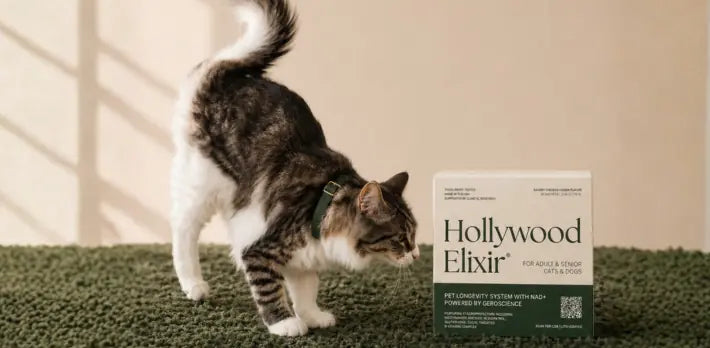
For owners who want a conservative daily support layer, consider a product designed to support multiple systems without acting like a drug. Hollywood Elixir

Create an Urgency Ladder for Breathing and Weakness
When a cat has known heart disease, the household plan should include an urgency ladder. Emergency: open-mouth breathing at rest, collapse, sudden hind-limb pain/weakness, or severe distress. Same-day vet call: resting respiratory rate rising over several days, new refusal to eat, or marked drop in activity with prolonged recovery. Routine follow-up: mild, stable changes that persist for weeks. This structure prevents “wait and see” from becoming a crisis.
This is also where rapamycin safety cats questions belong: inside a plan that already defines what counts as deterioration. If a vet ever prescribes rapamycin for a specific cardiac goal, owners should know which signs mean “stop and call,” which mean “monitor,” and what labs or imaging are scheduled. Safety is not a feeling; it is a monitoring agreement.
A Decision Framework That Protects the Cat First
The decision framework is simple: confirm the problem, match the intervention to evidence in cats, and protect the cat with monitoring. Rapamycin has real scientific interest because mTOR modulation can influence hypertrophy biology, and cat studies in subclinical HCM suggest a potential to slow structural progression in a defined setting (Kaplan, 2023). Outside that setting, the risk-to-clarity ratio worsens quickly, especially when comorbidities are unknown.
Owners do not need to choose between “do nothing” and “try a drug.” The middle path is often best: document symptoms, schedule the right diagnostics, and build a daily routine that supports orderly health. If a cardiologist later recommends a prescription approach, the household will already have the tracking habits that make outcomes clearer and safer.
“Diagnosis first creates leeway for better choices later.”
Educational content only. This material is not a substitute for veterinary advice. Always consult your veterinarian about your dog’s specific needs. These statements have not been evaluated by the Food and Drug Administration. Products mentioned are not intended to diagnose, treat, cure, or prevent any disease.
Glossary
- mTOR - A cellular signaling pathway that influences growth, protein synthesis, and maintenance processes.
- mTOR inhibitor - A drug class that reduces mTOR signaling; rapamycin is a key example.
- Rapamycin (sirolimus) - A prescription immunosuppressant-class drug that inhibits mTOR.
- Hypertrophic cardiomyopathy (HCM) - A feline heart condition where the heart muscle thickens, affecting filling and pressures.
- Subclinical HCM - HCM present on echocardiogram before obvious symptoms appear.
- Left ventricular hypertrophy - Thickening of the left ventricle’s muscle wall, often measured on echocardiogram.
- Echocardiogram - Ultrasound imaging of the heart used to diagnose and stage HCM.
- Resting respiratory rate - Breaths per minute while a cat is asleep; trends can signal worsening heart or lung function.
- Autophagy - A cellular “cleanup” process that recycles damaged components; often discussed in aging biology.
Related Reading
Aging & Senior Cat Guidance
• Cat Age Calculator: Cat Years to Human Years
• Lethargy in Cats
• Senior Cat Not Eating
• Cat Drinking A Lot
• Why Is My Senior Cat Withdrawn?
Healthy Aging Support
• NAD+ for Cats
• NMN for Cats
• Vitamins For Older Cats
• Senior Cat Food
References
Kaplan. Delayed-release rapamycin halts progression of left ventricular hypertrophy in subclinical feline hypertrophic cardiomyopathy: results of the RAPACAT trial. PubMed. 2023. https://pubmed.ncbi.nlm.nih.gov/37495229/
Gaia de Sousa. Clinical-Diagnostic and Therapeutic Advances in Feline Hypertrophic Cardiomyopathy. 2025. https://www.mdpi.com/2306-7381/12/3/289
Szőke. Rapamycin treatment increases survival, autophagy biomarkers and expression of the anti-aging klotho protein in elderly mice. PubMed. 2023. https://pubmed.ncbi.nlm.nih.gov/37190667/
Coleman. Atenolol in cats with subclinical hypertrophic cardiomyopathy: a double-blind, placebo-controlled, randomized clinical trial of effect on quality of life, activity, and cardiac biomarkers. PubMed. 2020. https://pubmed.ncbi.nlm.nih.gov/32707333/
Susi. Clinical therapeutics in feline medicine: updates for old and new drugs. PubMed Central. 2025. https://pmc.ncbi.nlm.nih.gov/articles/PMC12501467/
Arriola Apelo. Intermittent Administration of Rapamycin Extends the Life Span of Female C57BL/6J Mice. PubMed. 2016. https://pubmed.ncbi.nlm.nih.gov/27091134/
Rivas. Multi-Omic, Histopathologic, and Clinicopathologic Effects of Once-Weekly Oral Rapamycin in a Naturally Occurring Feline Model of Hypertrophic Cardiomyopathy: A Pilot Study. PubMed Central. 2023. https://pmc.ncbi.nlm.nih.gov/articles/PMC10603660/
FAQ
What is rapamycin, and why do cat owners mention it?
Rapamycin (sirolimus) is a prescription drug that inhibits mTOR, a signaling pathway involved in growth and cellular maintenance. It is not a general supplement; it is an immunosuppressant-class medication used in clinical medicine for specific reasons.
Cat owners mention it because mTOR biology is tied to aging research and because feline studies have explored it in subclinical hypertrophic cardiomyopathy. That makes it a targeted medical conversation, not a universal longevity routine.
Is rapamycin for cats meant for general longevity?
Not as a default. While mouse research links rapamycin to survival changes and autophagy-related biomarkers, that does not establish a general longevity protocol for cats(Szőke, 2023). In cats, the strongest clinical focus has been subclinical hypertrophic cardiomyopathy, where the question is disease course, not “anti-aging” in the abstract.
For most households, the longevity wins come from earlier detection of common diseases, stable weight, dental care, and pain control. Those steps create more orderly health without prescription-level risk.
How does an mTOR inhibitor relate to feline heart disease?
mTOR signaling influences cell growth and hypertrophy. In feline hypertrophic cardiomyopathy (HCM), the heart muscle can thicken over time, changing filling and pressure dynamics. Because rapamycin inhibits mTOR, it has been studied as a way to influence the biology behind hypertrophy rather than only managing symptoms.
In the RAPACAT trial, delayed-release rapamycin was reported to halt progression of left ventricular hypertrophy in cats with subclinical HCM. That is a specific, diagnosis-dependent rationale—not a reason to use it for any tired older cat.
What do we actually know from cat studies so far?
Cat evidence is still emerging and is most relevant to subclinical HCM. A pilot study evaluated once-weekly oral rapamycin in cats with naturally occurring HCM and looked at multi-omic, histopathologic, and clinicopathologic effects(Rivas, 2023). A larger clinical trial context has also reported structural outcomes in subclinical disease.
What remains uncertain for owners is how these findings translate to long-term outcomes across diverse cats, especially those with multiple comorbidities. That uncertainty is why vet-guided selection and monitoring are central to responsible use.
What are the biggest rapamycin safety cats concerns?
The main concern is that rapamycin is an immunosuppressant-class drug, so adverse effects can include infection-related complications and other immune-linked problems. Safety questions also include how a cat’s kidney function, dental disease, or chronic inflammation might change risk.
Owners should treat any plan involving rapamycin as a monitoring agreement: baseline labs, clear stop-and-call signs, and scheduled rechecks. “Low dose” is not the same as “low risk” when the cat’s baseline health is unknown.
Which cats should not be considered for rapamycin discussions?
Cats with active infections, unexplained weight loss, uncontrolled dental disease, or significant GI illness are poor candidates for casual experimentation, because immune modulation can complicate recovery. Cats without a confirmed diagnosis also should not be placed on a drug plan meant for a specific condition.
A veterinarian can help decide whether the cat’s symptoms are more consistent with pain, endocrine disease, kidney disease, or heart disease. That sorting step is part of safety, not a delay.
Can owners use human rapamycin or online dosing schedules?
No. Using leftover human prescriptions or copying internet dosing is reckless because it bypasses diagnosis, baseline screening, and monitoring. It also raises quality and accuracy risks, especially when products are compounded without clear verification.
Rapamycin is a drug with immunosuppressant-class effects, so errors can have real consequences. If a veterinarian believes rapamycin is appropriate, they will also define what to monitor and when to stop.
How quickly would a cat show changes if rapamycin helped?
In subclinical HCM, the most meaningful endpoints may be structural or biomarker changes rather than a visible “energy boost.” Owners may not see dramatic day-to-day differences, especially if the cat had no obvious symptoms to begin with.
That is why tracking matters: resting respiratory rate trends, play tolerance, appetite consistency, and recovery time can show response patterns more reliably than impressions. Expect the veterinarian to focus on recheck timing and objective measures.
What should owners track week over week at home?
Track resting respiratory rate during sleep, appetite consistency, body weight, play duration before stopping, and recovery time after activity. Add notes about hiding, coughing-like gagging, or any brief weakness episodes. These markers help separate heart-lung urgency from slower issues like pain.
If the cat has diagnosed HCM, also track dates of echocardiograms and medication changes. The goal is to make response patterns visible so the vet can interpret changes with less guesswork.
What side effects should prompt an urgent call to the vet?
Urgent signs include open-mouth breathing at rest, collapse, sudden hind-limb pain or weakness, severe lethargy beyond baseline, or persistent refusal to eat. These can reflect heart emergencies, clot events, or serious systemic illness and should not be watched at home.
For any cat on an immune-modulating drug, new feverish behavior, recurrent infections, or significant GI upset also warrants prompt veterinary guidance. Owners should ask in advance what “stop and call” looks like for their cat.
How is feline HCM usually managed without rapamycin?
Management depends on stage and risk markers. Treatment goals include managing clinical signs, reducing risk of complications, and tailoring therapy to the cat’s specific presentation rather than using one universal approach(Gaia de Sousa, 2025). Some cats remain stable for long periods with monitoring and targeted medications when indicated.
Owners can support management by tracking breathing rate and activity patterns, keeping weight in a healthy range, and minimizing stress during travel or veterinary visits. Consistency helps the care team interpret changes more clearly.
How does rapamycin compare to other studied HCM medications?
Rapamycin is being explored as a disease-modifying approach aimed at hypertrophy biology, while many traditional therapies focus on symptom control or specific physiologic targets. Evidence standards in feline cardiology include randomized, placebo-controlled trials for some interventions.
For example, atenolol has been evaluated in cats with subclinical HCM in a double-blind, placebo-controlled randomized trial with quality-of-life and biomarker outcomes(Coleman, 2020). A veterinarian can explain which endpoint matters for a given cat and why.
Does breed affect whether rapamycin is worth discussing?
Breed can affect HCM risk, but it does not replace diagnostics. A higher-risk breed still needs an echocardiogram to confirm disease stage, and a lower-risk breed can still develop HCM. The decision to discuss rapamycin should be based on what the heart looks like and how the cat is doing clinically.
Owners can help by sharing family history (if known), prior murmurs, and any episodes of fast breathing or collapse. Those details guide whether cardiology referral is the next best step.
Is rapamycin appropriate for kittens or young adult cats?
In general, longevity-driven use in young cats is a poor fit because the risk-to-clarity ratio is unfavorable. Young cats with suspected heart disease should be evaluated for congenital or early-onset cardiomyopathy with proper imaging rather than placed on experimental protocols.
If a specialist ever considers an mTOR inhibitor cats approach in a young animal, it should be tied to a defined diagnosis and a structured monitoring plan. Owners should expect careful screening for infections and other comorbidities first.
What questions should be asked before starting any mTOR drug?
Ask what the target condition is, what evidence exists in cats for that condition, and what endpoints will be used to judge response. Also ask what baseline labs are needed and which signs mean the drug should be paused while the clinic is contacted.
Bring a full list of current medications and supplements. A clear plan reduces turbulence and makes it easier to interpret whether the cat is changing because of the drug, the disease, or something unrelated.
Are there conservative daily supports that fit a longevity plan?
Yes—when “support” means reinforcing normal function rather than trying to act like a drug. A conservative plan usually starts with weight stability, dental scheduling, hydration strategy, and pain assessment, because those factors often drive day-to-day decline.
For owners who want a daily foundational layer, Hollywood Elixir™ is designed to support multi-system aging needs as part of a deliberate routine. It should sit alongside veterinary care, not replace diagnostics or prescriptions.
Can Hollywood Elixir™ be used with a heart monitoring routine?
A heart monitoring routine is mostly about measurement and follow-through: resting respiratory rate trends, appetite consistency, weight, and recovery time after activity. A daily supplement does not replace that structure, but it can fit into it if it does not distract from the data.
If a veterinarian agrees it is appropriate, Hollywood Elixir™ can be part of a daily plan that supports normal cellular maintenance and overall recuperation speed. Keep changes deliberate: add one new element at a time and watch response patterns.
What are cat longevity alternatives to rapamycin that are evidence-aligned?
The most evidence-aligned alternatives are not “replacement drugs.” They are fundamentals that reduce turbulence: maintaining lean body condition, addressing dental disease early, controlling blood pressure when needed, and screening for kidney and thyroid disease as cats age.
For cats with suspected or confirmed HCM, consistent cardiology follow-up and a clear urgency ladder are also longevity tools. These steps create more orderly health without the uncertainty of off-label drug experimentation.
How should owners evaluate supplement quality without chasing miracles?
Look for transparent labeling, consistent manufacturing standards, and a role that makes sense: supporting normal function rather than claiming to treat disease. Avoid products that promise dramatic changes in days, especially for complex conditions like heart disease.
A useful supplement should fit into a deliberate pacing mindset: adjust one thing, observe, then decide on the next step. If the cat is being evaluated for HCM, prioritize diagnostics and tracking over adding multiple new products at once.
Should Hollywood Elixir™ be viewed as an alternative to rapamycin?
No. A supplement and a prescription mTOR inhibitor serve different roles. Rapamycin is a drug discussed for specific medical contexts, while a daily supplement should be framed as foundational support that does not attempt to act like a disease therapy.
If a veterinarian recommends a conservative daily layer, Hollywood Elixir™ can be part of a plan that supports normal aging across multiple systems. It should not be used to delay diagnostics or to justify skipping cardiology monitoring.
When is it urgent to seek care for breathing changes?
Urgent care is warranted for open-mouth breathing at rest, severe distress, collapse, or sudden hind-limb pain/weakness. These patterns can indicate heart failure, clot events, or other emergencies and should not be managed at home.
If breathing is only mildly faster but trending upward over days, call the veterinarian the same day for guidance. Owners can help by providing resting respiratory rate counts and a short video of the breathing pattern.
What is the safest decision framework for rapamycin discussions?
Start with confirmation: what diagnosis is being targeted, and how solid is it (exam, labs, imaging)? Next, match the intervention to cat-specific evidence and endpoints. Finally, define monitoring: what to measure week over week, what rechecks are scheduled, and what signs trigger an urgent call.
This framework keeps rapamycin safety cats concerns in the foreground and prevents internet dosing from filling the gaps. It also clarifies when cat longevity alternatives to rapamycin are the more responsible next step.

Discover LPL-01: How This Fits Into a Larger Feline Longevity System
Aging in cats unfolds quietly. It’s not driven by a single failure, but by gradual shifts across interconnected systems — cellular energy, oxidative balance, immune tone, and tissue integrity — each influencing the others over time.
This article explores one layer of that system. To understand what actually shapes long-term health, you need to step back and look at how these layers interact.
Start with the underlying science:
- Feline Geroscience Framework →
A structured view of how aging progresses across cellular energy, inflammation, and resilience systems. - Senior Biological Defense Coverage (BDC) Modeling →
A systems-level map of which biological pathways decline first, and how layered interventions can support them. - Feline Geroscience Evidence Framework →
A breakdown of what is strongly supported in the literature versus what is still emerging. - LPL-01 Standard →
The formulation system that translates these models into real-world supplementation—covering multiple pathways in a coordinated way.
Essential Summary
Why is rapamycin use in cats important?
Rapamycin matters in cats mainly because it may influence the biology of subclinical hypertrophic cardiomyopathy, not because it is a general “anti-aging” add-on. The safest path is diagnosis first, then a vet-guided plan with monitoring that makes both benefit and risk measurable.
For owners building a conservative daily plan, Hollywood Elixir can be part of a routine that supports normal cellular maintenance, heart-healthy habits, and overall recuperation speed—without trying to act like a prescription drug. It fits best alongside veterinary diagnostics, weight management, and consistent tracking.

Longevity Core
Hollywood Elixir®
★★★★★(313)
More good years, starting now — steady energy, engagement, and a pet who keeps showing up fully, every day.
Starting at $89/mo
Hollywood Elixir is amazing! She put back on 5 lbs to a healthy weight, her eyes are shiny, her coat is beautiful!
— Jessie
She hopped up onto the windowsill again for the first time in years.
— Charlie
Considering longevity planning?
If you're researching longevity, here's what matters most
If the goal is graceful aging, start with the steps that make health more orderly: stable weight, dental planning, pain assessment, and early screening for kidney and thyroid disease. For cats with suspected or confirmed HCM, add resting respiratory rate tracking and a clear urgency ladder for breathing changes. If a veterinarian recommends a conservative daily layer, consider a multi-system formula that supports normal cellular maintenance and recuperation speed without trying to act like a prescription drug. Keep changes deliberate—adjust one thing, observe response patterns, then decide on the next step.
Veterinary Insights

Learn about how our DVMs think about cat aging
Dr. JoAnna Pendergrass DVM


Longevity Core
Hollywood Elixir®
★★★★★(313)
More good years, starting now — steady energy, engagement, and a pet who keeps showing up fully, every day.
Starting at $89/mo
Wellness Tools
Explore your cat’s changing needs over time


Related Reading
The safest way to respond is to treat those changes as clues that need sorting, because the same outward behavior can come from pain, thyroid disease, kidney disease, or early heart disease that stays quiet until it doesn’t.
