The 12 Hallmarks of Aging in Dogs, Explained
Read full insightPoodle Addison's Support
By La Petite Labs Editorial 15 min read
Living with Addison’s disease can make even a well-loved routine feel fragile. Many poodle owners describe the same quiet tension: your dog looks bright, then a small disruption—an upset stomach, a stressful day, a missed meal—seems to carry more weight than it should. Addison’s (hypoadrenocorticism) is defined by insufficient adrenal hormone production, and the cornerstone of care is veterinarian-directed hormone replacement therapy, supported by regular monitoring to keep the body stable. That medical foundation is not optional, and no supplement should be framed as a substitute.
So why do people still look for poodle addison s support? Because once the prescription plan is in place, the day-to-day questions remain: how to protect appetite, keep energy steady, reduce avoidable stress, and support the dog’s overall resilience as they age. The best poodle addison s disease support is often the least dramatic—predictable routines, careful observation, and a supplement approach that is gentle enough to be consistent.
Beyond the prescription, the most useful daily habits are unglamorous: predictable meals, calm transitions, and steady observation. Daily nutrition that lists its actives transparently can support overall resilience as a dog ages — but it does not prevent or treat Addison’s, and your veterinarian leads here. The aim is a durable baseline, not a “fix”: supporting how your dog feels day to day while the medical plan does the central work.
- Addison’s care starts with prescribed hormone replacement and ongoing veterinary oversight; support should never compete with that foundation.
- The most meaningful support often looks like consistency: predictable meals, calm transitions, and fewer avoidable stressors.
- Monitoring is reassurance as much as medicine; stable routines make changes easier to interpret over time.
- “Best supplements” are usually the ones that are gentle, repeatable, and compatible with your dog’s medical plan.
- Avoid products that promise disease outcomes or create new variables like GI upset, appetite swings, or overstimulation.
- System-level support matters because life is not perfectly controlled; resilience helps the “normal days” stay normal.
- The strongest “support” is consistency and vigilance: steady routines, plus prompt veterinary contact whenever something feels off.
A Calm, Coherent Approach to Daily Support for Addisonian Poodles
Addison’s disease can feel like a contradiction: a dog may look “fine” until a small stressor tips the day off balance. For poodles, that uncertainty often becomes the real burden—planning travel, grooming, boarding, even long hikes around medication timing and appetite shifts. The core medical need is clear: dogs with hypoadrenocorticism require veterinarian-directed hormone replacement, and ongoing checks help keep electrolytes and overall stability on track (Lathan P, 2018).
This page focuses on poodle addison s support in the practical sense: what “support” can responsibly mean alongside prescribed therapy, and what it should never replace. The best poodle addison s disease support is usually the kind that reduces avoidable strain—steady routines, hydration awareness, calm transitions, and a supplement strategy that respects the dog’s medical plan rather than competing with it.
The background work matters too: supporting whole-body resilience, healthy aging, and day-to-day vitality when life is not perfectly predictable. Rather than chasing single “Addison’s nutrients,” the goal is to help the body handle normal oxidative wear, metabolic demands, and recovery after ordinary stressors—which can matter for dogs living with a narrower margin for error.
What Is Addison's Disease in Poodles?

Addison’s disease (hypoadrenocorticism) is, at its core, a shortage of adrenal hormones that help regulate everyday balance. In dogs, that imbalance can show up as vague, on-and-off signs—low energy, GI upset, reduced appetite—until it becomes more urgent. The medical cornerstone is hormone replacement therapy, tailored and adjusted over time.
So where does poodle addison s support fit? Think of it as the set of choices that make the medical plan easier to live with: stable routines, careful observation, and supportive nutrition that doesn’t try to “override” the condition. The best support for poodles with addison s disease is often boring in the best way—repeatable, gentle, and consistent.
What helps the broader system is steady and ordinary: maintaining normal cellular function, coping with everyday oxidative wear, and supporting healthy aging. None of that replaces prescribed therapy—it simply makes the medical plan easier to live with.
Why Poodles Often Need Extra Thoughtfulness Around Stress and Routine
Poodles are often described as sensitive, and many owners recognize it as a real pattern: they notice changes quickly, and they can be affected by schedule shifts, travel, and environmental intensity. With Addison’s in the picture, that sensitivity can feel amplified, because the body’s stress-response hormones are part of what’s being medically managed.
That doesn’t mean life must shrink. It means the support plan should be designed for continuity. Keep meals predictable, avoid abrupt diet changes, and treat “big days” as events that deserve a calmer lead-in and a quieter follow-up. This is a practical form of support for poodles with addison s disease—less about heroics, more about reducing friction.
This mindset rewards daily constancy: predictable meals, calm handling, and steady routines so your dog’s baseline feels more reliable across the ordinary ups and downs.
How Do I Monitor a Dog With Addison's at Home?
Monitoring is not just a medical chore; it’s a form of reassurance. Regular electrolyte checks are commonly emphasized in Addison’s management, because they help confirm that therapy is keeping the body in a safe range. For owners, those numbers can also reduce the mental load—less guessing, more clarity.
At home, monitoring can be simpler than people expect. Notice water intake, appetite consistency, stool changes, and unusual lethargy. If something feels “off,” it’s worth calling sooner rather than later, because Addison’s can move from subtle to serious faster than many conditions.
Any supplement’s role here is supportive, not diagnostic. What actually helps you read your dog is consistency—stable routines make it easier to distinguish a truly abnormal day from normal variation.
Medication Adjustments and Why Support Should Never Compete
Glucocorticoid management is one of the areas where precision matters. Research and clinical practice emphasize that prednisolone dosing may need adjustment over time, and monitoring tools like ACTH measurement can influence safer, more effective dosing decisions (Zeugswetter FK, 2018). That’s why any “support” plan should be designed to be compatible with veterinary adjustments, not to mask them.
If you’re considering the best poodle addison s disease support, prioritize stability: avoid frequent supplement switching, avoid products that cause appetite swings, and keep a consistent daily rhythm. When the baseline is stable, your veterinarian can interpret symptoms and lab trends with more confidence.
Whatever you add should sit quietly in the background—supporting the broader routine without trying to “steer” hormone dosing, which remains your veterinarian’s call.
“The best support is often the least dramatic: fewer variables, steadier routines, clearer days.”
Appetite, Digestion, and the Emotional Weight of “off” Days
Appetite can be one of the most emotionally charged parts of living with Addison’s. A poodle who normally eats with enthusiasm may become hesitant, and owners can feel caught between worry and over-correction. Because Addison’s is managed through hormone replacement, appetite changes should be discussed in context—especially if they’re new, persistent, or paired with vomiting or diarrhea.
Support can be gentle: keep meals simple, warm food slightly for aroma, and avoid constant “topping” that trains pickiness. If your veterinarian recommends a specific diet, stick with it long enough to evaluate it fairly. Consistency is often more helpful than novelty.
The aim is for your dog to feel more like themselves without turning every meal into a negotiation—steady, simple feeding usually does more than novelty here.
Energy and Pacing: Building a Life That Doesn’t Swing Too Hard
Energy is often misunderstood in Addison’s. A “good” day can look normal, while a “bad” day can look like a dog who simply doesn’t want to engage. Because the underlying condition involves insufficient adrenal hormones, the medical plan is what restores the body’s ability to maintain balance.
Support for poodles with addison s disease can focus on pacing. Keep exercise regular but moderate, avoid sudden spikes in intensity, and build in recovery. For many poodles, mental enrichment (sniff walks, simple training games) provides satisfaction without the same physical demand as high-intensity play.
The goal is steadier energy patterns rather than short-lived boosts—regular, moderate activity and built-in recovery do more for day-to-day vitality than chasing peaks.
Travel and Boarding with Fewer Surprises and Better Continuity
Travel and boarding are common stress tests for Addison’s routines. The most protective move is planning: bring medications in original containers, keep dosing times consistent, and communicate clearly with caregivers. Because ongoing monitoring is part of responsible Addison’s care, it’s also wise to know where you’d go for urgent evaluation if something changes while you’re away.
If your dog is sensitive to schedule shifts, consider a “practice run” with a short stay or a day visit. Familiarity reduces stress, and stress reduction is a meaningful form of support. Pack the same food, the same bowl, and a familiar blanket to keep cues consistent.
Routines that travel well are the ones you can keep steady even when the environment changes—same food, same timing, same low-key handling—so your dog has fewer new variables to absorb.
What “Best Supplements” Usually Means in Real-world Addison’s Care
Owners often ask about “the best supplements for poodles with addison s” as if there’s a single correct answer. In reality, the best poodle addison s disease support is individualized: it depends on age, appetite, GI sensitivity, activity level, and how stable the medical management has been. The goal is to support the dog’s whole system, not to chase a single symptom.
A reasonable supplement plan is one you can maintain, one that doesn’t create new problems, and one your veterinarian can comfortably evaluate alongside labs and clinical signs. If a product makes your dog nauseated, restless, or unusually thirsty, it’s not “working through an adjustment”—it’s a signal to pause and reassess.
A calm, consistent daily routine is what most owners are really after—one that supports the dog as a whole without anything pretending to act like a hormone substitute.
Choosing Supplements That Fit Medical Routines Without Adding Noise
When people search for poodle addison s disease supplements, they often mean “something that makes episodes less likely.” It helps to separate hopes from what’s appropriate. Addison’s is defined by insufficient adrenal hormone production, and treatment is based on replacing what the body cannot reliably make (Lathan P, 2018). Supplements are not substitutes for that foundation.
Still, poodle addison s support options can include supplements that aim at general resilience: healthy appetite cues, normal energy metabolism, and cellular maintenance over time. The best supplements for poodles with addison s are typically the ones that are gentle, consistent, and compatible with a medically managed routine—without stimulating “peaks and crashes” or adding unnecessary complexity.
That second question is the useful one: how to support the dog you’re caring for, in the life they actually live, rather than targeting a single lab value—while veterinary care stays at the center.
“A supplement should make the picture cleaner, not noisier—especially in medically managed dogs.”
DVM Voice: Clinical Vignette of a Common Pattern in Senior Dog Aging
Case provided by JoAnna Pendergrass, DVM
Rex, a 7-year-old Labrador Retriever, was brought in after his owner noticed he was slower to rise, hesitant on stairs, and less able to play as before. Examination showed stiffness and reduced hip mobility; radiographs confirmed degenerative joint changes.
His care required weight management, veterinary-guided pain control, nutritional support, and rehabilitation — a comprehensive plan, but one started only after visible decline appeared.
Clinical takeaway: Rex’s case reflects the value of proactive aging support: maintaining lean body condition, monitoring mobility early, and supporting cellular resilience, antioxidant defense, and healthy inflammatory balance before decline becomes obvious.
Single-case vignette. Not generalizable. Veterinary oversight is essential for pain, stiffness, or suspected joint disease.
Quality Signals in Support Products for Sensitive, Medically Managed Dogs
Quality matters more when a dog’s routine is already medically precise. Look for clear labeling, consistent sourcing, and a formula that doesn’t rely on a long list of stimulatory botanicals. For support for poodles with addison s disease, “more ingredients” is not automatically “more support.”
Also consider practicality: can you give it every day, at roughly the same time, without upsetting the stomach or disrupting meals? The best poodle addison s disease support products are the ones that fit into real life—especially on travel days, grooming days, and days when appetite is selective.
Quiet consistency is the real goal: something you can give every day without micromanaging a new protocol, and that never competes with the central role of prescribed hormone replacement.
Stressful Days, Quiet Planning, and the Value of Predictable Recovery
Stress is a broad word, but for Addisonian dogs it has a sharper edge. A boarding stay, a long car ride, a new household schedule, or even a noisy holiday can shift appetite, sleep, and hydration. Medical management often includes adjusting glucocorticoid dosing under veterinary guidance, and monitoring can help keep therapy safe and effective over time (Zeugswetter FK, 2018).
Support, then, is partly about reducing “avoidable stress.” Keep routines predictable, introduce changes gradually, and treat recovery days as part of the plan. Many owners find it helpful to keep a simple log: appetite, stool quality, energy, and any unusual panting or restlessness. Patterns are easier to see on paper than in memory.
The steadying backdrop is the routine itself—predictable meals, gradual changes, and recovery days—so normal life holds together even when the calendar gets messy, complementing the medical plan rather than complicating it.
Hydration and Electrolyte Awareness Without Risky DIY Shortcuts
Electrolytes are often where Addison’s becomes visible, especially when a dog is under-treated, ill, or dehydrated. Regular monitoring is a standard part of responsible care, because electrolyte shifts can become serious quickly (Lathan P, 2018). That’s also why “DIY electrolyte” approaches can be risky—too much confidence, not enough measurement.
For day-to-day living, the most useful support is usually simple: reliable access to water, attention to hydration after exercise, and a feeding plan that keeps meals appealing and consistent. If your veterinarian recommends a specific diet approach, treat it as part of the medical plan, not a lifestyle preference.
No supplement should be treated as an electrolyte fix—that’s measured and managed medically. The broader aim is simpler: a steady baseline, built from reliable hydration and consistent feeding, so the “normal days” feel more reliably normal.
Grooming, Travel, and Other Poodle-specific Stressors to Plan Around
Grooming is a uniquely poodle-specific stressor: long appointments, standing still, unfamiliar handling, and sometimes heat. If your dog has Addison’s, plan grooming as you would any demanding day—calm lead-up, normal meals, and a quieter schedule afterward. If your veterinarian has provided stress-dose guidance for certain events, follow that plan rather than improvising (Lathan P, 2018).
Small environmental choices can reduce load: book the first appointment of the day, ask for breaks, and choose a groomer who is comfortable working with medically managed dogs. Many owners also find that shorter, more frequent grooms are easier than marathon sessions.
In that context, support looks like consistency: a calm daily routine that doesn’t add stimulation, steady enough to hold across ordinary stressors like grooming and travel.
Comparing Support Options by What Your Dog Actually Struggles With
If you’re comparing poodle addison s support options, it helps to define what you’re optimizing for. Some owners want steadier energy; others want better appetite reliability; others want a calmer “recovery” after busy days. The best support for poodles with addison s disease is usually the one that matches your dog’s pattern, not a generic checklist.
A thoughtful approach is to change one thing at a time and give it enough time to be meaningful. That’s especially true when a dog is also having medication adjustments and periodic lab work. When multiple variables change at once, it becomes hard to know what helped, what didn’t, and what simply coincided with a good week.
Whatever you choose fits best as a stable, “always-on” habit: not a rescue measure, not a replacement for hormone therapy, but a consistent routine that can make the baseline feel more durable over time.
Safety, Tolerability, and Vet Alignment When Adding Any New Product
Safety is mostly about avoiding surprises. Addison’s management already depends on careful dosing and monitoring, and treatment typically involves hormone replacement tailored to the individual dog (Lathan P, 2018). When adding any supplement, the goal is to avoid anything that could confuse the picture—sudden GI upset, appetite disruption, or an ingredient profile that makes it hard to interpret changes.
Bring your supplement label to your veterinarian, especially if your dog has had prior Addisonian crises, concurrent kidney or GI issues, or is on multiple medications. Ask a practical question: “Is there any reason this would interfere with our monitoring or with how my dog feels day to day?”
Any gentle daily addition should be exactly that—nothing that alters prescribed dosing, and best kept as a consistent part of the routine so any changes in your dog remain easier to interpret.
What Progress Looks Like When the Goal Is a Steadier Baseline
Results are often subtle when you’re doing things well. With Addison’s, the “win” is frequently the absence of drama: normal stools, steady appetite, predictable energy, and fewer days that feel slightly off. Because medical therapy and monitoring are central, improvements should be interpreted alongside your veterinarian’s plan rather than as proof that a supplement is “treating” the disease (Lathan P, 2018).
If you start a new product, give it a fair window and keep notes. Look for changes that matter in real life: willingness to eat breakfast, smoother recovery after activity, coat and skin steadiness, and overall demeanor. If anything worsens, stop and discuss with your veterinarian.
Think of all of this as a long game—steady routines and attentive monitoring that help your dog’s baseline stay more resilient across the years, rather than any single product doing the work.
Why System-level Vitality Support Still Matters Alongside Prescriptions
A science-minded owner doesn’t want promises; they want coherence. Addison’s is managed with hormone replacement and ongoing monitoring, and that remains non-negotiable (Zeugswetter FK, 2018). The remaining question is what you can do, day after day, to support the dog who lives inside that diagnosis.
That’s where a system-level approach can make sense. Instead of chasing “Addison’s fixes,” you support the foundations that influence how a dog feels: cellular maintenance, normal energy production, and resilience during ordinary stress. This is the space where many owners find the best poodle addison s disease support—quiet improvements in the texture of daily life.
Serving that role means showing up consistently: small, repeatable choices that complement veterinary care and invest in the long horizon—more steady days, fewer fragile ones, and a routine that feels sustainable.
“System-level vitality is a long-game choice: supporting the dog you live with every day.”
Educational content only. This material is not a substitute for veterinary advice. Always consult your veterinarian about your dog’s specific needs. These statements have not been evaluated by the Food and Drug Administration. Products mentioned are not intended to diagnose, treat, cure, or prevent any disease.
Glossary
- Addison’s Disease (Hypoadrenocorticism): A condition where the adrenal glands don’t produce enough hormones needed for normal balance.
- Hormone Replacement Therapy: Veterinarian-prescribed medications that replace missing adrenal hormones as the core of Addison’s management.
- Electrolytes: Minerals in the blood (like sodium and potassium) that influence hydration, nerve function, and heart rhythm; commonly monitored in Addison’s.
- Glucocorticoid: A class of steroid hormones involved in stress response and metabolism; often replaced in Addisonian dogs under veterinary guidance.
- Prednisolone: A commonly used glucocorticoid medication that may be adjusted over time as part of Addison’s care.
- ACTH: A hormone involved in adrenal signaling; sometimes measured to help evaluate and fine-tune therapy decisions.
- Addisonian Crisis: A serious, urgent episode that can involve collapse, severe weakness, or significant GI signs; requires immediate veterinary care.
- System-Level Support: A supplement approach aimed at whole-body vitality and healthy aging rather than targeting a single symptom or lab value.
- Routine Stability: Keeping meals, exercise, and medication timing consistent to reduce day-to-day variability in medically managed dogs.
Related Reading
Aging & Senior Dog Guidance
• Dog Age Calculator
• Dog Dementia
• Lethargy in Dogs
• My Dog Won't Eat
• Dog Pacing At Night
• Dog Licking Paws
• Can Dogs Dehydrate
Healthy Aging Support
• NAD+ for Dogs
• NMN for Dogs
• Antioxidants Supplements for Dogs
• Best Senior Dog Supplements & Vitamins
• Rapamycin for Dogs
References
Lathan P. Management of hypoadrenocorticism (Addison's disease) in dogs. PubMed. 2018. https://pubmed.ncbi.nlm.nih.gov/30050862/
Zeugswetter FK. Prednisolone dosages in Addisonian dogs after integration of ACTH measurement into treatment surveillance. PubMed. 2018. https://pubmed.ncbi.nlm.nih.gov/29727896/
FAQ
What does poodle addison s support realistically include day to day?
Realistic poodle addison s support means protecting the medical plan with steady routines: consistent medication timing, predictable meals, hydration awareness, and quick attention to unusual lethargy or GI upset. Addison’s is typically managed with hormone replacement and ongoing monitoring, so “support” should complement—not replace—those essentials.
Why is routine so important for dogs with Addison’s disease?
Routine reduces the number of variables that can push an Addisonian dog into a rough day: missed meals, dehydration, sudden exertion, or stressful schedule changes. Because treatment generally relies on hormone replacement, stability helps your veterinarian interpret symptoms and lab trends with more confidence.
Can supplements replace hormone therapy for Addison’s in poodles?
No. Addison’s disease involves insufficient adrenal hormone production, and standard care typically requires veterinarian-directed hormone replacement therapy. Supplements cannot substitute for that role, and relying on them instead can delay appropriate treatment. Where supplements may fit is as supportive care for overall resilience and healthy aging, used alongside prescribed therapy—an approach aligned with a disclosed aging-support formula.
What are quality signals in poodle addison s disease supplements?
Look for transparent labeling, consistent sourcing, and a formula that prioritizes tolerability. For medically managed dogs, the best poodle addison s disease support products are often the ones that avoid unnecessary stimulants and don’t create new GI or appetite variables.
How should I introduce a new supplement to an Addisonian poodle?
Introduce one change at a time and keep everything else steady for a couple of weeks, unless your veterinarian advises otherwise. Track appetite, stool, energy, and water intake so you can spot patterns. Because Addison’s management depends on monitoring and tailored therapy, clean observations matter.
Are there side effects to watch for with new supplements?
Yes—mainly GI upset (vomiting, diarrhea), appetite changes, restlessness, or unusual thirst. In an Addisonian dog, those signs deserve attention because they can overlap with illness or an unstable day. If symptoms are persistent or severe, stop the new product and contact your veterinarian promptly.
Do supplements interact with prednisolone or other Addison’s medications?
They can, depending on ingredients and your dog’s overall health. Because prednisolone dosing may be adjusted over time and monitoring can guide safer therapy, it’s wise to share any supplement label with your veterinarian before starting.
How long until I notice benefits from supportive daily supplements?
For general vitality support, changes are often gradual—think steadier energy, smoother recovery after busy days, or a more consistent appetite. Because Addison’s itself is managed through hormone replacement and monitoring, improvements should be viewed as quality-of-life support rather than disease control.
Is poodle addison s support different for puppies versus seniors?
The medical foundation is the same, but the support priorities can differ. Younger dogs may need help maintaining steady routines through training, travel, and growth, while seniors may benefit from broader healthy-aging support and gentler pacing. In all ages, Addison’s care typically centers on hormone replacement and monitoring.
What should I tell my groomer about my poodle’s Addison’s?
Tell them your dog is medically managed for Addison’s and does best with calm handling, breaks, and avoiding overheating. Schedule shorter sessions if needed and keep the day otherwise quiet. If your veterinarian has specific instructions for stressful events, follow that plan rather than improvising.
What are signs my Addison’s dog needs a vet call?
Call your veterinarian for repeated vomiting or diarrhea, marked lethargy, collapse, refusal to eat, or sudden weakness—especially if it’s out of character. Addison’s can shift quickly, and electrolyte changes are one reason monitoring is emphasized in ongoing care.
Are electrolyte supplements a good idea for Addisonian poodles?
Only with veterinary direction. Addison’s management often includes regular electrolyte monitoring, and adding electrolyte products without guidance can complicate the picture or create imbalance. For most dogs, hydration habits and consistent diet are safer first steps than DIY electrolyte dosing.
What makes the best poodle addison s disease support overall?
The best poodle addison s disease support is usually a combination: reliable medication routines, regular rechecks, and a lifestyle that avoids sharp swings in stress, diet, and exertion. Addison’s is typically managed with hormone replacement therapy, so the “best” plan is the one that stays consistent and observable over time.
How do I choose between different poodle addison s support options?
Choose based on what you can keep steady and what your veterinarian can evaluate easily. Favor options that don’t introduce appetite swings, GI upset, or overstimulation. Because Addison’s care relies on ongoing monitoring, simplicity often improves decision-making.
Can cats use the same Addison’s support supplements as dogs?
Not automatically. Species differences in metabolism and ingredient tolerance matter, and a product appropriate for dogs may not be appropriate for cats. If you’re managing Addison’s or another endocrine condition in any pet, confirm suitability with your veterinarian before adding supplements.
Should I change my poodle’s diet after an Addison’s diagnosis?
Only with a clear reason and veterinary input. Sudden diet changes can create GI variability that’s hard to distinguish from an unstable day. Since Addison’s management typically includes hormone replacement and monitoring, keeping food consistent can make trends easier to interpret.
Is daily use of supplements safe for long-term Addison’s management?
Daily use can be appropriate when the product is well-tolerated and your veterinarian is aware of it. The key is consistency and watchfulness: if a supplement changes appetite, stool, or behavior, it can complicate monitoring. Addison’s care already depends on tailored therapy and rechecks, so keep additions simple.
What’s a simple decision framework for best support for poodles with addison s disease?
Start with three questions: Is the medical plan stable? Can I keep this addition consistent for weeks? Will it make changes easier or harder to interpret? Because Addison’s is managed with hormone replacement and monitoring, the best support for poodles with addison s disease is often the option that adds stability, not complexity.
What does research say about monitoring in Addisonian dogs?
Monitoring is central to safe management. Electrolyte checks are commonly emphasized, and research also discusses how ACTH measurement can influence prednisolone dosing decisions over time. The takeaway for owners is practical: stable routines and clear records make monitoring more meaningful.
How can I support my poodle during travel or boarding?
Keep medication timing consistent, pack the same food, and share written instructions with caregivers. Identify an emergency clinic near your destination and avoid stacking stressful activities on the same day. Since Addison’s management includes ongoing monitoring and tailored therapy, planning reduces avoidable risk.
Which poodle addison s disease support products are easiest to use daily?
The easiest products are the ones that don’t require complicated cycling, frequent switching, or special preparation. For Addisonian dogs, simplicity supports better observation and steadier routines, which matters because treatment is managed through tailored hormone replacement and monitoring.
Discover LPL-01: How This Fits Into a Larger Canine Longevity System
Aging in dogs is not driven by a single pathway. It’s the result of interacting biological systems—energy metabolism, oxidative stress, immune signaling, and structural integrity—changing over time.
This article explores one piece of that puzzle. If you want to understand how these pieces connect—and what actually moves the needle—you need to zoom out.
Start with the underlying science:
- Canine Geroscience Framework →
A structured view of how aging progresses across cellular energy, inflammation, and resilience systems. - Senior Biological Defense Coverage (BDC) Modeling →
A systems-level map of which biological pathways decline first, and how layered interventions can support them. - 2026 Market Research: Best Dog Longevity Supplements →
A 2026 industry report and review of leading senior-dog and cellular-aging formulas. - LPL-01 Standard →
The formulation system that translates these models into real-world supplementation—covering multiple pathways in a coordinated way.
Essential Summary
Why is poodle addison s support important?
Poodle addison s support is most effective when it complements veterinary hormone replacement, steady routines, and regular monitoring. The goal is not to replace prescribed therapy, but to support whole-body resilience—energy, appetite steadiness, and recovery from everyday stress. A system-level supplement can help keep the baseline durable across seasons and life stages.
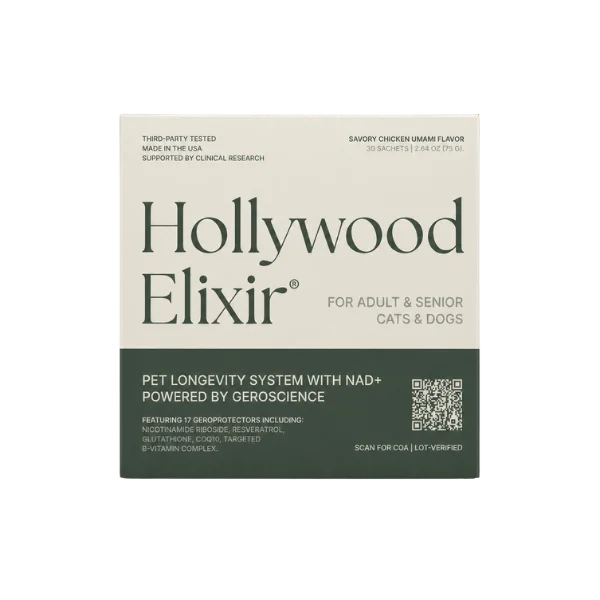
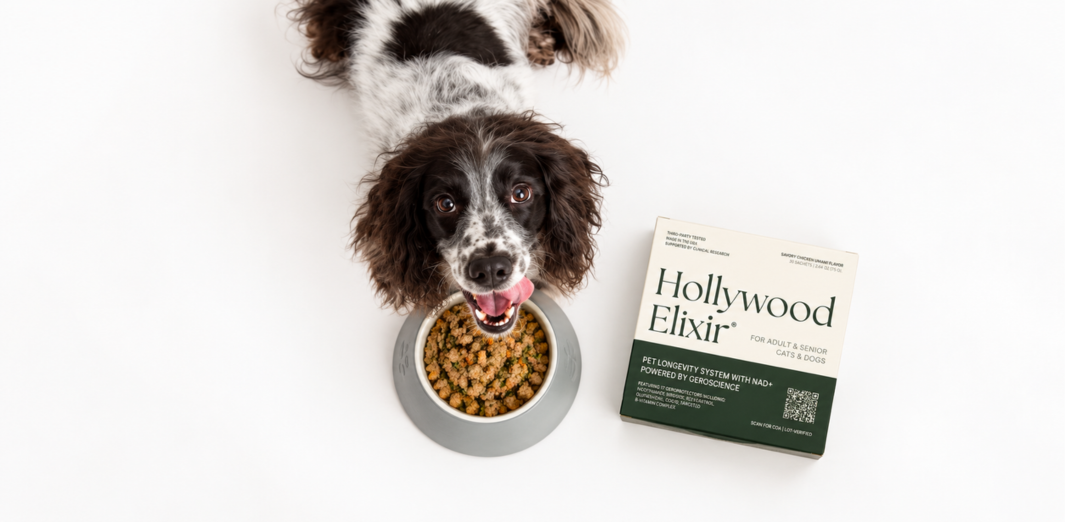
Hollywood Elixir is a daily, system-level vitality formula designed to support healthy aging and overall resilience—an elegant fit for owners seeking steady support alongside a veterinarian-managed Addison’s plan.
Hollywood Elixir®
Starting at $89/mo
Hollywood Elixir is amazing! She put back on 5 lbs to a healthy weight, her eyes are shiny, her coat is beautiful!
— Jessie
We go on runs. Lately he's been keeping up with no problem!
— Cami
Concerned about Addison’s support for Poodles?
If you’re looking for Addison’s support in Poodles
If you’re building poodle addison s support around a veterinarian-managed plan, aim for additions that reduce volatility rather than chase quick changes. Keep medication timing consistent, avoid frequent diet shifts, and track appetite, stool, and energy so patterns are visible. Because Addison’s care depends on replacement therapy and monitoring, the best poodle addison s disease support products are typically gentle, repeatable, and easy to evaluate over time.
For owners who want one daily, system-level layer that supports whole-body vitality and healthy aging—without trying to act like a hormone substitute—Hollywood Elixir is designed to fit calmly into that routine.
Learn about how our DVMs think about dog aging
Dr. JoAnna Pendergrass DVM
Hollywood Elixir®
Starting at $89/mo
Explore your dog’s changing needs over time
Related Reading
Living with Addison’s disease can make even a well-loved routine feel fragile. Many poodle owners describe the same quiet tension: your dog looks bright, then a small disruption—an upset stomach, a stressful day, a missed meal—seems to carry more weight than it should.