Mineral Cofactors for Cats

Identify Zinc-Related Coat Changes and Correct Them with Safer Dosing

Essential Summary

Why are mineral cofactors important for cats?

Mineral cofactors help the body maintain the visible details owners care about: comfortable skin, a smooth coat, and strong nails. Zinc is a standout for coat and skin upkeep, but it works best in balance with other minerals. Because diets vary, a carefully designed beauty supplement can support consistent, noticeable condition without chasing extremes.

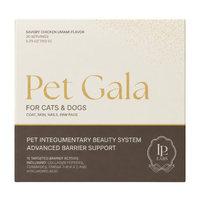
Pet Gala™ is designed for owners who want everyday visible polish—coat shine, comfortable skin, and clean, strong nails—without treating minerals as a single-ingredient fix. It supports the “finished” look that reassures you your cat is well cared for, while fitting smoothly into a consistent grooming-and-feeding routine.

When a cat looks unmistakably well cared for, it’s rarely one thing. It’s the way the coat reflects light after a brush, the way the fur feels clean and soft when you pet against the grain, and the quiet absence of irritation—no persistent scratching, no flaky “dust” on dark furniture. Those are visible signals, and they’re often what prompt owners to search for mineral cofactors for cats rather than another shampoo or a new brush.

Mineral cofactors are nutrients that help the body do normal work that shows up on the outside: maintaining skin barrier function, supporting hair and nail structure, and keeping the coat’s texture consistent. Zinc is a central character in that story, but it’s not a solo act—copper and iron matter too, and minerals can interact in ways that make “more” a risky strategy. Meanwhile, real-world feeding isn’t perfectly controlled. Commercial foods can vary in essential mineral concentrations, and home-prepared diets can be inconsistent unless carefully formulated.

So why would a careful, science-minded owner still choose a beauty supplement if the diet is already decent? Because “adequate” isn’t the same as consistently polished. A well-designed product supports the day-to-day finish—skin, coat, and nails together—without turning your routine into a high-dose experiment. It’s care that begins beneath the surface and shows where it matters: in the look you’re proud of and the comfort your cat seems to feel.

By La Petite Labs Editorial, ~15 min read

Featured Product:

  • Mineral cofactors are support players for the visible details: sheen, softness, and a coat that lies neatly.
  • Zinc is closely associated with normal skin and coat upkeep, but it performs best as part of a balanced mineral picture.
  • Even complete diets can differ in mineral levels, which can show up as “fine” versus truly radiant presentation.
  • Home-prepared feeding needs extra precision; minerals are the easiest place for good intentions to drift.
  • Avoid stacking multiple mineral products; interactions can matter, and more is not automatically better.
  • For cats with kidney disease or other chronic issues, mineral choices should be veterinarian-guided.
  • A beauty-focused supplement stays relevant even with a good diet by supporting consistent, noticeable finish—skin, coat, and nails together.

Mineral Support That Shows up in Coat Shine and Comfort

Mineral cofactors are the quiet partners behind the visible parts of feline beauty: a coat that lies smooth, skin that looks comfortable, and nails that feel clean and strong. In cats, zinc is one of the most discussed because it’s closely tied to normal skin and coat maintenance, and because real-world diets can vary in mineral content from brand to brand and recipe to recipe (Summers S, 2022). When mineral inputs wobble, the first “signals” owners often notice are cosmetic: dullness, brittle feel, or a coat that won’t settle even after grooming.

This is why mineral cofactors for cats health is less about chasing a single number and more about supporting the whole presentation—skin, coat, and nails working together. A thoughtful approach also respects that cats are not small dogs; their dietary patterns and nutrient expectations are distinct (Sun M, 2024).

Scientific beauty render emphasizing skin and coat support from best mineral cofactors for cats.

What Mineral Cofactors Mean for Cats’ Skin, Coat, and Nails

In practical terms, mineral cofactors for cats nutrition are trace and macro minerals that help enzymes and structural proteins do their normal work. For skin and coat, that includes supporting keratin formation, normal turnover of skin cells, and the “finish” of the hair shaft that affects shine and softness (RVA, 2021). Zinc gets the spotlight, but it performs best in a balanced cast that includes copper and iron, because minerals can influence each other’s absorption and utilization (Alborough R, 2020).

Owners often search for the best mineral cofactors for cats when they notice dullness, flaky skin, or a coat that looks tired despite good grooming. Those signs don’t automatically mean deficiency, but they do justify a closer look at diet consistency, life stage, and whether a targeted beauty supplement makes sense.

Collagen structure visualization representing skin elasticity supported by mineral cofactors for cats nutrition.

Why Zinc Gets the Spotlight in Feline Beauty Conversations

Zinc is commonly associated with normal skin integrity and coat quality because it supports processes involved in keratinization and healthy skin barrier function (RVA, 2021). When zinc status is not ideal, the “signal” can be a coat that loses its crispness—less luster, more breakage, and a texture that feels dry at the ends. Nails may also feel weaker or more prone to splitting, which owners notice during play or when trimming.

Still, zinc is not a solo solution. If you add zinc without considering the rest of the mineral picture, you can unintentionally crowd out copper, since these minerals can interact (Alborough R, 2020). For visible care, balance is the point: the goal is a coat that looks even and well-kept, not a single nutrient pushed to extremes.

Beauty formulation visualization tied to support mechanisms in mineral cofactors supplement for cats.

Diet Variability: Why Two “Complete” Foods Can Look Different

Diet is the foundation, but it isn’t always uniform. Commercial cat foods can contain varying concentrations of essential minerals, including zinc, copper, and iron (Summers S, 2022). Two foods can both be “complete,” yet differ in how they deliver minerals across batches, flavors, or formats. That variability helps explain why some cats look spectacular on one formula and merely fine on another.

Cats also have species-specific nutritional expectations shaped by their natural prey-based pattern (Sun M, 2024). When owners rotate foods, mix toppers, or rely heavily on treats, the overall mineral profile can drift. Mineral cofactors for cats health is about keeping that profile steady enough that the coat stays glossy and the skin stays comfortable.

Dog image representing beauty care routines supported by mineral cofactors for cats nutrition.

Home Cooking and Mineral Gaps: Where Good Intentions Drift

Home-prepared diets deserve extra caution. Studies note that home-prepared cat diets may lack essential minerals, and mineral concentrations can vary significantly from recipe to recipe (Pedrinelli V, 2019). Even well-intentioned cooking can miss trace minerals that matter for coat texture and skin appearance. Another concern is safety: heavy metals have been detected in some home-prepared diets, which is a reminder that sourcing and formulation matter (Pedrinelli V, 2019).

If you’re committed to home-prepared feeding, treat mineral planning as non-negotiable. A veterinary nutritionist can help you choose an appropriate premix and avoid accidental imbalances. In this context, mineral cofactors supplements for cats should be selected for precision and quality, not for “more ingredients.”

The scratching is completely gone, his coat looks healthy and shiny!

— Lena

He was struggling with itching, now he's glowing.

— Grace

“The goal isn’t maximum minerals—it’s a coat that looks consistently, unmistakably well cared for.”

Balance over Boosting: Mineral Interactions Owners Should Respect

Minerals don’t behave like isolated add-ons. Zinc, copper, and iron are all essential, and they play crucial roles in biological functions in cats. But they can also compete: increasing one can affect the absorption or status of another, especially when supplements are layered without a plan. For owners, the takeaway is simple: the best mineral cofactors supplement for cats is the one that respects balance.

If your cat already eats a complete commercial diet, adding a high-dose single mineral “just in case” is rarely the most elegant choice. Instead, look for a formulation designed around visible outcomes—coat sheen, comfortable skin, and strong nails—while staying within sensible, veterinarian-aligned boundaries.

Dog image reflecting coat health and beauty supported by mineral cofactors for cats nutrition.

Safety First: When Minerals Need Veterinary Oversight

Safety is about context. A cat’s life stage, overall diet, and medical conditions change what “appropriate” looks like. For example, cats with chronic kidney disease may accumulate certain mineral elements in the kidneys, and monitoring mineral levels is part of management (Alborough R, 2020). That’s why any mineral cofactors supplement for cats should be discussed with a veterinarian when kidney disease is present or suspected.

For healthy cats, the most common avoidable issue is stacking: a fortified food plus multiple supplements plus treats with added minerals. If you want visible improvement without unnecessary risk, choose one well-designed product, use it consistently, and reassess coat and skin signals rather than escalating doses.

Dog portrait from the side highlighting beauty supported by mineral cofactors supplement for cats.

Choosing a Supplement Built for Visible, Everyday Finish

What should you look for in a mineral-focused beauty supplement? First, it should be built for cats, not “pets in general,” because feline needs and tolerances differ (Sun M, 2024). Second, it should prioritize forms and amounts that support normal skin barrier function and keratin structures without creating mineral crowding (RVA, 2021). Third, it should come from a manufacturer that can speak to testing and quality controls (Zheng, 2014).

Owners searching for the best mineral cofactors supplements for cats are usually chasing a specific look: softer fur, brighter sheen, and a coat that feels freshly groomed longer. The right product supports that look as a daily baseline, not as a short-lived “boost.”

Product overview visual highlighting formulation integrity aligned with best mineral cofactors supplements for cats.

Timeline and Expectations: When Shine and Softness Typically Appear

Timeline matters because hair grows on its own schedule. Some owners notice early changes in feel—less dryness, smoother brushing—while shine and density often take longer as new hair cycles in. If your cat’s diet has been inconsistent, simply stabilizing the mineral profile can improve the “evenness” of the coat’s appearance, since commercial foods vary in mineral concentrations.

If you see no improvement, don’t assume the answer is more minerals. Consider parasites, allergies, grooming tools, and stress, all of which can change coat quality quickly (Fahey, 2024). A supplement should refine a good routine, not compensate for an unresolved problem.

Home-prepared Diets: Precision Matters for Visible Results

If your cat is on a home-prepared diet, mineral consistency is the hardest part to “eyeball.” Recipes can vary widely, and essential minerals may be low even when the food looks wholesome (Pedrinelli V, 2019). For coat and skin, that variability can show up as uneven shine, a rougher feel along the back, or nails that snag more easily. The goal isn’t to turn meals into a chemistry project—it’s to keep the visible results steady.

Work with a veterinarian or veterinary nutritionist to review the full recipe, including any premix. If you choose mineral cofactors supplements for cats, pick products that complement the diet rather than compete with it, and avoid stacking multiple mineral products at once. A beauty-forward option can support the daily “finish” you want to see without turning supplementation into a patchwork.

“Zinc matters, but balance is what keeps the result looking intentional.”

Research-style uniform highlighting scientific integrity aligned with best mineral cofactors for cats.

Weight Management Without Losing the Polished Look

Weight-loss plans can change more than calories. When intake is restricted, cats may fall short on certain nutrients if the plan isn’t carefully formulated, which is why monitoring vitamins and amino acids is emphasized during energy restriction (Grant CE, 2020). Minerals can be part of that bigger picture, especially when the goal is to keep your cat looking polished while the scale changes.

If your cat is dieting, ask your veterinarian whether the chosen food is designed for restriction and whether any add-ons are appropriate. A mineral cofactors supplement for cats should never be used to “make up” for an unbalanced plan; it should support visible condition while the primary diet remains complete and appropriate for the program.

Shop Now
Supplement box with ingredient spread showing care behind mineral cofactors for cats health.

Kidney Considerations: When Mineral Choices Need Extra Care

Cats with chronic kidney disease are a special case for minerals. Certain prooxidant mineral elements can accumulate in the kidneys in CKD, and monitoring mineral status is part of responsible management (Alborough R, 2020). That doesn’t mean “no minerals ever”—it means decisions should be individualized, conservative, and vet-guided, with a focus on what’s safe for that cat’s stage and lab work.

If your cat has CKD (or suspected kidney issues), don’t add a standalone zinc or multi-mineral product without your veterinarian’s input. The best mineral cofactors for cats in this context are those chosen with the whole medical picture in mind, so you can still support coat comfort and a well-kept look without creating avoidable risk.

Shop Now
Lifestyle image showing supplement use in real homes supported by best mineral cofactors for cats.

Quality Signals in the Best Mineral Cofactors Supplements for Cats

Quality is what separates “more” from “better.” With mineral products, look for transparent labeling, clear serving guidance, and manufacturing practices that reduce contamination risk. Third-party testing and strong quality controls are meaningful signals because minerals can be present in very small amounts, where accuracy matters (Zheng, 2014). A good product also avoids the temptation to overload—especially with trace minerals that can interact with one another.

For owners searching for the best mineral cofactors supplement for cats, the smartest filter is not hype; it’s clarity. You should be able to understand what’s included, why it’s there, and how it fits with your cat’s current food. When in doubt, choose a formula built for visible care rather than a high-dose mineral dump.

Shop Now

Making Supplementation Feel Like a Calm Daily Ritual

Administration should feel like a ritual, not a wrestling match. Minerals can be sensitive to timing and pairing, and some cats notice taste immediately. If your cat is picky, aim for consistent delivery rather than occasional “big” days. Keep the routine calm—same time, same place, and a small reward afterward—so the experience supports bonding as much as appearance.

If you’re using mineral cofactors supplements for cats alongside other products, introduce one change at a time. That way, if stools soften or appetite shifts, you can identify the cause quickly. Consistency is what makes coat shine and skin comfort feel dependable.

When Skin or Coat Changes Deserve a Veterinary Visit

When should you call the vet? If you see sudden hair loss, intense itching, scabs, ear debris, or a greasy coat that returns immediately after grooming, don’t assume it’s a mineral issue. Skin and coat changes can reflect parasites, allergies, infection, or systemic illness, and a fast exam is often the quickest route back to a comfortable look (Fahey, 2024). Minerals can support normal maintenance, but they are not a substitute for diagnosis.

Also contact your veterinarian if your cat has vomiting, persistent diarrhea, appetite loss, or if you’re considering supplements while managing kidney disease or another chronic condition (Alborough R, 2020). The goal is always the same: safe choices that show up as a better day-to-day presentation.

Benchmark graphic emphasizing formulation depth and rigor behind best mineral cofactors supplements for cats.

A Simple Decision Framework for Confident, Balanced Support

A practical decision framework: start with the coat you see, then work backward. Is the diet consistent and complete? Commercial foods can vary in mineral concentrations, even when they meet basic standards (Summers S, 2022). Is grooming regular and gentle? Are there medical flags like itching or weight loss? Once those are addressed, mineral support becomes a refinement—helping the coat look smoother, the skin feel calmer, and nails stay tidy.

This is where a well-designed beauty supplement earns its place. Even if a diet is “adequate,” owners still choose support that’s built around visible condition, not just minimum requirements. The best mineral cofactors for cats nutrition are the ones that fit the whole routine and keep the results consistent.

Shop Now
Supplement box revealed in soft light, reflecting premium mineral cofactors for cats nutrition positioning.

What Progress Looks Like When You Track the Right Signals

What results are realistic? Think in textures and small confirmations. A coat that reflects light more evenly, less “static” fluff after brushing, fewer rough patches along the spine, and nails that feel smoother at the tips. Because hair growth has its own pace, many owners judge progress over several weeks, not days. If nothing changes after a reasonable trial, the issue may be grooming, environment, or a medical cause rather than mineral status (Fahey, 2024).

Take a quick weekly photo in the same lighting and note shedding, dandruff, and nail snagging. Visible tracking keeps expectations grounded and helps your veterinarian interpret what you’re seeing if you need to escalate care.

Shop Now

Bringing It Together for a Consistently Well-kept Cat

Mineral cofactors for cats are most valuable when they’re treated as part of a polished-care system: diet, grooming, hydration, and smart supplementation that respects interactions and health status. Zinc matters, but it doesn’t work alone, and it shouldn’t be pushed in isolation—especially when copper balance, kidney health, and overall diet quality are in play (Alborough R, 2020).

For discerning owners, the point isn’t to chase maximums; it’s to keep your cat looking unmistakably well cared for. Choose products with clear quality signals, keep your veterinarian in the loop for special conditions, and let the visible results—shine, softness, comfortable skin, and clean nails—be the standard you return to.

“A beauty supplement earns its place by making good care look more consistent.”

Educational content only. This material is not a substitute for veterinary advice. Always consult your veterinarian about your dog’s specific needs. These statements have not been evaluated by the Food and Drug Administration. Products mentioned are not intended to diagnose, treat, cure, or prevent any disease.

Glossary

  • Cofactor: A helper substance (often a mineral) that allows enzymes to function normally.
  • Trace Mineral: A mineral needed in very small amounts, such as zinc or copper.
  • Zinc: A trace mineral associated with normal skin integrity and coat quality.
  • Copper: A trace mineral that can interact with zinc; balance matters when supplementing.
  • Iron: An essential mineral involved in many body functions; part of the broader mineral profile.
  • Keratinization: The normal process of forming keratin structures like hair and nails.
  • Skin Barrier: The outer protective layer of skin that helps maintain comfort and appearance.
  • Mineral Interaction: When one mineral affects the absorption or status of another (for example, zinc and copper).
  • Stacking: Using multiple fortified foods and supplements at once, increasing the risk of excess or imbalance.

Related Reading

References

Sun M. Considerations on amino acid patterns in the natural felid diet: a review.. PubMed Central. 2024. https://pmc.ncbi.nlm.nih.gov/articles/PMC11603590/

Summers S. Evaluation of iron, copper and zinc concentrations in commercial foods formulated for healthy cats.. PubMed Central. 2022. https://pmc.ncbi.nlm.nih.gov/articles/PMC10812249/

Pedrinelli V. Concentrations of macronutrients, minerals and heavy metals in home-prepared diets for adult dogs and cats.. PubMed Central. 2019. https://pmc.ncbi.nlm.nih.gov/articles/PMC6736975/

Grant CE. Dietary intake of amino acids and vitamins compared to NRC requirements in obese cats undergoing energy restriction for weight loss.. PubMed Central. 2020. https://pmc.ncbi.nlm.nih.gov/articles/PMC7648986/

Alborough R. Renal accumulation of prooxidant mineral elements and CKD in domestic cats.. PubMed. 2020. https://pubmed.ncbi.nlm.nih.gov/32081923/

Fahey. The art of establishing mineral tolerances of dogs and cats.. PubMed Central. 2024. https://pmc.ncbi.nlm.nih.gov/articles/PMC11161897/

RVA. Vitamin-mineral supplements do not guarantee the minimum recommendations and may imply risks of mercury poisoning in dogs and cats.. PubMed. 2021. https://pubmed.ncbi.nlm.nih.gov/33901261/

Zheng. Arsenic and Chronic Kidney Disease: A Systematic Review.. Nature. 2014. https://www.nature.com/articles/s41598-017-17159-7

Macías-Montes. Nutritional Evaluation and Risk Assessment of the Exposure to Essential and Toxic Elements in Dogs and Cats through the Consumption of Pelleted Dry Food: How Important Is the Quality of the Feed?. 2021. https://www.mdpi.com/2305-6304/9/6/133

Watson. Drivers of Palatability for Cats and Dogs-What It Means for Pet Food Development.. Springer. 2023. https://link.springer.com/article/10.1007/s12011-025-04680-4

RVA. Toxic element levels in ingredients and commercial pet foods.. PubMed Central. 2021. https://pmc.ncbi.nlm.nih.gov/articles/PMC8546090/

Bilgiç B. Investigation of Trace and Macro Element Contents in Commercial Cat Foods.. PubMed Central. 2025. https://pmc.ncbi.nlm.nih.gov/articles/PMC11633335/

Tal. Dietary imbalances in a large breed puppy, leading to compression fractures, vitamin D deficiency, and suspected nutritional secondary hyperparathyroidism.. Nature. 2018. https://www.nature.com/articles/s41598-019-49087-z

FAQ

What are mineral cofactors for cats?

Mineral cofactors are dietary minerals that help enzymes and proteins work properly in a cat’s body. They support processes like energy production, antioxidant defense, thyroid function, and red blood cell formation.

Why do cats need mineral cofactors if they already eat protein-rich diets?

Protein provides amino acids, but many metabolic steps also require minerals to activate enzymes. Without adequate minerals, cats may not efficiently use nutrients from food even if protein intake is high.

Which minerals are most important as cofactors for cats?

Key mineral cofactors include zinc, copper, iron, manganese, selenium, iodine, magnesium, and chromium. Calcium and phosphorus are also essential, though they are best known for structural roles in addition to supporting cellular signaling.

How do mineral cofactors support a cat’s immune system?

Zinc, selenium, and iron help immune cells develop and function and support antioxidant systems that limit tissue damage. Deficiencies can impair barrier function (skin and gut) and reduce the effectiveness of immune responses.

Can mineral cofactors affect a cat’s skin and coat?

Yes—zinc, copper, and selenium contribute to skin integrity, pigmentation, and antioxidant protection of hair follicles. Poor coat quality, scaling, or slow wound healing can be associated with mineral imbalances, though other causes are common.

Do mineral cofactors play a role in energy and metabolism for cats?

Magnesium, iron, copper, and manganese support enzymes involved in energy production and oxygen transport. Low levels can contribute to lethargy or reduced exercise tolerance, but these signs are nonspecific and warrant veterinary evaluation.

How do mineral cofactors relate to thyroid health in cats?

Iodine is required to make thyroid hormones, and selenium supports enzymes that activate and protect thyroid tissue. Both deficiency and excess iodine can disrupt thyroid function, so supplementation should be cautious.

Are mineral cofactors different for kittens versus adult cats?

Kittens have higher requirements per calorie for several minerals because they are growing rapidly. Feeding a complete and balanced diet formulated for growth is the safest way to meet these needs without causing excesses.

Do senior cats need different mineral cofactor levels?

Older cats may have changes in absorption, appetite, and chronic disease risk that affect mineral status. Diet choice should consider overall health (especially kidney and thyroid status) rather than adding minerals without guidance.

Can too many mineral cofactors be harmful to cats?

Yes—excess minerals can be toxic or create imbalances (for example, too much zinc can induce copper deficiency). Over-supplementation is a common risk when combining fortified foods, treats, and supplements.

What are signs of mineral deficiencies in cats?

Possible signs include poor coat quality, slow wound healing, anemia, weakness, or neurologic changes, depending on the mineral involved. These signs overlap with many diseases, so diagnosis should be based on veterinary assessment and appropriate testing.

What are signs of mineral toxicity in cats?

Toxicity can cause vomiting, diarrhea, loss of appetite, lethargy, and organ damage; specific signs vary by mineral (e.g., zinc can cause hemolytic anemia). If a cat may have ingested supplements or coins, seek urgent veterinary care.

Do cats on homemade diets need mineral cofactor supplementation?

Often yes, because many homemade diets are deficient or imbalanced in trace minerals unless carefully formulated. Use a recipe developed by a veterinary nutritionist and a measured supplement designed for cats.

Are raw diets reliable sources of mineral cofactors for cats?

Raw diets can vary widely in mineral content and may be unbalanced without proper formulation, especially for iodine, zinc, copper, and manganese. They also carry pathogen risks, so discuss diet choices with your veterinarian.

How do calcium and phosphorus ratios affect mineral cofactor balance?

Calcium and phosphorus must be in an appropriate ratio to support bone health and normal metabolism, especially in growing kittens. Imbalances can also interfere with absorption of other minerals and contribute to skeletal or urinary issues.

Can mineral cofactors interact with each other in cats?

Yes—minerals can compete for absorption or affect each other’s metabolism (for example, high zinc can reduce copper status, and excess calcium can reduce absorption of some trace minerals). Balanced formulations help prevent these antagonisms.

Do mineral cofactors help with urinary tract health in cats?

Minerals influence urine composition and pH, which can affect crystal formation risk. However, urinary health is best managed with complete diets designed for urinary support rather than adding minerals independently.

Should cats with kidney disease take mineral supplements?

Not without veterinary guidance, because kidney disease often requires careful control of phosphorus and sometimes other minerals. Adding supplements can worsen imbalances or increase workload on compromised kidneys.

How can I ensure my cat gets enough mineral cofactors from food?

Feed a complete and balanced diet that meets AAFCO or FEDIAF standards for your cat’s life stage. Avoid stacking multiple fortified products unless your veterinarian recommends it for a specific medical reason.

When should I ask a veterinarian about mineral cofactor testing or supplementation?

Ask if your cat has chronic gastrointestinal issues, anemia, poor coat quality, growth problems, or is on a homemade or restricted diet. Your veterinarian can determine whether bloodwork, diet analysis, or targeted supplementation is appropriate.

5K+ Happy Pet Parents

Excellent 4.8

Mineral Cofactors for Cats | Why Thousands of Pet Parents Trust Pet Gala™

"Magical. He was struggling with itching and shedding. Now he's literally glowing."

Grace & Ducky

"Improves her skin, fur, nails, and eyes. We're loving it!"

Cat & Miso

"It's so good for his coat, and so easy to mix into food."

Alex & Cashew

"The scratching is completely gone, his coat looks healthy and shiny."

Lena & Bear

"Magical. He was struggling with itching and shedding. Now he's literally glowing."

Grace & Ducky

"Improves her skin, fur, nails, and eyes. We're loving it!"

Cat & Miso

"It's so good for his coat, and so easy to mix into food."

Alex & Cashew

"The scratching is completely gone, his coat looks healthy and shiny."

Lena & Bear

"Magical. He was struggling with itching and shedding. Now he's literally glowing."

Grace & Ducky

"Improves her skin, fur, nails, and eyes. We're loving it!"

Cat & Miso

"It's so good for his coat, and so easy to mix into food."

Alex & Cashew

"The scratching is completely gone, his coat looks healthy and shiny."

Lena & Bear

"Magical. He was struggling with itching and shedding. Now he's literally glowing."

Grace & Ducky

"Improves her skin, fur, nails, and eyes. We're loving it!"

Cat & Miso

"It's so good for his coat, and so easy to mix into food."

Alex & Cashew

"The scratching is completely gone, his coat looks healthy and shiny."

Lena & Bear

SHOP NOW